
Review · MOUNT FUJI TOURS
Hakone and Mt. Fuji Day Trip with Private Vehicle
One day, two icons, and zero Tokyo stress. I love the private vehicle convenience and the way the day can be customized around your interests. The big watch-out is that the sightseeing costs extra once you get there, and Mt. Fuji visibility depends heavily on weather.
This is a full 10-hour outing that takes you out of the city into Hakone’s lake views, volcanic scenery, and art gardens, with bottled water and air-conditioning to keep you comfortable. You’ll also get mobile tickets, which helps once you’re juggling cable cars and timed rides. The only real drawback I see is that it’s not the same thing as a true guided tour with deep storytelling all day.
If you want a smooth, efficient day with personal pacing, this kind of private format makes life easy. You can still get the “wow” moments, even when Fuji hides, by shifting time to places like museums, viewpoints, or hot spring breaks. Just go in with clear expectations on what the transport covers versus what you’ll pay for attractions.
Key things that make this trip feel worth it
- Private car, not a bus schedule: you control the pace and stop order within a reasonable flow
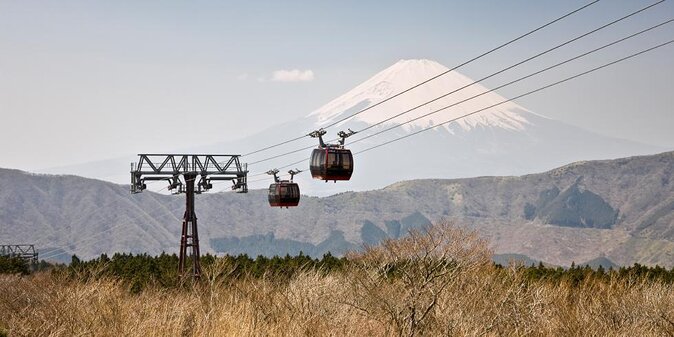
- Hakone highlights in one day: Lake Ashi, Ropeway, volcanic sights around Owakudani, and the Open-Air Museum
- Comfort and logistics handled: air-conditioning, bottled water, and pickup help you start relaxed
- Strong driver impact: many reviews praise drivers like Ali, Abdul, Waseem, Maz, Ahmed, and Rana for keeping things smooth and adjusting for the day
- Ticket extras matter: ropeway, cruise, museum, and Gora Park have separate per-person costs
- Fuji is not guaranteed: clouds can block views, and the experience is designed to still work if that happens
Why Hakone and Mt. Fuji works better with a private car
Hakone is one of those regions where timing and connections matter. Using trains and transfers can be done, but you lose time, and you get stuck moving when crowds move. With a private vehicle, you gain something simple but powerful: you can show up at each spot with less rushing and fewer “where do we go next?” moments.
I also like that the day is customizable. That can mean different things, but in practice it helps when weather turns or when you want to linger longer at one viewpoint. In multiple review write-ups, drivers such as Abdul and Waseem are credited with adjusting plans based on visibility and conditions, which is exactly what you want on a day trip where clouds can change everything.
One more practical win: pickup. Even if you’re used to navigating Tokyo, leaving the city by transit with luggage and time pressure can be exhausting. A car pickup reduces friction, and it usually means you start your day with energy left in the tank.
You can also read our reviews of more private tours in Tokyo
Your 10-hour game plan from Tokyo (and why timing feels full)
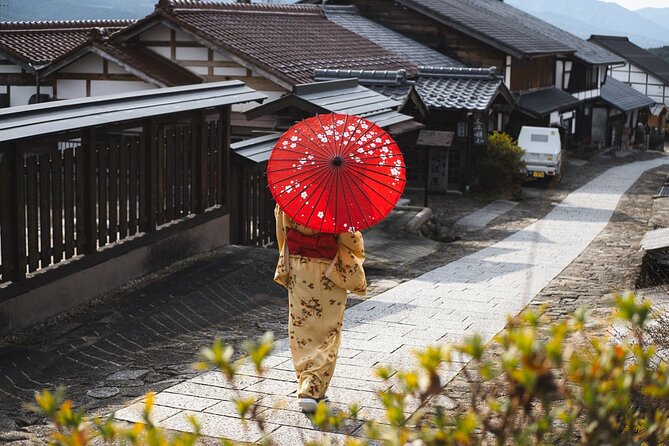
Plan on a real day, not a quick “let’s see Fuji and go” mission. The route is built around a full loop, plus driving time out of Tokyo. Reviews often describe traffic and note that the day can feel jam-packed, especially during holidays or weekends. That’s normal here, and the private format is what helps you absorb delays without ruining the whole day.
Your itinerary roughly follows this order:
- Hakone Shrine and Kuzuryu Shrine area
- Lake Ashinoko viewpoints and the cruise connection
- Hakone Ropeway up toward Togendai and volcanic sights
- Hakone Open-Air Museum
- Gora Park gardens
- Gotemba Premium Outlets
Some stops are “free to enter” and others are not, so your schedule will also depend on how quickly you handle ticketing for ropeway and the lake cruise. The good news is that mobile tickets reduce the hassle once you’re ready to board and ride.
Hakone Shrine and Kuzuryu Shrine: where the day starts
Your first stop is the Hakone Shrine and Kuzuryu Shrine area, known as a place people visit for spiritual good luck and purification themes. You get about 45 minutes, and it’s plenty of time for a quick walk, photos, and a look at the main shrine atmosphere before the day turns more scenic and more touristy.
This is also a good “warm up” stop. You arrive, stretch your legs, and reset from Tokyo life. If your group has different energy levels, this part usually works for everyone because it’s flexible. You can do the basic sightseeing and still move on when you’re ready.
The main consideration is crowding. New Year and holiday periods can bring long lines, and the shrine area can get busy. If you want calmer photos, it helps to get there early, and this kind of private setup generally keeps your arrival time in your control.
Lake Ashinoko: the quiet part before the volcanic views
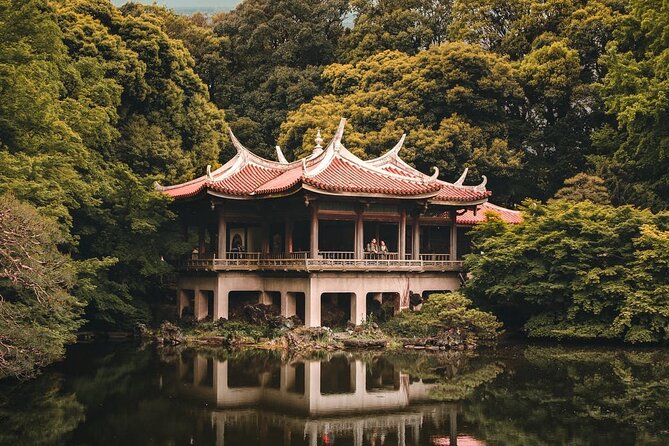
Next comes Lake Ashinoko for about 1 hour. This is where you start seeing why people call Hakone a classic Fuji-region day. Even if you do not catch a perfect Fuji panorama, the lake itself feels like a breath of fresh air, with easy nature views.
Here’s the practical point: this stop is often your gateway to the lake cruise. The cruise itself has a per-person cost, so think of Lake Ashinoko as the viewpoint and staging area rather than a guaranteed “sit on a boat” segment.
If Fuji peeks out, the lake gives you one of the best chances for that iconic combination. Several review stories mention excellent Fuji visibility from boat rides when weather cooperates. When it does not, you still get a peaceful break and time for the lake atmosphere before the day becomes more vertical.
Hakone Ropeway and Togendai to Owakudani: geothermal drama
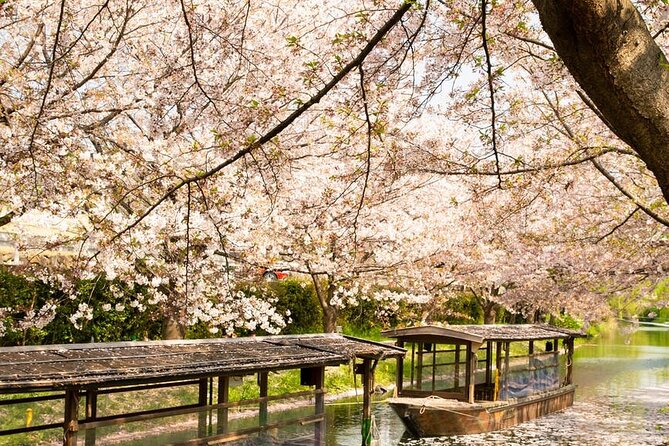
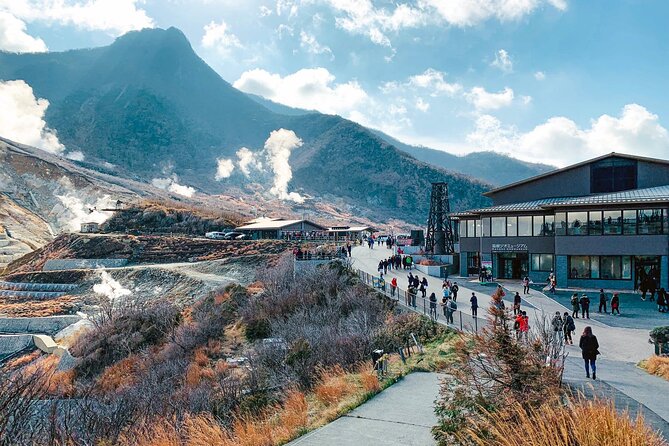
The itinerary then shifts to Hakone Ropeway for about 1 hour. This is where you ride up toward the volcanic zones, and it’s also where the experience can feel most distinctly Hakone.
The ride is not included in the base price, so you should budget the per-person ropeway fee ahead of time. Once you’re up, the goal is to observe the geothermal activity and volcanic scenery around the Owakudani area, with active steam and gases in the air.
One of the key realities is that this part of the day depends on operations and weather conditions. There were negative experiences in the past tied to closures or time lost when cable car logistics did not line up. I can’t predict what will happen on your exact date, but you should treat ropeway and volcanic-area timing as “high priority.” If you’re booking around busy seasons, ask your provider how tickets and check-in are handled so you avoid avoidable waiting.
If you’re a first-timer, this is also a good moment to slow down and take photos without multitasking. The volcanic atmosphere is visual and sensory, and it’s one of the places where being able to pause makes the ride feel like more than just transportation.
More Tokyo tours and experiences for the shortlist




Hakone Open-Air Museum: art in the open air
The Hakone Open-Air Museum is the one stop where many people’s opinions turn from “nice” to “this is why we came.” You get about 1 hour, and you’ll be walking through gardens filled with modern sculpture and outdoor artwork.
This museum is not a small detour. The grounds connect nature and art in a way that tends to feel different from typical indoor museums, because the outdoor setting makes the walk part of the experience.
Some reviews mention a strong Picasso component, with a large collection described as hundreds of original works. Even if Picasso is not your thing, the setting and the sculpture placement create a sense of discovery as you move from piece to piece.
The only drawback is time pressure. 1 hour can be enough if you’re selective, but it can feel fast if you love modern art. If your group is art-focused, I’d treat the museum as your “anchor stop” and be willing to adjust other segments slightly.
Gora Park: French-style gardens and a slower pace
After the museum, you’ll head to Gora Park for about 45 minutes. This is a more garden-forward break, with a French styled garden park vibe, a rose garden, and greenhouses. One greenhouse is described as housing a tropical botanical garden, which adds variety if you want something calmer after the heat and activity of the volcanic zone.
If you like wandering, this stop helps balance the day. Ropeway and Owakudani are dramatic. The museum is active and walk-heavy. Gora Park is where you bring the pace down.
The catch is that it’s also where some people feel rushed if the day runs late due to traffic or weather changes. In your planning mindset, treat Gora Park as a quick garden reset rather than a “spend forever” destination.
Gotemba Premium Outlets: shopping as a structured finale
The last listed stop is Gotemba Premium Outlets, for about 1.5 hours. Admission here is free, but you should expect the trip to include at least some time spent inside retail zones rather than pure sightseeing.
I like that this stop is time-boxed. Shopping can balloon when you’re not careful, and having a planned window makes it easier for everyone in the car. For people who care about brands and discounts, this is a straightforward payoff. For people who hate shopping, it can feel like the most “non Hakone” moment of the day.
In some negative feedback, this outlet stop was not clearly included or was not discussed well. The reliable strategy is simple: confirm the plan early with your driver, and if shopping is not your priority, ask to swap that time for another viewpoint, a café break, or a shorter walk in the Hakone area.
Price and logistics: what $436 per group really buys
The price is listed as $436.05 per group, up to 5 people. That makes this a very different experience depending on your group size.
- If you fill it up with 5 people, you’re effectively paying about $87 each for the vehicle and driver service.
- If it’s just 2 people, you’re closer to $218 each, and the extra attraction costs hit harder.
That’s where value judgment matters. The base includes:
- Air-conditioned vehicle
- Private transportation
- Bottled water
- Pickup offered
- Mobile ticket
What costs extra (per person) includes:
- Hakone Open-Air Museum: ¥2,000
- Hakone Ropeway: ¥1,600
- Hakone Gora Park: ¥650
- Hakone cruise ship: ¥1,200
So yes, the sticker price sounds high, but part of what you’re paying for is avoiding transfers and compressing multiple Hakone sectors into one efficient day. If your alternative is spending hours managing train changes, stairs, and waiting, the private format starts to look more logical.
Still, I’d be honest with yourself about what you want. If you’re happy improvising and traveling light, trains can be cheaper. If you want convenience plus flexibility, and your group is large enough to split the car cost, this option becomes much more attractive.
Fuji visibility, crowds, and weather reality checks
Let’s talk straight about Mt. Fuji. You are not buying a guaranteed Fuji view. The experience requires good weather, and when clouds roll in, visibility can drop fast. Reviews include multiple examples of Fuji being hidden behind haze or clouds, but the day remained enjoyable because the setting is beautiful even without the iconic peak.
When Fuji is visible, Hakone becomes a photo machine. When it isn’t, the best strategy is to switch your mindset from chasing one view to enjoying the whole region. I like that the itinerary is built around multiple “wins” that still work: lake atmosphere, volcanic scenery, outdoor art, and gardens.
Crowds also spike during holidays and weekends. That affects shrine lines, lake rides, and outlet traffic. A good driver response makes a big difference. Some reviews mention drivers getting ahead of traffic by adjusting pickup timing, and others mention buying onigiri for someone who felt ill. Those are small human touches, and they can turn a stressful travel day into a smooth one.
What you should expect from the driver (and how to avoid disappointment)
Here is the most important expectation-setting point: this is a private vehicle service, not a full guided tour where someone stands with you and explains everything at each stop for hours. The driver may provide an overview and help with logistics, but it’s not the same as booking a true guided tour with deep commentary.
That distinction shows up in review feedback. Some guests loved their driver, calling out names like Ali, Abdul, Waseem, Maz, Ahmed, Rana, Mohsin, and Khan Salman for making the day run well and handling adjustments. Other guests were unhappy because they expected a guide style experience and felt they mainly got transportation.
So before you book, decide what you want most:
- If you want driving convenience plus flexible stops, this fits well.
- If you want constant cultural context, history, and interpretation at every stop, make sure you are choosing the option that explicitly includes a guided experience, not just a chauffeur.
Either way, I recommend asking your driver early about how much time they plan for each part, and which parts are truly flexible if the weather changes.
Should you book this Hakone and Mt. Fuji private day trip?
Yes, you should book if your top priorities are convenience, comfort, and stacking major Hakone sights into one day without dealing with transfers. It’s especially good value if you have a group of 3 to 5, because you spread the private car cost and you still have plenty of time for the ropeway, volcanic area, and the Open-Air Museum.
I would not book if you are mainly chasing Fuji visibility as a must-have, with no interest in the rest of Hakone. Fuji can hide, and even great days can feel disappointing if that’s the only goal. Also, if you strongly prefer a guided explanation at every stop, confirm the format before you go, because this is primarily transportation plus driver support, not a full escorted guiding experience.
If you book with the right expectations, this day trip can feel like the clean, efficient version of Hakone. You get the lake, the volcanic drama, the outdoor art, and a structured wrap-up, with less time wasted in transit and more time making memories.
FAQ
Is this a guided tour or just private transportation?
This experience is set up as a private vehicle service with a driver. That means you get transportation, help with the route, and an overview, but it is not described as a full guided tour where a guide accompanies you and provides detailed commentary throughout the day.
What is included in the tour price?
The tour includes an air-conditioned vehicle, private transportation, and bottled water. Pickup is offered, and you receive mobile tickets.
What does not cost extra during the day?
Entrance fees are not included for several stops, including the Hakone Open-Air Museum, Hakone Ropeway, Hakone Gora Park, and the Hakone cruise ship. The cruise and Ropeway have per-person fees listed.
How long is the day trip from Tokyo?
The duration is about 10 hours.
How many people can be in a group?
This tour is priced per group and is listed as up to 5 people.
Do I need good weather for Mt. Fuji views?
Yes. The experience requires good weather. If weather is poor and the experience is canceled due to that, you are offered a different date or a full refund.
What is the cancellation window?
Free cancellation is available up to 24 hours in advance for a full refund.
More 1-Day Tours in Tokyo
More Private Tours in Tokyo
More Tour Reviews in Tokyo



Not for you? Here's more nearby things to do in Tokyo we have reviewed












Mount Fuji Tours, side by side.
 ★ 5.0Mt Fuji and Hakone 1-Day Bus Tour Return by Bullet TrainFrom $16326,383 reviews
 ★ 4.0Mt Fuji & Hakone Cruise, Drum Show Bullet Train 1 Day from TokyoFrom $1497,413 reviews
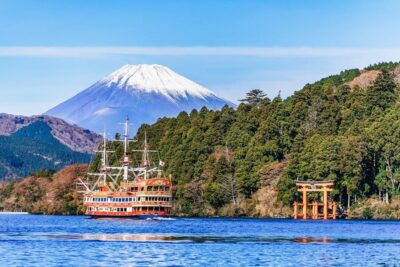 ★ 4.4Tokyo Mt Fuji 5th St & Hakone Cruise Bus Tour w/Bullet TrainFrom $1545,024 reviews
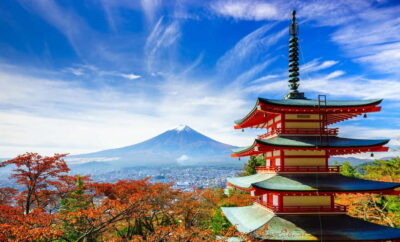 ★ 4.5From Tokyo: Mount Fuji Full-Day Sightseeing TripFrom $684,970 reviews
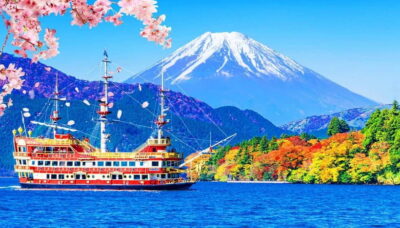 ★ 4.7Mt. Fuji Tour, Hakone Ropeway, Owakudani, Lake AshiFrom $544,002 reviews
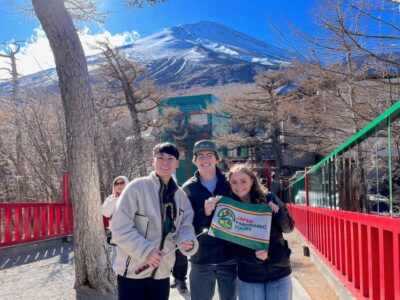 ★ 4.2Mt. Fuji 5th Station & Hakone Cruise 1-Day Bus TourFrom $1292,381 reviews
 ★ 4.7Mt Fuji Top 5 Spots Day Tour: Arakurayama Park,Oshino HakkaiFrom $532,066 reviews
 ★ 5.0Private Tour to Mt. Fuji and Hakone (Fully Licenced Operator)From $4971,910 reviews
This tour also belongs to