
Review · TOURS
Japanese Garden & Western Architecture: Akasaka exploration tour
Tokyo hides quiet history in Akasaka. This guided outing stitches together 400-year-old garden calm and Edo-era culture in central Minato.
I really like two parts: the slow, scenic time at Hotel New Otani Japanese Garden, with waterfalls and seasonal plants that make the city feel quieter right away. I also like how the guide connects places like Inari Shrine and nearby parks to the daily-life feel of the Edo period, so it is not just sightseeing.
One possible drawback: Akasaka Palace has an entrance fee you pay yourself, and the tour does not include lunch, so bring cash and plan your food timing.
Key things I’d circle before you book
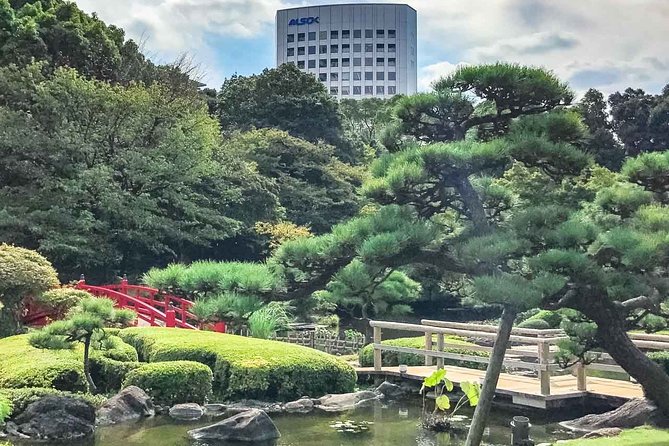
- Hotel New Otani Japanese Garden gives you a true long-stay garden experience, not a quick photo stop.
- Inari Shrine spirit-clearing adds a cultural ritual angle, not just architecture viewing.
- Akasaka Palace is the big “wow,” and you do pay an entrance fee for access.
- Meiji Memorial Picture Gallery mixes art and era history inside a distinctive dome-shaped space.
- Jingu Gaien ginkgo arches give a simple, scenic walk that changes with the seasons.
- Private guide time means you can ask questions and get help, like tea-spot reservations.
Akasaka, Tokugawa stories, and Western-looking buildings in one half-day
Akasaka is one of those Tokyo areas that can feel split in two. One minute you are surrounded by polished government and diplomatic buildings, and the next you are walking through garden paths and shrine areas where the pace slows down on its own.
This tour is built around that contrast. You get Edo-period context tied to real places, and you move from traditional garden space to major landmark sites within a compact 3 to 4 hour window. It is a solid choice if you want culture without spending a whole day commuting around Tokyo.
The best part for most people is that it does not feel like a checklist. The guide’s storytelling helps the garden, shrine, and ceremonial spaces make sense together.
You can also read our reviews of more tours and experiences in Tokyo.



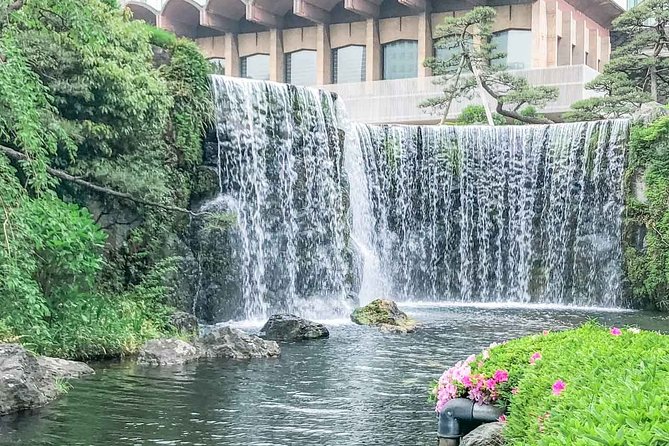
Hotel New Otani Japanese Garden, where 400 years shows up in details
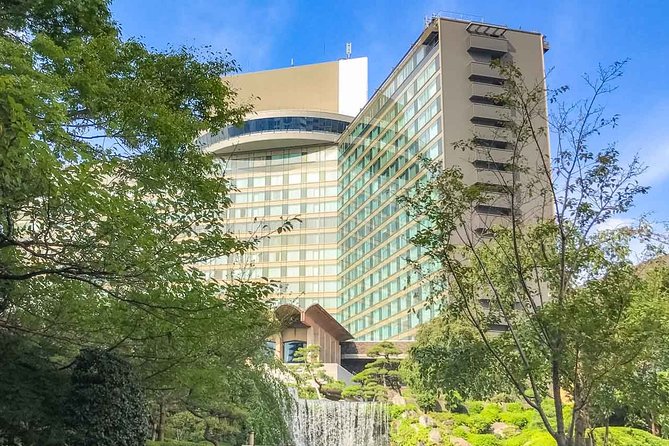
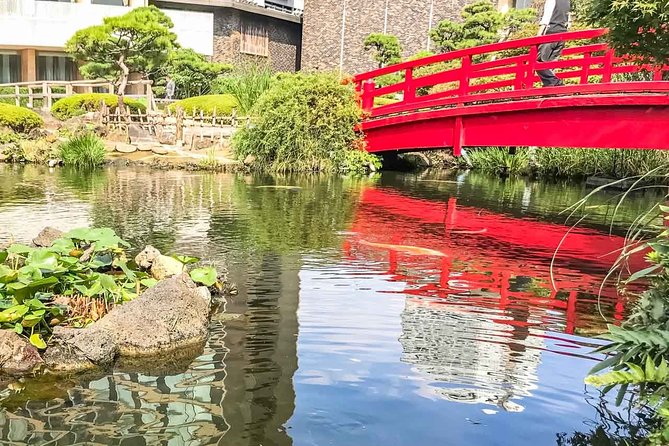
Your first stop is Hotel New Otani Japanese Garden, which is described as a large garden with a history of around 400 years. That matters, because a garden like this rewards patience. Instead of rushing past highlights, you have about 40 minutes to look for sightlines, waterfalls, and plant changes through the seasons.
What I’d pay attention to here:
- Waterfalls and seasonal plants. Even if you visit in a season you are not “expecting,” gardens still have a mood. You can see the year cycle in the foliage and flower timing.
- Pondside calm. The experience is set up so you can slow down. There is time to sip tea near the pond area, which is one of those very Tokyo quiet moments that contrasts nicely with the streets outside.
Practical note: in Japan, garden etiquette is part of the atmosphere. Keep your voice down, give photographers space, and enjoy the slower pace. Also, if you are visiting in peak sakura season or autumn illumination periods, the garden can be busier around the scenic spots, so arrive mentally ready to share space.
A fun detail from real tours: sometimes you may catch a newly married couple taking photos in the garden area. That is not guaranteed, but it is a good reminder that this is an active, living space, not a museum display behind glass.
Inari Shrine spirit-clearing and Edo life in modern Akasaka
Between the bigger landmarks, you also get the Edo-period “daily life” feel through stops connected to the shogunate era. The tour highlights kicking out bad spirits at Inari Shrine, plus exploring gardens and parks linked to the neighborhood.
This is where the guide’s role really matters. Inari shrine culture is not only about architecture. It is about meaning, the ritual idea, and understanding why certain elements show up in everyday Japanese life.
Here is how I’d think about this part of the tour when you are deciding if it fits you:
- If you like culture that has a human “why,” this section can be the most memorable.
- If you only want dramatic monuments, you might find it softer. But the point here is that it gives context before you walk into the major historical buildings.
You will also spend time in green space around the shrine areas, including mention of Shimizudani Park in the experience overview. Even brief park breaks make the whole day feel more balanced.
Akasaka Palace (State Guesthouse) and that castle-like feeling
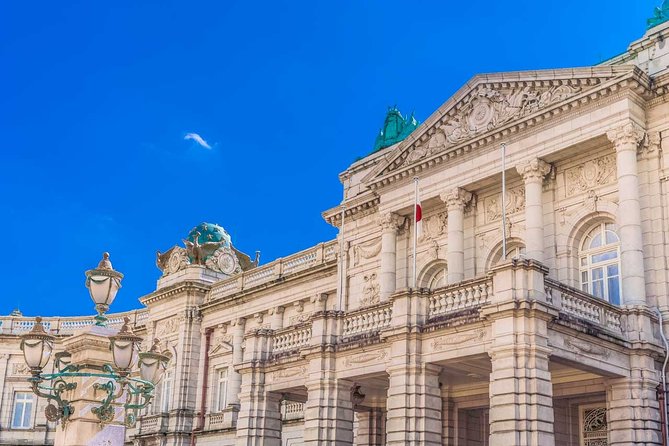
Akasaka Palace is the tour’s centerpiece, and it is easy to see why. This state guesthouse receives dignitaries from around the world, including kings and presidents, and its appearance is described as luxurious, almost castle-like. You will feel the ceremonial weight of the place as you move through the visit time.
Timing here is about 50 minutes, and the big catch is money. The entrance fee is not included, listed as ¥2,000 per person. So your tour value is best understood as a guided experience plus an on-top palace entry cost.
One useful context point from past visitors: the palace has been open to the public since 2016, and it is often described as a monument of Japanese history. That helps you frame it as more than just pretty buildings. It is a working symbol of how Japan hosts foreign visitors at the highest level.
Tips to enjoy this stop more:
- Plan to keep your camera ready, but do not turn this into a sprint. The palace is meant for slower looking.
- If you have questions about what you are seeing, this is the moment to ask. The guide usually has the best “explain it simply” answers here.
Because this stop is formal, expect the visit to feel more structured than the garden. It is not a problem, it just changes the rhythm.
Meiji Memorial Picture Gallery, dome-shaped art and era context
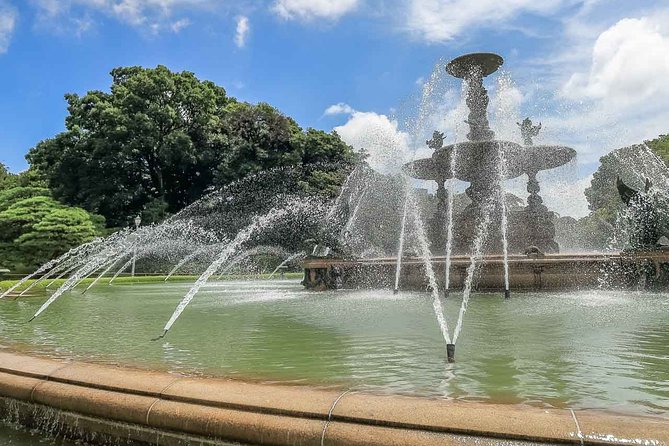
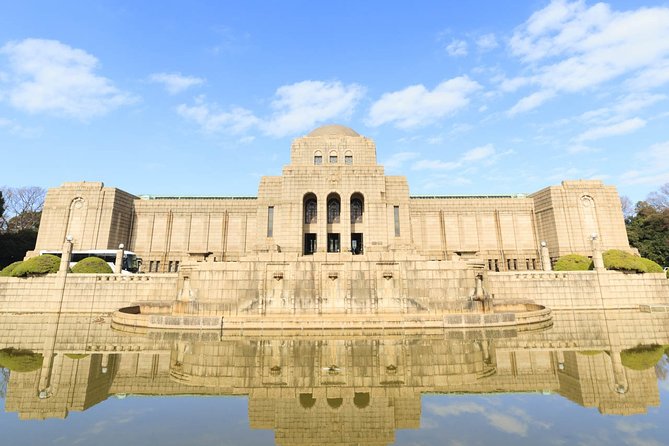
After Akasaka Palace, you head to Meiji Memorial Picture Gallery. It is a dome-shaped museum focusing on the Meiji era, and it has paintings and murals on display. The building’s look from the entrance toward the outer garden area along Aoyama Street is also noted in the tour description.
This is a strong stop if you are curious how Japan’s story shifts from shogunate-era governance into the Meiji era’s modernization push. You get art as a way to understand that transition, rather than only reading plaques.
What I like about this kind of museum stop during a half-day tour:
- You get an indoor reset when Tokyo weather hits.
- You connect architecture and cultural priorities to what the era tried to communicate through images.
Admission here is not included, so you will likely pay entrance fees yourself again depending on what the day’s ticketing requires. If you want fewer cash transactions, bring enough yen to cover both Meiji Memorial Picture Gallery and Akasaka Palace.


Jingu Gaien ginkgo arches, a quick seasonal Tokyo fix
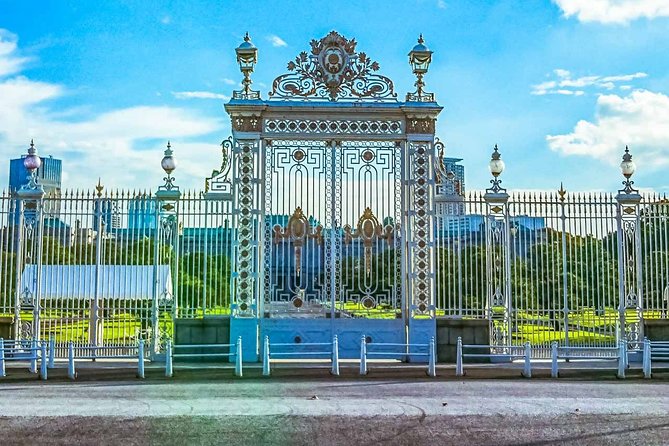
The final scenic walk is along Jingu Gaien Ginkgo Tree-lined Street, designed around an iconic row of ginkgo arches. The experience is described as scenery representing Tokyo’s four seasons.
This is a shorter stop, about 20 minutes. That brevity is a plus. It gives you a calm photo-and-walk moment without blowing up the overall schedule.
If you are sensitive to walking time, this section is manageable because it is more of a pleasant stroll than heavy touring. Also, ginkgo season can change the whole feel of the street, so if you time your Tokyo trip around autumn or spring, this can be a standout for photos.
What your guide actually adds, from Ayako-san to Mutsuko Takano
This tour is private, meaning it is only your group with a guide. That changes the experience. You can ask questions mid-walk instead of waiting until a tour pauses. You can also get practical, localized guidance that does not feel scripted.
Past guides named in feedback include Ayako-san, Sayaka, Mutsuko Takano, and Ume. Common praise points were calm, flexible guiding, good English, and answering plenty of questions without making you feel rushed.
One helpful detail that really caught my attention: one guest said their guide helped them with a reservation for a Japanese authentic tea shop. Even though the tour itself does not include a dining stop, a guide can still help you steer toward something good nearby once you finish.
If your travel style is “tell me what I should notice,” this kind of guiding fits well.
Price, what is included, and what you should budget on the day
The listed price is $82.42 per person, and the tour is around 3 to 4 hours. You also get a mobile ticket and a tour guide as part of the package. Private tour setups also tend to justify the guide cost because you are paying for individualized attention, not just a mass-group talk.
Here is how to think about the money in plain terms:
- Included: the guide, plus the guide’s necessary expenses while working your route.
- Not included: entrance fees at specific stops, plus your own transport and any food and drink.
The data also points to a ¥2,000 estimated admission cost per person, matching the Akasaka Palace entrance fee of ¥2,000. Meiji Memorial Picture Gallery is also described as admission not included.
So the “real” per-person budget usually becomes:
- Tour price
- Plus Akasaka Palace entry (¥2,000)
- Plus any additional admissions for stops marked as not included
- Plus your train fare
Plan for cash. The tour notes that some visited spots do not accept credit cards. So bring yen, even if you normally live card-first.
Where you start and how the walk flows, Akasaka-Mitsuke to Gaiemmae
The meeting point is Akasaka-Mitsuke Station. The tour ends at Gaiemmae Station. This matters because you might need to plan your next appointment or dinner location around that end point. It also means you get a slight “walk through a story” feeling across the neighborhood instead of returning to the exact starting spot.
Wear comfortable clothing. The tour specifically warns that you will be walking a lot. Comfortable shoes are the difference between enjoying the pace and feeling irritated by it.
One more practical heads-up: the route can change if weather is bad, including destinations and transportation means. Tokyo weather can be unpredictable, especially if your trip spans rainy or windy days. If you are the type who needs a strict plan, treat this as a flexible tour.
Who this tour suits best, and who might want to skip it
I think this tour is a great match if you:
- Love Japanese gardens and want a real time slot, not a quick pass-by
- Want Edo-period context tied to real places like Inari Shrine
- Like history but prefer it explained through walking, not lecture rooms
- Enjoy mixing traditional spaces with Meiji-era cultural sites
It may be less ideal if you:
- Are trying to see only major headline monuments and nothing else
- Hate paying add-on entrance fees on top of the base price
- Want lunch fully handled by the tour (this one does not include a dining spot)
Should you book the Japanese Garden & Western Architecture: Akasaka exploration tour?
If your Tokyo trip has room for a calm, guided half-day in central Minato, I’d book it. The value comes from pairing a long garden visit with major ceremonial architecture like Akasaka Palace, plus a shrine culture stop that adds meaning to the whole route.
My main reason to recommend it is the balance. You get garden time, Edo-period framing, and Meiji-era museum art within a tight schedule, and you end with an easy seasonal stroll under ginkgo arches.
Just go in prepared for the on-top costs, especially Akasaka Palace, and for the fact that you will need to handle food yourself. If you do that, you will come away with a much clearer sense of how Akasaka shifts across eras while still feeling very Tokyo.
FAQ
How long is the Japanese Garden & Western Architecture: Akasaka exploration tour?
It runs about 3 to 4 hours.
Where do I meet the guide and where does the tour end?
You start at Akasaka-Mitsuke Station (3-chōme-1-6 Akasaka, Minato City) and the tour ends at Gaiemmae Station (2-chōme-7-16 Kitaaoyama, Minato City).
Is this tour private?
Yes. It is private, so only your group participates.
Are entrance fees included in the price?
No. Akasaka Palace has an entrance fee of ¥2,000 per person that is not included. Meiji Memorial Picture Gallery also has admission not included.
Do I need to bring cash?
Bring cash. Some spots do not accept credit cards.
Is lunch included?
No. This tour does not include a dining spot.
What should I wear for this tour?
Wear comfortable clothing since you will be walking a lot.
What happens if the weather is bad?
If weather is bad, the means of transportation, destinations, and routes may be changed.
Can I get a refund if I cancel?
Free cancellation is available up to 24 hours in advance for a full refund. If you cancel less than 24 hours before the start time, the amount paid will not be refunded.
More Tours in Tokyo

More Tour Reviews in Tokyo

Not for you? Here's more nearby things to do in Tokyo we have reviewed












Tours, side by side.
 ★ 5.0Mt Fuji and Hakone 1-Day Bus Tour Return by Bullet TrainFrom $16326,383 reviews
 ★ 5.01-Day Tokyo Bus TourFrom $12914,250 reviews
 ★ 5.0Shinjuku Food Tour (13 Dishes at 4 Local Eateries)From $866,603 reviews
 ★ 4.4Tokyo Mt Fuji 5th St & Hakone Cruise Bus Tour w/Bullet TrainFrom $1545,024 reviews
 ★ 5.0Flagship 2-Hours Official Street Go-Kart Tour – Tokyo Bay ShopFrom $644,974 reviews
 ★ 4.7Mt. Fuji Tour, Hakone Ropeway, Owakudani, Lake AshiFrom $544,002 reviews
 ★ 5.0Tokyo 6hr Private Tour with Government-Licensed GuideFrom $1553,902 reviews
 ★ 5.0Tokyo Bar Hopping Tour in Shinjuku (All-You-Can-Drink + Dinner)From $1063,587 reviews