
Review · TOKYO CITY TOURS
Kyoto Early Bird Tour Tokyo Round or One Way Shinkansen
One train, three Kyoto icons. This early bird day trip turns your Tokyo time into a proper Kyoto highlight run, with Shinkansen comfort and a guide who keeps the pace realistic. You hit classic stops like Arashiyama Bamboo Grove, Kinkaku-ji (the Golden Pavilion), and Fushimi Inari-taisha, all in about a day.
What I like most is the small group setup, capped at 8 travelers, which makes navigation and questions feel easier. I also love that the tour handles the big-ticket logistics, including the English-speaking guide, Kyoto transport between sites, and Kinkaku-ji admission.
One thing to consider: this is a one-day sprint with a lot of walking and sun. Even though it is guided and timed, you should expect a physically “moderate” day, and in hot months it can feel tougher than it sounds on paper.
Quick highlights before you go
- Early AM options let you start Kyoto with a calmer feel, depending on the time slot you pick.
- Max 8 per group keeps things organized and helps you stay on track between stops.
- Shinkansen included (one-way or round trip) means you are not building a rail plan on your own.
- Kinkaku-ji admission covered, plus Kyoto transportation between sights.
- Three major icons in one day: bamboo, gold pavilion, and the red gates of Fushimi Inari.
- Mount Fuji may show up on a clear day from the Shinkansen route.
How the early Shinkansen day trip fits into your Japan plans
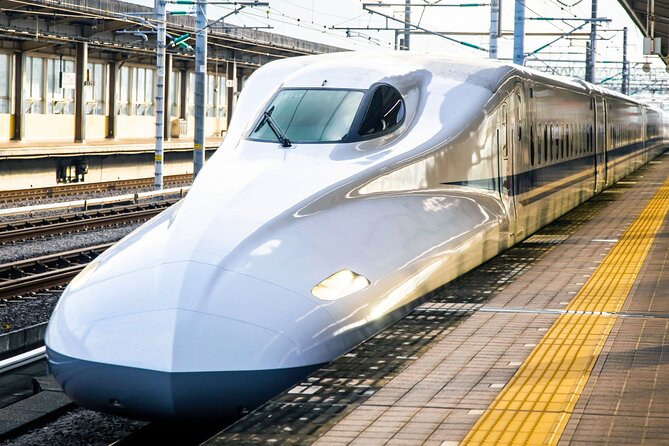
Kyoto is the kind of city where a day trip can feel either perfect or frustrating. This one works because it is built around efficient travel and a tight route that hits the biggest visual “wow” moments without pretending you can see everything.
The other smart piece is the early timing. You can choose from multiple early AM departures, which helps you get to at least one of the signature areas before the heaviest waves of day visitors. The tour is also priced as a guided rail-plus-sight package, not a do-it-yourself headache.
It is also popular. The average booking window is about 41 days ahead, which tells you something important: if your dates are fixed, lock in early.
You’ll start at a clear meeting spot in Tokyo: Tully’s Coffee & Tea KITTE Marunouchi (Japan, Chiyoda City, Marunouchi, 2-chōme, JP Tower KITTE building, 1F). From there, the day runs like a well-scripted itinerary, including Shinkansen travel.
You can also read our reviews of more tours and experiences in Tokyo.



Meeting point to final stop: a day with clear handoffs
Your meeting point is easy to find if you are already in the Marunouchi area. Go to Tully’s Coffee & Tea inside KITTE Marunouchi at 1F. It is a good choice for this kind of tour because it is near transit, and you are less likely to lose time figuring out where to gather.
At the end, you do not have to force an instant return. The tour allows you to either stay in Kyoto or go back to Tokyo Station. That choice also changes pricing, because the Shinkansen fee depends on whether you pick one-way or round trip.
Your ticket is a mobile ticket, so you will want your phone charged and ready. If your phone battery is the weak link in your travel routine, bring a power bank.
The biggest practical takeaway is that the schedule is tight enough that you should treat your meeting time like a hard appointment. When you start Kyoto early, you do not want a late start to ripple into the rest of your day.
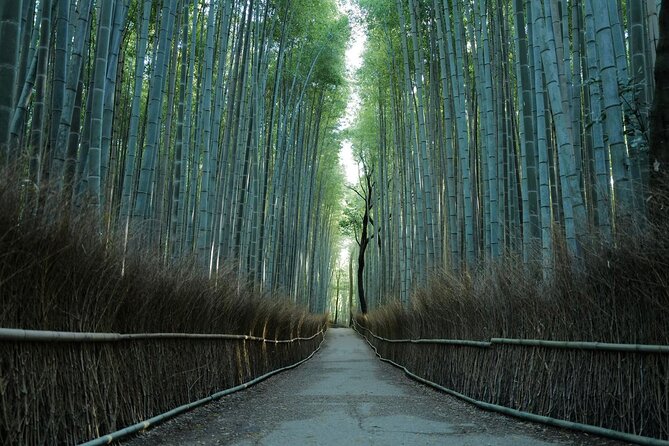
Arashiyama Bamboo Grove: start Kyoto with atmosphere
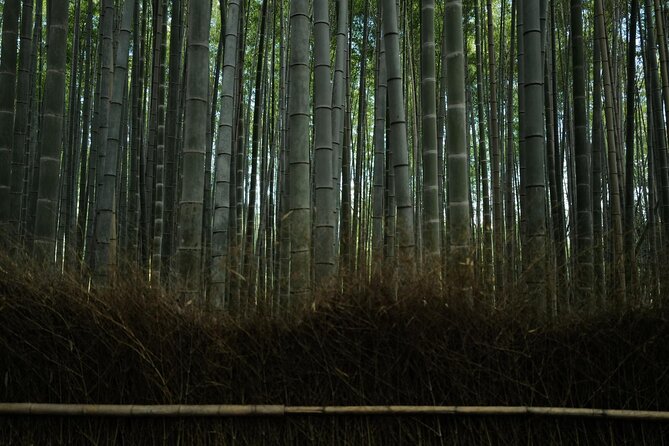
Arashiyama is where Kyoto immediately shows you why people fall in love with it. Your first stop is the Bamboo Grove, where tall bamboo shoots form a walkway-like feel and the whole area seems to quiet down into a calm, breezy scene.
This stop is listed at about 1 hour, and admission is free. That is a nice match for a day trip because it gives you enough time to experience the iconic views without turning it into an hour-and-a-half photo marathon.
What can be a drawback is that this area still draws crowds, especially later in the day. The best way to protect your experience is simple: commit to the early schedule you booked. If you pick an early departure, you are likely doing yourself a favor here.
Also plan for walking comfort. Even when a stop is “only” an hour, you may still move through crowded paths and transition areas.
If you want calm, this is the stop where early timing matters most. If you want photos, treat your time as structured. Get your wide shots, then do a slower second pass if time allows.
Kinkaku-ji Golden Pavilion: why the included ticket matters
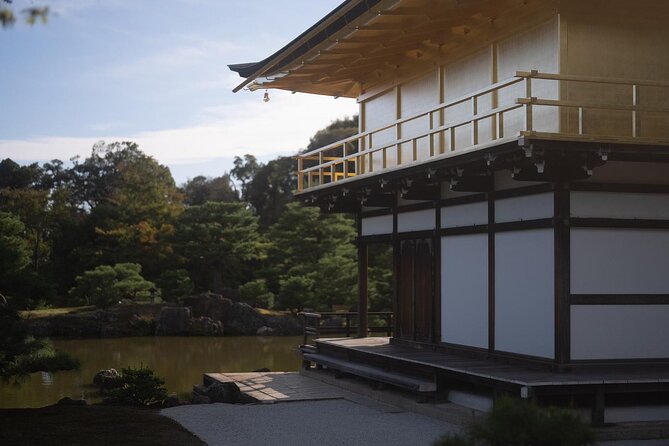
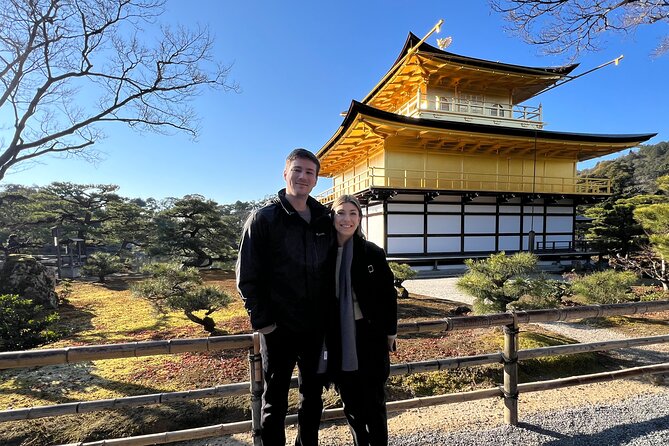
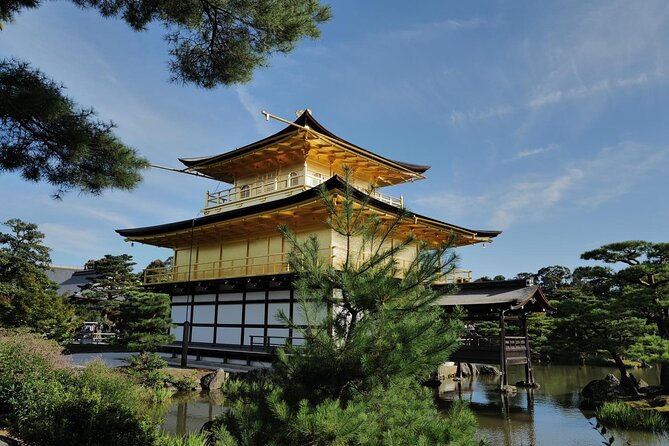
Kinkaku-ji, the Golden Pavilion, is one of Kyoto’s easiest places to understand quickly. The gold structure is the headline, but what makes it special is how the whole scene works as a composition. You can see why it has become such a strong symbol of the city.
This stop is about 1 hour 30 minutes, and the admission fee is included. That inclusion is more valuable than it sounds. It saves you the “what ticket do I buy and where” time, which is crucial on a one-day itinerary.
A realistic expectation: the pavilion area can be busy, and there can be queues. Your guide helps with what to prioritize while you are there, so you are not just wandering around waiting.
If you like photography, you will probably want a few angles. But if you prefer to experience it more than capture it, you will still get a full sense of why the Golden Pavilion is such a draw. Either way, 90 minutes is enough to see it properly during a day trip without rushing to the next stop.
One practical tip for comfort: dress for heat and sun. A lot of Kyoto’s best views involve outdoor walking, and Kinkaku-ji can mean long stretches under bright light.
Fushimi Inari-taisha: the red gates and how to not lose time
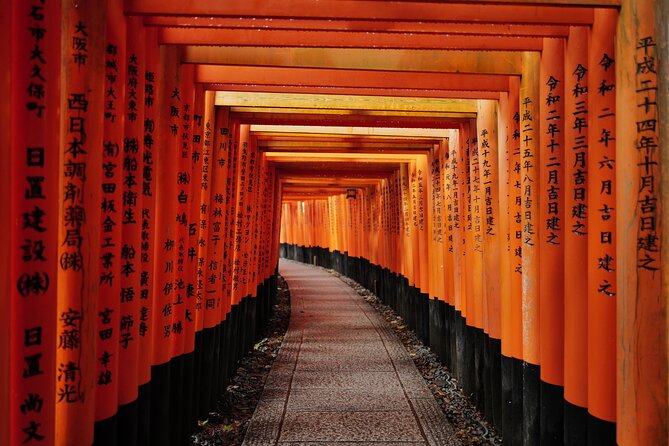
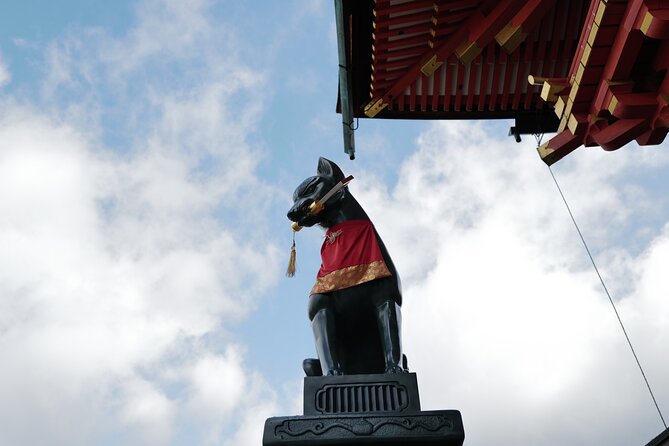
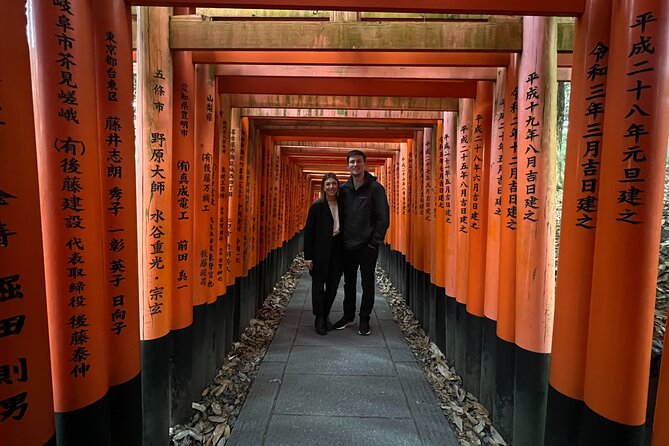
Fushimi Inari-taisha is the shrine most people recognize instantly from photos: thousands of red gates creating a tunnel effect. This stop is listed for about 1 hour 30 minutes, and admission is free.
That duration is key. You need time to walk through the gates, pause for views, and still make it back down without feeling like you are sprinting. The red gate corridor is visually intense, so you will likely want breaks.
A drawback worth planning for: the route can feel like a lot of steps, even if it is not described as a hike. You do not have to go to the farthest points, but the longer you linger in the more remote sections, the less time you will have for the rest of your day.
If you are going in hot weather, pace yourself. One group experience highlighted that July conditions can be extremely hot, with much of the tour in direct sunlight. That is not avoidable, but you can soften it by slowing down, drinking when you can, and taking short shade breaks when they appear.
If you like cultural context, bring your curiosity. A strong guide can help you read what you are seeing beyond the postcard look.


Walking, trains, and heat: what your body should expect
This is not a sit-and-watch tour. It is a day of moving from one signature area to another, using a mix of walking and public transportation within Kyoto. It is rated for travelers with moderate physical fitness, which usually translates to: comfortable shoes, normal stair use, and the ability to keep walking even when you feel a bit tired.
From real experience shared in feedback, plan for about 4.5 miles of walking during the day. That number can vary by route choices and how much time you spend stopping, but it is a good planning baseline.
Hot weather is the other big factor. If you travel in summer, expect direct sun for portions of the itinerary. That does not mean the tour is unsafe or miserable, but it does mean you should prepare like you are going to be outside a lot.
Pack practical basics:
- Comfortable walking shoes
- Sunscreen and a hat
- A water plan, since food and drinks are not included
Also remember this is a guided schedule with multiple segments. You are not just sightseeing in one place. The time you save by having transport handled also means you have less flexibility to slow down dramatically without affecting your flow.
Small group, expert hosts: what makes the guide experience stand out
One of the strongest reasons to pick this tour is the guide quality and how much smoother it makes the day. Feedback highlights guides who are friendly, professional, and good at explaining what you are looking at. Names that come up in standout feedback include Rin, Kai, Genki Fukushima, Aya, and Rina Tanaka.
What this usually looks like in practice:
- You get history and cultural context at each stop, not just directions
- You can ask questions and get clear answers
- You stay oriented during the return to Tokyo, even if you are still learning the rail system
Another sweet point from feedback: the tour includes help so you do not feel stranded when it is time to head back. That matters when you are on a tight schedule and you still need to navigate stations.
Group size also shapes the vibe. With a maximum of 8 travelers, it is easier to keep track of everyone when you move between sites. It also tends to reduce the stress of crowds, because the guide can manage the flow rather than trying to wrangle a large group.
Price and value: what you actually get for $423.49
At $423.49 per person, you are paying for a lot more than “a guide in Kyoto.” The tour includes the Shinkansen ticket fee (either one-way or round trip, depending on your choice), an English-speaking tour guide, Kinkaku-ji admission, and transportation fees in Kyoto between stops.
So what does that mean for value?
- You are not budgeting time to research trains, tickets, and transfers for a one-day run.
- You are not paying separately for the one paid admission stop (Kinkaku-ji).
- You are buying structure, which is often the difference between a fun day trip and a stressful one.
Your cost can change based on the round trip vs one-way option. If you plan to continue exploring in Kyoto after the tour, one-way may make more sense. If you want the clean reset back in Tokyo, round trip does that.
What is not included is food and drinks. That is common on guided day trips, but it still matters for budgeting. You should plan for lunch on your own, plus water. If you assume the tour covers meals, you will be surprised.
Also note the “one-day, three icons” structure. You may feel like you are moving fast, which is the trade-off for seeing major highlights without losing a whole extra day to transport.
Who should book this Kyoto early bird tour
This tour fits best if you want the big names of Kyoto and you only have one day to spare. It is also a good choice if you are new to Japan rail travel. The Shinkansen ride plus a guide who handles the transitions can reduce stress fast.
You’ll likely enjoy it if you:
- Prefer organization over guessing routes
- Want classic Kyoto photo stops with a plan behind them
- Are comfortable walking a few miles in a single day
- Like having cultural context while you sightsee
You might think twice if you:
- Hate walking in heat and sun
- Need long, unhurried time in one place
- Want lots of flexibility to change the route mid-day
Because the group is small, it also tends to work well for people who like a more personal pace. If you are traveling solo or as a couple, the format can feel efficient without being chaotic.
Should you book this Kyoto early bird tour?
I think this is a smart booking when your goal is clear: see Kyoto’s most famous landmarks in one day from Tokyo, without doing rail math all morning.
Book it if you want early timing, a small group, and a guide who helps you understand what you are seeing while still keeping you moving. The included Shinkansen and Kyoto transportation are the main value drivers, and Kinkaku-ji admission is a nice bonus that saves time.
Skip it if you want a slow Kyoto day, or if you know you struggle with heat and sustained outdoor walking. Also remember food and drinks are on you, so you should plan a lunch stop and hydration.
If you can handle a focused day and you want the headlines of Kyoto, this tour is a solid choice.
FAQ
Is the Shinkansen ticket included, and can I choose one-way or round trip?
Yes. The Shinkansen ticket fee is included, and you can choose either a one-way or round trip option. Prices differ depending on which option you select.
What are the tour stops on this Kyoto day trip?
The tour includes Arashiyama Bamboo Grove, Kinkaku-ji (Golden Pavilion), and Fushimi Inari-taisha.
How long is the tour?
The duration is about 7 to 8 hours.
How long do I spend at each major site?
Arashiyama is about 1 hour, Kinkaku-ji is about 1 hour 30 minutes, and Fushimi Inari-taisha is about 1 hour 30 minutes.
What is included in the price, and is food covered?
Included are the Shinkansen ticket fee (one-way or round trip), an English-speaking tour guide, Kinkaku-ji admission, and transportation fees in Kyoto. Food and drinks are not included.
Where do I meet, and where does the tour end?
You meet at Tully’s Coffee & Tea KITTE Marunouchi in the KITTE building (1F). The tour ends in a different location, and you can choose to stay in Kyoto or return toward Tokyo Station.
More Tours in Tokyo


More Tour Reviews in Tokyo

Not for you? Here's more nearby things to do in Tokyo we have reviewed












Tokyo City Tours, side by side.
 ★ 5.01-Day Tokyo Bus TourFrom $12914,250 reviews
 ★ 4.5TOKYO SKYTREE® Admission ticketFrom $1311,192 reviews
 ★ 4.6teamLab Planets TOKYO Digital Art Museum Entry TicketFrom $259,779 reviews
 ★ 4.0Mt Fuji & Hakone Cruise, Drum Show Bullet Train 1 Day from TokyoFrom $1497,413 reviews
 ★ 5.0Shinjuku Food Tour (13 Dishes at 4 Local Eateries)From $866,603 reviews
 ★ 4.4Tokyo Mt Fuji 5th St & Hakone Cruise Bus Tour w/Bullet TrainFrom $1545,024 reviews
 ★ 5.0Flagship 2-Hours Official Street Go-Kart Tour – Tokyo Bay ShopFrom $644,974 reviews
 ★ 4.5From Tokyo: Mount Fuji Full-Day Sightseeing TripFrom $684,970 reviews