
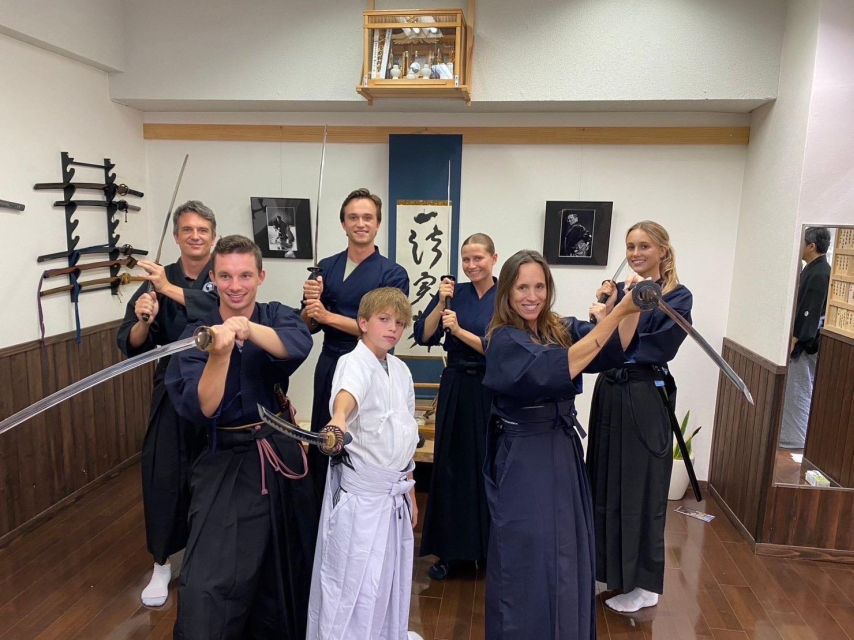
Review · TOKYO SAMURAI EXPERIENCES
Martial Arts: Samurai Experience (Iaido)
First sword lessons hit with real discipline. This Iaido experience in Japan’s Kanto region gives you a guided path into the samurai style of drawing and handling a katana, starting with simple form and building toward the more serious stuff. I especially like how the katana practice is handled with structure, not chaos, so the room feels focused from the start. One thing to consider: you need to plan for your own timing and comfort, since food and drinks are not included and you do not get hotel pick up.
What I like a second time is the way the session is topped off. You watch a master performance using a real shinken, then you get a chance to ask questions and learn what the practice is meant to convey, not just how to move. The only real drawback is that you will want to arrive ready to move in comfortable clothes, because the activity is built around practice, not hanging around.
Key points at a glance
- Start on the 3rd floor of the meeting point building, then return there at the end
- Outfit and katana rental are included, so you do not need to source gear
- Iaido fundamentals first, then katana usage, so you are not thrown straight into performance
- Shinken demonstration with the master, followed by photo time and Q and A
- English and Japanese instruction, with a strong emphasis on clear guidance
- Travel insurance included, but food and drinks are not
First Steps on the 3rd Floor for Iaido Basics
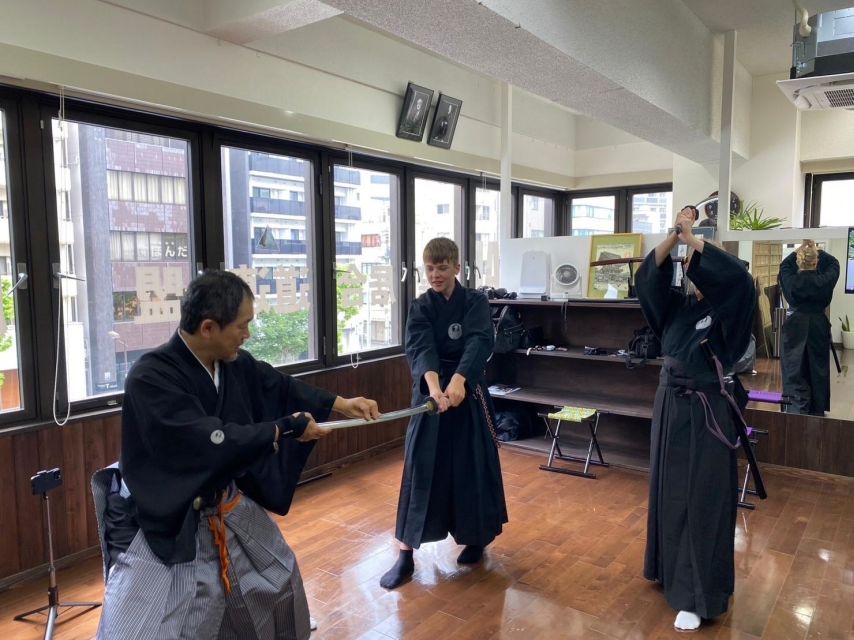
This experience is built around a dojo style lesson in the Kanto region. Your day starts at the meeting point, and the Iaido class takes place on the 3rd floor of that building. It matters because you are not arriving at a random workshop spot. You are walking into a dedicated training setup, with a clear start and a clear end, and it wraps back up at the same meeting point.
The lesson is taught by an instructor who speaks both English and Japanese. That bilingual setup is a big deal for Iaido, because sword work is full of small details, and you want your cues to land correctly. You also want to be able to ask questions in a way that feels natural, so you can leave with real understanding instead of just a few poses you remember.
Your session runs for 1 day, but you will need to check availability for starting times. That means you can likely match it to your itinerary, but you should plan with some flexibility because the start time is not fixed on the information provided.
You can also read our reviews of more tours and experiences in Tokyo.



What Iaido Teaches You, Beyond Just Sword Swings
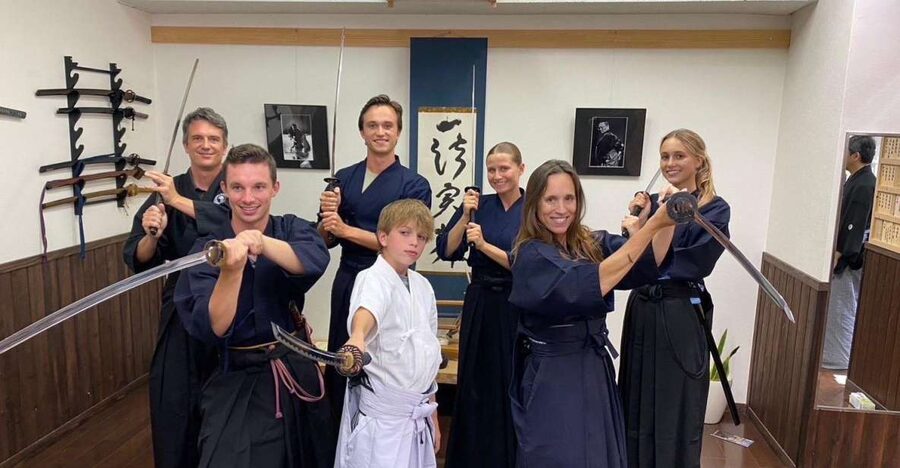
Iaido, often described as sword technique, is not just about waving a blade. It is about controlled movements and intention, the kind of discipline you associate with samurai arts. This class frames it that way, starting with a summary of the practice and basic movements from the master.
What I like here is the cultural layer. The experience is designed to connect the training to samurai spirit and old Japanese martial culture. That theme shows up not only in the explanation, but also in how the practice is paced. You are not just doing motion drills. You are being taught how the movements are meant to communicate.
There is also a wider context included in the session, including the idea that an international Iaido organization was created to help ensure the practice is taught worldwide. You do not need to be a history scholar to appreciate this. Even if your main goal is practical skill and a memorable experience, it helps you understand why the lesson takes itself seriously.
And yes, you will also get the “Last Samurai” style romance people hope for when they book this kind of workshop. The key is that romance comes with structure, so it does not feel like cosplay.
Getting Into the Outfit and Handling Your Katana Rental
Right when you arrive, you change into your training outfit. That is step one in the activity flow, and it does more than make good photos. It helps set the right mindset and gets you into the posture and movement patterns the practice expects.
Then you move into katana handling. You are provided with rental outfits and a katana, so you do not need to bring gear or worry about transport. That is practical value. Many “martial arts experience” offerings make you hunt down equipment, but here you are given the tools for the lesson.
One practical tip: bring comfortable clothes. That is the only clothing instruction given, and it makes sense. You will be changing, then practicing, so you want fabrics that are easy to move in and not restrictive. If you show up in stiff materials or shoes you cannot adjust quickly, you will feel it once the lesson begins.
The katana handling stage is also where you learn that control matters more than force. Even without assuming a technical background from you, the structure helps you understand how to stay aligned and how the blade is used with intention.
From Fundamental Movements to Practical Sword Usage
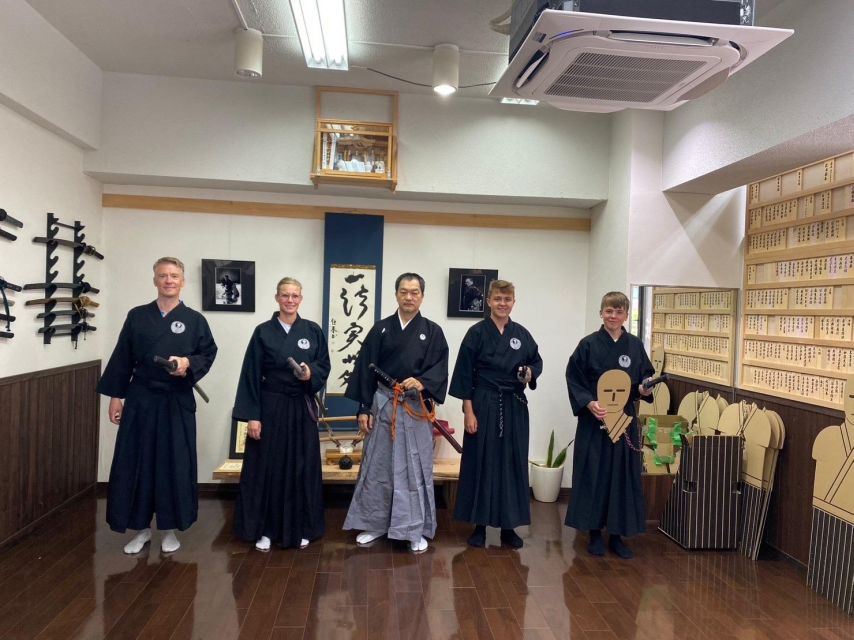
After outfitting, the lesson progresses through a clear sequence. You practice fundamental movements, then you learn the usage of katana, and then you continue with more applied movement practice. The way the session is arranged helps you avoid the common problem with short sword lessons: jumping ahead before your body understands the basics.
This is where the English and Japanese instruction really earns its keep. Sword arts reward correct hand positioning, timing, and posture. If you miss a cue, you can feel lost fast. Having both languages available reduces that risk, and it also makes your Q and A easier later.
Your session also includes a “master’s performance” and then practice components before that moment. That means the master is not only performing for show. The performance comes after you have already done enough groundwork to recognize what you are watching.
In plain terms: you get a chance to learn, then you get proof that the training has an end goal. That is one reason this class earns such strong satisfaction ratings.
The Shinken Moment, Plus the Master and Pupil Demonstrations
The most dramatic part of the experience is the master performance with shinken. Shinken means a real sword, and that is why the moment hits. The lesson has been building toward it, so when the master demonstrates, it does not feel random or purely theatrical.
This is also where you see how teaching turns into execution. The master’s performance shows how movement and intent come together. You also get a demonstration from the master’s pupils. That pupil show is part of what makes the session memorable, because you see how instruction translates into coordinated form by different people in the group.
I like that this part of the session is not treated like a stunt. It is framed as an honor to samurai legacy and a way to show the practice at a high level. Even if you only have one day, you end the lesson with a clear image of what “good” looks like.
If you care about authentic Japanese martial arts experience, this is where authenticity shows up. Lots of experiences stop at basic handling. Here, you reach the shinken stage, which gives the day weight.



Questions, Photos, and How the Session Stays Interactive
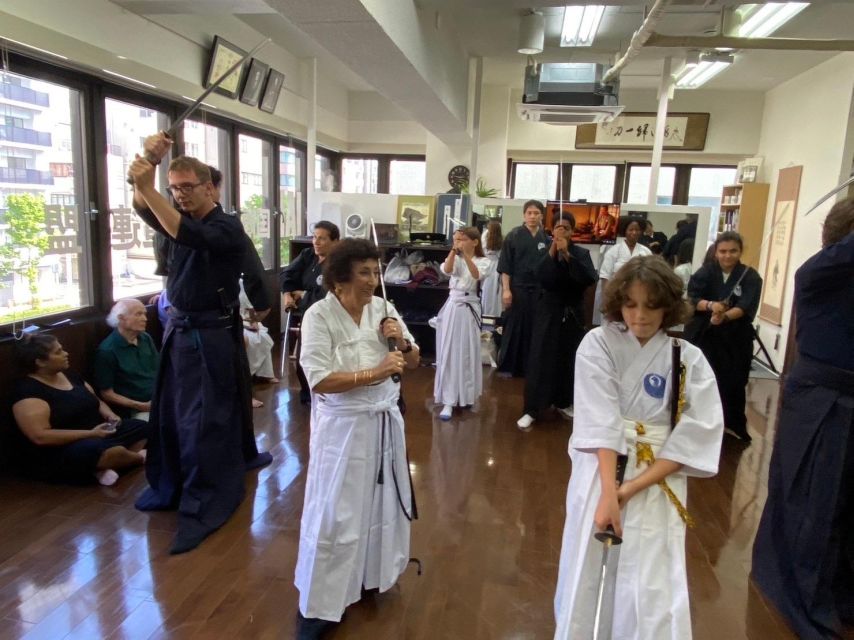
After the main practice and demonstrations, you get commemorative photos with the master. Photo time is not just a souvenir moment. It is usually when the energy of the day shifts from training intensity to connection. You get to meet the instructor and master in a more personal way.
Then comes Q and A. This is where you can turn curiosity into clarity. The information provided says you will have Q and A after the performance, and that is exactly when good instructors shine. In a session like this, questions can range from basics of stance and movement to how Iaido is practiced and what certain ideas mean in the culture of the art.
The structure matters here too. You are not guessing what to ask. You have just seen the shinken demonstration, you have just practiced fundamentals, and now you can ask targeted questions that actually relate to what you experienced.
That interactive ending is one reason people leave feeling informed rather than just wowed.
Price, What You Get for $161, and How to Think About Value
The price is listed as $161 per person for a 1 day session. For many people, that number will trigger the obvious question: is this worth it?
Here is the value logic I see. You are not only paying for a lecture. You get a structured lesson, outfit rental, a katana rental, and instruction in both English and Japanese. You also get the shinken performance moment, photo time, and Q and A. Travel insurance is included too, which reduces the “hidden costs” anxiety that can come with hands on activities.
What makes the $161 feel more reasonable is that you are not paying to figure out gear or translation on your own. Sword work relies on precise cues, and the included gear plus bilingual instruction help you get something real, not just a theme day.
Is it cheap? No. But if your goal is a focused, one day Japanese martial arts experience with real sword demonstration and real teacher attention, it is a fairly straightforward value proposition.
Logistics That Matter, Including No Pickup and No Meals
This is a practical class, so logistics matter.
Food and drinks are not included. That means you should plan a snack or a meal either before you go or afterward. If you tend to get hungry during active lessons, plan to eat earlier rather than hoping you will buy something nearby at the right time.
Hotel pick up and drop off are also not included. You will need to get yourself to the meeting point on the schedule of your starting time. The good news is the class ends back at the same meeting point, so you are not stuck figuring out a new location when you are done.
The meeting point is on a 3rd floor location in the building where the session begins. If you arrive late, you might lose part of the start sequence, so give yourself buffer time.
In short: come prepared, and you will have a smooth day. Show up tired or hungry, and the practice portion will feel harder.
Who This Samurai Sword Experience Fits Best
This experience is best for people who genuinely want to learn the basics of Iaido and understand what the practice is aiming for. If you like Japanese culture, enjoy disciplined activities, and want more than a quick photo, you will probably enjoy this a lot.
You do not need prior sword experience based on the structure, because the class begins with fundamentals and basic movements. You will likely get more out of it if you are comfortable following instructions and practicing controlled movements.
Who should skip? The information provided says it is not suitable for children under 5 and not suitable for wheelchair users. If you are unsure about comfort level for standing and movement, you should think about it before booking.
If you are a first time visitor to Japan and want a samurai themed experience that is not only performance, this is a strong match. It gives both hands on learning and a shinken moment that feels serious.
Should You Book This Iaido Class in Kanto?
Book it if you want a one day Japanese martial arts experience that mixes structured Iaido basics with a real sword demonstration and a chance to ask questions. The outfit and katana rental included is a real convenience, and the bilingual instruction helps you understand what you are doing.
Skip it if you are mainly looking for a relaxed cultural show with no movement. This is built around practice and a focused dojo flow. Also, if you need hotel pick up or meals handled for you, you will have to do your own planning since neither is included.
If your dream is to learn the first steps of Iaido and walk away with a stronger sense of samurai technique and spirit, this class is an honest way to make that happen.
FAQ
Where is the Iaido experience held?
It takes place in Japan’s Kanto region. Your class starts on the 3rd floor of the meeting point building, and it ends back at the same meeting point.
How long is the experience?
The duration is listed as 1 day. Starting times are not fixed in the details provided, so you will need to check availability for the exact time options.
What languages are used during the instruction?
The instructor provides instruction in English and Japanese.
What is included in the price?
The included items are the activity fee, rental outfits, katana rental, and travel insurance.
What is not included?
Food and drinks are not included, and there is no hotel pick up or drop off.
Is it suitable for children or wheelchair users?
It is not suitable for children under 5 years old, and it is not suitable for wheelchair users.
Can I cancel or book without paying right away?
You can cancel up to 24 hours in advance for a full refund. You also have a reserve now, pay later option, which lets you book a spot and pay nothing today.
More Tour Reviews in Tokyo
Not for you? Here's more nearby things to do in Tokyo we have reviewed












Tokyo Samurai Experiences, side by side.
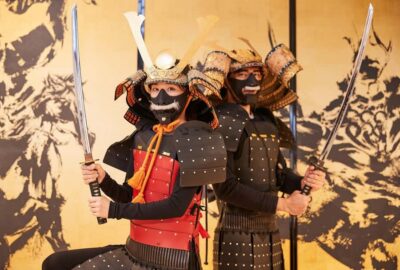 ★ 4.6Samurai Ninja Museum Guided tour and ExperienceFrom $271,010 reviews
 ★ 5.0Samurai Sword & Archery Class from Samurai DescendantFrom $193603 reviews
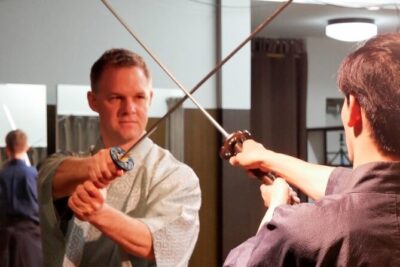 ★ 5.0Best Samurai Experience in TokyoFrom $65458 reviews
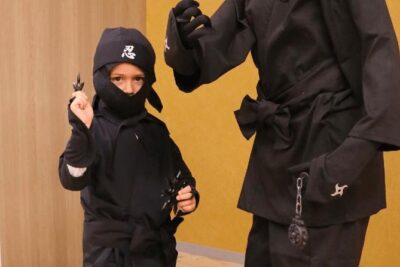 ★ 5.0Ninja Experience (Family Friendly) at Samurai Ninja Museum TOKYOFrom $47441 reviews
 ★ 4.6Samurai Entertainment Night Show in Kanda ShrineFrom $41417 reviews
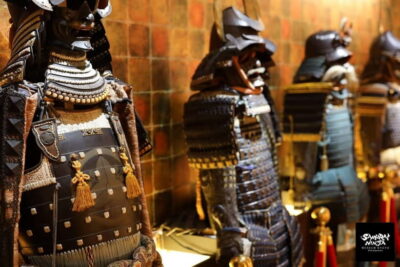 ★ 4.8Samurai Ninja Museum Asakusa: Samurai Sword Lesson & TourFrom $63306 reviews
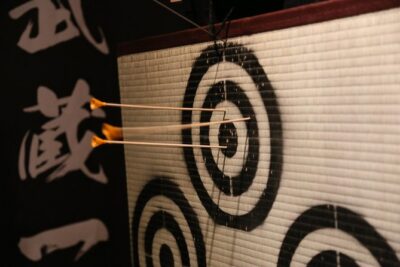 ★ 5.0Ninja Samurai 2-hour hands-on lesson by Japanese master in TokyoFrom $86194 reviews
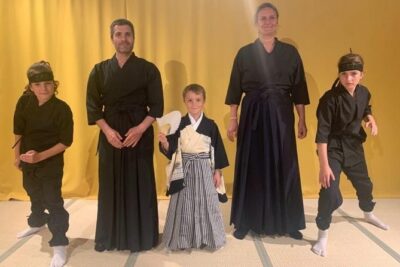 ★ 5.0Samurai Sword Experience (Family Friendly)at SAMURAI MUSEUM TOKYOFrom $65168 reviews
This tour also belongs to