
Review · MOUNT FUJI TOURS
Mount Fuji and Hakone Day tour with English speaking Drivers
Big views start early.
This day tour is built around classic Mt. Fuji photo moments and Hakone’s hot spring, ropeway, and museum stops. I like that you get private air-conditioned transport and an English-speaking driver who can keep the day running smoothly, even when traffic gets rude. One thing to keep in mind is that it is a long day with walking time at multiple stops, and it is not a great fit if you have high blood pressure or are pregnant.
You also get two clear ways to shape the day: a Fuji-focused route, or a Hakone-focused route with soaking time. That choice matters because the vibe changes a lot, one option feels like a Fuji sightseeing sweep, the other slows down into Hakone’s onsen and attractions. If you go during busy seasons, expect the drive to take longer than you want, so plan your photos with patience.
Price-wise, the tour is listed at $967 per group up to 5, which can be good value if you fill the space. The possible drawback is that your cost per person rises if you travel as a smaller group, and some essential add-ons like entry fees and parking are not included.
Key things I’d watch for before you book
- Two itinerary options lets you match the day to what you want most, Fuji lakes and views, or Hakone hot springs and attractions
- Small group size (limited to 6) means less crowding and more flexible timing at stops
- English-speaking driver is included, and the provider lists multilingual live tour guide options too, so confirm what you get for your specific booking
- Long drive equals photo strategy. You still get planned stops, but traffic can stretch the day
- Not included basics like entry fees and food, so budget for meals and tickets separately
Mt. Fuji plus Hakone in one day makes sense
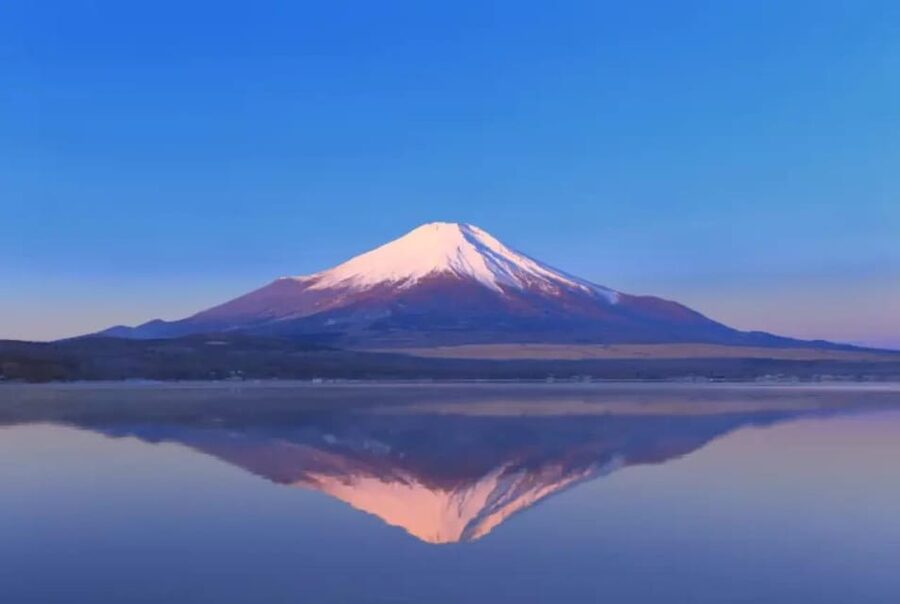
Doing Mt. Fuji and Hakone in a single 10-hour trip is one of those rare combos that actually works. You are not trying to “cover everything Japan.” You are hitting two areas that are famous for different reasons, Fuji for direct views, Hakone for the hot spring and sightseeing loop.
The smart part for you is the private transportation. This is not a seat on a coach where you sit back and hope the timing works. Instead, you start from Tokyo with a scheduled pickup, then move from stop to stop with an English-speaking driver who can handle the road flow and keep your day on track.
One practical note: this kind of outing rewards preparation. Bring layers. Keep your camera battery charged. And accept that you are moving all day, with only short breaks to eat and explore.
You can also read our reviews of more tours and experiences in Tokyo.



Itinerary A vs Itinerary B: choose your day personality
The tour gives you two ways to experience the region, and that choice is more important than it looks.
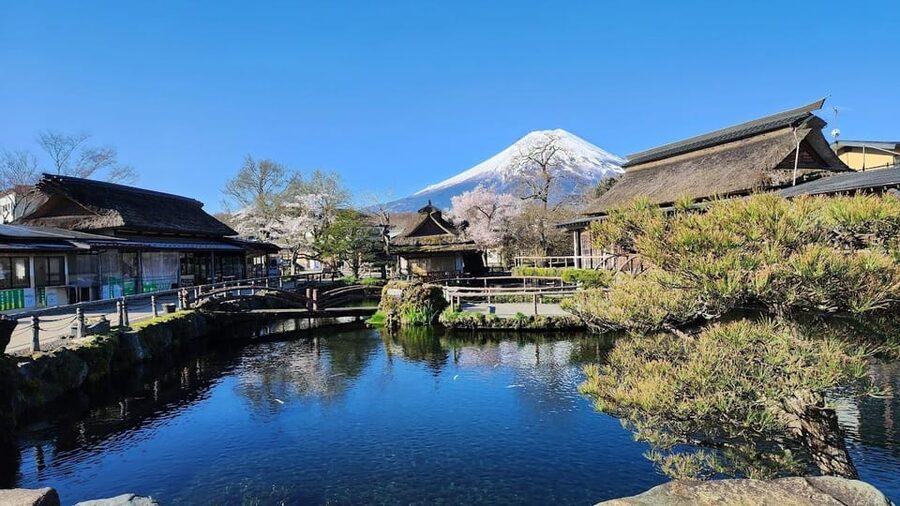
If you want Fuji’s “big moment” and classic lakeside viewpoints, you will prefer the Fuji-route style. It includes stops such as Lake Kawaguchi and areas like Oishi Park and Oshino Hakkai. It also includes a visit to Mount Fuji (5th Station), plus shrine and park stops along the way. This option feels like a guided circuit aimed at maximum scenery.
If you want something more relaxed and varied, the Hakone-route style is the better match. You trade some Fuji-focused stops for Hakone Ropeway and a sightseeing cruise, then add a hot springs bath and a visit to the Hakone Open Air Museum. You will spend more time in Hakone’s “activities and atmosphere” zone rather than chasing Fuji angles nonstop.
How to choose fast:
- Choose the Fuji-route if your top goal is seeing Fuji and getting photos at multiple Fuji-side spots.
- Choose the Hakone-route if your top goal is Hakone’s rides plus a soaking experience.
Starting from Tokyo, the real rhythm is timing
Your day begins with pickup in Tokyo, then it is a steady sequence of short stops. The schedule is built with a lot of “photo stop, visit, guided tour, walk” blocks. That is good news, because you are not stuck staring at a bus window. The tradeoff is simple: you will be on your feet in several places.
The driver setup is also a big deal. The tour includes hotel pickup and drop-off and an English-speaking driver. That helps in two ways. First, you get fewer moments where you are guessing what to do next. Second, you can ask quick questions about what to prioritize at each stop without language stress.
A practical heads-up: the trip is long enough that traffic can become a factor. People have noted heavy traffic around school holiday periods, and the day still worked because the driver stayed careful and punctual. Translation: leave early, stay flexible, and don’t schedule anything tight right before or after the tour.
Arakurayama Sengen Park and Fuji photo strategy
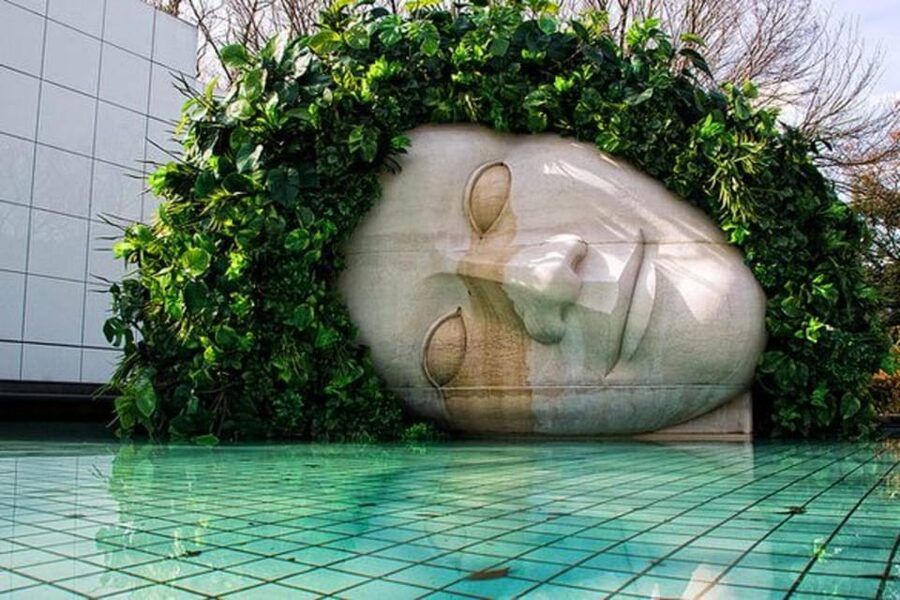
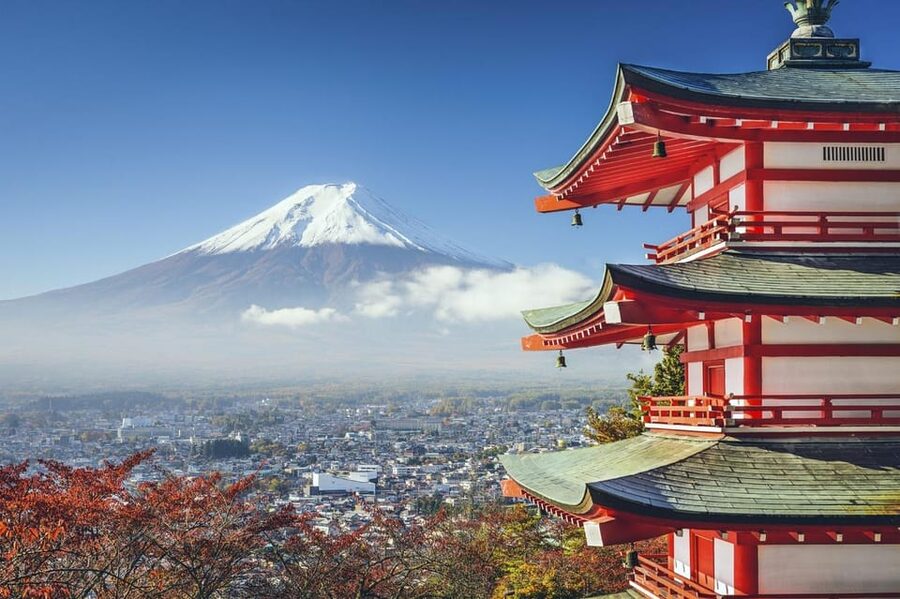
One of your early stops is Arakurayama Sengen Park. Expect a photo stop plus time to visit and walk. This is exactly the kind of place where your timing matters. If the weather cooperates, you get the kind of view that people remember. If it is cloudy, at least you still get a good place to stretch legs and reset before the rest of the day.
Here is how I would approach it:
- Take your first photos quickly, then slow down for a second round after you’ve walked around and picked an angle.
- Give yourself time to look beyond your phone. The view can look different as you move.
- Wear shoes you are comfortable walking in, because the stop includes walking time.
If you are the type who wants to “nail the shot,” this park is a good place to do it. If you just want to enjoy the day without stressing over perfect timing, you will still have enough structure to keep things easy.
Shrine time: Kitaguchi-hongu Fuji Sengen Shrine
Another stop is Kitaguchi-hongu Fuji Sengen Shrine. Like the park, it includes guided tour time plus a visit and walking. Shrines in Japan are often worth your attention because the experience is tactile and orderly. Even if you do not know every detail, you can still enjoy the calm structure of the place.
This stop also helps you pace the day. After parks and photo moments, you get something a bit slower. You can step back from the constant camera mode, then refocus for the next sightseeing segment.
Practical tip: bring a small amount of cash for any on-site needs. The tour does not include entry fees, and some smaller purchases may pop up during visits.



Lake Kawaguchi, Oishi Park, and the Fuji-side viewpoints
The Fuji-route includes Lake Kawaguchi plus Oishi Park, each with photo time and a visit. These are the kinds of stops where you will likely spend most of your “eyes and camera” energy. You get a guided tour element, but you also get self-guided time. That mix is ideal. You get orientation, then you get freedom to choose where you stand and how long you stay.
Lake Kawaguchi is listed with a break time, which is helpful. It is one of those moments when you can snack, hydrate, and regroup before continuing. Oishi Park follows with another photo stop and walking time, so plan your energy accordingly.
If you are traveling with someone who wants time for photos, these stops will feel good. If you prefer a faster pace, you can still move at your own speed during the self-guided segments, just keep an eye on the tour timing so you do not end up rushing the best light.
Oshino Hakkai: short, scenic, and shop-friendly
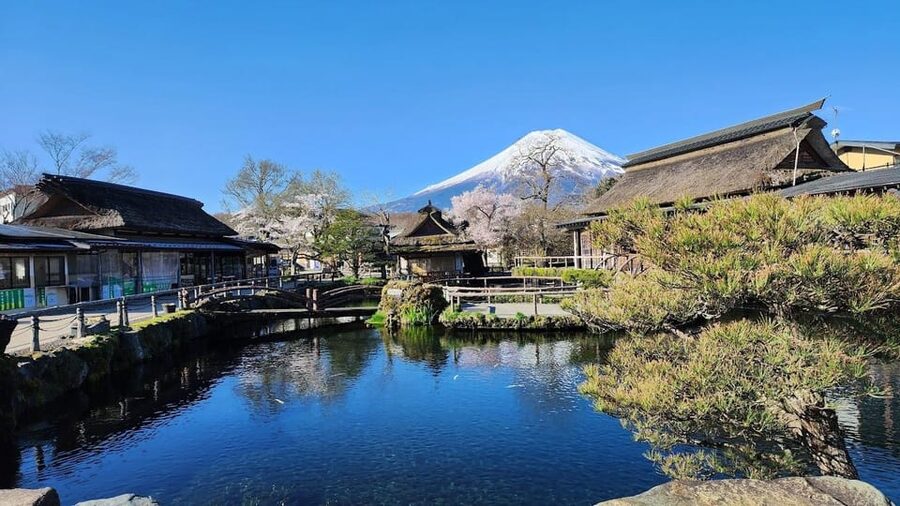
Oshino Hakkai is another stop with photo time, guided tour, shopping, and walking. This is where your day starts to feel like a real sightseeing circuit, not only big “viewpoints.” The shopping element can be handy if you want to pick up small souvenirs or snacks for later.
Because this stop includes shopping and walking, it is also a good moment to buy anything you might regret not having. Think bottled water, small snacks, or small gifts. The tour does not include food, so having the option to grab something here makes the rest of the day easier.
One caution: shopping stops tend to tempt you to slow down. That can be fine, as long as you keep track of time. A private car helps, but the schedule is still a schedule.
Mount Fuji (5th Station): the big highlight with real weather limits
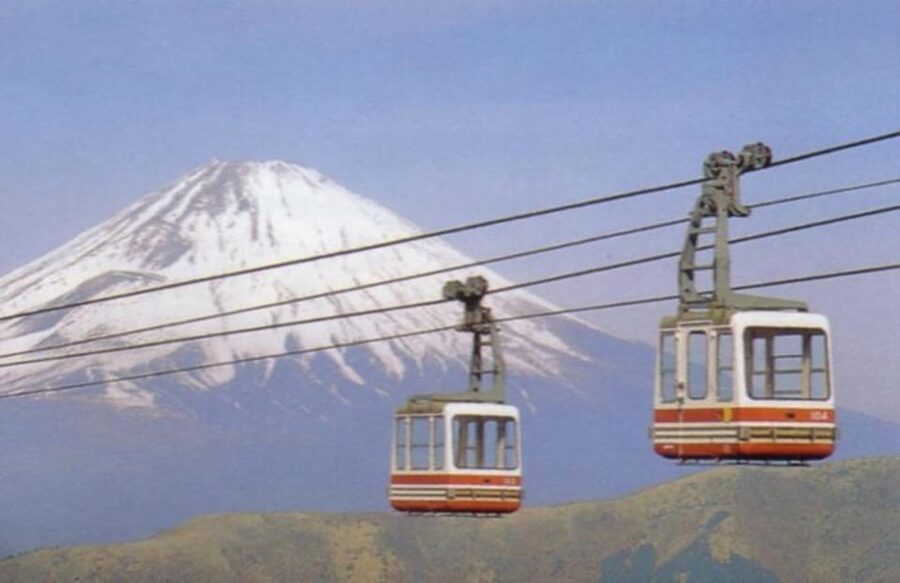
The tour includes Mount Fuji (5th Station). This is the part most people are counting on, because it connects the trip to the actual mountain experience, not only lakeside views.
The honest truth about Mt. Fuji from a planning standpoint is weather. When clouds clear, it can feel like the whole day clicks into place. When it is foggy, you may get limited views, even at famous vantage spots. That does not make the stop pointless, but your expectations should be realistic. You are going for the experience of being there, not a guaranteed perfect view.
What I like about this stop in a day tour is that it gives you a structured visit and guided time. You are not trying to figure out transportation on your own. The driver and tour flow handle the logistics.
A quick practical note: this is one of the places where comfort matters. Dress for cool air and possible wind, and keep your plans flexible.
Saiko Iyashi-no-Sato Nenba and the gentle pace shift
For the Fuji-route style, there is a stop at Saiko Iyashi-no-Sato Nenba. It includes photo time, a visit, guided time, shopping, and walking, with a shorter schedule window.
This is a nice shift. After lake views and busier sightseeing stops, you get something that can feel more “stroll and browse” than “view and move.” If your group likes short walks and small purchases, this stop fits well.
Just remember the walking time is still real. If you are traveling with older family members or anyone who tires quickly, bring shoes that work for uneven surfaces and plan to move slowly.
If you choose Hakone: Ropeway, cruise, and onsen time
The Hakone-route option is the one for you if you want a day that feels like a set of activities, not only a sequence of photo stops.
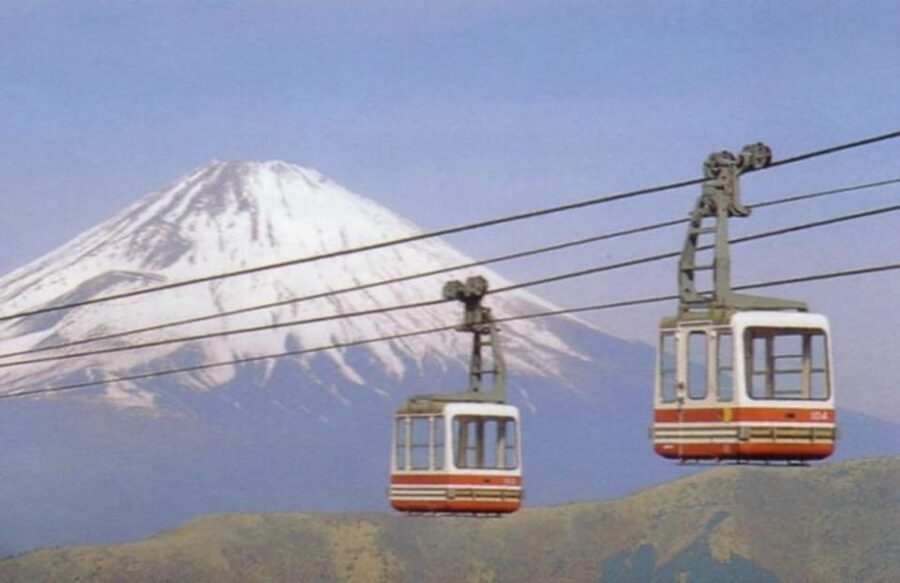
You start with a mix that includes Arakurayama Sengen Park and Oishi Park, then move into Hakone transport experiences. You get Hakone Ropeway and a Hakone sightseeing cruise. Those segments can be a breather, because you are not constantly walking between viewpoints. You are traveling while seeing scenery, and that alone can make the day feel less exhausting.
Then comes Hot Springs Bath. This is a major value add because it is not just “see an area.” You actually get to participate. For most people, it is the emotional payoff of a Hakone day.
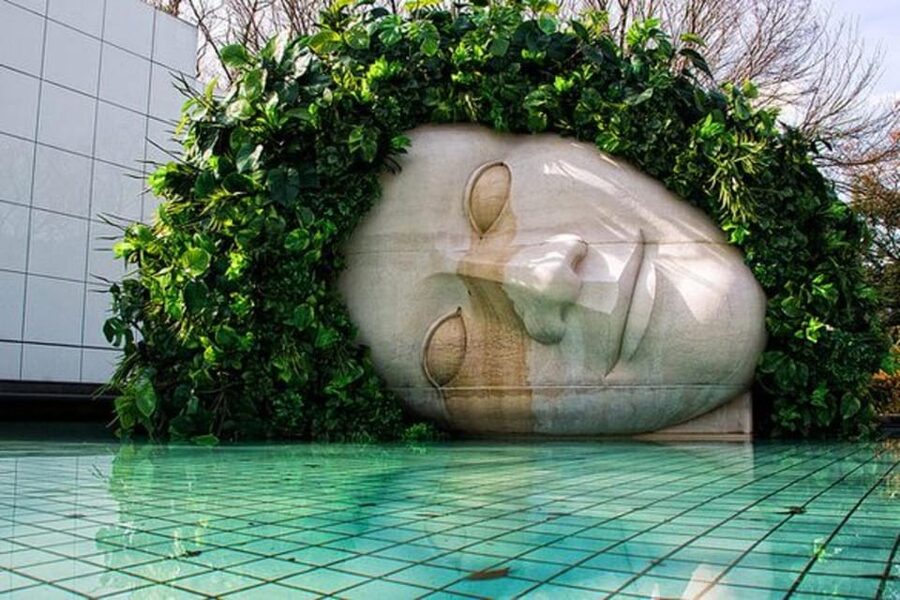
Finally, you end with Hakone Open Air Museum. It provides a different kind of interest, more structured than the hot springs, and usually a calmer way to wrap up the day before returning to Tokyo.
One practical planning thought: your schedule includes multiple transit and activity blocks. If you are someone who gets motion sick, consider how ropeway and cruise riding might affect you.
Small group, English-speaking driver, and what that means for you
This is listed as a small group, limited to 6 participants. I like small groups for day trips because they often mean less waiting around. The car pickup and drop-off also reduce stress. You are not coordinating multiple taxis or figuring out public transport connections.
The English-speaking driver is included. That matters for two reasons:
- You get smoother communication at each stop.
- You can ask quick questions about timing, meeting points, and priorities without hiring separate help.
The provider also lists multilingual live tour guide languages (English, Japanese, Hindi, Arabic, Punjabi). But the “not included” details also mention tour guide as not included. That is a contradiction in the data you have. Before you pay, confirm what your exact booking includes: whether you will have only an English-speaking driver, or an additional live guide as part of the service.
Also keep in mind the vehicle includes a Wi-Fi hotspot, subject to availability. Useful for maps, messages, and checking weather, but do not treat it as guaranteed.
Price and logistics: $967 per group up to 5 is the key math
The price is listed at $967 per group up to 5 for a 10-hour day tour. Value depends on how many people you bring.
If your group fills up to 5, you are looking at roughly $193 per person. If it is only 2 or 3 people, the per-person cost climbs. That is not necessarily bad, but you should decide based on your travel style.
Where the money goes:
- Private, air-conditioned transport with fuel and tolls covered
- Hotel pickup and drop-off
- English-speaking driver
- Planned stop times with walking and photo windows
What you still pay separately:
- Food and drinks
- Parking fee
- Entry fees
- Any extra hour if you run late (an extra hour is listed at 4500 Yen per hour)
- Baby seats, and airport pickup is not included
To me, the big value signal is that you are buying convenience and language support, not only sightseeing. If you want a stress-reduced day, the price can feel reasonable. If you already know how to navigate trains and buses confidently, you might find cheaper options on your own, but you would give up the “door to door” simplicity.
Who should book, and who should skip
This trip fits best if you:
- Want an organized, 10-hour day with multiple iconic stops
- Like the idea of a small group and a driver who handles the schedule
- Want either Fuji-focused viewpoints or Hakone activities like ropeway, cruise, and a hot spring bath
It is not a match if you:
- Are pregnant
- Have high blood pressure
Also take into account that multiple stops include walking time, so build in comfortable footwear and realistic energy expectations.
A quick, practical packing checklist
You are on the road for a long day with multiple short stops. Pack like it is a full day outdoors, even if the car does most of the work:
- Comfortable walking shoes
- A light jacket or layers, because mountain and lake air can feel cooler
- A small snack plan, since food and drinks are not included
- Cash for entry fees and shopping
- A charged phone or camera battery, since you are doing repeated photo stops
- Any personal items you need for the hot springs portion if you choose Hakone-route
Should you book this Mt. Fuji and Hakone day tour?
I would book it if you want a single-day “best of” experience with less logistics stress. The combination of Tokyo pickup and drop-off, private air-conditioned transport, and an English-speaking driver is exactly what makes a long trip feel manageable. If you choose the Fuji-route, you are setting yourself up for classic Fuji photo stops and a Mount Fuji visit at 5th Station. If you choose the Hakone-route, you are buying the Hakone rhythm, ropeway, cruise, and an actual hot springs bath, plus the Open Air Museum to close the day.
I would skip it or think twice if you are very sensitive to long travel times, need a highly flexible schedule for health reasons, or you are traveling as a tiny group where the per-person cost becomes high. Also double-check the included guiding setup, because the data mentions both driver and a live tour guide in different sections.
If you want the day to feel planned and safe, this is the kind of tour that can deliver, even when traffic tries to ruin the plan.
More Tours in Tokyo

More Tour Reviews in Tokyo
Not for you? Here's more nearby things to do in Tokyo we have reviewed












Mount Fuji Tours, side by side.
 ★ 5.0Mt Fuji and Hakone 1-Day Bus Tour Return by Bullet TrainFrom $16326,383 reviews
 ★ 4.0Mt Fuji & Hakone Cruise, Drum Show Bullet Train 1 Day from TokyoFrom $1497,413 reviews
 ★ 4.4Tokyo Mt Fuji 5th St & Hakone Cruise Bus Tour w/Bullet TrainFrom $1545,024 reviews
 ★ 4.5From Tokyo: Mount Fuji Full-Day Sightseeing TripFrom $684,970 reviews
 ★ 4.7Mt. Fuji Tour, Hakone Ropeway, Owakudani, Lake AshiFrom $544,002 reviews
 ★ 4.2Mt. Fuji 5th Station & Hakone Cruise 1-Day Bus TourFrom $1292,381 reviews
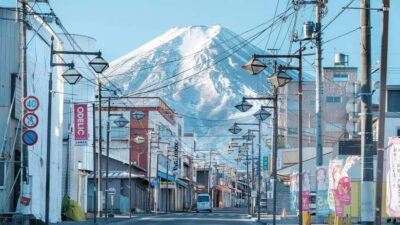 ★ 4.7Mt Fuji Top 5 Spots Day Tour: Arakurayama Park,Oshino HakkaiFrom $532,066 reviews
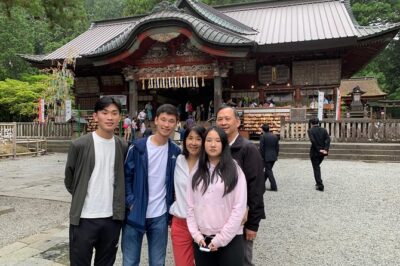 ★ 5.0Private Tour to Mt. Fuji and Hakone (Fully Licenced Operator)From $4971,910 reviews
This tour also belongs to