
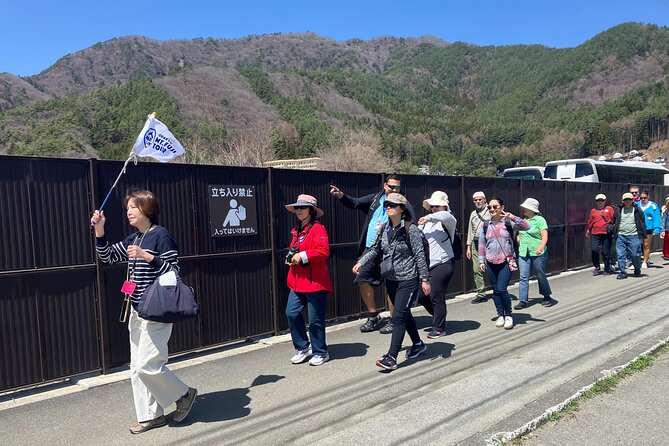
Review · MOUNT FUJI TOURS
Mt. Fuji and Hakone 1 Day Bus Tour + Kimono Experience
Fuji in one day, minus the stress. This Odakyu Group day packs Lake Kawaguchi views, a kimono change, and a photo moment aimed at giving you big Fuji energy even when the weather turns. One catch, Mt. Fuji might still be hidden, and refunds are not issued if that happens.
What I like most is how much you get done in one long push, with a pro English-speaking guide, an air-conditioned bus, and free admission at every listed stop. You also get choices at the end, including a reserved seat on the Odakyu Romancecar back to Shinjuku if you want the easiest finish.
The main consideration is practical, not fancy: the bus heads straight to Fujisan Plaza after you depart, with no restroom stop for about 1.5 hours. Add cold temps around Lake Kawaguchi compared to Tokyo, and plan your layers and timing before you board.
Key highlights worth planning for
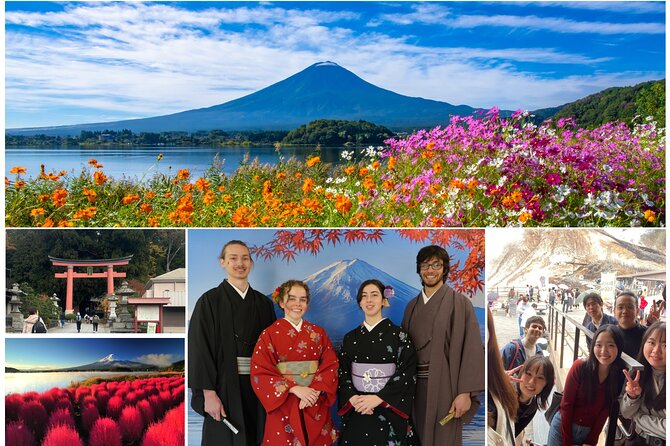
- Kimono at Fujisan Plaza that goes over your regular clothes: Dress quickly, photo-ready, and don’t worry if it is raining.
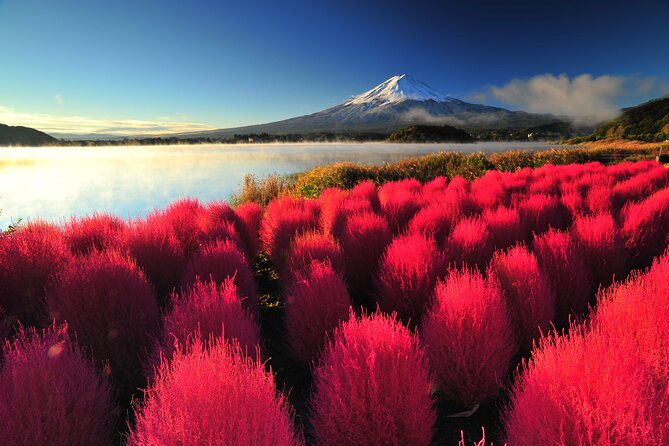
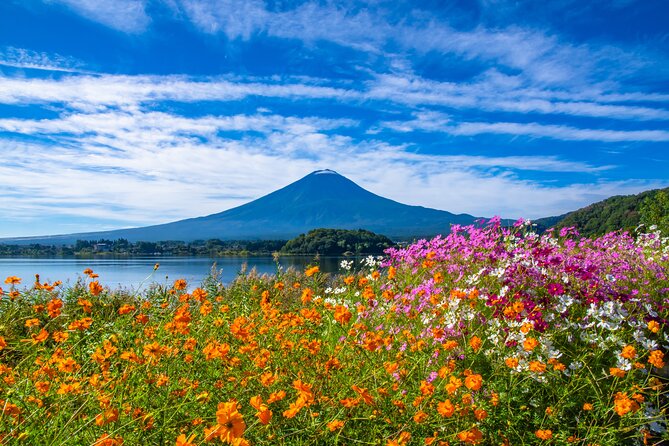
- Lake Kawaguchi viewing with seasonal flowers: You get a proper “Fuji framed by blooms” look when the sky cooperates.
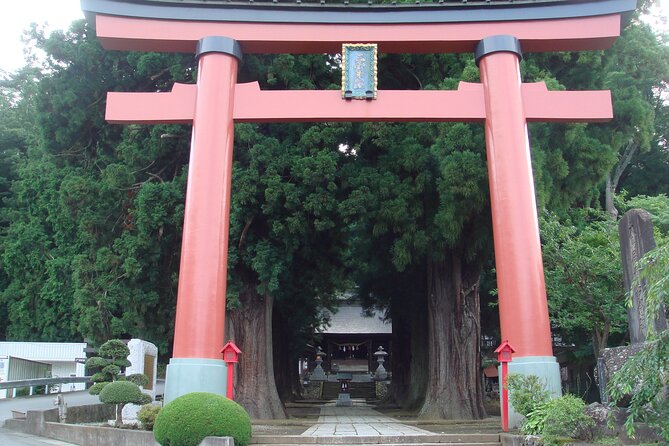
- Kawaguchi Asama Shrine and its red torii gate approach: A calm stop with a story tied to calming volcanic eruption fears.
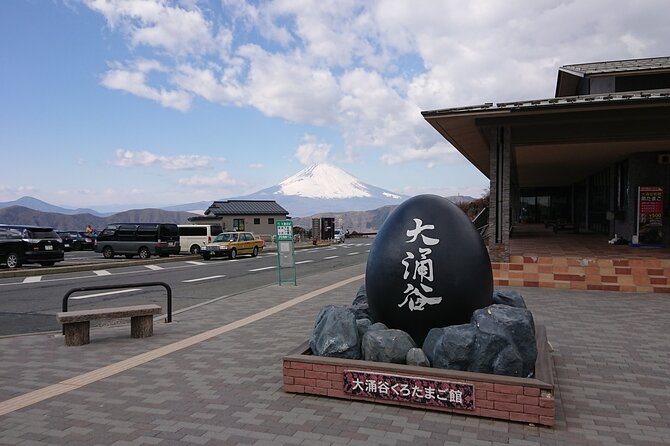
- Owakudani Valley volcanic scenery in a short window: Steam vents, sulfur, and active hot-spring atmosphere.
- Flexible ending options: Get off at Kawaguchiko Station or Hakone-Yumoto Station, or ride back to Shinjuku by Odakyu Romancecar with reserved seating.
Shinjuku departure, the 1.5-hour restroom rule, and how the day moves
The day starts at the Odakyu Sightseeing Service Center at Shinjuku South (Odakyu Shinjuku Station South Exit) at 8:20 am. The tour runs about 11 hours, so this is a real one-day sprint, not a slow country drive with snacks every 20 minutes.
After departure, the bus goes directly to Fujisan Plaza. There are no restroom stops during the ride, for about 1.5 hours, so use the bathroom before you gather. Also, arrive on time. Late arrivals can mean your spot gets canceled, and nobody wants that kind of stress on the way to Fuji.
The upside is that you do not have to coordinate trains, transfers, or parking. The bus is air-conditioned, the day has a guided rhythm, and the group stays capped at 40 travelers. That matters because crowding can ruin “look at that view” moments, and a smaller group makes it easier to get everyone moving when the guide calls time.
More Tokyo tours and experiences for the shortlist



Fujisan Plaza and your kimono experience, worn over real clothes
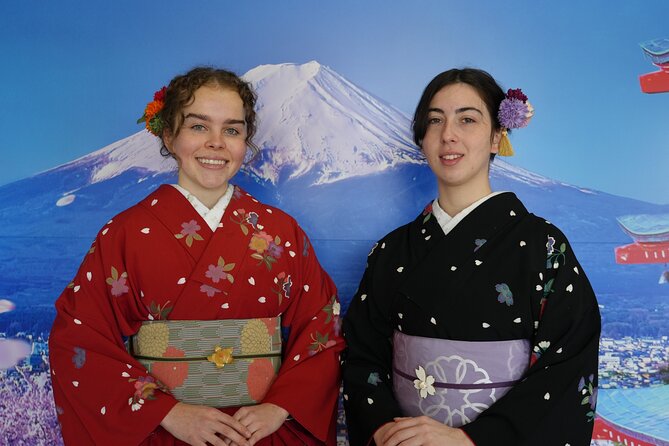
Fujisan Plaza is where the tour makes the day feel special fast. You choose your kimono from available designs, and the dressing is meant to be casual and easy. The key detail is that you wear the kimono over your regular clothing, so you are not fully changing your outfit like a film production.
This stop is also practical for photos. You get an opportunity for a photo session with Mt. Fuji as the backdrop, and there is an indoor photo option on rainy days. In other words, you are not automatically doomed if the sky is gray.
A few clothing tips keep you comfortable. Avoid sleeveless tops, especially in warmer months, because the kimono goes over what you wear. If kids are joining, kimono sizes are limited, so you need to provide a child’s height at booking. That prevents the classic problem of showing up and finding out there is no workable size.
Fujisan Plaza time is about 20 minutes, and you should treat that like a “get dressed, get photos, then enjoy the next stop” chunk. If you show up with hair and accessories already planned, you lose less time.
Lake Kawaguchi views: getting your Fuji moment and handling weather reality
Lake Kawaguchi is the star zone of the day, and it is where the tour earns its name. You start by visiting the Fujisan Plaza area, then you move through other classic viewpoints around the lake.
The photo and view results depend on weather. Mt. Fuji may not be visible even from the base when conditions are poor, and refunds are not issued for that reason. That is the one disappointment rule you should accept before you go. Still, even when visibility is not perfect, the lakeside area can feel like a window into another side of Japan.
What I like about this tour’s approach is the redundancy. You do not just rely on one single viewpoint. You get multiple chances to catch Fuji and the surrounding scenery, including later stops that offer another look back toward the mountain.
Time matters here. You get about 30 minutes at the next key scenic location after your shrine visit window, and then shorter blocks elsewhere. You want to be ready to move quickly, because the bus rhythm does not pause for a “just one more photo” detour.
And if you are traveling in shoulder seasons or winter, plan for a real temperature difference. Lake Kawaguchi tends to be cooler than Tokyo, and the guide materials give these reference averages: Aug 29.9°C, Sep 27.3°C, Oct 20.4°C. That might not sound dramatic, but it can feel colder once you factor in wind and walking. Bring a light layer you can actually use.
Kawaguchi Asama Shrine and Oishi Park: calm spirituality, then a flower panorama
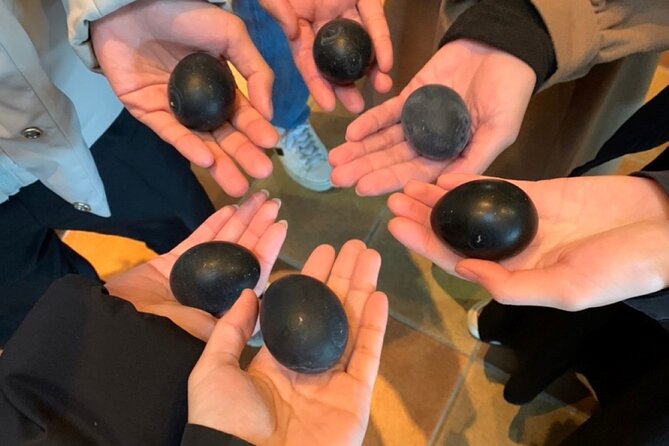
After Fujisan Plaza, the day shifts from dressed-up photos to grounded scenery. You visit Kawaguchi Asama Shrine for about 30 minutes. This shrine has a connection to calming a major eruption of Mount Fuji, and the setting is built for quiet: the approach is lined with cedars, and the shrine area feels like a pause button.
One of the details that makes this stop feel worth the time is the red torii gate. Even if you have seen torii gates before in Japan, this one sits in a more serene approach, so the photo payoff is not just a red shape, it is a whole mood.
Then you move to Oishi Park for about 30 minutes. This is a famous viewpoint that many international visitors aim for, and the attraction is the wide panorama, often framed by seasonal flowers. It is a good place to slow down, look around, and grab the kind of photo you would not get from a bus window.
Here is the tradeoff. Thirty minutes is not long. If you want a bunch of angles, you will need to pick your spots fast. I recommend you take one “wide scenic” photo first, then do your closer flower shots second. That way you do not lose your best view because you got stuck on the perfect flower.
Owakudani Valley: active volcano drama in a half-hour block
The next big emotional hit is Owakudani Valley. You get around 30 minutes here, and it is built around the volcanic reality of the Hakone area.
This is where you see steaming vents and experience the raw, sulfur-smelling atmosphere connected to active volcanic activity. The hot springs bubble in the background, and the scenery feels more industrial-natural than garden-pretty. For many people, this is the stop that turns “Mt. Fuji postcards” into “I am actually in a living geologic zone.”
You also get another chance to look toward Mt. Fuji again. Even when Fuji is not fully visible from one point earlier, the valley can still give you a different angle or at least remind you that the mountain is part of the bigger story.
The practical downside is that the window is short. If you want long wandering time, this is not that stop. If you want atmosphere plus a few key photos, it is a strong fit.
Dress like you might get damp and cold. Even if the air is mild in Tokyo, the Hakone area can feel colder, and your body feels it faster near steam and open viewpoints.



Lunch at Tabi no Eki Kawaguchiko: eat locally, on your own plan
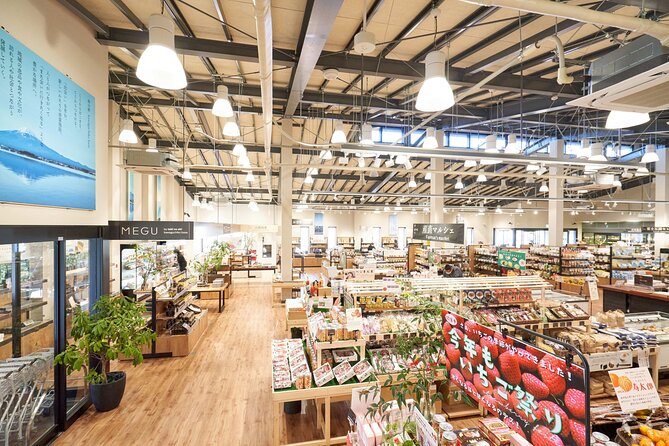
Lunch is not included, but the tour gives you an easy place to handle it: Tabi no Eki Kawaguchiko Base. You have about 50 minutes here, which is a generous chunk compared to some other tour formats.
This roadside area has places to eat made for quick, casual meals. You can grab dishes made with local ingredients at a self-service restaurant, or you can use the bakery options for takeout. That flexibility matters because some people need a sit-down meal and others just want to eat quickly and keep moving.
Because lunch is on your own, you should plan dietary needs carefully. If you require vegan, gluten-free, halal, vegetarian options, or have allergies, bring your own meal in advance. The tour materials say special accommodations may not be available, and that is exactly the kind of detail that can save your whole day.
A simple strategy: if the weather looks uncertain, treat lunch as an anchor time. You do not want to gamble on finding the one item you can eat. Eat early in the 50-minute window if you are sensitive to timing, then use the rest of the time to wander or shop lightly.
Odawara Station and end options: where you get off, and the Romancecar comfort choice
One reason this tour works for a lot of itineraries is that you choose your ending. At Odawara Station (about 10 minutes on the schedule), the tour branches depending on what you booked.
If you chose the plan that ends at Kawaguchiko Station, you finish there. If you chose Hakone-Yumoto Station as the end point, you also get off at the station option provided by the tour. If you want the easiest return, you can transfer to the Odakyu Romancecar and ride back to Shinjuku with a reserved seat.
That reserved seat detail is more important than it sounds. After a long day, standing on a train feels like a punishment. A guaranteed seat helps you land back in Tokyo with energy instead of exhaustion.
Also, note the tour ends at a different location depending on your option, so do not assume you will always be back at Shinjuku right at the last stop. For the Shinjuku return plan, the tour ends at Shinjuku Station after the Romancecar ride.
If you are the type who likes to keep planning simple, choose the return-to-Shinjuku option. If you are building a Hakone or lake-side route afterward, the station drop-off option can save you time and hassle.
Price and value: why $104.34 can actually feel fair
At $104.34 per person, this sounds like a “tour premium” until you break down what you are buying. You are paying for a day bus from Shinjuku, a professional English-speaking guide, and included air-conditioned vehicle transport.
You also get kimono dressing, and you get admissions covered for the listed stops. The stops listed all show admission ticket free, which helps the overall math.
Most importantly, you are buying time control. You do not spend your day studying routes, waiting for connections, or trying to stitch together a Fuji day with Hakone stops. The guide handles the sequence of the day, and the bus keeps you moving.
The one thing you do not get is lunch. You pay for food on your own at the roadside stop, which is normal for many Japanese day tours. Still, if you assume lunch is included and spend nothing for it, you will be surprised later. Build that cost into your budget.
In a nutshell, this is good value if:
- you want Fuji and Hakone highlights in one day
- you prefer guided structure over self-planning
- you want the kimono moment without trying to book it separately
It may not be the best value if you are the kind of traveler who hates fixed schedules and wants long free time at viewpoints. This is a structured day.
Who this one-day Fuji and Hakone bus tour is best for
This tour fits best when you want big sights, minimal logistics, and clear timing. It is also a good fit for people traveling with limited Japanese skills. The guide is English-speaking, and you do not need to decode every stop yourself.
I also think it is a strong option if you are short on time. One day means you might not see everything in Hakone, but you do get major “greatest hits” in a single push: Lake Kawaguchi area scenery, Kawaguchi Asama Shrine, Oishi Park panorama, and Owakudani volcanic atmosphere.
It can work for most ages since the tour says most travelers can participate, but check the rules if you are traveling with minors. All participants under 18 need written parental consent, and those under 15 or not yet in junior high must be accompanied by a parent or guardian.
If you dislike cold weather walking, bring layers anyway. Several stops involve standing at viewpoints and moving between locations. Even if you are not walking far, the temperature drop can make a short outing feel longer.
Should you book this Mt. Fuji and Hakone one-day bus tour?
Book it if you want a guided day that handles the heavy lifting: getting out of Shinjuku early, hitting multiple famous spots around Lake Kawaguchi and Hakone, and including a kimono experience with photo time. I also like that you have a rainy-day photo fallback and an easy endpoint choice.
Skip it or rethink if your entire trip depends on guaranteed Fuji visibility. Weather can block views, and refunds are not offered for that reason. Also, if you hate schedules, this is not the style for you. You have limited time at each stop, so you need to be comfortable moving through a plan.
If you do book, show up rested, dress for colder air around Lake Kawaguchi, use the restroom before the first ride segment, and decide ahead of time which photo you want most. This tour gives you the framework. Your job is just to be ready when the views appear.
FAQ
How long is the tour, and when does it start?
The tour lasts about 11 hours and starts at 8:20 am.
Where is the meeting point in Tokyo?
You meet at the Odakyu Sightseeing Service Center in Shinjuku South, at Shinjuku City, 1-chōme-1 Nishishinjuku, right outside the Odakyu Shinjuku Station South Exit ticket gates.
Is there a restroom stop before we reach Fujisan Plaza?
Please use the restroom before gathering at the meeting point. After departure, the bus goes directly to Fujisan Plaza with no restroom stops for about 1.5 hours.
Is lunch included?
Lunch is not included. You can eat at the roadside rest area restaurant at Tabi no Eki Kawaguchiko, but you should also be prepared with your own meal if you have dietary needs or allergies.
What is included in the kimono experience?
The tour includes kimono dressing at Fujisan Plaza. You wear it over your regular clothes, and there are dressing and photo opportunities.
What should I wear for the kimono portion?
Avoid sleeveless tops because the kimono is worn over your outfit. You will also want to dress in layers since some locations are cooler than Tokyo.
Will I definitely see Mt. Fuji?
Mt. Fuji may not be visible even from the base in certain weather conditions, and refunds are not issued if it is not visible.
Where can I end the tour?
You can disembark at Kawaguchiko Station or Hakone-Yumoto Station, or choose the return plan to Shinjuku by riding the Odakyu Romancecar with a reserved seat.
Can I cancel and get a full refund?
Yes. You can cancel up to 24 hours in advance for a full refund, as long as you cancel at least 24 hours before the experience start time.
More 1-Day Tours in Tokyo


More Tours in Tokyo

More Tour Reviews in Tokyo
Not for you? Here's more nearby things to do in Tokyo we have reviewed












Mount Fuji Tours, side by side.
 ★ 5.0Mt Fuji and Hakone 1-Day Bus Tour Return by Bullet TrainFrom $16326,383 reviews
 ★ 4.0Mt Fuji & Hakone Cruise, Drum Show Bullet Train 1 Day from TokyoFrom $1497,413 reviews
 ★ 4.4Tokyo Mt Fuji 5th St & Hakone Cruise Bus Tour w/Bullet TrainFrom $1545,024 reviews
 ★ 4.5From Tokyo: Mount Fuji Full-Day Sightseeing TripFrom $684,970 reviews
 ★ 4.7Mt. Fuji Tour, Hakone Ropeway, Owakudani, Lake AshiFrom $544,002 reviews
 ★ 4.2Mt. Fuji 5th Station & Hakone Cruise 1-Day Bus TourFrom $1292,381 reviews
 ★ 4.7Mt Fuji Top 5 Spots Day Tour: Arakurayama Park,Oshino HakkaiFrom $532,066 reviews
 ★ 5.0Private Tour to Mt. Fuji and Hakone (Fully Licenced Operator)From $4971,910 reviews
This tour also belongs to