
Review · MOUNT FUJI TOURS
Mt fuji & Hakone customizable day tour w/ English speaking driver
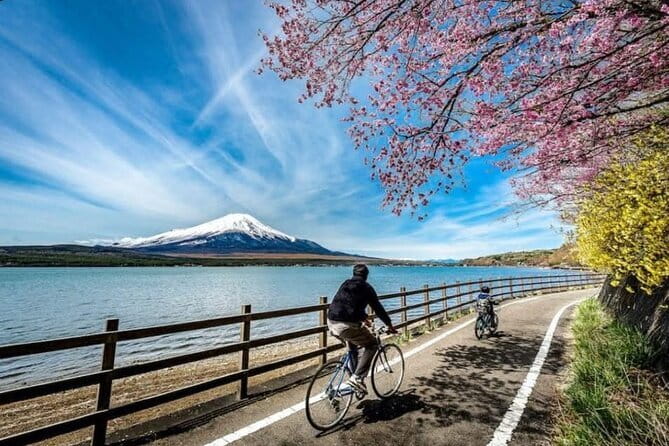
Mount Fuji looks easy in photos. In real life, it takes timing, roads, and a driver who knows where to stop. I love the hotel pickup that trims stress, and I love that this is a private tour where you can shape the day. The main tradeoff is that many key sights are short stops, and several admission tickets are paid directly at the spot.
What makes it work is the way the day is built around a personal driver, not a rigid group bus. You get an air-conditioned vehicle, highway tolls covered, and a WiFi hotspot so you are not stuck offline between viewpoints.
It also helps that the route is flexible. You can target classics like Mt. Fuji 5th Station, Oshino Hakkai, Lake Kawaguchiko, then swing into Hakone for Ōwakudani, Lake Ashi, and Hakone Shrine.
Key things I’d mark on your map
- Private, no-sharing ride for up to 5 people means you control pacing and bathroom breaks
- Hotel pickup included cuts the hardest part of planning, getting out of Tokyo on time
- English and Japanese driver who is a licensed guide, with about 26 years of driving experience
- Good weather matters for Fuji views, and the operator offers a new date or a refund if conditions are bad
- Many tickets are paid on-site, so bring cash and plan a few small transactions
Private driver value: what $530 buys you
This tour is priced at $530 per group, for up to five people. That sounds steep until you do the math like a Japan day-trip planner. A private car plus a driver who stays with you through multiple regions usually costs more than a shared tour, and you still have to work around timetables and limited stops.
Here, you also get the practical stuff that saves time: hotel pickup, highway tolls, fuel, and a clean modern vehicle with WiFi. That matters on Fuji and Hakone days because you are not just “going somewhere,” you are crossing slow roads, traffic waves, and viewpoint bottlenecks.
The smartest value comes from how you can steer the day. If you care more about nature than shopping, you can trim the shopping stop. If you want fewer ropeways, you can swap or skip them. This is the kind of tour where you are not trapped in a one-size-fits-all script.
Still, go in with realistic expectations. The total time is about ten hours, and only part of that is sightseeing. The rest is travel time, plus quick transitions between parking areas and entrances.
More Tokyo tours and experiences for the shortlist
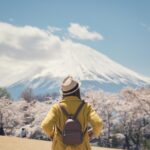

Timing matters for Fuji and Hakone, and why 10 hours feels short
On a good day, the mountain is visible from multiple viewpoints. On a bad day, you will still see places, but the famous “Fuji pops out of the mist” moment can fade.
That is why the operator is clear that good weather is required. If weather turns ugly due to unavoidable conditions, you get a new date or a complete refund. I like that clarity. Japan day trips should come with honesty, not hope.
Also, plan your mindset around “sampling,” not “deep exploring.” Each stop is typically 30 to 45 minutes, with one longer stretch for Lake Ashi cruising time and the outlet shopping block. For big-ticket sites like the 5th Station, you are there long enough to walk around and take photos, not long enough to feel like you live there.
If your pickup and drop-off are outside Tokyo, the ten-hour window changes. The tour is ten hours (for Tokyo pickup and drop-off), and after that there is overtime charged at 5,000 JPY per hour, paid directly to the driver at the end of the trip. That is another reason to communicate your timing needs early.
Mt. Fuji 5th Station: the highest quick hit, with a toll reality check
Starting with Mt. Fuji 5th Station is a solid move if you want the classic “high altitude Fuji” feeling without hiking. This stop sits around 2,300 meters above sea level, and it gives you panoramic views over forests, mountains, and the big sense of scale that lower viewpoints often miss.
Here is the drawback to know up front: getting there can include fees. The toll fee at Subaru Line Fifth Station is not included, and you pay it at the toll gate. It ranges from 2,100 JPY to 3,460 JPY per vehicle.
Practical tip: dress for temperature swings. Even if Tokyo is mild, Fuji can feel colder and windier at elevation. Bring layers, and keep your hat or cap secured.
If the weather is clear, this is one of the best photo stops of the day. If it is hazy, it still works as a “been there” reference point, but your photos will be more about mood than the sharp mountain silhouette.
Oshino Hakkai and Saiko Iyashi no Sato: calm Fuji culture stops
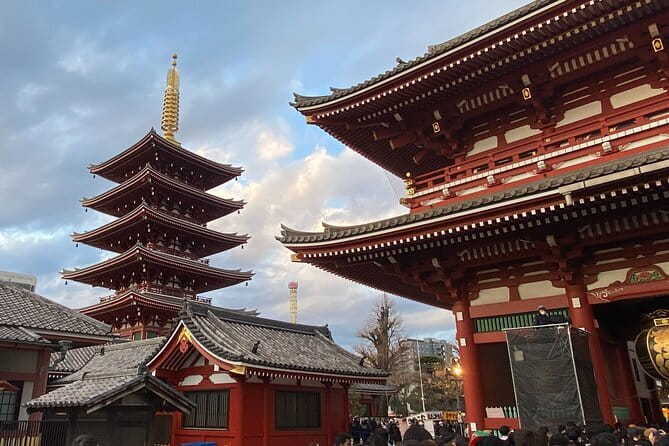
After the altitude hit, the day often slows down into Fuji’s quieter side.
Oshino Hakkai is famous for its crystal-clear ponds fed by melted snow from Mount Fuji. The ponds sit in a small area with traditional thatched-roof houses around them. You get an easy walk, lots of photo angles, and a very Fuji-themed break from roads and crowds.
Then comes Saiko Iyashi no Sato Nemba, an open-air cultural village. Once a farming village, it is now set up to show traditional thatched houses with Fuji in the background when conditions cooperate. This is a good stop if you want something “Japanese” beyond the view, like architecture and how people organized life around the mountain.
These two stops are good value because they reset your energy. You are not just chasing scenic points, you are stepping into a different pace of place.
One consideration: both are time-efficient. If you love rural history or slow museum wandering, you might wish you had longer. But for a ten-hour day that covers Hakone too, short and sweet is the strategy.
Lake Kawaguchiko, Oishi Park, and the Chureito photo machine

Lake Kawaguchiko is the centerpiece of the Fuji Five Lakes area, and it is a great choice for visitors who want both water reflections and Fuji framing.
What I like about this part of the day is how quickly you can get multiple styles of the same mountain:
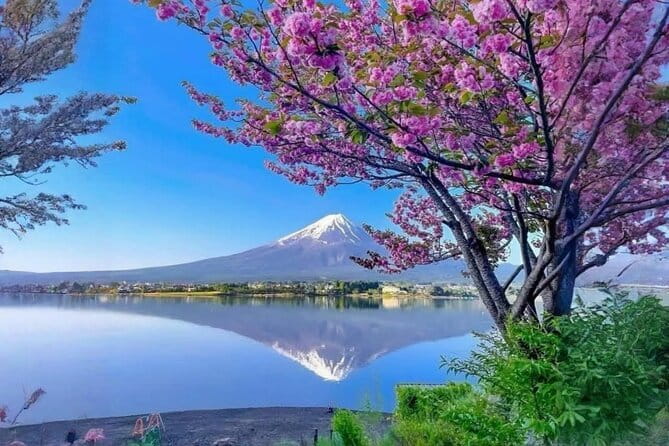
- A wider lake view, where Fuji can mirror in calm water
- A viewpoint framed by seasonal flowers
- An iconic “Fuji postcard” angle with a pagoda
Oishi Park focuses on panoramic views, and it is especially known for lavender fields in season. When the flowers are out, it turns the lake into more than a background. You get color that makes your photos look like you planned them, even if you did not.
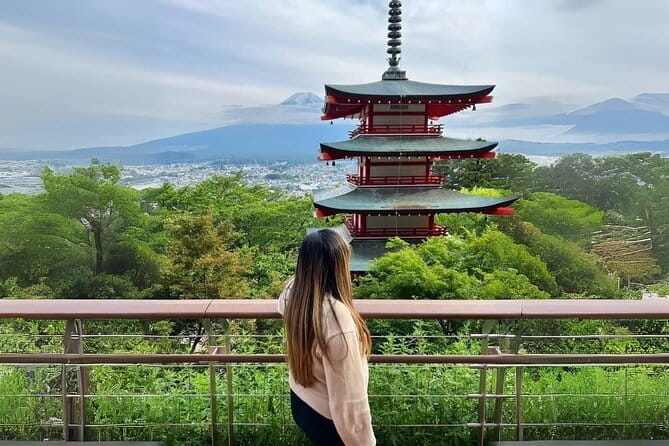
Chureito Pagoda plus Arakurayama Shrine is one of those stops that feels like it is made for cameras. The classic five-story pagoda shot with Mount Fuji behind it is widely known for a reason: it is dramatic, and the hillside position gives a strong sense of depth.
These stops are worth it, but they do come with a timing truth. You are sharing viewpoints with other tourists on a popular day, and the best angles can get busy. Your advantage here is that your driver can guide you to the right place and keep the day running so you do not lose time waiting.
If you want even more scenery, some routes include a Fuji-area ropeway, such as the Mt. Fuji Panoramic Ropeway. In the provided plans, ropeway admission is not included, so you pay on-site. In one standard route, Kachi Kachi Ropeway is listed with a small per-adult fee. Either way, treat it as optional icing, not the base of the trip.






Ōwakudani and the Hakone Open-Air Museum: volcanic sights and art on purpose
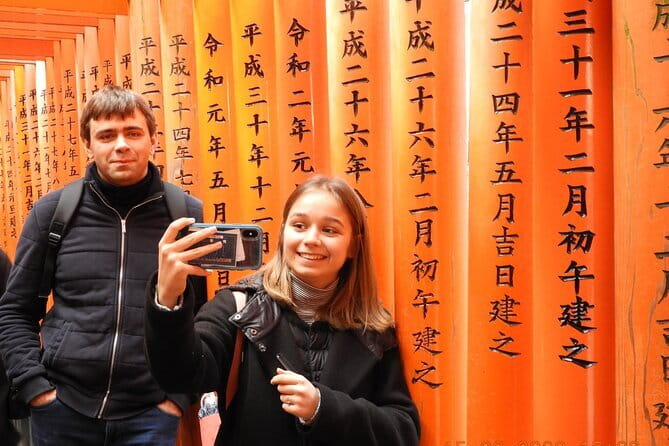
Once you transition into Hakone, the tone changes fast. Instead of lakes and village charm, you get geology and steam.
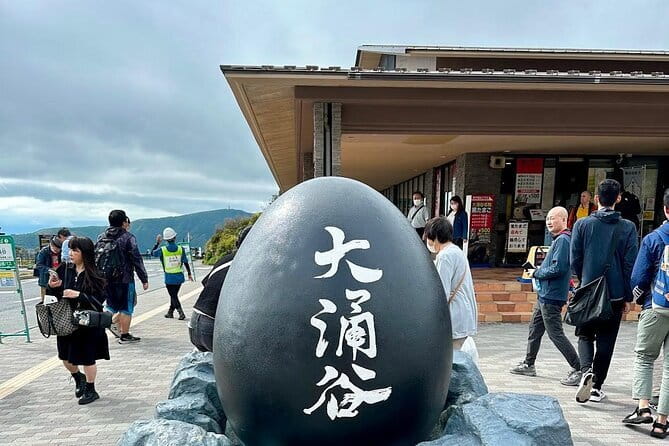
Ōwakudani Valley is a volcanic zone known for sulfur vents and steaming hot springs. It is famous for dramatic landscapes and for the fact that the heat and fumes feel alive. This is the stop where you understand Hakone is not just “pretty nature,” it is active volcanic country.
The main practical note is that Ōwakudani can smell strongly near vents. If you are sensitive, you might spend more time at the edges of viewpoints and less at the densest steam areas. In the tour plan, admission is not included for this stop, so you pay on-site.
Then comes the Hakone Open-Air Museum. This is an unusual pairing with a volcano day, which is exactly why it works. The museum uses outdoor space to display sculptures with mountain backdrops, so you get art and nature in the same walking loop. It is a nice break if you start feeling like you have only been collecting photos all day.
In the provided details, admission is not included for the Open-Air Museum, meaning you will likely be paying multiple small fees over the day. That is normal for Japan attractions.
Hakone Ropeway and Lake Ashi: how the day earns its wow factor
Hakone in this tour often includes aerial views through ropeways and a water perspective from Lake Ashi.
The Hakone Ropeway is timed for a strong “in motion” view. You get panoramic scenes over Mount Fuji on clear days, Lake Ashi, and the volcanic Ōwakudani area. In the provided details, ropeway admission is not included, so keep cash or payment access ready.
After that, you move to Hakone Jinja, the shrine at the foot of Mount Hakone with the iconic red torii gate sitting in Lake Ashi. It is a serene stop, and it is one of the easiest places to slow down. You do not need to do anything complicated. You just look.
Then comes Lake Ashinoko, also called Lake Ashi. This is a crater lake with views that can include Mount Fuji when skies cooperate. In the plan, Lake Ashi admission is included. Many visitors also want the boat cruise moment, and the standard Hakone route includes a Togendai to Motohakone style cruise, though the exact experience details beyond “cruise” are not spelled out in the info you provided.
This is also where the tour can feel especially good for first-time visitors. You see Hakone from three angles:
- Volcanic heat and steam
- Aerial perspective via ropeway
- Still-water views around the torii and lake shoreline
Gotemba Premium Outlets: the practical payoff, not just shopping

The day can also include a stop at Gotemba Premium Outlets, with about two hours allocated. This is a good place to stretch your legs, use bathrooms, and grab snacks or something warm if you started feeling chilled on the mountain side.
If shopping is not your thing, you can treat it as a decompression block. You are not losing the day to a “must buy” trap. Two hours is enough to browse or simply reset.
The value here depends on what you need. If you forgot sunscreen, a light jacket, or just want familiar brands, it is convenient. If you prefer to maximize scenery time, you can ask to adjust the route earlier or later in planning.
What it feels like on the road: a private day that actually runs on time
This is a private tour, so you are not waiting around for someone who is always five minutes late. You also do not have to negotiate complicated public transportation between Fuji and Hakone.
Your driver is the English and Japanese speaking guide and is licensed. The company lists about 26 years of driving experience in Japan, and multiple service notes point to punctuality and safety-minded driving. One practical benefit: the driver can help adapt the day if you have walking difficulty, since the pacing is under your control.
You also get a meet and greet, plus a WiFi hotspot router in the car. That is surprisingly useful for checking weather, reading directions, and keeping your group coordinated.
Car comfort matters too. It is air-conditioned, with petrol and gas covered, and the vehicle is described as modern and clean.
Ticket strategy and cash tips: avoid the small-day headaches
Because many admissions are not included, your day will likely involve paying at several places. The plan lists stops where tickets are included, like Lake Kawaguchiko, Oishi Park, Chureito Pagoda, and Lake Ashinoko, while other stops such as Mt. Fuji 5th Station, Ōwakudani Valley, the ropeways, Hakone Ropeway, and the Open-Air Museum have admissions not included.
So here is your simple strategy:
- Bring cash for on-site tickets
- Bring a small umbrella and a handheld fan, since weather can shift quickly
- Bring water, and plan to buy snacks rather than expecting food to be part of the included program
Also, ropeways and the Subaru Line toll are examples of separate fees you will manage during the day. If you hate “surprise payments,” confirm what you personally need to pay before you go. The driver and coordinator should be able to help you sort out priorities.
Who this tour suits best
I’d strongly consider this tour if you:
- Want a private day trip with hotel pickup and no complicated transfers
- Care about classic Fuji viewpoints and also want Hakone’s volcano and lake mix
- Are traveling with up to five people who can share the cost
- Prefer a driver who can adjust pacing if your group needs a gentler rhythm
It is less ideal if you want long stays, slow wandering, or “one place for hours” travel. This is a full, efficient day. It moves.
Also, if you are traveling solo and not comfortable with per-person pricing for a private car, you might compare it with group tours. But if you value time, comfort, and control, this format makes sense.
Should you book this Mt. Fuji and Hakone private day tour?
Book it if you want the best chance at a stress-free Fuji and Hakone day with maximum variety and minimal navigation headaches. The private driver, hotel pickup, and WiFi make the logistics easy, and the route flexibility is a real advantage when you care more about views than strict checklists.
Skip it or adjust expectations if you are planning for guaranteed clear Fuji photos. Weather can change everything, and while the operator offers a new date or refund for bad conditions, you still need to align your travel plans with that possibility.
My final advice: when you customize, be honest about your top two “must see” stops. Pick those first, then let everything else become bonus time. That way, even if clouds roll in, you still end the day with at least two experiences that feel like a win.
FAQ
Is this a shared tour or truly private?
It is private. Only your group participates, and the vehicle is set up for up to five people.
What time is hotel pickup in Tokyo?
Pickup is listed as 8:00 AM from hotels in Tokyo. If you are picked up from the Fuji, Hakone, or Kanagawa region, pickup is listed as 9:30 AM to 10:00 AM.
Can I customize the route instead of following a preset plan?
Yes. You can select one of the outstanding routes or customize your own itinerary. A coordinator contacts you through Viator messaging or another messaging app to discuss your preferences.
Do I need to pay admission fees during the day?
For many stops, yes. The tour notes that traveler need to pay attraction tickets directly on the spot. Some stops have tickets marked as included, but several key ones, such as Ōwakudani Valley, ropeways, and Hakone Shrine, are not included.
What happens if the weather is bad for Mount Fuji views?
Good weather is required. If unavoidable bad weather occurs, you will be given a new date or a complete refund.
What is the cancellation refund cutoff?
You can cancel up to 24 hours in advance for a full refund. If you cancel less than 24 hours before the start time, the amount paid is not refunded.
More Private Drivers in Tokyo
More Tours in Tokyo

More Tour Reviews in Tokyo
Not for you? Here's more nearby things to do in Tokyo we have reviewed












Mount Fuji Tours, side by side.
 ★ 5.0Mt Fuji and Hakone 1-Day Bus Tour Return by Bullet TrainFrom $16326,383 reviews
 ★ 4.0Mt Fuji & Hakone Cruise, Drum Show Bullet Train 1 Day from TokyoFrom $1497,413 reviews
 ★ 4.4Tokyo Mt Fuji 5th St & Hakone Cruise Bus Tour w/Bullet TrainFrom $1545,024 reviews
 ★ 4.5From Tokyo: Mount Fuji Full-Day Sightseeing TripFrom $684,970 reviews
 ★ 4.7Mt. Fuji Tour, Hakone Ropeway, Owakudani, Lake AshiFrom $544,002 reviews
 ★ 4.2Mt. Fuji 5th Station & Hakone Cruise 1-Day Bus TourFrom $1292,381 reviews
 ★ 4.7Mt Fuji Top 5 Spots Day Tour: Arakurayama Park,Oshino HakkaiFrom $532,066 reviews
 ★ 5.0Private Tour to Mt. Fuji and Hakone (Fully Licenced Operator)From $4971,910 reviews
This tour also belongs to