
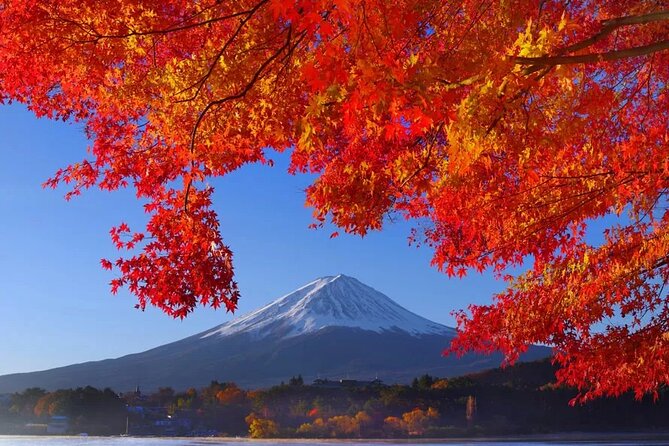
Review · MOUNT FUJI TOURS
Mt Fuji Private Day Trip from Tokyo with English Speaking Driver
Mt Fuji in one stress-free day is a game changer. You skip the slow train puzzle and ride in a private air-conditioned vehicle with an English-speaking driver, then pack in classic stops around the Fuji Five Lakes. Two things I especially like: you get real time with your guide instead of just queueing with everyone, and the route is built to maximize your daylight rather than burning it on transfers.
One note to keep in mind: the big view moments still depend on weather, and a couple of key experiences have separate ticket costs (like the ropeway and village entry), so check totals before you lock in your budget.
Quick hits before you go
- Private transport, not train hopping: you lose less time getting between Fuji-area sights.
- English-speaking driver plus meet and greet: smoother start, fewer “where do we meet?” moments.
- Wi-Fi hotspot in the vehicle when available: helps with maps, messages, and keeping everyone calm in transit.
- Packed but flexible stops: Oshino Hakkai, Chureito Pagoda, Lake Kawaguchiko, plus Saiko area sights.
- Some paid add-ons: Mt Fuji 5th Station fee may apply, and Kachikachi Ropeway and Iyashi no Sato are not included.
Why this Mt Fuji private trip feels smarter than DIY
A Mt Fuji day trip from Tokyo can turn into a logistics day fast. Public transit is doable, but you’ll spend energy timing trains, managing transfers, and reading schedules while you also want that clear mountain view.
This private tour is designed around the opposite goal. You start early, ride out together in a dedicated car, and let your driver handle the routing. That changes the vibe immediately. You can focus on arriving at each stop with enough time to breathe, take photos, and actually enjoy the places instead of power-walking between stations.
Also, you’re not just buying a ride. You’re buying attention. With a private group (up to 5), your guide can shape the day around what you care about most, including pacing at the stops that matter most to you.
You can also read our reviews of more private tours in Tokyo
Pickup, vehicle comfort, and Wi-Fi for the long Tokyo-to-Fuji stretch
The tour runs about 10 hours, starting at 8:00am. That timing matters because the Fuji area can look very different depending on light and visibility. Leaving early gives you more chances to catch clear skies and calmer conditions at popular viewpoints.
You’ll have meet and greet and pickup offered, plus an air-conditioned vehicle. On a hot day or during rain, that comfort turns “just travel time” into something you can tolerate.
Inside the car, there’s a Wi-Fi hotspot when available. It’s not something I’d bet the trip on, but it’s genuinely helpful for quick map checks, translations, and keeping everyone connected while you’re on the road.
Pricing and value: what $423.90 per group really buys
The price is $423.90 per group (up to 5), which is the big point here: this is not priced like a solo excursion. It gets more reasonable the more people you have in your car.
If you fill the group, you’re effectively paying around $85 per person for a full day of private transport and an English-speaking driver. Even if you’re not full, you’ll still likely come out ahead versus paying for individual guides plus multiple transit tickets and add-on transfers. The tour also includes tolls and gas, so you don’t get surprise costs for driving time.
Two add-ons to budget for:
- Mt Fuji 5th Station entry fee is listed as JPY 2,100 for the group or vehicle (not included).
- Mt Fuji Panoramic Ropeway (Kachikachi Ropeway) tickets are about JPY 1,000 per person (not included).
And then there’s food. Food and drinks aren’t included, so plan to rely on recommendations and meal stops built into the schedule.
Stop 1: Oshino Hakkai and its eight spring ponds
Oshino Hakkai is one of those places that makes Mt Fuji feel close, even when the mountain is miles away. You’ll have about 3 hours, and it’s long enough to wander without feeling rushed.
The standout here is the setting and the water story. Oshino Hakkai is known for eight clear spring ponds, fed by natural springs from the Mt Fuji region. Visually, that means calmer reflections and a sense of stillness that’s different from the busier viewpoint spots later in the day.
What I like about using Oshino as your first major stop is the pace shift. Early on, before crowds peak, it’s an easier place to get your bearings. And it’s a great contrast to later stops where you’re chasing dramatic angles of the pagoda and lake.
Practical note: this stop is free for admission, so you can spend more time deciding how much shopping, strolling, or photo time you actually want.
Stop 2: Chureito Pagoda at Arakurayama Sengen Park
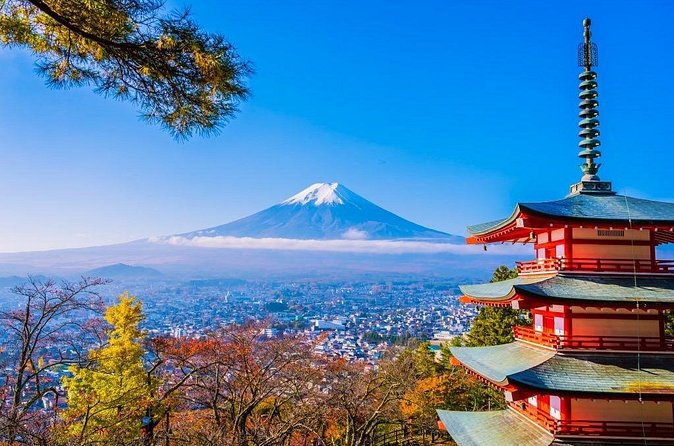
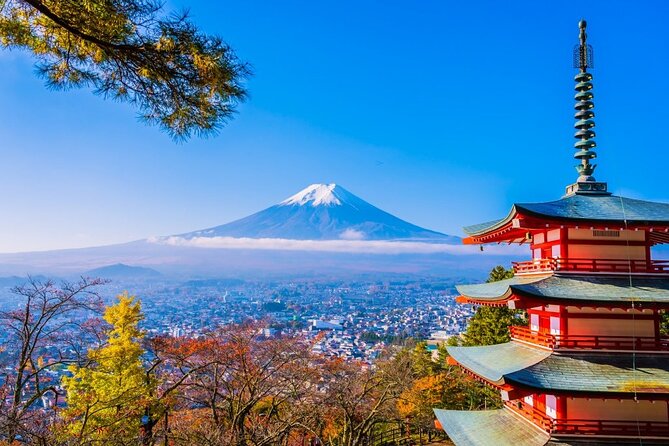
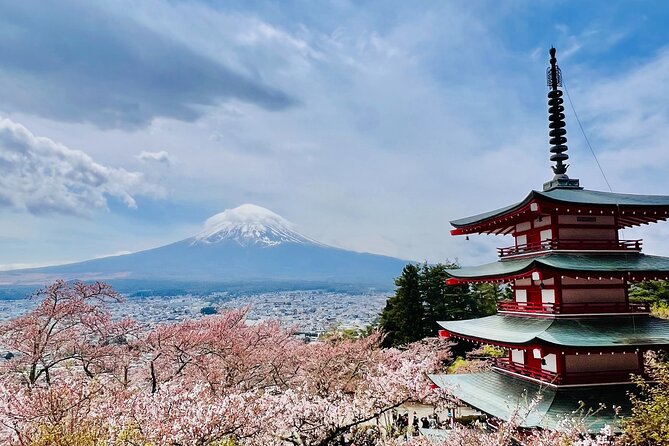
Chureito Pagoda is short on time but big on payoff, with about 1 hour. This is one of the most photographed spots in the Fuji area for a reason: you get that classic pagoda-with-mountain composition people travel for.
The setting is Arakurayama Sengen Park in Fujiyoshida City. Because it’s a park, not just a single landmark, you can usually find little vantage points as you walk. If you care about photos, use your hour for a slow loop, not just a single snap and out.
Admission is listed as free, which helps. It also means you’re not burning money on a viewpoint ticket just to stand somewhere for ten minutes. With one hour, you’ll want to be ready to move efficiently, but it’s still enough time to linger if the view is clear.
More Tokyo tours and experiences for the shortlist





Stop 3: Lake Kawaguchiko for reflections and real Fuji views
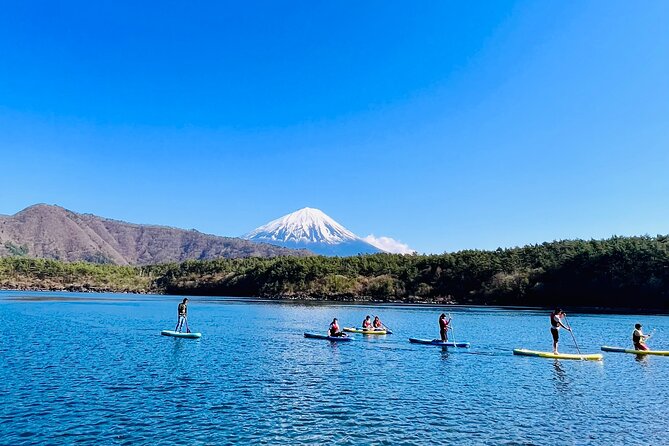
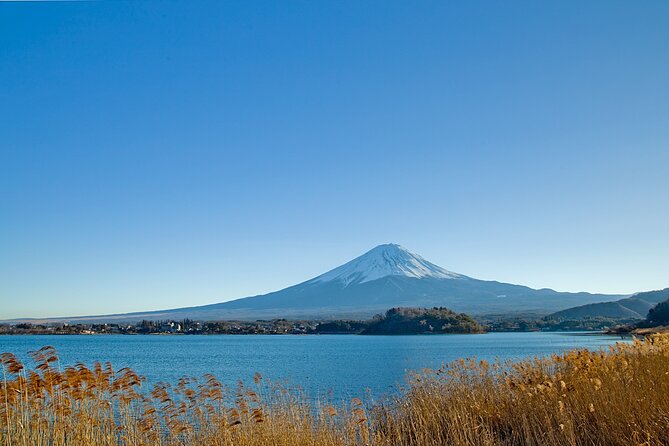
Lake Kawaguchiko is often where people hope Mt Fuji will show itself, and your stop is about 1 hour. This is the heart of the Fuji Five Lakes region, so the atmosphere is more “visit-and-watch” than “walk-and-explore.”
You’re aiming for that iconic look: Mt Fuji in the frame with the lake water in front. In clear weather, this can be spectacular. In imperfect visibility, the lake still offers pleasant scenery and a chance to reset for the ropeway stop next.
A smart way to use this hour is to treat it like a scouting mission. Look from one spot, then adjust position slightly for the best reflection angle and lighting. If your guide can suggest where to stand based on current conditions, follow that, because small moves make a big difference here.
Admission is free for this stop, so you’re paying mainly for your time and the ability to be in the right place at the right moment.
Stop 4: Mt Fuji Panoramic Ropeway (Kachikachi) and what the extra ticket does
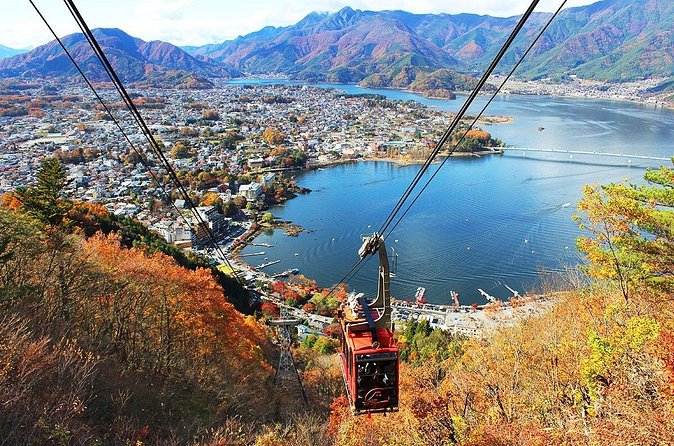
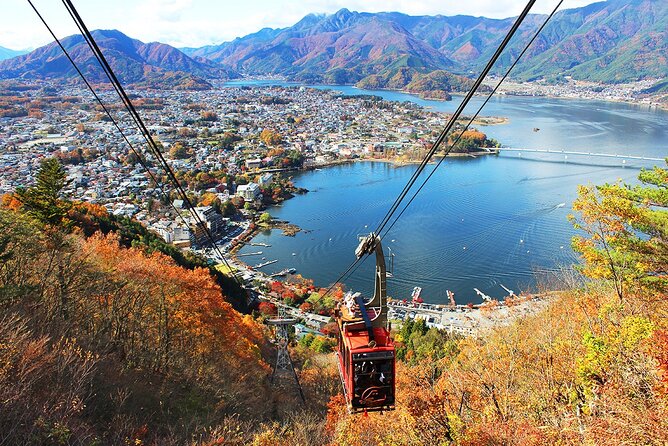
This is your “pay for the view” moment. The stop is about 1 hour, and the ropeway ticket is not included. The listing estimate is roughly JPY 1,000 per person.
What you’re buying with the ropeway is perspective. Instead of looking at Mt Fuji from ground level and from a lake edge, you climb into a more panoramic viewpoint. Even when the weather is mixed, being higher often improves the chance of seeing the mountain clearly.
Because ropeway time can be affected by weather and lines, this is one place where private pacing really helps. Your guide can guide you on when to go in relation to the rest of your schedule.
If you’re traveling with someone who hates waiting, prioritize getting to the boarding area quickly after arrival. If you’re traveling with photo lovers, give them a little breathing time for framing shots from the top.
Stop 5: Oishi Park, a classic Fuji viewpoint stop
Oishi Park rounds out your Kawaguchiko area time with another about 1 hour and free admission. This is a lakeside park known for breathtaking views of Mt Fuji, and it’s a place where the scenery does the work.
If you’ve already seen the ropeway viewpoint, think of Oishi Park as your “ground-level beauty” counterpoint. You’ll get more of the lake and surrounding setting around the mountain.
A practical way to enjoy this stop is to keep your expectations flexible. If Mt Fuji is clear, great, spend longer finding the best angle. If clouds roll in, treat it as an opportunity to enjoy the park atmosphere anyway, because the lake views can still be soothing even without a perfect mountain silhouette.
Stop 6: Saiko Lake, quieter and often less rushed
Saiko Lake is also in the Fuji Five Lakes group, but your time here is about 1 hour and the admission is free. Compared to the most famous Kawaguchiko spots, Saiko can feel calmer, and that matters on a day that’s already packed with viewpoints.
Use this stop for a reset. Walk a bit, sit for a moment if you can, and recharge before the final village-style stop.
It’s also a good spot to check the sky and adjust your expectations. If Mt Fuji is hiding earlier in the day, Saiko is one place where you might still get a glimpse later depending on cloud movement. Your guide can help you make the call on when to pause and when to move on.
Stop 7: Saiko Iyashi no Sato Nenba for a slower, traditional finish
Your last major stop is Saiko Iyashi no Sato Nenba, with about 2 hours. This is a reconstructed traditional village near Lake Saiko, and the tour listing notes the admission is not included.
The name translates to Healing Village, and while you don’t need that translation to enjoy it, it hints at the feel: more relaxed, more cultural, less “look and go.”
With two hours, you should have time to wander the village layout, take photos, and read the atmosphere around you rather than only collecting images for your camera roll. If you’re the kind of traveler who likes a deeper taste of Japan beyond scenic stops, this is where you get it without needing extra planning.
Since the entry ticket isn’t included, plan for that cost in your budget, and consider buying or entering early if the day is starting to get busy.
Guide quality can make or break a Fuji day
This is a private trip, so the guide is not background noise. Based on the strongest feedback tied to specific names, people really focused on professionalism, driving, patience, and the guide’s ability to adjust to conditions.
I especially liked the pattern of what’s praised: promptness and smooth driving, plus knowledge that helps you understand what you’re seeing. Names that show up include Hridoy, Orko, Sham, Haju, and Sakib. In particular, I’d pay attention to the guidance that comes through in the way these drivers are described. Courteous and patient matters when roads are busy and when you’re trying to keep a tight schedule without stress.
One more thing I take seriously from the feedback: weather adaptation. When rain hits, the day does not have to feel ruined. A guide who keeps calm, adjusts timing, and helps you keep moving can turn cloudy conditions into a still enjoyable day.
Timing and pacing: why the 10 hours can feel full
The schedule is packed, and that’s intentional. You’ll hit a sequence of major highlights, but each stop has its own time window: 3 hours at Oshino Hakkai, then a series of shorter stops around 1 hour, finishing with 2 hours at Iyashi no Sato.
That structure is great if you want to see a lot and you trust the logistics. It’s less ideal if you want long, slow photo sessions at every location. One caution pulled from feedback is that it can feel like you might not fit the entire plan depending on what happens during the day, including how much time you want to spend at each stop.
My advice: decide where you want to spend your extra minutes. If Mt Fuji reflections are your top goal, you’ll likely want to concentrate time around Lake Kawaguchiko and Oishi Park. If cultural wandering is your priority, protect time at the village.
Packing your day: what to do so you enjoy every stop
You’re on the road most of the day, so think in terms of comfort and readiness.
- Bring layers. Fuji-area weather can change fast, especially if you’re starting from Tokyo conditions and then moving into cooler zones.
- Assume some extra waiting time may happen around ticketed attractions like the ropeway. Private scheduling helps, but nature still sets the tempo.
Also, plan your expectations for Mt Fuji itself. This tour requires good weather, and that’s not just a line. If the mountain is obscured, the views will shift from “iconic postcard” to “still scenic.” You’ll still enjoy the ponds, parks, and village, but the headline moment may not hit as hard.
Quick budget checklist before you book
Here’s what you can plan for based on the tour information:
- Tour cost: $423.90 per group up to 5
- Expected extra fees:
- Mt Fuji 5th Station entry fee: JPY 2,100 per group or vehicle, not included
- Kachikachi Ropeway ticket: about JPY 1,000 per person, not included
- Saiko Iyashi no Sato Nenba entry: not included
- Food: not included
- Local variation: final amounts and timing can depend on the exact day’s conditions
If you’re the type who hates uncertainty, that’s why I suggest budgeting extra for the two named ticket items plus the possibility of the 5th Station fee.
Should you book this Mt Fuji private tour?
Book it if you want:
- A stress-free logistics solution for a Fuji day from Tokyo
- Multiple major stops in one run, including Oshino Hakkai, Chureito Pagoda, and the Lake Kawaguchiko area
- The comfort of a private vehicle with an English-speaking driver and meet and greet
- On-the-go comfort, including Wi-Fi in the vehicle when available
Skip or compare pricing if:
- You’re traveling alone or as a small party and want to minimize per-person cost
- You prefer a slow, unstructured day with lots of time at fewer stops
- You’re highly dependent on perfect Mt Fuji visibility, since the tour requires good weather and visibility can change day to day
If you’re trying to squeeze Mt Fuji into a tight Tokyo itinerary, this is one of the cleaner ways to do it. You’ll spend your energy enjoying the places, not decoding trains, lines, and transfers. The payoff is a full day that feels organized, with guides who seem to take the job seriously and keep the ride smooth.
FAQ
How long is the Mt Fuji private day trip from Tokyo?
It runs about 10 hours.
What time does the tour start?
The start time is 8:00am.
How many people can be in a group?
This is a private tour for your group, up to 5 people.
What is included in the price?
The tour includes private transportation in an air-conditioned vehicle, meet and greet, tolls, and an in-vehicle Wi-Fi hotspot when available.
Are the ropeway and village tickets included?
No. Tickets for the Mt Fuji Panoramic Ropeway are not included, and the Saiko Iyashi no Sato Nenba admission is also not included.
What happens if weather is poor?
The experience requires good weather. If it’s canceled due to poor weather, you’ll be offered a different date or a full refund. Free cancellation is available up to 24 hours in advance for a full refund.
More 1-Day Tours in Tokyo
More Private Tours in Tokyo
More Tour Reviews in Tokyo



Not for you? Here's more nearby things to do in Tokyo we have reviewed












Mount Fuji Tours, side by side.
 ★ 5.0Mt Fuji and Hakone 1-Day Bus Tour Return by Bullet TrainFrom $16326,383 reviews
 ★ 4.0Mt Fuji & Hakone Cruise, Drum Show Bullet Train 1 Day from TokyoFrom $1497,413 reviews
 ★ 4.4Tokyo Mt Fuji 5th St & Hakone Cruise Bus Tour w/Bullet TrainFrom $1545,024 reviews
 ★ 4.5From Tokyo: Mount Fuji Full-Day Sightseeing TripFrom $684,970 reviews
 ★ 4.7Mt. Fuji Tour, Hakone Ropeway, Owakudani, Lake AshiFrom $544,002 reviews
 ★ 4.2Mt. Fuji 5th Station & Hakone Cruise 1-Day Bus TourFrom $1292,381 reviews
 ★ 4.7Mt Fuji Top 5 Spots Day Tour: Arakurayama Park,Oshino HakkaiFrom $532,066 reviews
 ★ 5.0Private Tour to Mt. Fuji and Hakone (Fully Licenced Operator)From $4971,910 reviews
This tour also belongs to