
Review · TOKYO CITY TOURS
Private 6hr Tokyo Essentials Tour of Tradition and Modernity
Tokyo is big enough to make your brain hurt. The fix is a smart route and a guide who can point the way.
What I like most is the hotel pickup plus a private, fluent English guide named Satoshi, so you start calm and keep asking questions without feeling awkward. I also love the mix of old and new, from temple streets to Akihabara’s tech and anime energy. One consideration, since it’s a walking tour for about six hours (sometimes using public transit between areas), you should be ready for steady movement and a bit of city navigation.
You’ll get a clear feel for neighborhoods like Tsukiji, Ueno, Asakusa, and Akihabara, instead of hopping randomly. And because Satoshi is friendly and works well with local shop owners, you’re not just marching past storefronts, you’re getting context for what you’re seeing.
Key Highlights You’ll Feel Right Away
- Private guide with real city instincts, with Satoshi praised for friendly, human explanations and personal stories
- 6-hour routing across four major areas, designed to give you orientation fast rather than a scattershot day
- Hotel pickup available, with a start window from 9AM to 11AM to match your plans
- Food-and-street focus at Tsukiji, Ueno, and Asakusa, where the “what to try” questions matter
- Akihabara with practical context, covering anime, gaming, and tech shopping without turning it into a random arcade stop
The Real Value: Orientation in a City That Won’t Stand Still
Tokyo can be overwhelming in the first few days. Stations are huge, neighborhoods blend together, and “just get off at the next stop” quickly turns into a game you did not sign up for.
This tour is built for orientation. You’re not trying to do everything. You’re learning how the city works, and how different areas feel. That matters because the best Tokyo days tend to be the ones where you can later say, I know where I am, I know what I want, and I know how to get there.
The private format also changes the tone. You can ask questions that would feel too “weird” on a big group tour, like what to eat first, how to read temple street layouts, or how to approach Akihabara shopping without feeling lost. In the reviews, Satoshi is specifically described as going beyond and making sure first-time visitors feel comfortable.
The other practical win is that the day is structured into four chunks of about 1.5 hours each. That rhythm helps, especially on a first trip when your brain is still translating signage and station names.
You can also read our reviews of more private tours in Tokyo


Tsukiji Market Street Life: Seafood, Snacks, and How to Watch It
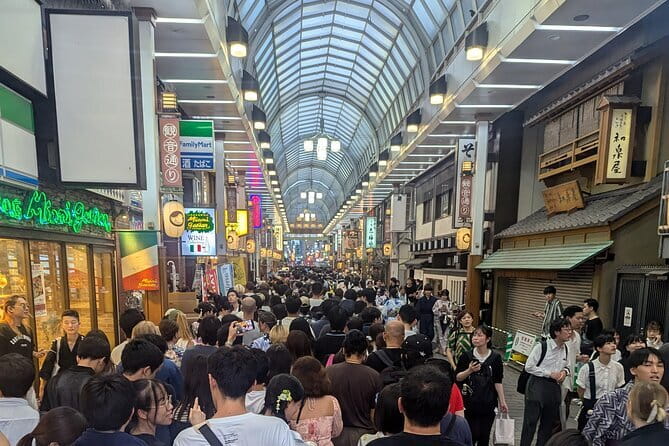
Your tour starts at Tsukiji, Tokyo’s legendary seafood hub. Think standing shoulder to shoulder, smelling grilled seafood, hearing the clatter of market life, and seeing layers of food culture at street level.
Here’s what you should expect. You’ll stroll market stalls and try to get a feel for what’s going on, not just take photos. The tour includes sampling options like fresh sushi and grilled seafood skewers, plus Japanese street food. Even if you’re not a hardcore foodie, this stop is valuable because it shows you how Tokyo turns food into an experience.
A private guide really helps here. In a crowded market, it’s easy to end up at the wrong stall at the wrong moment, or to miss what’s actually worth trying. Satoshi is praised for being friendly with shop owners, which translates into smoother browsing and better context for what you’re eating.
Possible drawback: Tsukiji can be intense. If you’re sensitive to crowds or smells, plan to go at a calm pace during the stop. The goal is not to conquer every stall. It’s to learn how this area breathes.
Ueno and Ameya-Yokocho: Temples, Park Time, and a Post-War Food Street
Next comes Ueno, with a mix of culture and everyday fun. This area is known for its park feel and historic temples, but the big star in this part of your day is Ameya-Yokocho, a lively post-war shopping street filled with food vendor energy.
What makes this stop work on a short, focused tour is that it’s not only sightseeing. It’s also about learning Tokyo habits: where locals snack, how people browse, and how an old commercial street still shapes your day.
You’ll spend about 1.5 hours here, with time to walk and take in the street scene. Since the tour is private, you can slow down if a particular stall catches your eye, or ask questions about what something is and how it’s commonly eaten.
One practical note: Ueno’s appeal is partly its “walk and look” style. If you’re the type who wants fixed, timed attractions, you might find this more free-flow than you’re used to. The payoff is that you get real street texture rather than just landmark photos.
Asakusa and Senso-ji: Reading Nakamise Street Like a Local
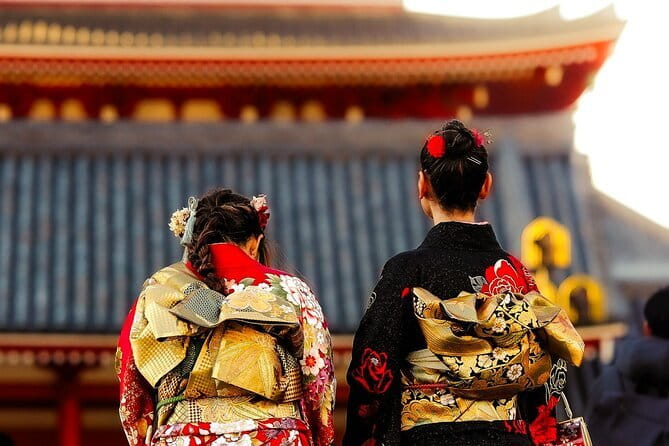
Then you shift into Asakusa, where the mood changes fast. You’ll visit Senso-ji, described as Tokyo’s oldest and most famous temple, and you’ll walk Nakamise Street, famous for traditional snacks and souvenirs.
Asakusa is where the city feels like it’s wearing an old outfit. The tour gives you time to wander, not sprint. Nakamise Street is lined with snacks and shopping, so you can do two things at once: experience the Edo-era atmosphere and refuel with small bites while you go.
Why this stop matters for a first visit: Tokyo can feel like it has multiple time zones. One day you’re in modern tech. Another day you’re in temple streets. Asakusa helps you understand why Tokyo’s past is not locked behind a museum door. It’s right there in daily street life.
Senso-ji and Nakamise Street also make a great “orientation checkpoint.” After seeing Tsukiji market and Ueno shopping street, Asakusa teaches you a different flavor of Tokyo public space. It’s still crowded and energetic, but the cultural cues are different.
Possible drawback: If you arrive hungry, Nakamise Street can tempt you into snack overload. I’d treat it like sampling, not a full meal. You’ll get more out of the rest of the day if your stomach stays flexible.
Akihabara, Anime, and Tech Shopping Without Getting Lost
You finish in Akihabara, Tokyo’s neon-lit world of anime, gaming, and tech culture. This is the modern Tokyo pivot point, and it’s also the easiest place to wander aimlessly if you’re not sure where to start.
The tour wrap-up gives you time to browse multi-story arcades, explore retro gaming shops, and step into themed cafés. Even if you’re not a collector, this stop is fun because it shows how specific Tokyo subcultures feel in real life. It’s not just products. It’s the experience of place.
Here’s where Satoshi’s guidance likely pays off. The reviews highlight his personal touches and friendly local connections. In Akihabara, that can mean knowing which aisles make sense, what kinds of shops you’re actually looking at, and how to avoid wasting time in the least interesting spots.
If you’re traveling with teens or gamers, this is often the part that makes the whole day feel worth it. If you’re older and more into design or electronics than anime, you can still enjoy Akihabara by focusing on tech curiosity, retro finds, and how themed spaces work.
The only consideration is attention span. Akihabara has many floors and many distractions. If you start feeling overwhelmed, ask the guide to help you pick a path that matches your interests.






Walking, Public Transit, and Pacing: How the Day Fits Together
This is a private, personalized experience with a fluent English speaking guide. It’s designed as a walking tour for about six hours, with flexibility to use public transit between areas.
That pacing matters because it keeps you from burning your whole day on transit. You’ll spend most of your time looking around and getting context. It also keeps the experience from turning into a “look from the sidewalk, move on” checklist.
The tour also offers convenient pickup at your location, including hotel or Airbnb. That is a real quality-of-life feature in Tokyo, where finding the right entrance and platform can be confusing if you’re still learning the system.
Start time options run from 9AM to 11AM, so you can choose what works for jet lag, your energy level, and any morning plans.
One more practical point: the tour is listed as having free admission tickets for the stops. But attraction entry fees are also listed as not included. In practice, this usually means you’re not paying for ticketed attractions at the sites described. If you plan to add extra paid experiences around the edges, budget for those separately.
Price and Value at $215 Per Person
At $215 per person, this is not a bargain-basement deal. But for a private six-hour day with pickup and a fluent English guide, it can be good value if you want a guided route that saves time and reduces stress.
Here’s the value math that matters:
- You’re paying for a guide, not just movement.
- You’re getting hotel pickup and a structured day across four major areas.
- You’re not spending your limited Tokyo hours figuring out where to start and what to see in what order.
What’s not included is important. You’ll handle public transportation fees, any attraction entry fees if you add extra stops beyond what’s listed, and lunch is not included.
So the question is simple: do you want to spend your money on a guide to make your day efficient and coherent, or do you prefer to DIY and spend that same money on food, shopping, or transit?
In the reviews, the consistent theme is that the guide made the day feel fun and efficient. The best part about paying for this kind of tour is that you can land in Tokyo and still get the feeling of having a plan.
Who This Tour Works For (and Who Might Prefer a Different Plan)
This tour fits best if you’re:
- Visiting Tokyo for the first time and want fast neighborhood orientation
- Interested in a mix of tradition and modern pop culture
- Comfortable with a half-day that includes walking and some transit
- Traveling with family or group members who benefit from private, adjustable pacing
It can also work well if you’re not sure what you care about yet. Early in a trip, you often don’t know which Tokyo slice you’ll love. This tour gives you four distinct slices in one day.
Who might not love it:
- If you hate walking, this will probably feel like too much.
- If you want only one theme, like all temples or all tech, you might prefer a more specialized tour.
Still, even if your interests are narrow, the guide can often help you shift attention within each area. That’s a strength of a private format.
Should You Book This Tokyo Essentials Tour?
Yes, I’d book it if your priority is a smart first Tokyo day that helps you get your bearings fast. The combination of hotel pickup, a private guide named Satoshi, and a route that spans Tsukiji, Ueno, Asakusa, and Akihabara is a strong way to understand Tokyo without burning hours on decision fatigue.
I would think twice only if you’re not ready for steady walking for about six hours, or if you plan to spend your time almost entirely at one narrow type of attraction. Otherwise, this is the kind of tour that makes the rest of your trip easier, because you’ll return to places with context and confidence.
If you book, wear comfortable shoes and treat the day like sampling and exploring, not collecting every single shop on every single street. Tokyo is more fun when you leave room for the next question the city answers.
FAQ
How long is the Tokyo essentials tour?
It’s about 6 hours.
What start time options are available?
You can choose a start time from 9AM to 11AM.
Is hotel pickup included?
Yes. Pickup is offered from your location, such as a hotel or Airbnb.
Is this tour private?
Yes. It’s a private tour/activity, and only your group participates.
Which neighborhoods are included in the route?
The tour includes Tsukiji, Ueno, Asakusa, and Akihabara.
Is lunch included?
No, lunch for guests is not included.
Are public transportation fees included?
No. Public transportation fees are not included.
Are attraction entry fees included?
Attraction entry fees are listed as not included, though the stops are marked with free admission tickets in the itinerary details.
What kind of ticket do I receive?
A mobile ticket is provided.
What is the cancellation policy?
You can cancel for a full refund up to 24 hours before the experience starts. If you cancel less than 24 hours before, the amount paid is not refunded.
Is the guide English-speaking?
Yes. The tour includes a private and personalized experience with a fluent English speaking guide.
More Private Tours in Tokyo


More Tours in Tokyo


More Tour Reviews in Tokyo
Not for you? Here's more nearby things to do in Tokyo we have reviewed












Tokyo City Tours, side by side.
 ★ 5.01-Day Tokyo Bus TourFrom $12914,250 reviews
 ★ 4.5TOKYO SKYTREE® Admission ticketFrom $1311,192 reviews
 ★ 4.6teamLab Planets TOKYO Digital Art Museum Entry TicketFrom $259,779 reviews
 ★ 4.0Mt Fuji & Hakone Cruise, Drum Show Bullet Train 1 Day from TokyoFrom $1497,413 reviews
 ★ 5.0Shinjuku Food Tour (13 Dishes at 4 Local Eateries)From $866,603 reviews
 ★ 4.4Tokyo Mt Fuji 5th St & Hakone Cruise Bus Tour w/Bullet TrainFrom $1545,024 reviews
 ★ 5.0Flagship 2-Hours Official Street Go-Kart Tour – Tokyo Bay ShopFrom $644,974 reviews
 ★ 4.5From Tokyo: Mount Fuji Full-Day Sightseeing TripFrom $684,970 reviews