
Review · TOKYO CITY TOURS
Private Customizable Car and Mini Van Tour in Tokyo
Tokyo can feel like a blur. A private car tour turns it into a day you can actually pace. You choose the mix of neighborhoods, with hotel pickup and drop-off, so you spend less time navigating and more time seeing.
I love that you can hop in and out as you like, instead of getting dragged along a fixed group schedule. The guide side of things is a big deal here too, with standout experiences tied to guides such as Keiko and Miko, often noted for warm, clear explanations and strong English.
The main tradeoff is practical, not personal. This costs $513 per person, and many famous spots are only on the clock for about 20 to 45 minutes, plus any paid views you add (like Skytree, Tokyo Tower, or Shibuya Sky) are usually extra.
Key Points to Know Before You Go
- A fully customizable route means you pick the vibe, not the van-seat consensus
- Hop in, hop out flexibility keeps your time aligned with your energy level
- Hotel pickup and drop-off saves stress at the start and end of a long day
- Pro guide plus pro driver helps you move through Tokyo efficiently
- Service animals welcome, so your day does not have to get complicated
- Observation decks are add-ons, so you can spend where you want to
Why a Private Car Tour Works Better Than Racing the Metro
Tokyo is doable on public transit, if you are up for lots of transfers and walking between stations. But if you want iconic sights without turning your vacation into a footrace, the private car format is a relief.
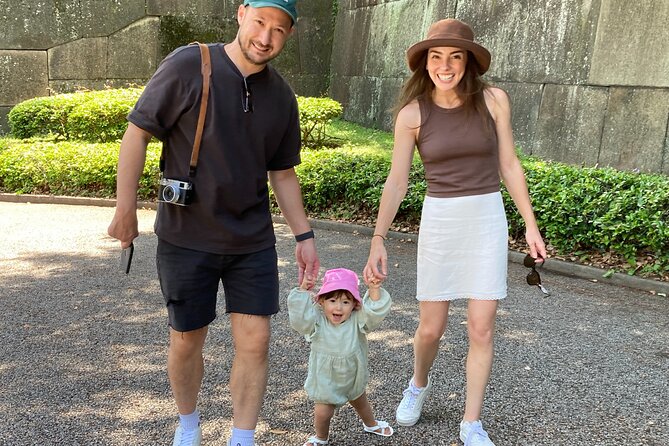
This tour is built around a simple promise: you plan the shape of the day, and the guide helps you make it real on the ground. When you are less mobile, traveling with kids, or just tired of holding bags and screens all day, that matters a lot.
You also avoid the most annoying part of big-city sightseeing, the waiting. Instead of collecting a group of strangers at each stop, you get a car-and-guide rhythm that matches your pace.
You can also read our reviews of more private tours in Tokyo
Price and Value: What $513 Buys in Real Tokyo Time
At $513 per person, this is not a budget tour. It works best when you compare it to what a day of private logistics actually costs in Tokyo, the comfort of a vehicle, plus a guide to translate the meaning behind what you are seeing.
Value shows up in three ways. First, the tour includes both a professional guide and a professional driver, so you are not paying for only transportation. Second, hotel pickup and drop-off removes major friction. Third, the “customizable” part is not just marketing, because it lets you prioritize what you care about instead of spending precious minutes on topics you do not.
One caution: this is a lot of “Tokyo per hour.” Even when stops are described as free to enter, you still have limited time in each place. If you pick many distant neighborhoods, you will likely feel the squeeze.
Pickup, Vehicle Comfort, and Luggage Space
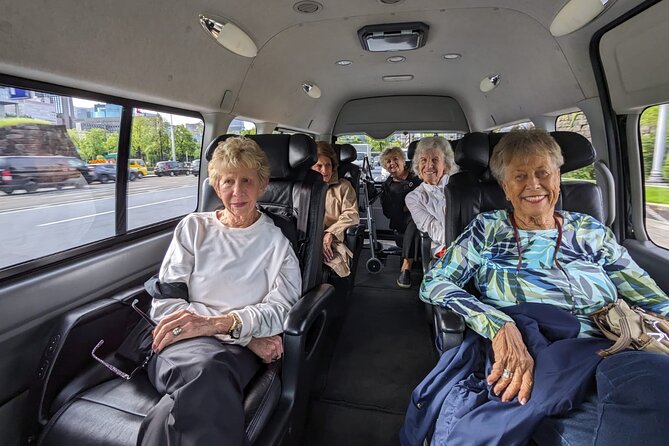
Pickup is included, which is a big deal when you are juggling jet lag or kids who need frequent pauses. You also get a mobile ticket, which makes it easier to show up without hunting for paper.
The operator lists two vehicle options based on your group needs. The Alphard can accommodate up to 4 suitcases with up to 3 people. The HiAce can handle up to 8 suitcases. If your family has big rolling bags, or you are traveling with gear, this is worth checking early.
It is also a private tour, so only your group participates. That usually means fewer compromises, like shorter time spent re-grouping, and more flexibility if someone needs a restroom stop or just a breather.
How Customization Actually Plays Out During Your Day
The itinerary is designed around your interests, and that changes what you do from stop to stop. One traveler might lean modern Tokyo, street-level fashion, and neon views. Another might want temples, old-market food culture, and calmer neighborhoods.
In practice, you are given a menu of places that work well in a car-based day. The stops listed typically run about 20 to 45 minutes each, which is enough to get inside, see the main area, and still keep moving.
You are also free to swap out paid experiences. Many key sites are listed as admission free, while observation decks at Tokyo Skytree, Tokyo Tower, and Shibuya Sky can be added when you want that skyline moment.
Shibuya Crossing, Harajuku Streets, and Meiji Jingu Calm
This portion of the day balances “modern Tokyo overload” with a quick reset in a shrine forest.


Shibuya: The Crosswalk Everyone Schedules For
Start in Shibuya, famous for fashion, crowds, and the iconic Shibuya Crossing. You can also meet the bronze statue of Hachikō, the faithful dog associated with Shibuya. The stop is listed at about 30 minutes, which is just enough to cross, snap photos, and orient yourself in a neighborhood that can otherwise feel chaotic.
If you are not a big crowd person, I would still do Shibuya early or late in the day when you want motion but not total crush.
Harajuku: Youth Fashion and Side Street Fun
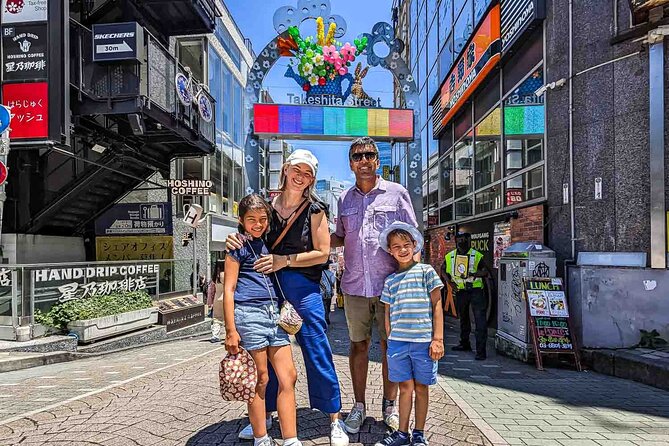
Next is Harajuku, positioned right by Meiji Shrine. Expect backstreets that lean hard into youth fashion, street art, playful food, and that whole “anything goes” attitude. It is about 30 minutes, so focus on the streets you actually want, not every storefront.
This is a great section for teens and kids who like to wander. If you are traveling with someone who hates shopping, you can treat Harajuku as a photo stop and keep it moving.
Meiji Jingu: A Shrine in a 700,000 m2 Forest
Then the mood shifts. Meiji Jingu Shrine sits in a huge forest area, described at 700,000 m2, which makes the contrast with Harajuku feel real. You learn about Shintoism, and the greenery changes your pace fast, even if you only have about 30 minutes.
If you want a calmer cultural moment, this stop is a good anchor. It also gives your group a break from sensory overload.
Shinjuku Skylines and the Tokyo View-Game
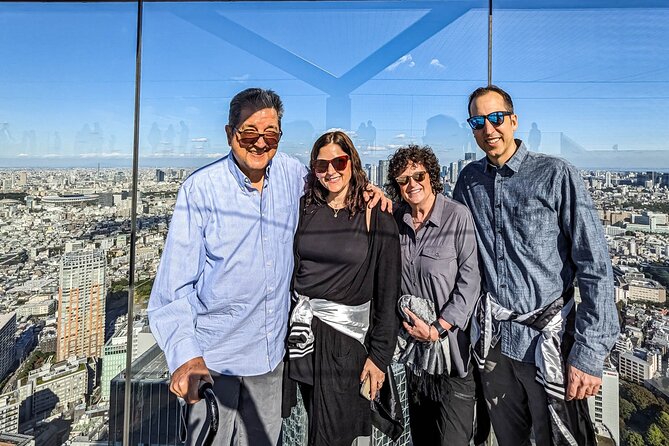
In Shinjuku, you get Tokyo at full volume, tall buildings, neon energy, and a city-wide view.
The itinerary includes a view from the observatory on the 45th floor of the Tokyo Metropolitan Government building. That is a practical choice, because you get a high vantage without the extra “walled ticketed attraction” feel of some other viewpoints. The time slot here is listed at about 30 minutes.
This is a good stop if your group wants a skyline moment but you do not want to commit to paid observation decks.
Asakusa and Senso-ji Temple: Shopping Lanes and a 628-AD Anchor
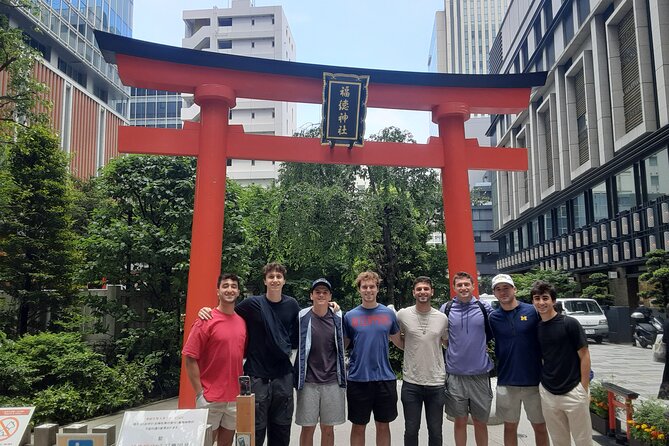
If you want Tokyo with age and atmosphere, this is the section.
Asakusa: Nakamise Shopping Street and Classic Souvenirs
You land in Asakusa, described as Tokyo’s historic center and home to traditional craft shopping. The itinerary calls out Nakamise Shopping Street, a roughly 250-meter stretch of stalls leading toward the temple area. Expect around 45 minutes here.
This is where you can do low-stress souvenir browsing and snack-hunting. It is also where you feel Tokyo as a place with daily routines, not just a theme park.
Senso-ji: Tokyo’s Oldest Temple Area
Then it’s Senso-ji Temple, listed as dating back to 628. You learn about Buddhism and see the core temple area. The stop is about 30 minutes.
One consideration: temple areas can get crowded at peak hours. With only half an hour, you will want to aim for the main sights quickly and skip overthinking. Your guide can help you pick what matters most for your style.
Akihabara Tech Culture and Marunouchi Architecture Side by Side
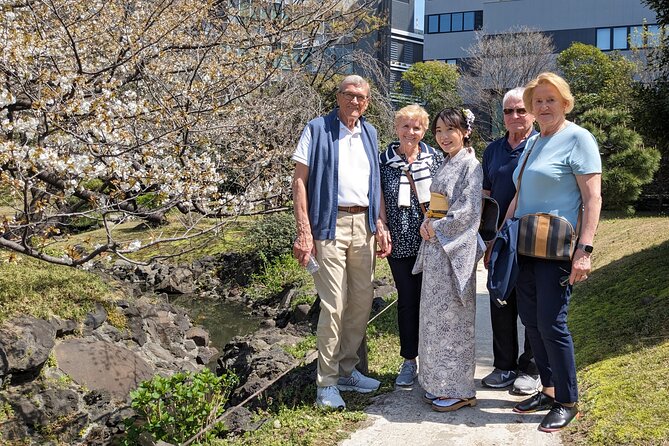
Tokyo has a split personality. These two stops show it.
Akihabara: Anime, Manga, and Electronics Sense Overload
Akihabara is Tokyo’s hub for anime, manga, video games, and electronics. It is listed at about 20 minutes, which is short, but enough time to get the vibe and make one focused purchase or photo run.
This stop is ideal for fans who know what they are looking for, or families who want to do a quick “Tokyo fandom” sweep before moving on.
Marunouchi: Business District Elegance Around the Imperial Palace
From the fandom lights to Marunouchi, a sleek business district around the Imperial Palace. The tour notes highlights such as Tokyo International Forum and Tokyo Station. This stop is about 30 minutes.
Marunouchi works well if you like architecture, wide streets, and a Tokyo that feels polished and structured. It is also a nice contrast after Asakusa’s dense pedestrian lanes.
Imperial East Gardens, Nihonbashi Trading Roots, and Tsukiji Market Energy
These stops keep the cultural thread, then shift into food and commerce.
Imperial Palace East Gardens and Edo Castle Ruins
The itinerary includes the East Gardens of the Imperial Palace, plus the Edo Castle Ruin area, including remnants such as moat walls. Time is listed around 30 minutes.
Even if you are not a history buff, this is a useful palette cleanser. Gardens and ruins create a calmer walking rhythm, and the setting helps you connect modern Tokyo to earlier eras.
Nihonbashi: The Original Commerce Center
Next is Nihonbashi, described as the original trade and commerce center from the Edo period (1603 to 1868). The stop is about 30 minutes.
This is a great place for travelers who love the “how things began” angle. If your group likes food, the tour description also hints at learning about the foundation of Japanese cooking, which can make the area feel more meaningful than just shopping streets.
Tsukiji Fish Market: Outer Market and Tuna Auction Legacy
Then comes Tsukiji Fish Market. The listing emphasizes that the inner market and auction moved to Toyosu, but the outer market remains. You get time around 30 minutes, and the focus is on fresh fish and market energy.
This stop is ideal if you want the classic Tokyo market atmosphere without committing to a full day. If you are sensitive to strong smells or tight lanes, stay patient. You are mostly there to observe, snack if you want, and move on.
Yanaka’s Slower Old-Town Feel and Optional View Decks
This section can be either a gentle neighborhood finish or a big-skyline sendoff, depending on what you add.
Yanaka: Temples, Sweets, and Tea Ceremony Style
Yanaka is described as nostalgic, with lots of temples and a slower feel. It’s also tied to sweets and a tea house where you can experience a traditional tea ceremony style. Time is about 30 minutes.
If you want a Tokyo neighborhood that feels less like a postcard and more like a lived-in place, Yanaka is the move. It is also a good spot for photos that do not scream tourist checklist.
Tokyo Skytree and Tokyo Tower: Big Views, Paid Add-Ons
The itinerary lists Tokyo Skytree at about 30 minutes, with observation deck tickets that can be added. Tokyo Tower is also listed as a 30-minute stop with observation deck tickets that can be added.
These are classic choices, but do not treat them as automatically included. In your planning, treat view deck tickets as optional expenses you decide based on your priorities.
Shibuya Sky: A 360-Degree Finale
Finally, there is Shibuya Sky, described as a 360-degree observatory. Again, tickets can be added. The listed time is about 30 minutes.
If your group loves skyline photos, you could build the whole last stretch around Shibuya Sky. If you would rather keep costs down, you can skip the paid decks and spend that time on free areas that already feel like Tokyo.
Practical Tips for Getting the Most From a 4 to 8 Hour Day
This tour’s sweet spot is time management. You are not doing a “see everything” marathon. You are building a day that fits your interests and your physical limits.
Here are the ways to make it smoother.
First, pick your top 3 themes before you go. If you love neighborhoods and street scenes, choose Shibuya, Harajuku, and Akihabara, and then decide whether you want one big view deck or not. If you prefer temples and markets, anchor on Asakusa, Senso-ji, Nihonbashi, and Tsukiji.
Second, think about walking reality. Even with a car, you will still move through temple grounds, market lanes, and shopping streets. Your guide can help you time short breaks so you do not burn out early.
Third, plan your paid splurges early in the day. Observation deck tickets can be added at Skytree, Tokyo Tower, and Shibuya Sky. If your group really wants them, you should decide up front so you do not end the day rushing.
Fourth, budget for meals. Food and drinks are not included, and neither are any entrance fees for paid attractions you request. You can still have an easy day, just treat meals as part of your personal plan.
Who This Tour Fits Best (And Who Might Want Something Else)
This private customizable car and van tour is a strong fit for:
- families with kids who need comfort and shorter walking stretches
- travelers who want iconic Tokyo, but not the stress of planning transit transfers all day
- visitors with mobility limits who still want to see major neighborhoods
- groups who want a driver who understands Tokyo logistics and a guide who can translate context on the fly
It might be less ideal if you are backpacking with unlimited legs and you love squeezing maximum stops out of each hour using rail. In that case, public transit can be cheaper.
But if you want your day to feel like your day, this format is hard to beat.
Should You Book This Tokyo Car Tour?
If you like control, comfort, and a guide explaining what you are actually looking at, I think this is a smart booking. The value improves when your group truly benefits from less walking and when you want to prioritize a mix of Shibuya, Harajuku, Asakusa, Imperial-area sights, and market culture.
I would book it when you can use the flexibility, not when you have a strict checklist mindset. If observation decks are important to you, price it with those add-ons in mind. And if you want a slow, deep neighborhood day, consider leaving some stops off so you do not feel rushed.
Bottom line: you are paying for time and ease, and in Tokyo, that can be worth every yen.
FAQ
How long is the Private Customizable Car and Mini Van Tour in Tokyo?
The tour duration is listed as 4 to 8 hours (approximately).
Do you get hotel pickup and drop-off?
Yes. Hotel meet up and drop off are included.
Is the tour private?
Yes. It is a private tour/activity, and only your group will participate.
Are entrance tickets included for attractions?
Most places listed are admission free, but entrance fees of any paid attraction you request are not included. Observation deck tickets at places like Tokyo Skytree, Tokyo Tower, and Shibuya Sky can be added and are not included.
Can I bring a service animal?
Yes. Service animals are allowed.
How is luggage handled, and what vehicle options are available?
The tour includes luggage capacity details. Alphard can accommodate up to 4 suitcases with up to 3 people, and HiAce can accommodate up to 8 suitcases.
Is the booking refundable if I cancel?
The cancellation policy listed says the experience is non-refundable and cannot be changed for any reason.
More Private Tours in Tokyo

More Tours in Tokyo
More Tour Reviews in Tokyo
Not for you? Here's more nearby things to do in Tokyo we have reviewed



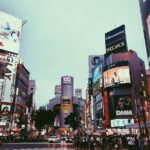

Tokyo City Tours, side by side.
 ★ 5.01-Day Tokyo Bus TourFrom $12914,250 reviews
 ★ 4.5TOKYO SKYTREE® Admission ticketFrom $1311,192 reviews
 ★ 4.6teamLab Planets TOKYO Digital Art Museum Entry TicketFrom $259,779 reviews
 ★ 4.0Mt Fuji & Hakone Cruise, Drum Show Bullet Train 1 Day from TokyoFrom $1497,413 reviews
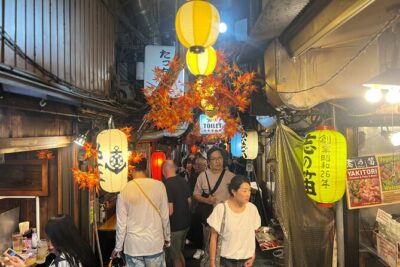 ★ 5.0Shinjuku Food Tour (13 Dishes at 4 Local Eateries)From $866,603 reviews
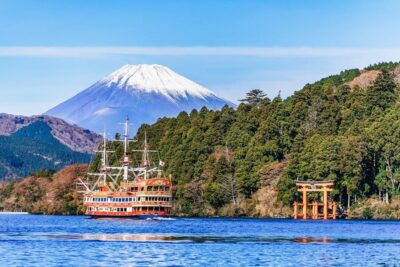 ★ 4.4Tokyo Mt Fuji 5th St & Hakone Cruise Bus Tour w/Bullet TrainFrom $1545,024 reviews
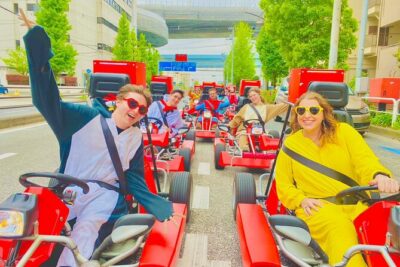 ★ 5.0Flagship 2-Hours Official Street Go-Kart Tour – Tokyo Bay ShopFrom $644,974 reviews
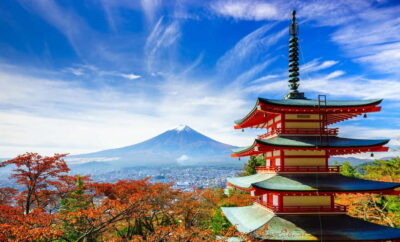 ★ 4.5From Tokyo: Mount Fuji Full-Day Sightseeing TripFrom $684,970 reviews