
Review · PRIVATE
Private Harajuku Omotesando Architecture Tour
Tokyo looks different when you study buildings.
That is the whole trick of this Private Harajuku Omotesando Architecture Tour: you’re not just shopping your way down Omotesando, you’re learning how designers and architects shaped this street, block by block. I like that it mixes famous landmarks with newer, fashion-driven architecture, so your photos and your understanding both level up fast.
Two things I really love: the photo opportunities at almost every corner, and the way the route squeezes in major architecture you usually only spot from afar. You also get the story behind why designer stores and prominent architects keep landing here, plus what makes Omotesando feel so different from places like Ginza.
One consideration: it’s a focused 210-minute walk through a specific area, and meals are not included, and you’ll still need to handle transportation to and from Harajuku on your own. If you want a relaxed, all-purpose shopping afternoon, this may feel too structured.
Key highlights worth planning around
- Meiji Jingu area start: you begin at Café Mori no Terrace near the big wooden entrance gate, then head out from Jingubashi.
- 3.5-hour architecture sprint: you’ll cover both “name brand” works and emerging fashion architecture.
- Designer street plus back streets: you get the polished Omotesando front, then see everyday Tokyo behind it.
- Night option for lighting and mood: the same buildings look more dramatic after dark.
- Licensed English-speaking guide: the explanations can include serious urban planning backgrounds.
Omotesando Architecture Feels Like Fashion, Planning, and City Life
Omotesando is often described like a fancy shopping strip, but that misses the point. The real payoff comes when you understand it as a built environment where brands, design, and urban planning all talk to each other. One minute you’re looking at sleek facades for major labels, the next you’re in a side street where you can sense how people actually live.
I also like how the tour frames Omotesando against other Tokyo shopping destinations, especially Ginza. Ginza can feel more traditional to the eye, while Omotesando tends to feel experimental, styled, and more willing to show off architectural form. That contrast matters because it changes how you look at what you’re seeing, not just what you’re buying.
If you love street photography, this is an easy win. The route is designed so you’re constantly getting new angles, sightlines, and details worth focusing on, not just broad postcard views.
Meeting at Café Mori no Terrace Near Meiji Jingu, Then Walking Into the Design Context
The meeting point is Café Mori no Terrace, 1 Yoyogikamizonocho, Shibuya City, Tokyo 151-0052. You meet in front of the cafe in the open space where the big wooden entrance gate of Meiji Shrine (Meiji Jingu) stands.
Getting there is straightforward from JR Harajuku Station. Use the Omotesando exit, then walk toward the forest. A helpful detail: this route does not send you through the Shinto gates from JR Harajuku Station to reach the meeting area, which can make your first steps easier.
From that start, the tour quickly “zooms out” from the shrine area into the street context around Jingubashi. That matters, because the best architecture photos often come from learning where your viewpoint should be before you start aiming your camera.
You can also read our reviews of more private tours in Tokyo
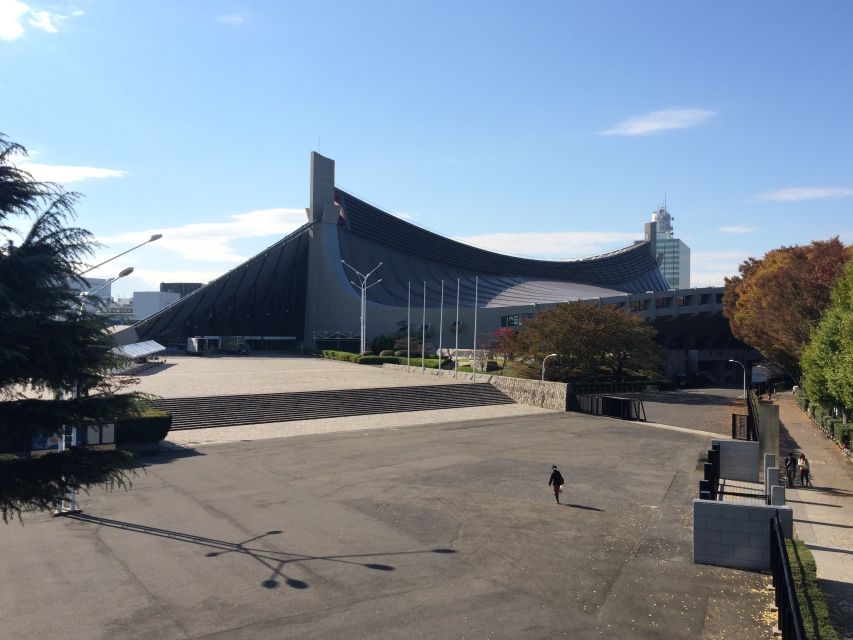
Jingubashi Bridge to Yoyogi Gymnasium: Start Wide, Then Let the Street Lead You
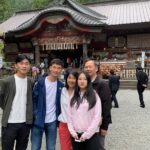
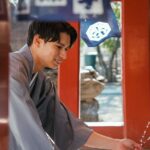
The tour begins from Jingubashi Bridge in front of Meiji Shrine, then works the area in a way that builds perspective. You don’t jump straight into tight storefront shots. You start with a wider view so the street’s scale makes sense.
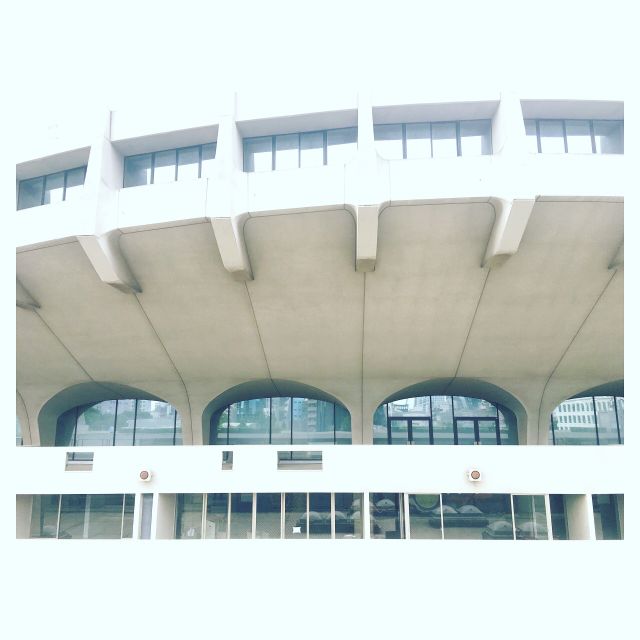
One highlight early on is Yoyogi Gymnasium, which you check out from a distance. Seeing it this way helps you connect the neighborhood to Tokyo’s broader modern design story, not just fashion retail. It’s a useful mental warm-up before you get into the more brand-centered architecture that Omotesando is known for.
For photography, this section is about establishing your “framework” shots. When you later photograph building details, you’ll understand what you’re looking at and why the street feels composed.
Iceberg, Dior, Louis Vuitton, Sunny Hills, Prada: Reading Omotesando Like a Design Student
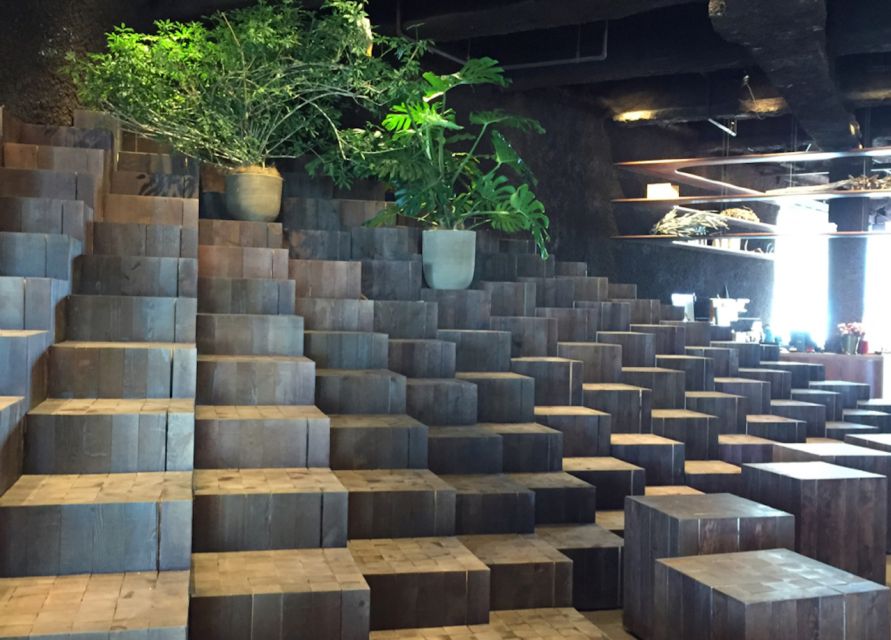
After the initial perspective-building segment, the tour turns into a designer-and-architect architecture walk. This is where Omotesando earns its reputation. You’ll see contemporary and emerging works, moving through the stretch between major names.
The specific stops you’ll hit include architecture tied to Iceberg, Dior, Louis Vuitton, Sunny Hills, and Prada. The key point is not that you’re counting brands. The key point is that each storefront and building tries to communicate an image through form, materials, and how it relates to the street.
I like that the guide explains why so many designer stores and famous architects are drawn to Omotesando. That kind of context changes everything. Instead of treating each building like a separate billboard, you start noticing patterns: how buildings hold attention, how they frame sidewalks, and how the street atmosphere feels carefully designed to invite lingering.
A practical tip: if you care about photos, keep your camera ready here. Omotesando’s architecture is often about small shifts, like the way a facade turns, the geometry at a corner, or the contrast between sleek surfaces and pedestrian motion.
Side Streets Behind Omotesando: The Everyday Tokyo Contrast That Makes It Worth Walking
Omotesando’s reputation can make it sound like one long, polished showroom. This tour fixes that misunderstanding by adding a side trip into the backstreet neighborhood.
That’s where you can appreciate different aspects of the area, beyond the glossy front of the main strip. You start noticing how people move through the space, how storefronts and street life blend, and how the neighborhood handles its own daily rhythm.
Why this matters: architecture makes the most sense when you see it in use. A building can look perfect in a photo, but the tour’s backstreet segment helps you understand how it sits inside real Tokyo life.
If you get even a little impatient with luxury shopping streets, this is the part that brings the energy back down to human scale. It gives your feet and your eyes a break from the “always sleek” feeling, without leaving the Omotesando theme behind.
Night Tour Perspective: Same Buildings, Different Attitude
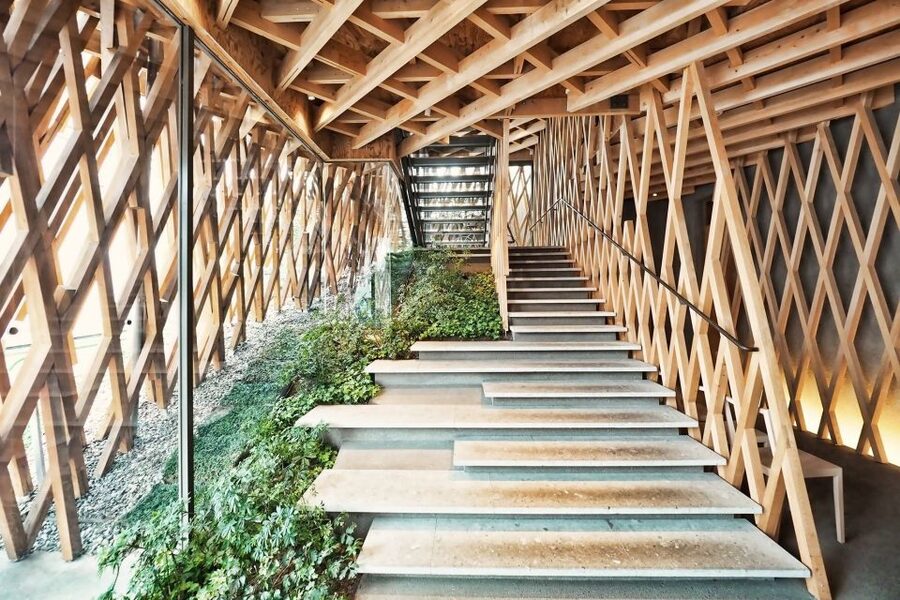
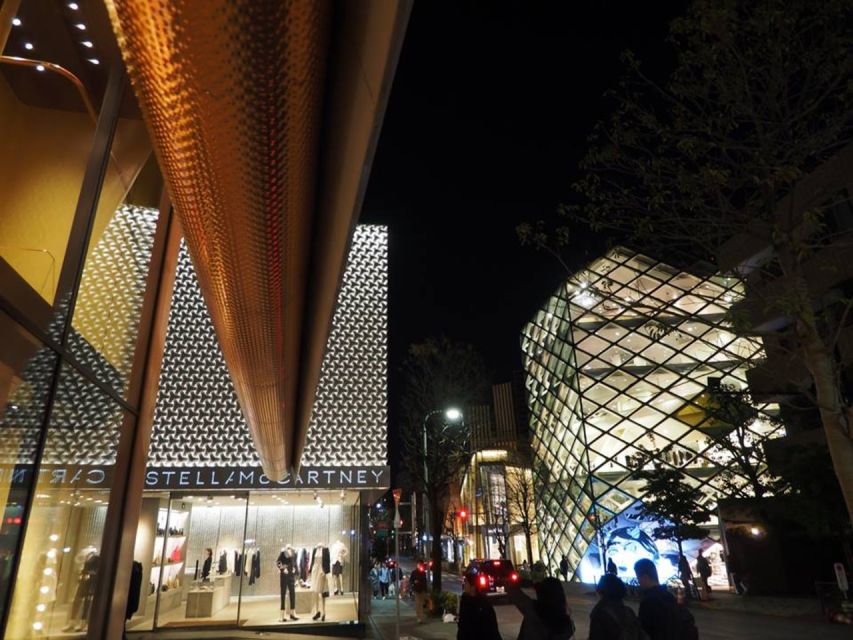
One of the highlights is taking the tour at night to appreciate the masterpieces from a different perspective. Night photography is not just about dark skies. It changes how surfaces reflect light and how the geometry of facades reads in the evening.
Even if you’re not an advanced photographer, you’ll likely notice that architectural details become more pronounced under lighting, while some textures soften in the glow. In a street like Omotesando, that can make brand architecture look more sculptural and less like a daytime billboard.
This is also a nice option if you prefer cooler walking conditions, though you should still plan for Tokyo weather. Bring layers you can move in, and keep your comfortable shoes as the anchor of the day.






The 210-Minute Private Format: Worth It When You Want Focus, Not Crowds
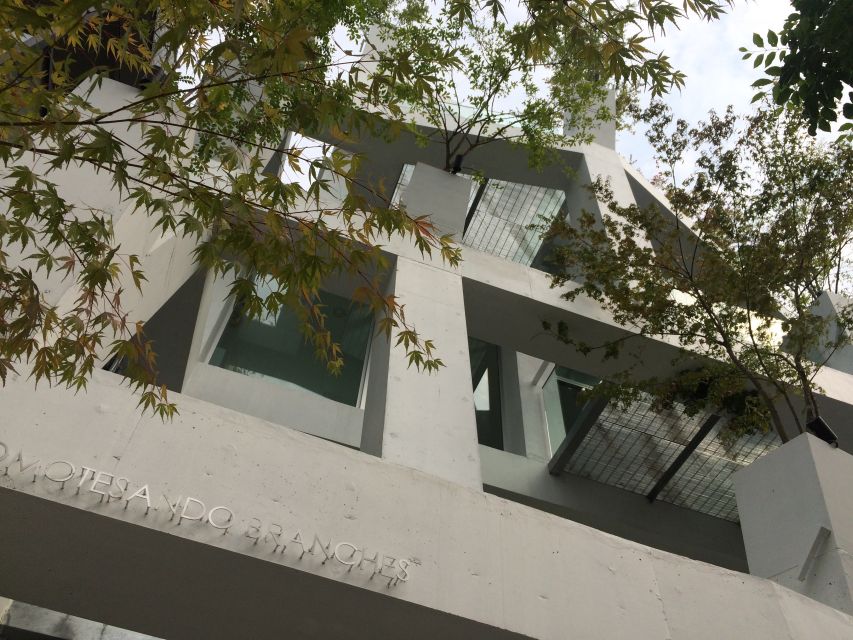
This tour runs 210 minutes and is private, so you get a guided walk that doesn’t feel like a conveyor belt. The private format also makes it easier to pause for photos without holding up a large group, which is a big deal when the goal is architecture details.
You’ll have a licensed English-speaking tour guide, and it’s clear from guide backgrounds that the explanations can go beyond store-level facts. Some guide experiences described include professionals with serious urban planning training, and a strong passion for architecture. That kind of preparation tends to show up in the Q and A, and in the way the guide responds when your interests shift from facades to design logic.
The tour includes a break time with drinks. I find these short resets matter on a 3.5-hour walk. They let you recharge so you can keep spotting details instead of turning into the person who rushes the last half.
What Makes the Guides Stand Out, From Urban Planning to Street-Geek Enthusiasm
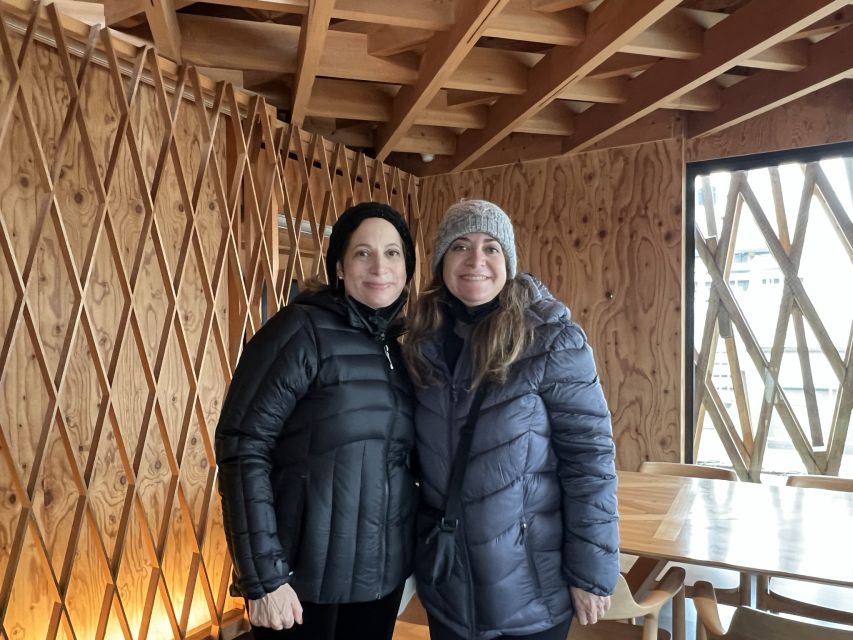
You’ll get a licensed English-speaking guide, and the best part is how the guide approach can shape your day. In past groups, guides have ranged from architectural enthusiasts to people with formal urban planning backgrounds.
Examples from guide experience include Mrs. Sakai Mari, Taka (described as a retired urban planner who graduated from MIT), Fuki, Yoshi, and Hal. Even when their styles differ, the common thread is clear: they bring motivation, and they answer questions with actual substance, not generic talking points.
I also like that guides tend to adjust the walk based on what you want to see. If you want more photo stops, they can steer you that way. If you care more about architectural design choices, they can focus the explanations. That flexibility is a big part of the value, especially in a private format.
Price, $129 Per Person: When It Feels Like a Bargain and When It Doesn’t
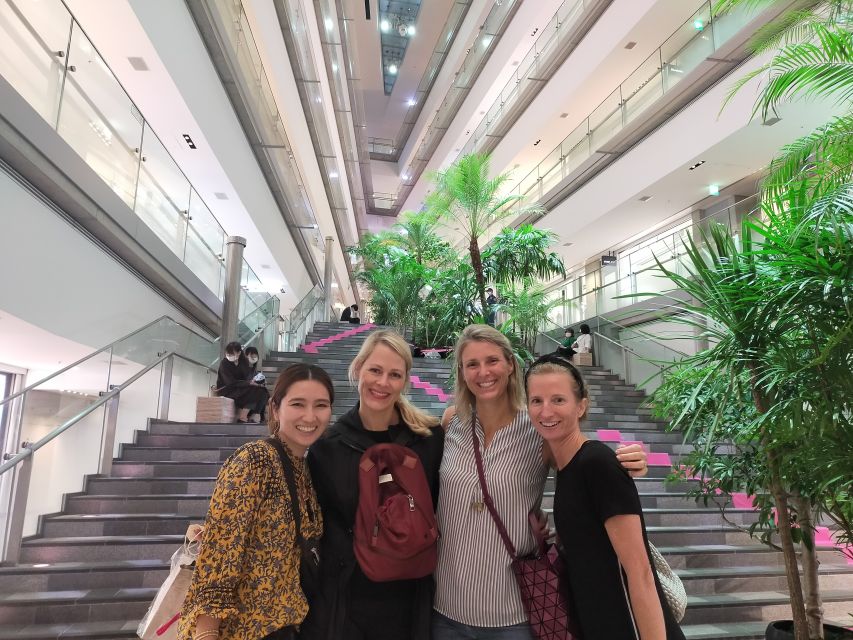
At $129 per person for 210 minutes, this isn’t the cheapest way to spend an afternoon in Tokyo. But for what you get, it can feel like good value if you’re the kind of traveler who wants meaning with your photos.
Here’s the balance I’d use to judge it:
- You’re paying for a licensed English guide who can connect buildings to design reasons.
- You’re paying for a route that hits a mix of major and emerging architecture without you needing to plan each stop.
- You get a built-in break with drinks, which is a small thing that prevents the day from dragging.
Where it may feel less worth it is if your priority is only shopping, and you’d enjoy just wandering Omotesando on your own. In that case, you’re paying specifically for the “why” behind the visuals.
Also note what’s not included: meals and the transportation fee to and from the Omotesando area. For a smooth day, plan a snack or meal schedule around the tour, and budget for transit so the price comparison stays honest.
Who Should Book This and Who Might Skip It
This tour is a strong match if you:
- Love architecture, design, or modern city planning
- Want great photo opportunities with a route that makes sense
- Like shopping streets, but prefer understanding what you’re seeing
- Want a focused 3.5-hour experience rather than a loose, wandering day
- Enjoy the idea of seeing Omotesando at night for different lighting
You might skip it if you:
- Only want casual browsing and don’t care about architectural context
- Don’t want to walk much, since it’s a compact time window with a structured path
- Are hoping meals are included, because they are not
The tour is also wheelchair accessible and set up for private groups, which is helpful if you want control over pacing.
Should You Book the Private Harajuku Omotesando Architecture Tour?
If you’re even mildly interested in architecture, I think this is a smart booking. The biggest reason is that you get a guided way to see Omotesando as more than a shopping street. You’ll connect brand architecture to the design logic of the neighborhood, then you’ll contrast it with side streets where Tokyo life shows through.
Book it if you want a compact, photo-friendly route with a guide who can explain what you’re looking at and answer your questions. Skip it only if you plan to treat Omotesando purely as retail time.
If you do book, my one practical suggestion is to show up with good walking shoes and a camera you’re comfortable using. You’ll be stopping often enough that comfort matters, and Omotesando rewards attention.
FAQ
How long is the Private Harajuku Omotesando Architecture Tour?
The tour lasts 210 minutes, about 3.5 hours.
Where do we meet for the tour?
You meet in front of the cafe in the open space by the big wooden entrance gate of Meiji Shrine. The exact meeting place is Café Mori no Terrace, 1 Yoyogikamizonocho, Shibuya City, Tokyo 151-0052, Japan.
What is included in the price?
The price includes a licensed English-speaking tour guide and a break time with drinks.
Are meals included?
No, meals are not included.
Is transportation to and from Harajuku included?
No, the transportation fee to and from the Harajuku Omotesando area is not included.
What language is the tour guide?
The tour guide is English-speaking.
Is the tour private?
Yes, it is a private group tour.
Is the tour wheelchair accessible?
Yes, the tour is wheelchair accessible.
What should I bring?
Wear comfortable shoes.
Can I cancel for a refund?
Free cancellation is available up to 24 hours in advance for a full refund.
More Private Tours in Tokyo

More Tours in Tokyo

More Tour Reviews in Tokyo
Not for you? Here's more nearby things to do in Tokyo we have reviewed












Private, side by side.
 ★ 5.0Tokyo 6hr Private Tour with Government-Licensed GuideFrom $1553,902 reviews
 ★ 5.0Private Tour to Mt. Fuji and Hakone (Fully Licenced Operator)From $4971,910 reviews
 ★ 5.0Tokyo Customized Private Tour (Must See Places in 1 Day)From $1451,499 reviews
 ★ 4.9Mount Fuji Full-Day Private Tour from Tokyo (Customizable)From $3931,470 reviews
 ★ 4.8Private City Highlights Tour with Local GuideFrom $1061,433 reviews
 ★ 5.0Private Custom Tour: Tokyo in a DayFrom $1591,432 reviews
 ★ 5.0Tokyo 4hr Private Tour with Government-Licensed GuideFrom $1091,394 reviews
 ★ 5.0Tokyo Customized Private Tour: See Top Attractions in 1 DayFrom $1451,351 reviews