
Review · PRIVATE
Private Ueno Park Architecture Tour
Tokyo architecture has a shortcut here. With a private guide, you connect Le Corbusier’s impact to Kunio Maekawa’s student tribute, while you walk a smart route through Ueno Park. I especially like the start at the UNESCO-designated National Museum of Western Art and the way you finish at Tokyo National Museum to see buildings tied to specific eras. The one catch is time, the 3.5 hours can feel tight if you want to linger inside every stop.
I also like how the tour is built for real viewing, not just photo stops. You meet in front of the National Museum of Western Art, get an English-speaking guide, and even get a break with drinks as you move between landmarks. Because it’s a private group, you can ask questions as they come up, which is a big deal when architecture details are part of the point.
If you’re choosing a departure at night, you’ll appreciate the same structures with a different mood and perspective, and that can change what details catch your eye. One more thing to note, if your dates fall between 23 Jan 2023 and 28 Feb 2023, the National Museum of Western Art is closed inside, so you’ll get guidance outside instead.
Key things I’d circle before booking
- UNESCO start point at the Le Corbusier-designed National Museum of Western Art, recognized for modern architecture in 2016
- Kunio Maekawa’s response at Tokyo Bunka Kaikan, located opposite, tied to his relationship with Le Corbusier
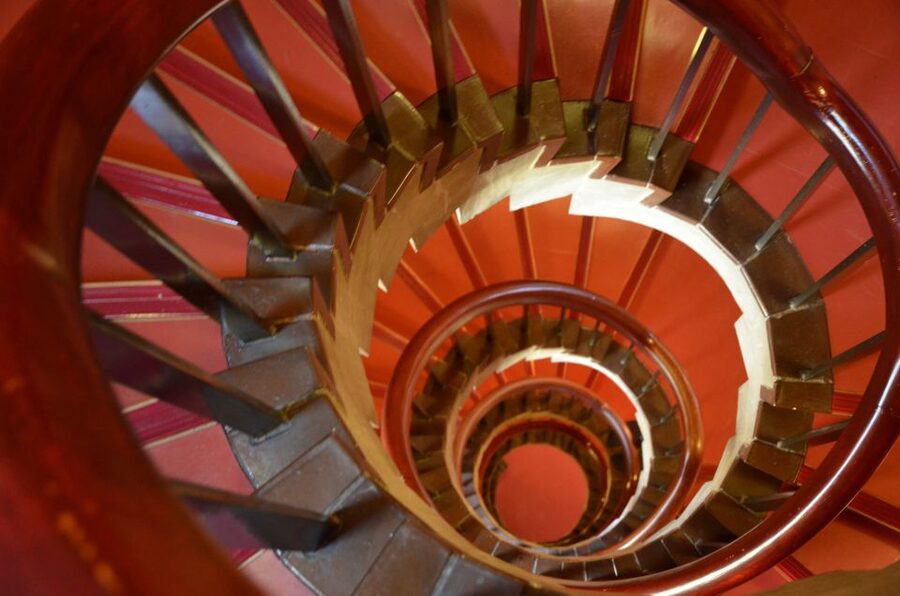
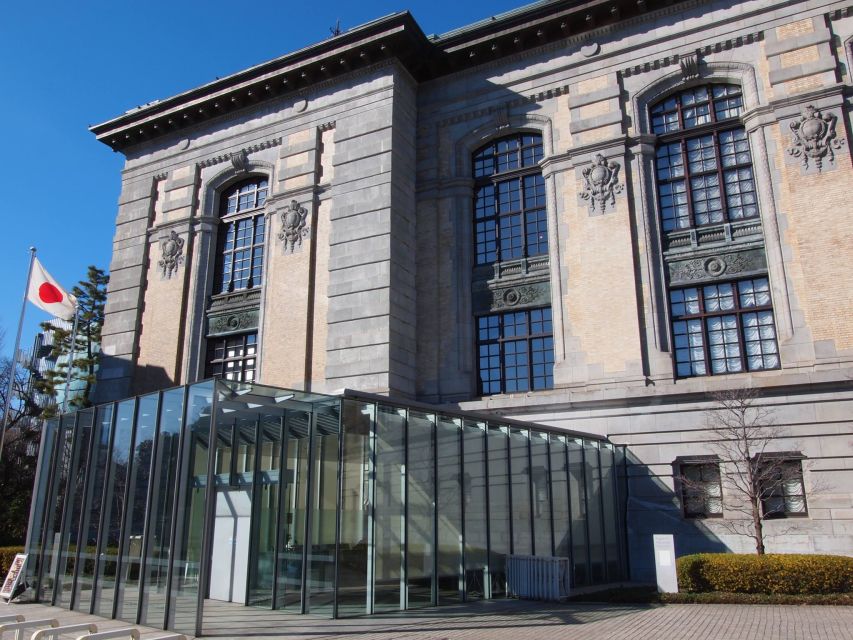
- Renovation you can see at the International Library of Children’s Literature, including a new arch-shaped annex
- Four museum buildings with era focus inside Tokyo National Museum, Hyokei-kan, Hon-kan, Toyo-kan, and the Gallery of Horyuji Treasure
- Night departures possible to see the same masterpieces from a different angle and feel
Ueno Park as an architecture route, not a shopping detour
Ueno Park is Tokyo’s art and culture hub, and this tour treats it like an outdoor classroom. Instead of framing the area as one more place to wander between shops, you walk through a timeline of modern Japan, from the late 1800s to today, using famous buildings as your guideposts.
That focus matters because the park is big. If you go without a route, you can end up hopping between landmarks with no sense of why they belong together. Here, the guide lines things up so you’re constantly answering one question: what changed, and why did these architects make the choices they did?
You can also read our reviews of more private tours in Tokyo
Meeting point at Le Corbusier’s UNESCO National Museum of Western Art
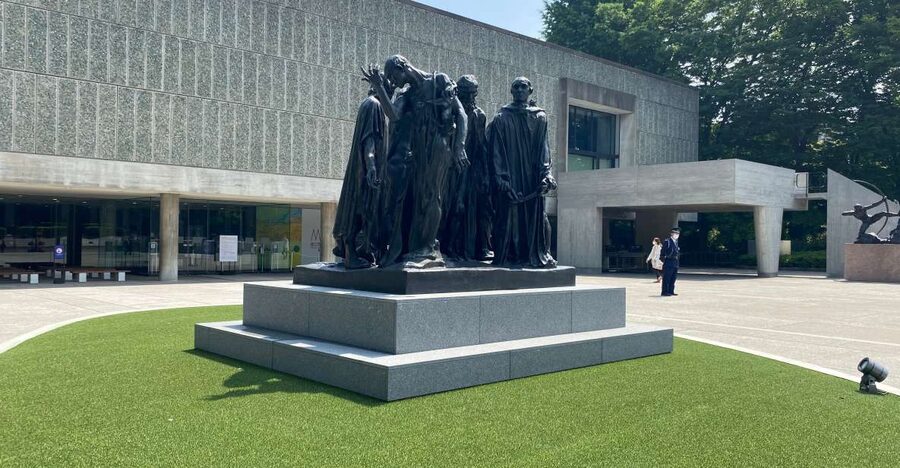
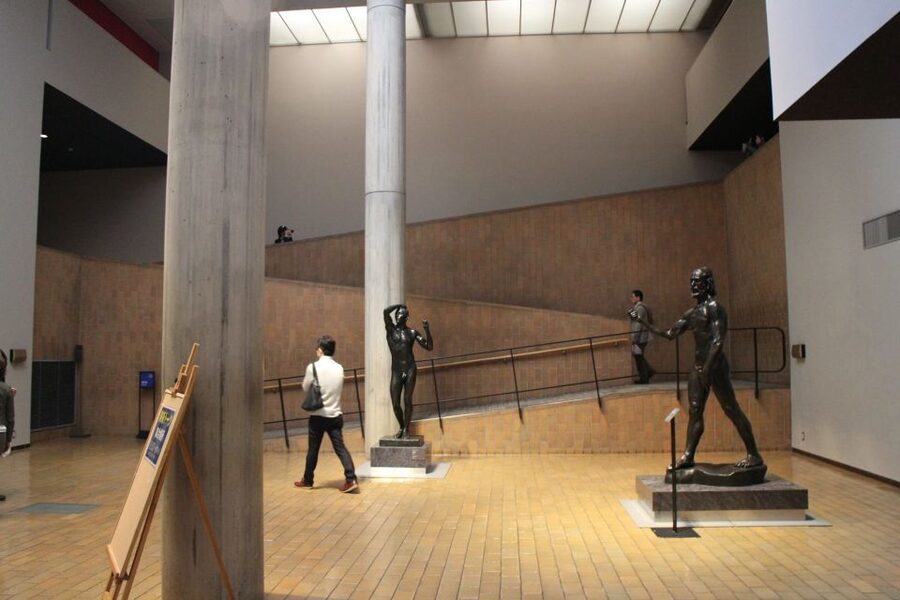
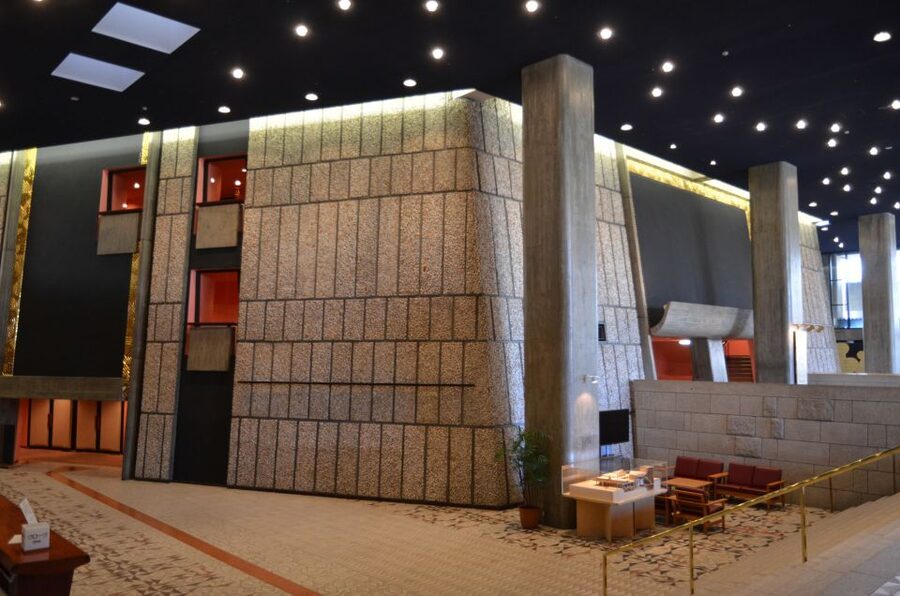
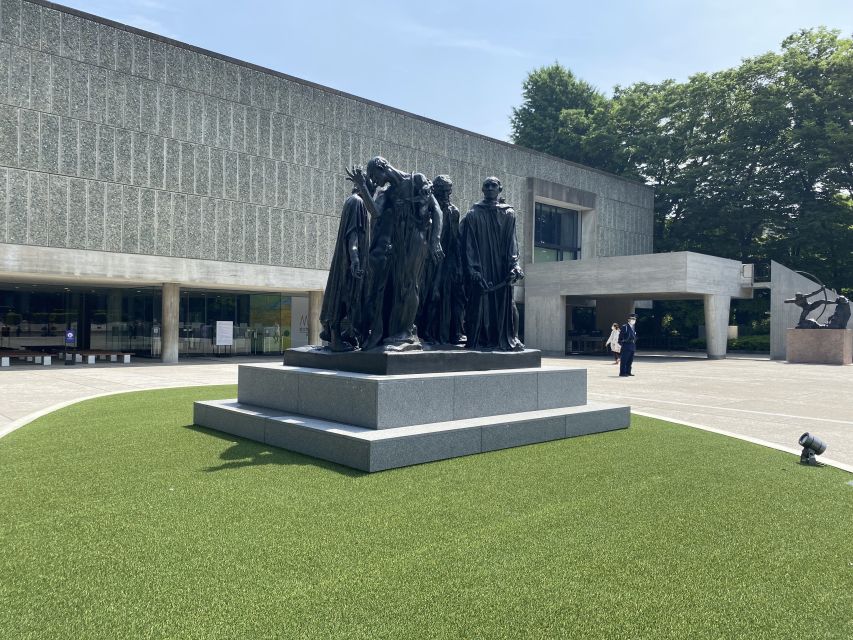
Your tour starts in front of the National Museum of Western Art in Uenokōen, right by the building that put Le Corbusier firmly into the Tokyo conversation. This museum is the highlight of the tour, and it has UNESCO World Cultural Heritage status for its modern architectural value, designated in 2016.
I like this opening because it gives you a clear anchor. Le Corbusier’s influence is not just “famous name recognition,” it’s a way to understand how modern architecture ideas traveled and took root. Standing at the museum first also helps you frame what you’ll see next, because the stops are arranged as a conversation across buildings.
If the museum is closed during your dates
There’s one practical scheduling wrinkle. From 23 Jan 2023 to 28 Feb 2023, the National Museum of Western Art is closed inside. The tour still runs, but you’ll get guidance outside the museum during that period.
If you’re traveling in that window, don’t treat it as a dealbreaker, it just shifts the experience more toward viewing and explanation from outside. If interiors are a big part of what you love, double-check your dates before you book.
Tokyo Bunka Kaikan and Maekawa’s respect for his mentor
Next, you head across the way to Tokyo Bunka Kaikan, designed by Kunio Maekawa. It’s located opposite Le Corbusier’s museum, which is a smart setup because it lets you compare architectural thinking almost immediately.
Here’s why this stop is more than a second pretty building. Maekawa isn’t presented as an “equal rival” to his mentor, he’s presented as a student who expressed respect in form. You’re effectively watching the architecture version of mentorship, with modern ideas filtered through Japanese context and Maekawa’s own voice.
A quick way to make this stop click
When you’re standing in front of Tokyo Bunka Kaikan, try to look for how the design signals continuity and difference at the same time. This tour’s structure nudges you toward that comparison, so you’re not just collecting names. You’re seeing a relationship.






International Library of Children’s Literature, where preservation meets new design
Then you move to the International Library of Children’s Literature, which shifts the feel from landmark spectacle to thoughtful building stewardship. The tour pays attention to how the structure is being preserved and renovated, and it also points out a new arch-shaped annex building.
This is a valuable stop because architecture history isn’t only about “original masterpieces.” It’s also about what a city does to keep those buildings usable and relevant. Seeing preservation and renovation work in action helps you understand the long-term side of design, especially in a place like Tokyo where neighborhoods keep changing.
The arch-shaped annex is an especially nice visual contrast. You get a chance to compare the older structure’s logic with a newer piece that still speaks in an architectural language. Even if you’re not an architecture nerd, it’s the kind of detail that makes the whole tour feel more grounded.
Tokyo National Museum buildings that map eras from 1908 to 1999
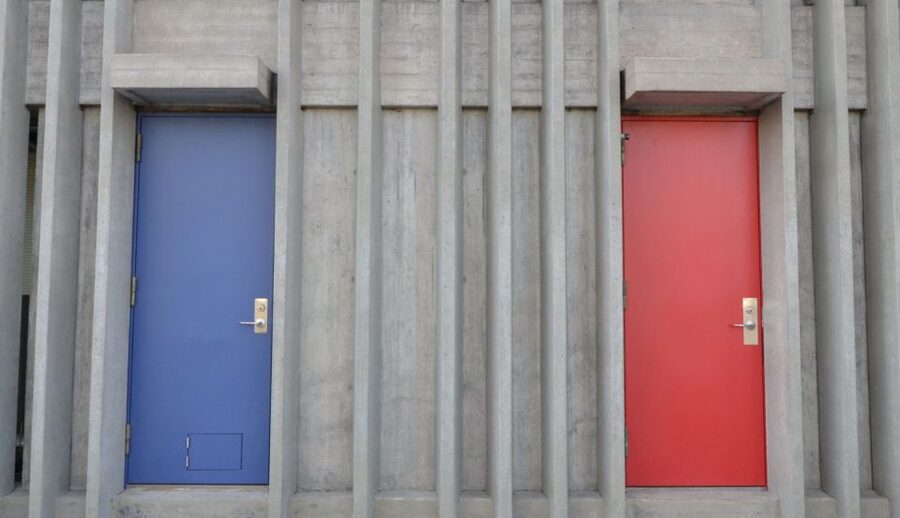
The final architecture-focused anchor is Tokyo National Museum. The tour includes admission, so you’re not juggling extra tickets or entry fees while you’re trying to follow the architectural thread.
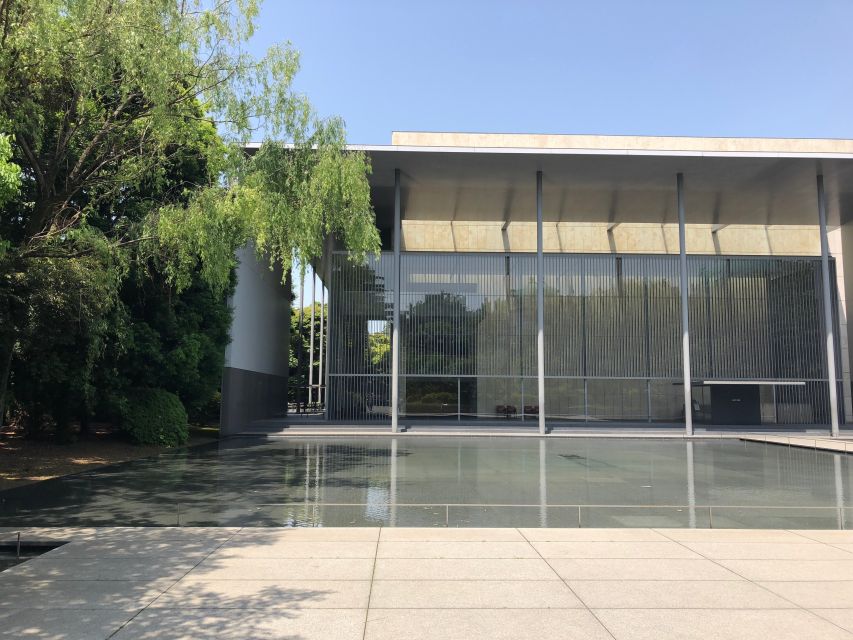
Inside, you admire four major architectural works: Hyokei-kan, Hon-kan, Toyo-kan, and the Gallery of Horyuji Treasure. The key point is that they reflect historical background across eras from 1908 to 1999. That range matters because you’re not just seeing one moment of design history, you’re walking through changes over time.
Why the era framing is so useful
A lot of museum visits feel like a list of highlights. This one is different. You’re being guided to connect each building to the era it represents. That means you’ll start noticing patterns, how styles and priorities evolve, and how architecture is often shaped by what a society values in a given period.
At the end, you can explore the museum collections at your own pace. That’s a nice option because it lets you extend the experience beyond buildings if you want, without losing the guided structure that makes the architecture make sense.
Night departures, and why lighting changes what you notice
One of the highlights is the chance to take the tour at night to appreciate the masterpieces from different perspectives. Even without extra explanation, you can guess what improves after dark: shadows, contrast, and the way façades read under changing light.
If you’re the kind of traveler who enjoys noticing how a place changes mood, night tours can be a smart choice. Just know it may shift the pace of what feels comfortable to view, since you’ll still cover multiple locations in a single half-day block.
Price and value: what you’re paying for at about $158 per person
The cost is $158 per person for a duration of 3.5 hours, in a private group format. That price can look like a lot if you’re only thinking about museum admission, but it makes more sense when you factor in what’s actually included: the Tokyo National Museum admission, an English-speaking guide, and a break with drinks.
What you’re really buying is time and expertise. A private architecture guide does the hard work of sorting the story so you don’t have to figure out the timeline alone. Ueno Park has enough landmarks that a self-guided walk can feel random unless you already know what to look for. Here, you’re given a clear sequence: Le Corbusier, then Maekawa, then renovation and annex design, then museum buildings mapped across 1908 to 1999.
The other value piece is flexibility inside the tour. Because it’s private, you can ask questions as you go. If a detail catches you and you want context, this format is built for that.
When 3.5 hours might feel short
One consideration shows up in the timing. Ueno Park has a lot to see, and three hours can feel like a sprint if you’re the type who wants to slow down at every building. The tour gives you a focused route, not a full-day museum marathon.
If you want both architecture and lots of indoor time, you might plan extra independent time for the museum collections after the guided portion.
Guides, language, and the kind of questions this tour supports
The tour runs with a live guide in Japanese and English, with an English-speaking guide called out as part of what’s included. That bilingual setup matters because architecture details often come with terms that are much easier to grasp when explained clearly.
From what I’ve learned about guide experiences, a strong guide can make this itinerary feel fun instead of technical. One guide name that comes up is Mari, described as warm and funny, and also passionate about Ueno’s architecture with strong English. That combination matters because you’ll remember more when you’re having an easy conversation, not just taking notes.
And because you cover several major sites, you’ll likely have natural follow-ups, like how Maekawa’s ideas relate to Le Corbusier’s influence, or how renovation choices change how you read a building. This tour setup is built for those kinds of questions.
Who this tour is best for
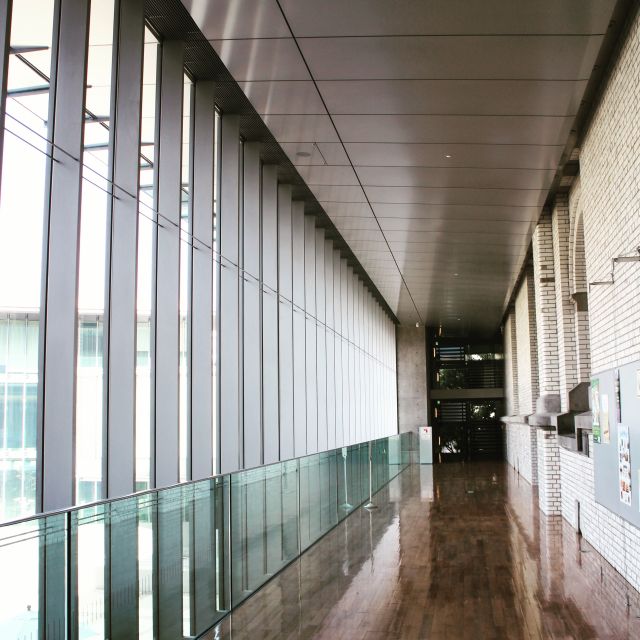
This private Ueno Park architecture tour is a strong fit if you:
- Want a structured way to understand modern Japanese architecture through real Tokyo buildings
- Prefer small-group attention, since it’s private
- Like Museum-grade context, not just a checklist of famous façades
- Want an end point where you can still explore collections on your own
It’s also ideal for first-time visitors to Ueno who feel overwhelmed by the park’s size. The tour basically gives you a route, plus the story behind it.
If you’re mostly interested in shopping and street life, this isn’t that kind of tour. The itinerary stays centered on architecture and museums, which is the whole point.
Should you book this Ueno Park architecture tour?
I’d book it if you want an efficient, high-quality way to understand architectural influence and evolution in one park. Starting at the Le Corbusier-designed, UNESCO-recognized museum, then pairing it with Maekawa’s response, gives you a satisfying logic chain. Add the renovation-focused children’s library stop and the museum buildings that map eras from 1908 to 1999, and you get a tour that feels more like a guided story than a sightseeing walk.
I’d think twice if you know you’ll want lots of interior time at every stop, because 3.5 hours can feel short for slow, lingering browsing. Also check your travel dates if you’re going for the National Museum of Western Art interior, since there’s a closure window spelled out for 23 Jan 2023 to 28 Feb 2023.
FAQ
How long is the Private Ueno Park Architecture Tour?
The tour lasts 3.5 hours.
Where does the tour start?
You meet in front of the National Museum of Western Art, Uenokōen 7-7, Taitō-ku, Tōkyō-to 110-0007, Japan.
Where does the tour end?
The activity ends back at the meeting point.
What is included in the price?
It includes the admission fee to the Tokyo National Museum, an English-speaking guide, and a break time with drinks.
What is not included?
Hotel pickup and drop-off are not included.
What sites will you visit during the tour?
You visit the National Museum of Western Art, Tokyo Bunka Kaikan, the International Library of Children’s Literature, and Tokyo National Museum.
What happens if the National Museum of Western Art is closed on your dates?
From 23 Jan 2023 to 28 Feb 2023, the museum is closed inside. During that time, the tour cannot visit inside the museum, but guidance is provided outside.
More Private Tours in Tokyo

More Tours in Tokyo


More Tour Reviews in Tokyo
Not for you? Here's more nearby things to do in Tokyo we have reviewed












Private, side by side.
 ★ 5.0Tokyo 6hr Private Tour with Government-Licensed GuideFrom $1553,902 reviews
 ★ 5.0Private Tour to Mt. Fuji and Hakone (Fully Licenced Operator)From $4971,910 reviews
 ★ 5.0Tokyo Customized Private Tour (Must See Places in 1 Day)From $1451,499 reviews
 ★ 4.9Mount Fuji Full-Day Private Tour from Tokyo (Customizable)From $3931,470 reviews
 ★ 4.8Private City Highlights Tour with Local GuideFrom $1061,433 reviews
 ★ 5.0Private Custom Tour: Tokyo in a DayFrom $1591,432 reviews
 ★ 5.0Tokyo 4hr Private Tour with Government-Licensed GuideFrom $1091,394 reviews
 ★ 5.0Tokyo Customized Private Tour: See Top Attractions in 1 DayFrom $1451,351 reviews