
Review · TOKYO SAMURAI EXPERIENCES
Samurai experience: art and soul of the sword
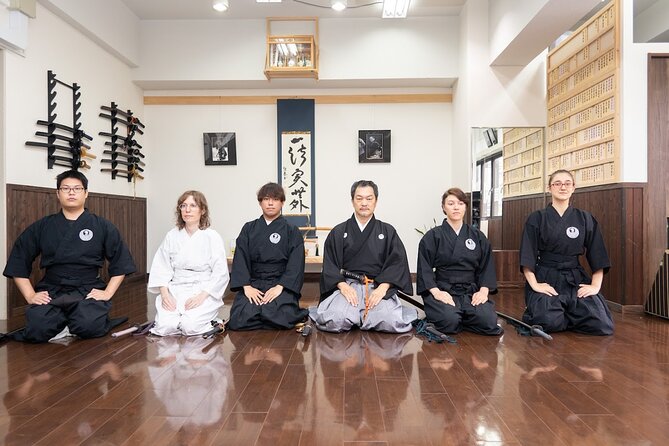
Samurai lessons are never what I expect. This one starts with samurai etiquette and the core of bushido, not “how to swing harder.” You quickly see why the sword was a last resort, and how courtesy and discipline shaped decisions long before any blade ever moved.
My favorite part is the training order. You dress in samurai attire, learn the flow of Iaido from the master, and practice on a close, controlled target like man-shaped cardboard. Then, when you choose the real-sword option, you can attempt a rolled tatami mat cut, and it feels like the lesson has a purpose, not just a performance.
One thing to consider: this is not for people hunting movie-style sword fights. The emphasis is on restraint, rules, and careful instruction, so if you want nonstop action, you might find the pace more thoughtful than dramatic.
Key points before you go
- Bushido and sword etiquette come first, so you understand the mindset before any cutting starts
- Iaido practice is close-up and hands-on, including cutting a target after the basics
- Optional real-sword cutting is available, with clear age and waiver requirements
- A solo demonstration by the master helps you see how the training connects
- Small group size (up to 10) keeps it personal and safer for learning
Samurai etiquette first, not flashy sword tricks
The best surprise here is the opening focus. You start by learning how to treat the sword properly, how to behave in a dojo setting, and what samurai discipline looked like in daily life. That changes the whole experience because the sword stops being an accessory and becomes a responsibility.
In plain terms, you learn that samurai strength was not just about bravery. It was about restraint. The training pushes you to internalize an idea that the sword comes out only when there is no reasonable path left, and that a truly capable fighter could often resolve conflict through calm discussion and skill.
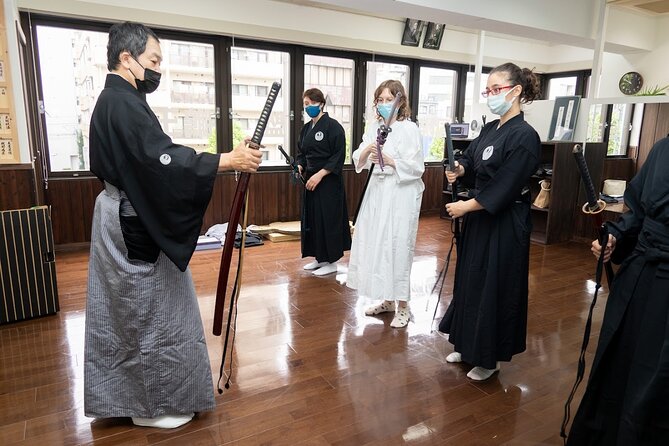
You also pick up why etiquette matters. In a dojo, courtesy is not “polite manners” in a generic sense. It is practical behavior that keeps everyone safe and keeps the lesson on track. When you’re changing into samurai attire and handling training equipment, that mindset is the difference between playacting and real form.
You can also read our reviews of more tours and experiences in Tokyo.



Iaido in Tokyo, what the training actually feels like
Iaido is the art of drawing and cutting in a precise sequence, usually with controlled movements rather than wild action. In this experience, you’re guided through what Iaido is about, then shown the flow before you try it yourself. You are not handed a sword and told to figure it out.
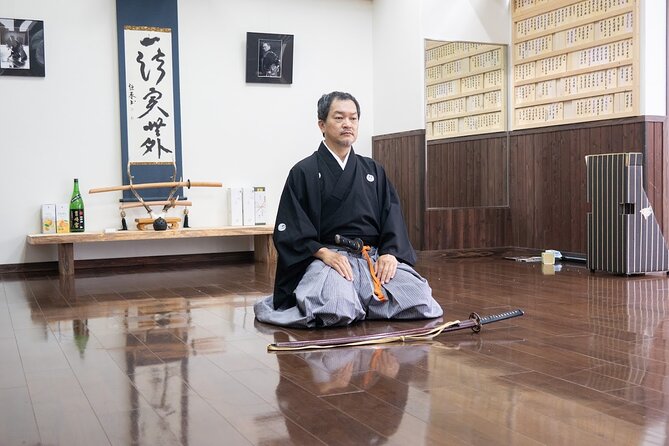
I like that you get both understanding and repetition. The master teaches the fundamentals, then you practice the core actions in a way that matches the dojo rhythm. You’ll also get a close look at how the master moves, and that solo demonstration is especially impressive once you’ve done your first few attempts.
Your body learns the order. First, you learn what comes before the cut, and why. Then you learn how the cut connects to that setup, not to brute force. That’s the key difference between “cutting” and “doing Iaido,” and it’s the reason the lesson feels meaningful.
From Kuramae Station to the dojo, how the timing and group size help
You meet at Kuramae Station, at 2-chōme-3-1 Kuramae, Taito City, Tokyo 111-0051. The activity ends back at the same meeting point. The start time is 9:00 am, and it runs about 1 hour 30 minutes.
The group stays small, with a maximum of 10 travelers. That matters more than it sounds. With fewer people in the room, you usually get clearer guidance and more chances to reset your form. It also keeps the pace calmer, which helps you focus when you’re learning movements that need control.
You’ll use a mobile ticket, and you’re told it’s near public transportation. In a city like Tokyo, that’s a big deal because you’re not burning time on complicated routing before you even start training.
Expect moderate physical fitness. You’re not doing long athletic intervals, but you are moving, standing, and handling a sword safely under instruction. If you can manage a short active lesson without discomfort, you’ll be fine.
What happens during dressing and first practice
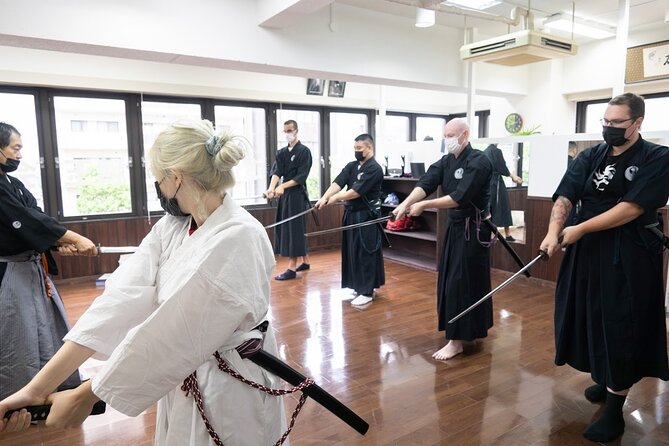
After you arrive at the Iaido dojo, you change into samurai attire and handle a sword as part of the lesson. This is where the experience shifts from museum-style learning to something more embodied. You begin to understand why the sword had a specific place in a samurai’s life.
Once you’re set, the master explains the flow of the experience. The goal is to help you connect etiquette, stance, timing, and movement. You’re not just memorizing steps, you’re learning what the steps represent.
Then you practice on a target. The basic target is a man-shaped cardboard. The cardboard cut is a practical introduction because you can see progress and you can learn what good form looks like without the added complexity of real steel on a harder surface.
This is also a moment where you’ll likely adjust your expectations. If you came in thinking it would be all about striking, you’ll notice the pauses and the discipline. Those pauses are not filler. They are part of Iaido’s logic.
Cutting straw, cardboard, and optional tatami, the real skill test
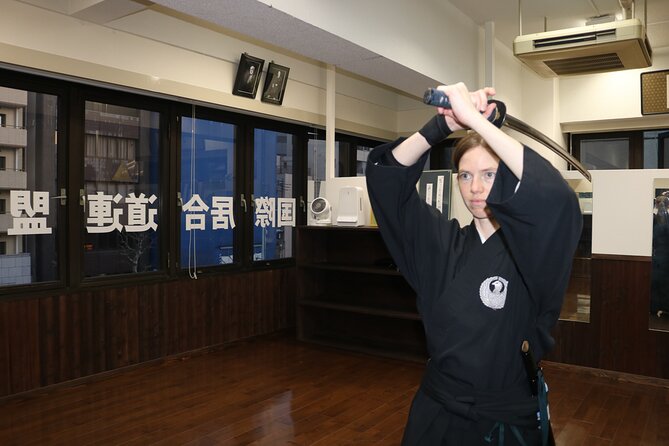
The experience uses a familiar idea: imagine a samurai swiftly and deftly slicing a roll of straw mat. In this lesson framework, you learn the Iaido method first, then work with targets that match the training goal.
The core cut in the lesson is on man-shaped cardboard. It’s an effective starting point because it gives structure to your technique. You learn the sequence, then the cut, then how to correct what went wrong.
If you want an extra challenge, you can add the rolled tatami mat cut. The option is described as trying your hand at cutting a rolled tatami mat with a real sword. That one step changes the feeling immediately, because now you are dealing with the reality of a sharper tool and a target that responds differently.
The optional cut also highlights what you learned at the start. If your only goal is motion, it gets harder. If your goal is restraint, timing, and careful execution, the lesson clicks into place. It’s one of those training experiences where the discipline you were taught early becomes the reason you can succeed later.



The optional real-sword tatami cut, age rules and safety
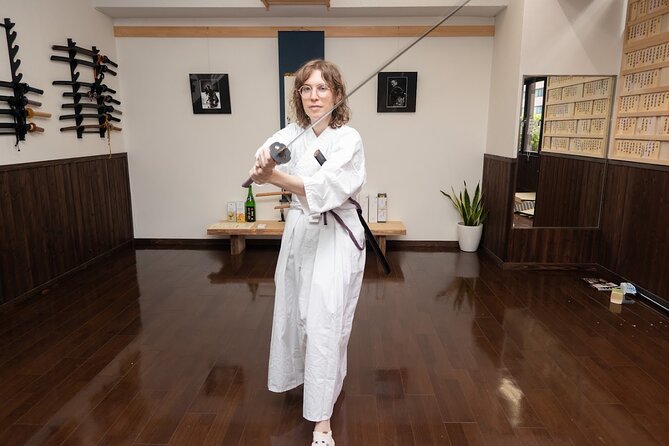
Here’s the practical section you should read carefully if you’re considering the real sword option.
For the real sword tatami cut, you need to be 18 or older on the date of your experience. You also must sign a waiver before your experience, and you must abide by the instructions given by the master at the dojo.
If you do not opt for the real sword option, the minimum age is 5. That means the experience can work for a family that wants the etiquette and Iaido fundamentals, as long as you choose the non-real-sword path.
This is not the kind of activity where you can wing it. The safety rules are part of the lesson, and the dojo expects you to follow directions. If you can follow clear instructions and take training rules seriously, you’ll get more out of it.
The reward is big, too. When the master’s solo demonstration happens right after your practice, it helps you see what the whole system is doing. It can be a bit like watching a teacher solve an equation after you’ve tried a few steps yourself.
Getting your money’s worth in Tokyo, value at $216.86
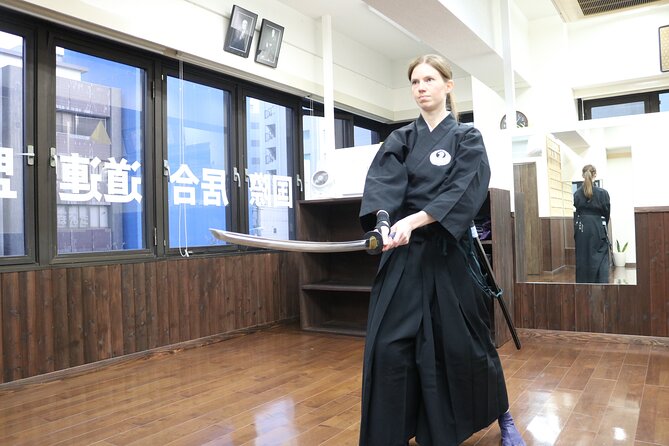
The price is $216.86 per person for about 1 hour 30 minutes. That might sound steep until you break down what you get: a structured Iaido lesson guided by a master, samurai attire for the session, hands-on practice, an up-close solo demonstration, and a certificate of completion at the end.
You’re paying for instruction quality and time with a small group. With only up to 10 people, the experience is designed so you’re not just observing. You’re actively learning and correcting.
The real value also comes from the lesson’s “why.” The training is not focused on costumes or quick photo moments. It’s focused on how samurai values show up in sword handling, etiquette, and decision-making. That’s exactly the kind of thing many Tokyo activities skim past.
There’s also a booking clue: it’s commonly booked about 23 days in advance on average. That suggests there is demand for this kind of dojo-based, hands-on cultural experience, so planning ahead helps you lock a time that fits your trip.
Who should book this samurai experience (and who might skip it)
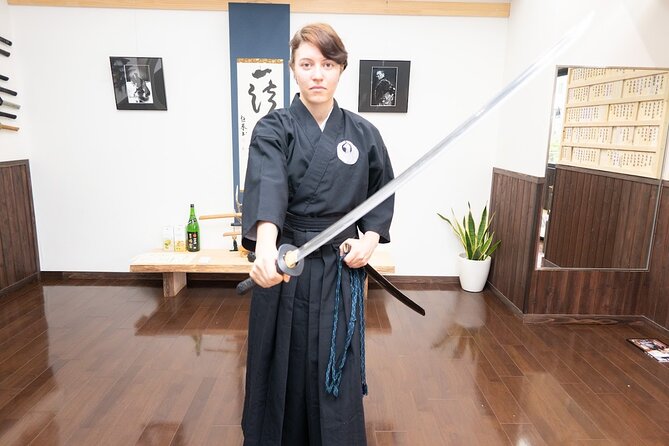
This is a great fit if you want a Tokyo experience that feels real, not staged. You’ll enjoy it if you like structured learning, respect dojos, and want to understand bushido as a mindset rather than a slogan.
It’s also a good match for first-timers who are curious about Iaido. The targets start with cardboard, then you have the option to go further with the tatami cut if you meet the age and waiver requirements.
You might consider skipping the real-sword option if you want to keep things more accessible. Choosing the non-real-sword path still gives you the core etiquette and Iaido fundamentals, and it keeps the minimum age at 5.
If you want constant adrenaline, you may be disappointed. This training respects calm movement and careful instruction, so it feels more like disciplined practice than a stunt show.
Should you book Samurai experience: art and soul of the sword?
Book it if you want a lesson that connects Japanese sword arts to values like courtesy, discipline, and restraint. You’ll get hands-on practice, a close solo demonstration, and a certificate that marks you did the work, not just watched it.
Skip or rethink it if your priority is dramatic action and you’re uncomfortable with rules, waivers, and controlled training. This is about doing it right, not doing it loud.
FAQ
How long is the Samurai experience: art and soul of the sword?
It lasts about 1 hour 30 minutes.
Where do I meet for the experience?
You meet at Kuramae Station, 2-chōme-3-1 Kuramae, Taito City, Tokyo 111-0051, Japan, and you return there at the end.
What time does the experience start?
The start time is 9:00 am.
Is the experience beginner-friendly?
You can participate as a beginner, but you must follow the master’s instructions. The experience includes practicing Iaido and cutting a target as part of the lesson.
Can I cut with a real sword?
You can choose an option that includes a real sword to cut a rolled tatami mat, but it requires you to be 18 or older on the date of your experience, sign a waiver, and follow the master’s instructions.
What if I do not choose the real sword option?
If you skip the real sword option, the minimum age is 5.
What is the cancellation policy?
You can cancel for a full refund if you cancel at least 24 hours before the experience starts. Free cancellation is available up to 24 hours in advance, and cancellations within 24 hours are not refunded.
More Tour Reviews in Tokyo
Not for you? Here's more nearby things to do in Tokyo we have reviewed












Tokyo Samurai Experiences, side by side.
 ★ 4.6Samurai Ninja Museum Guided tour and ExperienceFrom $271,010 reviews
 ★ 5.0Samurai Sword & Archery Class from Samurai DescendantFrom $193603 reviews
 ★ 5.0Best Samurai Experience in TokyoFrom $65458 reviews
 ★ 5.0Ninja Experience (Family Friendly) at Samurai Ninja Museum TOKYOFrom $47441 reviews
 ★ 4.6Samurai Entertainment Night Show in Kanda ShrineFrom $41417 reviews
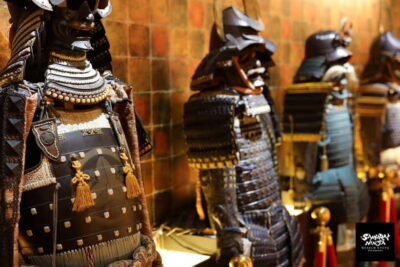 ★ 4.8Samurai Ninja Museum Asakusa: Samurai Sword Lesson & TourFrom $63306 reviews
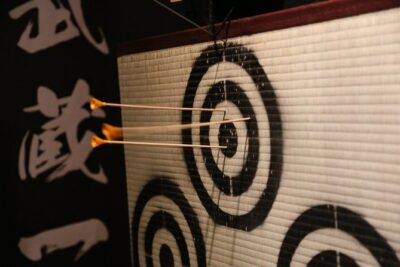 ★ 5.0Ninja Samurai 2-hour hands-on lesson by Japanese master in TokyoFrom $86194 reviews
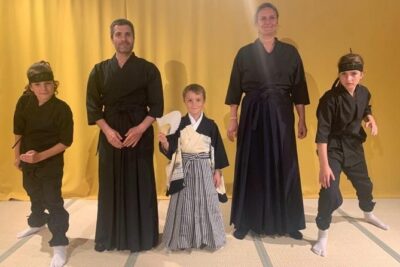 ★ 5.0Samurai Sword Experience (Family Friendly)at SAMURAI MUSEUM TOKYOFrom $65168 reviews
This tour also belongs to