
Review · TOKYO SAMURAI EXPERIENCES
SAMURAI EXPERIENCE in Tokyo(Harajuku)【SAMURAI’ve】
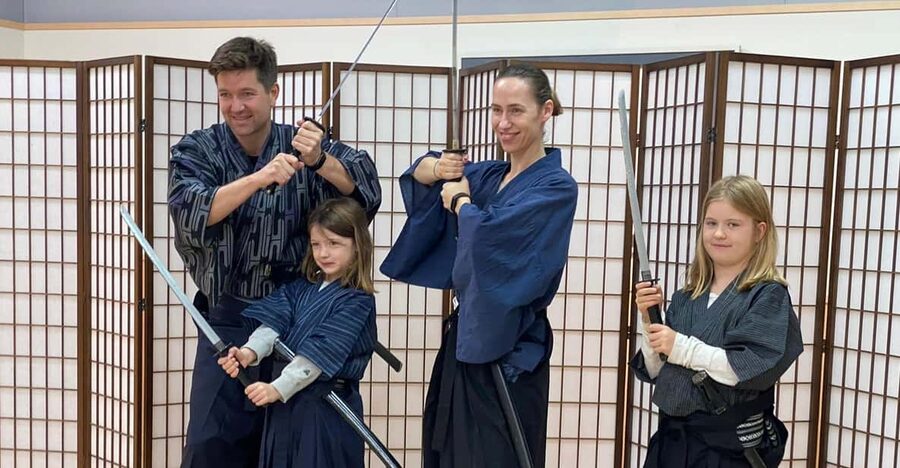
Swordplay lessons in Harajuku sound wild. What makes this one work is the focus on basics you can actually copy, plus the step-by-step way you’re taught how to behave like a samurai. I especially like the kitsuke kimono portion, because it turns a photo stop into a real skill. I also like the etiquette lesson on reigi sahou, since it gives the movements a sense of purpose, not just cool-looking tricks.
My one caution is simple: it’s a 1-hour workshop, so you won’t become a swordsman. You’ll learn a set of moves and how they’re staged, which is fun, but it’s not a long training program.
Key Points to Know Before You Go
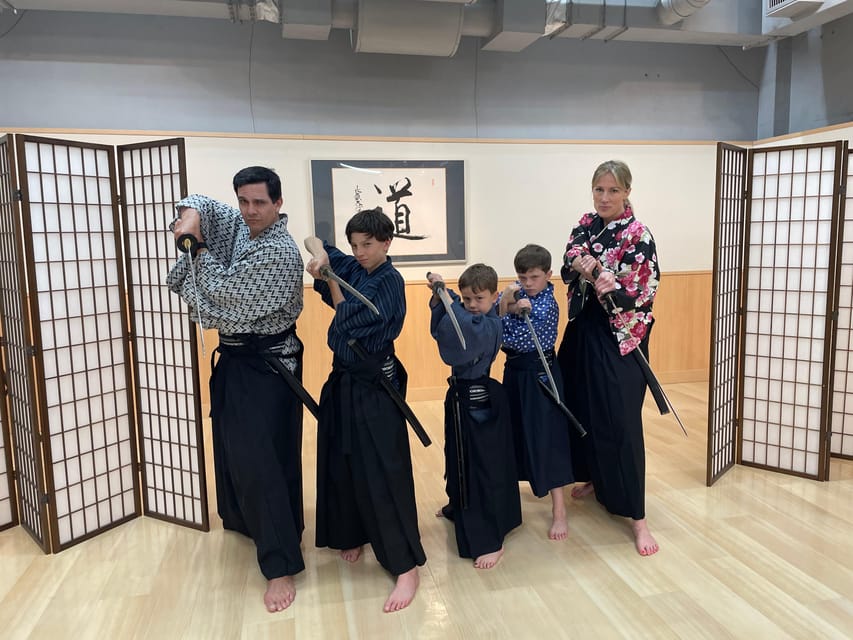
- Kimono dressing that feels practical, not just costume dressing
- Reigi sahou etiquette, so you act the part, not only look the part
- Tachimawari style practice, based on sword-fighting scene movements
- Small group (up to 10), which helps you keep up with the instructor
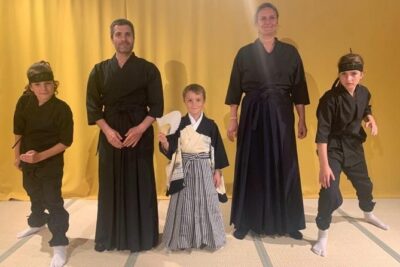
- Photo shoot included, with you holding the sword while dressed in kimono
- English, Japanese, and Chinese speaking instructors for smoother learning
Your One-Hour Samurai Workshop in Harajuku
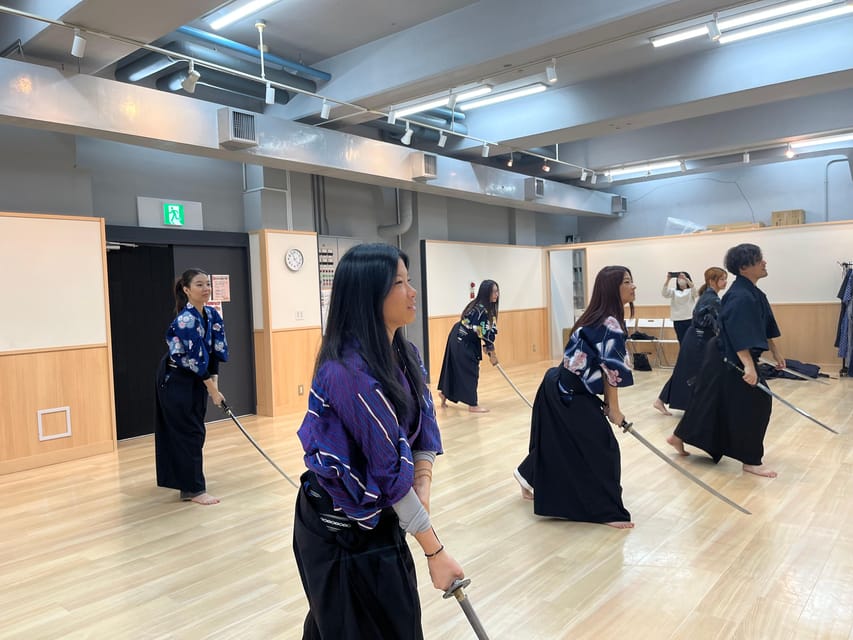
If you want Tokyo fun that’s different from the usual shrine photo or shopping loop, this SAMURAI’ve workshop fits the bill. It’s set up like a dojo-style class, but it’s also designed for visitors who want something hands-on and memorable. The whole experience is about learning a few things you can bring home: the way you carry yourself, a small set of sword moves, and a photo you’ll actually be proud to post.
The setting is also part of the charm. Your group meets at a dojo located via a clear set of instructions: enter through the red door, then go to the second floor basement. You’re looking at about a 5-minute walk from Kitasandou Station and roughly 8 minutes from Harajyuku Station. That’s close enough to pair with other Harajuku plans, yet it still feels like you’re entering a real training space.
With a duration of 1 hour and a small group limited to 10 participants, you’re not stuck in a long class where you lose attention. It’s short, structured, and built around doing the tasks in sequence, kimono first, then etiquette, then sword moves, then photos.
You can also read our reviews of more tours and experiences in Tokyo.



Finding the Red Door: Arrival and First Impressions
When you arrive, don’t overthink it. The meeting point instructions are straightforward, and the red door is meant to make it easy to locate the right place. Once you find the entrance, you’ll go up to the second floor basement area.
A quick tip: give yourself a little buffer. Harajuku can be busy, and you’ll want calm nerves when you start changing clothes. Comfortable pace matters more here than speed, because once you begin the kitsuke kimono step, you’ll want to focus on the instructor’s directions.
Also, plan to arrive in clothes that are easy to move in. The workshop asks for comfortable clothes, not fancy outfits. Think along the lines of something you can sit, stand, and handle while adjusting a robe.
Kitsuke Kimono: Dressing Like a Samurai (Without Guesswork)
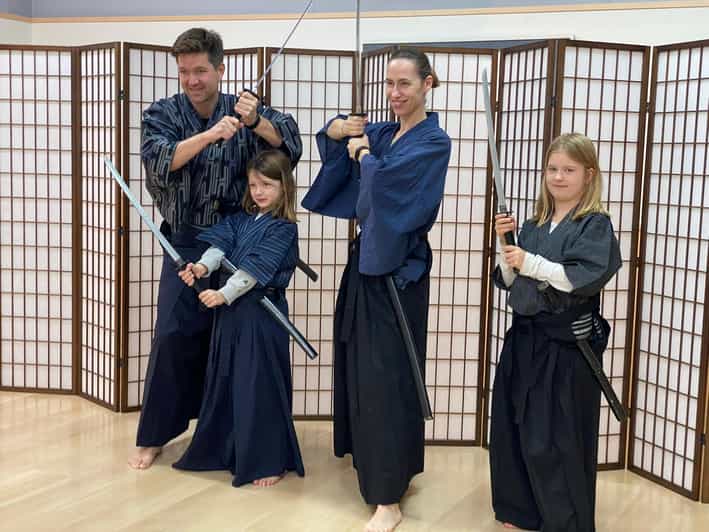
The kimono portion is one of the big reasons this experience is worth your time. A lot of “dress-up” activities stop at getting you into something pretty. Here, you’re taught how to put it on using the right kitsuke process. That means you’ll walk away with a tiny, real-world skill, not just a costume.
During this step, you’ll follow an instructor who shows what to do and keeps things moving. The goal is to get you properly dressed for the rest of the workshop, especially the etiquette practice and the photo portion later.
If you’re worried about sizing, don’t. The workshop is designed for participants of different backgrounds, and it’s run as a group class. Your best move is to communicate that you might need a moment if something feels confusing, and then watch the instructor’s hands, not just their words.
Reigi Sahou Etiquette: The Behavior That Makes the Role
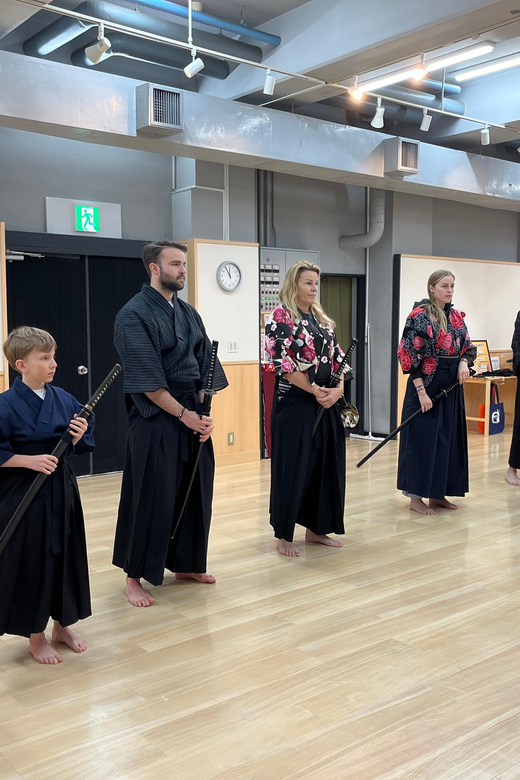
Next comes the etiquette lesson on reigi sahou. This is the part that usually separates “cool photos” from something more satisfying. Instead of treating samurai culture as only sword angles and poses, you learn how manners and behavior fit the role.
In practice, you’ll start by learning what etiquette to use as you move through the class. You’ll then connect the etiquette to the physical actions you’re about to practice with the sword. It’s a smart teaching choice because it helps you remember what you’re doing and why you’re doing it.
If you like cultural experiences that don’t feel like a lecture, this is a good match. The lesson is short and practical, and it sets the tone for the rest of the workshop. You’re learning the “how to carry yourself” piece, which is exactly what most visitors never get when they only see costumes.
Basic Samurai Sword Moves That You Can Actually Repeat
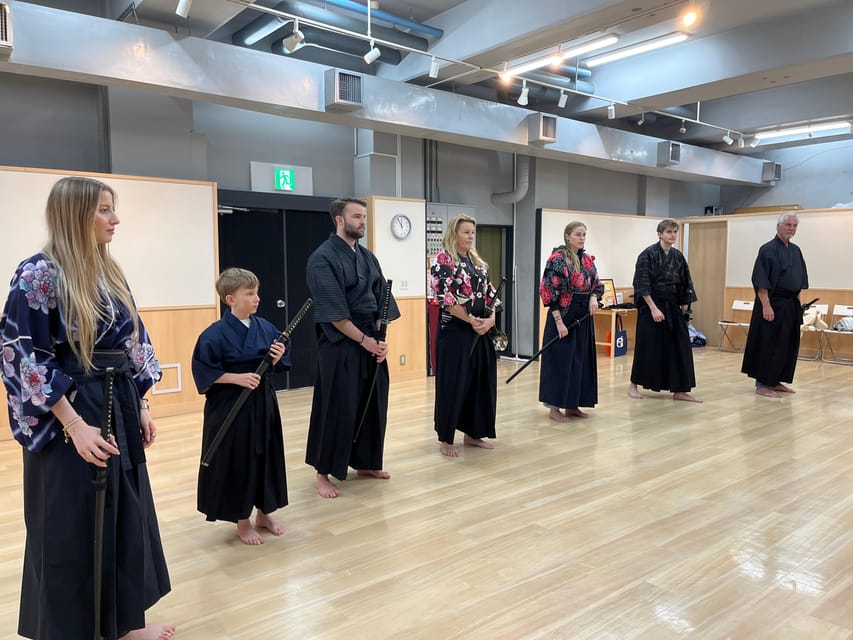
After etiquette, the workshop shifts into hands-on training with sword techniques. You’ll learn basic samurai sword fighting moves in a way that’s designed for beginners. The instructor is qualified and active in video and stage productions at the dojo, so the teaching style tends to be clear, stage-ready, and focused on what matters for executing the movement.
A key benefit for you: these moves are not random. They’re structured so you can repeat them and later explain them to friends and family back home. That’s the whole point of a travel experience like this. You don’t just want to say you held a sword. You want to remember something specific.
One consideration: this is still a 1-hour class. You’ll likely practice the same core ideas multiple times rather than learning a huge curriculum. That’s actually a positive, because repetition helps the movement click.



Tachimawari: Practicing the Sword-Scene Style
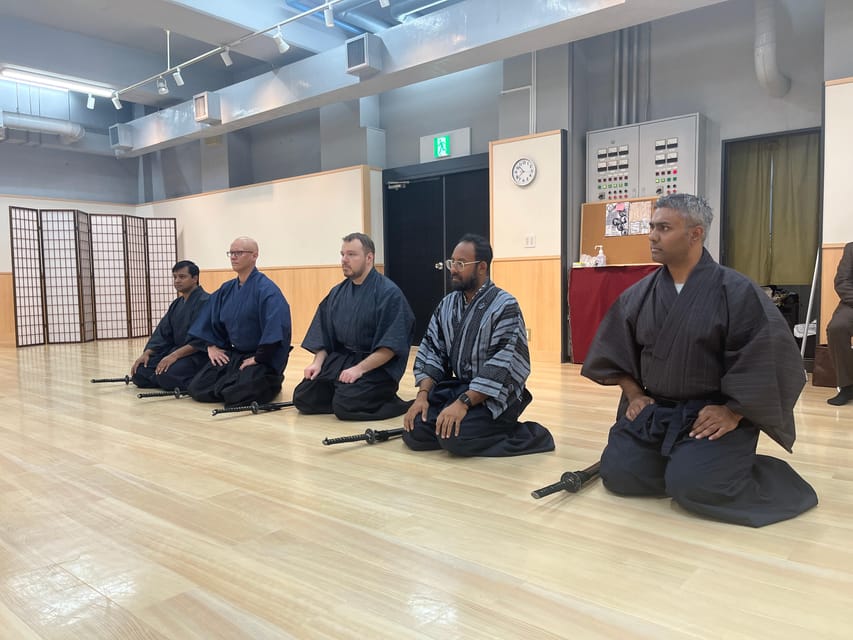
Then comes Tachimawari, the stylized movements used in sword-fighting scenes. This is where the workshop becomes extra fun. It’s not just mechanical practice. It’s movement with rhythm and staging, the kind of thing you recognize from choreographed action in film and theater.
You put your new moves to the test as you participate in Tachimawari. The emphasis is on doing the patterns correctly and in the right order. If you’re the type who likes performance elements, you’ll probably enjoy this part more than you expect.
For your planning: wear comfortable clothes and be ready to move. Since you’re in a small group and the class is only an hour, you’ll keep switching between instructions and practice without long downtime.
Photoshoot Time: Holding the Sword in Kimono
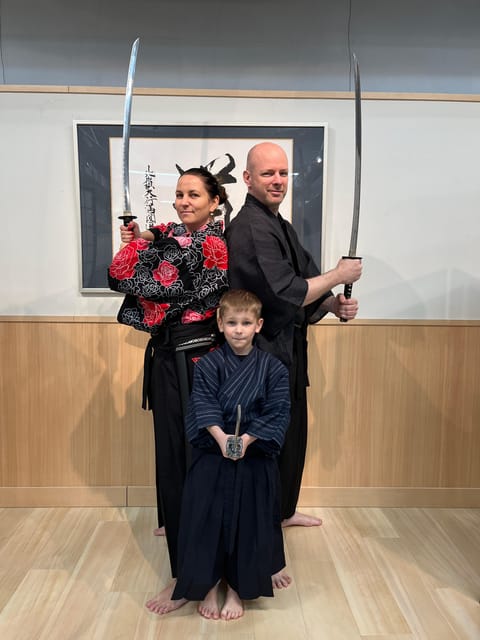
You’ll finish by taking pictures while you’re dressed like a samurai and holding a sword. This isn’t just a quick snap at the end of a tour. The workshop includes a photoshoot in the included list, so it’s treated as part of the experience, not an extra you have to chase down.
This is also where the earlier steps pay off. If you’ve practiced the etiquette basics and tried the movement sequences, your photos tend to look more intentional. You’re not just standing there. You’ll pose with the posture and attitude you learned in the reigi sahou portion.
Practical note: the workshop provides the kimono, but your comfort still matters. If you feel too stiff or awkward in the robe, you’ll rush through the photo portion and miss the chance to get the best shots. Focus on staying relaxed and following the instructor’s posture cues.
What’s Included, What’s Not, and What That Means for Value
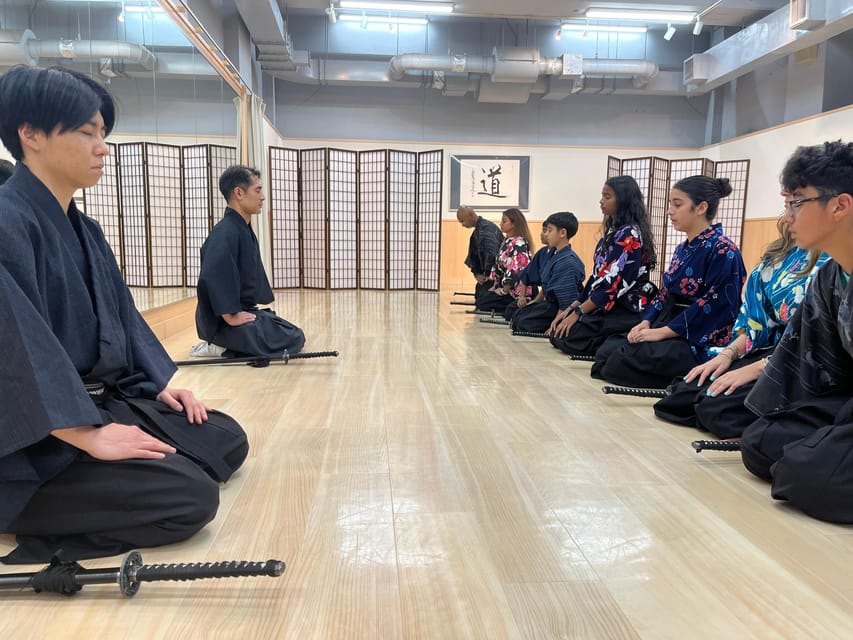
The price is $70 per person for a 1-hour experience, and it includes a lot of the “hard to organize” parts. You get:
- an instructor
- a samurai kimono to wear
- a samurai etiquette lesson
- a samurai sword fighting experience
- a photoshoot
That is strong value for a short workshop because you’re paying for both instruction and the full setup. Many activities at this price range might give you a costume. Here, you also get guidance, structured practice, and the photo component handled for you.
What’s not included is transportation to the meeting point, plus food and drinks. That’s normal. Harajuku is packed with places to eat, so plan a meal before or after. Just don’t schedule anything tight right before your class, since getting dressed and learning etiquette will take your full attention.
Also, languages are listed as English, Japanese, and Chinese. If you’re not fluent in Japanese, that flexibility is a real quality-of-life win.
Who This Samurai Experience Fits Best
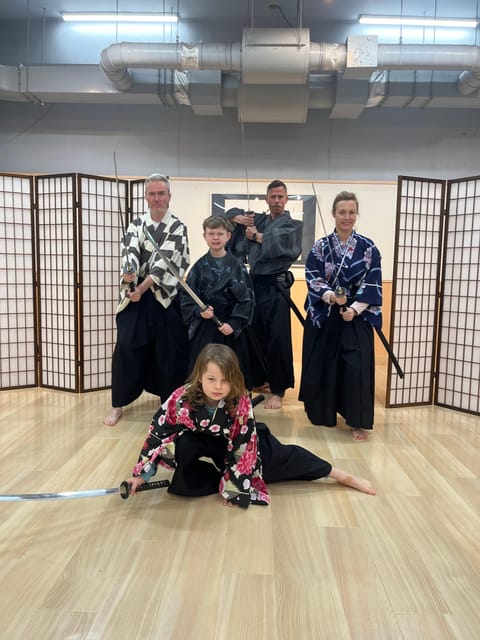
This workshop is set up so anybody can join regardless of age and gender, as long as you have the samurai spirit. That said, it’s not suitable for children under 5 years and it is not wheelchair accessible.
Here’s who tends to enjoy it most:
- first-time visitors who want hands-on culture, not just sightseeing
- people who like photography experiences that are tied to real instructions
- families traveling with kids who can follow directions and handle a short activity
- groups that want a shared activity with a clear ending and a keepsake photo
If you’re a serious martial artist looking for technical depth over performance, a 1-hour session won’t replace real training. But if you want a fun, structured introduction to samurai-themed etiquette and staged sword movement, it’s a very direct way to spend your time.
Booking Tips and Timing That Keep It Stress-Free
A few things make planning easier. The class duration is 1 hour, and it runs with available starting times based on your booking. The group is small, limited to 10 participants, which usually means better guidance and less waiting around.
You also have two useful booking options: free cancellation up to 24 hours in advance for a full refund, and a reserve now, pay later option so you can keep your plans flexible. Those aren’t small details, they matter if you’re building a day around Harajuku and changing dinner plans.
Finally, remember what to bring: comfortable clothes. You don’t need to bring your own kimono or supplies. The workshop provides what you need for the class, so packing is easy.
What You’ll Leave With (Beyond the Sword)
Most people come for the sword and kimono. You’ll get that. But I think the bigger takeaway is the combination of three things you can repeat:
1) posture and etiquette cues from reigi sahou
2) a basic set of sword moves you understand enough to demonstrate
3) a photo set that matches what you practiced, not just what you wore
If you’ve ever tried to explain a travel moment later, you know the memories that stick are the ones with a skill attached. This workshop gives you just enough structure that you can recreate the feeling. You’ll also have something fun to show family and friends that doesn’t require them to take your word for it.
Should You Book SAMURAI’ve in Harajuku?
Book it if you want a short, structured activity that blends culture, performance, and a proper photo ending. The kitsuke kimono training and the reigi sahou etiquette lesson are the standout parts, because they turn the experience into more than a costume photo.
Skip it if you need a long training-style experience or you expect deep technical sword instruction. This is a one-hour workshop designed for visitors, so it’s best as an intro and a memorable Harajuku stop.
If you’re on the fence, here’s my practical test: if you’d be happy spending an hour learning a few moves, dressing correctly, and getting a photo, this is a great fit. If you’re looking for hours of sword drills, choose a longer class instead.
With the right expectations, this one is a fun, value-packed way to do something genuinely different in Tokyo.
FAQ
Where is the meeting point for the SAMURAI experience in Harajuku?
You enter through the red door and proceed to the second floor basement. It is about a 5-minute walk from Kitasandou Station and about an 8-minute walk from Harajyuku Station.
How long does the experience last?
The experience lasts 1 hour.
How much does it cost?
The price is $70 per person.
What languages are the instructors?
The instructor speaks English, Japanese, and Chinese.
What is included in the price?
The price includes the instructor, a samurai kimono to wear, a samurai etiquette lesson, a samurai sword fighting experience, and photos.
What should I bring?
Wear comfortable clothes.
Is the class suitable for young children?
It is not suitable for children under 5 years.
Is the experience wheelchair accessible?
No, it is not suitable for wheelchair users.
Is food or drinks included?
No, food and drinks are not included.
Is cancellation possible, and can I pay later?
You can cancel up to 24 hours in advance for a full refund. You can also reserve now and pay later.
How big is the group?
The group is small and limited to 10 participants.
More Tour Reviews in Tokyo
Not for you? Here's more nearby things to do in Tokyo we have reviewed












Tokyo Samurai Experiences, side by side.
 ★ 4.6Samurai Ninja Museum Guided tour and ExperienceFrom $271,010 reviews
 ★ 5.0Samurai Sword & Archery Class from Samurai DescendantFrom $193603 reviews
 ★ 5.0Best Samurai Experience in TokyoFrom $65458 reviews
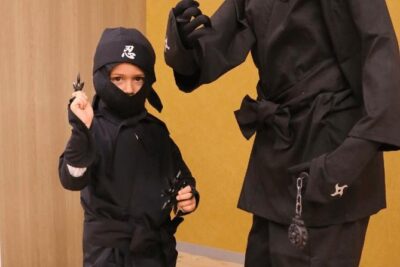 ★ 5.0Ninja Experience (Family Friendly) at Samurai Ninja Museum TOKYOFrom $47441 reviews
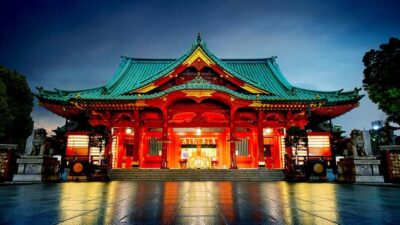 ★ 4.6Samurai Entertainment Night Show in Kanda ShrineFrom $41417 reviews
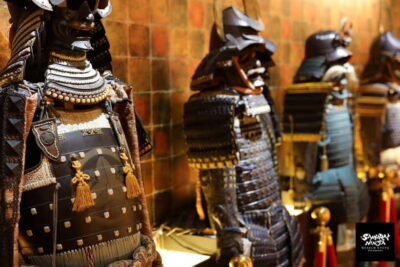 ★ 4.8Samurai Ninja Museum Asakusa: Samurai Sword Lesson & TourFrom $63306 reviews
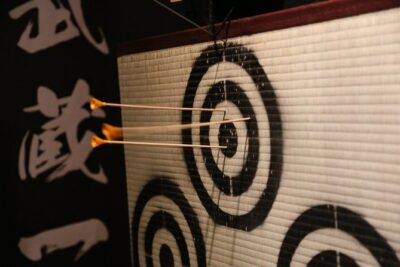 ★ 5.0Ninja Samurai 2-hour hands-on lesson by Japanese master in TokyoFrom $86194 reviews
 ★ 5.0Samurai Sword Experience (Family Friendly)at SAMURAI MUSEUM TOKYOFrom $65168 reviews
This tour also belongs to