
Review · TOKYO SAMURAI EXPERIENCES
Samurai Experience – Learn Bushido through Kendo, in Tokyo
Tokyo can be loud.
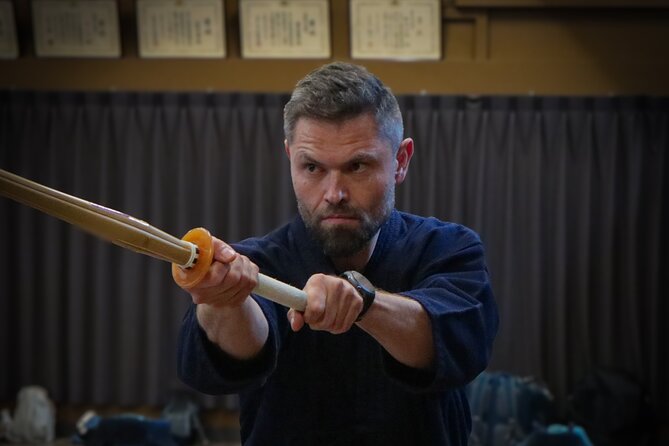
This is the calmer kind of action, a Tokyo kendo lesson that teaches Bushido in motion inside a working dojo with Daichi. I like that you exchange sightseeing for real training you can repeat later, and I like how the session connects technique, timing, and mindset instead of treating kendo like just a sport. The only thing to consider is that this is hands-on and physical, so you should be ready for 2 hours of coordinated movement, not a sit-and-watch show.
Key Highlights You Should Know Before You Go
- Small group size (up to 8 people) so you get attention and corrections
- Daichi’s 19 years of kendo training, plus an English-friendly approach
- Authentic dojo practice using a shinai and real kendo warmups and basics
- Beginner-first teaching, with most participants starting from zero
- A final battle-style moment that makes the mental side click
- Photo and video coverage, sent by email after the experience
Why This Kendo Lesson Beats Usual Tokyo Sightseeing
If your Tokyo plan is heavy on temples and photos, this tour is a smart switch. You step into a genuine dojo where kendo is trained the way it’s still practiced in Japan today. That matters because kendo is not just swordplay, it is a system of movement, focus, posture, and respectful distance. In a normal museum, you read about those ideas. Here, you feel them in your stance and breathing.
I also like that the session is framed around Bushido principles you can actually connect to your body. You work on focus, timing, and judgment under pressure. That is the part many visitors miss when they only watch demonstrations. Even if you have no martial arts background, you still get a clear sense of what “the way” means in daily training, not in a movie script.
One more practical reason I’m a fan: this is built to keep you moving. You learn, practice, and then test it in a final exchange. It is the kind of experience where you leave tired in a good way, with a mental checklist you can remember later.
You can also read our reviews of more tours and experiences in Tokyo.


Meeting at Nihonbashi Kobo Bunacho and What to Expect
The session starts at 10:00 am in Tokyo, in Chuo City near Nihonbashi. The meeting point is listed as Japan, 103-0024 Tokyo, Chuo City, Nihonbashikobunachō, 29 Sec日本橋ビル. The good news is that it is near public transportation, so you can plug it into a broader day without stress.
You also return to the meeting point at the end. That is helpful because you do not have to plan extra transit right after training while you are still in motion and your brain is switched into sport mode.
Bring your normal tourist self, then let the dojo take over. The setup is straightforward: you show up, meet your guide, and get kitted out for training. A mobile ticket is used, so keep it handy on your phone.
Daichi’s Class Style: Technique Plus Mindset
Your main instructor is Daichi, an active kendo practitioner with 19 years of kendo training. The session is designed around what he demonstrates from real practice, not just textbook explanations. You are not getting vague “be brave” advice. You learn how posture, footwork, and timing support the mental discipline behind the movements.
English support is a big deal here. Daichi has overseas work experience and speaks fluent English, so you can ask questions during the class. That changes the experience. Instead of nodding along while you guess what you are supposed to do, you can connect each action to the reason behind it.
The teaching style matters in practical terms. You are not expected to instantly look like a kendo veteran. The class builds from basics and keeps the group small, which means your instructor and assistants can spot what you need right away.
If you like learning by correction, you’ll probably enjoy this part most. Kendo is technical, and it rewards attention to tiny details like how you set your stance and how you coordinate your timing.
The Dojo Setting and Why It Feels Like Real Training
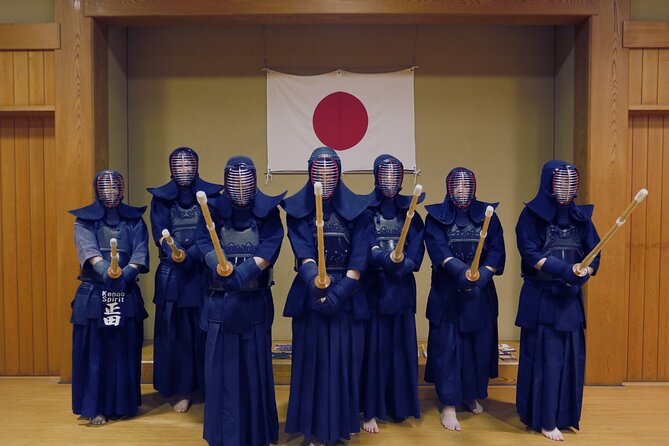
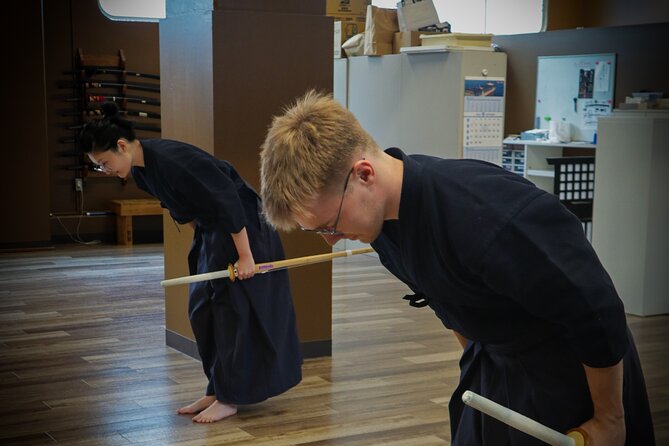
This is not a staged venue built for tourists. You train inside a working Japanese dojo, where practitioners hone their sword skills. That environment shapes everything: the way space is used, the rhythm of warmups, and how seriously the group treats etiquette and focus.
You’ll also notice that the session has a “full experience” structure. It starts with guidance, continues into hands-on practice, and ends with a test of your learning. That arc is important, because kendo is hardest to understand when you only see one moment. The class gives you the build-up, the repetition, and then the pressure point at the end.
There are assistants as well, and you may see more than one instructor guiding at different moments. One review specifically called out Makoto alongside Daichi during a hands-on match experience. That kind of setup is usually a good sign for safety and feedback, especially for beginners.
Gear Up: Uniform Rental and Your First Shinai Moves
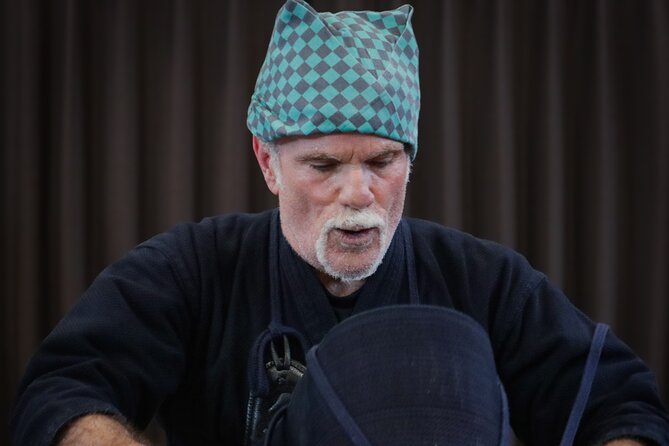
Included with the experience is kendo attire rental plus bamboo sword (shinai) rental. You also get Japanese cultural experience tools rental, along with bottled water, a souvenir, and a guide.
You do not need to bring kendo clothing. The session provides what you need, including T-shirts and pants to wear under the kendo uniform. That is a comfort detail worth noting. A lot of martial arts experiences require you to show up ready to dress in layers. Here, you get the basics covered, so you can focus on training.
A shinai is not a real sword, but it still has weight and balance. Expect the first moments of handling it to feel different than holding a prop. You’ll likely spend time learning safe movement patterns and how to control the sword-like motion without over-swinging.
Also, wear comfortable clothing for arriving and be ready to change into the uniform. The class provides the uniform system, but you still want to arrive in clothes that are easy to move in.

Your Training Progression in 2 Hours
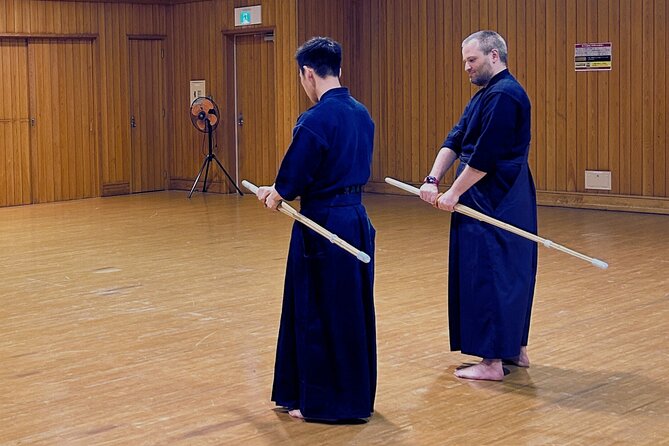
The session runs about 2 hours. That length is short enough to fit into a travel schedule, but long enough to cover more than a single demonstration.
Here is how the time usually makes sense in a kendo lesson designed for beginners:
1) Warmup and posture basics
You work on your stance and alignment. This is where you learn how the body should be set before you add speed.
2) Footwork and timing
Kendo is not only arms. The class pushes you to coordinate movement and rhythm. If you have any athletic background, you’ll feel the connections fast. If you do not, it’s still doable because the teaching is slow and careful.
3) Strikes you can repeat
You learn how to swing the shinai and how to make your strikes strong and controlled. One review highlighted learning how to give a strong hit, even without kendo experience.
4) A guided exchange at the end
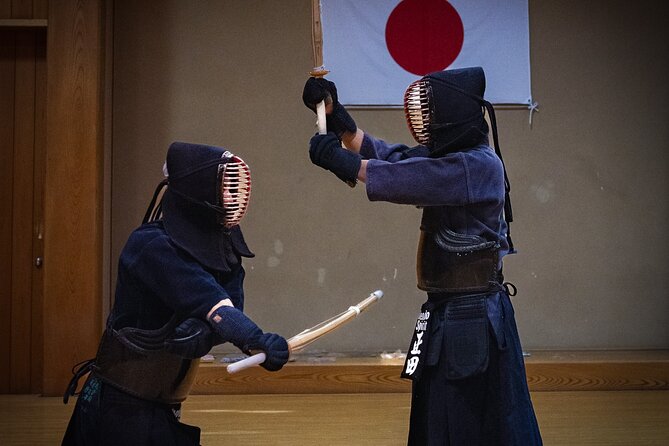
The class ends with an energetic battle-style moment. Reviews called it exciting, and multiple people noted the mental side of kendo becoming clear once the match part starts.
That progression is the real value. You walk away with something more than facts. You get muscle memory for basic patterns you can try later in a beginner class back home.
Beginner Friendly, Even If You Are Not Athletic
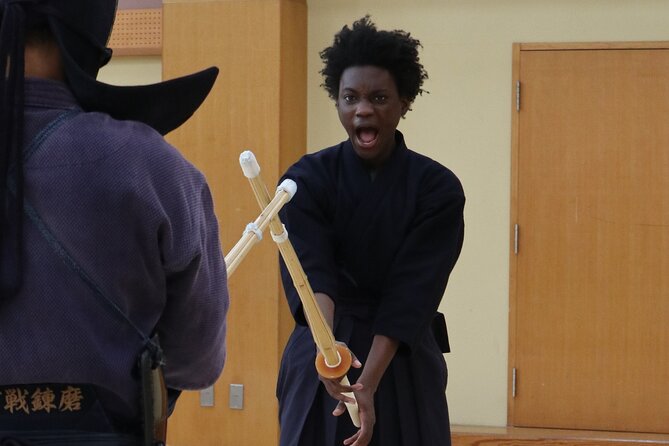
This is one of the most reassuring points. The experience states that over 90% of participants are beginners. The group stays small and the instruction is slow and careful. So if you are worried you will be the “slow one,” you can relax. The class is built for first-timers.
You still want to bring the right mindset. You will be asked to follow directions quickly at times, and you will sweat. But you are not being tested on strength, flexibility, or speed. The goal is correct movement and discipline.
Also, the class is designed for people without martial arts experience. That includes kids, too. One review mentioned a 12-year-old and praised the authenticity and instructors’ skill in teaching a young beginner.
If you want a workout that teaches culture and control at the same time, this fits better than most “tour activities” that are just scenery.
The Final Match: Where Spirit Shows Up
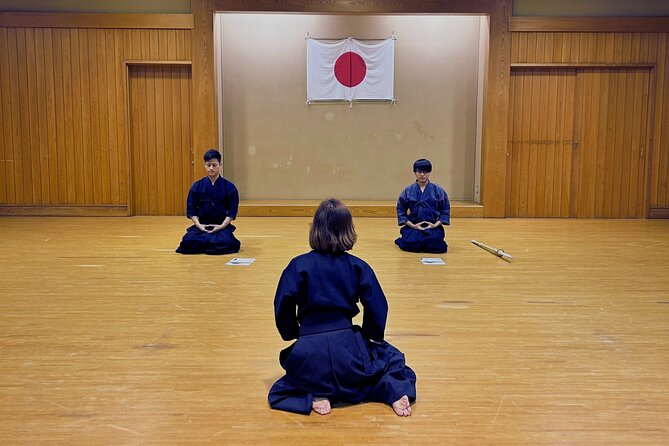
Kendo has a special kind of intensity at the end of class. That final battle-style moment is where you feel how focus changes everything. Several people specifically mentioned excitement during the end segment, and one person described learning the spiritual and mental aspects, not just the physical parts.
This is also where the concept of spirit, often described as kiai and focus, stops being a word. You can feel how your mindset affects your posture and your timing. In a sparring-style exchange, you have to stay controlled. You also learn how judgment works in real time, even when you are doing beginner-safe versions.
One of the more memorable review notes was about the full attention of Daichi and Makoto during a dual experience, with strong emphasis on deeper meaning. That suggests you are not just rushing to the finish line. You get guided structure so the match feels meaningful, not random.
Photos and Souvenirs: Capture the Moment, Keep the Proof
You get more than a story in your head. There is a photographer who takes photos and videos during the session. After the experience, the data is sent to you by email.
That is helpful if you want evidence you actually did the thing, especially if you are traveling with family or friends. It’s also useful for kendo nerds. You’ll see your stance and timing, which is hard to notice live.
A souvenir is included as well. The exact type isn’t detailed, but the point is simple: you leave with something physical, not just a memory.
Price and Value: What $132.14 Buys You
At $132.14 per person, this is not the cheapest Tokyo activity. But it is also not overpriced for what you get.
You are paying for:
- One-to-small-group time with trained instructors
- A real dojo training session designed for beginners
- Rental gear (uniform attire and shinai)
- A guide
- Bottled water
- A souvenir
- Photo and video coverage
If you try to recreate this yourself, the cost rises quickly once you factor in finding a dojo, renting equipment, and dealing with language barriers. Even if you find training classes, the beginner onboarding is often the hard part. Here, the class is structured so you can actually follow along.
Also, 2 hours is a good duration for value. You are not buying a quick photo stop. You are buying a skill-building session with a real ending.
When This Experience Is the Right Fit for Your Tokyo Trip
This is ideal if you want:
- a hands-on Tokyo activity that breaks the routine
- a chance to learn about Japanese martial culture without needing prior experience
- an English-friendly instructor who explains what you are doing and why
- a class experience that includes both body work and mindset
It can also be a strong family or group activity, since the experience is set up for beginners and even younger participants have joined successfully.
If your plan is built around low effort, this may not feel right. You will train. You will move. You will wear a uniform designed for kendo.
Quick FAQ for First-Timers
FAQ
Do I need any martial arts experience to join?
No. The experience is designed for beginners, and over 90% of participants are stated to be beginners. Instruction is taught slowly and carefully.
Will I get kendo attire and the bamboo sword?
Yes. Kendo attire rental and bamboo sword (shinai) rental are included.
Is the instructor able to teach in English?
Yes. Your instructor Daichi has overseas work experience and speaks fluent English.
What should I bring with me?
Nothing is required. T-shirts and pants to wear under the kendo uniform are provided, so you can simply arrive ready to train.
How many people are in the group?
The group maximum is 8 travelers.
Will there be photos or videos taken?
Yes. A photographer will take photos and videos and send the data by email after the experience.
Is snacks included?
No. Snacks are not included.
Should You Book Samurai Experience, Learn Bushido Through Kendo?
I think you should book it if you want one Tokyo activity that actually teaches a living skill, not just an event. The standout strengths are the real dojo training, Daichi’s long-term kendo background, and the way the class blends physical technique with mindset. Add small-group attention and the beginner-friendly structure, and you get a high success rate even if you are starting from zero.
I’d pass only if you are specifically looking for a relaxed, low-activity cultural outing. This is 2 hours of coordinated movement. If that sounds enjoyable, you will likely leave feeling like you gained something you can practice again, not just something you watched.
If you want, tell me your travel dates and whether you prefer morning or afternoon activities. I can suggest a simple day plan around a 10:00 am kendo session in Nihonbashi.
More Tour Reviews in Tokyo
Not for you? Here's more nearby things to do in Tokyo we have reviewed






Tokyo Samurai Experiences, side by side.
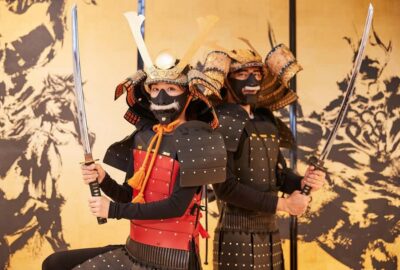 ★ 4.6Samurai Ninja Museum Guided tour and ExperienceFrom $271,010 reviews
 ★ 5.0Samurai Sword & Archery Class from Samurai DescendantFrom $193603 reviews
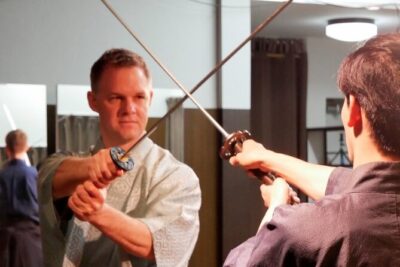 ★ 5.0Best Samurai Experience in TokyoFrom $65458 reviews
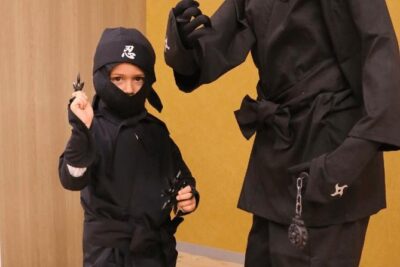 ★ 5.0Ninja Experience (Family Friendly) at Samurai Ninja Museum TOKYOFrom $47441 reviews
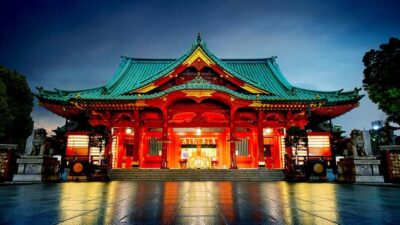 ★ 4.6Samurai Entertainment Night Show in Kanda ShrineFrom $41417 reviews
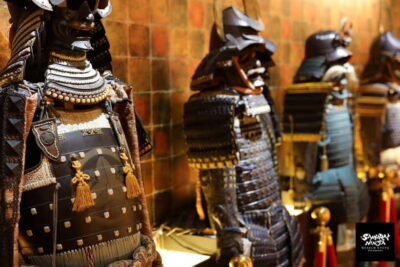 ★ 4.8Samurai Ninja Museum Asakusa: Samurai Sword Lesson & TourFrom $63306 reviews
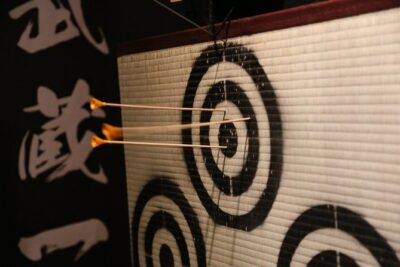 ★ 5.0Ninja Samurai 2-hour hands-on lesson by Japanese master in TokyoFrom $86194 reviews
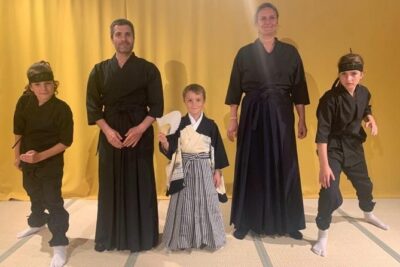 ★ 5.0Samurai Sword Experience (Family Friendly)at SAMURAI MUSEUM TOKYOFrom $65168 reviews
This tour also belongs to