
Review · TOKYO SAMURAI EXPERIENCES
Samurai Training in Tokyo: Swords, Bushido & Mental Discipline
Tokyo has a lot of samurai history. This one gives you practice. In a private session in the Kojimachi district, I like that you get hands-on training instead of just listening, and you can ask questions freely. I also like the take-home side of it, including a scroll-style certificate with your name plus matcha and traditional sweets during a calm break.
One thing to consider, this is not a passive sightseeing stop. You will wear a samurai uniform rental and do breathing, meditation, and sword movement drills, so you should be up for light physical work and a focused mindset.
Key Highlights You Should Know
- Private, question-friendly training so you can slow down and ask for clarity when it matters
- Bushido first, with etiquette, philosophy, and meditation exercises before any sword work
- Wooden sword drills plus an authentic kata, then one-on-one sparring with the instructor
- Matcha tea and Japanese sweets break the session in a way that stays culturally grounded
- Samurai outfit photo and personalized scroll certificate give you more than a quick souvenir
A Dojo Session in Kojimachi, Not a Quick Stop
This experience takes place in a dojo in Tokyo’s Kojimachi district. The setting matters because Kojimachi was once part of Edo Castle’s inner grounds, an area where samurai practiced their craft. Instead of being shepherded around a few photo stops, you’re signing up for a training block where the day’s theme is discipline, form, and control.
It runs about 2 hours, and it’s designed as a private experience for your group. The small detail that the minimum is 2 participants is also useful to know, because it suggests the class is built to be personal, not crowded.
You’ll start at Samurai Sword Tokyo in Kōjimachi, and the activity ends back at the same meeting point. It’s near public transportation, and there’s mobile ticket support, which usually means fewer moving parts for you on the day.
If you like Tokyo for its variety, this is a smart change of pace. While much of the city is about temples, markets, and neighborhoods, this is about learning a physical code of conduct. You leave with a clearer picture of what samurai training actually felt like day to day, at least from the perspective of this modern dojo practice.
You can also read our reviews of more tours and experiences in Tokyo.



Bushido Etiquette and Meditation, Before the Sword
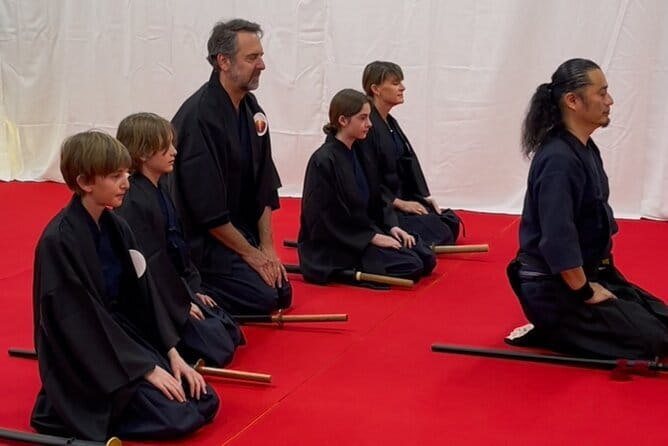
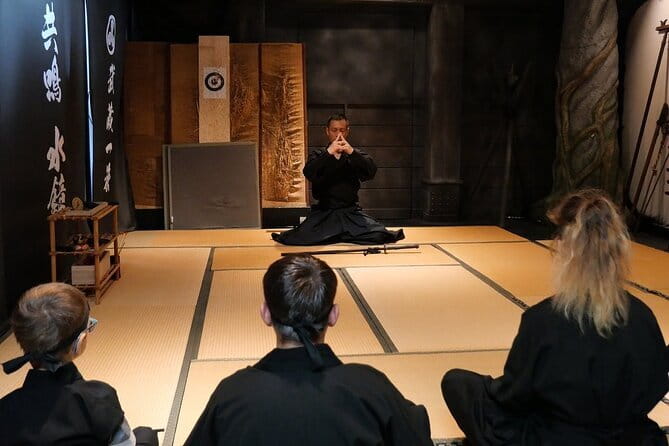
Most sword tours spend their time on the past. This one starts with the present mindset. You begin by learning samurai etiquette and the spirit of Bushido, then you move into breathing techniques and meditation meant to calm the mind.
That order is not random. It’s basically telling you that sword skills are not only about muscles or speed. The course frames control as mental first, physical second. When you practice breathing and meditation at the beginning, you also learn how to settle your body enough to work with precision. That tends to make the later drills feel less like chaos and more like a structured lesson.
If you tend to get restless during class-style activities, this opening can be a relief. You’re guided through simple mental focus steps before you jump into movements. And because the experience is beginner-friendly and offered in English, you can follow along without needing prior Japanese language skills.
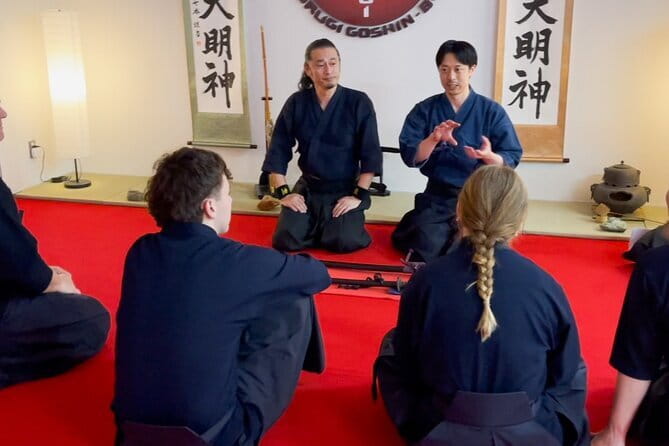
This is also where the private format helps. If you don’t understand a concept of etiquette or why a certain posture matters, you can ask your instructor and get a direct answer. That Q-and-A freedom is one of the most repeated reasons people rate this so highly.
Wooden Sword Drills and the Heavy-Stick Strength Work
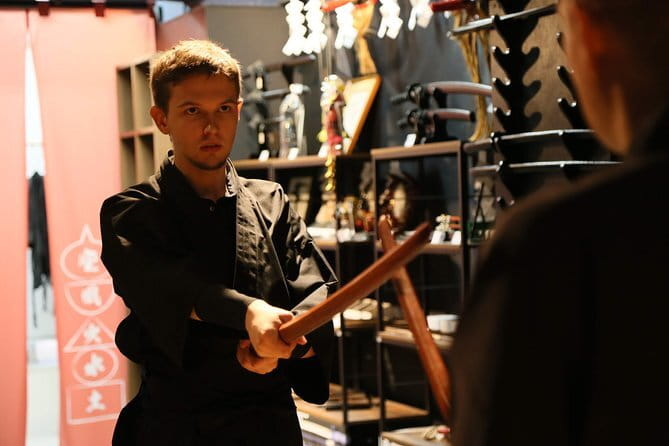
Once the mental foundation is in place, you shift to training tools that are designed to teach form safely and clearly. You’ll do wooden sword drills, then you’ll work with a heavy stick for strength training, and you’ll practice silent walking exercises that test posture and focus.
Here’s why these specific drills are worth your attention:
- Wooden sword work lets you practice spacing and movement without the intimidation factor of handling a live blade. It also helps you learn patterns you can repeat consistently.
- Strength work with a heavy stick adds resistance. It’s one thing to make a movement. It’s another thing to make it with control when you feel resistance.
- Silent walking is a posture drill in disguise. When you remove conversation and visual distractions, you notice what your body is doing. It’s less about being a ninja for fun and more about learning how to hold your stance and stay aware.
The “silent walking like a ninja” part is a fun way to describe it, but the real value is the mental test. Sword practice demands readiness. This drill trains the calm, upright baseline that sword movements build on.
Because you’re in a private class, your instructor can adjust what you’re working on. You’re not just going through a template. You’re learning how your body is interpreting the kata principles.
Learning an Authentic Combat Kata, Then Sparring
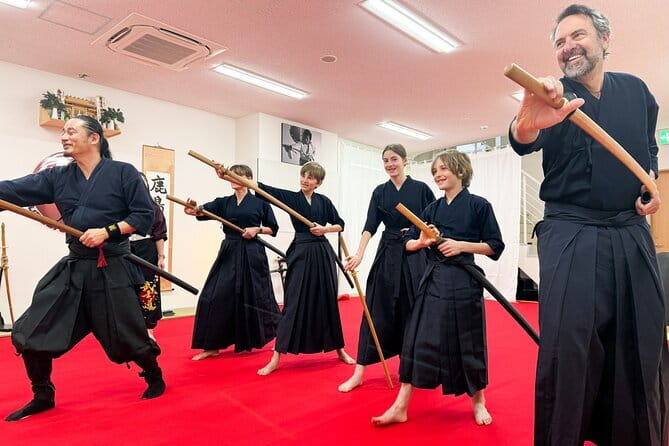
Now we get to the point most people came for: actual combat-focused training. You’ll learn real combat sword techniques, then you’ll master one authentic samurai combat kata. After that, you apply your new skills in one-on-one sparring with the instructor.
A kata is not just choreography. It’s a sequence built for practice and repeatable learning. Even if you’re brand new, working on one kata instead of a long menu can make the session feel coherent. You’re building familiarity with one core pattern.
The sparring part is where the class stops feeling like a demo and starts feeling like training. One-on-one also matters. With a partner you can trust and an instructor watching, you can learn the tempo, distance, and control that keep the lesson from becoming a slapstick fight.
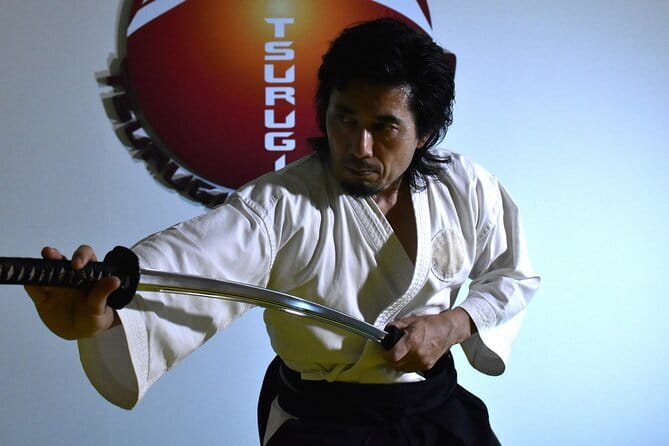
The experience also includes a live sword demonstration by the instructor, which helps you understand what the techniques are aiming toward. Even if you spend most of the session training with a wooden sword, the instructor can show the motion goals you’re approximating.
Also, for people who enjoy asking questions, this is a perfect stage. You can ask about what to focus on, what mistakes to avoid, and why certain positions matter. That back-and-forth is one of the best parts of a private format.
Matcha, Sweets, and a Break That Fits the Theme
Halfway through your session, you take a break and get matcha green tea and traditional Japanese sweets. This is not an afterthought. The break is part of keeping the atmosphere steady and respectful.
Matcha is a natural pause in Japan because it signals calm and attention. In this setting, it matches what you’ve been doing: slow your mind down, reset your body, and come back ready to focus again.
The dojo environment is described as quiet and cultural. That matters because if you want a meaningful experience, you need a space that doesn’t feel like a loud activity factory. The tea and sweets also make it easier to handle the 2-hour length without feeling rushed.
If you’re the type who likes tours that provide a full arc, the break gives you a soft landing between mental drills and more physical work.



The Uniform, Photo Moment, and Your Scroll Certificate
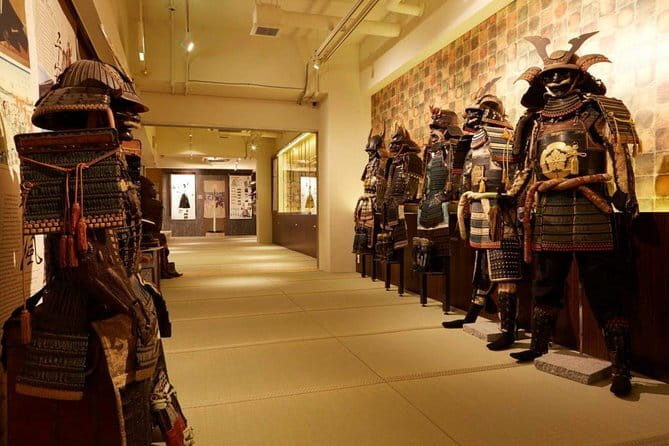
At the end, you get the take-home items that make this feel more personal than a typical ticketed show.
You’ll receive a personalized scroll-style certificate with your name and the techniques you learned. This is a great souvenir because it’s specific to your session, not generic. It also reinforces what you did in class, which helps you remember the steps rather than just the photos.
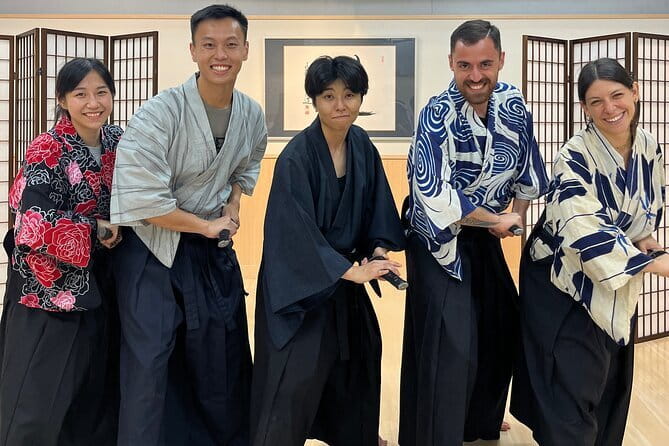
You’ll also wear traditional samurai attire and take a commemorative photo. This isn’t only for looks. Wearing the uniform ties your training back to the cultural context of the dojo.
That certificate and photo combo is one of the highest-praised aspects of the experience. People tend to love training, but the real emotional payoff comes when the experience gives you something to keep that training story intact.
Price and Value for a 2-Hour Private Training Block
The price is $85.66 per person. At first glance, that might feel high if you’re comparing it to a walking tour. But this is not a walking tour.
You’re paying for a private dojo session that includes:
- instructor-led etiquette, Bushido philosophy, breathing, and meditation
- wooden sword drills plus strength and posture exercises
- learning one authentic combat kata
- one-on-one sparring
- live sword demonstration
- uniform rental
- matcha tea and Japanese sweets
- personalized certificate
- a commemorative photo
That list is why the value is strong. If you price out a private lesson, add in gear, add in a cultural snack break, and then include a certificate souvenir, the total feels more reasonable. You’re not only buying access to information. You’re buying guided repetition, feedback, and the chance to ask questions in English.
Another factor that raises the value is time. Two hours is long enough to cover mindset, technique, kata practice, and application. It’s not a two-hour teaser that runs out before you get meaningful practice.
The session is also beginner-friendly, so you’re less likely to pay for something you cannot follow. Most travelers can participate, which is helpful for deciding if you should book even if you’re new to anything sword-related.
Who Should Book This Samurai Training Session
This is a great match if you want Tokyo to be more than sightseeing. You’ll enjoy it if you like hands-on cultural experiences, you’re curious about discipline and etiquette, and you want to learn how a training session is structured.
It’s also a good fit if you want a class pace where you can ask questions. The experience is private, and the instructors and English support can keep the lesson readable.
One detail from past participants stands out: the instructors and English support have been described as warm and welcoming, and the class has been recommended across ages. That suggests the training style focuses on instruction and comprehension, not on showing off athletic talent.
You might consider skipping this if you want only casual, low-effort activities. The session includes meditation exercises and sword movement work, so you should be ready to participate actively. If you’re looking for a laid-back photo opportunity, this is likely to feel too training-focused.
Practical Tips to Make Your 2 Hours Go Smoothly
This class runs about two hours. You’ll get more out of it if you treat it like a real lesson, not a casual activity.
- Arrive a little early so you can settle in and ask any quick logistics questions.
- When you’re given techniques to focus on, pick one or two key points rather than trying to remember everything at once.
- Use the English instruction time well. If something about etiquette or form feels unclear, ask right away.
- During sparring and kata practice, prioritize control and posture over power. That fits the Bushido mindset of discipline first.
Also, keep in mind that the uniform is provided through rental, so you don’t need to hunt down costume pieces. That’s one less pre-trip headache.
Should You Book Samurai Training in Tokyo?
Book it if you want a genuinely different kind of Tokyo experience. This is not just history trivia. You’re getting etiquette, meditation, and structured sword training, plus a personalized certificate and a matcha break that fits the theme.
Skip it if your goal is mostly sightseeing, shopping, or street-level wandering. This is a focused activity. You’ll trade some freedom to roam for a short, intense, guided lesson.
If you’re a beginner, you’ll likely be fine because the experience is beginner-friendly, done in English, and built around learning a set of techniques and one kata step by step. And if you like value for money, the inclusion list is strong for a private, coached session.
FAQ
How long is the Samurai Training experience in Tokyo?
It lasts about 2 hours.
Is this a private experience?
Yes. It is a private tour or activity, and only your group participates.
Is the experience available in English?
Yes. The entire experience is in English.
What do I practice during the class?
You’ll learn samurai etiquette and Bushido philosophy, do breathing and meditation exercises, practice wooden sword drills, work on strength with a heavy stick, and do silent walking exercises. You’ll also learn combat sword techniques, master one combat kata, and practice one-on-one sparring.
Will I use a real sword?
The information provided says you practice sword movements using a wooden sword and that the instructor does a live sword demonstration. It does not specify what kind of blade you personally use during sparring.
Are matcha and snacks included?
Yes. You’ll get matcha green tea and traditional Japanese sweets during the break.
Do I receive a certificate?
Yes. You receive a personalized scroll-style certificate with your name and the techniques you learned.
Where does the experience meet?
The start point is Samurai Sword Tokyo, 4-chōme-2-1 Kōjimachi, Chiyoda City, Tokyo 102-0083, Japan, and it ends back at the meeting point.
Can I participate if I have no experience?
Most travelers can participate, and the experience is described as beginner-friendly.
Can I get a refund if plans change?
You can cancel for a full refund if you cancel up to 24 hours in advance. If you cancel less than 24 hours before the start time, the amount paid is not refunded.
More Tour Reviews in Tokyo
Not for you? Here's more nearby things to do in Tokyo we have reviewed












Tokyo Samurai Experiences, side by side.
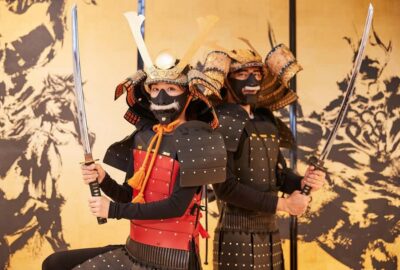 ★ 4.6Samurai Ninja Museum Guided tour and ExperienceFrom $271,010 reviews
 ★ 5.0Samurai Sword & Archery Class from Samurai DescendantFrom $193603 reviews
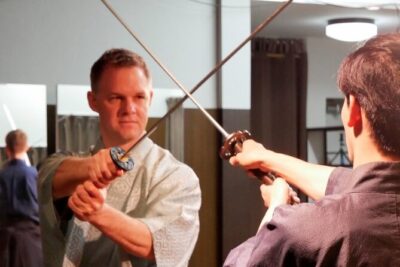 ★ 5.0Best Samurai Experience in TokyoFrom $65458 reviews
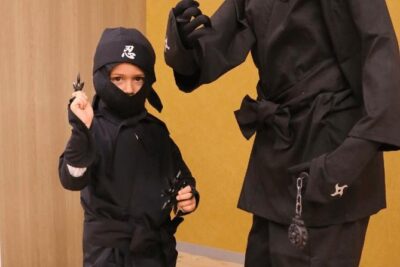 ★ 5.0Ninja Experience (Family Friendly) at Samurai Ninja Museum TOKYOFrom $47441 reviews
 ★ 4.6Samurai Entertainment Night Show in Kanda ShrineFrom $41417 reviews
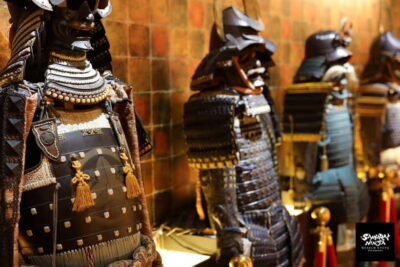 ★ 4.8Samurai Ninja Museum Asakusa: Samurai Sword Lesson & TourFrom $63306 reviews
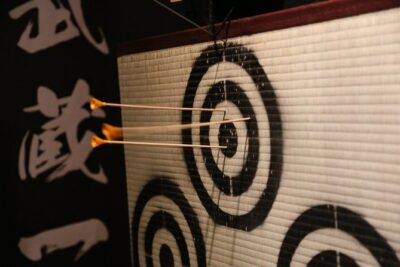 ★ 5.0Ninja Samurai 2-hour hands-on lesson by Japanese master in TokyoFrom $86194 reviews
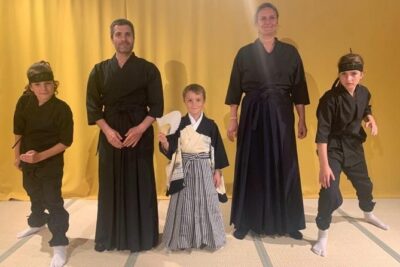 ★ 5.0Samurai Sword Experience (Family Friendly)at SAMURAI MUSEUM TOKYOFrom $65168 reviews
This tour also belongs to