
Review · MOUNT FUJI TOURS
Seasonal Mt. Fuji Scenic Views, Fruit Picking and Ropeway Ride!
Mount Fuji day trips can get repetitive fast, so I like this one for mixing ropeway views with hands-on fruit picking. You swap Tokyo streets for Lake Kawaguchiko and seasonal farm time, then refuel with included Yamanashi-style udon lunch. The one thing to plan around is the weather risk, because even on a good day you may have limited Fuji visibility, and some stops can get shortened if traffic runs long.
I also appreciate the structure: a set departure from Shinjuku, clear stop order, and a tour pace that aims to fit a lot into a single day. In the past, guides like Alex, Yuko, Betty, Edward, Peter, Tom, Dami, Chica, Hiro, and Midori have been praised for keeping the group moving and making the day more fun with practical info and upbeat energy. Still, if you are sensitive to rushing, bus audio, or late returns, you should know this is a full-day group format and timing can shift.
Key points to know before you go
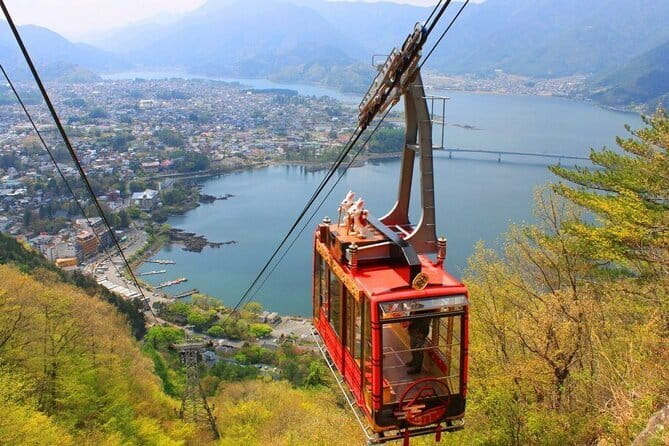
- Ropeway time at Lake Kawaguchiko: You get a bird’s-eye view session that is built for photos, not just transit.
- Seasonal fruit picking, not a fixed menu: Expect strawberries, cherries, grapes, or peaches depending on the season, plus a tastings-style setup.
- Included lunch that feels local: The meal is Yamanashi houtou pot set udon, not a generic boxed lunch.
- Mount Fuji 5th Station may change to a Plan B: Road access can be replaced with Fuji Visitors Center or Oshino Hakkai if conditions block the route.
- Cold mountain conditions are real: Even if Tokyo feels mild, bring layers and shoes that handle walking in cooler air.
- Group size is capped, but pace is shared: Max 45 people, with schedule adjustments possible if conditions change.
Shinjuku pickup, 10.5 hours on the clock, and what to pack
This tour is a true long day. You meet at 8:00 am at the Robert Indiana Sculpture, LOVE at Nishishinjuku, then you’re on the bus for roughly 10 hours and 30 minutes.
I like starting in one place. It saves you from coordinating trains and transfers when your time in Tokyo is limited. Just take the meeting point seriously, because late arrivals do not get waited on, and the guide has discretion to depart on time.
Pack for two realities: bus time and mountain time. You’ll want layers for the cable car or ropeway area, plus shoes that work for steady walking. One practical tip from the way people talk about this trip: even in shoulder seasons, the ride up and the waiting areas can feel cold fast.
Also, Wi-Fi is listed as part of the experience, and it can help with maps and saving photos. At the same time, some past groups have reported that Wi-Fi and bus audio coverage were not perfect from every seat, which is why I’d still plan to rely on your own phone camera and offline maps for confidence.
You can also read our reviews of more tours and experiences in Tokyo.



Lake Kawaguchiko from above with the Mt. Fuji Panoramic Ropeway
The heart of the scenic push is the Lake Kawaguchiko stop. Around 10:00 am, you ride the Mount Fuji Panoramic Ropeway for about an hour, aiming for views over Lake Kawaguchi and Mount Fuji.
This is the part that makes the day feel different from standard Tokyo tourism. From the ropeway, you’re looking down and out instead of craning your neck at street-level viewpoints. If the weather is even reasonably clear, this is where the photos tend to look extra dramatic.
The main thing to manage is waiting and comfort. In hotter weather, people have described lining up in the sun before boarding, so bring sun protection and a bottle of water if you’re traveling in summer. In cold weather, bring gloves or at least warm outerwear, since the mountains can feel sharp.
If clouds roll in, don’t panic. The ropeway and lake area still gives you scenery and a changing sense of place, even when Fuji is muted. Your best move is to treat this as a photo slot, not as a guaranteed Fuji moment.
Mount Fuji 5th Station plans, plus the Plan B that keeps the day alive
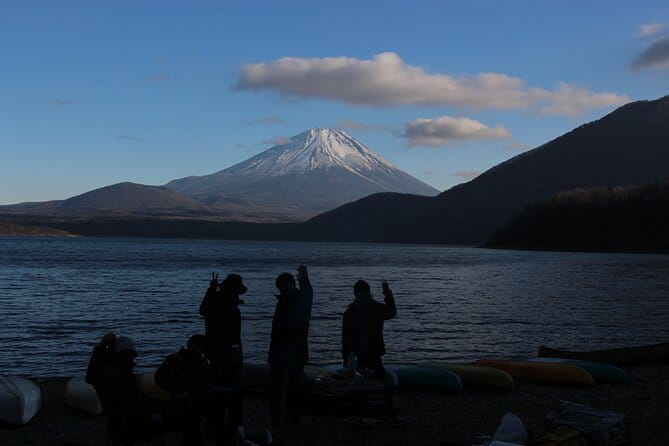
You’re aiming for the Mount Fuji 5th Station experience, but you should know the day is built with “conditions happen” in mind. If weather or road issues prevent access to the station area, the route may switch to Fuji Visitors Center or Oshino Hakkai instead.
That flexibility is a big deal for value. Without it, this kind of tour can turn into a lot of bus time with minimal payoff. With Plan B stops, you still get out into the Fuji region, see different viewpoints, and keep the day moving.
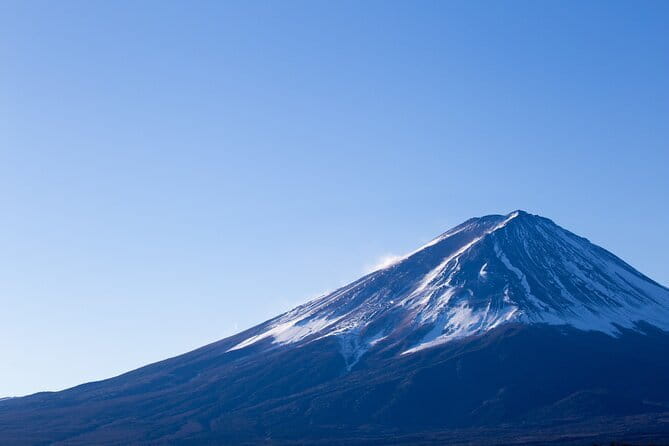
However, there is no promise that Fuji will be visible. In bad weather, Mount Fuji might not be seen, and the tour states there is a chance this happens, with no cancellation or refund because of that visibility issue. Translation: if you’re booking mainly for a crystal clear Fuji photo, accept that nature can change the script quickly.
If you want the best odds, I’d plan to keep your expectations flexible. Focus on what you can control, like arriving warm, moving quickly when you get viewpoint access, and having your camera settings ready so you don’t waste time fumbling in the cold.
Yamanashi fruit farm time: picking what’s in season, eating more than you expect
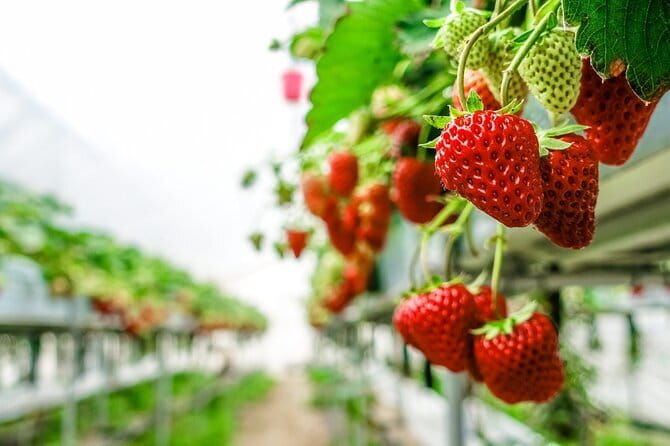
After lunch, you head to Yamanashi for a fruit farm session. This is not just a quick look. It’s a seasonal fruit picking experience with all-you-can-eat style access during the time you’re there, typically about 30 minutes.
What fruits you get depends on the season. The tour description gives a framework: strawberries tend to run from late December to early May. In other seasons, you might see cherries, peaches, or grapes, depending on what is ripe and available.
One detail I find useful is that picking can be affected by ripeness. There can be cases where fruits are picked in advance and shared as a plate for tasting or given as a souvenir. That doesn’t mean the experience is fake or “small.” It just means the farm is working efficiently, and the goal is safe, good-quality fruit rather than rushing you to the exact perfect berry.
This is also where guides often help most. In past experiences, people have praised guides for making the fruit time fun and informative, including help with what to pick and how to enjoy it. Guides like Alex have been specifically mentioned for grape picking where participants could sample multiple grape varieties, which is a great sign if you like food diversity.
If you have dietary restrictions, this is the one place you should think ahead. The tour does not list special meal accommodations in the provided info, so plan based on what you can normally handle.
Udon lunch in Yamanashi: the included houtou pot set meal

Lunch is included, and it’s the kind of inclusion that matters. This isn’t an extra expense or a scavenger hunt for food. You stop at a local restaurant and get Yamanashi Prefecture udon, specifically the houtou pot set.
Why houtou matters: it’s regional, filling, and built for an easy energy reset after sightseeing and before farm time. If you’ve ever tried to do Mount Fuji area trips on snacks, you’ll appreciate a real meal here.
There is some range in what people rate as lunch quality, but the most consistent takeaway is that it is filling and generally worth not having to budget and search for your own lunch. If you’re the type who needs hot food to keep your day comfortable, this stop helps.
One practical note: because this is a set lunch, you might want to confirm what you can eat if you have allergies. The tour info doesn’t list allergy options, so I’d treat this as a normal meal with standard ingredients and plan accordingly.



Oishi Park seasonal viewpoints at Lake Kawaguchi
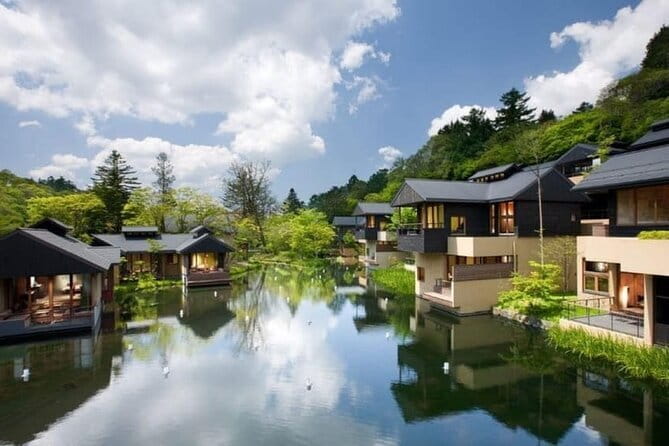
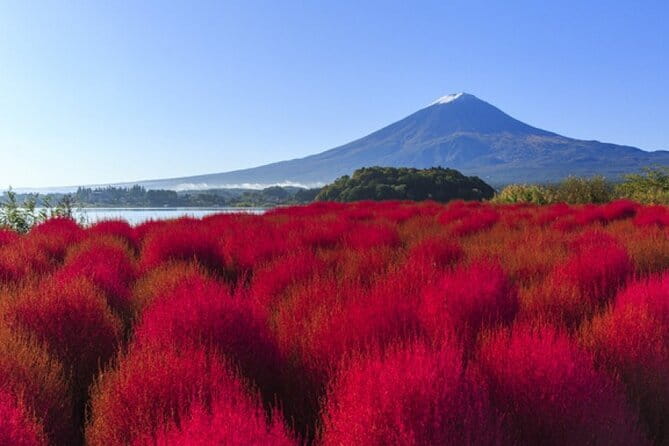
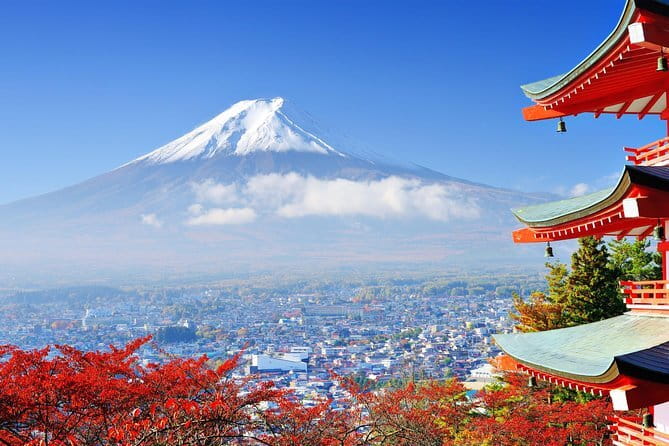
Next comes Oishi Park, about 1 hour 30 minutes. The viewpoint plan changes with the season, including cherry blossom and red leaf viewing periods, plus winter scenic stops depending on timing.
This stop is often the “wow, I get it now” moment for many people. You’ve already been above the lake via ropeway, then you come down into another perspective where the lake and Fuji views can align differently. It also gives you time to slow down, walk, and take photos without the intensity of the earlier climbing and boarding.
The drawback is seasonal mismatch. If the park is in a different stage than what you hoped for, the visuals can still be nice, but you may not see the exact flowers or leaf colors you had in mind. Since the season-specific description is built into the plan, this is less a surprise and more a reminder to book based on your general “Fuji and lake area” goal rather than one specific visual.
Also, it can be cold and windy near the water, so warm layers pay off. People have talked about the cold during Fuji region days, even when Tokyo feels fine, so don’t pack too lightly.
The guides, the group pace, and how to avoid a frustrating day
An organized guide can make or break a day like this. This tour uses an English-speaking guide, and people have praised multiple hosts for being friendly, fun, and helpful, including Alex, Yuko, Betty, Edward, Peter, Tom, Dami, Chica, Hiro, and Midori.
That said, pacing is shared responsibility. Some past groups have felt certain guides rushed the schedule or focused more on shopping than scenic time. Others described late timing caused by time management, and in a few cases, participants felt information delivery was limited or hard to hear.
So what should you do? A simple strategy: be ready to move when you are told to move. When you miss a checkpoint or linger at the wrong time, the day can shrink at later stops.
Also, decide your priority before you board. If your top goal is Mount Fuji views and photos, you’ll want to keep your attention on meeting times and viewpoint cues. If your priority is food and fruit picking, you can relax more during those blocks and just make sure you’re ready when the farm staff call the group back.
Value math: why this tour can be worth it at $92.24
At about $92.24 per person, you’re paying for a bundled day with several key items included: the ropeway admission, lunch (houtou pot set udon), seasonal fruit picking, an English-speaking guide, and Wi-Fi service. You’re also getting transport out of Tokyo with a planned route rather than piecing together your own bus and train connections.
For first-timers, that bundling is the real value. You don’t need to solve the logistics of getting to Lake Kawaguchiko, managing timing between viewpoints, and finding a fruit farm that matches your season.
What’s not included is also clear: personal expenses and anything not mentioned. That typically means souvenirs, extra snacks, and any upgrades you might want on top of what’s scheduled.
A separate value consideration is comfort. This is a bus day, so you trade flexibility for convenience. If you prefer independence, the bus format means you follow the group pace. If you’re okay with that, the included stops can feel like a good deal. If you strongly dislike crowds or long road time, the value might drop because you’ll feel the time weight more than the included extras.
Who this tour suits best
This experience is a strong fit if you want a one-day Mount Fuji region sampler with activities that are actually part of the day, not just “look from here and leave.” It’s also great if you enjoy fruit and want seasonal produce that changes through the year.
I’d especially recommend it for:
- First-time visitors who want Lake Kawaguchiko views without train planning
- People who like structured days, where lunch and admission are already handled
- Food lovers who want actual farm time, not a quick photo stop
I’d be more cautious if you:
- Must see a clear Mount Fuji view and get upset when clouds win
- Hate long bus days or late returns
- Need quiet, slow sightseeing without schedule pressure
Should you book this seasonal Mount Fuji day trip?
Book it if you like the idea of a full, structured day that blends ropeway views, fruit picking, and a real regional lunch, with enough flexibility to keep moving even when conditions are imperfect. It’s a practical way to get out of Tokyo and still come back with a packed set of memories, even if the weather changes your Fuji visibility.
Skip it or reconsider if clear Mount Fuji photos are your non-negotiable goal. This tour openly builds in the reality that you may not see Fuji, and the timing can shift with weather or traffic.
If you do book, I’d show up prepared for cold air, possible waiting, and a schedule that runs on group momentum. Bring warm layers, plan to be on time, and treat this as a day in the Fuji region where you enjoy the process, not only the final photo.
Safe travels, and I hope you get at least one clean-sky viewpoint moment during your day.
More Tour Reviews in Tokyo
Not for you? Here's more nearby things to do in Tokyo we have reviewed












Mount Fuji Tours, side by side.
 ★ 5.0Mt Fuji and Hakone 1-Day Bus Tour Return by Bullet TrainFrom $16326,383 reviews
 ★ 4.0Mt Fuji & Hakone Cruise, Drum Show Bullet Train 1 Day from TokyoFrom $1497,413 reviews
 ★ 4.4Tokyo Mt Fuji 5th St & Hakone Cruise Bus Tour w/Bullet TrainFrom $1545,024 reviews
 ★ 4.5From Tokyo: Mount Fuji Full-Day Sightseeing TripFrom $684,970 reviews
 ★ 4.7Mt. Fuji Tour, Hakone Ropeway, Owakudani, Lake AshiFrom $544,002 reviews
 ★ 4.2Mt. Fuji 5th Station & Hakone Cruise 1-Day Bus TourFrom $1292,381 reviews
 ★ 4.7Mt Fuji Top 5 Spots Day Tour: Arakurayama Park,Oshino HakkaiFrom $532,066 reviews
 ★ 5.0Private Tour to Mt. Fuji and Hakone (Fully Licenced Operator)From $4971,910 reviews