
Review · SHIBUYA TOURS
Shibuya by night in Small Groups: Neon Lights and Local Flavors
Shibuya feels different after dark. This small-group night walk pairs landmark stories with practical food tastings, so you get the neon streets and what to eat without guessing. I especially love the 10-person pace and the bite-size stops that keep you moving, but the schedule is tight, so you will not have long free time in every shop.
Guides make or break a food-and-photo walk, and I noticed repeat praise for guides like Lily, Giorgio, Camila, and Jorge. The tour includes a bilingual guide in Spanish and English, and in one case Jorge was highlighted for also speaking Portuguese.
Key things to know before you go
- Hachiko Square first, so the tour starts with a story that helps you read Shibuya beyond the crowds
- Miyashita Park (elevated), a modern space where shopping and open air sit on top of the city
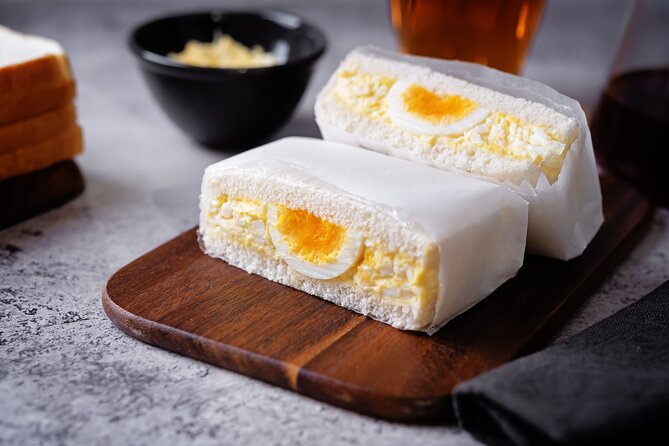
- Konbini tastings near Shibuya Crossing, so you can try items like onigiri and egg sandwiches on-site
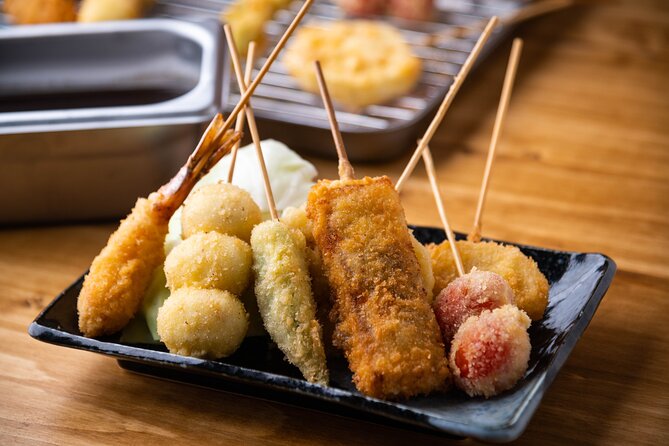
- Center-gai time with photo stops, including Korean corndog and takoyaki choices
- Don Quijote and Antenna 21 stops, useful if you want snacks and gifts without wandering aimlessly
- Hands Shibuya as the finish line, a natural place to shop after you have worked up an appetite
Why 6:00 pm Shibuya works so well
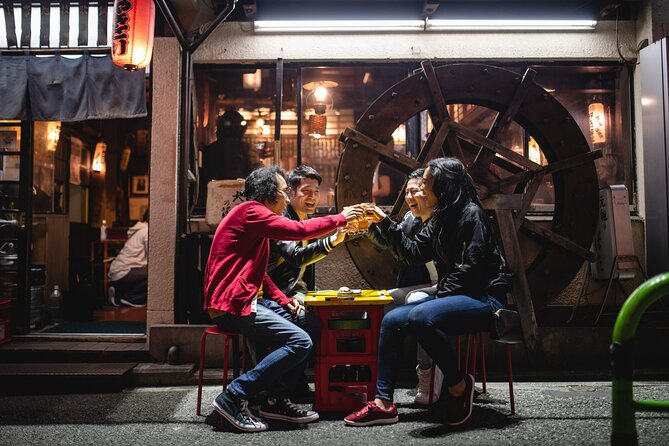
A night Shibuya walk is not just about lights. It is about rhythm. After dinner hours, people tend to flow from stations to streets and back, and you get that constant motion that makes landmarks feel alive instead of just photographed.
This tour starts at 6:00 pm at the Hachiko statue area (Dogenzaka). That timing is smart because you hit Shibuya while the city is switching from office day to evening energy. Also, you are in a group of up to 10 people, which is a sweet spot. Big groups get stuck. Solo wandering gets confusing. Here, you keep moving, but you are not swallowed.
You will be walking and you will be eating. A good way to enjoy it is to plan for a light meal earlier and keep your expectations realistic: you are sampling, not having a full dinner.
You can also read our reviews of more evening experiences in Tokyo

Hachiko Square: the quick story that gives Shibuya meaning
The tour begins right next to the famous Hachiko statue at Hachiko Square. You get a short intro to the legend of Hachiko, the Akita who waited for his owner for nearly a decade. It is one of those stories that seems simple until you realize it is basically a shorthand for loyalty, routine, and waiting in a city where trains never stop.
Practical win: this first stop helps you orient fast. Shibuya can feel like a maze. Starting here grounds you in a landmark you can always find again later, even after you get distracted by shop signs.
Time-wise, it is about 10 minutes. That is enough to set the tone without eating your evening. The only consideration is emotional pace. If you are not into sentimental stories, this part might feel slower than the rest, but it does not last long.
Miyashita Park: the elevated reset from street-level chaos
Next up is Miyashita Park, an elevated space that blends nature, shopping, and entertainment. The guide will explain its renovation and what it means in Tokyo’s urban life. Even if you already know the district, this stop changes how you experience it. You look down at the flow instead of being inside it.
I like places like this for night tours because they give you a mental breather. If your feet are already warm from Shibuya Crossing earlier in the day, Miyashita helps you slow down without stopping the tour. You also get the chance to spot how Tokyo mixes open air with retail and crowds.
Expect around 40 minutes here. That is generous compared to typical photo-only park visits. The drawback is simple: if you came only for food and iconic street scenes, the park segment may feel like a pause. But it helps you understand why Shibuya is more than a single intersection.
Shibuya Crossing and konbini tastings: eat like a local, not like a tourist
Back near the action, you return to Shibuya Crossing, the place most people recognize instantly. Crossing is great for photos, sure, but the real value here is what comes next: a visit to a konbini for tastings.
This is where the tour earns its $79 price tag. Instead of telling you to look for local snacks, you try specific items right where Japanese people actually buy them. You might sample things like egg sandwiches, fried chicken with bread, and classic onigiris.
The practical advantage is confidence. After this, you will know what to look for later on your own. You also avoid the common mistake of buying random snacks with no clue what they are.
Time is about 15 minutes for this segment. That means fast choices. If you have strong preferences, think ahead. Konbini lines and selection move quickly, especially around Shibuya.
Center-gai: photos, Korean corndog or takoyaki, and that 10-yen moment
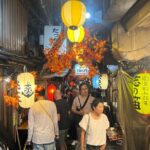
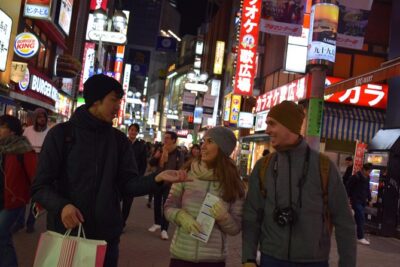
One of the most fun parts of Shibuya at night is Shibuya Center-gai. This street is packed with neon signs, quick storefront sights, and people taking pictures. Here, the tour gives you time to actually enjoy it, not just point at it.
You will spend about 55 minutes in this area, including tastings such as a Korean corndog or takoyaki (you will follow the guide’s choice/tasting flow). There are also photo moments in one of the district’s most photographed streets.
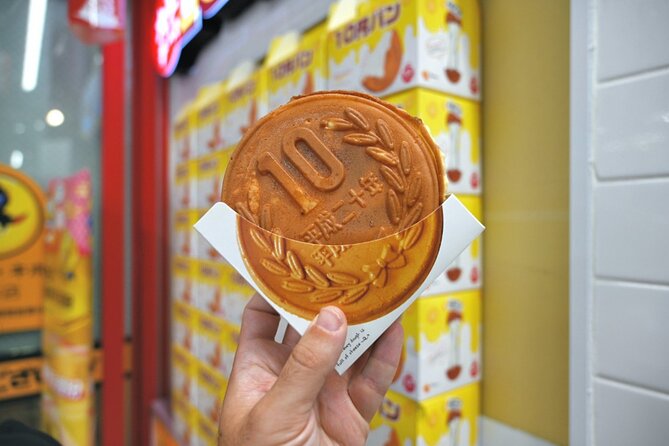
A quirky but useful detail: the tour includes a quick stop to purchase a 10-yen coin from a nearby vendor. You might not think about small coins when you plan a trip, but this is exactly the kind of “local logistics” detail that prevents problems later.
Possible drawback: Center-gai is busy. If you are sensitive to crowds, build in patience for standing, moving slowly, and waiting for the group to regroup for photos and food.


MEGA Don Quijote: discount shopping as entertainment, not a chore
After street time, you head to MEGA Don Quijote Shibuya. This store is famous for value and variety, and the guide will give you a quick explanation of how to make the most of it.
What you can reasonably expect here is browsing with purpose: quirky products, Japanese snacks, and souvenirs. It is a store that can eat time fast, so the guide’s job matters. Without guidance, you can drift for an hour and still buy nothing. With a plan, the same 10 minutes can turn into useful gifts and snack stock for later.
This stop is about 10 minutes. That short duration is a good match for a night tour, but it also means you should not expect deep shopping. If you want lots of souvenir time, treat this as a peek, then plan your own return another night.
Antenna 21 Bldg.: the onigiri stop that makes the tour feel complete
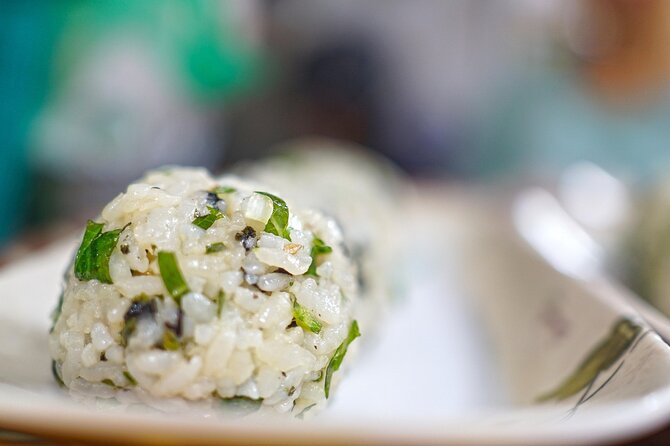
Next is a short stop at Antenna 21 Bldg., where you can try an onigiri stand. Onigiri is one of the most practical foods in Japan, because it is portable, simple, and usually easy to eat on the move.
This stop is around 15 minutes, which is perfect for sampling without turning the evening into a snack marathon. It also adds variety after the konbini bite: konbini onigiri are great, but a stand dedicated to onigiri often feels more focused and specific.
The main consideration is what you do after the tasting. If you already know you love onigiri, you may find yourself wanting more. That is a nice problem to have, but it can nudge your spending, since the tour does not include extra meals and personal purchases.
Hands Shibuya (Tokyu Hands): the best place to end, shop, and decompress
The tour finishes at Hands Shibuya, formerly known as Tokyu Hands, in the Udagawacho area. This is not just a random department store stop. It is a perfect end point for two reasons.
First, you have been walking for a while. Ending in a store gives you a warm, indoor reset. Second, it is exactly the kind of store that helps your shopping decisions. You can look at stationery, home goods, and Japanese curiosities, then decide what you actually want to carry home.
You will spend about 30 minutes here. That is long enough to browse but short enough that the tour still feels like an evening plan, not a shopping day.
If you are the type who likes to buy practical souvenirs, this is a strong finish. If you are the type who hates shopping, you can still use the time to plan your next stop nearby and regroup before heading back.
Price and value: what $79 really buys you
At $79 for about 3 hours, this is positioned as a guided night food and sights walk, not a full-on attraction ticket tour. The value comes from three things the tour clearly includes:
- A bilingual guide in Spanish and English
- Small group size of 10
- Tastings of the foods mentioned across multiple stops, including konbini items and onigiri
In Tokyo, the cost of convenience adds up. You are paying for someone to connect the dots: where to stand for the crossing, where to eat a specific kind of Japanese snack, and where to shop without wasting your time. That matters most on your first or second evening in Shibuya.
Where people need to calibrate expectations is lingering time. The tour includes several shopping and food stops, but it does not promise long browsing at any single place. If you want a slow, deep shopping session, you might feel rushed at times.
The guide factor: why Lily, Giorgio, Camila, and Jorge matter
A recurring theme in the tour’s reputation is the guides themselves. Guides like Lily were praised for being friendly, energetic, and attentive to what people wanted. Giorgio and Camila were also mentioned for making the walk feel both informative and fun.
This matters because Shibuya is loud, fast, and easy to misunderstand. A good guide helps you do three things quickly:
1) Understand what you are seeing
2) Decide what to eat without overthinking
3) Navigate the area as a group without losing momentum
If you specifically want a guide who explains details and adapts to your questions, this tour’s small group size increases your chances of getting that attention.
Who should book this Shibuya night tour
I think this works best if you match a few simple ideas:
- You want street-level Tokyo at night with food tastings built in
- You like short landmark explanations, then moving on to eat and shop
- You prefer a small group over a large, chaotic pack
- You want help choosing local snacks like onigiri and konbini items
It may be a weaker fit if you want a long, free-form shopping spree or you hate crowds. Center-gai and Shibuya Crossing can be packed. Also, if you are expecting a perfectly paced schedule with tons of shop time, know that this is designed as a balanced walk, not a shopping marathon.
Should you book the Shibuya by night small-group food tour?
Yes, if you want a straightforward way to enjoy Shibuya after dark without planning every snack stop. The combination of landmark storytelling, multiple food tastings, and a guide-led route through the most photo-friendly streets makes the experience feel efficient and easy to pull off.
I would book it if you are on a trip where Shibuya is a must, but you only have a couple of hours to spare. The $79 price makes sense because you are paying for guide time plus tastings, not just walking around.
If you are very price-sensitive and would rather spend that money on your own meal, or if you want long shopping time, you might prefer a self-guided plan. But if you want to get the essentials right, this tour is a solid bet.
FAQ
What time does the Shibuya night tour start?
The tour starts at 6:00 pm.
Where does the tour meet?
You meet at the Hachiko Statue area, 2 Chome-1 Dogenzaka, Shibuya, Tokyo 150-0043, Japan.
How long is the tour?
It is about 3 hours.
What is the group size?
The tour has a maximum of 10 travelers.
What languages does the guide speak?
The tour includes a bilingual guide in Spanish and English.
What food is included in the tastings?
Tastings are included for items mentioned in the tour stops, including konbini options like egg sandwiches, fried chicken with bread, and classic onigiris, plus Korean corndog or takoyaki, and onigiri at the Antenna 21 Bldg. stop.
Is there a mobile ticket?
Yes, the tour uses a mobile ticket.
Are entrance fees included?
Entrance fees to specific attractions are not included. The listed stops are marked as free admissions, but personal purchases and any extra expenses are on you.
Where does the tour end?
The tour ends at Hands Shibuya (Tokyu Hands), 12-18 Udagawacho, Shibuya, Tokyo 150-0042, Japan.
What is the cancellation policy?
Free cancellation is available up to 24 hours in advance for a full refund. If you cancel less than 24 hours before the start time, the amount paid is not refunded.
More Evening Experiences in Tokyo
More Tour Reviews in Tokyo
Not for you? Here's more nearby things to do in Tokyo we have reviewed




Shibuya Tours, side by side.
 ★ 5.0Official Street Go-Kart in ShibuyaFrom $763,435 reviews
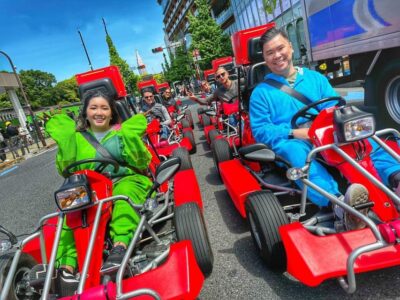 ★ 4.9Street Kart Experience in ShibuyaFrom $741,484 reviews
 ★ 5.0Shibuya Meltdown Nightlife Tour: All-You-Can-Drink Bar HoppingFrom $1061,058 reviews
 ★ 5.0Shibuya Official Street Go-Kart in Shibuya AnnexFrom $69972 reviews
 ★ 5.0Shibuya Food Tour (13 dishes and 4 Eateries)From $77770 reviews
 ★ 5.0Best of Shibuya Food TourFrom $217612 reviews
 ★ 4.8Shibuya Highlights Walking TourFrom $19601 reviews
 ★ 4.7Premium Go-Kart Tour with Tower & Shibuya CrossingFrom $116528 reviews
This tour also belongs to