
Review · SHIBUYA TOURS
Shibuya & Harajuku: Hidden Gems & Highlights Private Tour
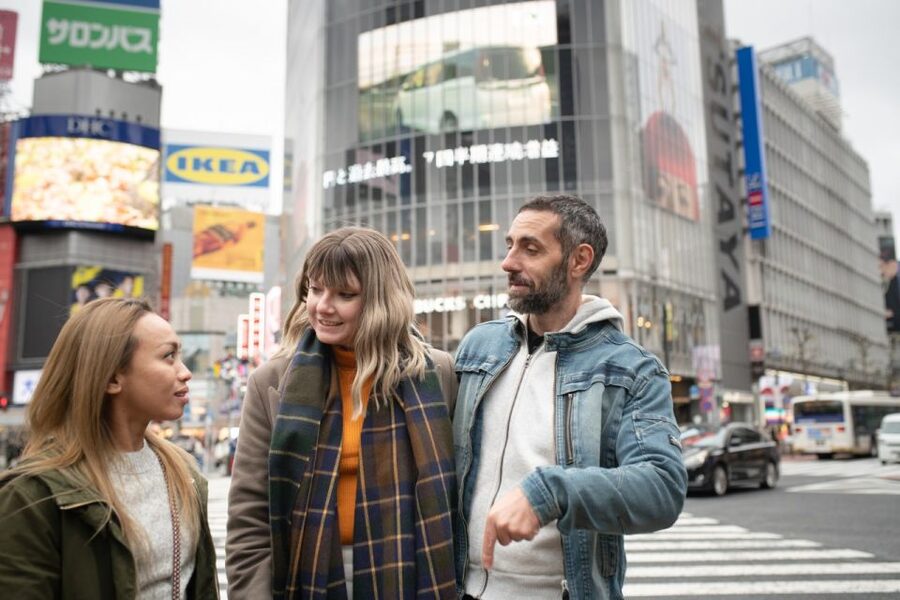
Tokyo’s loudest corners feel manageable with a guide. This private Shibuya and Harajuku walking tour is designed around you, thanks to a pre-tour questionnaire that shapes the route with a like-minded host. You start with a simple intake, then the day gets adjusted on the fly, so you spend more time where you actually care.
I especially like the mix of Tokyo highlights plus off-main-street wandering. You begin at famous Shibuya spots, then the host guides you through backstreets where locals actually hang out, including lesser-known cafés and different styles of shopping. You also get food built into the experience, not just sightseeing.
A possible drawback: it’s a walking tour, and you may also use public transport or taxis between areas, with those transfer costs discussed after booking. If you have limited walking stamina, you’ll want to plan your pace with your host before you set out.
Key things I’d zero in on
- Questionnaire-first planning so your interests set the tone, not a fixed checklist.
- Flexible 2 to 6 hours, with start times you can choose, so you can fit it into your Tokyo schedule.
- One drink plus food tasting, with options like taiyaki, Harajuku crepes, and ramen.
- Crowd-smart routing, including side streets and quieter lanes alongside the famous intersections.
- A host who adapts for shopping, street fashion, anime culture, shrine stops, or photo moments.
- Private-group attention, which is a big deal in Shibuya and Harajuku.
Shibuya Scramble to Harajuku Streets: What This Tour Covers
This is a private walking tour focused on two of Tokyo’s biggest personality hubs: Shibuya and Harajuku. You’ll start in the Shibuya area and move through the neighborhoods in a way that balances iconic sights with calmer side streets. Expect lots of “walk, look, snack, repeat,” with your host steering based on what you want most.
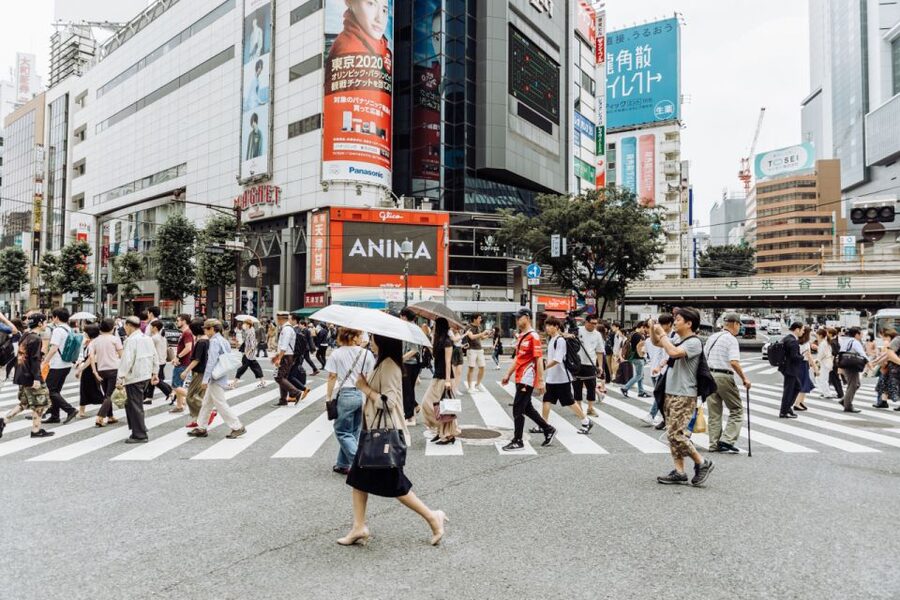
In Shibuya, you’re likely to hit the headliners: Shibuya Scramble Crossing and the area around Hachiko often comes up in this neighborhood. From there, the value is in what happens next. Instead of marching through the same photo points, the route typically threads through quieter alleyways and places that feel more local, including long-running family-style spots and streets where you can actually see how people live their day.
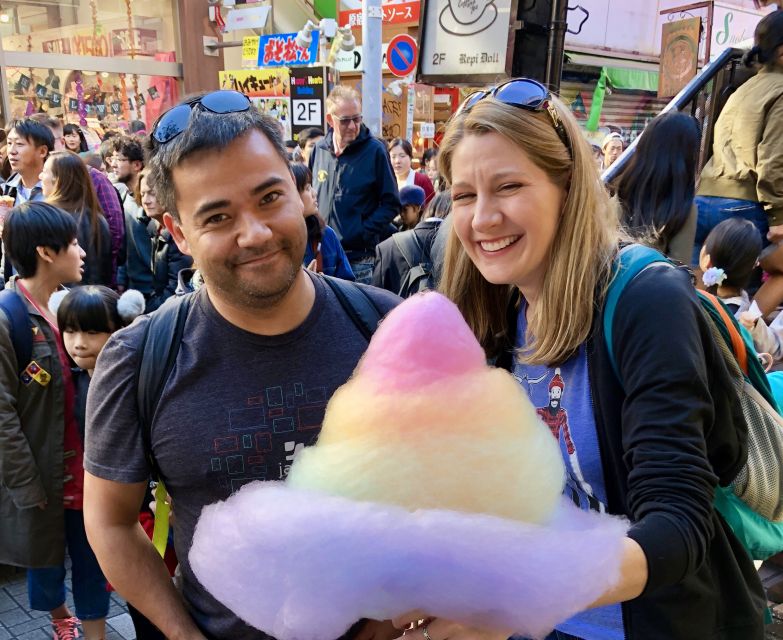
Then you shift into Harajuku culture, where the streets can swing from candy-color chaos to vintage browsing and themed cafés. Your host can aim you toward street fashion, anime-adjacent storefronts, thrift shopping, gaming arcades, or just the fun street-level textures of Takeshita Street and nearby side blocks. The goal is simple: you leave with a better sense of how Tokyo youth culture and modern street life operate, not just a handful of pictures.
You can also read our reviews of more private tours in Tokyo
How the Pre-Tour Questionnaire Makes It Feel Personal
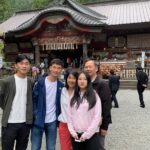
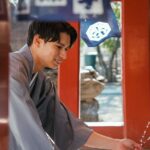
The pre-tour questionnaire is doing real work here. After you book, you answer questions about your interests and even your personality, then the experience provider matches you with a host who fits your vibe. That’s how you end up with a day that can lean hard into street fashion and photo stops, or shift toward a more cultural pace with shrine time, depending on what you’re after.
The best part is the responsiveness. A number of guides described in the feedback, like Shoko, Seichi, Veronica, Alberto, and Hiroko, sound like they all run the same playbook: ask first, then adjust constantly. In practice, that means if you already saw one busy landmark the day before, your host can swap it out for another angle on the neighborhood.
It also affects the detail level. If you care about street food, your host guides you to specific places where you’re not just eating, you’re learning what makes the item local. If you care about shopping, you’re not just walking past stores, you’re pointed toward the kinds of shops you’d otherwise miss. If you care about photos, you’re guided on where to stand and how to move through crowds.
Meeting at SHIBU HACHI BOX, Then Working Smarter Than the Crowd
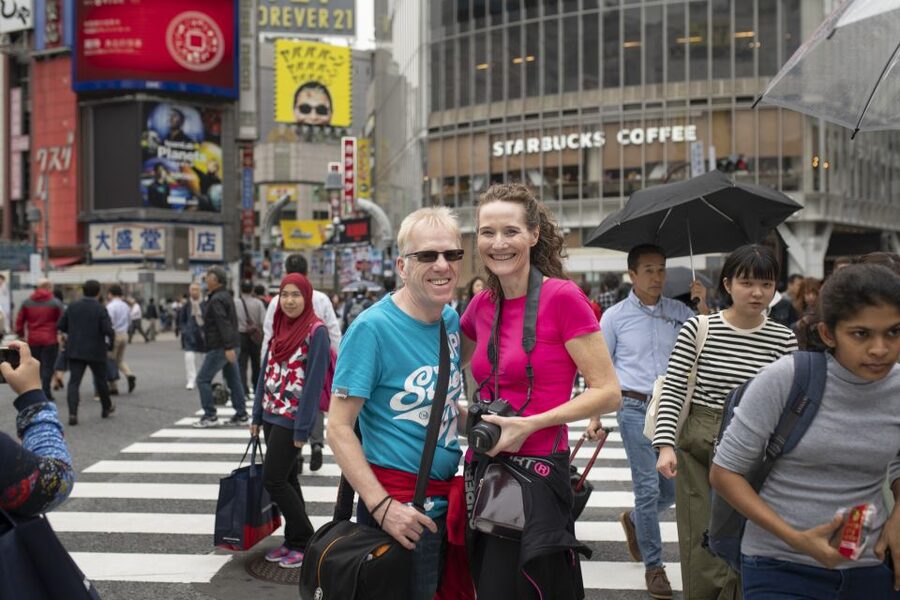
You can meet in a central Shibuya location at SHIBU HACHI BOX (2 Chome-1-1 Dogenzaka, Shibuya City, Tokyo 150-0043). If you’re staying in a central hotel, hotel pickup can be arranged.
Why this meeting detail matters: Shibuya and Harajuku are easiest when you start in the right spot. Dogenzaka area is convenient for connecting into the pedestrian flows and backstreet lanes, so you don’t burn your first hour just figuring out where to go. Once you start, your host can route you through high-traffic areas without you getting stuck in the worst bottlenecks.
You should also know this is a private group, which changes everything in Tokyo’s busiest districts. You’re not trying to keep up with a dozen people moving at one speed. You can stop when you want, ask questions, and get help ordering or navigating around busy zones. That matters in places like Takeshita Street, where the crowd density can be intense and direction gets confusing fast.
Shibuya Highlights: Scramble Crossing, Hachiko Energy, and Rooftop Views
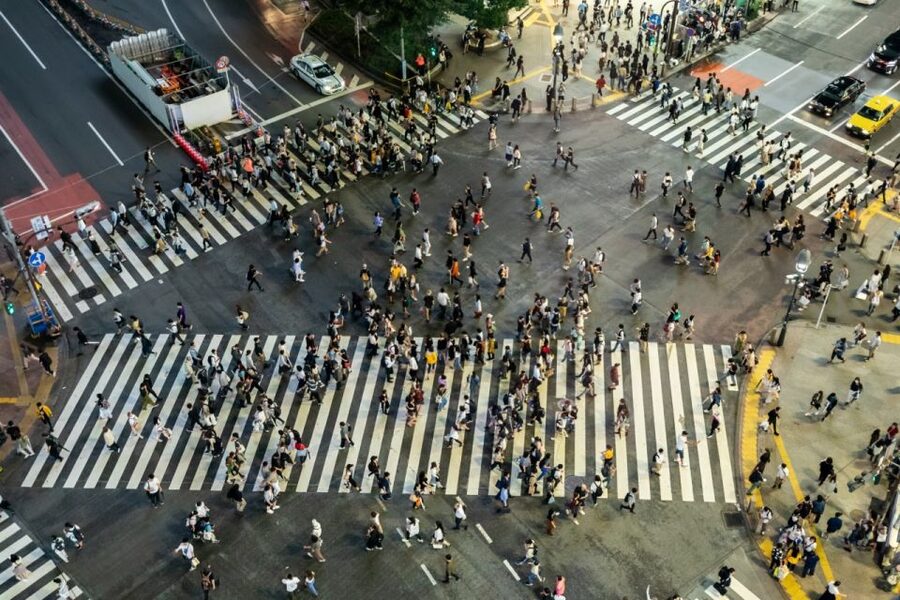
Shibuya is where Tokyo feels loud and immediate. Starting at Shibuya Scramble Crossing gives you that instant sense of scale, motion, and modern-city rhythm. But the real win is how the tour moves right after the famous moment.
Your host typically guides you through side streets where you can see a different Tokyo layer: local hangout alleys, older dining and drinking areas, and quieter pockets that sit next to the neon and storefront noise. Some guides have also shared that they can handle transitions into areas that are more adult-oriented, meaning you might see parts of the nightlife side of the neighborhood that are usually less visible to casual tourists.
One of the most memorable parts of the experience is the chance for panoramic city views from a secret rooftop. It’s not about another cookie-cutter view spot. It’s a chance to get orientation and perspective after you’ve been walking through streets at eye level. That rooftop break also helps you reset your energy before you shift into Harajuku.
Backstreets, Family Cafés, and the Included Food Stops
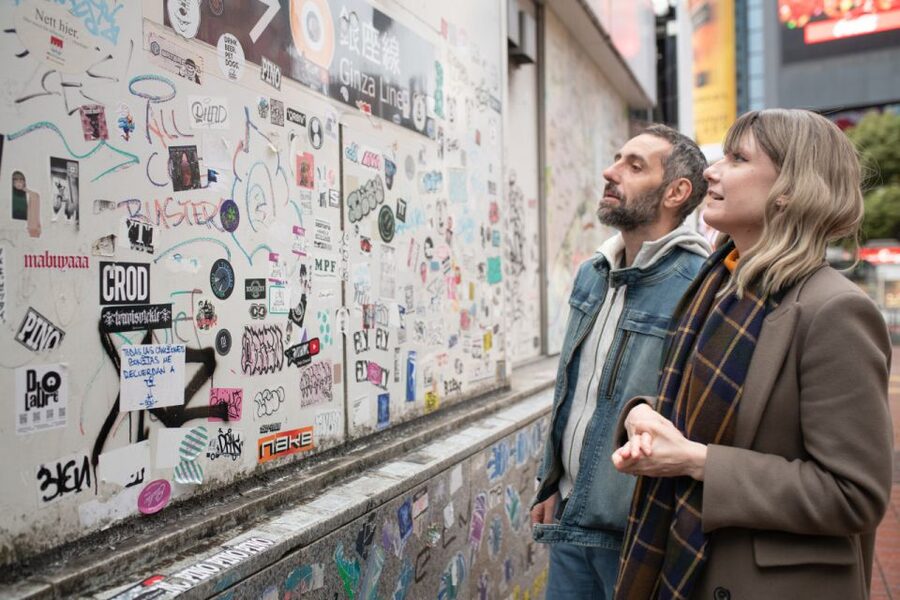
This tour builds in food in a practical way: you get one drink in a café or izakaya, plus a food tasting along the way. The exact items vary by what your host thinks fits your day, but the tour concept points to classics like freshly made taiyaki and Harajuku crepes.
What I like about this setup is that it reduces decision fatigue. You’re not spending your precious limited hours hunting for a reliable snack spot while everyone else swarms the same places. Instead, your host brings you to hand-picked stops, then helps you order, understand what you’re eating, and keep the pace comfortable.
You might also encounter ramen options. Even if you’re not a huge “food tour” person, this is useful because it anchors the walk. The neighborhood makes more sense once you’ve tasted something that’s tied to it. Some guides have even helped guests find special options like a vegan ramen spot or restaurants with vegan menus when that’s part of the conversation.
A small but important point: the tour does not include unlimited meals or tickets beyond the tastings and drink. If you’re a big eater, plan on using the tour as your guided kickoff, then keep going after.






Harajuku Fashion Without the Headache: Takeshita, Arcades, and Themed Cafés
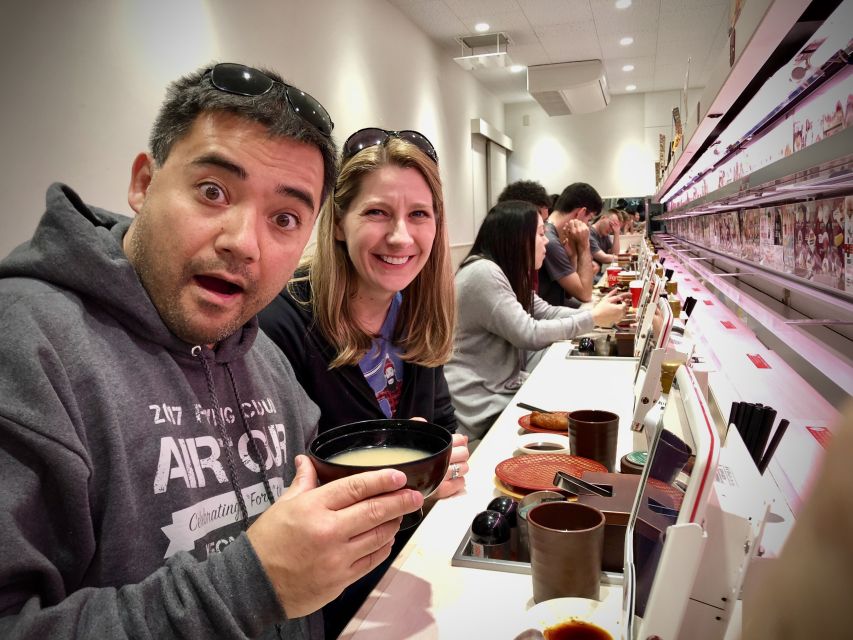
Harajuku is where Tokyo’s youth culture gets loud, cute, and creative. Your host can shape your route through the area so you don’t just get swallowed by the loudest street at the loudest time. Stops often include Takeshita Street, but you’re also likely to branch out into calmer side lanes so you can actually see more than the most crowded storefronts.
Some itineraries also include fun detours like Cat Town. Others focus more on vintage thrift stores, neon-lit gaming arcades, and themed cafés that make the district feel like a living mood board. If you’re into anime culture, your host can point out the storefront styles and patterns that signal what you’re walking past, even if you’re not actively “shopping” for characters.
If your goal is shopping and fashion, you’ll appreciate the private nature. One guide shared a story of bringing guests to shops aligned with fashion interests and shopping preferences. That kind of matching is hard to do when you’re wandering alone and tired.
And if you care about photos, you’ll benefit from a host who knows where people naturally pile up. You can get the shots without spending half your time stuck behind someone holding a phone at face level.
When You Want Tradition: Optional Shrine Time and Goshuin Ideas
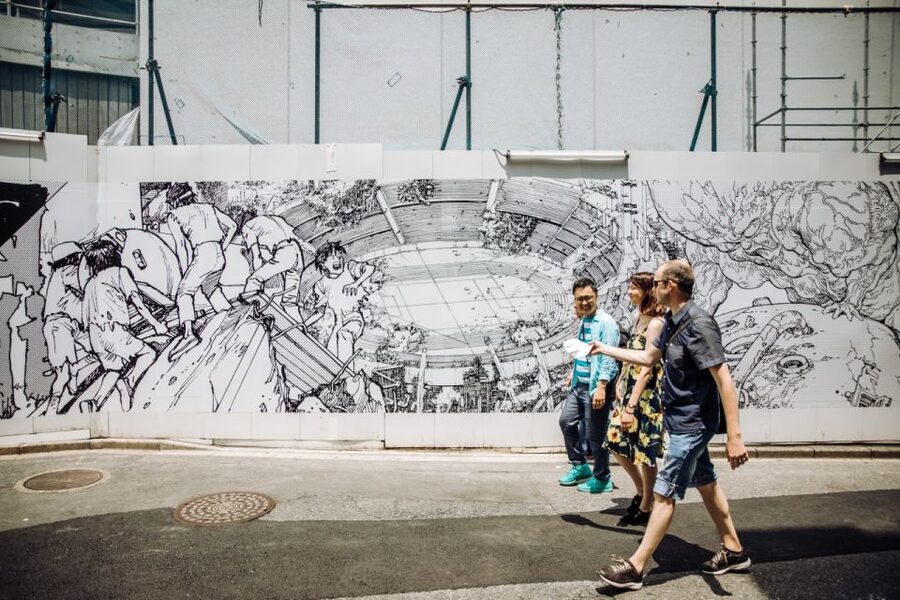
Even though this tour is built around Shibuya and Harajuku, the flexibility can pull you toward more traditional Tokyo. A clear example from the experience details is Meiji Jingu shrine as a potential addition when your interests point that way.
If shrine culture is on your radar, ask your host about goshuin. One guide, Veronica, suggested getting a goshuincho book for collecting stamps with calligraphy and unique shrine-temple markings. That tip is practical, especially if you plan to visit other temples later, like you might do on a trip through Kyoto.
This optional angle is valuable because it gives you contrast. After the street fashion overload, a calm shrine stop can reset your brain. It also makes the day feel more like “Tokyo as a whole,” not just two neighborhoods.
Price and Getting Around on Foot (and When Transfers Might Happen)
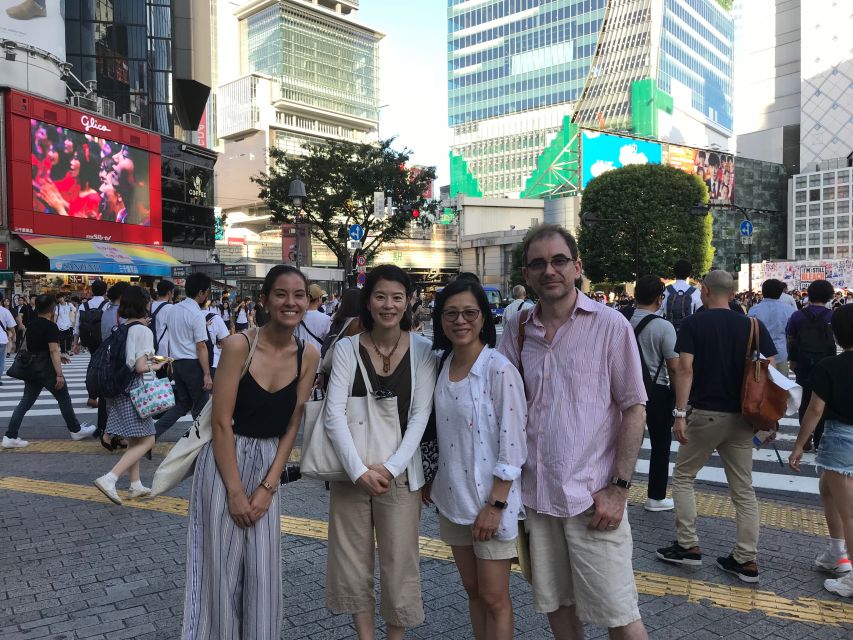
At $64 per person, the value depends on what you’d do without a guide. If you’re the kind of traveler who wants to wander freely, you can often save money by exploring on your own. But if you want to move through two of Tokyo’s busiest zones with less confusion, faster decision-making, and smarter food stops, a private guide can be money well spent.
What you get for the price is concrete: a private and personalized walking experience, direct communication with your host, and the included drink plus food tasting. The tour’s big advantage is that your host handles the hard part, figuring out which streets are worth it and how to pace the day.
Logistics are also worth planning around. This is not a vehicle tour. You’ll be walking most of the time, and you may use public transport or a local taxi to transfer between areas. The exact transfer costs are discussed with your host after your reservation is finalized. If you’re sensitive to extra spending, ask your host early what kind of movement you should expect based on your chosen duration.
Duration-wise, you can select 2 to 6 hours. Two hours works well if you want a highlight sweep and a snack stop without exhaustion. Longer options give your host room to add more street culture, more shopping time, or even a shrine detour.
Who This Tour Fits Best (and Who Might Prefer Something Else)
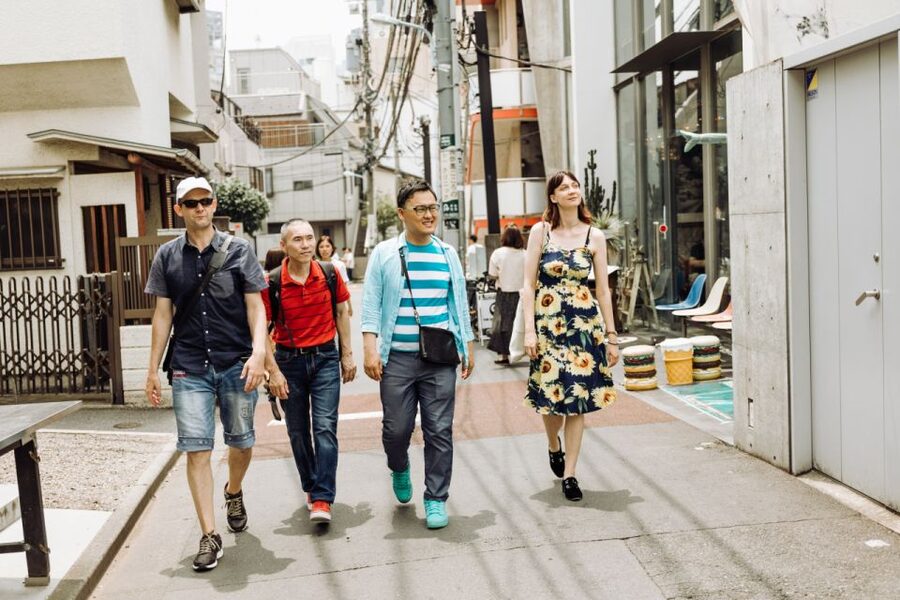
This tour fits best if you want a guided day in Tokyo that still feels like yours. It’s ideal for first-timers who want to get oriented quickly in Shibuya and Harajuku, and also for return visitors who already saw the obvious stuff and want something more specific.
It’s also a solid choice if you care about one clear theme. Street fashion people can focus on thrift stores, themed cafés, and Harajuku street scenes. Food-focused guests can lean into taiyaki, crepes, and ramen tastings. If you want culture and calm, the shrine angle can appear depending on your preferences.
You might think twice if you’re dealing with very limited mobility, because even with wheelchair accessibility noted, it is still a walking-focused route. In that case, communicate your limits up front so your host can adjust stops and pacing.
Should you book this tour if you love flexibility? Yes. The entire design is built around adapting to your interests, not forcing you through one rigid script.
Should You Book This Shibuya and Harajuku Private Tour?
I’d book it if you want Tokyo’s loudest neighborhoods to feel understandable and fun without the stress of guessing. The questionnaire-driven planning, the crowd-smart routing, and the included drink plus food tasting all point to good value for a short time in the city.
I’d skip or consider alternatives if your main goal is purely to roam at your own pace with no structure at all, or if walking for several hours is a challenge. Also, if you expect the day to include major paid attractions, note that the tour includes food tasting and a drink, but not additional attraction tickets.
If you want a day that mixes Shibuya energy with Harajuku street style, while keeping the route flexible and aligned with your tastes, this is a strong match.
FAQ
How long is the Shibuya and Harajuku private walking tour?
The tour duration can be selected between 2 to 6 hours, depending on availability and the start time you choose.
Where is the meeting point if I don’t arrange hotel pickup?
If you don’t use hotel pickup, your host will meet you at SHIBU HACHI BOX in Shibuya (2 Chome-1-1 Dogenzaka, Shibuya City, Tokyo 150-0043).
Is this tour mostly walking?
Yes. It is a private walking experience, and a private vehicle is not included. Public transport or taxis may be used to transfer between sites.
What food and drinks are included?
The tour includes one drink in a café or izakaya and a food tasting along the way. Options mentioned include taiyaki, Harajuku crepes, and ramen.
How does the tour get tailored to my interests?
After booking, you receive a pre-tour questionnaire. Your host uses it to design an itinerary that matches your interests and keeps the plan flexible during the walk.
What languages will the guide speak?
The live tour guide offers English and Japanese.
Is this a private tour and is it wheelchair accessible?
Yes, it is a private group tour. Wheelchair accessibility is noted.
What is the cancellation policy?
Free cancellation is available up to 24 hours in advance for a full refund.
Is there a reserve and pay later option?
Yes. You can reserve now and pay later to keep your travel plans flexible.
More Private Tours in Tokyo

More Tours in Tokyo


More Tour Reviews in Tokyo
Not for you? Here's more nearby things to do in Tokyo we have reviewed












Shibuya Tours, side by side.
 ★ 5.0Official Street Go-Kart in ShibuyaFrom $763,435 reviews
 ★ 4.9Street Kart Experience in ShibuyaFrom $741,484 reviews
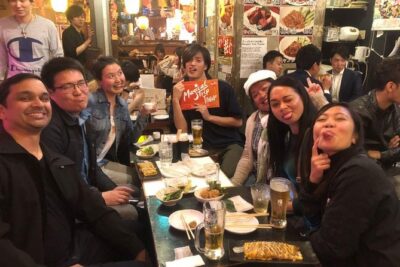 ★ 5.0Shibuya Meltdown Nightlife Tour: All-You-Can-Drink Bar HoppingFrom $1061,058 reviews
 ★ 5.0Shibuya Official Street Go-Kart in Shibuya AnnexFrom $69972 reviews
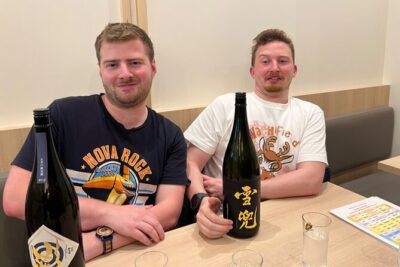 ★ 5.0Shibuya Food Tour (13 dishes and 4 Eateries)From $77770 reviews
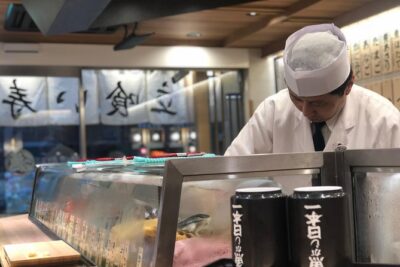 ★ 5.0Best of Shibuya Food TourFrom $217612 reviews
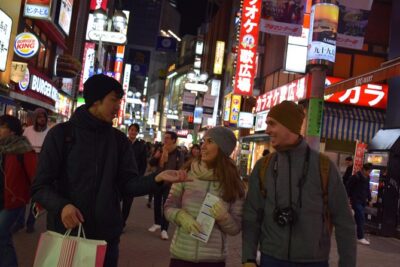 ★ 4.8Shibuya Highlights Walking TourFrom $19601 reviews
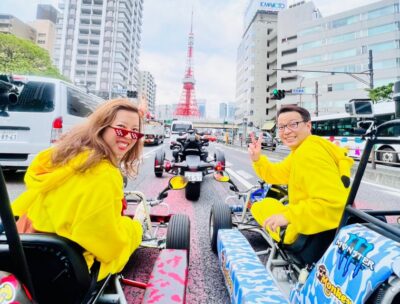 ★ 4.7Premium Go-Kart Tour with Tower & Shibuya CrossingFrom $116528 reviews
This tour also belongs to