
Review · TOURS
Tokio A: Tour de la ciudad en Español – Spanish
One day, four Tokyo moods, in Spanish. This 8-hour guided tour strings together classic temples, parks, markets, and neon nightlife, with clear commentary in Spanish and enough structure to keep you from feeling lost. You hop between areas by transit, then finish in Kabukicho, where the city turns up the lights.
I especially like the close, friendly Spanish-speaking guides approach, the kind that actually helps you follow what you are seeing and do the next right thing. I also like the line-skipping entrance for Sensō-ji, because Tokyo crowds can be patient killers.
Possible drawback: you still need to budget for transport (400¥) and your own food and drinks. It is a lot of moving parts in one day, so if you hate crowds or long walks, this might feel like too much.
Key highlights at a glance
- Asakusa to Kabukicho in one day, mixing tradition and nightlife
- Spanish guide throughout, with practical advice and recommendations
- Sensō-ji skip-the-line via a separate entrance
- Ueno Park and Ameyoko market, plus a set lunch break window
- Shinjuku viewpoint plan B, swapping to Ebisu if needed
- Ends in Kabukicho Theater, right near Golden Gai’s energy
A Spanish day in Tokyo: from Asakusa to Kabukicho
This tour is built for people who want Tokyo to make sense fast. You start in Asakusa, where older streets and temple rituals shape the vibe, then you move north to Ueno for parks and everyday Tokyo life. After lunch, you head to Shinjuku for a high-up view, then finish at Kabukicho, one of the most famous nightlife zones in the city.
The Spanish language part matters. You are not just looking at sights, you are getting a guide who can explain what you are seeing and what to do next, without you needing to decode every sign. Even if your Japanese is basic, you will still get the story, plus tips to keep your day from running off schedule.
Expect a full day, not a slow sit-and-stare. The stops are time-boxed, and you will use public transport between areas. The good news is that the pace is planned: it is enough time at each place to enjoy it, and enough structure that you are not spending your precious hours guessing where to go.
You can also read our reviews of more tours and experiences in Tokyo.



Sensō-ji in Asakusa, with a line-skipping plan
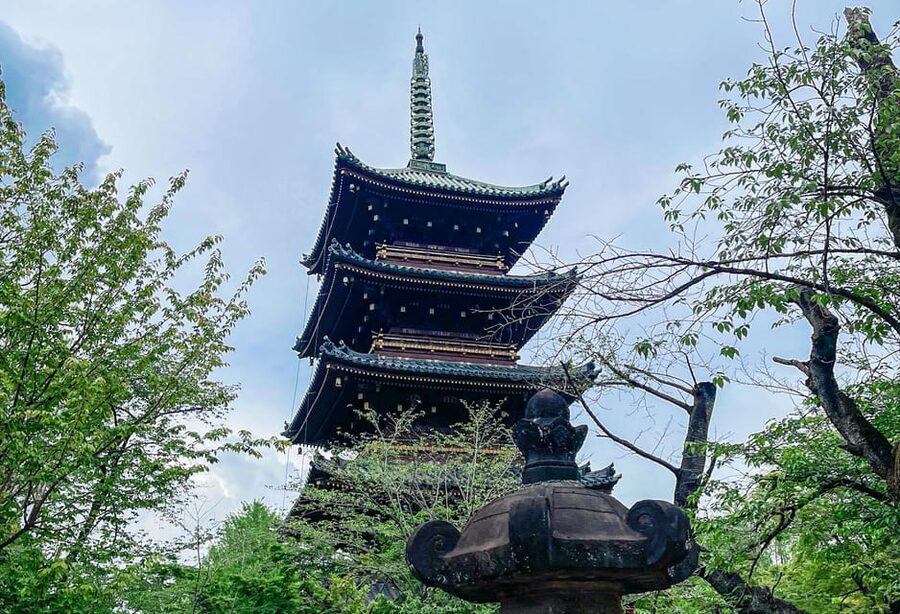
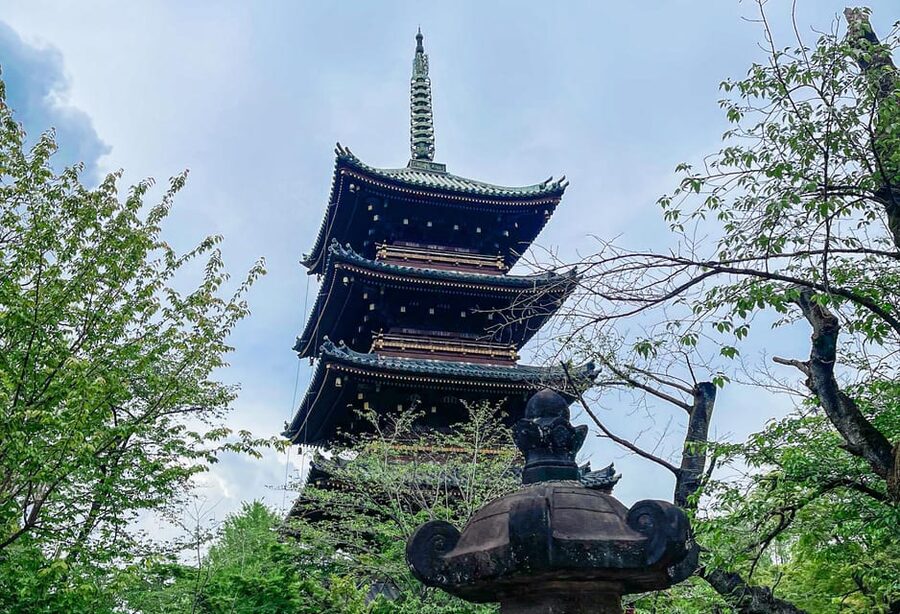
You begin in Asakusa with a guided visit to Sensō-ji Temple. This is where Tokyo’s history is loud and visual, with incense, lanterns, and street scenes that feel like they have been repeating for generations. The tour time here is 2 hours, so you are not rushed the moment you step inside.
The smart part is the skip-the-line setup. You enter through a separate entrance, which can save you serious time when crowds spike. That time matters because your next stops are also popular, and you want to arrive fresh, not frazzled.
Also pay attention to how the guide frames the area. You are not just ticking off a famous temple. You learn how the neighborhood works, what to notice, and how to behave respectfully in a place that still functions as a real spiritual site. The tour also emphasizes being respectful of the environment, which is a nice reminder when you are surrounded by tourists and photo ops.
Practical tip: wear comfortable shoes. The temple area and surrounding streets involve a lot of short walking segments, and you will want to move smoothly instead of constantly stopping to adjust your daypack.
Ueno Park plus lunch time that keeps the day on track
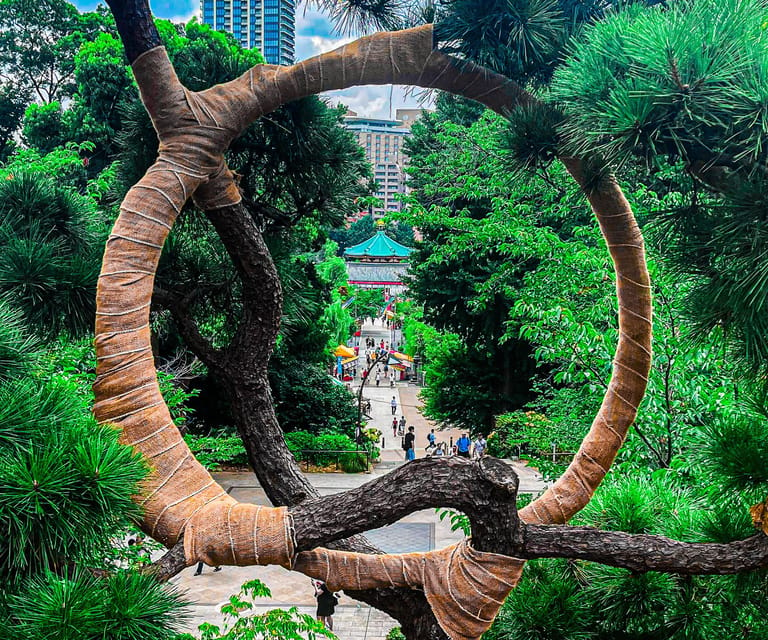
After Asakusa, you take the metro for about 10 minutes to Ueno. Ueno Park is one of Tokyo’s big “breathing spaces,” and it gives you a different angle on the city than the temple streets. Here you get a guided 1.5-hour walk, which is a good chunk of time to see key areas without feeling like you are speed-running.
Then comes lunch with 80 minutes set aside. Food is not included, so this is your chance to grab something simple nearby and keep momentum. If you eat slowly and order multiple things, you might feel the time pressure, so plan for quick, satisfying meals.
This is also a good time to think like a local. Ueno and its connections to the market area are where you often find affordable, practical options. You do not need a “perfect” restaurant for this portion of the day. You need a meal that resets you for more walking and still leaves you energy for Shinjuku and the evening stops.
One more point: public transport can get busy around midday. With a planned guide time slot, you avoid the stress of trying to figure out transit and meeting points by yourself.
Ameyoko market: the local shopping stop
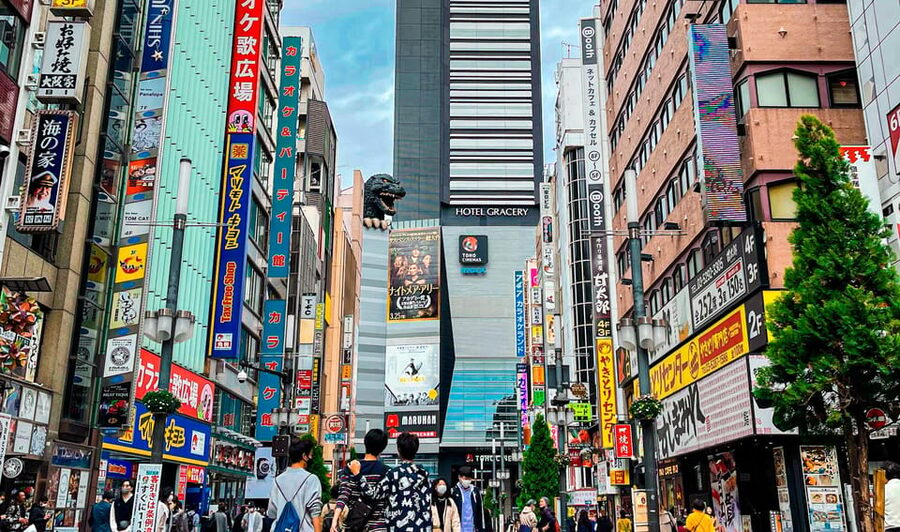
Next you head to Ameyoko, described as an atypical market. That phrase is useful, because Ameyoko is not just a generic souvenir lane. It is a busy commercial stretch where you can get a feel for daily shopping energy in Tokyo, including snack culture and all sorts of stalls.
You do not get a massive amount of time here, but you do get a guided experience. The market visit is a nice mid-day reset between the more “set-piece” locations like temples and viewpoints and the nightlife zone later.
What should you look for? In a market like this, the value is in small details: how stalls present products, how people browse, and how you can snack your way through while staying within your time window. If you are trying to keep your day budget friendly, markets are often the easiest place to find options that do not explode your spend.
Don’t over-plan. If you force a shopping mission, you might miss the point. Treat Ameyoko like a living photo essay where you can also taste-test a few things and then move on.
Shinjuku viewpoints, and the Ebisu backup if needed
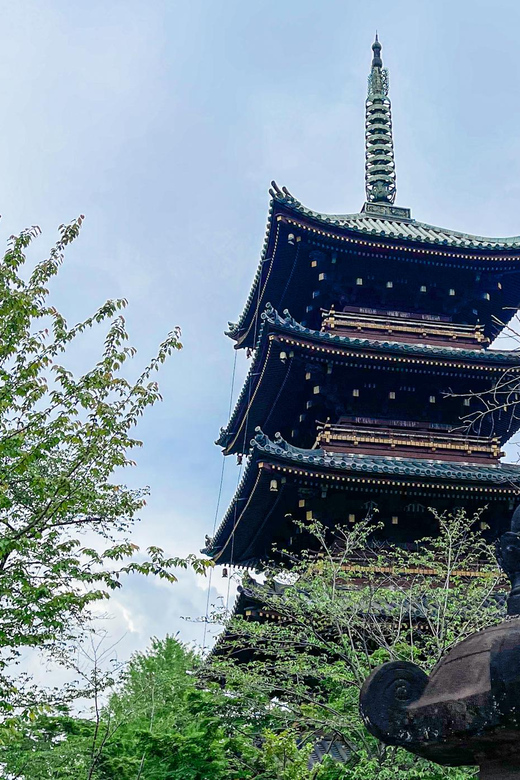
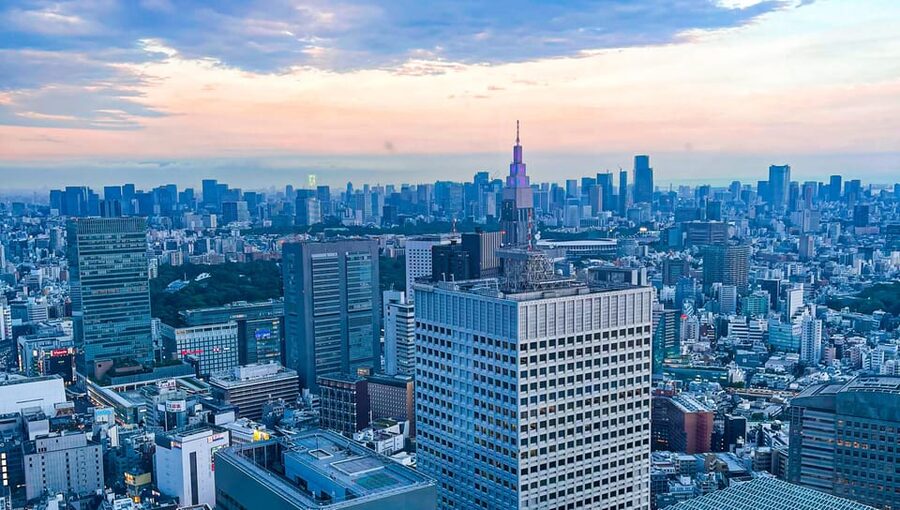
After Ameyoko, the tour shifts to Shinjuku, one of Tokyo’s most famous districts for modern city life. You get 1.5 hours here with a guided walk, plus the highlight of going up to a major viewpoint.
The plan is a Shinjuku viewpoint, described as one of the best vantage points in Tokyo. But here is the practical thing you should know: if the planned viewpoint is closed for reasons outside the provider’s control, the tour may switch to the Ebisu viewpoint. So you are not stuck without the scenic payoff, you just might see a different skyline angle.
Why this part is worth it: Tokyo can be confusing on the ground. A viewpoint gives you the big picture, so the next neighborhoods you visit feel connected instead of random. Shinjuku also acts like a mental “gear change,” taking you from older streets and market textures into high-rise Tokyo.
Timing tip: bring layers. Observation decks and transit areas can swing in temperature, and you will want to stay comfortable while you wait for views and photos.
Also, keep your daypack ready. When you reach viewpoint areas, people tend to slow down for photos and checking what is visible. You will have a smoother experience if you are not digging around for things mid-walk.


Kabukicho and Golden Gai at night, with smart pacing
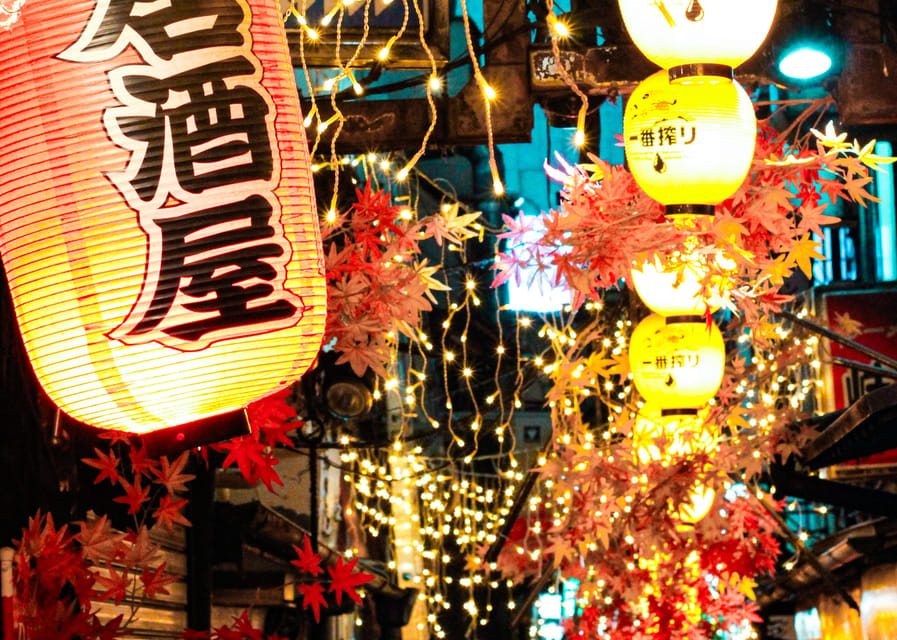
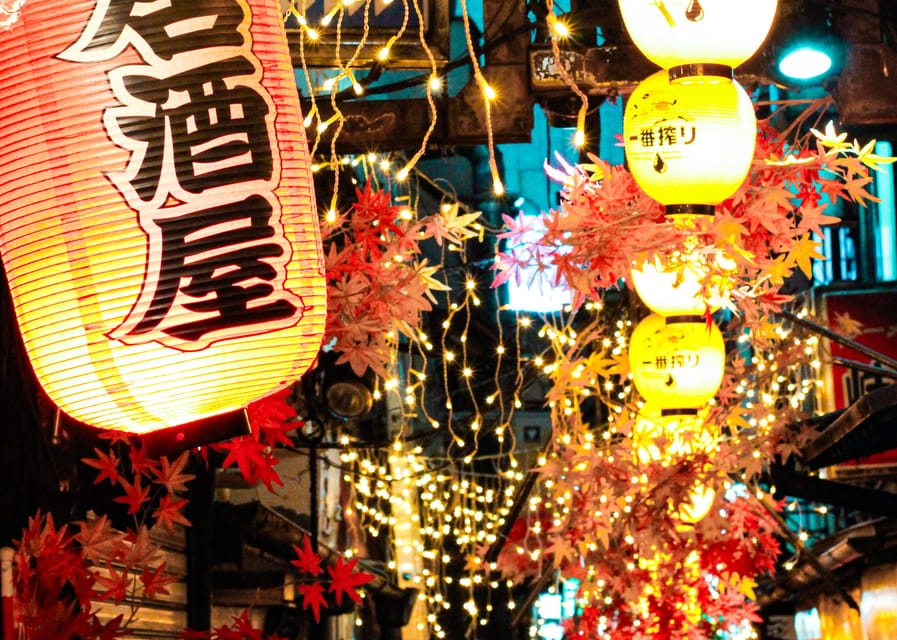
The tour ends in Kabukicho, where the neon starts doing its job. The finish area is specifically Kabukicho Theater, and the neighborhood is known for nightlife, including Golden Gai with its bars, karaoke spots, restaurants, and even gaming stores, all packed into bright, high-contrast facades.
The guided portion here is 50 minutes, which is a good length for a first look. You get the orientation you need, so you can understand the layout and decide what to explore after the tour ends. The tour also leans into the contrast theme: modern city lights next to traditional Tokyo cues from earlier in the day.
Golden Gai is the kind of place where you can lose time if you wander without a plan. The guide helps you pace it, point you toward the most interesting streets, and get you oriented so you do not feel like you are just bumping along with the crowd.
If you are sensitive to noise, you might still enjoy it, but go in expecting sound and energy. Kabukicho is not quiet, and that is part of why the contrast feels so strong after temple and park time.
Respect note: nightlife districts are where crowds can get messy. The best way to enjoy this area is to keep your space, move steadily, and follow the guide’s guidance in busy corners.
Price and logistics: what the $96 covers and what it does not
At $96 per person for an 8-hour experience, you are paying for a guided day that links multiple top neighborhoods. The value is not just “you get tickets,” it is “you get someone to connect the dots” in Spanish, with specific time blocks across Asakusa, Ueno, Shinjuku, and Kabukicho.
What’s included is straightforward: the Spanish Tokio Tour, the full 8 hours, and hotel pickup if you add the supplement or choose the private tour option. The big catch is that transportation is not included, listed at 400¥. Also, drinks and food are not included, even though there is an 80-minute lunch window you can use however you want.
The meeting point is practical: you meet in front of the entrance to the Asakusa Tourist and Cultural Information Center, and the guide carries identification with the name NIPONEANDO. That reduces the usual meeting chaos, especially in a crowded area like Asakusa.
A subtle but important detail: even with hotel pickup or a private option, the pickups are carried out using public transport. So do not expect a full private car door-to-door setup.
One more factor to remember: you cannot bring luggage or large bags, and unaccompanied minors are not allowed. If you are traveling with multiple bags from another city, plan to keep your load light before this day.
Should you book Tokio A: Tour de la ciudad en Español?
Book it if you want a structured Tokyo day with Spanish guidance, clear stops, and a mix of sights that actually map onto different sides of the city. The Sensō-ji skip-the-line entry is a real quality-of-life bonus, and the ending in Kabukicho puts the day on a memorable note.
Skip it if you dislike packed itineraries, or if the idea of public transport plus several big walking segments feels stressful. Also, it is not suitable for hearing-impaired people, while it is listed as wheelchair accessible.
If your top goal is maximum sightseeing variety in one day, this is a strong fit. If your top goal is slow, independent exploring, you might prefer something more flexible. One good way to decide is to ask yourself how you feel about spending a full day moving between four major zones, including a late neighborhood shift into nightlife.
FAQ
What language is the tour in?
The tour is in Spanish.
How long is the experience?
It lasts 8 hours.
Where do I meet the guide?
You meet in front of the entrance to the Asakusa Tourist and Cultural Information Center. The guide has identification that says NIPONEANDO.
Is hotel pickup available?
Yes, pickup is optional and depends on the selected option or supplement. Even then, pickups are done using public transport.
What is the transportation cost if it is not included?
Transportation is listed separately as 400¥.
Does the tour skip the line at Sensō-ji?
Yes, it includes skip-the-line entry through a separate entrance.
Are there restrictions on luggage or minors?
Luggage or large bags are not allowed, and unaccompanied minors are not allowed.
More Tours in Tokyo

More Tour Reviews in Tokyo

Not for you? Here's more nearby things to do in Tokyo we have reviewed












Tours, side by side.
 ★ 5.0Mt Fuji and Hakone 1-Day Bus Tour Return by Bullet TrainFrom $16326,383 reviews
 ★ 5.01-Day Tokyo Bus TourFrom $12914,250 reviews
 ★ 5.0Shinjuku Food Tour (13 Dishes at 4 Local Eateries)From $866,603 reviews
 ★ 4.4Tokyo Mt Fuji 5th St & Hakone Cruise Bus Tour w/Bullet TrainFrom $1545,024 reviews
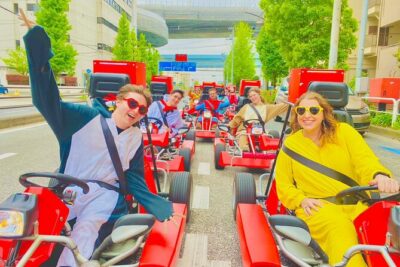 ★ 5.0Flagship 2-Hours Official Street Go-Kart Tour – Tokyo Bay ShopFrom $644,974 reviews
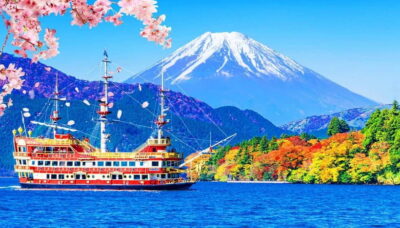 ★ 4.7Mt. Fuji Tour, Hakone Ropeway, Owakudani, Lake AshiFrom $544,002 reviews
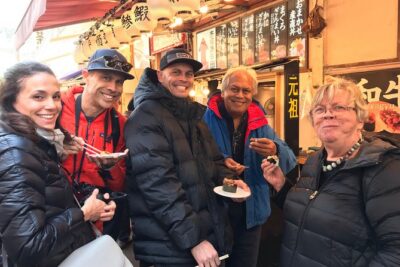 ★ 5.0Tokyo 6hr Private Tour with Government-Licensed GuideFrom $1553,902 reviews
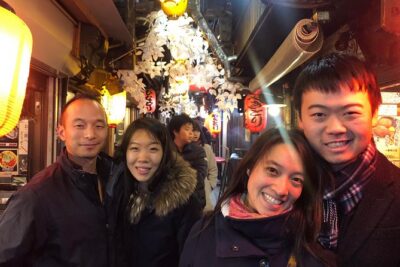 ★ 5.0Tokyo Bar Hopping Tour in Shinjuku (All-You-Can-Drink + Dinner)From $1063,587 reviews