
Review · TOKYO SAMURAI EXPERIENCES
Tokyo : Authentic Samurai Experience in a Private Space.
Tokyo’s samurai skills are easier than you think. In a private-space class, you’ll wear a kimono and learn real samurai sword basics step-by-step, not just watch a demo. I love how hands-on it is, and I love the small size, capped at four, so you get real coaching.
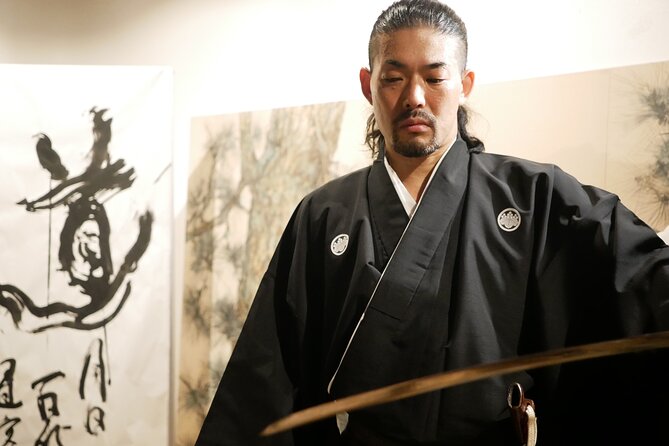
Another big win is the instructor team, with Sensei Musashi Oka and Yoshi San leading the session. You’ll practice drawing, holding, swinging, and sheathing, then move into cutting straw targets like you mean it. A possible drawback is that the meeting point is in Adachi City, which can mean an extra train ride compared with more central Tokyo stops.
Key things that make this Bushido sword class worth your time
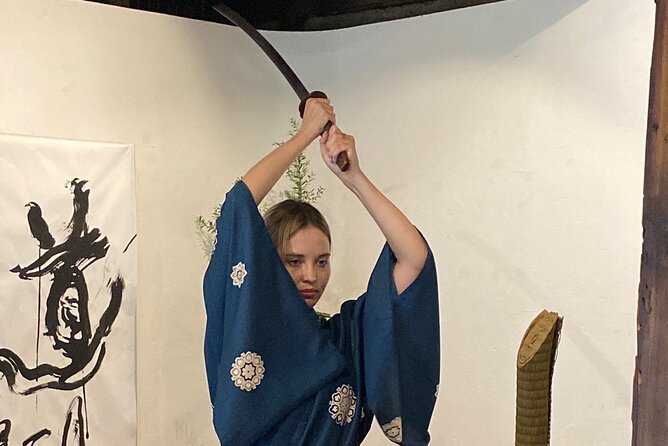
- A private setting in an old house gives the training room a true, lived-in feel
- Small-group instruction (up to four) means you can actually get corrections
- Hands-on sword fundamentals from drawing to sheathing, even if you start as a beginner
- Straw-target cutting practice so you feel how the swing translates into results
- Tea at the end, plus time to ask questions and chat during breaks
Getting there in Adachi: the meet point and why it matters
This class starts at rojicoya 路地裏寺子屋36-1 Senjuasahichō in Adachi City. The area isn’t as famous as Shinjuku or Shibuya, but that can be a plus, because the experience happens in a quieter, local setting.
Plan around the full session length of about 1 hour 30 minutes. It’s short enough that you can fit it into a day without losing half your itinerary to transit and waiting. The activity also notes it is near public transportation, so you should be able to get there without a complicated plan.
When you arrive, you’ll use your mobile ticket. That matters because it keeps things moving on-site and cuts down on admin time before you get dressed and start practicing.
You can also read our reviews of more private tours in Tokyo

Suiting up: kimono time inside a 100-year-old private house
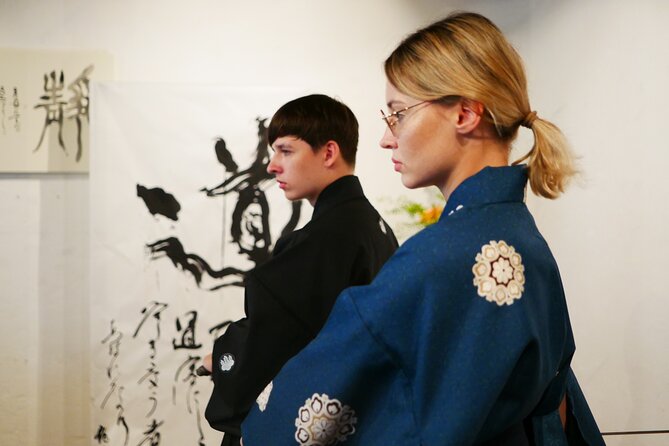
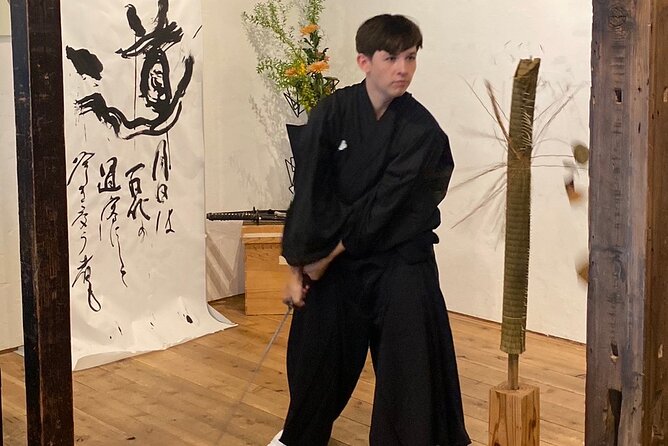
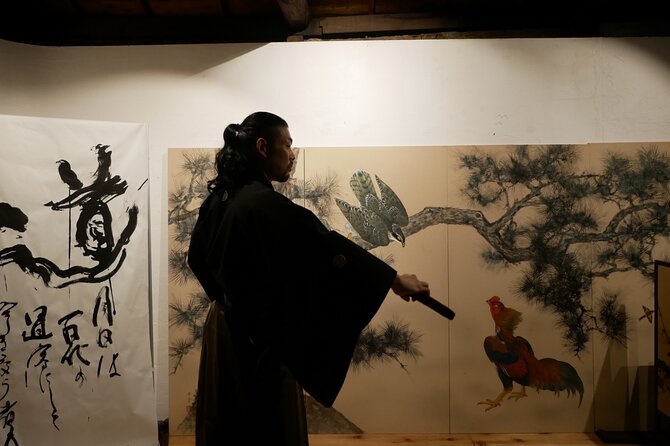
You don’t start with a lecture and a slideshow. You start by stepping into a traditional kimono and moving into a space that is an old private house, over 100 years old. That setting changes the tone right away. It feels less like a theme attraction and more like you’re visiting a real cultural training room.
From there, the rhythm is straightforward. You’ll be guided through the basics and asked to practice. In other words, you won’t just listen, nod, and hope it clicks later.
The class is described as a hands-on Bushido experience, and the structure backs that up. It’s not built around showing off, it’s built around giving you steps you can repeat.
Also, the experience is designed for both men and women, so it doesn’t feel like a one-size-fits-all script. You’ll get what you need to participate comfortably and safely.
Bushido talk that actually connects to sword handling
The session includes learning about Bushido, but the key is that it’s tied to how you hold and move the sword. You’re not studying abstract ideas while standing still.
You’ll practice while you learn, and the instructor keeps instruction coming as you go. The goal is to connect mindset and movement. Bushido here isn’t just a concept. It becomes something you apply to grip, posture, timing, and control.
If you’re expecting a strict, silent performance, adjust your expectations. The class is built for questions, and the space also hosts exchange meetings with lecturers. So you can take a break and learn more about Japanese culture in a more relaxed way.
It’s also mainly offered in English. Plus, the information says conversations are PokéTalk-compatible, which is helpful if you want to ask questions and still stay comfortable with communication.
What you practice: drawing, holding, swinging, and sheathing
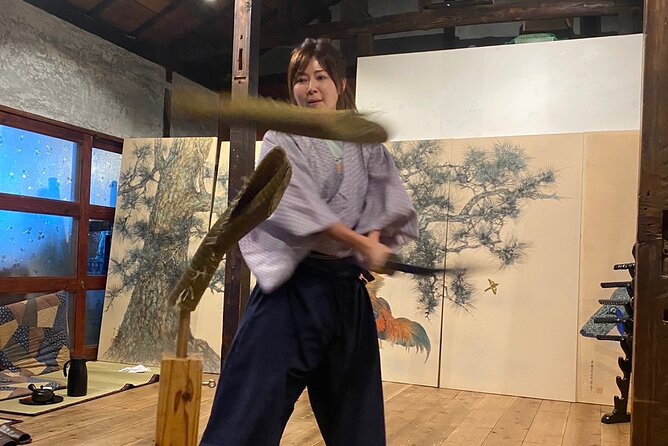
This is the part you should care about most. The training covers the practical sequence behind sword use, including drawing, holding, swinging, and sheathing. That means you don’t just practice the cutting moment. You practice the lead-up, the mechanics, and the finish.
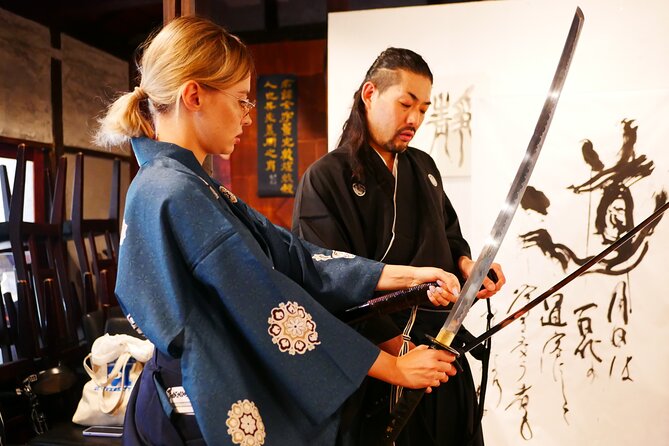
And since you’re doing it in a smaller group capped at four, you get feedback on what you’re doing wrong and how to adjust it. That’s a big deal for beginners, because sword handling is one of those skills where small changes matter a lot.
The class also emphasizes that beginners can feel at ease because you are constantly taught and guided. That’s what you want to hear before you pay money and step into a sword training environment. It suggests the instruction is active, not hands-off.
I like that the session is under two hours. You get a complete experience without dragging out. You can learn basics, test them, then still end your day feeling energized instead of drained.
Cutting straw targets: the moment you remember
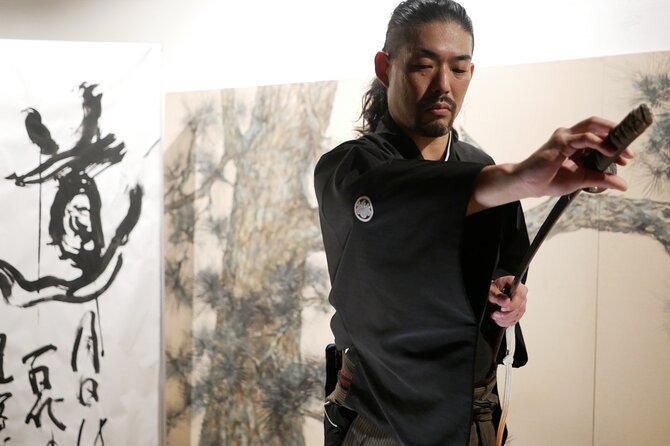
After fundamentals, you get to test your skills by cutting through straw targets. This is where the experience turns from instruction into real physical memory.
The training is described as something like the real thing, and that matches the feel of cutting practice. You’re not just waving a prop around. You’re learning how the swing and control translate into a result.
From a value standpoint, this is the signature moment you’re paying for. Straw-target cutting turns a class into an experience you can talk about later, because your body is involved, not just your eyes.
A practical tip for your mindset: focus on smooth control rather than trying to force power. If you rush and tense up, you’ll likely struggle more than you expect. Let the instructor cues guide the sequence, then your swing becomes more confident.






Tea and questions: how to get more out of the last 10 minutes
The session wraps up with a cup of carefully selected Japanese tea. That isn’t a random add-on. It’s a good reset after practice, and it gives you a calm landing.
This is also a time to ask questions. The class is described as a setting where you can learn more during breaks and through lecturer exchange meetings. So if you want context behind what you did, this is when to grab it.
If you’re a first-time visitor to Japan and you want cultural meaning tied to action, use the tea time well. Ask about what Bushido means in practical terms, or what instructors want you to remember about safe handling and posture.
It’s also a nice touch that conversations are supported in a way that should work for English-speaking visitors. That lowers the pressure and lets you actually communicate, not just nod politely.
Price and value: is $72 worth a Tokyo samurai class?
At $72 for about 1.5 hours, the price lands in a reasonable range for what you get here. The main value is not just that you use a sword. It’s the structure around sword learning: kimono dressing, guided practice through multiple techniques, cutting straw targets, and tea at the end.
You also get real attention thanks to the small-group cap of four. In a bigger class, you might spend half your time waiting for your turn or trying to interpret what you’re doing wrong on your own. Here, the setup makes corrections more likely.
And because it is a private tour/activity, only your group participates. That means you’re not sharing your learning time with random strangers, which changes the comfort level fast, especially if you’re nervous as a beginner.
Is it expensive? It can feel like a splurge if you’re cost-cutting. But if you want one hands-on cultural activity in Tokyo where you do something physical and memorable, this price makes sense.
Who should book this, and who should skip it
This class is a great match for:
- You want a short, focused Tokyo activity under two hours
- You’re a beginner who wants step-by-step guidance
- You like hands-on learning more than watching from the sidelines
- You want cultural context through Bushido, not just sword theatrics
You might think twice if:
- You hate any activity that asks you to physically practice movements
- You don’t have time to travel to Adachi City
- You’re looking for a museum-style explanation only, with no cutting element
Should you book this Tokyo Samurai Experience?
I’d book it if you want a real skill moment in a small group, with instructors like Sensei Musashi Oka and Yoshi San guiding you through fundamentals and then letting you cut. The kimono start, the old-house setting, and the tea finish make it feel like more than a one-off stunt.
If you’re on the fence, decide based on your comfort level with practice. If you’re willing to follow cues and learn by doing, this class is exactly the kind of Tokyo experience you’ll remember when the rest of your trip blurs together.
If you want a quick, meaningful cultural activity where you leave with both a story and a skill you practiced yourself, this is a strong yes.
FAQ
How long is the Tokyo Bushido sword experience?
It’s listed as about 1 hour 30 minutes, roughly under two hours.
Is it a private experience?
Yes. It’s a private tour or activity, and only your group participates.
What group size should I expect?
The experience is capped at four participants, which supports more hands-on guidance.
Is the class okay for beginners?
Yes. Beginners can feel at ease because you are constantly taught and guided during the practice.
What language is used during the class?
Courses are mainly in English, and conversations are PokéTalk-compatible.
What happens at the end of the session?
After the sword practice, you’re served carefully selected Japanese tea.
Is there free cancellation?
Yes. You can cancel for a full refund if you cancel up to 24 hours in advance of the experience start time. If you cancel less than 24 hours before, the amount paid is not refunded.
More Private Tours in Tokyo


More Tour Reviews in Tokyo
Not for you? Here's more nearby things to do in Tokyo we have reviewed












Tokyo Samurai Experiences, side by side.
 ★ 4.6Samurai Ninja Museum Guided tour and ExperienceFrom $271,010 reviews
 ★ 5.0Samurai Sword & Archery Class from Samurai DescendantFrom $193603 reviews
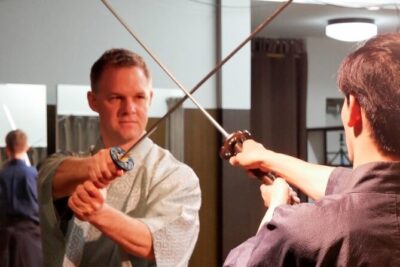 ★ 5.0Best Samurai Experience in TokyoFrom $65458 reviews
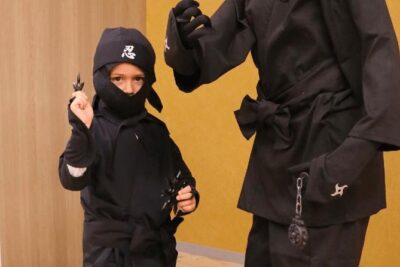 ★ 5.0Ninja Experience (Family Friendly) at Samurai Ninja Museum TOKYOFrom $47441 reviews
 ★ 4.6Samurai Entertainment Night Show in Kanda ShrineFrom $41417 reviews
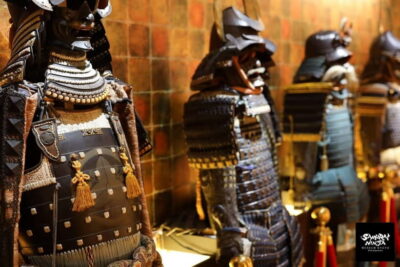 ★ 4.8Samurai Ninja Museum Asakusa: Samurai Sword Lesson & TourFrom $63306 reviews
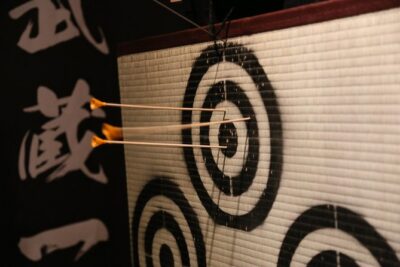 ★ 5.0Ninja Samurai 2-hour hands-on lesson by Japanese master in TokyoFrom $86194 reviews
 ★ 5.0Samurai Sword Experience (Family Friendly)at SAMURAI MUSEUM TOKYOFrom $65168 reviews
This tour also belongs to