
Review · TOKYO CITY TOURS
Tokyo Full Course Tour: Explore 10 Must-See Sights & Hidden Gems
One day in Tokyo, fast and well guided. What makes this tour worth it is how it ties big photo stops to real meaning, with guides like Sam and Takashi explaining how shrines, temples, and neighborhoods fit into daily Japanese life. I also love the practical way the route teaches you public transit, so even Tokyo’s train and street mix feels manageable instead of intimidating.
The downside is the pace. This is a 7 hour day with lots of walking and time spent moving between districts, and if you want to linger over every detail, you may feel rushed toward the end of the day.
Key things to know before you go
- Small group (up to 5 people) makes it easier to move as a unit and ask questions.
- Metro and rail coaching helps you follow the route without guessing.
- Shrines and temples with context goes beyond what to photograph, into etiquette and how things evolved.
- Tsukiji market timing plus lunch stop gives you a food and culture moment without turning the day into a full food crawl.
- Tokyo Station and Marunouchi add a clean, central “reset” between chaotic districts.
- End in Asakusa puts you at classic temple streets when you still have energy to walk.
Tokyo in One Day: What This Tour Gets Right
This is a full course Tokyo day designed for people who want a lot, without trying to DIY an exhausting route. You cover the major highlights and a few identity neighborhoods in one sweep, moving on foot and by metro so you actually get a sense of how Tokyo connects.
What I think makes it work is the balance between recognition and instruction. You are seeing world-famous places like Shibuya and Senso-ji, but the guide is also helping you understand what you are looking at, and how to behave there. That turns a checklist day into a day with better memories.
The group size is capped at 5 travelers, so it feels more like a tight walk with a local than a factory tour. That matters when you are navigating crowded sidewalks and crossing streets where everyone is trying to keep moving.
You can also read our reviews of more tours and experiences in Tokyo.


Meeting at Yoyogi Station and the “Start On Time” Reality
Your day begins at Yoyogi Station (Yoyogi, Shibuya), with a start time of 9:30 am. The tour ends at Asakusa Station, so you are finishing where many people want to spend extra time anyway.
Two practical rules shape your experience more than you might expect:
- The program starts just on time, and late arrivals will not be allowed to participate.
- You are required to follow the host, and if you break away, the host cannot look for you.
If you hate strict timing, plan your morning like you would for a train connection. Give yourself buffer time, and keep your energy steady from the first stop onward.
Riding Trains Like a Local: The IC Card Tip That Saves Time
Tokyo transit is complicated, even for Japanese residents. This is why the tour leans so hard on “how to take public transportation,” not just where to go next.
You are advised to prepare an IC card like SUICA or PASMO in advance. That one step removes a lot of friction, because you will be moving between stations across the day. If you have ever spent your first Tokyo morning hunting for machines and transfers, you will appreciate why this matters.
Bring comfortable shoes too. Even with efficient transit, the walking adds up fast. One review called out needing to be 100 percent physically fit, and that matches what a 7 hour route covering this many neighborhoods really means in practice.
Meiji Jingu Shrine and Harajuku Fashion Street
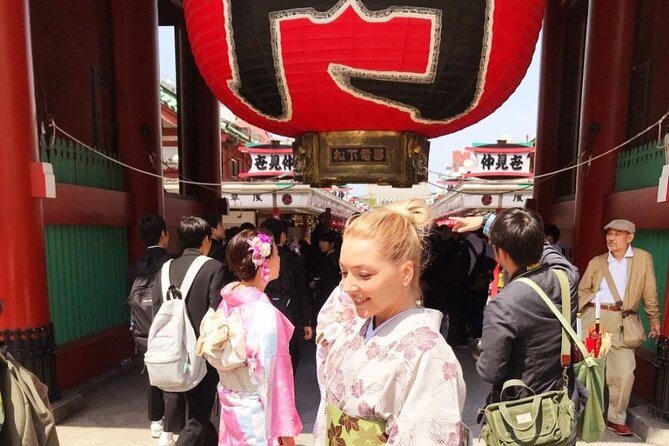
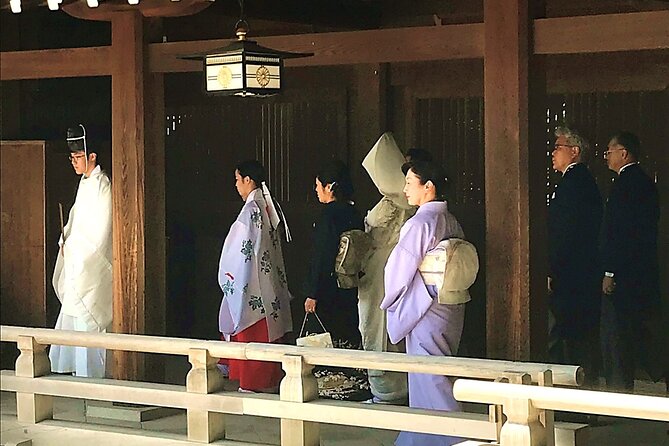
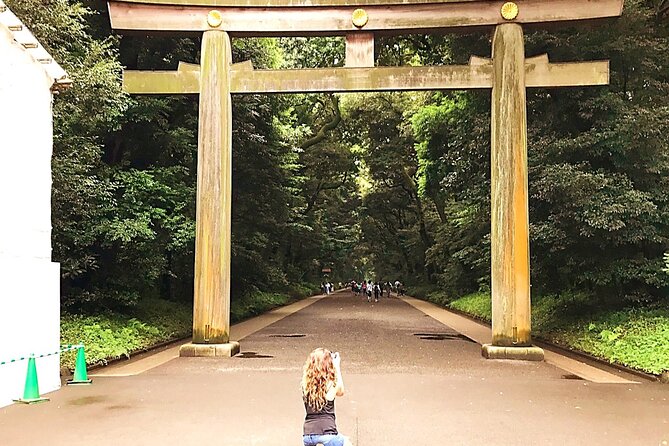
Meiji Jingu Shrine is your opening stop, and the admission is free. It is one of those places where the city noise drops away quickly. Expect a calm shift as you move into the shrine grounds, and expect the guide to frame what you are seeing in terms of meaning and etiquette, not just photo angles.
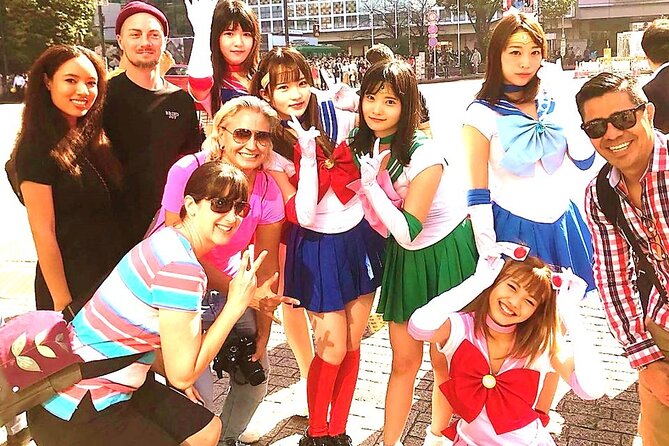
Then you swing toward Harajuku for the fashion street area, with a 30 minute window. This is a great contrast after Meiji Jingu. You get modern Tokyo energy without turning it into a long shopping detour.
What I like about this pairing is that it helps you understand Tokyo as more than neighborhoods. You see tradition, then you see style, and you feel how close those worlds sit to each other.
Hachiko and Shibuya Crossing: How to Time the Biggest Stops
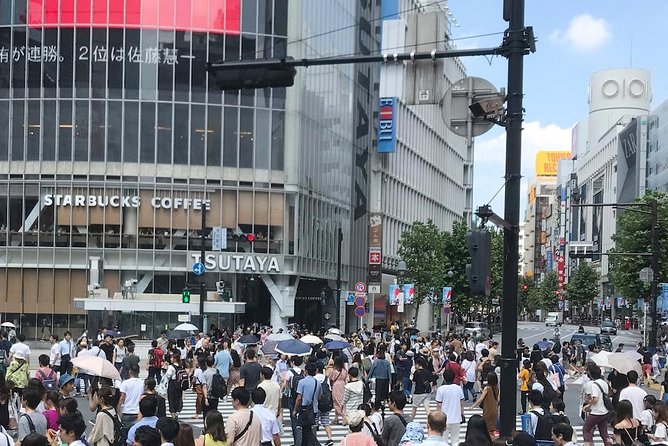
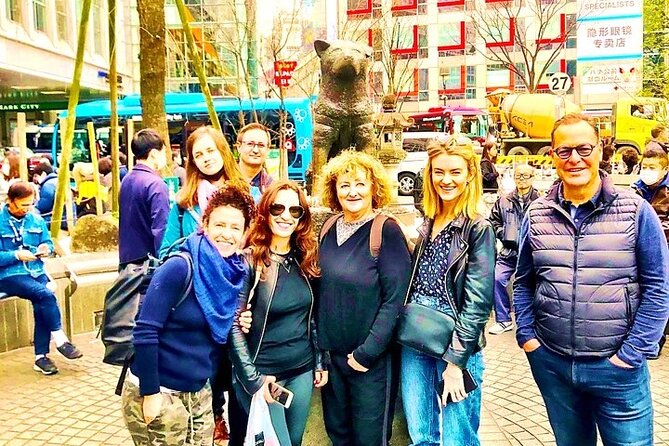
Next up is Shibuya, starting with Hachiko. You get a 30 minute stop at the Hachi dog area, with the kind of time that lets you photograph and soak it in without racing. It also gives you a base point for understanding what Shibuya is really about: youth culture, commuter movement, and public space that is always in use.
Then comes Shibuya Crossing itself, again about 30 minutes. This is one of those places where timing matters, because crowds can make the crossing feel chaotic. A guide who knows the flow can help you stand in the right spot and cross when it is most workable.
Practical tip: keep your phone charged and ready. You will likely want a few quick photos here, but you do not want to lose time fiddling with apps while the group is moving.
Tsukiji Hongwanji Temple, Fish Market, and a Real Lunch Plan
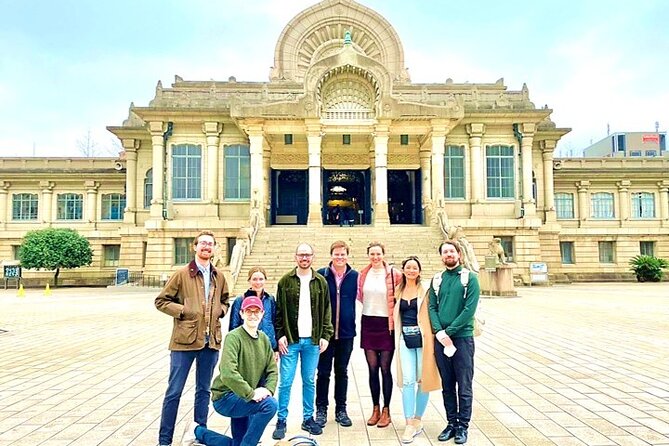
Tsukiji is split into two parts. First, you visit Tsukiji Honganji Temple for about 30 minutes, with admission listed as free. Then you go to the Tsukiji fish market area.
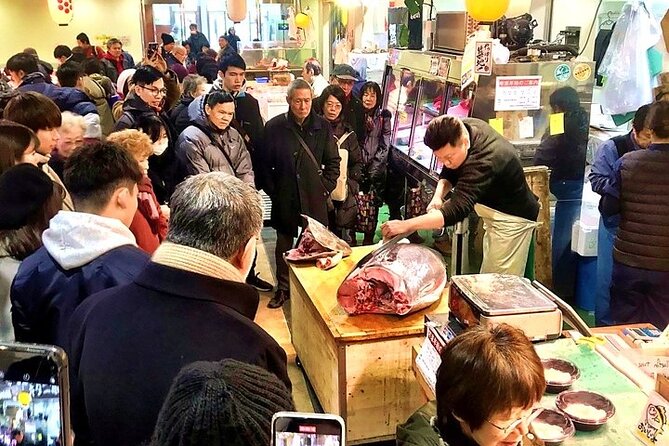
This is a smart structure because the temple gives you context in the same district famous for food movement. You are not just sprinting through a market looking for snacks. You have a cultural anchor right before you see the food economy at full speed.
For lunch, there is a sushi restaurant stop before visiting the market, with a typical cost around $13 USD. Food is not included in the tour price, but this gives you a simple option when you might otherwise freeze and choose something random.
One consideration: Tsukiji can be a sensory overload zone. If you prefer slow mornings, you may feel the momentum shift here. Bring patience and decide ahead of time if you want to snack while you walk, or save your appetite for a proper meal.
Imperial Palace Exterior and Marunouchi, Tokyo’s Center of Gravity
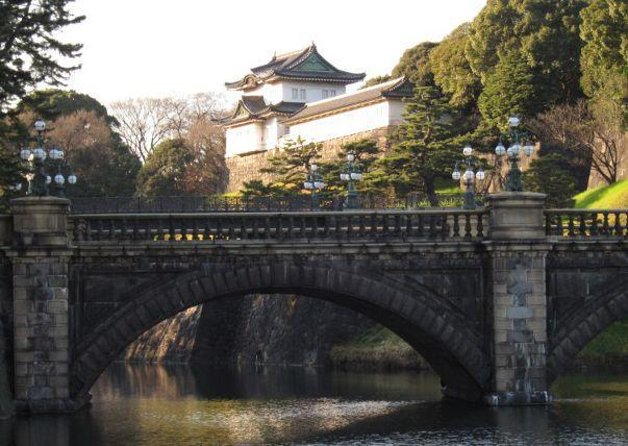
After Tsukiji, you get a breather with the Imperial Palace area. You view it from the outside while walking by, with about 30 minutes here and no admission requirement listed.
Then you move to Marunouchi, the center of economy, with a stop near Tokyo Station and the Marunouchi Ekimae Hiroba. This is a welcome change of pace. These areas feel more organized and spacious compared to some of the earlier districts, so your feet and your brain can reset.
Why this part matters: it helps you connect Tokyo’s extremes. You go from the intensity of fish market activity and shrine energy into the business district that represents another side of the city. It makes the day feel like you are moving through Tokyo’s real structure, not just checking boxes.
Akihabara in a Tight Window
Akihabara is next, about 30 minutes. This is the place for Japanese subculture street energy, and it is ideal if you want a quick hit of anime, electronics, and street-level pop culture without turning the day into an all-day shopping mission.
With only a short stop, you should treat Akihabara like a browse window. Have a plan for what you actually want to see. If you wander with no priorities, you can burn the time faster than you expect.
If you love this kind of Tokyo, you will probably enjoy it. If you are indifferent, you might prefer you had more time at earlier districts. Either way, it lands late enough in the day to be fun but not overwhelming.
Senso-ji and Asakusa: Ending With Tokyo’s Classic Temple Streets
You finish with Senso-ji Temple and Asakusa Shrine. Senso-ji is described as the oldest Buddhist temple in Tokyo and also one of the most popular tourist spots in Japan, with about 30 minutes. The crowds can be real, but that is also why this stop works on a guided schedule.
The guide’s context here is the difference-maker. A short explanation of what you are looking at, plus a sense of how to behave respectfully, turns the area from just crowded into meaningful.
Then you head to Asakusa Shrine for another 30 minutes. By the end of the day, your legs will be tired, but Asakusa is the kind of finale that makes you feel satisfied. It is also the kind of place where you can extend your evening after the tour ends, since you are finishing at Asakusa Station.
Price and Value: What $78.18 Actually Covers
The price is $78.18 per person for about 7 hours. The tour fee includes consumption tax, and it is delivered as a mobile ticket.
What it does not include is just as important:
- Transportation expenses
- Food and beverage expenses
You are told to have cash ready, which is worth taking seriously if you want flexibility at markets and around lunch. If you plan to rely only on card, you might still be okay, but cash helps when you find small snack options quickly.
Value-wise, I think this is a fair deal for people who want multiple top sights plus guidance on transit. If you already love mapping every train change yourself, you might be able to DIY many stops for less money. But if you want the day to run smoothly, the guide’s route planning and transit help are the core value you are paying for.
Also, the tour is commonly booked about 17 days in advance. If you are traveling during peak season, book earlier so you are not stuck with awkward timing.
Pace, Walking, and Who Should Book This
This tour is designed for moderate physical fitness. That wording is sensible, but it is still a lot of time on your feet.
A couple of experiences point in opposite directions:
- Some people said the guide kept a sensible, comfortable pace.
- Others felt the tour was extremely fast paced and did not allow enough time to really appreciate what they were seeing, leaving them exhausted.
So here is the practical call. If you like moving with a plan and you can handle steady walking, you will likely feel happy at the end. If you get tired easily, or you want long pauses for photos and contemplation, you may want to limit your expectations for how slow each stop will feel.
My best advice: wear shoes you would wear for a long city day. Bring water if it works for you. And treat lunch as part of the schedule, not as a free-form adventure, because you are moving between districts.
Guides Make It Real: Sam and Takashi’s Teaching Style
The guides seem to be a major reason the scores are high. Sam is highlighted for being fantastic, very prepared, and able to make train and subway use feel easy. Takashi is mentioned for helping adjust the tour when needed and for being knowledgeable and helpful.
The common thread is how they explain the sites. You are not just told what they are. You learn about history, cultural background, social values, and local etiquette, plus everyday life and how people use public transport.
One extra bonus that some people specifically liked: the guide teaching Japanese words. Even a few simple phrases can make your interactions feel less like a performance and more like you belong.
Should You Book This Tokyo Full Course Tour?
Book it if you want a single day that hits the big names and still teaches you how to function in Tokyo. This is especially smart for first-time visitors who do not want to spend vacation time figuring out metro routes, and who prefer guided context to a pile of random photos.
Skip it or choose a slower alternative if you hate tight schedules, need lots of time for each stop, or you know you get wiped out by long walking days. This tour is built for momentum, and your comfort will depend on accepting that pace.
If you want the short version: if you can walk comfortably and you like learning while you move, this day plan is a strong value. If you want a relaxed sightseeing day where you linger at every corner, you may feel that the clock is always nearby.
FAQ
How long is the Tokyo full course tour?
It runs for about 7 hours.
What is the tour starting point and end point?
It starts at Yoyogi Station (Yoyogi, Shibuya) and ends at Asakusa Station (Asakusa, Taito City).
What time does the tour start?
The start time is 9:30 am.
What is the group size limit?
The tour has a maximum of 5 travelers.
Is admission included for the main sights?
Admission is listed as free for multiple stops, including Meiji Jingu. Other stops may still be free to enter based on what is listed for the program.
Is food included?
No. Food and beverage expenses are not included. There is a lunch option at a sushi restaurant before the Tsukiji market area, mentioned as about $13 USD.
Is transportation included?
No. Transportation expenses are not included, and you are advised to prepare an IC card such as SUICA or PASMO.
What fitness level do I need?
You should have a moderate physical fitness level.
What happens if weather is bad?
This program requires good weather. If it is canceled due to poor weather, you will be offered a different date or a full refund.
More Tours in Tokyo
More Tour Reviews in Tokyo
Not for you? Here's more nearby things to do in Tokyo we have reviewed


Tokyo City Tours, side by side.
 ★ 5.01-Day Tokyo Bus TourFrom $12914,250 reviews
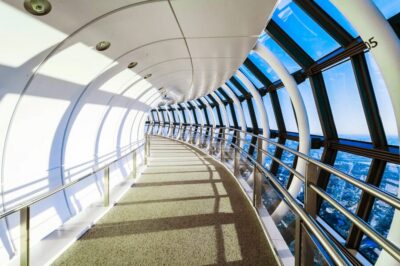 ★ 4.5TOKYO SKYTREE® Admission ticketFrom $1311,192 reviews
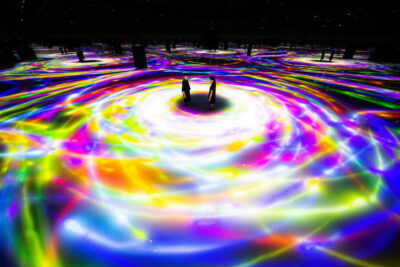 ★ 4.6teamLab Planets TOKYO Digital Art Museum Entry TicketFrom $259,779 reviews
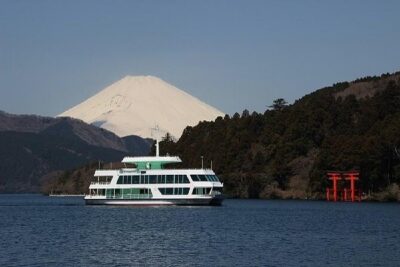 ★ 4.0Mt Fuji & Hakone Cruise, Drum Show Bullet Train 1 Day from TokyoFrom $1497,413 reviews
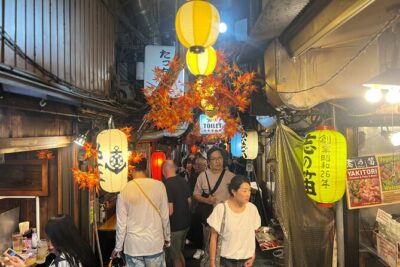 ★ 5.0Shinjuku Food Tour (13 Dishes at 4 Local Eateries)From $866,603 reviews
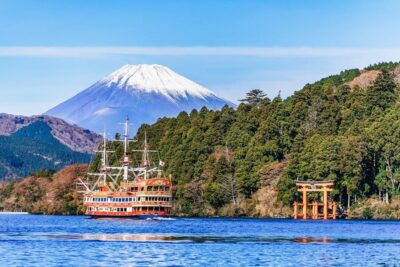 ★ 4.4Tokyo Mt Fuji 5th St & Hakone Cruise Bus Tour w/Bullet TrainFrom $1545,024 reviews
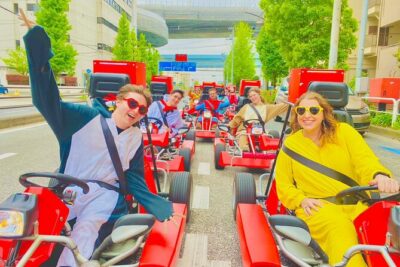 ★ 5.0Flagship 2-Hours Official Street Go-Kart Tour – Tokyo Bay ShopFrom $644,974 reviews
 ★ 4.5From Tokyo: Mount Fuji Full-Day Sightseeing TripFrom $684,970 reviews