
Review · TOKYO CITY TOURS
Tokyo: Full Course Tour: Explore 10 Must-Sees & Hidden Gems
Seven hours can teach you Tokyo’s rhythm fast. This full-day loop from JR Yoyogi mixes big-name landmarks with smaller local corners, and (per the tour design) all stops are free to enter, so your time and money both go farther.
I especially like how the guides (including Sam and Yasuko) focus on public transport etiquette and everyday manners, not just photos. You also get a smooth strategy for moving by foot and metro without feeling lost.
One consideration: the walking is real, with a target of about 20,000 steps, and the tour is not a fit if you have mobility limits, are pregnant, or want to avoid that kind of pace.
Quick reasons this 7-hour Tokyo route works
- Small group limit of 7 keeps the day practical, question-friendly, and easier to follow
- All free-to-enter stops means you can spend on metro, lunch, and snacks instead of tickets
- Born-and-raised English guides share daily-life context, not just monument facts
- Konbini to shrines to markets gives you a Tokyo feel that goes beyond typical sightseeing
- Metro-to-walk sequencing helps you learn the city’s flow without having to plan every transfer
- Cash + IC card guidance prepares you for real-world Tokyo spending
First day in Tokyo: why this route makes sense
If it’s your first trip to Tokyo, you have two jobs: get your bearings and learn how people move. This tour is built for exactly that. You cover a tight range of neighborhoods across the day, using the metro and on foot, with a guide acting like your in-the-moment translator for how Tokyo works.
The pacing also matters. Instead of dumping you at one famous site and sending you off, you get a sequence of short, meaningful stops that build understanding as you go. That makes it easier to come back later on your own with a clearer sense of what you want to repeat.
And because the tour states that the attractions are free to enter, you avoid the “ticket math” stress. You can focus on the experience, not the cost.
You can also read our reviews of more tours and experiences in Tokyo.



Meeting at JR Yoyogi Station, West Exit
Meet at JR Yoyogi station, West Exit, outside the ticket gates. The address listed is 1-chōme-34 Yoyogi, Shibuya City, Tokyo 151-0053. The guide name and photo are shared after booking, so you’re not guessing in a crowd.
I recommend arriving a few minutes early even if you know the station. Tokyo stations can be confusing fast, and the tour departs on time. Late arrivals can’t join, so plan for a little extra buffer.
This meeting point also sets up the day well. Yoyogi is close to some of the Shibuya-area energy, which means you start with an easy entry into Tokyo’s “modern first” vibe.
The day’s backbone: walking 20,000 steps on purpose
This is a walking-and-transit day. The tour info calls out comfortable shoes and easy-to-move clothes for about 20,000 steps. That pace is not meant to scare you, it’s meant to prevent the “see two places, miss everything else” problem.
You should pack with the reality of movement in mind:
- Bring comfy, supportive shoes (no high heels)
- Plan for rain with an umbrella or raincoat
- Carry a cash amount for places that take cash only
The tour also has clear rules for staying with the group. Guides can’t leave to search for missing individuals, so treat the guide like the anchor point for the day.
Konbini culture at Seven-Eleven
You start with Seven-Eleven, and that’s more useful than it sounds. Konbini culture is one of the fastest ways to understand daily life in Japan: quick meals, everyday snacks, seasonal drinks, and the idea that convenience is built into the routine.
You’ll learn what to look for when you’re wandering Tokyo later, including how these stores work and what high-quality snacks can mean in practice. Even if you’re not a snack person, this stop trains your brain for Tokyo’s everyday rhythm.
It’s also a low-pressure way to ease into the tour. You’re not immediately dealing with crowds at a shrine or a market. You’re learning the “small stuff” first, which pays off later.
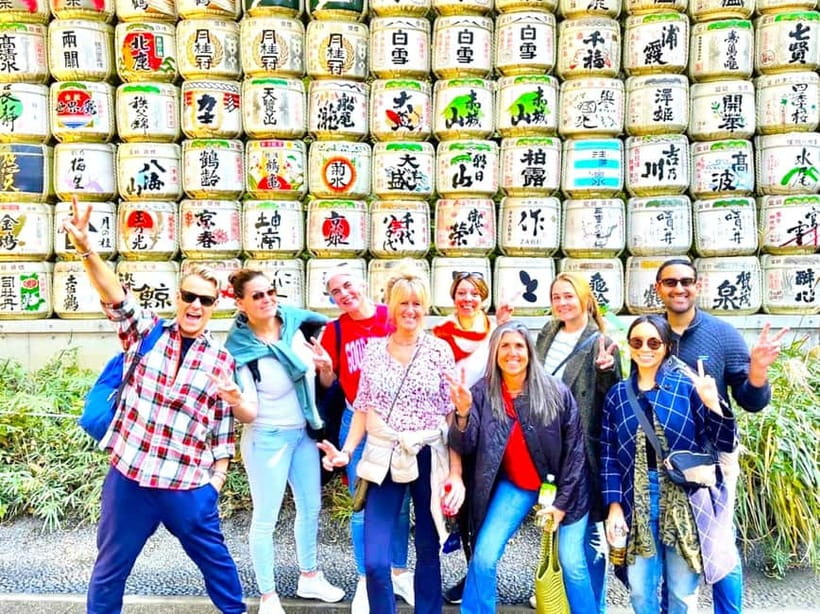
Meiji Jingu Shrine: the city’s quiet reset
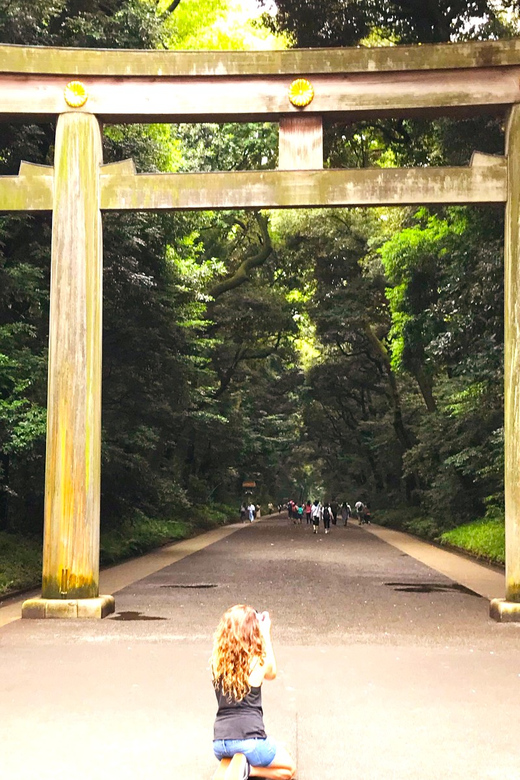
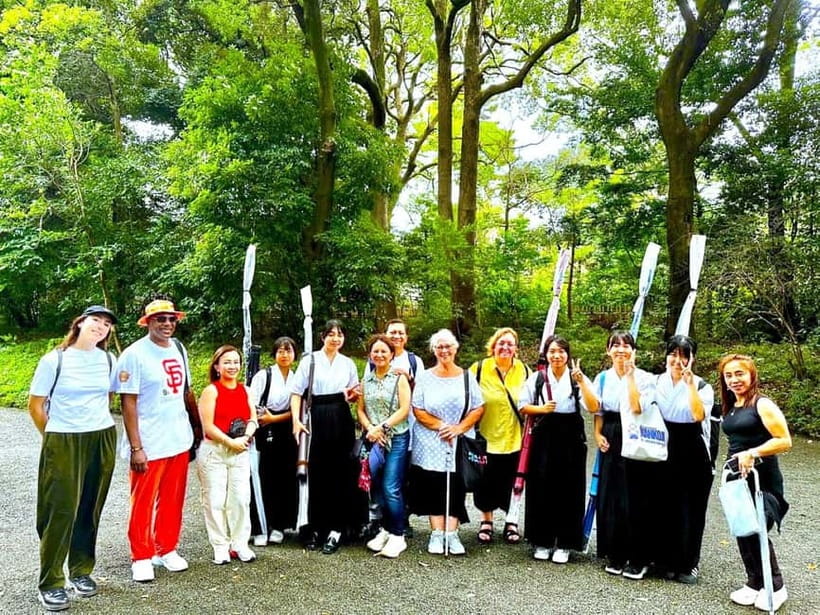
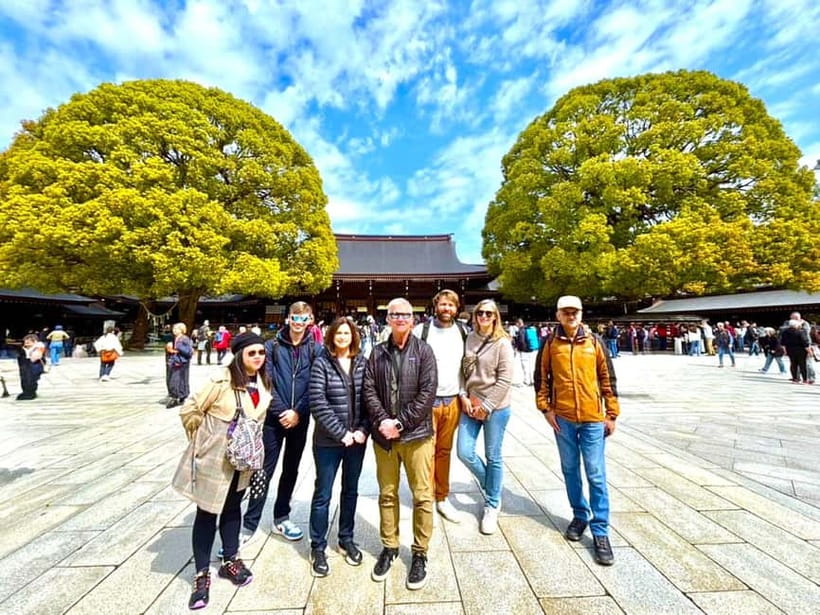
Next comes Meiji Jingu Shrine, described as a serene forest oasis in the heart of Tokyo’s bustle. This is a smart contrast stop. After the modern convenience vibe of a konbini, the shrine area gives you a totally different sensory Tokyo: shade, slower steps, and a calmer mood.
Why it’s valuable on day one: it teaches you that Tokyo isn’t only neon and schedules. Japan’s spiritual spaces are part of everyday life, and Meiji Jingu is a classic entry point to how that feels in real time.
Practical note: temples and shrine areas are often busy in different waves. If you’re taking photos, pay attention to the flow. The guide’s pacing helps you avoid turning this into a stop-and-stare traffic jam.


Shibuya: Hachiko and the choreography of crowds
Shibuya is where Tokyo’s social energy becomes visible, fast. The tour includes:
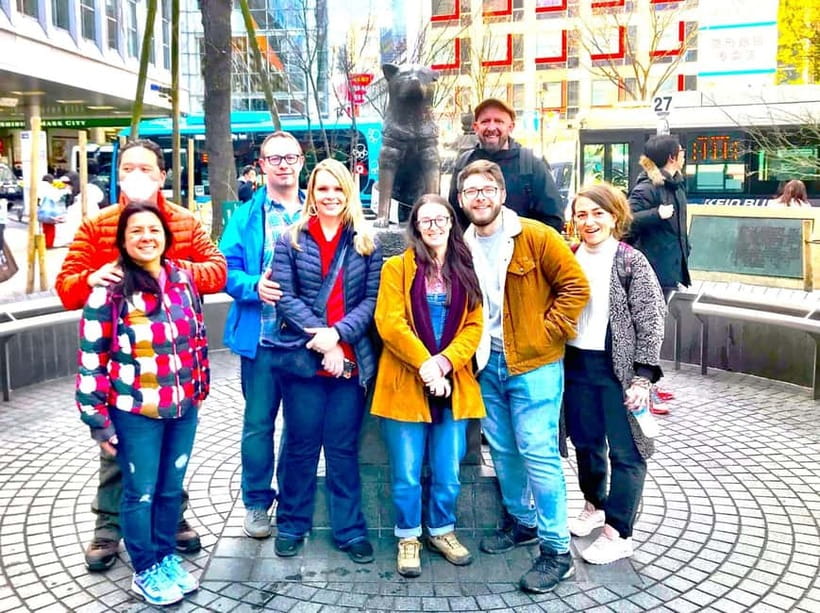
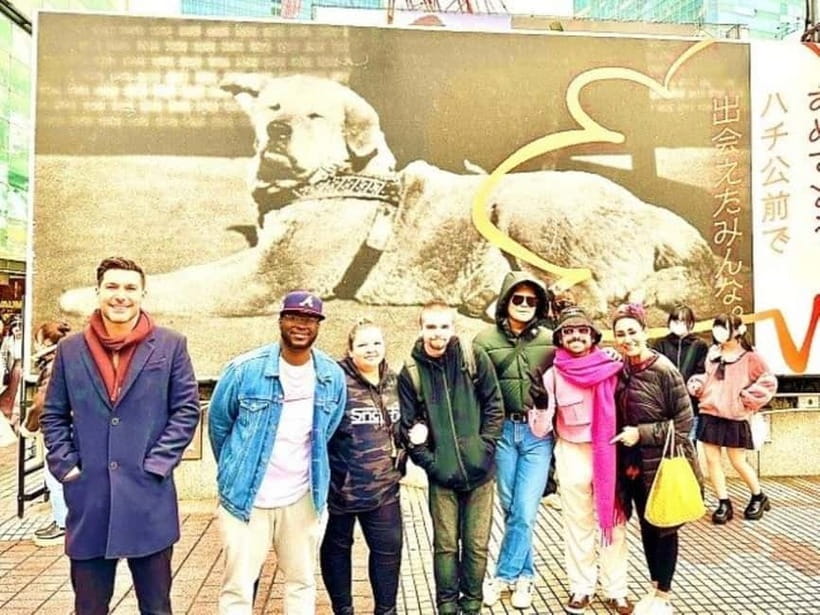
- Shibuya Hachiko, focused on the iconic statue and the true story of the loyal dog
- Shibuya Scramble Crossing, the world’s busiest intersection and a top photo moment
What I like here is the order. Learning the Hachiko story adds meaning before you step into the crowd machine. Then the scramble gives you a clear, unforgettable “Tokyo moment” you can reference later.
Also, it’s not just sightseeing. With the guide’s coaching on etiquette and movement, you’ll learn how to cross and how to behave without being in the way. That kind of instruction is gold in Japan, and it reduces the awkwardness that first-time visitors often feel.
One consideration: Shibuya crowds can be intense. If you’re sensitive to noise or big groups, do your best to stick close to the guide and follow their timing.
Tsukiji Honganji Temple: architecture with a wow-factor
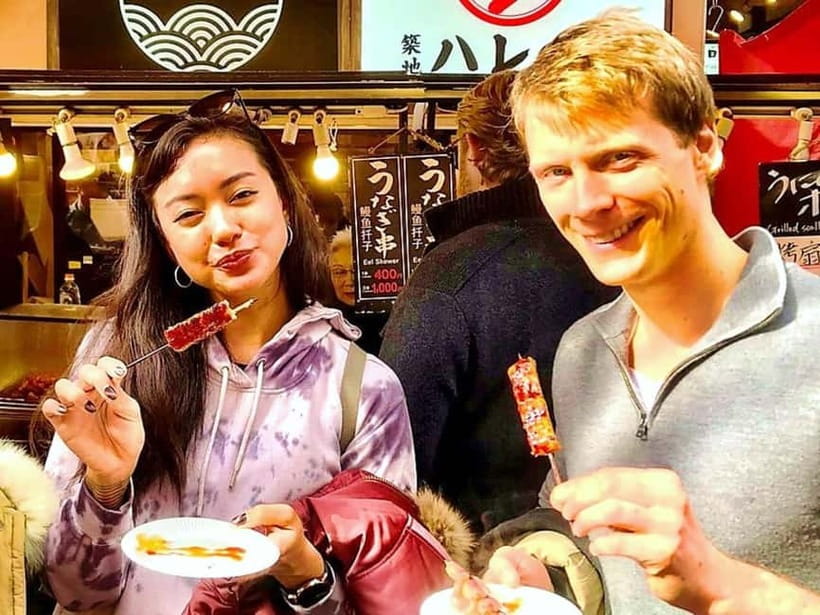
At Tsukiji Honganji Temple, you’re set up for something different from typical temple stops. The tour highlights the temple’s Indian-inspired architecture and striking stained glass.
This is a strong stop if you like visual details you can’t fully capture from a quick glance. The guide’s job here is to help you notice shapes, materials, and the logic behind the design choices.
It’s also a good mental bridge into the next part of the day, because Tsukiji is where food, commerce, and tradition overlap. You’re shifting from a spiritual, design-focused experience into a market mindset.
Tsukiji Outer Market: Japan’s kitchen, day one edition
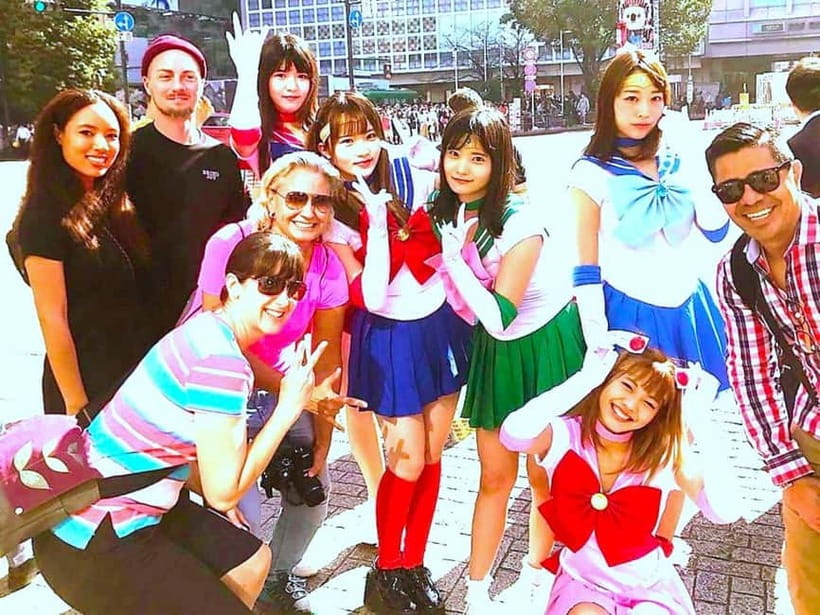
Then you hit Tsukiji Outer Market, described as Japan’s kitchen and a foodie paradise for fresh seafood, Wagyu, and local delicacies. The tour is not just “look at food.” It’s a structured introduction to what to taste, where to wander, and how to think about market browsing.
A key practical point: lunch at Tsukiji is included in the plan but food and drinks are not included in the tour price. The tour info specifically notes lunch at Tsukiji and snacks, so you’ll want to budget for what you actually eat.
Also bring cash. The tour instructions call out that some places require cash only. Outer Market vendors can be hit-and-miss on payment types, so don’t rely on card as your only option.
If you’re vegetarian or vegan, the tour states that options are always available. That matters in a market setting, where it’s easy to get stuck with only a few safe choices.
Imperial Palace: historic heart, modern city edge
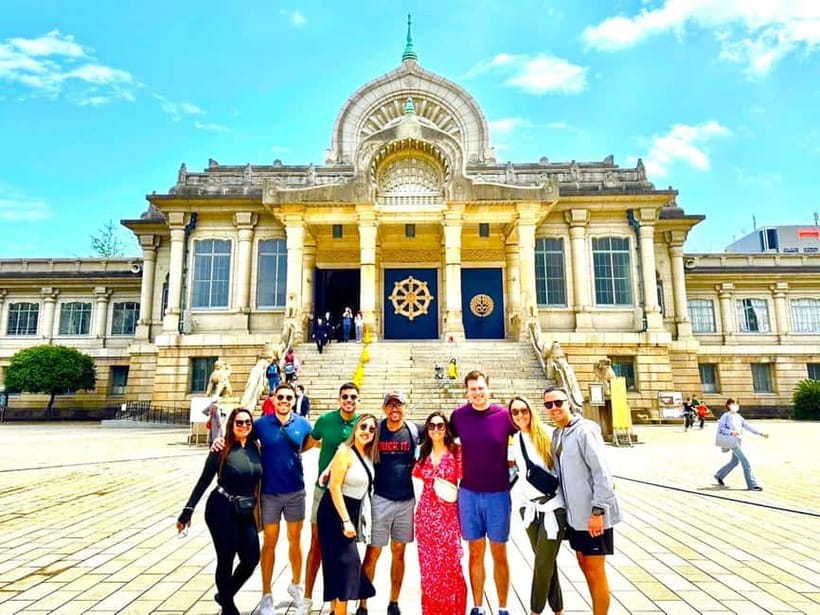
The Imperial Palace stop is your history anchor. The tour describes it as the historic heart of Japan and includes walking the grounds of the former Edo Castle and seeing majestic stone walls.
This is a classic Tokyo contrast moment. The area sits right in the center of modern power and government while still feeling ceremonial and slow. For day-one orientation, it’s a strong reference point: you can later connect other neighborhoods you visited with this central landmark.
One practical consideration: you may not be able to see everything you want from every angle, depending on sightlines and how the tour is paced. The guide’s timing helps, but plan to enjoy the walk and the walls and the overall sense of place.
Marunouchi and Tokyo Station: where the old meets fast transit
Next up is the Marunouchi area, where sleek skyscrapers meet the imperial heritage. This makes sense in the flow of the day because you just spent time with historical grounds, and now you shift into modern Tokyo’s office district look.
Then you visit Tokyo Station, the red-brick landmark that works as both a heritage icon and a transit gateway. If you’re using JR lines during your trip, Tokyo Station is one of the places you’ll feel immediately. Seeing it with context helps you navigate later without wrestling the station layout alone.
This stop is also a morale booster. You get photos, architecture, and a practical win, since your future routes will start making more sense once you’ve visually mapped the hub.
Akihabara: Electric Town for anime and gaming context
The tour heads to Akihabara, framed as a neon paradise for anime and gaming, also called Electric Town. This is a good reality check for first-timers because it shows how Tokyo’s pop culture is not random, it’s organized into districts with a clear identity.
If you’re into tech, collectibles, or just want to understand Tokyo’s youth culture, this stop is often the most fun. Even if you don’t buy anything, you’ll learn where the energy lives and how people shop and browse in that world.
Practical tip: keep your expectations flexible. Storefronts and crowds can change quickly, and you’ll get the most out of it if you stay with the group and let the guide point out what’s worth seeing.
Sensoji and Asakusa Shrine: old Tokyo and everyday manners
The final stretch brings you to Sensoji Temple and then Asakusa Shrine within the Sensoji grounds.
Sensoji is presented as Tokyo’s oldest temple experience, walking through the Kaminarimon Gate to the spiritual heart of old Asakusa. Then Asakusa Shrine adds a calmer, local-feeling Shinto stop within the same area.
What I like about this ending is that it gives you a full-circle understanding of Tokyo’s “old to new” mix. Your day includes convenience culture, modern landmarks, a market, and now a deep dive into traditional religious space and street atmosphere.
It’s also a spot where etiquette matters. The guide’s training on how to behave in shared spaces helps you blend in. That’s especially valuable when crowds are thick near entrances and main halls.
Price and value: what you get for $77
The price is $77 per person for a 7-hour English live-guided experience. Included in the price are the professional guide fee and all taxes. Not included are transportation fares (about 1,500 JPY, or around $10) plus food and drinks like lunch at Tsukiji and snacks.
Here’s the value logic I’d use to decide:
- You’re paying for guided routing and interpretation, not tickets.
- The tour claims all attractions are free to enter, which is the biggest direct cost saver.
- You’ll still spend some money on metro and meals, but those are the expenses you’d have anyway on a day out.
The small-group size is part of the value too. Limited to 7 participants, the guide can answer questions and keep you moving without the “big bus tour silence” feeling.
Overall, it’s a good fit if you want an efficient first-day structure and you value someone sorting the overwhelm for you.
Who should book this Tokyo full course day
This tour is best for you if:
- You have limited time in Tokyo and want a smart overview fast
- You want a guide who teaches etiquette and how to use transit, not just where to stand for photos
- You enjoy mixing culture with popular districts like Shibuya and Akihabara
It may not be the right match if:
- You have low fitness, back problems, or you’re not comfortable with long walking days
- You’re wheelchair-bound or need accessibility support not described in the tour data
- You’re pregnant, have a cold, or just want a lighter pace
Kids have age limits too. Under 18s must be accompanied by an adult, and under 13s require a private tour.
If you’re making a stopover, this kind of first-day orientation can be an efficient way to decide what you want to repeat later.
Should you book this tour?
If you want a structured, English-friendly first day in Tokyo that focuses on both famous stops and smaller local understanding, I think this is a strong booking choice. The biggest pull is the combination of small group size, free-to-enter stops, and guides who coach you on how to move and behave in real Tokyo life.
The main reason to hesitate is the walking pace. If you cannot comfortably handle around 20,000 steps, you’ll feel it by the end of the day.
If you’re able-bodied, curious, and aiming to get your bearings fast, booking this day tour is a practical way to start your Tokyo trip with confidence.
FAQ
How long is the Tokyo tour?
The tour lasts about 7 hours.
How many people are in the group?
The tour is limited to a small group of up to 7 participants.
Are the attractions free to enter?
The tour states that all attractions on the tour are free to enter.
What is included in the $77 price?
The guide fee is included, and all taxes are included in the price.
What should I bring with me?
Bring comfortable shoes, cash (JPY), and a public transport ticket or IC card for metro travel.
Is transportation included?
No. Metro and JR train fares are not included, and the tour lists an approximate cost of about 1,500 JPY (about $10).
Where do I meet the guide?
Meet at JR Yoyogi station, West Exit, outside the ticket gate (1-chōme-34 Yoyogi, Shibuya City, Tokyo 151-0053). The guide’s name and photo are shared after booking is confirmed.
More Tours in Tokyo


More Tour Reviews in Tokyo

Not for you? Here's more nearby things to do in Tokyo we have reviewed



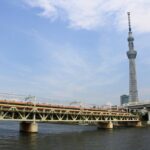

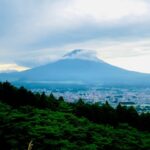
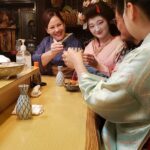
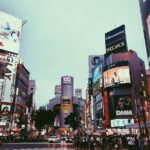

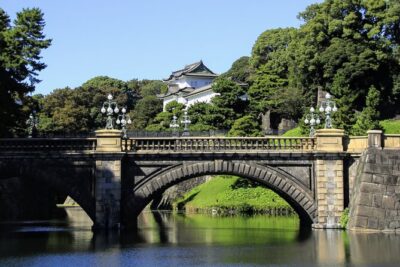
Tokyo City Tours, side by side.
 ★ 5.01-Day Tokyo Bus TourFrom $12914,250 reviews
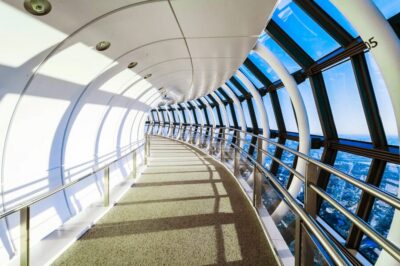 ★ 4.5TOKYO SKYTREE® Admission ticketFrom $1311,192 reviews
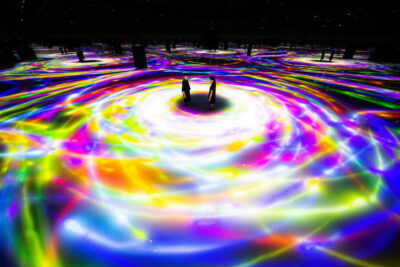 ★ 4.6teamLab Planets TOKYO Digital Art Museum Entry TicketFrom $259,779 reviews
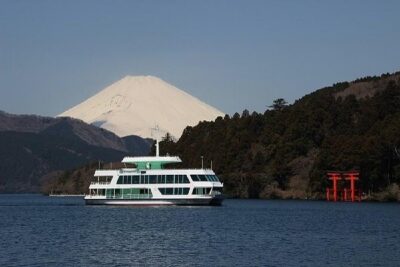 ★ 4.0Mt Fuji & Hakone Cruise, Drum Show Bullet Train 1 Day from TokyoFrom $1497,413 reviews
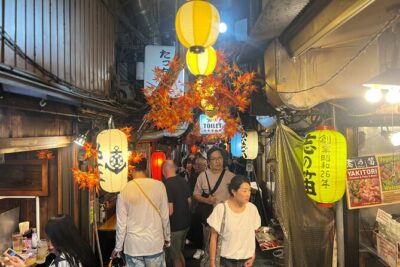 ★ 5.0Shinjuku Food Tour (13 Dishes at 4 Local Eateries)From $866,603 reviews
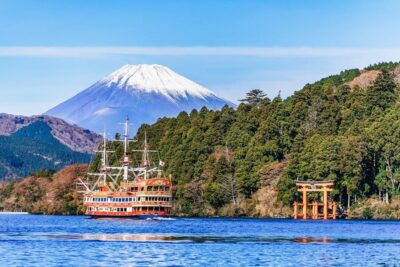 ★ 4.4Tokyo Mt Fuji 5th St & Hakone Cruise Bus Tour w/Bullet TrainFrom $1545,024 reviews
 ★ 5.0Flagship 2-Hours Official Street Go-Kart Tour – Tokyo Bay ShopFrom $644,974 reviews
 ★ 4.5From Tokyo: Mount Fuji Full-Day Sightseeing TripFrom $684,970 reviews