
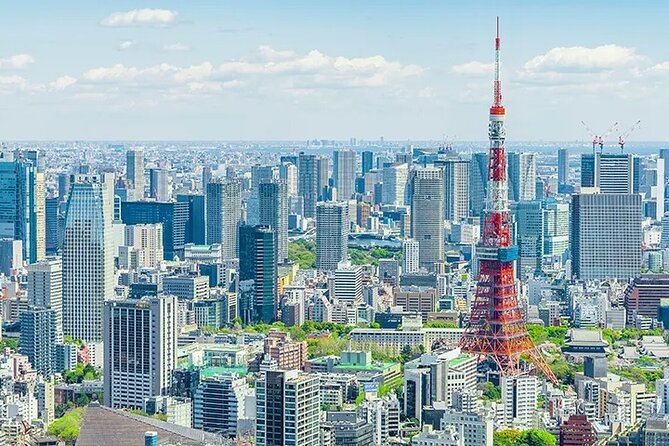
Review · TOKYO CITY TOURS
Tokyo Layover 5 Hours Private Tour
Five hours, a proper Tokyo detour. This is a private way to turn a layover into sightseeing, with free WiFi and an itinerary your guide can adjust. I love that pickup and drop-off at Haneda are built in, plus there is luggage storage in the vehicle so you do not start your day stressed. I also like that most stops are free and the pacing is designed for a true airport-to-airport window. One possible drawback: the route is a highlights sprint, so if you want long museum time or lots of shopping, you may feel rushed.
The big value here is comfort. You ride in a private vehicle, with bottled water and snacks, and you get close to the places you want to see instead of wrestling train transfers mid-layover.
Because the tour is private and customizable, you are not stuck with a single “tour bus” order. Guides such as Style, Douglas, Babu, Riley, and Aimi show up prepared to make the time count, including flexibility when flights run late, which is the whole point of booking a layover plan.
Key Points You’ll Care About
- Haneda pickup and return with luggage storage so you can sightseeing, not just sprint
- Free onboard WiFi and mobile tickets to keep plans and stress under control
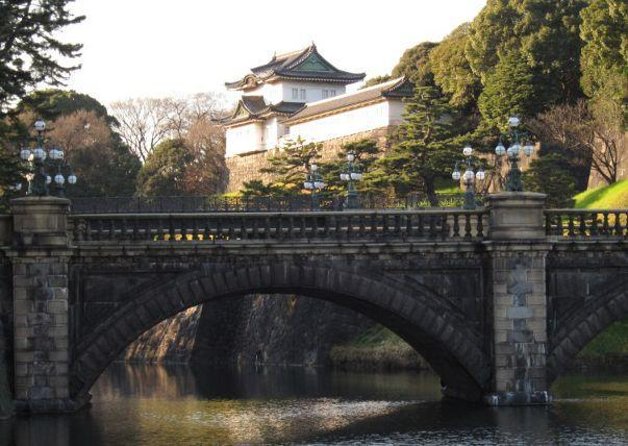
- A five-hour highlights route built around Senso-ji, Tsukiji outer market, Ginza, Imperial Palace area, Omotesando, Meiji Jingu, and Shibuya
- Personalized itinerary based on your interests, not a fixed checklist
- Close drop-offs and smart pacing especially helpful if it is raining or you have limited energy
- Private group up to 9 which can be great value when you share costs
Why a Tokyo Layover Needs More Than a “See Tokyo Fast” Plan

A layover in Tokyo can either feel like wasted time or like the best part of your trip. This tour is designed for the second option: short, efficient, and comfortable from the moment you land at Haneda to when you roll back toward the airport.
What makes it especially workable is the format. You are not coordinating trains with a pocket full of timing worries. You have a private vehicle, a planned route, and a guide who can shift stops to match what you actually want to see in the limited window.
The route itself is a smart mix. It starts with a classic temple scene, swings through markets and modern shopping streets, adds an important government landmark, then gives you both a calm shrine break and a final hit of Shibuya energy. That blend is ideal when you want a “first taste of Tokyo” without spending hours researching which neighborhood is right for your interests.
You can also read our reviews of more private tours in Tokyo
Haneda Pickup That Actually Feels Like a Start, Not a Task
Meeting at Haneda is one of the biggest pain points during a layover, especially if you land during peak congestion or after a long flight. Here, pickup is from Haneda Airport (3-3-2 Hanedakuko, Ota 144-0041 Tokyo), and the tour ends back at the meeting point.
That round-trip structure matters. When the day is short, the best sightseeing plan is the one that gets you back to the airport with enough buffer. Multiple guides in past trips have handled delays and still kept the plan moving, so you can treat this like a guided “time container.”
The other practical win is luggage. You can store your luggage in the vehicle. That means you can walk through places like Senso-ji and around Harajuku areas without carrying bags everywhere, which is a real comfort upgrade.
And yes, it includes modern conveniences that make a layover feel less chaotic: mobile ticket, free WiFi onboard, and bottled water and snacks.
The Core Route: How the Five Hours Are Built
The standard route uses a tight set of time boxes. You will get a taste of multiple Tokyo personalities in one day:
- Senso-ji Temple (about 1 hour)
- Tsukiji Fish Market outer area (about 40 minutes)
- Ginza (about 30 minutes)
- Imperial Palace area (about 30 minutes)
- National Diet building (time not specified in the outline, but included in the same general block)
- Omotesando (about 20 minutes)
- Takeshita Street (about 30 minutes)
- Meiji Jingu Shrine (about 40 minutes)
- Shibuya Crossing (about 15 minutes)
Even with that, traffic and walking time add up. The tour is designed so your guide can help you make choices on the fly. If you want more time for photos at Shibuya or a longer shrine pause, you generally can request adjustments since the itinerary is customizable.
Senso-ji Temple and Asakusa: Starting With Tokyo’s Old Soul
You begin at Senso-ji Temple, widely known as Tokyo’s oldest temple. It is the kind of place where the energy hits fast, even if you only have an hour.
There is also a specific historical story tied to the area. The name Asakusa shows up in records dating back to 628, when a small statue associated with Kannon was found by two fishermen in Asakusa. That kind of detail turns a “must-see temple” stop into something you can actually feel.
How to use your hour well:
- Walk in at a calm pace, then decide where you want to linger.
- Take in the temple approach, then keep your walking purposeful so you do not run out of time before the next neighborhood change.
A practical upside of doing Senso-ji early is the next stops shift you into “food and shopping Tokyo” mode quickly. It is a clean transition.
Tsukiji Outer Market: Market Energy Without the Long Wait
Next is Tsukiji Fish Market, though the modern reality is that the main wholesale operation moved to Toyosu in 2018. The good news is the outer market remains, and it is where you can still snack, browse, and feel the market buzz without committing to a full production of planning.
You have about 40 minutes here, which is a helpful amount for:
- looking at stalls and specialty shops,
- grabbing a quick bite,
- and getting photos of the lanes without spending half your layover waiting in lines.
This is a great stop for first-timers. Even if you do not eat much, you will get that “Tokyo senses overload” feeling in a controlled time slot.






Ginza: Architecture, Crafts, and the Feeling of Money
From Tsukiji, the tour heads to Ginza for about 30 minutes. Ginza is where Tokyo shows a more polished, design-forward side. Expect boutiques, galleries, and restaurants, plus a mix of both mainstream and Japanese traditional craft offerings.
The main point here is contrast. You go from market street energy to a district where shopping and architecture take center stage. Even if you do not plan to buy anything, walking a few blocks in Ginza is an easy way to understand why Tokyo looks the way it does.
A smart strategy in Ginza with a short window:
- choose one or two streets to focus on,
- do not try to “cover” the whole district,
- and keep moving so you still have time for the cultural stops after.
Imperial Palace Area and the National Diet Building: Big Moments, Short Visits
After Ginza comes the Imperial Palace area for about 30 minutes, plus a stop at the National Diet building. The Diet building is noted for surviving the air raids of 1945, and it was built in 1936.
This block can feel more “look and learn” than “wander and snack.” That is not bad. In a layover, it is useful to have at least one area where you see something historically and politically important without spending money or time on entry tickets.
How to enjoy it in this time format:
- If you like photos, use the time for a few exterior shots and quick viewpoints.
- If you like history, ask your guide what you are looking at, because the buildings tend to make more sense when someone connects them to Japan’s story.
Even if you only spend a half hour total in the wider area, you get a sense of why Tokyo is not just neon and shopping.
Omotesando: A Short Stroll Through Design-Driven Tokyo
Omotesando is next, with about 20 minutes. This is one of those Tokyo places where the streets feel like a design gallery. The area is known for buildings designed by leading architects, and you will also find major fashion brands.
In such a short stop, do not aim for shopping. Aim for observation:
- look at the building shapes and facades,
- check how the street layout changes,
- and enjoy the clean visual pacing.
It is a good break between “crowd streets” and “shrine calm,” which is coming soon.
Takeshita Street and Harajuku: Youth Culture in a Tight Time Box
Then it is Takeshita Street for about 30 minutes. This is Harajuku’s fast lane, where youth culture shows up in fashion and wild design choices.
If your goal is photos and people-watching, 30 minutes can work well. The trick is to pick a route you can handle quickly, then stop when you have the shots you came for. If you keep walking without a plan, you can lose time fast in a crowded shopping street.
This stop is also a nice reminder of Tokyo’s range. A city that can do ancient temples and government landmarks can also switch gears into playful fashion chaos, sometimes within the same afternoon.
Meiji Jingu Shrine: A Calm Reset From the Streets
Next is Meiji Jingu Shrine, about 40 minutes. This is the kind of stop that actually helps you enjoy the rest of the day, because it slows your pace. The shrine area is described as having a pleasant atmosphere, a break from busy streets, and a chance to see traditional moments.
On weekends, there is sometimes the possibility of witnessing a traditional Japanese wedding ceremony. The tour outline notes that this may be possible on Saturdays and Sundays, so if your layover lines up, it is worth staying alert and asking your guide what timing looks like.
In this time block:
- take a few minutes to walk slowly,
- find a spot to look around without rushing,
- then regroup before the last stop.
Shibuya Crossing: The Big Final Hit
The tour ends with Shibuya Crossing for about 15 minutes. This is the world-famous intersection that makes Times Square feel smaller by comparison, in the words of the tour description.
This last stop works because it is quick and high impact. You can get the photos, feel the crowd energy, and still keep the schedule under control.
If you want the most useful photos:
- stand where you can see multiple lanes at once,
- then let the crossing do its job while you stay mostly still.
After this, the tour returns to the meeting point at Haneda, which is what you need when you are working around flight schedules.
Price and Value: When $641.36 Makes Sense
The price is $641.36 per group, up to 9 people, for about 5 hours. That is how this tour becomes either a steal or expensive, depending on how many seats you fill.
Here is the simple math:
- If you use all 9 spots, you are around $71 per person.
- If you only have 2 people, you are around $321 per person.
So the value is strongest for:
- families or groups of friends,
- school groups,
- or any situation where you can genuinely split a private vehicle.
This is also why the private format matters. You are not paying for “just transportation.” You are paying for a guide-managed route, pickup and drop-off at Haneda, luggage handling, and a schedule that aims to protect your time.
If you are traveling solo or as a couple, you might still book it if you strongly prefer comfort and don’t want to gamble on transit timing. But it helps to run the per-person cost in your head before you commit.
Comfort Perks You Feel Right Away: WiFi, Snacks, and Close Access
A layover tour lives or dies by small things. This one has several that actually help:
- Free WiFi onboard means you can check messages, maps, and flight updates without burning data
- Bottled water and snacks reduce the “we have to stop somewhere now” pressure
- a private vehicle keeps you off the clock of train transfers
- close access to sights is a big deal on rainy days, and groups have specifically been pleased with being taken close to stops
When you are jet-lagged or on a tight schedule, these add up. You do not just “see” Tokyo. You experience Tokyo with fewer friction points.
How the Guide Makes or Breaks a Layover Day
This is where you should lean into the private format. A good guide turns a route into a plan that fits your energy level.
In past experiences with this service, guides like Douglas, Riley, Babu, Style, Leonardo, Ren, Aimi, Nao, Ryu, Tomoya, Murphy Lu, and Roberto have been praised for being easy to meet up with, friendly, and flexible when timing changed.
What that usually means for you in practical terms:
- your guide can adjust the order of stops if your priorities differ,
- you can ask questions as you go,
- and if something delays pickup, you can often still salvage the day with a smarter route.
One more note: some reviews specifically mention good photo spots. If you care about photos, this matters because a guide can point you toward angles that save time. With a 15-minute Shibuya stop, that can be the difference between a quick blur and a keeper shot.
Timing Tips for a True Five-Hour Experience
Because you are working with a layover, the most important planning you can do is to protect your “back end” time. Customs, walking, and getting to your departure gate can take longer than you think.
Here are realistic ways to make the five hours work better:
- Pick your top 3 stops before your driver arrives, then let the guide fill the rest.
- If you care most about temples, lean into Senso-ji plus Meiji Jingu and treat shopping streets as bonus.
- If you care most about modern Tokyo, you may prefer Ginza, Omotesando, Takeshita, and Shibuya more heavily.
Also, keep your expectations aligned with the time budget. You are not going to “slow travel Tokyo” in five hours. You are getting a well-packaged sampler platter, and the goal is to leave feeling like you did something memorable, not like you sprinted and forgot everything.
Who This Tour Fits Best
This tour is a strong fit for:
- first-time Tokyo visitors who want a highlights day without figuring out transit,
- families who need comfort and short walking blocks,
- groups that can fill seats and split the group cost,
- anyone landing at Haneda who wants luggage handled and pickup solved in one step.
It may not be your best choice if:
- you want deep museum time,
- you plan to spend lots of time shopping for many hours,
- or you dislike tight schedules and quick stops.
Should You Book This Tokyo Layover Private Tour?
Book it if your layover is long enough that you want to get outside the airport and into real Tokyo neighborhoods, but short enough that you cannot afford planning mistakes. The combination of Haneda pickup and return, luggage storage, a private vehicle, and a route that hits temple, market, modern districts, shrine, and Shibuya makes this a practical “layover win.”
I would hesitate only if you know you want slower pacing or extended indoor time. For most people though, this is exactly the kind of structured freedom that makes a five-hour layover feel like a bonus day.
FAQ
How long is the Tokyo Layover 5 Hours Private Tour?
The tour duration is about 5 hours.
Where does pickup happen for this Haneda layover tour?
Pickup is at Haneda Airport, listed at 3-3-2 Hanedakuko, Ota 144-0041 Tokyo Prefecture. The tour also ends back at the meeting point.
Is this tour private, and how big is the group?
It is a private tour/activity, and your group is the only group participating. The price is per group for up to 9 people.
What stops are included on the route?
The itinerary includes Senso-ji Temple, Tsukiji Fish Market (outer market), Ginza, the Imperial Palace area, the National Diet building, Omotesando, Takeshita Street, Meiji Jingu Shrine, and Shibuya Crossing.
Are there admission tickets required for these stops?
The outline lists admission tickets as free for the stops included (Senso-ji Temple, Tsukiji Fish Market, Ginza, Imperial Palace, Omotesando, Takeshita Street, Meiji Jingu Shrine, and Shibuya Crossing).
Can I cancel and get a full refund?
Yes. You can cancel up to 24 hours in advance of the experience start time for a full refund. If you cancel less than 24 hours before, the amount paid is not refunded.
More Private Tours in Tokyo

More Tours in Tokyo

More Tour Reviews in Tokyo
Not for you? Here's more nearby things to do in Tokyo we have reviewed












Tokyo City Tours, side by side.
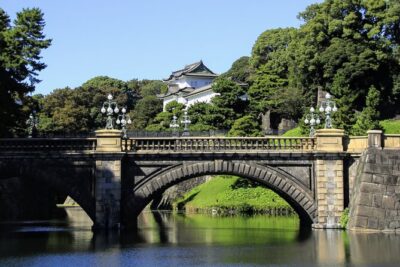 ★ 5.01-Day Tokyo Bus TourFrom $12914,250 reviews
 ★ 4.5TOKYO SKYTREE® Admission ticketFrom $1311,192 reviews
 ★ 4.6teamLab Planets TOKYO Digital Art Museum Entry TicketFrom $259,779 reviews
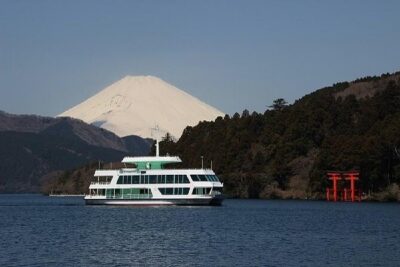 ★ 4.0Mt Fuji & Hakone Cruise, Drum Show Bullet Train 1 Day from TokyoFrom $1497,413 reviews
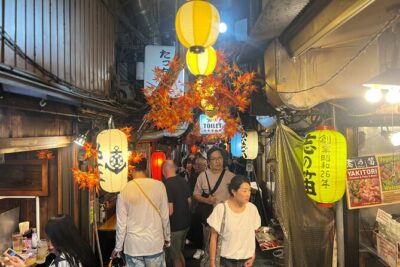 ★ 5.0Shinjuku Food Tour (13 Dishes at 4 Local Eateries)From $866,603 reviews
 ★ 4.4Tokyo Mt Fuji 5th St & Hakone Cruise Bus Tour w/Bullet TrainFrom $1545,024 reviews
 ★ 5.0Flagship 2-Hours Official Street Go-Kart Tour – Tokyo Bay ShopFrom $644,974 reviews
 ★ 4.5From Tokyo: Mount Fuji Full-Day Sightseeing TripFrom $684,970 reviews