
Review · MOUNT FUJI TOURS
Tokyo: Mount Fuji Day Trip with Scenic & Local Stops
Fuji day trips from Tokyo can feel rushed. This one has a smart, photo-focused plan with 6 well-chosen stops and bilingual cultural help, plus time for calm moments like Lake Yamanaka. The day moves fast enough to squeeze in everything, so you should be ready for a long day on the road and some changing plans if weather hits.
I especially like the way the guide helps you get better shots, not just where to stand. You’ll get composition tips and classic Fuji framing ideas, then test them at places like Niikurayama Asama Park and Hikawa Clock Shop. I also like that the itinerary stays practical, with transport included and a laid-back final moment feeding swans at Lake Yamanaka.
One drawback to consider: Mount Fuji visibility depends on the day. If it’s cloudy, you can still enjoy the lakes and villages, but the big “Fuji postcard” payoff can be weaker than you hoped.
Key highlights you should know before you go
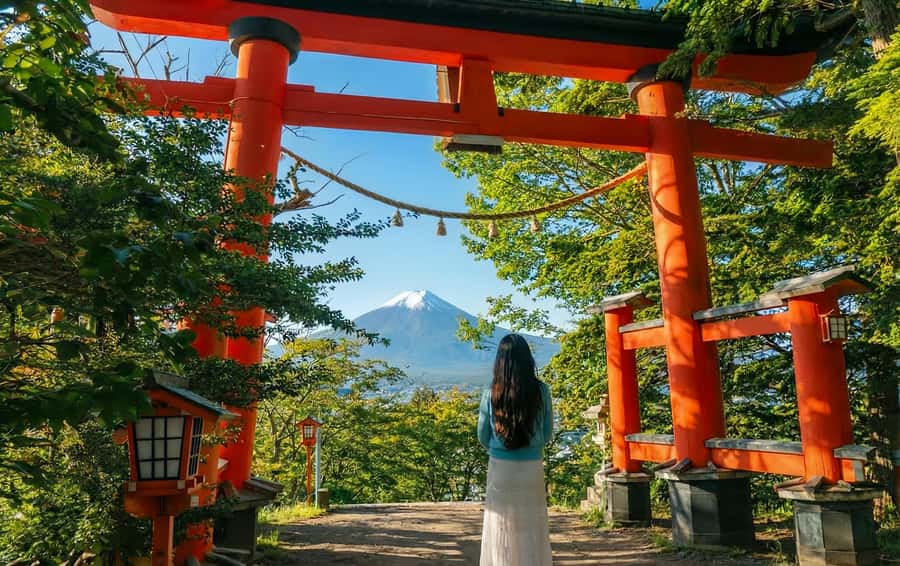
- 6 iconic photo stops spread across Fuji viewpoints, retro streets, and two of the famous lakes
- Bilingual English-Chinese guidance with photography tips to improve what you capture
- Niikurayama Asama Park panoramic views from a hilltop observatory (great for a telephoto lens)
- Hikawa Clock Shop classic framing for that clock tower plus Fuji composition
- Oshino Hakkai traditional springs village with clear water ponds and easy strolling
- Lake Yamanaka swan feeding gives you a gentle, low-key finish
Tokyo to Mount Fuji in one day: what makes this tour work
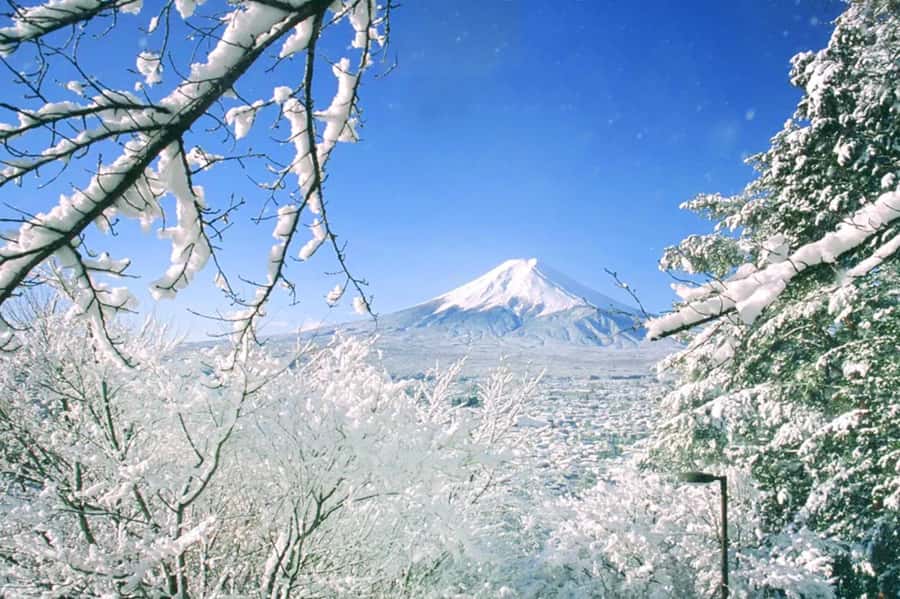
A Tokyo-to-Fuji day trip lives or dies on timing and planning. This tour is built around photo stops that are known for Fuji views and recognizable scenes, which helps you avoid the “where do we go next?” scramble that often happens with DIY days. You also get round-trip transport from Tokyo, so your energy stays where it belongs, on photos and walking.
The value is also real for the price point. For $44, you’re paying for a full day of logistics, guide time, and multiple stops, not just a scenic drive. Included perks are small but meaningful: a Fuji spring mochi snack, plus the guide’s photography coaching.
Expect a long day. One review notes about 10 hours total, and the vibe is fast-paced, because the itinerary stacks several photo locations. That’s not bad, but it does mean you should pack your patience for crowds at popular viewpoints, especially in peak seasons.
More Tokyo tours and experiences for the shortlist



What you’ll actually see: the 6-stop photo plan
This is a “hit the icons” day. The stops are arranged so you can work through different kinds of Fuji backdrops, from hilltop panoramas to lakes and village streets. The order matters because each location gives a different angle and a different mood.
Also, you’re not stuck with one kind of scenery. You get:
- hilltop mountain views at Niikurayama Asama Park
- a retro storefront scene at Hikawa Clock Shop
- spring-water ponds at Oshino Hakkai
- lake reflections and wide-open angles at Lake Kawaguchi
- a Fuji-branded retail photo moment at Fuji Lawson Store
- a calmer nature finish at Lake Yamanaka with swan feeding
If your goal is the classic Fuji checklist, this tour fits it. If your goal is slow wandering and long stays, you might feel the schedule pinch.
Niikurayama Asama Park: the hilltop Fuji payoff
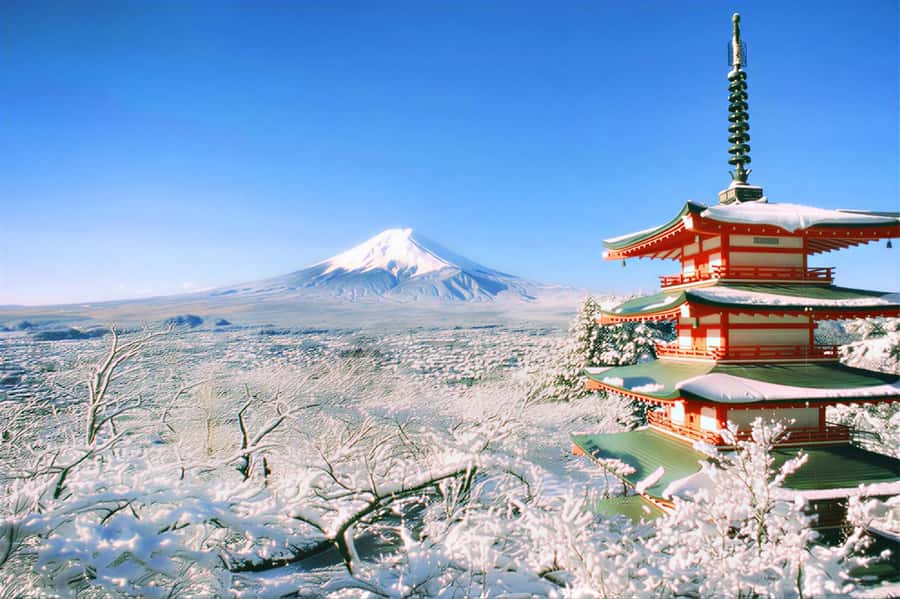
Niikurayama Asama Park is the kind of stop that makes you instantly understand why people set aside whole days for Fuji. The hilltop observatory gives you panoramic views, including the snow-capped look you associate with Mt. Fuji (especially when the season supports it). In spring, you may catch cherry blossoms as a seasonal backdrop, and in fall, autumn foliage can frame the mountain.
What I like about this stop is that the guide doesn’t treat it like a quick photo and run. You’ll get photography tips focused on how to compose your shot. That matters because at viewpoints, it’s easy to end up with wide images where Fuji is tiny, or where the horizon and foreground feel awkward.
Practical tip: the tour notes telephoto lens is helpful here, because it gives you options for tighter Fuji views. Also plan for non-slip shoes. Some mountain paths can be uneven, and you’ll likely be standing and moving around for angles.
Hikawa Clock Shop: the retro streetscape shot
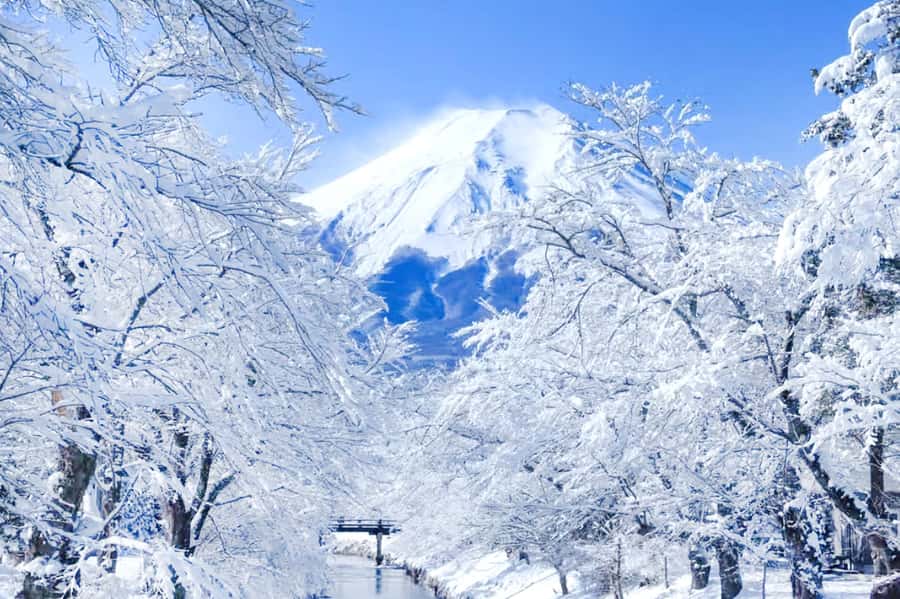
Hikawa Clock Shop is an Instagram hotspot for a reason. It’s the retro facade that frames Fuji in the background, giving you a built-in composition. The iconic “clock tower plus Fuji” style photo is the star here, and the guide gives you hands-on instruction on how to set up the classic shot.
This is one of the stops where your own timing helps. If you wait for the light angle or for people to shift, you’ll get cleaner lines in the facade and better separation between the buildings and the mountain.
The only thing to remember is crowds. Since this is one of the most recognizable Fuji backdrops, you’ll want to be comfortable sharing space and moving with the group. It’s still fun because the photo frame is so specific, you can practically feel your camera doing what you asked for.
Oshino Hakkai: UNESCO-listed spring village calm
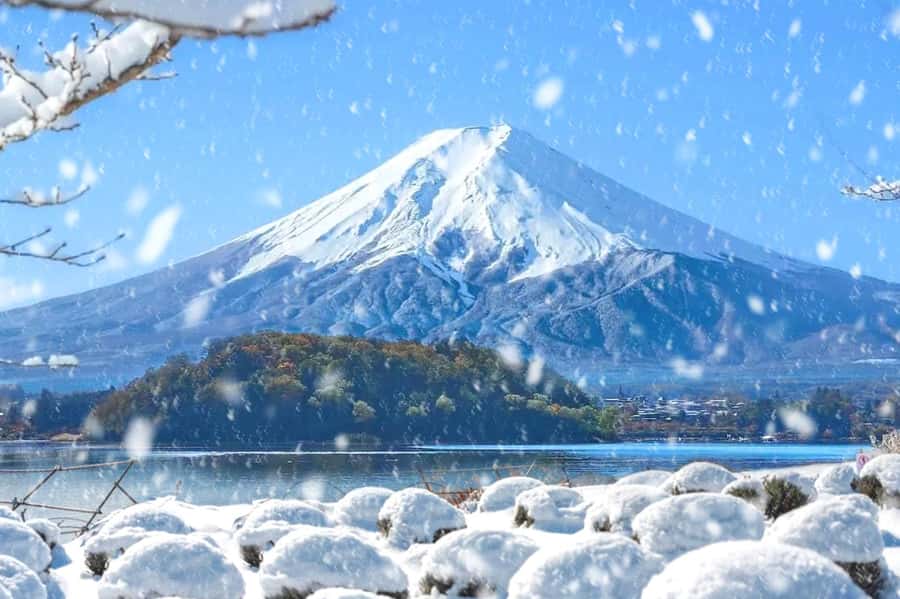
After the photo frames, Oshino Hakkai brings the slower, more local-feeling side of Fuji. This UNESCO-listed area is known for natural springs and crystal-clear waters. The village stroll is simple and scenic, with traditional surroundings and ponds where koi fish are visible.
If you’re thinking, Wait, how does this help my Fuji photos? It helps because it gives you a different kind of scene. Not every angle of Fuji needs to be a mountain-only shot. This is a place for water reflections, texture, and a sense of “you’re really in the Fuji region,” not just at the most photographed viewpoints.
What I like is the pacing shift. After two stronger “photo composition” stops, you get a chance to walk, look longer, and reset. The tradeoff is that you should keep an eye on time because the day is scheduled tightly, and you’ll be moving again soon.



Lake Kawaguchi: Fuji reflections and the classic wide-angle view
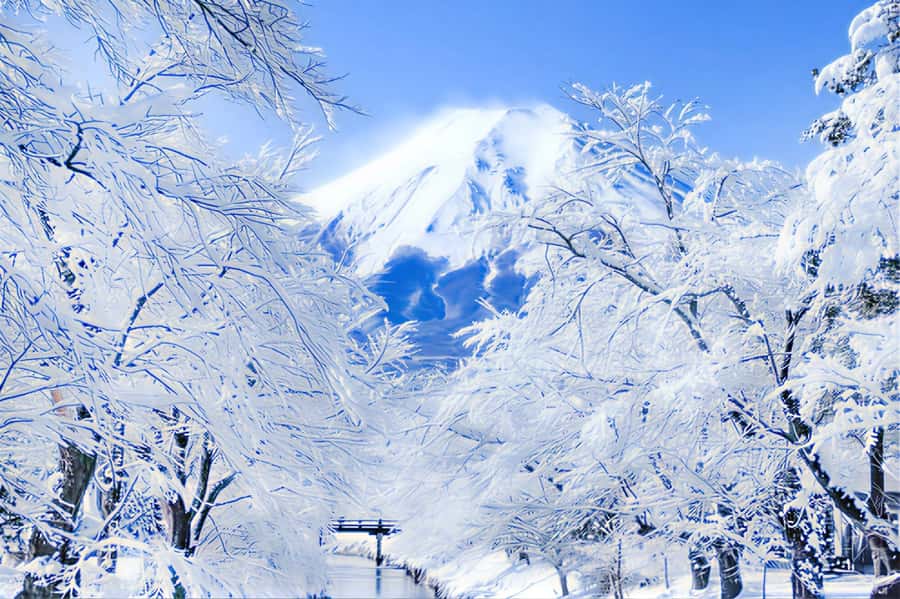
Lake Kawaguchi is one of the Fuji Five Lakes, and it’s often described as the most photogenic. That reputation shows up here because you’re looking for that mix of wide lake views with Fuji as the anchor. On clear days, you can find mirror-like reflections, and even when the sky is less cooperative, the lake still gives you strong composition options.
The tour also includes an optional add-on at this stop for dynamic Fuji shots, and it’s described as seasonal. The good news is that it’s framed as optional, so you’re not forced into a single style of photo.
One review mentions they managed to catch a bit of the mountain at Lake Kawaguchi even though Fuji was cloudy earlier. That’s exactly why this lake stop matters: it’s one of your best chances to get Fuji in view during the day, even if earlier viewpoints didn’t deliver the full postcard look.
Fuji Lawson Store: quick branding, fun snack ideas, real photo energy
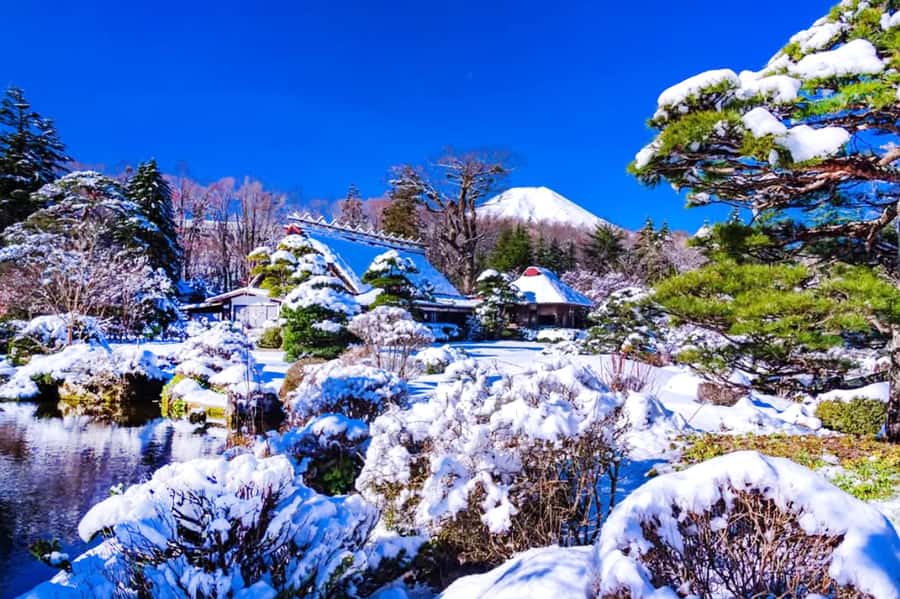
This is the stop that feels playful instead of scenic. The Fuji Lawson Store is built for those blue-and-white logo photos against the Fuji backdrop. It’s also where your guide can steer you toward Fuji-limited snacks, which is a nice way to sample local flavors without turning the day into a shopping mission.
I like this kind of stop because it’s short and purposeful. You get a recognizable scene, a chance to grab something tasty, and you keep moving. One review also specifically praised that there aren’t mandatory shopping stops or optional extras. That aligns with the overall feel: photo stops first, detours second.
If you’re the type who hates wasting time inside stores, treat this as a photo and snack pit stop, not a browse marathon. The tour gives you snack suggestions, so you don’t have to decide from scratch.
Lake Yamanaka: swans, still water vibes, and a gentle ending
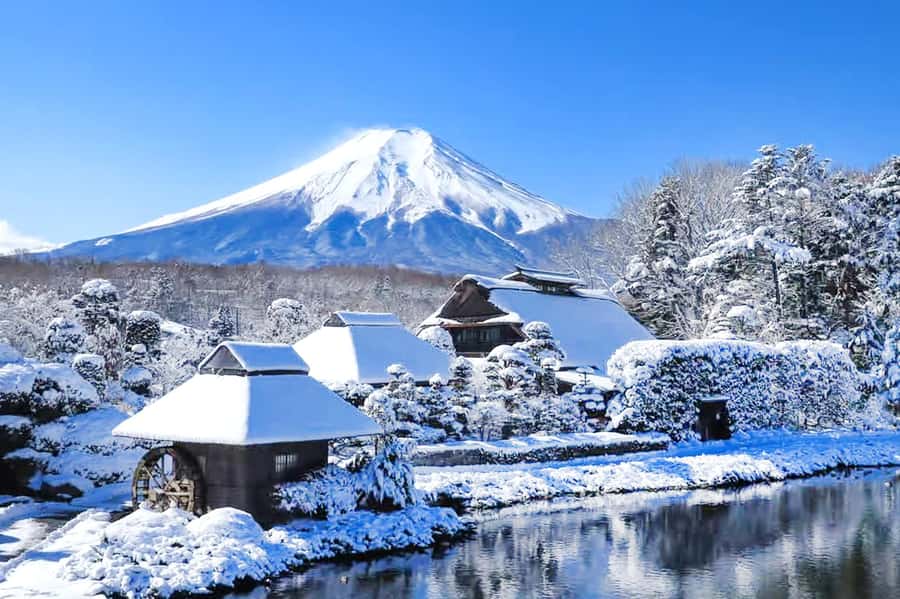
Lake Yamanaka is the calm finale. You’ll be feeding swans, and it’s described as suitable for all ages. That makes it a surprisingly good contrast to the more intense “find the perfect angle” earlier in the day.
For me, the biggest value of this stop is emotional. After crowds and constant movement, feeding swans gives you a quiet, slow moment where the pace drops. It’s also the kind of scene where you can get great photos without needing perfect Fuji visibility. Even if the mountain is hiding, the lake and the birds still make a strong frame.
One practical note: since this is a nature interaction, wear comfortable shoes and stay aware of how you step around the feeding area.
Timing, transport, and how the group day really feels
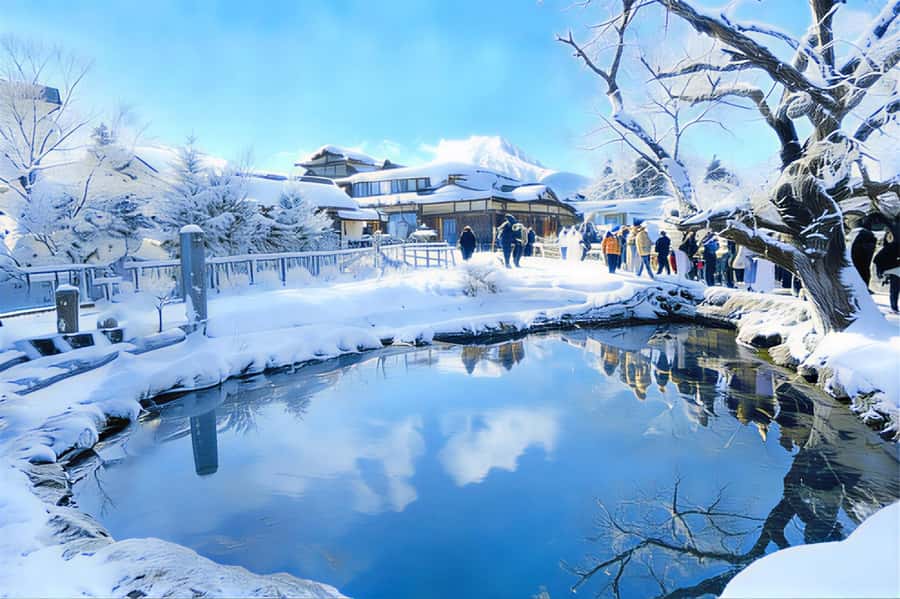
The tour is designed as a full-day circuit with round-trip transport from Tokyo. Expect long transit time and a schedule that keeps you moving. One review notes a smooth experience and comfortable buses, with clean vehicles and great seating.
That matters more than people think. When you spend most of the day in transit, your comfort affects everything else. If you’re sensitive to motion sickness or fatigue, plan ahead, because this isn’t a short excursion.
Guides and commentary can also vary slightly. The tour includes a bilingual English-Chinese guide, but the details mention that on small daily groups, the driver may double as guide with limited English commentary, and there may be no commentary while driving. Translation still works, but if you really want constant commentary while en route, manage expectations and focus your questions for the stop times.
Also, note the strict in-vehicle rule: no eating or drinking in the bus. Since meals aren’t included, plan to eat before you meet up or during the stops when there’s time.
What to bring so the day goes smoothly
This is the stuff that will save you from frustration:
- a camera (obviously) and, ideally, a telephoto lens for Niikurayama Asama Park
- non-slip shoes for mountain paths
- some cash, since you may want snacks or small purchases at stops
- comfortable layers, because weather can change quickly around viewpoints
If you’re serious about photos, the guide’s tips plus your own lens choice are the winning combination. Telephoto helps compress distance so Fuji fills the frame. Wider shots can capture context, like retro streets or lake shoreline lines.
Weather reality: how to think about Fuji on the day
Mount Fuji visibility is weather-dependent, and this tour treats that honestly. If facilities close due to weather, the schedule may shift to other stops. Time shifts can happen because of traffic or early closures, too, especially on weekends and holidays when crowds build.
So here’s your best mindset: plan for Fuji, but don’t hinge your whole trip on one moment. Even if Fuji is cloudy, you’ll still visit springs at Oshino Hakkai, get lake time at Lake Yamanaka, and hit the retro Hikawa Clock Shop facade. Those scenes can still deliver great photos and good memories.
One review even called out that Fuji was cloudy for most of the day, yet the group still enjoyed the lakes and managed to catch some mountain at Lake Kawaguchi. That’s the pattern to expect when skies are uncertain.
Price and value: what $44 buys you (and what it doesn’t)
At $44 per person, you’re paying for a lot of infrastructure: round-trip transport from Tokyo, a bilingual guide, six major stops, and included Fuji spring mochi snack. The guide coaching is also part of the value, because it can upgrade your photos without extra cost.
What’s not included is just as important: meals are not included, and personal travel or accident insurance is not included. The tour also notes it’s not suitable for certain travelers, including pregnant women, people with mobility impairments, wheelchair users, and people over 70.
I like that the day doesn’t feel like a shopping spree. The Fuji Lawson Store is more of a photo-and-snack stop than a forced purchase situation. That helps keep the value centered on the actual sights.
Should you book this Tokyo Mount Fuji day trip?
Book it if you want a structured, photo-first day that covers the main Fuji area highlights without making you plan every turn yourself. The biggest reason is the combination of iconic stops plus a guide who helps you work on composition, not just location. If you’re okay with a full day and you like photography, this is a strong fit.
Skip it if you want a slow travel rhythm, or if Fuji visibility is the only thing that matters to you. Clouds happen. Also, the day’s physical demand and route type make it a no-go for people with mobility limitations, and the notes are clear that it’s not set up for wheelchairs.
If you’re coming from Tokyo with limited time and you want the Fuji-region hits in one day, this tour gives you an efficient path to both big views and small, local moments like spring ponds and swan feeding.
FAQ
How much does the Mount Fuji day trip cost?
The price listed is $44 per person.
How long is the day trip?
It’s described as a full-day tour, and one review notes about 10 hours total.
What language is the guide?
The guide is listed as bilingual English-Chinese, with languages also given as Chinese and English.
What are the main stops on the tour?
The tour includes Niikurayama Asama Park, Hikawa Clock Shop, Oshino Hakkai, Lake Kawaguchi, Fuji Lawson Store, and Lake Yamanaka.
Is Mount Fuji guaranteed to be visible?
No. The tour can shift if weather affects facilities, and one review mentions Fuji was cloudy at times, though the group still caught some mountain views later.
What is included in the price?
Included items are round-trip transport from Tokyo, a bilingual guide, and Fuji spring mochi snack.
Are meals included?
No. Meals are not included.
Is the swan feeding suitable for kids?
Yes. Swan feeding is described as suitable for all ages.
Is travel or accident insurance included?
No. The tour explicitly says it does not include personal travel or accident insurance, so you should purchase it separately if needed.
More 1-Day Tours in Tokyo


More Tour Reviews in Tokyo
Not for you? Here's more nearby things to do in Tokyo we have reviewed












Mount Fuji Tours, side by side.
 ★ 5.0Mt Fuji and Hakone 1-Day Bus Tour Return by Bullet TrainFrom $16326,383 reviews
 ★ 4.0Mt Fuji & Hakone Cruise, Drum Show Bullet Train 1 Day from TokyoFrom $1497,413 reviews
 ★ 4.4Tokyo Mt Fuji 5th St & Hakone Cruise Bus Tour w/Bullet TrainFrom $1545,024 reviews
 ★ 4.5From Tokyo: Mount Fuji Full-Day Sightseeing TripFrom $684,970 reviews
 ★ 4.7Mt. Fuji Tour, Hakone Ropeway, Owakudani, Lake AshiFrom $544,002 reviews
 ★ 4.2Mt. Fuji 5th Station & Hakone Cruise 1-Day Bus TourFrom $1292,381 reviews
 ★ 4.7Mt Fuji Top 5 Spots Day Tour: Arakurayama Park,Oshino HakkaiFrom $532,066 reviews
 ★ 5.0Private Tour to Mt. Fuji and Hakone (Fully Licenced Operator)From $4971,910 reviews
This tour also belongs to