
Review · MOUNT FUJI TOURS
Tokyo Mt. Fuji Hakone Shrine, Owakudani, Lake Yamanakai Day Tour
Volcano steam and Fuji views, all in one day. This Tokyo-to-Hakone day tour strings together Hakone Shrine, the red torii on Lake Ashinoko, the Owakudani crater, plus quick photo stops at Lake Yamanaka and Oshino Hakkai.
I really like that the Ropeway segment is included, so you can ride straight into the crater views, and I like that the day is built around Fuji-friendly viewpoints.
The main drawback to plan around is tight timing and weather. If wind or rain smothers the sights, the itinerary still keeps moving, so you may feel rushed and miss some skyline moments.
Key highlights worth knowing before you go
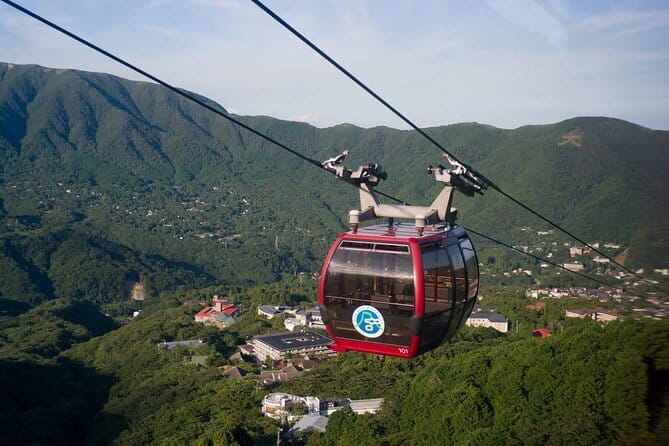
- Included Hakone Ropeway ride makes the Owakudani portion efficient and scenic
- Hakone Shrine and the red torii give you a classic Mt. Fuji day view, even from a distance
- Owakudani volcanic valley is the drama stop, with big steam and a famous black-egg snack option
- Two Fuji-photo chances (Lake Yamanaka swans, Oshino Hakkai ponds) increase your odds of a good outcome
- Short free times at each stop, so you get highlights without long, aimless waits
- Guides matter. Some departures are superbly informative (like Kousei, Jack, and Tom), while others can feel lighter on context when conditions are rough
A packed Hakone and Fuji day from Tokyo
This is the kind of day trip that works best when you accept one reality upfront: you are doing a lot of moving in one day. The payoff is that you get a strong slice of Hakone and the Fuji area without having to plan trains, connections, and tickets for multiple legs.
The tour runs about 8 hours 20 minutes, with a daily departure and a group size that caps at 15. It also needs a minimum of 4 people to run, which is why it’s smart to book with enough flexibility on your Tokyo schedule. You’ll get a mobile ticket, and the night before you should receive a reminder email with pick-up details.
If you like structure, this tour will feel comfortable. If you hate being on a clock, you’ll want to go slower, because even the free time blocks are designed to keep the day moving.
You can also read our reviews of more tours and experiences in Tokyo.



Hakone Shrine and Lake Ashinoko’s red torii (your classic opener)
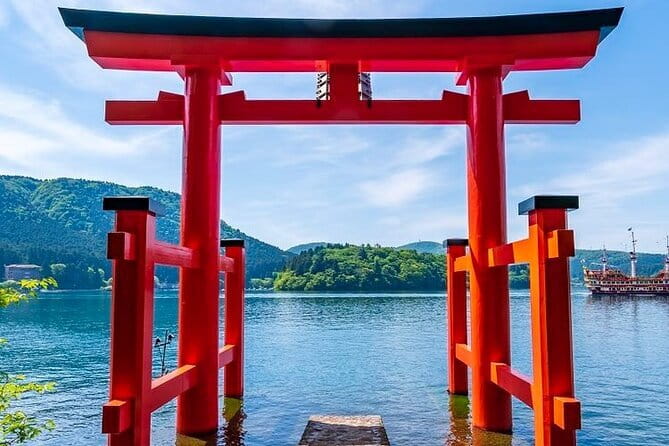
The tour’s first stop is Hakone Shrine with time to see the Lake Ashinoko maritime torii. This is a great opener because it sets the tone: sacred mountain history, bright red architecture, and (on clear days) a chance to spot Mt. Fuji in the distance.
You get about 80 minutes here, including free time. Admission is free. Lake Ashinoko itself is a volcanic lake formed about 3,000 years ago, and it is the largest lake in Kanagawa Prefecture. That matters because it explains why this area feels so otherworldly. Even when you cannot see Fuji clearly, the setting still feels right for the Hakone mythology.
Hakone Shrine was founded in 757 by Manmaki Kamimoto, and it has been important for centuries, including worship by major historical figures such as Minamoto Yoritomo and Tokugawa Ieyasu. Locally, it’s associated with good fortune for things like traffic safety, wishes, love, and getting rid of misfortune.
Practical tip: this stop is about seeing and absorbing. Wear shoes you can stand in, because shrine and lakeside walking tends to add up. If the sky is clear, try to spend a few extra minutes near the best vantage you can find for Fuji distance. If not, enjoy the torii and the calm, and don’t chase the weather.
Hakone Ropeway to Owakudani, the views you actually pay for
After the shrine, you ride the Hakone Ropeway on the route that connects Togendai and Owakudani. This portion takes about 30 minutes, and the cable car fee is included.
Why this matters: the ropeway is not just transport, it’s a built-in viewpoint. The best perspective is around Owakudani, and you can often see Mt. Fuji between segments. You also get a direct look at volcanic scenery that feels like it belongs to the crater era, including the crater lake area between key points.
This is also where the weather can make or break your experience. One departure can include strong winds that force the cable car experience to be adjusted, so the day can become more bus-focused. If that happens, you’ll still see the general area, but you may lose that clean, elevated “oh wow” moment.
What to do: if you’re sensitive to cold, bring a light layer. Even in warmer months, ropeway air can feel cooler, and you’ll likely be looking out of the windows during your ride.
Owakudani Valley: Big Hell steam and the black-egg tradition
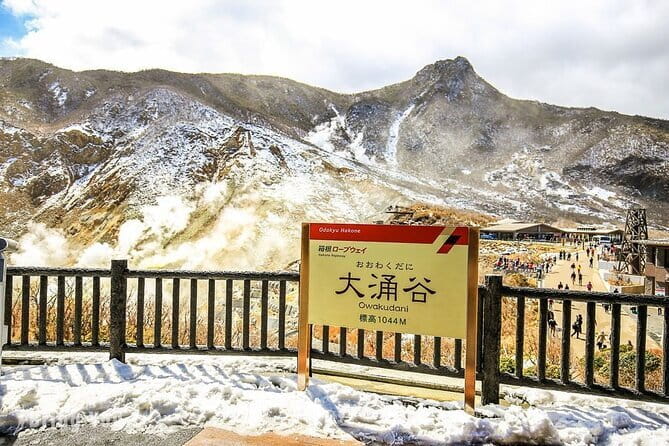
Next is Owakudani Valley, one of Japan’s most famous volcanic zones. You’ll have about 50 minutes of free time here.
This is where the tour earns its keep. Owakudani sits in Hakone City, southeast of Mt. Fuji, and it comes from volcanic activity tied to Mt. Kamiyama, with crater remnants shaped roughly at the end of the Hakone volcanic period about a thousand years ago. The area’s name connects to a later imperial visit, since it was renamed Owakudani after Emperor Meiji visited the area in 1868.
Here’s the key detail: the spring water is known for being poisonous, which is why the area is sometimes nicknamed the Big Hell. You don’t need a science degree to feel that theme once you’re there. Steam, smell, and the stark volcanic ground give you a quick “this place is alive” sense.
You’ll likely pass the Nature Research Trail entrance and may take a short walk that feels manageable. You can also spot snack culture right away. The famous option is black eggs, sold as food you can purchase at your own expense.
Why black eggs matter: it’s one of those experiences where you get a taste of local tradition tied directly to the volcanic theme. It’s not a must-do, but if you want a fun souvenir snack that matches the setting, it’s the obvious pick.
Shoes matter here. Even if the walking is not long, the ground can be uneven and hot or slick depending on conditions. Bring a good pair of shoes and plan for a real sensory stop: the steam and sulfur smell can be intense.
Lake Yamanaka’s Shiratori-hama swan photo stop
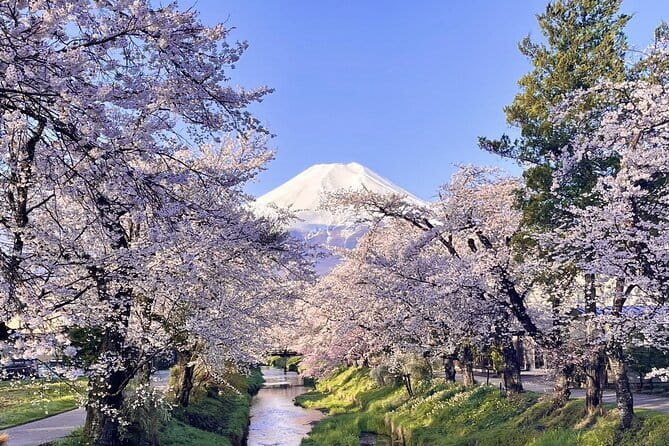
Then you move to Lake Yamanaka. This stop is short, about 20 minutes, and it’s focused on a specific photo moment near Shiratori-hama.
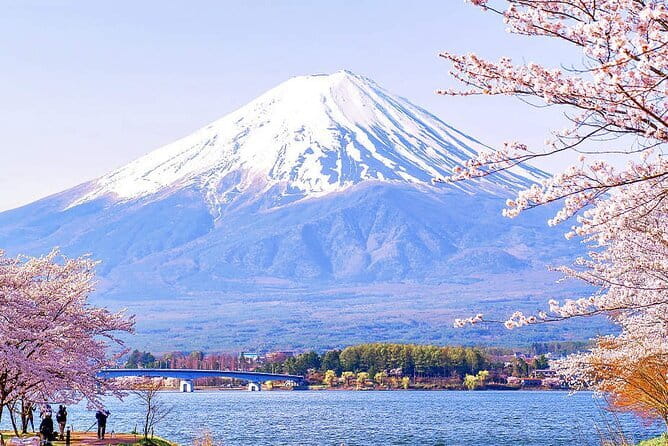
Shiratori-hama gets its name from the swans that live there. The lake is part of the Fuji Five Lakes, and this spot is designed for Fuji-and-swan framing. The swans are often friendly because they’re used to tourists feeding them.
You don’t need a long attention span for this stop. It’s timed for quick photos, quick viewing, and then you’re off. That makes it a smart “odds” strategy. Fuji visibility varies, but if you get even a partial sighting, a swan in the same frame can look very postcard-like.
The only real drawback is that 20 minutes can disappear fast if you get stuck waiting for photos or if the wind pushes you around near the shore. Go in with a plan: aim for your preferred angle, shoot fast, and then enjoy a relaxed final look.



Oshino Hakkai’s eight springs and the Fuji pond effect
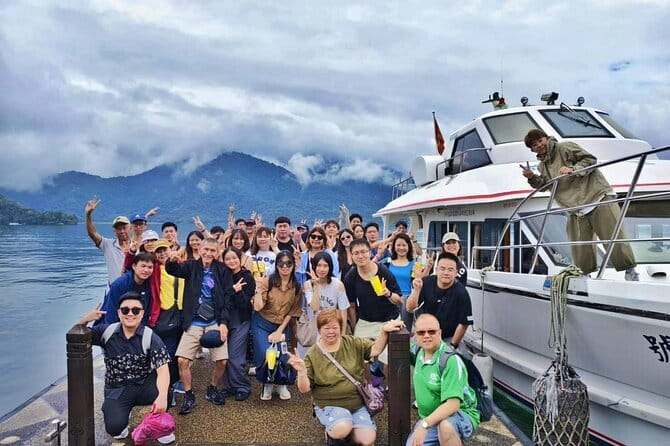
The day ends with Oshino Hakkai, roughly 40 minutes. This is a natural monument area famous for its spring-fed ponds.
A useful fact here: Oshino Hakkai is actually eight springs formed by snow water from Mt. Fuji flowing through the strata. That’s why the water looks clear and steady, even when you can’t see every detail of the mountain.
In the best light, you get the classic Fuji-and-pond effect that photographers chase. Even without perfect Fuji visibility, you can still enjoy the rippling water and the scenic layout of the springs.
Why this stop is valuable in a day tour: Hakone can feel volcanic and bold, while Oshino Hakkai is calmer and more “clean water” focused. It gives your brain a breather before the ride back.
A small caution: because this is a photo magnet, expect other people around popular viewpoints. If you like quiet, arrive ready to accept short waits and adjust your angle instead of standing in the crowd forever.
Price and logistics, what your $76.96 covers
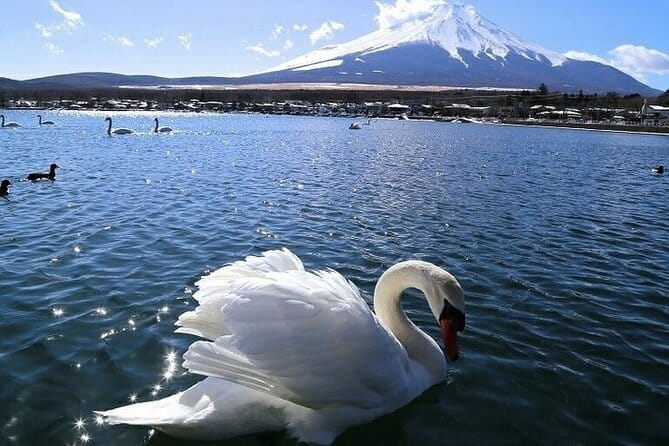
The price is about $76.96 per person for a day that runs about 8 hours 20 minutes. For me, the main value is that you’re paying for organized transportation plus a major included attraction.
Here’s what you do get included:
- Vehicle service fees, fuel costs, tolls, and highway tolls
- Driver service fee (it adjusts based on group size)
- Timing that stays within 10 hours as required by Japanese law
- Hakone Ropeway segment included
- Admission tickets for key stops are free, where listed
- A mobile ticket
Meals are not included. You’ll have lunch time built into the schedule as part of the remaining hours, but you’ll be on your own for what you eat.
Is $76.96 fair? For a trip that covers multiple regions with ropeway included, it can be good value, especially if you’d otherwise spend time and energy figuring out transit and tickets. The tradeoff is that you’re not choosing every stop or pacing, since the itinerary is fixed.
Also, remember the tour limit: maximum 15 travelers. That is usually comfortable for a bus day trip, and it can help keep timing tight.
One more practical note: it’s recommended you don’t bring large luggage on a one-day trip. One luggage per person is allowed if you register it clearly. If you don’t note it, or you bring more than one piece per guest, there’s an extra 100 yuan per piece charge. That’s an easy way to avoid stress, so pack light.
What can make or break the day: weather and how the guide handles it
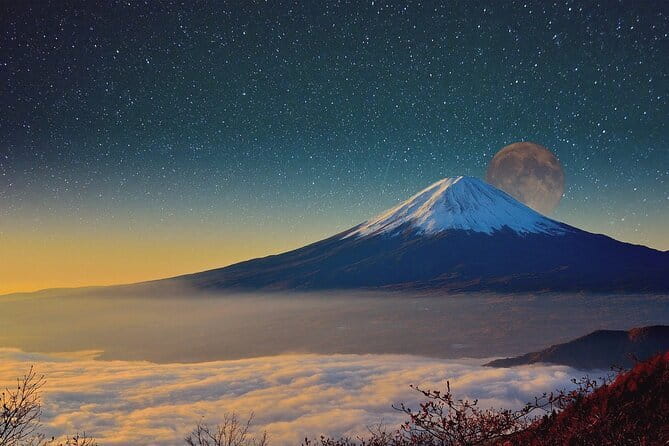
This tour is very Fuji and volcano dependent in a simple way. Clear skies help you see the mountain from multiple vantage points. Rain and wind can reduce what you can see, and it can also affect which transport options are comfortable.
One example from real-world outcomes: strong wind can sometimes prevent using the cable car, and the day then shifts more into bus time. When you’re in that situation, you want a guide who can help you reframe the day: focus on the parts you can still enjoy, adjust expectations, and avoid leaving you feeling like you paid for views you didn’t get.
Guide quality also shapes how satisfying the stops feel. You may get a very informative guide, and names like Kousei, Jack, and Tom come up as examples of guides who deliver a good mix of friendly energy and useful context. On other days, the guidance can feel more like a checklist than real storytelling, and you might wish you had more direction on where to look and what to notice.
Optional add-ons can also enter the picture. You might be offered a boat cruise on Lake Ashi, for example. If you’re the type who prefers a plan with no surprises, ask yourself in advance whether you want extra costs layered on top of the base itinerary.
Who this tour is best for, and who should rethink it
This tour is best for you if:
- You want a one-day sampler of Hakone and Fuji area highlights
- You’re okay with short free times at each stop
- You value included ropeway transport and organized timing
- You like photo opportunities, especially where Fuji might appear
- You want a guide to handle logistics and meeting points
It may not be ideal if:
- You hate being rushed and prefer long, slow wandering
- You want total control over pacing and optional stops
- You’re traveling on a day when weather is highly unstable and you need flexibility to change plans
If your travel style is more DIY, you could replicate portions yourself. But then you’re back to figuring out transit, tickets, and how much walking you want to do on volcanic ground.
Should you book this Hakone and Fuji day tour from Tokyo?
Book it if you want a compact, guided way to hit the big-name sights tied to Hakone’s volcanic identity and the Fuji Five Lakes area. At this price point, with the ropeway included and multiple stops with free admission, it’s a strong “get the highlights done” choice.
Don’t book it if your priority is comfort over pace, or if you are traveling with a strong need for a guaranteed view of Mt. Fuji. The itinerary is designed to move even when conditions are poor, and weather can reshape what you actually see.
My practical final advice: wear good shoes, bring enough cash for snacks like black eggs and any meals you choose, and keep your expectations realistic. When the sky cooperates, you get a day that feels like two icons of Japan, volcano drama and Fuji views. When it doesn’t, you still end up with a memorable set of places and a very efficient introduction to Hakone and nearby Fuji-area highlights.
FAQ
How long is the Tokyo Mt. Fuji Hakone Shrine, Owakudani, Lake Yamanakai Day Tour?
The tour runs about 8 hours 20 minutes (approx.).
What is the meeting and ticket method?
You’ll receive a mobile ticket. The night before the tour, you should get a reminder email with the pick-up time and details. Guides do not initiate contact with guests.
What stops are included in the itinerary?
The tour includes: Hakone Shrine and Lake Ashinoko maritime torii, Hakone Ropeway, Owakudani Valley, Lake Yamanaka (Shiratori-hama), and Oshino Hakkai.
Is the Hakone Ropeway ticket included?
Yes. The Hakone Ropeway section from Togendai to Owakudani is included in the cable car fee.
Are admission tickets included for the other sights?
Admission tickets are listed as free for the main sights at each stop where noted in the itinerary.
What does the tour price include?
It includes vehicle service fees, fuel costs, tolls, highway tolls, driver service fee (adjusted by group size), and vehicle service time within 10 hours.
Are meals included?
No. Meals are not included. Lunch time is part of the schedule, but you pay for your own food.
Is the tour suitable for kids?
Children under 3 years old are free of charge without occupying a seat. Children over 3 are treated as adults.
Are there luggage limits?
The tour is a one-day trip, and it’s recommended not to carry luggage. One luggage is allowed per person if registered clearly when you book.
What is the cancellation policy?
You can cancel up to 24 hours in advance for a full refund. If you cancel less than 24 hours before the start time, you do not get a refund.
More Tours in Tokyo

More Tour Reviews in Tokyo
Not for you? Here's more nearby things to do in Tokyo we have reviewed












Mount Fuji Tours, side by side.
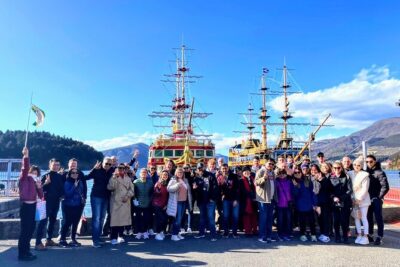 ★ 5.0Mt Fuji and Hakone 1-Day Bus Tour Return by Bullet TrainFrom $16326,383 reviews
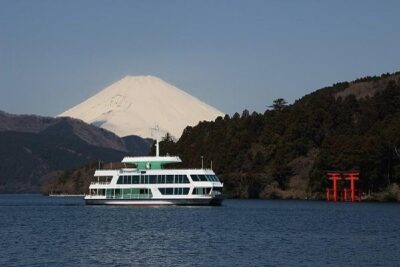 ★ 4.0Mt Fuji & Hakone Cruise, Drum Show Bullet Train 1 Day from TokyoFrom $1497,413 reviews
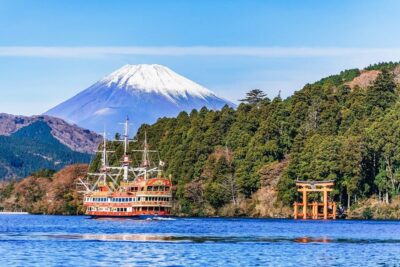 ★ 4.4Tokyo Mt Fuji 5th St & Hakone Cruise Bus Tour w/Bullet TrainFrom $1545,024 reviews
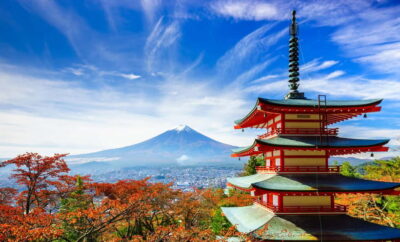 ★ 4.5From Tokyo: Mount Fuji Full-Day Sightseeing TripFrom $684,970 reviews
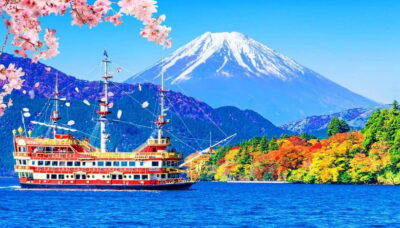 ★ 4.7Mt. Fuji Tour, Hakone Ropeway, Owakudani, Lake AshiFrom $544,002 reviews
 ★ 4.2Mt. Fuji 5th Station & Hakone Cruise 1-Day Bus TourFrom $1292,381 reviews
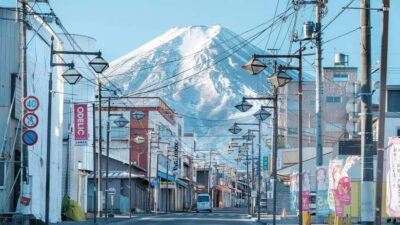 ★ 4.7Mt Fuji Top 5 Spots Day Tour: Arakurayama Park,Oshino HakkaiFrom $532,066 reviews
 ★ 5.0Private Tour to Mt. Fuji and Hakone (Fully Licenced Operator)From $4971,910 reviews
This tour also belongs to