
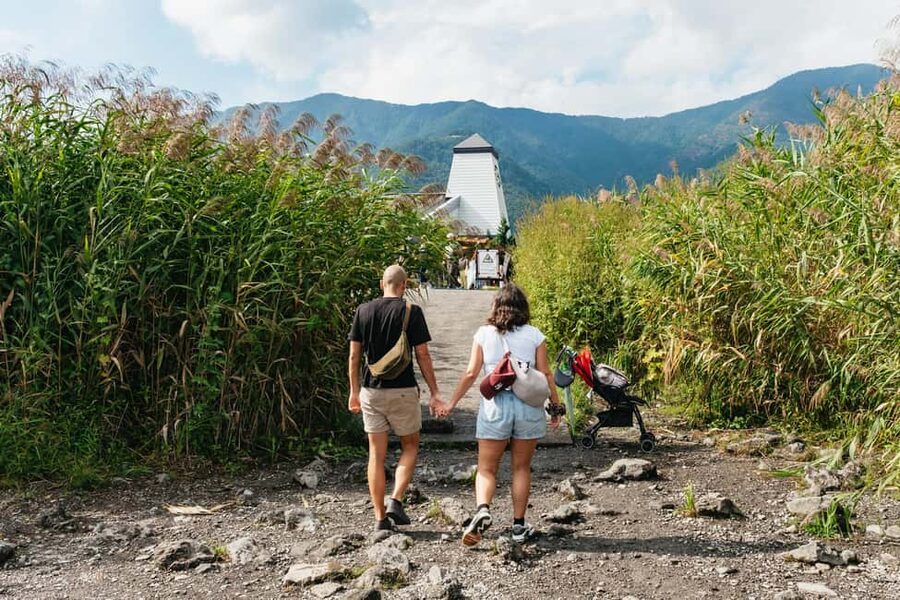
Review · MOUNT FUJI TOURS
Tokyo: Mt. Fuji, Kamakura, Big Buddha, & Lake Ashi Day Trip
Fuji day trips live or die by views, and this one is built around Mount Fuji photo angles and scenic stops. I really like the way you get a Lake Ashi cruise option plus a guided walk in Oshino Hakkai, then finish at the Fuji lookouts around Lake Kawaguchi. The main consideration is that Mount Fuji visibility depends on weather, so you should come with flexible expectations.
You’ll spend a lot of time on a bus, but it’s not dead time. The ride is structured, the guide keeps everyone moving on schedule, and the stop times are long enough to actually enjoy the places, not just pose and sprint.
Key Points You’ll Care About

- Big Fuji photo planning across Lake Ashi, Oishi Park, Lake Kawaguchi, and a dedicated Mount Fuji sightseeing block
- Lake Ashi cruise (if selected) plus Motohakone sightseeing for the classic water-and-mountain feel
- Oshino Hakkai ponds with a guide and about 1.5 hours of free time to wander at your own pace
- Kamakura and the Great Buddha of Kotoku-in (option-dependent), including a 20-minute photo stop and visit
- Bilingual English/Spanish guiding, with guides and drivers praised for humor, safety, and smooth timing
- Comfort matters because you’re out most of the day, so bring warm layers, good shoes, and a hat
Why This Fuji Day Trip Feels Efficient, Not Rushed
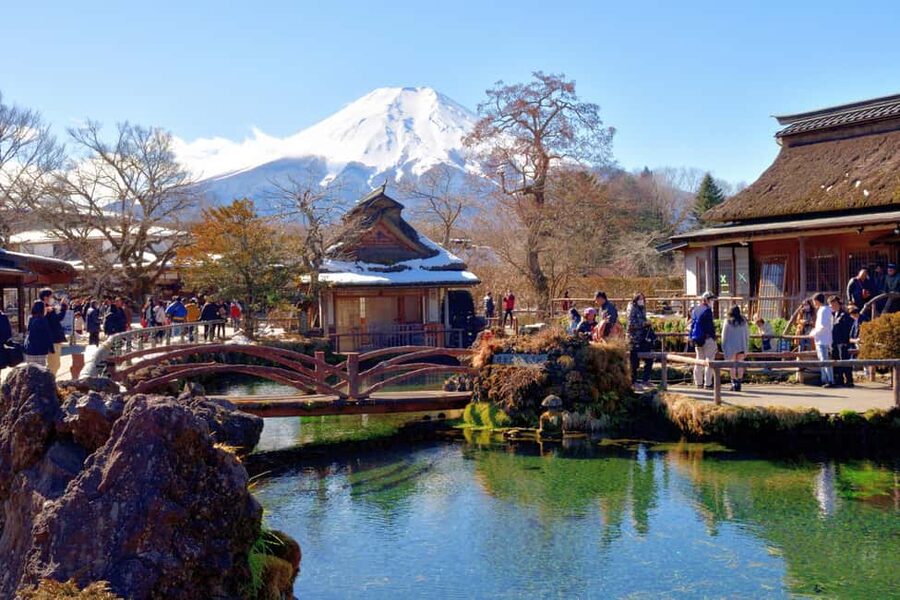
This is the kind of day trip that makes sense if you only have one full day away from Tokyo and you want a “greatest hits” route. The value is not just the sights. It’s the way the day is paced around photo moments and short, purposeful visits, so you’re not losing hours figuring out transport and ticketing.
You’re also getting real structure. The day runs roughly 10 to 11 hours, with scheduled transport blocks between stops and set time windows for photos and walking. That matters because the Fuji area can be chaotic if you show up without a plan, especially when parking is tough and trains are full.
And yes, you might not see a perfect clear Fuji peak all day. But even when weather softens the view, the route still gives you compelling scenes: temple bronze, spring-fed ponds, lake viewpoints, and roadside parks built for photos.
More Tokyo tours and experiences for the shortlist



Meeting Point to Kotoku-in: Starting With a Big, Photogenic Statement
Most people start in central Tokyo, and one listed start point is Marunouchi, Ginza Inz 2. From there you’re on a bus/coach for about 1.5 hours before you reach Kamakura’s Kōtoku-in area.
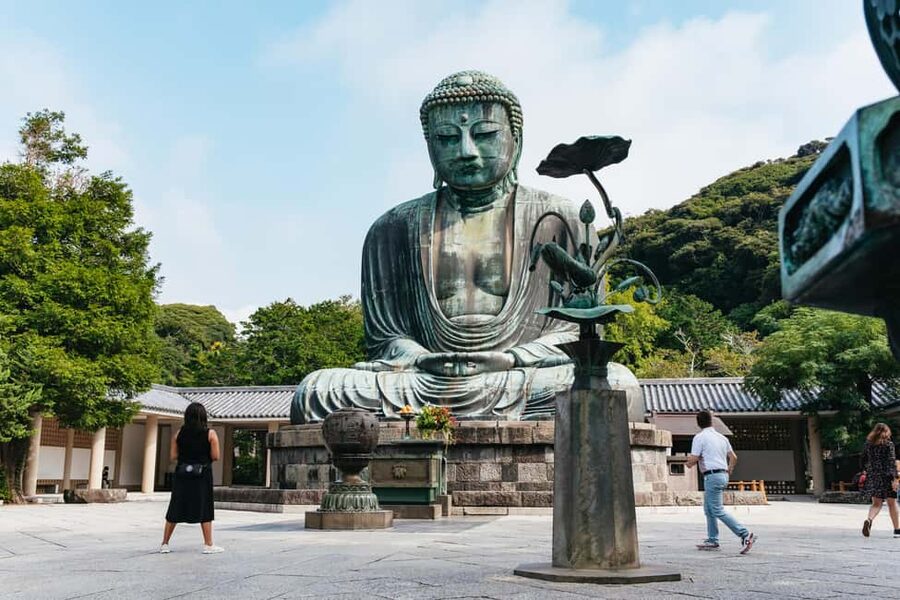
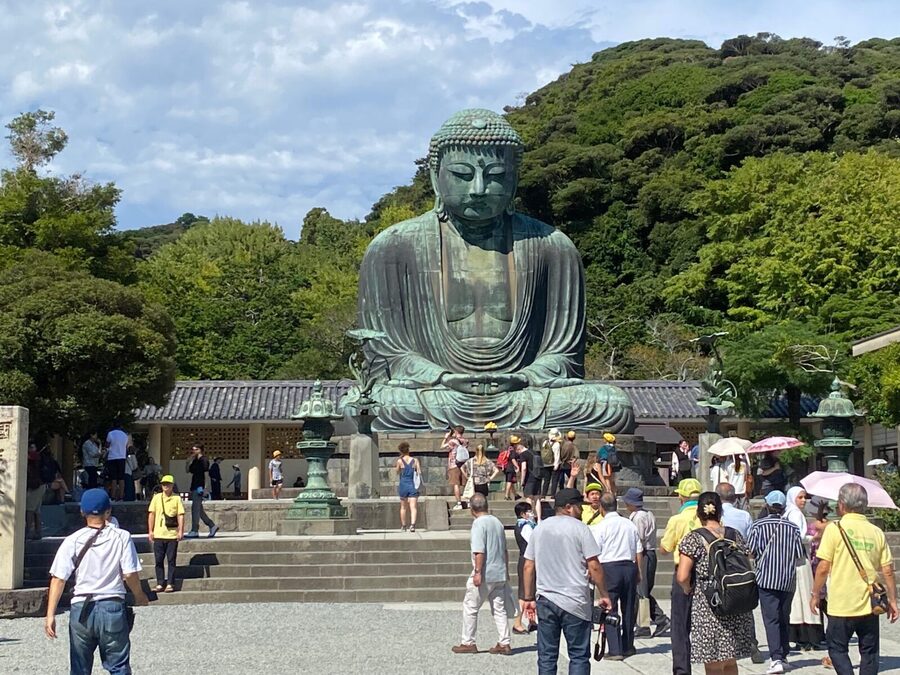
Kotoku-in is your early anchor, and the tour includes a photo stop plus a visit of about 20 minutes (when the option that includes it is selected). This is where you can get the “scale hit” of the Great Buddha of Kotoku-in, a large bronze statue that’s about 13 meters tall. Even if you’ve seen plenty of temple photos in Japan, this one lands differently in person because of the size and the open space around it.
Practical note: the morning is often when you’re freshest for standing, looking up, and taking photos. I’d use that early slot to get your best Buddha shots and quick temple context before the day turns into longer lake and park viewing.
Lake Ashi and Motohakone: The Water-and-Mountain Look
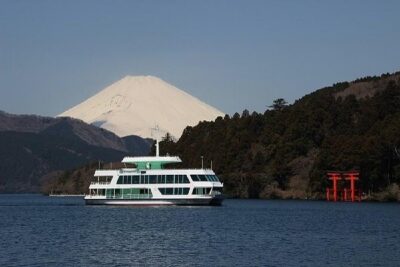
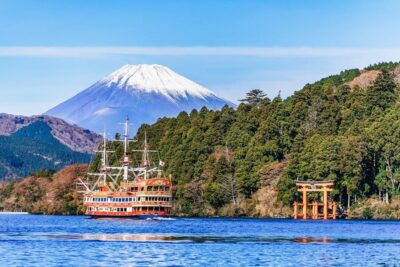
A big part of the appeal is the Lake Ashi segment. If you choose the option that includes it, you’ll do a boat cruise of about 10 minutes. It’s short on paper, but it gives you something that buses and viewpoints can’t: you see the shoreline and slopes from the water, with Fuji sometimes appearing in the background.
After that cruise, you head to Motohakone for sightseeing. The point here is to catch lake atmosphere and scenery from different angles without spending your entire day hiking. If you like the look of classic Hakone postcards, this is one of the easiest ways to get that feel while still keeping the day efficient.
One real-world consideration: boat time can feel “too brief” if you’re hoping for long, slow drifting. But most people find the trade-off worth it because the tour then continues to other Fuji-focused areas where you’ll likely spend more time.
Oshino Hakkai: Clear Ponds, Quick Walking, and a Proper Guided Story
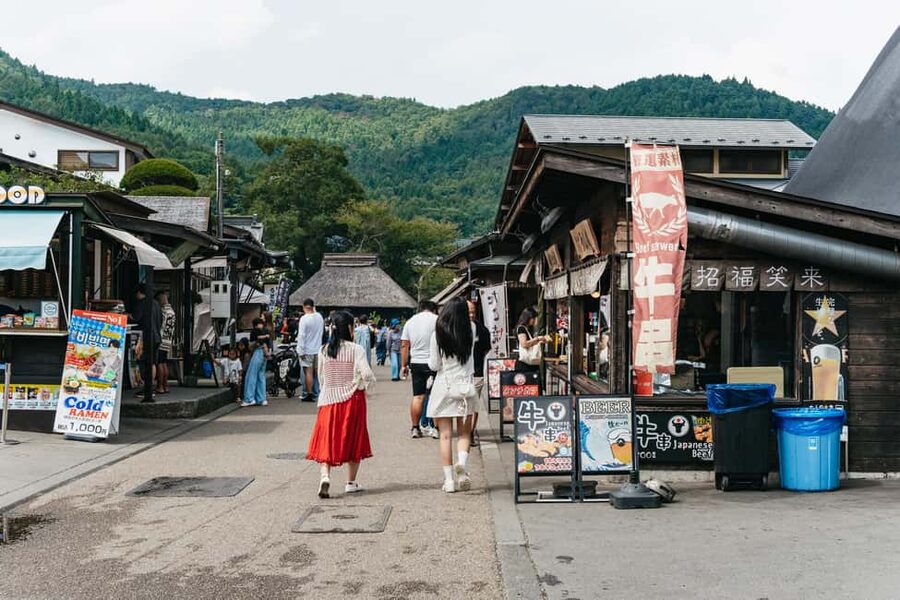
Next up is Oshino Hakkai, known for its crystal-clear spring ponds around the foot of Mount Fuji. The tour includes a guided tour plus about 1.5 hours of free time.
This stop is one of the best examples of what a guided day trip should do. The guide can explain why these ponds are so associated with Fuji, and what makes the area distinct. Then you get time to wander without being stuck in a rigid line.
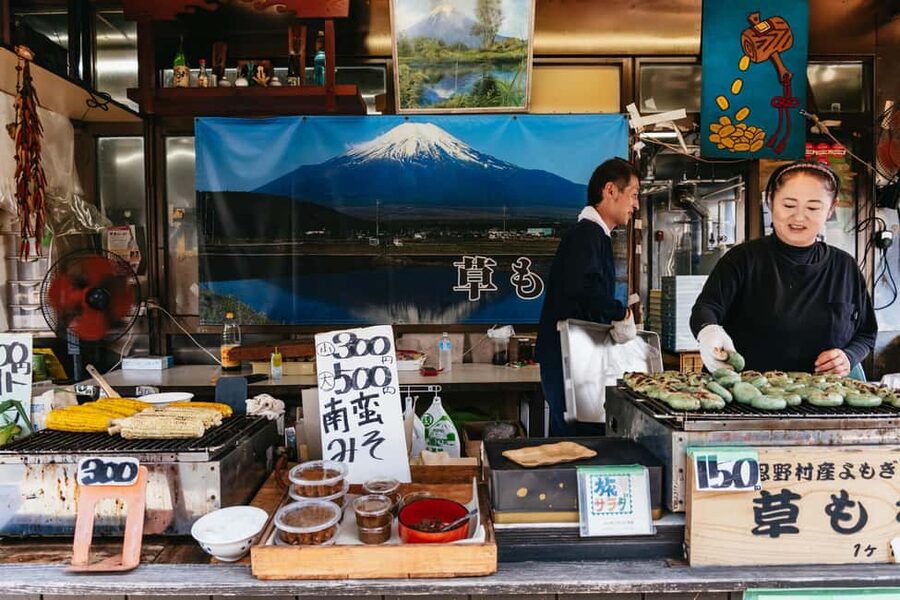
In the guided portion, you should focus on the details that make Oshino feel like more than a pretty photo stop: the way the ponds sit in an old village setting, and how the water clarity changes what you see as you move around. In the free time, you can slow down, browse, and grab snacks if you want to supplement the day, especially since food and drinks are not included unless you picked a premium lunch option.
If you choose the premium version, lunch in Oshino Hakkai is included. That’s a practical win because you’re not stuck hunting for something that fits your schedule in a tourist zone.
Oishi Park and Lake Kawaguchi: Where Fuji Views Are Built Into the Stops
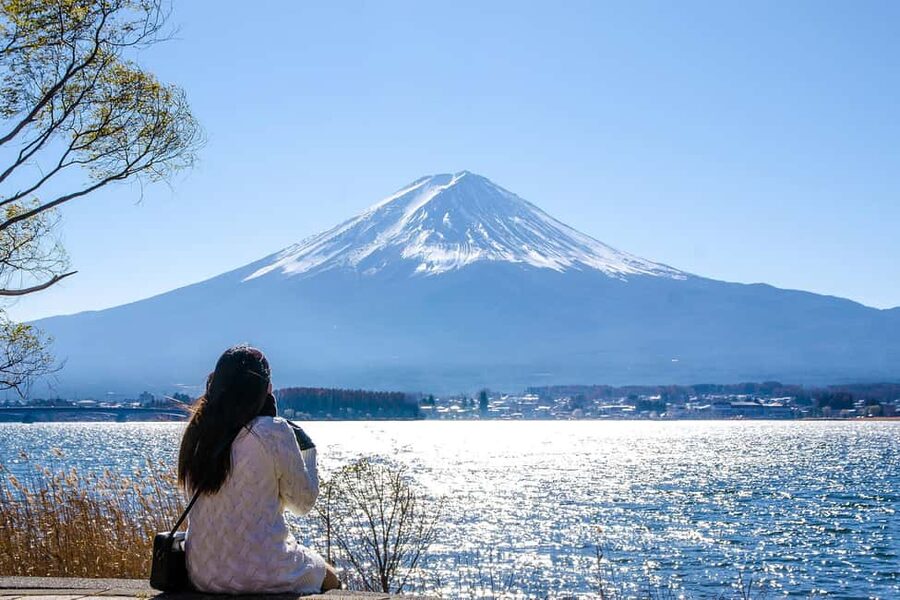
After Oshino Hakkai, the day continues toward the Lake Kawaguchi area. You’ll visit Oishi Park with a guided tour of about 45 minutes, then continue on to Lake Kawaguchi for sightseeing.
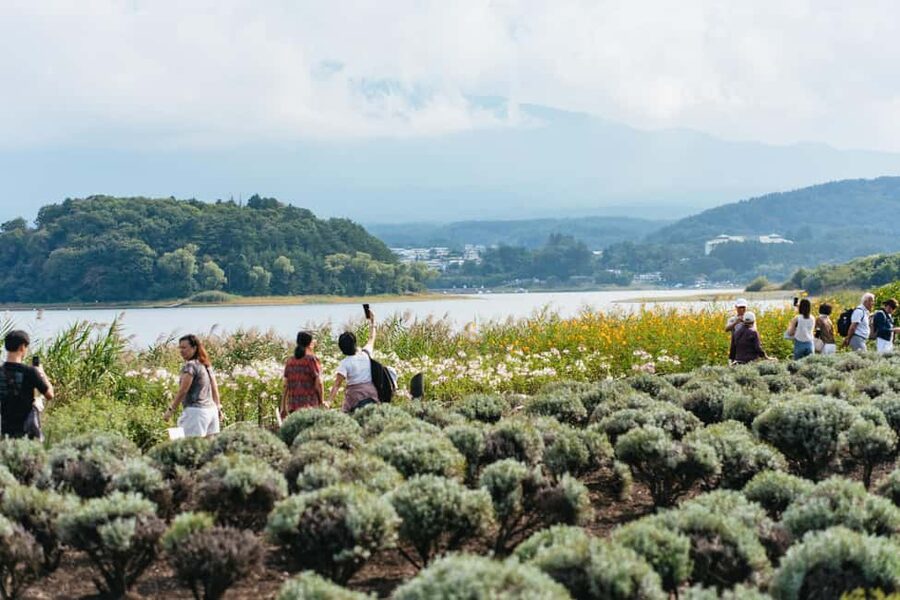
Why Oishi Park matters: it’s a viewing-focused stop designed for classic Fuji framing. You’re not just “near Fuji,” you’re at a place where the angles are part of the experience. Even when the peak is faint, the lake and slopes still give you layers of scenery that feel satisfying.
At Lake Kawaguchi, you get more open-ended sightseeing time. This is a good moment to do the small things that make a day trip feel worth it: step away from the crowd for a quieter viewpoint, walk a bit to change your photo perspective, and take a few minutes to just watch how weather changes the contrast.
Since you should expect variable visibility, I suggest planning your photo strategy around patience. Take one round of shots early, then do another short check later, especially if clouds shift. Many people end up with better views after the first attempt.



Mount Fuji Sightseeing: Managing Weather Without Losing the Day
The tour ends with Mount Fuji sightseeing. This is the moment everyone is waiting for, but it’s also the moment you have the least control over.
Mount Fuji visibility depends on weather conditions, and that’s not a small detail. If fog or clouds roll in, you might see only partial views. If the sky clears, you could get the kind of clean, dramatic peak that makes the whole day feel cinematic.
Here’s how I’d handle it so you don’t end up disappointed: treat the Fuji block as a photo time plus a reality-check time. Even if the full view doesn’t show up, you can still enjoy the atmosphere around the mountain area, and you’ll still get the cultural and scenic stops earlier in the day.
Bring warm clothing even if it looks mild earlier in Tokyo. The Fuji region can feel cooler, and you’ll be outside enough to notice.
The Bus Day: Long Hours, but With a Clear Rhythm
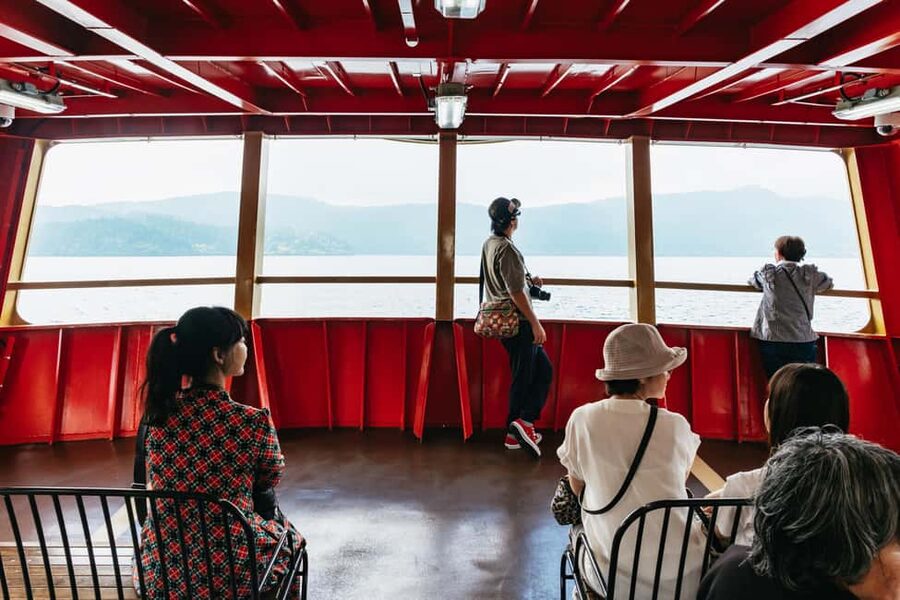
Yes, you’re on a coach for many hours. Expect transport segments like about 2 hours between major blocks and longer driving stretches as the route loops between Tokyo, Kamakura, Hakone area viewpoints, and the Fuji lake region.
The difference between an average day trip and a great one is what happens during that bus time. A common theme from the guide quality is that the guide keeps the day moving with timing and clear explanations, instead of letting the group feel lost. Guides also help with practical tips like where to stand for photos and what to pay attention to when you arrive.
Also, comfort is not optional. The tour guidance recommends comfortable shoes, warm clothing, a hat, camera, and sunscreen. I’d add one more practical move: layer up so you can adjust when you go from bus heat to cooler outdoor stops.
Guide and Driver Quality: The Real Reason People Feel Safe
This kind of day trip lives and dies by the team running it. The tour is led by a live guide in English and Spanish, and the driver plays a huge role because you’re moving through changing traffic patterns and busy tourist roads.
What stands out in the experiences shared is how often guides are praised for being friendly, funny, and easy to approach. You might meet guides such as Naomi, Melody, Jorge, Fran, or Beru. And drivers come up often too, with names like Waku-san, Mac, Joji, and others being mentioned for safety and smooth timing.
Some guides go beyond basic commentary. There are mentions of learning practical Japanese phrases and getting helpful suggestions for food and small on-the-ground tips. Even if you only catch a few basics, it can make the experience feel more connected to Japan instead of just a set of scenic backdrops.
Safety also matters here. When the driver is careful on narrow streets and the guide keeps the schedule realistic, you feel less stressed. That stress reduction is part of the value, even if it’s not in the brochure.
Price and Value: Why Around $49 Can Work for a One-Day Fuji Hit
At about $49 per person, you’re paying for a structured day that includes:
- Bilingual guide (English/Spanish)
- Transportation from the meeting point
- Lake Ashi cruise only if you select that option
- Kotoku-in ticket only if you select the corresponding option
- Lunch in Oshino Hakkai only if you choose the premium option
Food and drinks are not included unless you pick the premium lunch option. So factor that into your total day budget.
Where the value comes from is simple: you’re bundling transport, ticket support for certain stops, and a guide for the parts where context matters. Without a tour, you’d still need to solve Tokyo to Kamakura logistics, then the Fuji area connection, and then coordinate photo stops. That planning time can be the hidden cost.
Also, the tour is priced in a way that’s accessible if you want to do a “maximum sights for one day” plan. It’s not the cheapest way to see Fuji, but it’s a strong price if you want less headache and more time at the viewpoints.
Who This Tour Suits Best (and Who Should Rethink It)
This trip is a strong match for:
- First-time visitors who want Mt. Fuji plus Kamakura and Lake Ashi in one day
- People who enjoy photography and scenic stops, but don’t want to drive or juggle transfers
- Travelers who want a guide to add context on temples and Fuji-area spots
It may not be ideal if:
- You need wheelchair access. This tour is not suitable for wheelchair users.
- You hate long bus rides. It’s a full-day outing, and the rhythm depends on timing.
It also helps if you’re the type who can accept plan B. Weather decides Fuji’s mood. When you arrive ready to enjoy the day even with clouds, the route still delivers.
Should You Book This Mount Fuji, Kamakura, and Lake Ashi Day Trip?
If your goal is a well-organized day that hits the big names around Mount Fuji, Lake Ashi, Oshino Hakkai, and the Great Buddha of Kotoku-in, I think it’s a sensible booking. The guide format, bilingual support, and the built-in photo stop planning are exactly what make a one-day itinerary feel worthwhile.
Book it if:
- You want structure and guidance with minimal navigation stress
- You’re okay with variable Fuji weather
- You’re happy to treat lunch as an add-on unless you pick the premium option
Consider skipping or picking a different style if:
- You strongly prefer slow travel with no bus time
- You need accessibility support this tour can’t provide
- You need guaranteed Fuji views, because the tour itself can’t control weather
If you do book, pack for cool outdoor time, bring cash for places that may not accept card payments, and give yourself permission to enjoy the day even when the mountain plays hide and seek.
FAQ
How long is the Tokyo to Mt. Fuji, Kamakura, Big Buddha, and Lake Ashi day trip?
It runs about 10 to 11 hours, depending on the selected schedule and option.
What language is the tour guide?
The tour guide speaks English and Spanish.
Does the tour include the Lake Ashi cruise?
The Lake Ashi cruise is included only if you select the option that includes it.
Is the Great Buddha of Kotoku-in included?
A photo stop and visit at Kōtoku-in are included, but it depends on the option you choose. A ticket is included with the corresponding option.
Do I get lunch during the day?
Food and drinks are not included. Lunch in Oshino Hakkai is included only with the premium option.
How long do I spend at Oshino Hakkai?
You get a guided tour plus about 1.5 hours of free time there.
How long is the Lake Ashi boat cruise?
The boat cruise time is listed as about 10 minutes.
Where do I start and end the tour?
Your meeting point can vary by option. One listed starting point is Marunouchi, Ginza Inz 2, and the drop-off locations include that same area.
Can I see Mount Fuji every day?
Mount Fuji visibility depends on weather conditions, so clear views are not guaranteed.
Is the tour wheelchair accessible?
No, it is not suitable for wheelchair users.
What should I bring with me?
Bring comfortable shoes, warm clothing, a hat, a camera, and sunscreen. The tour also notes that you may want cash since some places may not accept card payments.
How does cancellation work?
You can cancel up to 24 hours in advance for a full refund.
More 1-Day Tours in Tokyo

More Tour Reviews in Tokyo
Not for you? Here's more nearby things to do in Tokyo we have reviewed












Mount Fuji Tours, side by side.
 ★ 5.0Mt Fuji and Hakone 1-Day Bus Tour Return by Bullet TrainFrom $16326,383 reviews
 ★ 4.0Mt Fuji & Hakone Cruise, Drum Show Bullet Train 1 Day from TokyoFrom $1497,413 reviews
 ★ 4.4Tokyo Mt Fuji 5th St & Hakone Cruise Bus Tour w/Bullet TrainFrom $1545,024 reviews
 ★ 4.5From Tokyo: Mount Fuji Full-Day Sightseeing TripFrom $684,970 reviews
 ★ 4.7Mt. Fuji Tour, Hakone Ropeway, Owakudani, Lake AshiFrom $544,002 reviews
 ★ 4.2Mt. Fuji 5th Station & Hakone Cruise 1-Day Bus TourFrom $1292,381 reviews
 ★ 4.7Mt Fuji Top 5 Spots Day Tour: Arakurayama Park,Oshino HakkaiFrom $532,066 reviews
 ★ 5.0Private Tour to Mt. Fuji and Hakone (Fully Licenced Operator)From $4971,910 reviews
This tour also belongs to