
Review · MOUNT FUJI TOURS
Tokyo: Mt Fuji Lake Kawaguchiko Tour & Arakuyama Sengen Park
Fuji photos start before the bus leaves. This 10-hour Mt Fuji and Lake Kawaguchiko tour strings together several of the area’s best-known viewpoints with a real guide, plus plenty of walk-and-photo time.
I like the multiple Mt Fuji angles you get in one morning and early afternoon, especially from Arakurayama Sengen Park and Oshino Hakkai. I also like the small-group feel when you get the 13-guest version, with a professional driver who does the hard work of getting you there on time.
One thing to consider: the schedule moves, and a few stops are short, so if you want to linger forever, bring your patience.
Key things you will enjoy
- Arakurayama Sengen Park to Chureito Pagoda, with time to climb the steps and frame the classic Mt Fuji shot
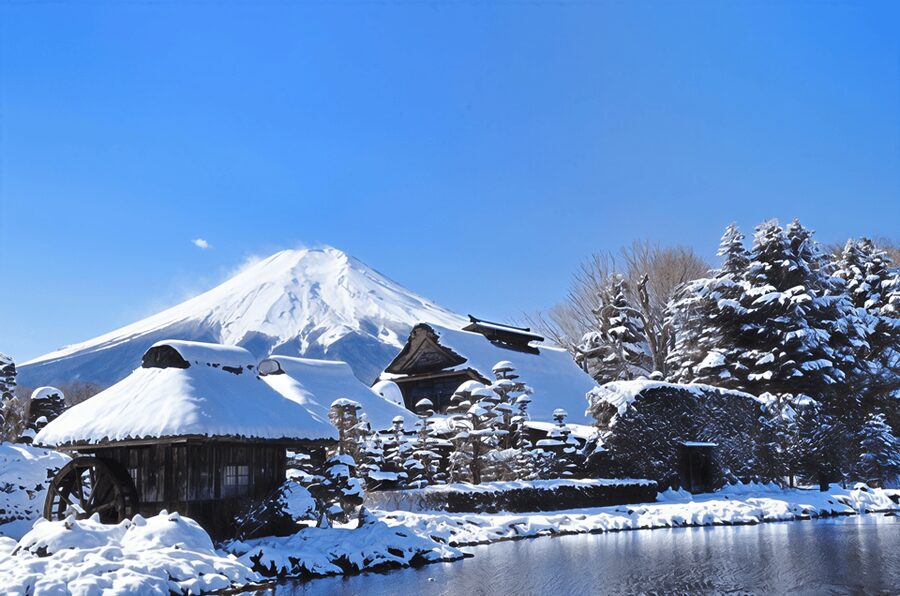
- Oshino Hakkai ponds, a peaceful UNESCO World Heritage area where Fuji reflections actually happen
- Hidakaya Clock Street, a compact photo lane with Fuji at the end and a calm, old-school vibe
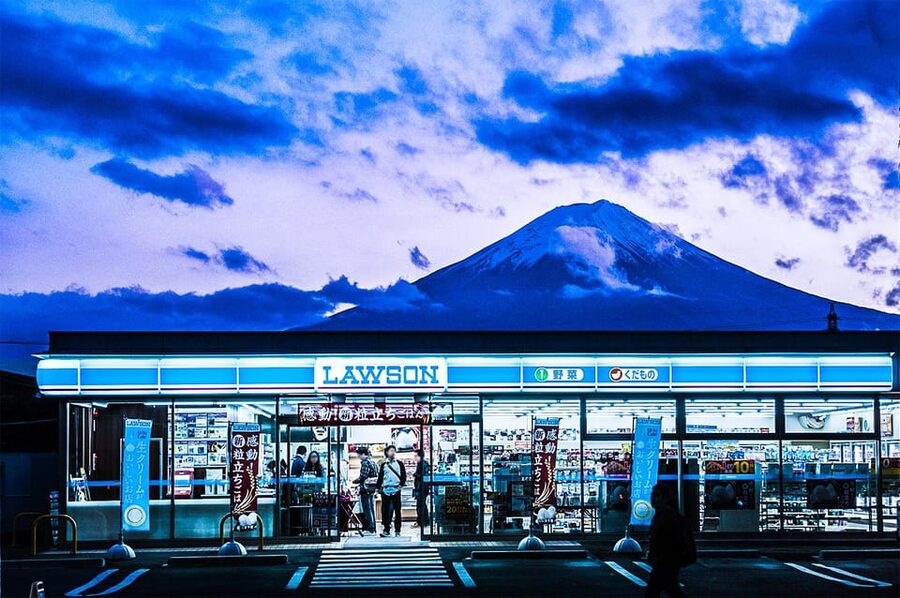
- Lawson Kawaguchiko Station photo stop, a weirdly effective “street-meets-Fuji” moment
- Seasonal Lake Kawaguchiko views, with different choices depending on dates and autumn versus spring timing
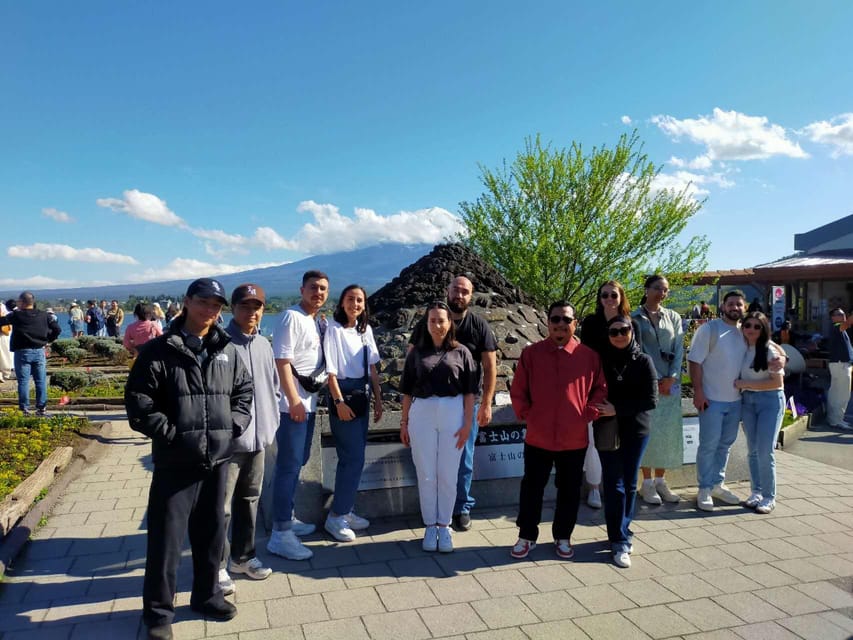
- Guide-led timing, including a clear meeting point at Tokyo Station Marunouchi North Exit
Starting at Tokyo Station, and why 7:50 matters
You start at JR Tokyo Station, right by the Marunouchi North Exit. The meeting time is 7:50, with departure at 8:00. That early start is a big deal in Fuji country, because morning conditions can make or break your visibility. Even when the weather looks decent, Mt Fuji tends to be more cooperative earlier in the day.
I also like how specific the meeting setup is. Your guide holds a flag for easy recognition, and you should get a guide contact, plate number, and a meeting-point photo the night before. One practical tip: don’t just wait for one channel. Check your inbox and spam folder, and screenshot the meeting details so you are not scrolling in the morning fog of travel-day stress.
You can also read our reviews of more tours and experiences in Tokyo.



The drive to Fuji: using the bus time well
The trip includes around 105 minutes of coach or bus travel each way, and you will pass scenic viewpoints on the route. On the bus, you can do two smart things: get your camera settings ready, and plan your “what shot first” order so you are not deciding on the spot.
This tour is offered in English, Chinese, and Japanese with a professional guide, plus a driver. That matters because the day depends on traffic and weather, and you do not want to be negotiating transport midstream. The route is also built for photos, not for slow sightseeing, so you will feel “on schedule” even though it is a long day.
Arakurayama Sengen Park and the Chureito Pagoda steps
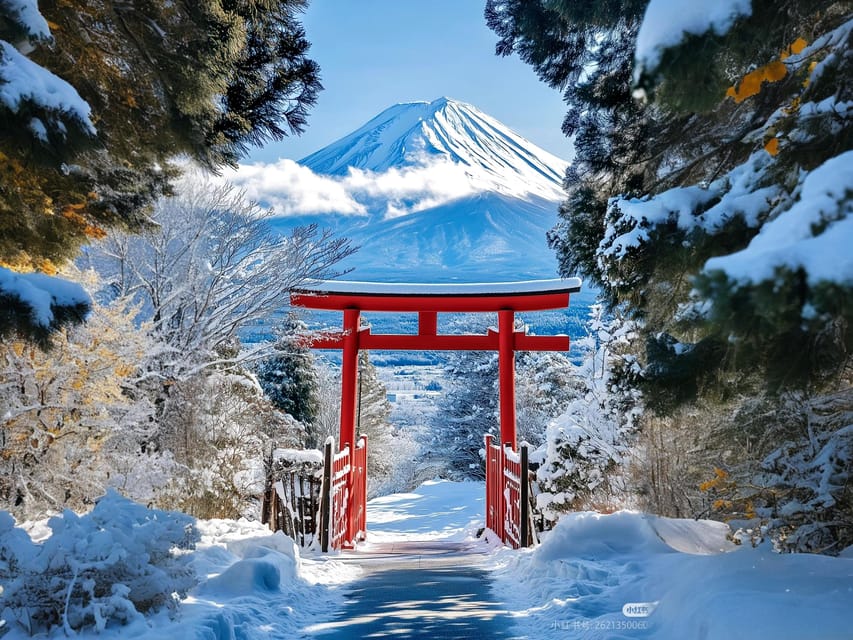
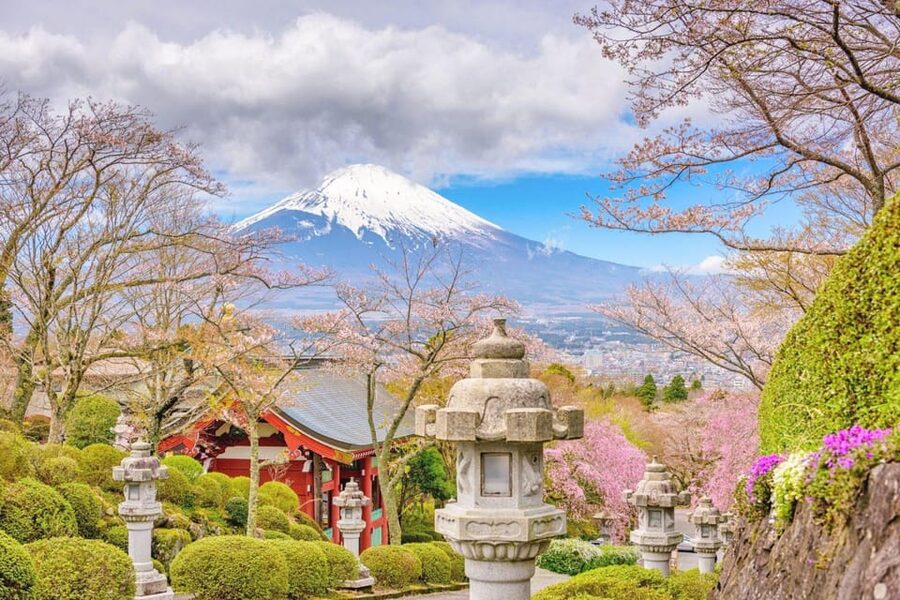
This is the big one. You arrive at Arakurayama Sengen Park around 10:30 to 11:30, with roughly an hour there for photo stops, sightseeing, and free time. The highlight is the walk up the steps toward the Chureito Pagoda, which is one of Japan’s most famous framing spots for Mt Fuji.
Here is the practical part. Those steps are why you should wear shoes you can move in, not just pretty sandals. Once you reach the main photo area, you will see why people chase this view. In good conditions, Mt Fuji sits visually right behind the pagoda, and the whole scene changes by season.
- In cherry blossom season, the view turns into a pink-and-white foreground with Fuji behind it.
- In autumn, leaves can create a warm color layer between you and the mountain.
- When snow is in the mix, the contrast feels crisp and dramatic.
The tour’s timing gives you enough time to climb, catch a few angles, and then settle in for photos without feeling like you need to run the second you step out of the bus. In one real day experience, the morning views were clear and unobstructed, which is exactly what you are hoping for when you start early.
Hidakaya Clock Street: a short stop that hits hard for photos
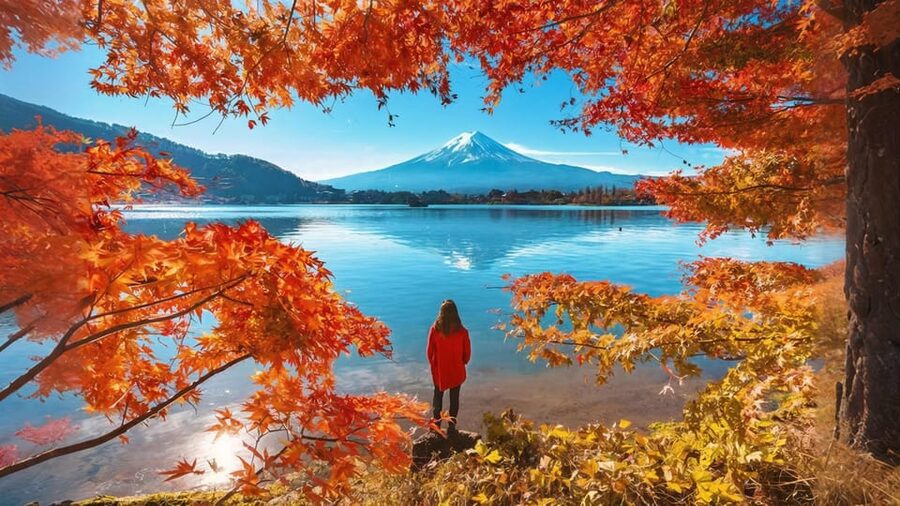
Next you swing by Hidakaya Clock Street for a quick window, about 11:45 to 12:05. The nickname that gets repeated for this area is Heavenly Town under Fuji, and I get why. It is compact, photogenic, and framed in a way that makes Fuji look like it belongs at the end of the lane.
The time here is short, so treat it like a photo lane, not a wandering neighborhood. You will have photo stop time plus a bit of free walking, and then you move on. If you are aiming for multiple shots, pick the spot where the perspective lines pull Mt Fuji into the composition, then work your camera angles instead of trying to see everything.
One caution: when you are switching locations quickly, keep an eye on where your group is going next. Short stops are fun, but they also mean you can lose time if you are slow to regroup.
Oshino Hakkai ponds: UNESCO calm with real reflection potential
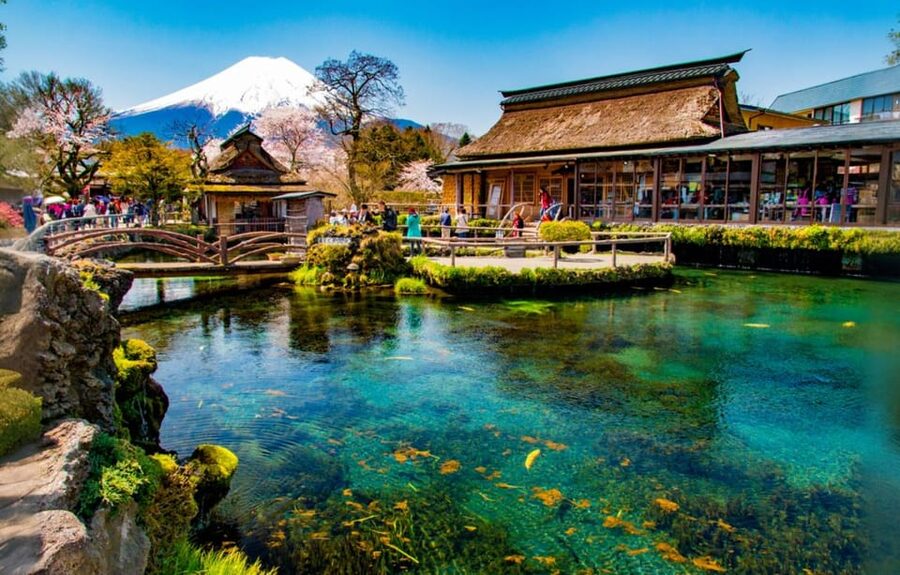
You reach Oshino Hakkai around 12:30 to 13:50. The schedule builds in about 80 minutes for photo time, sightseeing, and walking. This is a UNESCO World Heritage site, and it feels different from the more theme-park-style photo spots. It is quieter, slower, and centered on ponds and water reflections.
When Mt Fuji is visible, Oshino Hakkai is one of the places where the mountain can mirror cleanly in the water. Even if visibility is not perfect, the area’s ponds still give you a calm, postcard-feeling scene. I like that you are not rushed through a single overlook. The walking time lets you find your own angle rather than only photographing from one crowd point.
Practical note: this stop rewards patience more than speed. If you want the best reflection shots, you may need to step back, reframe, and wait a minute for the water to cooperate.



Lawson Kawaguchiko Station: the quirky Fuji shot break
Around 14:30 to 14:50, you stop at Lawson Kawaguchiko Station. It is built as a photo stop and a quick break, and you get shopping and time for local snacks. Even though it sounds goofy, it works because the store is part of the town’s everyday rhythm, not a staged viewpoint.
For photography, it is a nice contrast: modern convenience store branding right next to Fuji-world scenery. The original description even suggests grabbing something small like ice cream while you’re there, and that lines up with the practical idea of using the stop to reset before your final scenic walk.
This is also where you should use the restroom if you need to, because the day after this still includes one more major Fuji-view stretch before you head back to Tokyo.
Lake Kawaguchi and the seasonal Oishi Park or Maple Corridor
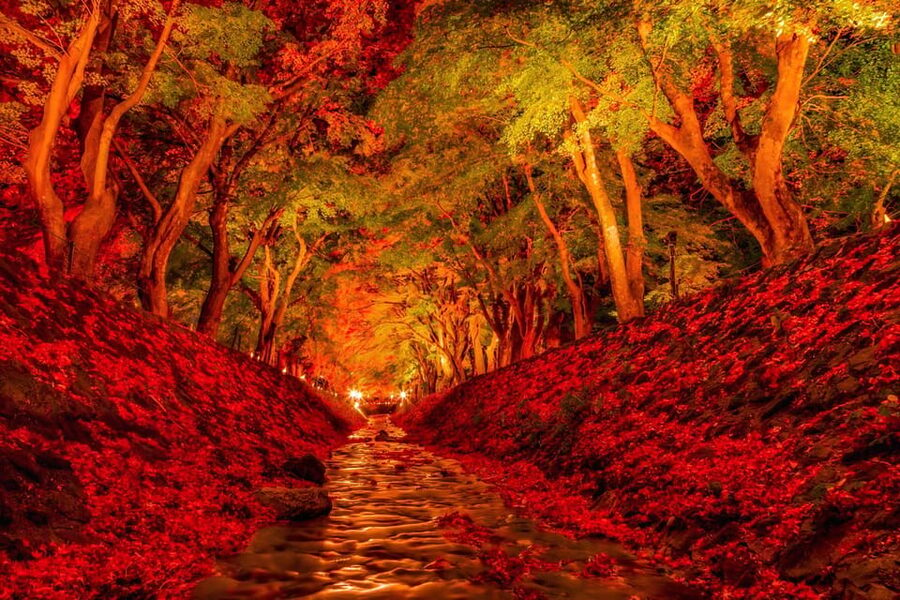
By mid-afternoon, you head to Lake Kawaguchi, with roughly 50 minutes for photo stops, free time, sightseeing, and scenic views on the way. This part is seasonal, and the tour changes depending on the time of year.
You will either see:
- Oishi Park in season, or
- the Kawaguchiko Maple Corridor in autumn, if you are in the later date window.
Seasonal timing matters. The Maple Corridor is listed as seasonal from around October 20 to November 20, and there is a specific operational note: from approximately October 30 to November 20, the tour visits the Maple Corridor instead of Oishi Park to show the best autumn color. In spring, there is also a cherry blossom festival window listed from about March 30 to April 14, when Fuji can appear surrounded by sakura.
This is where you get that “Mt Fuji framed by flowers or leaves” feeling that people chase all year. But I will keep expectations realistic. This is still outdoors with walking and photo time, and visibility can still change. The good news is you are not relying on a single view. Earlier stops already set you up with classic Fuji angles.
Timing, pace, and your photo strategy for a long day
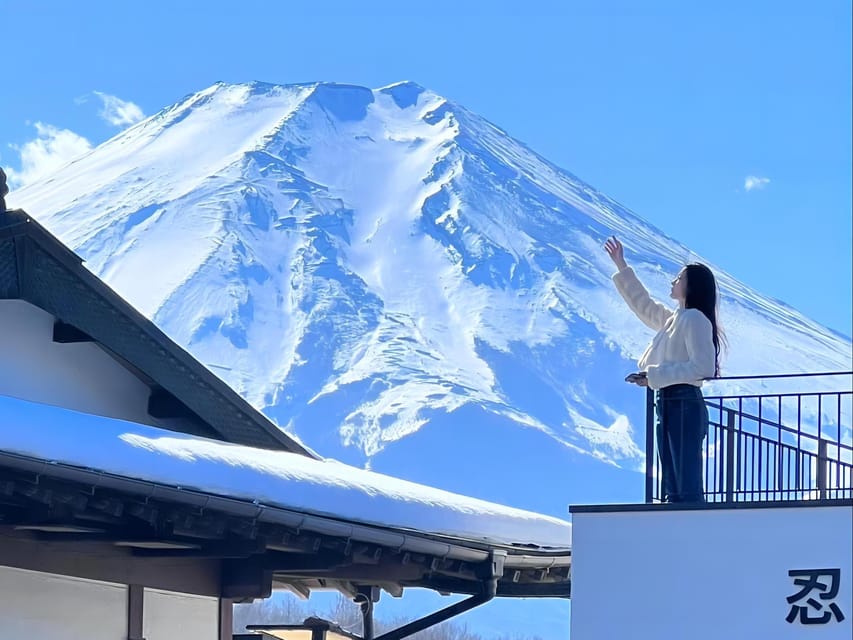
Overall, this tour is a classic day-trip rhythm: early departure, multiple short-to-medium stops, and a return that gets you back to Tokyo Station around 6:50. You are on the move for about 10 hours, which is normal for a Fuji day trip, but you should plan your expectations.
For photos, think in terms of “one stop, a few priorities.” For example:
- At Arakurayama Sengen Park, prioritize the pagoda steps and one wide Fuji framing shot.
- At Oshino Hakkai, prioritize ponds and reflections, not just a single “got it” picture.
- At Hidakaya Clock Street, prioritize angles where Fuji appears at the end of the street.
Also, you will do some walking at multiple stops. Wear comfortable shoes, and keep your camera strap adjusted so you can move quickly when you arrive.
One more reality check: the itinerary order can change due to traffic, weather, or operational reasons. That is not a problem, it is just how day trips work in Japan. Keep your plans flexible, and let the guide’s timing do the heavy lifting.
Who this Mount Fuji day trip is best for
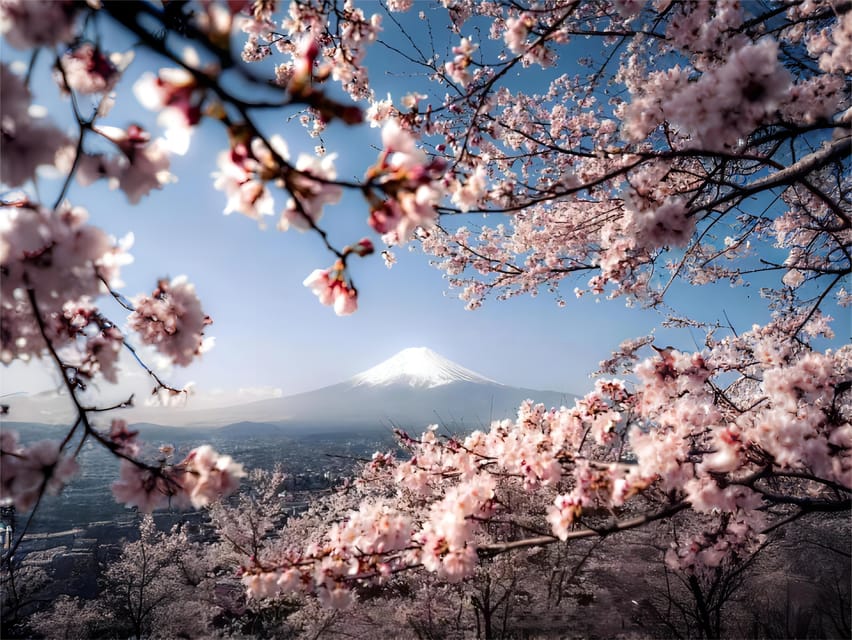
This tour is a strong fit if you want:
- a guided, transport-included way to see Fuji highlights without dealing with buses and transfers yourself
- multiple photo locations in one day, including Oshino Hakkai and Arakurayama Sengen Park
- a plan built around seasons, so you get different flower or leaf moments depending on when you go
If you love photos and you like moving at a moderate pace, you will probably feel satisfied. If you want slow, deep wandering and long sitting time, you may find the stop durations a bit brisk.
It is also not suitable for pregnant women or wheelchair users, based on the provided information.
Is $58 a fair deal for a full day of Fuji viewpoints?
At $58 per person, the value is mostly about what you do not have to organize. You get round-trip transportation from Tokyo Station, fuel, tolls, and parking fees, plus a professional guide and driver for the day. You also get a lineup of stops that would be harder to stitch together alone, especially when you want that chain of photo points.
What is not included is equally important. Meals and beverages are not included, and entrance fees to optional attractions are not included. There is also time built in for breaks where you might buy something small, like snacks at the Lawson stop. So treat the $58 as the “transport plus guide plus scheduled stops” cost, and budget a bit extra for food and any paid extras you decide you want on the day.
One more detail that affects your personal cost: lunch is not provided, so you will need to decide what to do during free time. If you are the type who needs a proper meal at a specific time, plan ahead so you do not end up paying more or settling for less.
Little logistics that can save you stress
A few rules are worth knowing so your day runs smoothly:
- No smoking in the vehicle.
- No food in the vehicle.
- One piece of luggage per person is allowed, and excess items can incur an additional fee, so pack light if you can.
- Your provider is Hakuu Co Ltd., and the tour is run with a driver plus guide, depending on the group size.
You might get the feeling this tour is simple, and it is, but the details are what keep it smooth. If your meeting info email does not show up, do not freeze. Use the meeting-point photo and contact details once you have them, and arrive early at Tokyo Station. In one cautionary experience, a flag color detail did not match what was expected, and it nearly caused a missed bus. That is why I suggest taking a screenshot of the guide details and meeting-point location, not just relying on one visual cue.
Should you book this Tokyo to Mt Fuji and Lake Kawaguchiko tour?
I would book it if your goal is clear: see iconic Mt Fuji angles and a UNESCO water stop in one long, well-organized day, with transport handled and a guide translating the day for you.
I would think twice if you want a slow pace, long breaks at every stop, or if you are traveling with needs that make stairs and walking difficult. Also, if you are going in shoulder season when weather changes quickly, be prepared for the possibility that Fuji visibility might not be perfect every hour.
If you like photo-driven itineraries, enjoy walking in short bursts, and want a seasonal Mt Fuji experience from Tokyo without the planning headache, this is a practical, good-value pick for $58.
FAQ
What is the duration of the Tokyo Mt Fuji Lake Kawaguchiko tour?
The tour duration is 10 hours.
Where do I meet for the tour?
You meet at Tokyo Station Marunouchi North Exit, 1-chōme-9-1 Marunouchi, Chiyoda City, Tokyo. Your guide will be holding a blue flag.
What time does the tour start and when does it return?
The meeting time is 7:50 with departure at 8:00, and the tour returns to Tokyo Station at around 6:50.
What is included in the price?
Included are comfortable transportation, a professional guide and driver, fuel, tolls, and parking fees. There are also child-friendly options, with free admission for children under 2 using lap seating.
What is not included?
Meals, beverages, and snacks are not included, and any entrance fees to optional attractions are not included. Personal expenses like souvenirs or extra activities are also not included.
What languages are available for the live guide?
The live tour guide is available in English, Chinese, and Japanese.
Are meals allowed on the bus?
No. Food is not allowed in the vehicle.
What is the seasonal change in late October to November?
From approximately October 30 to November 20, the tour visits the Kawaguchiko Maple Corridor instead of Oishi Park to showcase the best autumn colors.
More Tours in Tokyo

More Tour Reviews in Tokyo
Not for you? Here's more nearby things to do in Tokyo we have reviewed












Mount Fuji Tours, side by side.
 ★ 5.0Mt Fuji and Hakone 1-Day Bus Tour Return by Bullet TrainFrom $16326,383 reviews
 ★ 4.0Mt Fuji & Hakone Cruise, Drum Show Bullet Train 1 Day from TokyoFrom $1497,413 reviews
 ★ 4.4Tokyo Mt Fuji 5th St & Hakone Cruise Bus Tour w/Bullet TrainFrom $1545,024 reviews
 ★ 4.5From Tokyo: Mount Fuji Full-Day Sightseeing TripFrom $684,970 reviews
 ★ 4.7Mt. Fuji Tour, Hakone Ropeway, Owakudani, Lake AshiFrom $544,002 reviews
 ★ 4.2Mt. Fuji 5th Station & Hakone Cruise 1-Day Bus TourFrom $1292,381 reviews
 ★ 4.7Mt Fuji Top 5 Spots Day Tour: Arakurayama Park,Oshino HakkaiFrom $532,066 reviews
 ★ 5.0Private Tour to Mt. Fuji and Hakone (Fully Licenced Operator)From $4971,910 reviews
This tour also belongs to