
Review · TOKYO CITY TOURS
Tokyo : Must-see attractions private tour
Tokyo makes sense faster with a guide. This private walking tour is built for exactly how you travel, with a route that can flex to your interests and a guide who can point out what to do next across the city. I like the practical local advice you get, not just photos and checklists, and I also like that the experience stays private and customizable, so you can move at a comfortable pace instead of racing with a crowd.
The main thing to consider is simple: the quality of cultural and historical detail can vary by guide. One guide example I picked up from past bookings (Lucas) was praised for being nice and prepared, but another experience noted that the historical and cultural background can be basic if you do not ask for it. If you want deeper context, come with a few questions.
Key highlights worth planning around
- Hotel meet-up and private pace so you can start where you are staying and keep control of timing
- Custom route from major sights plus side areas your guide recommends
- Tokyo etiquette and everyday know-how shared directly, like norms on public transport and street behavior
- A guide who adds “what next” ideas, so the tour turns into a springboard for the rest of your trip
- Solid variety of neighborhoods, from temples and shrines to electronics and views
How a private Tokyo walking tour changes the day
Tokyo can feel like two cities at once: ultra-organized streets that still manage to confuse you when you are tired and hungry. That is where a private guide pays off. You are not just seeing landmarks, you are learning how to move through Tokyo, what to prioritize based on your time window, and what is worth slowing down for.
I love that your guide’s job is to connect the dots. You will get valuable tips for other things to do, plus suggestions about where to eat, what to book later, and how to plan around crowds. And because it is private, you can say something like, I want food first, or I want temples, or I want anime and tech, and the day can bend around that.
You can also read our reviews of more private tours in Tokyo
Price and what $53 per person really buys
At $53 per person, this is positioned as a value-priced private experience. In Tokyo, “cheap” private tours are usually not truly private, or they feel like you were handed an iPad and a map. Here, the core promise is a private walking tour with customization, plus meeting you at your hotel.
The best part is how the cost turns into flexibility. With a 2 to 8 hour duration, you can match the tour to your schedule, then use your guide’s local tips to improve the rest of your days. If you are planning one “anchor” day in Tokyo, this price makes sense because you are paying for time saved, better decisions, and fewer wrong turns.
Starting at your hotel, then moving smartly
Meet-up is straightforward: the guide meets you at your hotel, and pickup is optional depending on your chosen setup. From there, you are on foot for the walking tour, and public transport may be included unless you select an option that skips it. That matters because Tokyo sightseeing is not just walking in a straight line. It is walking plus short train rides that save a lot of time.
For you, the practical advantage is energy. When you are doing a first visit, you do not want to spend your good hours figuring out routes and transfers. A guide handles the flow, and you keep your day focused on seeing the sights you actually care about.
Picking the right length: 2 hours vs 8 hours

The tour spans 2 to 8 hours, which is a big deal because Tokyo attractions have different “costs.” Temples and shrines can be short but meaningful, shopping neighborhoods can balloon if you let them, and viewpoints often come with extra time for lines and photo angles.
For a 2 to 3 hour version, think: one main neighborhood plus one nearby contrast. For example, pairing a landmark temple area with a quick stop for city views can feel satisfying without exhausting you. For an 8 hour version, you can realistically cover multiple iconic areas like Asakusa, Akihabara, and a major view stop, then still leave room for snacks and a few photo breaks.
Tsukiji Outer Market: street food with fewer wrong turns
If you like eating as you explore, this is one of the most rewarding stops. With a guide, you can navigate the crowded lanes more easily, learn what to look for, and get practical guidance on what is worth trying. You will also get context for why certain items are famous, which helps you choose instead of grabbing the first thing you see.
The upside is you spend time where it matters, not just standing still. The downside is that the market style is fast and busy. If you hate crowds or you are slow-moving with lots of dietary restrictions, ask your guide to plan shorter browsing sections and prioritize a few clear targets.






Senso-ji Temple and Asakusa: rituals you can actually enjoy
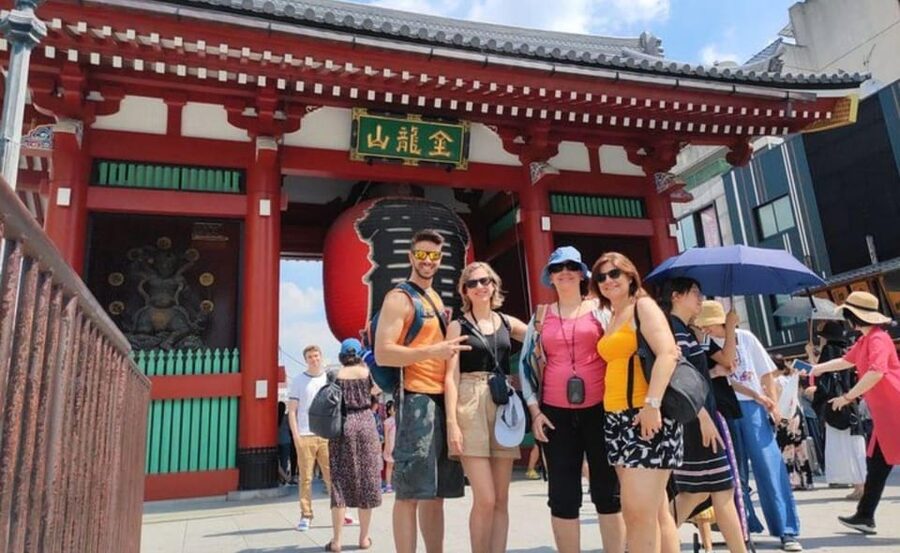
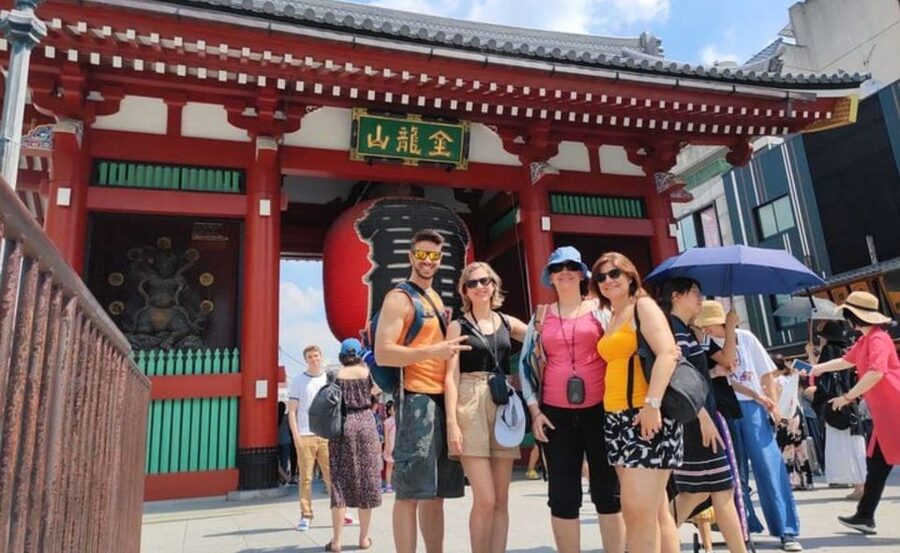
Senso-ji is a “go there at least once” sight, and a guide makes it far more than a photo spot. You will walk through the historic Asakusa area, learn stories tied to the temple, and get help participating in traditional rituals in a respectful way. Your guide can also guide you toward key photo points around the Thunder Gate area.
One practical benefit: etiquette. In one past experience, the guide Karl was praised for explaining Japanese customs, like norms on public behavior. That kind of coaching helps you feel confident, especially in places with crowds and lots of unspoken rules.
Meiji Shrine: Shinto context in the forest-like setting
Meiji Shrine is one of those Tokyo stops where the atmosphere changes as soon as you enter. With a guide, you get cultural context for the Shinto practices and why the torii gate and surrounding grounds matter. You also get stories that make the place feel intentional, not random.
The main consideration is time and pacing. The grounds invite walking and pausing, so if you are rushing to hit ten stops today, you might feel underwhelmed. If you want a calmer reset during a busy trip, Meiji is an excellent choice to balance out louder neighborhoods later.
Akihabara: electronics and anime shopping without chaos
Akihabara is where Tokyo becomes obvious to many first-timers: tech, games, anime culture, and stores packed with distractions. A guide helps you focus. You can explore deeper into the area, get explanations about cultural meaning, and also find what might be worth your money instead of wandering aimlessly for hours.
If you have shopping goals, this is where a private format shines. You can say what you are hunting for, and your guide can steer you through the right clusters. If you are just browsing, ask for a route that includes time for photo stops and a quick break, so you do not get fried by the sensory overload.
Tokyo Skytree: the city in one view
A major view stop can anchor your day because it gives you scale. With guidance, you will learn about Tokyo Skytree’s significance and construction, then enjoy panoramic views from the observation decks with a better sense of what you are looking at.
The practical advantage of having a guide here is orientation. Tokyo’s layout can feel like a puzzle, and a few clear explanations turn the view into something you can remember. The possible drawback is that observation times can vary with crowd levels, so if your schedule is tight, ask your guide to plan the timing for your day length.
Ginza: shopping plus history, not just storefront hopping
Ginza is often described as upscale, but what matters for you is how to experience it without wasting time. A guide can share the area’s history and help you spot where the character of Ginza shows up, from shopping streets to dining options. The guide can also help you find less obvious choices if you want to avoid only the biggest brands.
One caution: Ginza can be time-heavy if you get pulled into window-shopping. If your goal is a quick taste, tell your guide upfront. Private means you do not have to “finish the neighborhood.” You can stop when you are done and keep your energy for the next district.
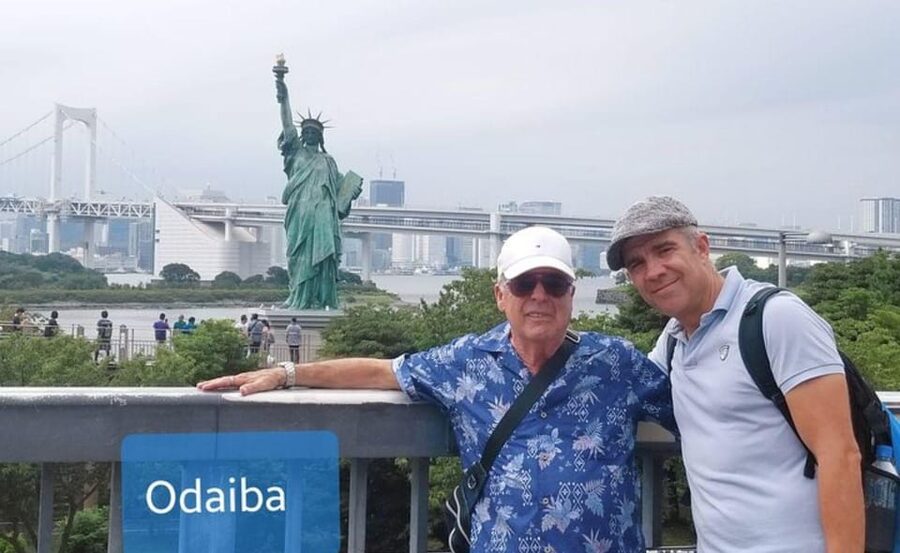
Odaiba: futuristic photos and seaside energy
Odaiba is a good contrast to temple and shopping neighborhoods because it feels more modern and planned. With a guide, you can navigate the entertainment complexes, learn about the history of the artificial island, and get insights into the architecture. It is also a strong place for photo viewpoints, especially if you want skyline shots that feel different from central Tokyo.
This stop works best when you want variety. If your entire trip theme is culture and tradition only, Odaiba might feel too “modern.” If you want one change of pace, it balances the day nicely.
Ueno Park: museums, crowd strategy, and seasonal beauty
Ueno Park is a smart choice when you want both calm and choice. A guide can help you move through the park, point out museums and attractions, and share why Ueno has cultural importance. During cherry blossom season, a guide can also direct you to good spots for viewing, which is useful because the best areas fill up.
The main consideration is that Ueno can sprawl. If you do not want to wander, decide what you want most: a museum moment, a stroll with photos, or seasonal viewing. With a guide, you will not feel stuck doing everything, just enough of what fits your time.
Roppongi Hills: art, architecture, and Mori Art Museum
Roppongi Hills brings a more arts-and-towers feel to your itinerary. With a guide, you can explore the area’s art and shopping, then learn about the architecture and local cultural events. A common anchor here is the Mori Art Museum, which can be a good choice if you want something indoors after a full walking day.
This stop can be great for travelers who like structured experiences, but it may not satisfy someone who only wants outdoor sights. If you prefer fresh air, balance it with a park or riverside area earlier in the day.
The guide quality test: what you should ask for
Private tours are only as good as the guidance you receive. The strongest bookings I saw emphasized adaptation to personal needs and pacing. One example was Fernando, praised for knowing the history and traditions and for not rushing, which meant time for photos and store visits without feeling like it was a checklist sprint.
Another example flagged a drawback: basic cultural and historical detail. That does not mean every guide is weak, it means you should set expectations early.
Before you start walking, ask:
- What traditions should I notice at Senso-ji or Meiji, and what should I avoid?
- If I want history in plain language, how can we time that?
- Where can we pause so I can actually enjoy the moment, not just pass through?
If you ask, you will usually get a better tour.
Who this tour fits best
This private tour is a great match if you:
- Want a custom plan instead of following a fixed circuit
- Like learning etiquette and cultural context, not just seeing buildings
- Have limited time in Tokyo and want smart prioritization
- Prefer a relaxed walking pace with time for photos and optional shopping
It might be less ideal if you already know Tokyo well and hate walking. Also, if you only want very specific sites with no flexibility, you should confirm which stops your guide can prioritize in your time window.
Should you book it? My straight answer
Yes, I would book this tour if you are aiming for a strong first or second-day Tokyo experience and you want local decision-making on your side. The value comes from private customization, hotel meet-up, and the way your guide can connect major sights with practical advice for the rest of your trip.
I would not book it blindly if you are expecting deep academic-style history regardless of the guide. Bring a few focused questions, ask for the kind of context you want, and you will get more from the time you pay for.
If you want Tokyo to feel navigable, not chaotic, this is an easy choice.
FAQ
How long is the Tokyo private walking tour?
The tour duration is listed as 2 to 8 hours, depending on the option you choose and availability.
Where does the guide meet me?
The guide meets you at your hotel. Pickup is also listed as optional.
Is this tour private?
Yes, it is a private group experience.
What languages are available for the live guide?
Live guides are available in English, French, Italian, Spanish, Japanese, Chinese, and Traditional Chinese.
Does the tour include transportation?
It includes a walking tour, and public transport can be included as well unless you select an option that excludes it.
Is the tour wheelchair accessible?
Yes, the tour is listed as wheelchair accessible.
What is the cancellation policy?
There is free cancellation up to 24 hours in advance for a full refund.
Can I reserve without paying today?
Yes. The tour offers a reserve now and pay later option, so you can pay nothing today.
More Private Tours in Tokyo

More Tours in Tokyo

More Tour Reviews in Tokyo
Not for you? Here's more nearby things to do in Tokyo we have reviewed












Tokyo City Tours, side by side.
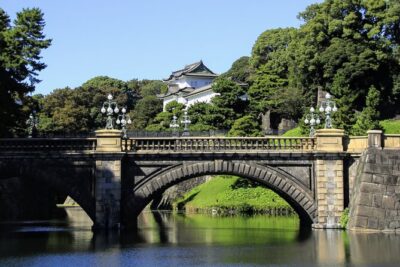 ★ 5.01-Day Tokyo Bus TourFrom $12914,250 reviews
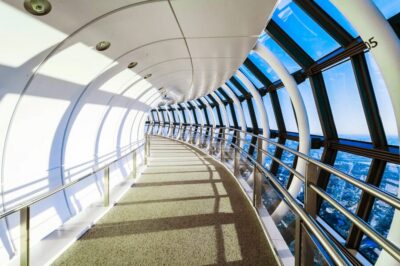 ★ 4.5TOKYO SKYTREE® Admission ticketFrom $1311,192 reviews
 ★ 4.6teamLab Planets TOKYO Digital Art Museum Entry TicketFrom $259,779 reviews
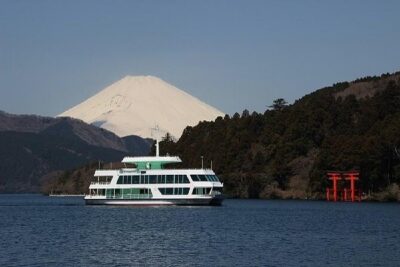 ★ 4.0Mt Fuji & Hakone Cruise, Drum Show Bullet Train 1 Day from TokyoFrom $1497,413 reviews
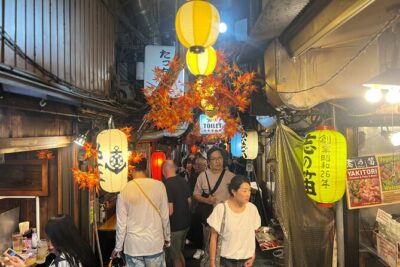 ★ 5.0Shinjuku Food Tour (13 Dishes at 4 Local Eateries)From $866,603 reviews
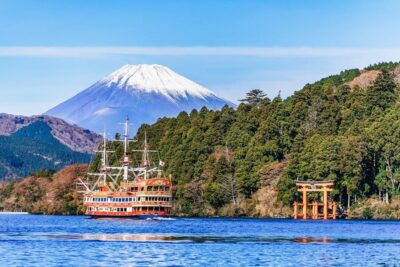 ★ 4.4Tokyo Mt Fuji 5th St & Hakone Cruise Bus Tour w/Bullet TrainFrom $1545,024 reviews
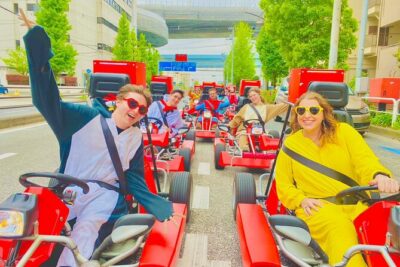 ★ 5.0Flagship 2-Hours Official Street Go-Kart Tour – Tokyo Bay ShopFrom $644,974 reviews
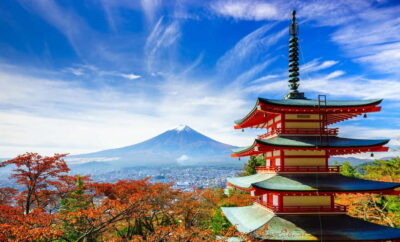 ★ 4.5From Tokyo: Mount Fuji Full-Day Sightseeing TripFrom $684,970 reviews