
Review · MOUNT FUJI TOURS
Tokyo: Private Day Trip to Mount Fuji and Hakone
Tokyo to Mount Fuji in one day can feel like magic.
What makes this trip special is the mix of iconic viewpoints and quieter stops, all handled by an English speaking driver who keeps the day moving smoothly. You’ll hit the classic Fuji photo areas, then shift into Hakone for lake and ropeway views, with enough time to actually look, not just pose.
I also love the way the schedule balances famous landmarks with calmer moments, like the ponds and village atmosphere at Oshino Hakkai. And the Mount Fuji 5th Station stop feels like the real “arrived” moment, with a safety briefing and time to soak in the altitude vibe.
One thing to consider is that this is a long, walking heavy day, and it is not ideal if you have back issues or mobility limits. Comfortable shoes and warm layers matter, because the air gets cooler as you climb.
Key highlights that matter on the ground
A private English speaking driver in a Jeep or SUV, so you are not guessing routes or transfers.
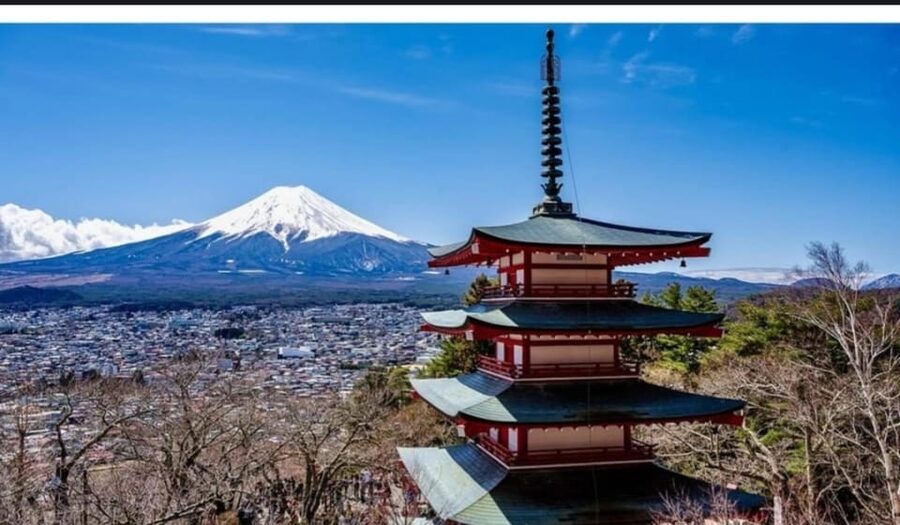
A strong Fuji photo run with Chureito Pagoda and Fuji Sengen shrines, plus time at viewpoints you can’t easily reach on your own.
Oshino Hakkai’s pond setting gives you a peaceful break from the crowds around the lake area.
Mt Fuji 5th Station goes past the postcards, with a real altitude experience and a safety briefing.
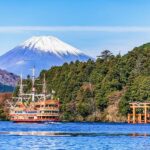
Hakone by ropeway and Lake Ashi adds variety, including the classic torii view area many people come for.
Gotemba Premium Outlets gives you a simple end of day option if you want shopping, snacks, or easy browsing.
Why this Fuji and Hakone day feels easier than DIY
A day trip to Mount Fuji plus Hakone can get complicated fast if you are doing it yourself. Train timing, transfers, and getting to the right viewpoints often turns into a juggling act, especially when the weather changes your plans.
Here, the basic win is that your transportation is handled for you, using a private vehicle and a driver based on your pickup area. That means you can focus on what you actually came for: views, shrines, and those “wait, that’s really Mount Fuji” moments.
You also get a route that naturally divides into two moods. The morning leans into Fuji and lake scenery, with cultural stops and photo pauses. Then the afternoon shifts to Hakone’s ropeway and volcanic valley energy, where the scenery feels different even if you never leave Honshu.
You can also read our reviews of more private tours in Tokyo
Pickup and timing: what to plan for in Tokyo traffic
Your day starts with pick up from selected locations in Tokyo’s 23 wards and the Mt Fuji area, and you can often choose from multiple neighborhoods. Examples from the listed zones include Shibuya, Shinjuku, Chuo, Chiyoda, and areas like Adachi, Edogawa, and others on the longer list.
Why this matters: Tokyo traffic can be unpredictable, and the only thing worse than missing a viewpoint is rushing it. The trip is designed around an early start, with the driver working from a scheduled pick up and safe road pacing, so you have a real shot at good visibility.
You should still treat the day like a full 10 hour outing, not a casual half day. Even with a private car, you will spend time parked, walking, and getting from spot to spot, and you will want to keep your energy up with water and warm layers.
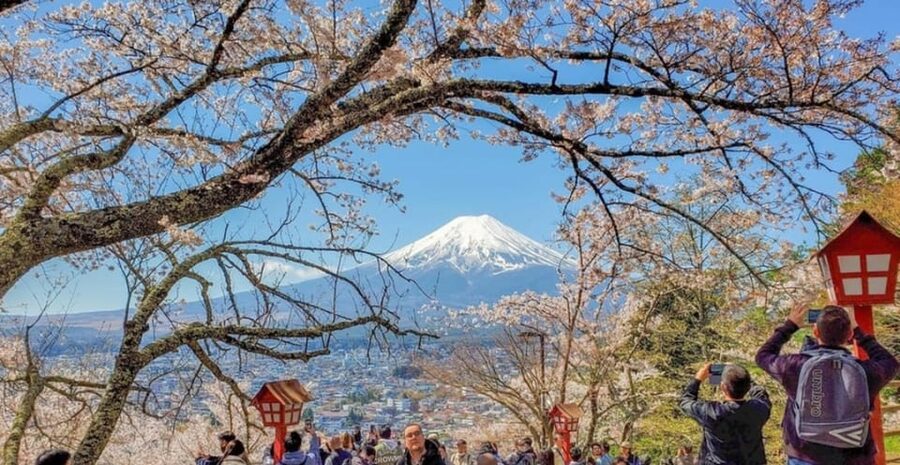
Chureito Pagoda and Fuji Sengen shrines: your morning Fuji photo push
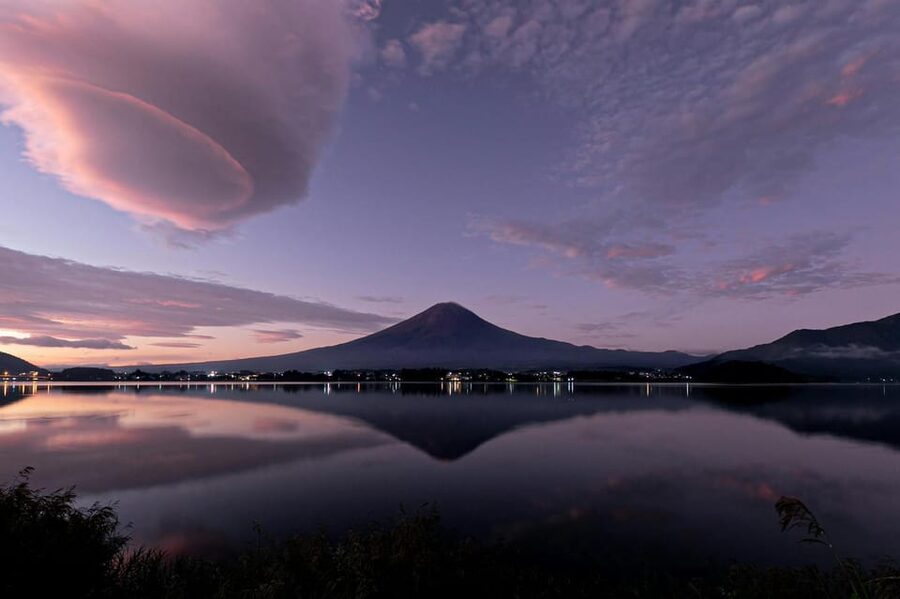
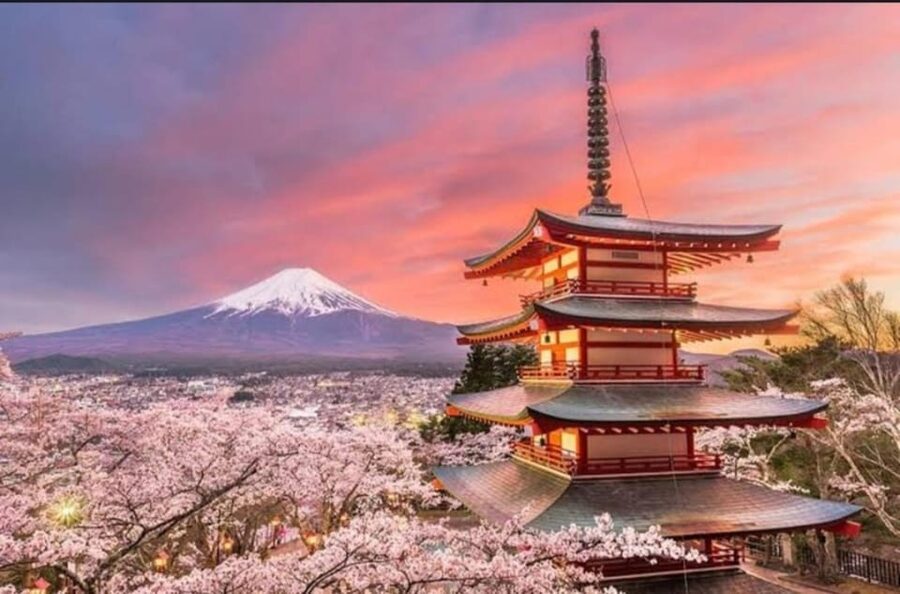
This itinerary commonly starts with a Fuji viewing area around Chureito Pagoda. It is a short photo stop plus walking time, which is perfect when you want the postcard composition without turning the whole morning into a long hike.
From there, you move into shrine time around the Fuji Sengen tradition, including the Kitaguchi-hongu Fuji Sengen Shrine photo stop and walk. These shrines are not just decorative. They give you a real sense of how Mount Fuji fits into local belief and everyday practice, even if you are only there for a short visit.
Then there’s another Fuji shrine moment at the Arakura Fuji Sengen Shrine area, with time set aside for photos and wandering. One review specifically called out a great morning Fuji view, plus additional shrine photography, and that kind of “Fuji plus culture” combo is exactly what this part of the day is aiming for.
Practical tip: bring your camera strap and plan for wind. High viewpoints can be gusty, and you will be holding equipment longer than you think.
Oshino Hakkai ponds: the quiet village break that resets your day

After the viewpoint rush, you get a calmer stop at Oshino Hakkai. This is the kind of place where you can slow down for a bit, because the ponds and surrounding buildings invite you to look around rather than just snap one photo and sprint to the next bus.
The scheduled time is short, about 30 minutes, so you cannot do everything. But you can do the important things: walk at an easy pace, take a few photos from different angles, and enjoy the stillness that makes Oshino Hakkai feel like a pause between big scenery hits.
A benefit of having a driver here is that you don’t have to stress about squeezing in the stop. The route is built so Oshino Hakkai is reachable without turning into a logistics project, which is a big deal if you only have one day.
If you hate crowds, go in with the right mindset. You’ll still be in a popular area, but the pond setting makes it feel less chaotic than some of the busiest Fuji viewpoints.
Lake Kawaguchi and Oishi Park: Fuji views with room to breathe
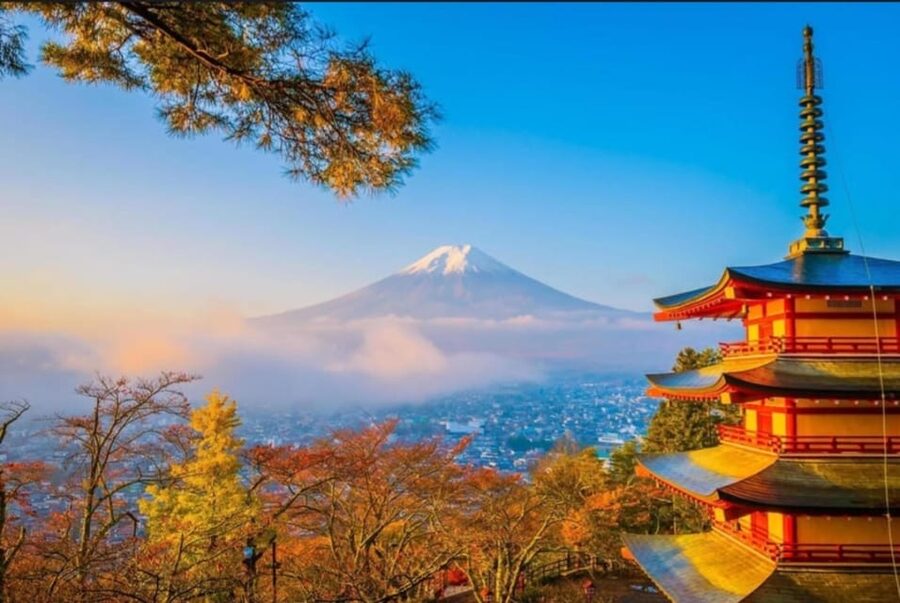
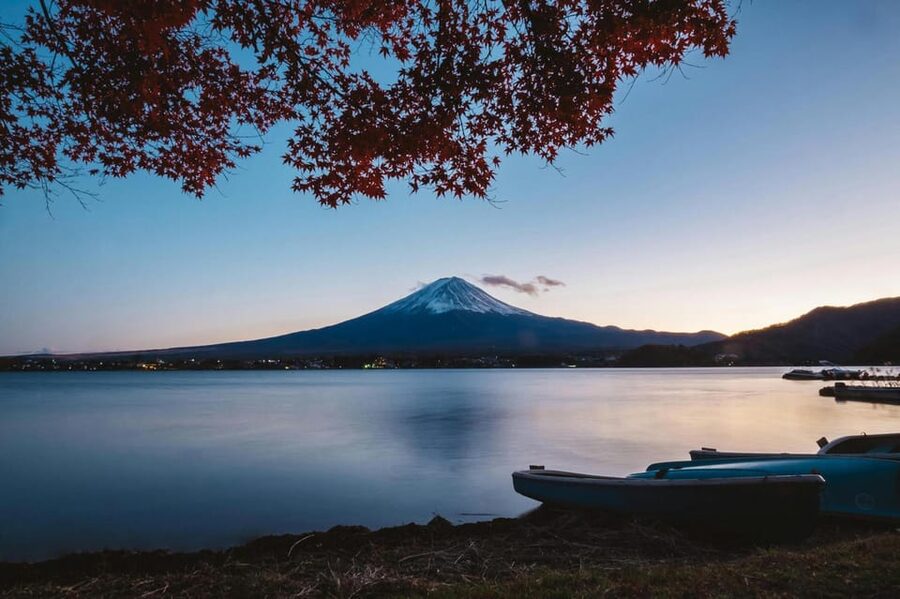
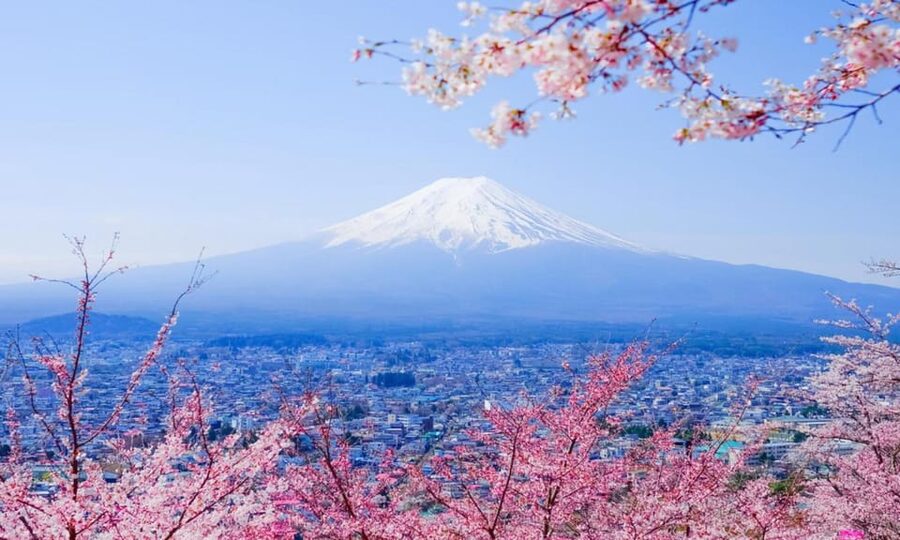
Next up is the lake region, with time around Lake Kawaguchi. You get a photo stop plus visiting and walking time, and the trip time here is built around capturing Fuji views from a comfortable viewpoint angle.
Many people focus on the lake itself, but the broader reason this stop works is that it gives you options. You can take a few photos, then step away from the main flow of people and find calmer pockets along the walkway.
You may also have a stop at Oishi Park, with a dedicated walk and visit time. This is the spot where fresh flowers are often in bloom, and one of the strengths of this day plan is that it doesn’t just treat Fuji as a single view. It gives you multiple perspectives so you have a backup if weather or clouds cut your visibility.
One practical note: lake areas tend to be windier, and you might feel the chill even if Tokyo feels mild. Bring warm layers and keep your water handy.
More Tokyo tours and experiences for the shortlist


Narusawa Ice Cave: a cool change of pace
In the middle of the Fuji and lake run, the day may include Narusawa Ice Cave. It is a photo stop plus time to visit and walk.
Even if you do not know the science behind it, the experience is straightforward: it is cooler and different from the outdoor viewpoints. That makes it a smart break if you are getting tired from standing around scenic spots.
The only drawback is timing. This is one more stop, so it is another chunk of walking and moving. If the day is crowded or visibility is poor, you might not linger as much as you’d like, but you still get a change of texture and temperature that keeps the day from feeling repetitive.
Mt Fuji 5th Station: the altitude moment you came for
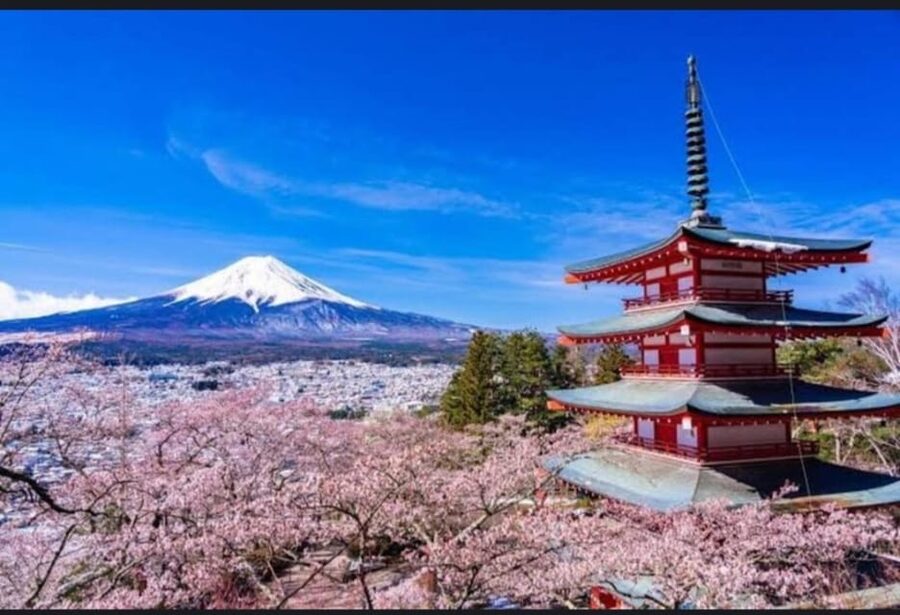
The highlight for many people is Mount Fuji 5th Station, and the tour builds time around a photo stop, sightseeing, walking, and a safety briefing. It is also described as the highest point the vehicle can reach, which makes it feel more “real” than just standing below the mountain.
This is where you can really feel the difference. Even without hiking to the summit, you get the altitude air, the change in vegetation, and the sense that you are stepping into a different climate zone.
Reviews also mention mornings when cloud cover rolled in, and the guide adjusted by taking people to other places. That flexibility is important here, because weather can turn fast at higher elevations.
What to do at the 5th Station:
keep your walk short and steady
pause for photos but do not rush
- take the safety briefing seriously, because conditions can shift quickly
If you are prone to feeling dizzy at altitude, go slowly. This is not a sprint stop.
Saiko Iyashi no Sato Nenba: a village demo that adds context
Before (or around) the Fuji 5th Station portion, the day includes a demonstration connected to Saiko Iyashi no Sato Nenba, focused on how ancestors used to live in the area. The time here is set at about 45 minutes.
This stop matters because it interrupts the “just scenery” loop. Instead of only taking photos of Fuji, you get a small slice of how people lived with this mountain as a constant presence.
I like it best for travelers who want their day trip to feel more than a highlight reel. Even if the presentation is brief, it adds texture to what you are seeing outside.
Mt Kachi Kachi Ropeway and Hakone ropeway: fun transit with views
Hakone is where the tour turns from pure Fuji lakes to something more dramatic. You often get Mt Kachi Kachi Ropeway time for photo stops, visiting, and walking, which helps you cover vertical scenery without spending all day on stairs.
Then later the plan shifts to Hakone Ropeway, with hop on, hop off time that lets you choose your spots without feeling trapped. One of the things I appreciate about using ropeways in Hakone is that they compress viewpoints into a manageable schedule.
You might notice that some riders specifically mention the classic torii area in Hakone. The tour’s Hakone portion sets you up for those iconic lake views, and even if the weather is cloudy, you still get the sense of place.
Lake Ashi and Owakudani: the volcanic mood in one package
At Lake Ashi, you get sightseeing time built for looking out over the water and taking in the Hakone atmosphere. This stop works as a transition, because it is calmer than Owakudani but still visually dramatic.
Then comes Owakudani Valley time, described as a visit and break time. This is the volcanic energy part of the day, and it changes the tone again. Instead of shrine serenity and flower parks, you get a more rugged, geological feeling.
A key practical point: volcanic areas can be windy and sometimes cooler than you expect. Dress in layers and treat this as a photo and walk moment, not a long picnic.
Gotemba Premium Outlets: a practical finish if you want to shop
Finally, the trip often ends with time at Gotemba Premium Outlets, with shopping and walking time and a break built in. This is a convenient landing spot after a long day, especially if you want a meal option nearby or you simply prefer not to gamble on last-minute dinner plans.
If you do not shop, it is still useful. You can use the time for a reset, grab something warm or light, and reduce the stress of returning to Tokyo hungry and tired.
Price and value: is 100 USD per person fair for a private day?
At about $100 per person for a private 10 hour day trip, the value depends on what you compare it to.
If you are comparing it to solo DIY, the money can feel reasonable because you are paying for driver time, a private vehicle, and entrance fees included in the price. You also save the mental load of planning transfers across Fuji viewpoints and Hakone ropeway areas.
Where it gets especially good is if you care about comfort and timing. A private SUV or Jeep makes the day feel more relaxed, and the itinerary is structured around short but meaningful time blocks at each stop. Reviews repeatedly highlighted that the day did not feel rushed and that guides balanced information with personal space, which is what you are really buying with this kind of pricing.
One more value angle: weather. If clouds show up, guides can sometimes shift the emphasis to other spots while keeping the day on track, which helps you feel like your day is still productive even if Fuji hides for a while.
Who this tour fits best
This is a strong match if you want a first time Fuji and Hakone day without doing logistics math. You’ll enjoy the mix of shrines, scenic viewpoints, pond calm, ropeway fun, lake scenery, and a volcanic valley stop.
It is also a good fit for solo travelers, because a private vehicle still gives you personal space, and the driver can work at your pace. One review mentioned a solo experience with a driver named Zulqar, praised for being punctual, kind, and giving plenty of time for photos.
It is less ideal if you cannot handle walking segments or if you need wheelchair friendly access. The tour is explicitly listed as not suitable for wheelchair users, and it is also not recommended for pregnant travelers or people with back problems.
What to bring so the day stays pleasant
Keep it simple and practical. Pack comfortable shoes, a camera, and warm clothing for higher elevations. Bring water because you might be out in wind or cool air longer than you expect.
Also, check the basic rules: smoking is not allowed in the vehicle, food in the vehicle is not allowed, and alcoholic drinks are not allowed. Drinks are not included, so plan to buy water or other beverages at stops.
If you tend to get cold easily, treat this as a “layer up” day, even in warmer months.
Should you book this Mount Fuji and Hakone private day trip?
If you want a one day plan that hits Mount Fuji viewpoints, Oshino Hakkai pond calm, Fuji 5th Station, and then slides into Hakone by ropeway with Lake Ashi and Owakudani, I’d say this booking makes sense. The private vehicle, included entrance fees, and time structured around meaningful stops are the big reasons.
I would not book it if you are worried about walking, or if you want an ultra flexible day with zero schedule. This is a ride, a few walks, and a lot of seeing, and you will feel the pace.
My final nudge: if you can, aim for the early part of the day. Even when cloud cover happens, the structure still gives you multiple chances to see Fuji, and guides have shown they can keep the day satisfying.
FAQ
How long is the Mount Fuji and Hakone private day trip?
The duration is 10 hours.
What is included in the price?
Included are a private English speaking driver, pickup and drop off at designated locations, transport by Jeep or SUV or van, and all entrance fees.
What is not included?
Drinks are not included.
Where are pickup and drop off available?
Pickup and drop off are available from selected areas in Tokyo’s 23 wards and the Mt Fuji area, with drop off options that include places like Yokohama, Tokyo, Hakone, Fujikawaguchiko, Gotemba, and Shinjuku and Chiyoda among others.
Is there an extra fee if I am outside the listed pickup areas?
Yes. If you are outside the Tokyo 23 wards and Mt Fuji area, there is a surcharge of JPY 5,000 to 20,000, paid before or on the day of the trip.
What should I bring for the day?
Bring comfortable shoes, warm clothing, a camera, and water.
Is this tour suitable for everyone?
It is not suitable for pregnant women, people with back problems, or wheelchair users.
More 1-Day Tours in Tokyo
More Private Tours in Tokyo
More Tour Reviews in Tokyo

Not for you? Here's more nearby things to do in Tokyo we have reviewed



Mount Fuji Tours, side by side.
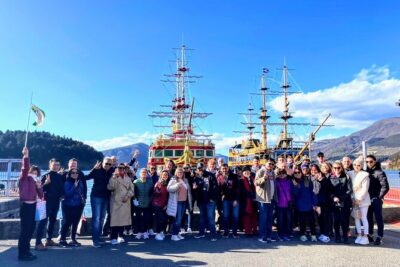 ★ 5.0Mt Fuji and Hakone 1-Day Bus Tour Return by Bullet TrainFrom $16326,383 reviews
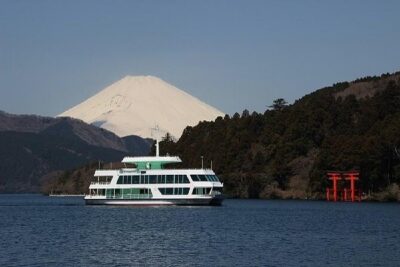 ★ 4.0Mt Fuji & Hakone Cruise, Drum Show Bullet Train 1 Day from TokyoFrom $1497,413 reviews
 ★ 4.4Tokyo Mt Fuji 5th St & Hakone Cruise Bus Tour w/Bullet TrainFrom $1545,024 reviews
 ★ 4.5From Tokyo: Mount Fuji Full-Day Sightseeing TripFrom $684,970 reviews
 ★ 4.7Mt. Fuji Tour, Hakone Ropeway, Owakudani, Lake AshiFrom $544,002 reviews
 ★ 4.2Mt. Fuji 5th Station & Hakone Cruise 1-Day Bus TourFrom $1292,381 reviews
 ★ 4.7Mt Fuji Top 5 Spots Day Tour: Arakurayama Park,Oshino HakkaiFrom $532,066 reviews
 ★ 5.0Private Tour to Mt. Fuji and Hakone (Fully Licenced Operator)From $4971,910 reviews
This tour also belongs to