
Review · TOKYO CITY TOURS
Tokyo Private Tour
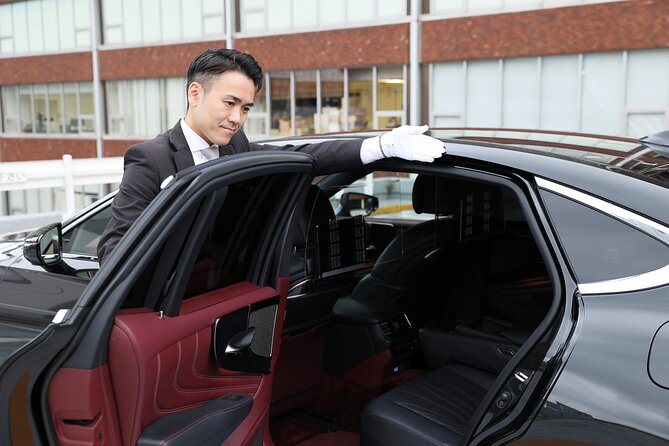
Tokyo, organized in one day. This Tokyo private tour strings together major neighborhoods and classic landmarks with hotel pickup and onboard Wi-Fi, so you spend less time figuring out transit and more time seeing the city. I like that it is truly private, meaning your guide can steer the day based on what you care about most, from traditional areas to modern Tokyo.
The main catch is the pace. With an 8-hour schedule and tight time windows at several stops, you will want to use the moments efficiently, and lunch and dinner are not included, so plan your food breaks on the fly with your guide.
The Big Idea: Tokyo in One Comfortable, Guided Day
If you only have one full day in Tokyo, the hardest part is not sightseeing. It is deciding where to start, how to move across the city, and how to avoid burning hours on train transfers. This tour tackles that by putting a whole route into one plan, with private transportation and a guide who can translate context into something you actually notice while you are walking.
I also like that the day is set up for real conversation. The best private tours are not just a ride with stops, they are a guided walk where you can ask questions and adjust. The format here is built for that, and that is a big reason people give it strong ratings.
Price and Logistics: What $743.26 Covers (and What It Does Not)
The price is $743.26 per group, up to 9 people. That changes the math a lot depending on your group size. For two people, it is about $372 each. For four, about $186 each. For nine, roughly $83 each.
That might sound steep until you compare it to what private, door-to-door logistics cost in Tokyo, plus the value of having an English-speaking guide move you between districts in one day. You are basically buying time, comfort, and a smoother plan than you will create on your own when you are new to the city.
What you are not buying: meals. The tour includes bottled water, snacks, and onboard Wi-Fi, but lunch and dinner are not included, so you will still make at least one decision about where to eat during the day.
You can also read our reviews of more private tours in Tokyo
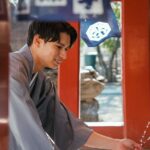
Tsukiji Jogai Market and Hama Rikyu Gardens: Old Tokyo Meets Calm Space
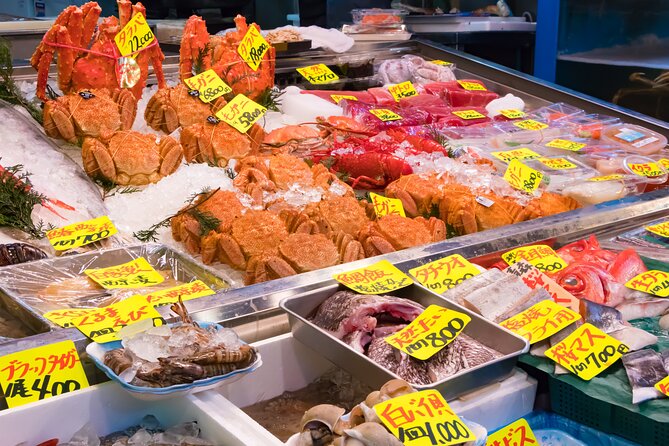
The day starts at Tsukiji Jogai Market, the outer market area. The big Tsukiji Market moved in 2018 to Toyosu, but the outer market remains active, with restaurants and shops you can browse without needing a complicated game plan. This stop is a good early start because it feels like Tokyo’s working side, not just postcard views.
After that, you head to Hama Rikyu Gardens, where the setting slows your footsteps. This garden has been used for different purposes over centuries, originally tied to a feudal lord’s residence and duck hunting grounds between the 17th and 19th centuries, later shifting into a garden. It is also a useful reset between crowded streets and photo-heavy neighborhoods.
One practical note: admission for Hama Rikyu is listed as not included, while many other stops are listed as free. If you want this garden moment, keep a little cash or card readiness for any on-site admission.
Ginza and the Imperial Palace Area: Polished City Views With Real Context
From Tsukiji energy, you slide into Ginza. Ginza is described as eclectic, with boutiques and galleries, traditional-craft shops, a strong restaurant mix, and cutting-edge architecture. The value of a guided stop here is that you do not just look at storefronts, you understand why the area feels designed, modern, and polished.
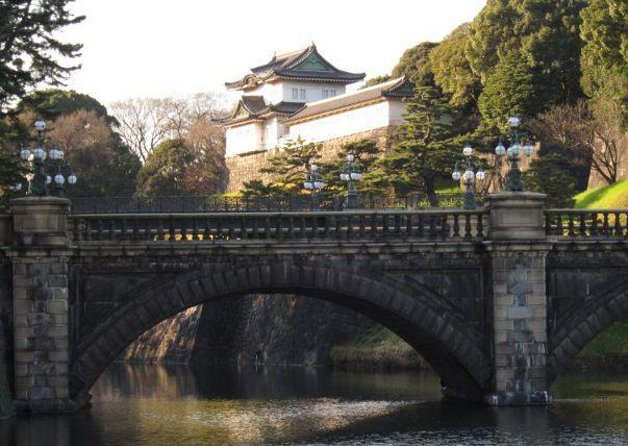
Then comes the Imperial Palace, tied to a major shift in Japan’s political timeline. The grounds used to be the castle of the Tokugawa shogun family from 1603 to 1868, then became the Imperial Palace when political power returned to Emperor Meiji. Even if your time is shorter here, the explanation helps you read what you are seeing.
If you are the type who likes a few minutes to look, then move on, this structure works well. If you want a long, slow palace-area wander, you might feel the time limits, but your guide can sometimes help you focus your walk.
National Diet Building Photo Stop: A Rare Surviving Landmark
One of the more interesting quick stops is the National Diet (Parliament) building. It is one of only a few buildings in Tokyo that survived the air raids of 1945, and it was built in 1936. Even as a shorter stop, it adds a layer to the day that you might miss if you only chase shopping districts.
This is also a good moment for questions. A guide can usually connect how places like this fit into modern Tokyo life, not just dates on a sign. If your group includes teens, history buffs, or anyone who hates random stops that feel meaningless, this is the kind that tends to land well.
Akihabara and Electronics Browsing: Anime, Gaming, and Real Shopping Variety
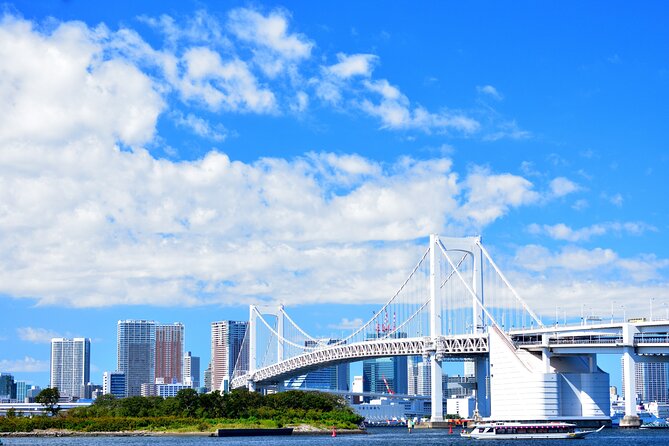
Next up is Akihabara, Tokyo’s famous area for gaming and anime culture. This stop is not just about watching people. You can spend time with gaming culture and browse electronics shops ranging from tiny stalls focused on specific components to larger retailers.
What I like about pairing Akihabara with other stops in the day is contrast. You go from gardens and formal areas into a neighborhood where the vibe is loud, visual, and shopping-driven. A private guide helps because Akihabara can be overwhelming fast, especially if you do not know where you want to spend time.
If electronics shopping is not your thing, Akihabara can still work as a cultural stop. Your guide can steer you to what matches your group: more culture and observation, or more browsing.






Senso-ji Temple and Asakusa Atmosphere: The Oldest Temple Feeling
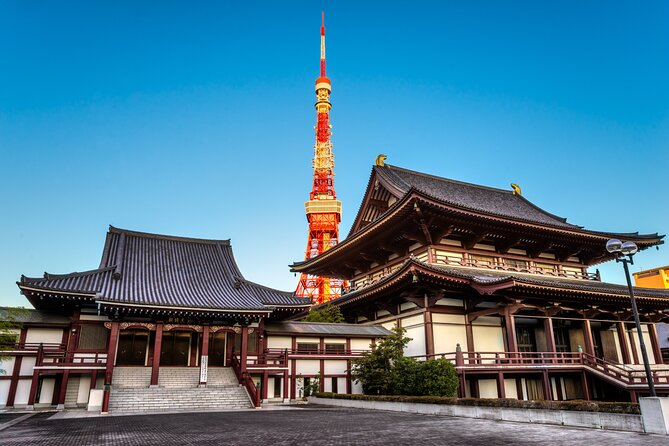
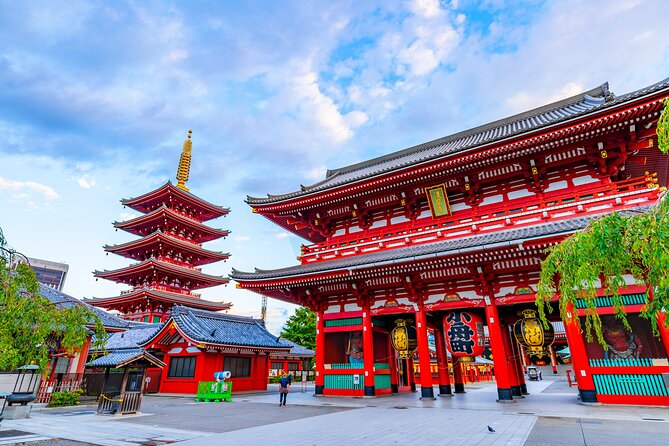
For many first-timers, Senso-ji Temple is a highlight. It is the oldest temple in Tokyo, and the name Asakusa appears in history in 628, tied to a story about a small statue of Kannon being caught by two fishermen in Asakusa. That kind of origin detail makes the place feel more grounded than a quick landmark photo.
This is also where the tour gives you time to slow down again, because temple streets encourage lingering. Even if your stop is about an hour, you can use it for both looking and pacing, especially if your guide suggests where to focus.
From a value perspective, Senso-ji is one of those stops that can eat half a day if you tackle it alone. Getting it placed into your route saves you from that decision fatigue.
Omotesando and Harajuku: Architecture, Fashion, and Youth Culture

After Asakusa, the day turns toward style. Omotesando is known for buildings designed by leading architects and for fashionable brand shopping. The practical win here is that you get a clear reason to walk, instead of just passing through a street because it is on the map.
Then you hit Harajuku, described as offering insight into youth culture with unique fashion trends and outrageous design in both fashion and buildings. This stop is a great place for people-watching, and a private guide can help you interpret what you are seeing so it feels less like random noise.
Time at each of these is shorter than the neighborhood deserves, so the best strategy is to pick what your group wants most. If it is fashion photos, aim for that lane. If it is street vibe and observation, keep your pace slower and save your energy for Shibuya later.
Meiji Jingu Shrine Break: A Reset From the Streets
If Harajuku and Omotesando feel fast, Meiji Jingu Shrine is the breather. It has a pleasant atmosphere and is described as a break from busy streets. You might also see a traditional Japanese wedding ceremony on Saturdays and Sundays, which can turn an ordinary shrine stop into a memorable cultural moment.
Even if you do not catch a ceremony, the guided part helps because a shrine setting rewards quiet attention. A guide can also help your group adjust their expectations, like what to look for and what is best experienced at a slower pace.
This is a strong mid-to-late day choice because it prevents the common Tokyo problem: you start the day wide-eyed, then by mid-afternoon everything feels like shopping without meaning.
Shibuya Crossing and Daikanyama: Big Energy, Then Softer Streets
The tour finishes its modern-city arc at Shibuya Crossing, described as the busiest intersection in the world. You also get a vivid comparison, that it makes Times Square feel quiet in comparison. In practice, you will get about a short window, so keep your phone ready, pick your crossing photo angle fast, then enjoy the movement.
Next is Daikanyama, and the tour also points you toward the vibe of Nakameguro. This area is described as filled with boutiques and cafes, with a different atmosphere and less hectic pace than more famous parts. That matters because it is a smart way to end: you leave the loudest symbol of Tokyo, then land in a calmer neighborhood where you can still browse without feeling rushed.
If your group needs a final food stop, this is often the best landing zone. Even though lunch and dinner are not included, your guide can steer you based on what you are in the mood for.
What the Private Guide Actually Adds (Names, Flexibility, and Care)
The tour’s biggest strength is not the list of stops. It is the way your guide handles the day in real time.
From the experience reports, guides such as Riley, Richie, Moe, Tomoya, and Soya are repeatedly praised for being flexible and communicative. People specifically highlight that guides can tailor the route, work with different ages, and keep everyone comfortable during hot weather by using an air-conditioned vehicle and having water and snacks ready.
One family noted Soya arranged a wheelchair for a senior traveler and helped make the day work smoothly. Another person described a guide reaching out ahead of time to understand interests, then building the route around that. And more than one review mentions guides going the extra mile on logistics like reservations, including a restaurant booking for a group and advanced planning for a special cafe request.
The practical takeaway for you: a private guide can prevent the most common Tokyo frustration, where one person wants temples, another wants anime, and the third just wants a bathroom break. Here, the day is set up to handle that kind of group reality.
Pacing Tips: How to Make the Most of Short Stops
Because the route covers a lot, your job is to be decisive about what you want at each stop. Here is how I would work it as a first-timer:
Pick one must-do per neighborhood. For example, Tsukiji outer market browsing, Senso-ji temple time, Harajuku street vibe, or a Shibuya crossing photo.
Use your guide for focus. When you arrive, ask where to start and what to skip. A good guide will point you toward the part that matches your group, not the most photographed part only.
Plan for snacks and water. Bottled water and snacks are included, which helps on a long day. Still, lunch is not included, so decide early in the day how you want that break to happen.
If you hate rushing, tell your guide from the start. The tour is still time-structured, but guides often can adjust which streets you walk first and how you spend your minutes.
Best Fit: Who Should Book This Private Tokyo Day
This tour fits best if you meet at least a couple of these conditions:
You want a first-day orientation to Tokyo’s major districts without learning the train system.
Your group includes mixed ages or different interests, and you want one person in charge of logistics.
You value comfort, including air-conditioned transport, and you prefer not to drag yourselves between far-apart neighborhoods.
You are okay with a “see it, get the key context, move on” style of touring rather than deep, slow exploration.
If your group is independent, loves public transit, and wants to linger for hours in one neighborhood, you might get a better value by building a self-guided route. But if you want the city handled for you in one organized sweep, this is a strong way to do it.
Should You Book This Tokyo Private Tour?
Book it if you want an efficient, private day that covers Tsukiji outer market, gardens, Ginza, the Imperial Palace area, Akihabara, Senso-ji, Omotesando, Harajuku, Meiji Jingu, Shibuya Crossing, and a calmer finish in Daikanyama. The route gives you classic Tokyo plus modern districts, and the private format helps you avoid the planning stress that hits hard on a tight schedule.
Skip it or adjust your expectations if you want long stays at fewer locations. This is a “lots of stops, good context, short to medium time at each” approach. Also remember meals are not included, so you should plan for lunch during the day.
If you book, do one thing that pays off immediately: send your guide your top priorities before the day starts. That is where the tour turns from a checklist into a trip that actually feels like it was made for your group.
FAQ
How long is the Tokyo private tour?
The tour duration is listed as approximately 8 hours.
Is hotel pickup included?
Pickup is offered, and private transportation is included.
Is Wi-Fi available during the tour?
Yes. Wi-Fi on board is included.
Do I need to pay for tickets at the stops?
Most listed stops show admission as free, while Hama Rikyu Gardens is listed as admission not included. Lunch and dinner are also not included.
How much does it cost, and is the price per person?
It costs $743.26 per group, with a group size of up to 9 people.
Can I cancel for free?
Yes. You can cancel for a full refund up to 24 hours in advance of the experience start time.
More Private Tours in Tokyo
More Tours in Tokyo

More Tour Reviews in Tokyo
Not for you? Here's more nearby things to do in Tokyo we have reviewed












Tokyo City Tours, side by side.
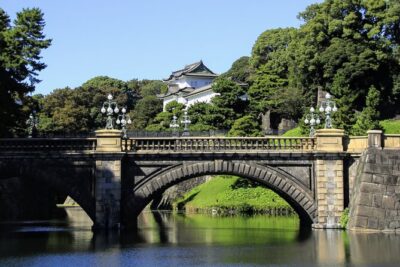 ★ 5.01-Day Tokyo Bus TourFrom $12914,250 reviews
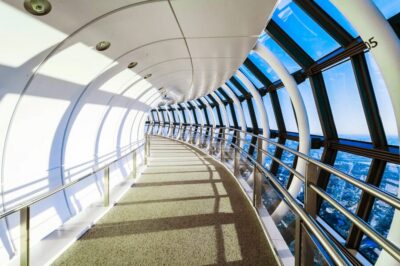 ★ 4.5TOKYO SKYTREE® Admission ticketFrom $1311,192 reviews
 ★ 4.6teamLab Planets TOKYO Digital Art Museum Entry TicketFrom $259,779 reviews
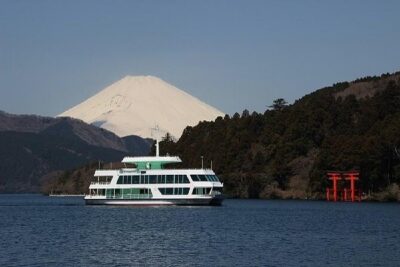 ★ 4.0Mt Fuji & Hakone Cruise, Drum Show Bullet Train 1 Day from TokyoFrom $1497,413 reviews
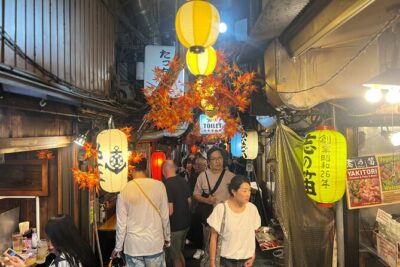 ★ 5.0Shinjuku Food Tour (13 Dishes at 4 Local Eateries)From $866,603 reviews
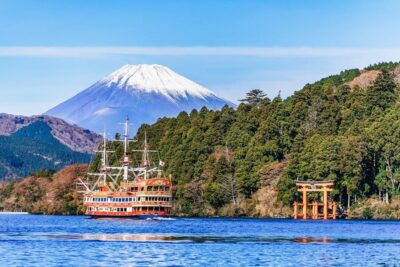 ★ 4.4Tokyo Mt Fuji 5th St & Hakone Cruise Bus Tour w/Bullet TrainFrom $1545,024 reviews
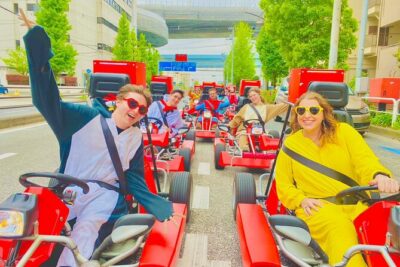 ★ 5.0Flagship 2-Hours Official Street Go-Kart Tour – Tokyo Bay ShopFrom $644,974 reviews
 ★ 4.5From Tokyo: Mount Fuji Full-Day Sightseeing TripFrom $684,970 reviews