
Review · TOKYO SAMURAI EXPERIENCES
Tokyo: Samurai Adventure! Authentic Sword Experience
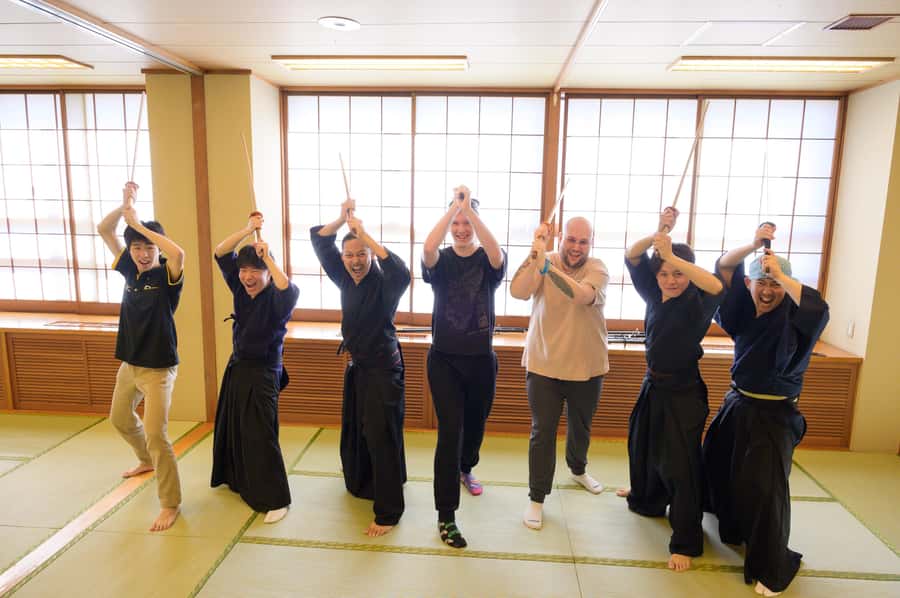
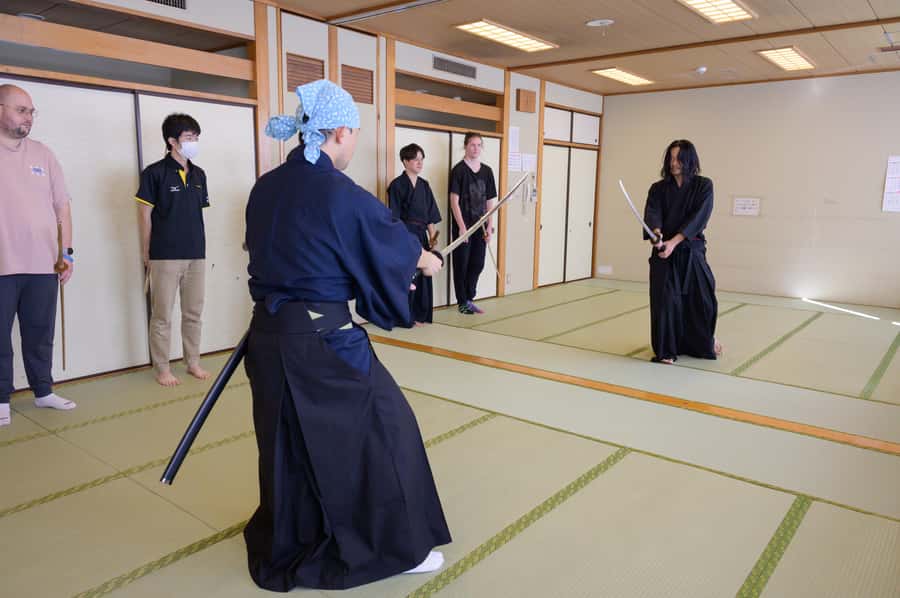
Samurai training in Tokyo is surprisingly fun. This hands-on wooden practice sword lesson is led by Dai-san and Kume-san, so you get real technique with real warmth, not just staged watching. The one catch is that you do safe training with practice swords, not actual blade sparring, so go for skill and atmosphere, not combat.
You can choose a public group session, or a more tailored private course if you want extra attention. Either way, you end with a photo moment that makes it feel like you stepped into a scene straight out of a samurai movie.
It also feels like a solid value at $24, since the session includes history context, live demonstrations, and your hands-on practice. Just plan to wear closed-toe shoes and move around a bit, since the workshop includes warm-ups and stance work.
Key Highlights You Should Know
- Tokyo Station area meet-up: registration is at Samurai Experience Photo Studio ICHI, then you head to the dojo nearby
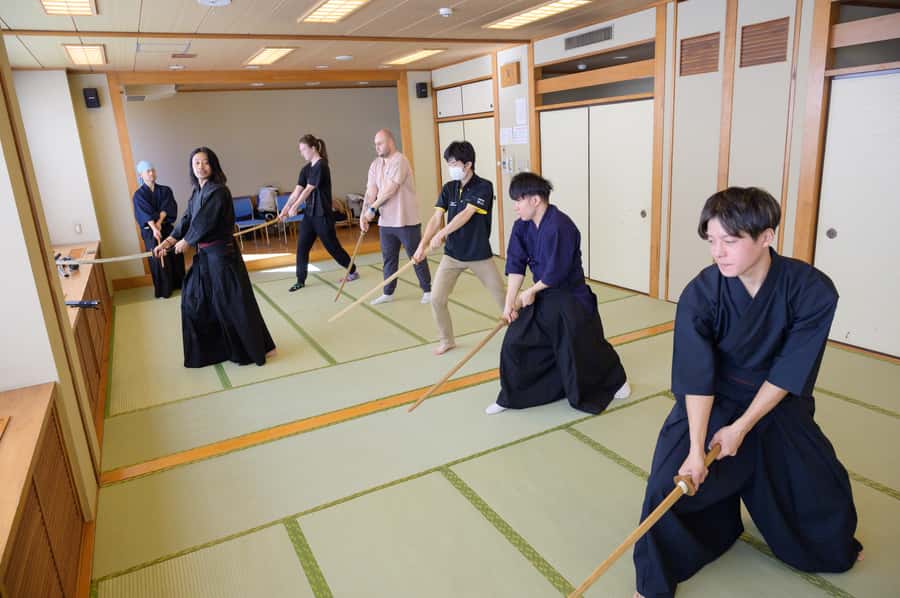
- Learn grip, stance, and basic sword handling: you start simple and build movement control
- Safe practice with wooden swords: you can join as a beginner without engaging in actual sword fighting
- Public course includes interaction with Japanese actors in training: you observe, then practice alongside them
- Private course adds history and level-based coaching: you can focus your goals with an instructor
- Photo session with a samurai: you walk away with keepsakes, not just memories
First Stop in Tokyo: Samurai Experience Photo Studio ICHI and the Quick Walk to the Dojo
The experience starts at Samurai Experience Photo Studio ICHI. It’s registered under that name on Google Maps, so you can find it by searching without guesswork. This is also the moment you get your bearings, because you’re essentially switching from city mode to training mode.
After the studio start, you walk to a nearby building for the dojo portion. That short transfer matters more than it sounds, because it helps the whole experience feel like one flow. You are not stuck figuring out directions while everyone else is already warming up, and arriving early lets you settle in without stress.
The vibe here is simple: people get ready, the instructors take over, and the group heads into practice. Even if you’re not planning to take the costume option, it helps to show up ready to move. Comfortable clothes and closed-toe shoes are not optional if you want to keep your stance work smooth.
You can also read our reviews of more tours and experiences in Tokyo.



Public vs Private Samurai Lessons in Tokyo: What Changes and What Stays the Same
You have two formats, and the difference is mostly about how much structure and attention you get.
Public course: you join a class where aspiring Japanese actors are learning samurai action. You start by observing, then you practice alongside them when it’s your turn. You also get that extra layer of cultural exchange, because you’re interacting with Japanese students while learning the movements. If you enjoy the energy of a shared class setting, this can feel more social and lively.
Private course: you get a brief introduction to samurai history first, then the lesson is tailored to your level and goals. Private classes are popular with martial arts practitioners and people who know more about Japanese culture, but you don’t need to be an expert to enjoy it. If you want someone to slow down and adjust technique for you, private is usually the better match.
What stays consistent across both formats is the safe training approach. You learn the movements first, with professional action-actor instructors, using practice swords designed for visitors. The session is built for beginners, but it still has enough structure to satisfy someone who wants to feel progression.
The Workshop Flow: Warm-Ups, Fundamentals, Then Paired Practice
The session has a clear progression, and that’s why it works even if you’ve never held a sword.
First come the warm-up exercises. This isn’t just stretching for the sake of it. It’s your chance to get your body comfortable with the range of motion you’ll use in stances and swings, so later practice doesn’t feel awkward or unsafe.
Next you master the fundamentals:
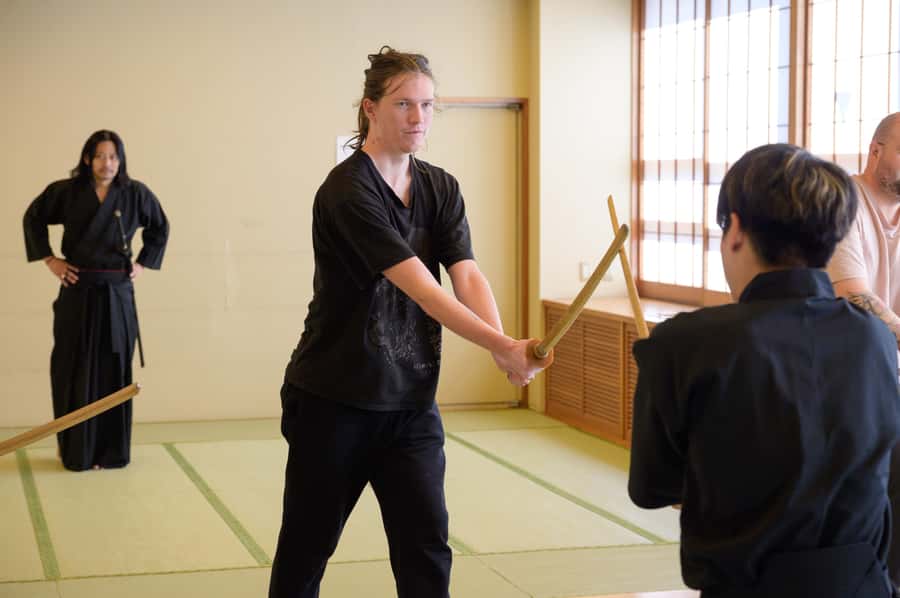
- how to properly grip and hold the sword
- basic stance setup
- how to swing in controlled, correct form
- simple strikes and defensive moves using wooden practice swords
As you move through the basics, you get gradually pulled into the world of samurai training. The lesson stays practical, which means you’re usually doing something rather than standing around. That hands-on approach is one of the most praised aspects from the people who’ve done it.
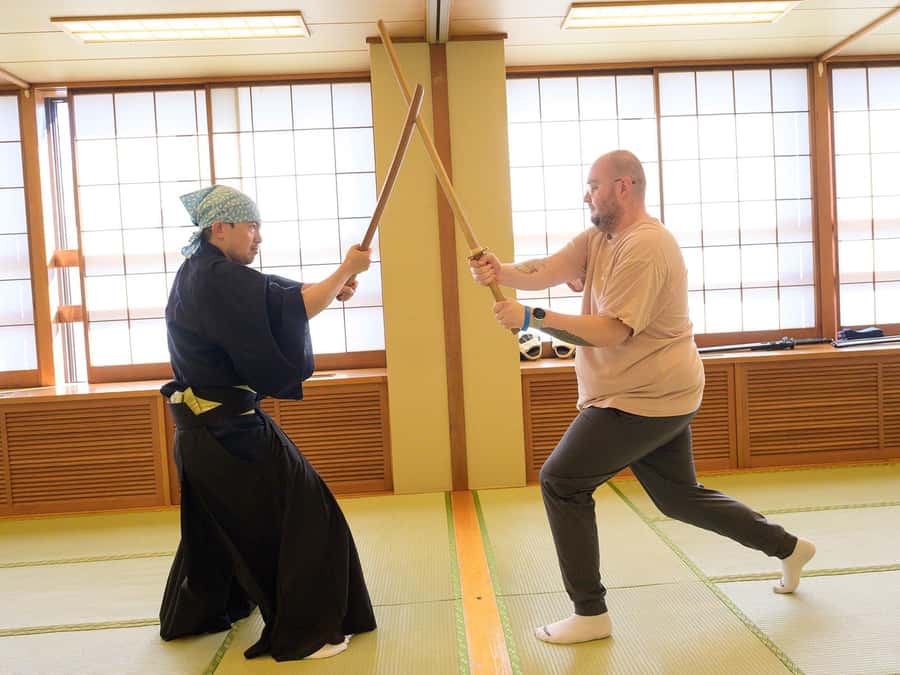
Once you’ve got the basics under your body and not just in your head, you shift into a higher-energy segment. You do paired practice with a professional samurai, which creates that action-movie feel without turning it into actual fighting. You’ll also witness a powerful demonstration by the samurai, giving you a close-up look at skill, timing, and control.
Then you wrap up with photos. The photo session is not an afterthought. It’s timed as a final payoff, so you’re capturing the moment after you’ve learned enough to pose with confidence.
Wooden Sword Training: Real Technique Without Real Blade Sparring
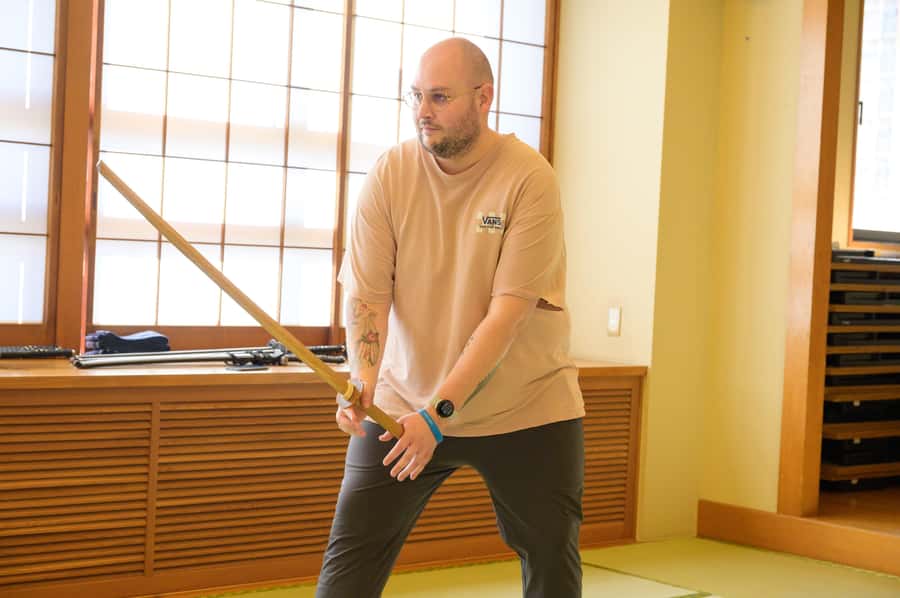
This is where you should set your expectations correctly.
You learn tate sword fighting movements through safe practice. That means you’re using wooden swords, and the instruction is built around movement patterns, timing, and form. You are not engaging in actual sword fighting during the lesson. Instead, you’re learning how the movements work, safely and with guidance.
For most people, that’s the ideal balance. You still get the intensity and drama of samurai action, but you’re not worrying about getting hurt in a beginner situation. You’ll be correcting your grip, cleaning up your stance, and repeating strikes and defensive motions until they look right and feel stable.
If you want the authenticity of a real training environment, you’ll appreciate how much focus is put on fundamentals. That’s exactly what makes the experience feel more than a gimmick. And because the instructors are professional action actors, you also get coaching that understands how to teach visitors clearly, not just how to perform.
One more detail that matters: there are safety rules. You need closed-toe shoes and no high heels, and you must follow the no-drone and no-smoking rules. It’s a structured environment, not a free-for-all, which helps it feel comfortable.
Meet the Instructors: Why Dai-san and Kume-san Matter So Much
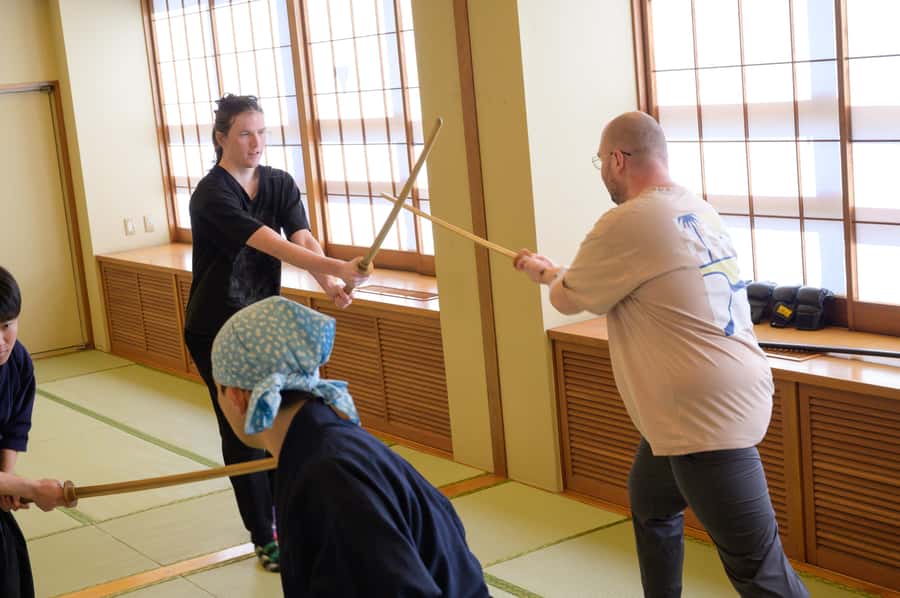
Dai-san and Kume-san come up again and again for a reason. People describe them as friendly, helpful, and detailed. In practice, that means you’re not just handed a sword and pointed in a direction.
You get demonstrations that make the movements click, and you also get specific fixes when something is off. That personal attention is the difference between a fun photo-op and a lesson that sticks.
In one example of the “teaching style that helps” feeling, an instructor was generous in fixing an issue for a friend, which says a lot about care and patience in the moment. You’ll also notice that the group stays upbeat while you learn. It’s not stiff. It’s disciplined enough for safety, but playful enough that beginners feel welcome.
Even the “small day” effect can boost the experience. If your session is not packed, it can feel close to a private lesson even when you booked public. That’s not something you can count on, but it’s a real possibility based on how flexible group sizes can be.



Samurai Culture Angle: History Intro, Costumes, and the Photo Keepsake
This workshop is built around more than movement.
In the private course, you start with a brief introduction to samurai history. That history piece is short, but it gives context for why the stance and sword handling matter. You’re not learning random choreography. You’re learning a form rooted in a tradition, presented in visitor-friendly language.
You may also get an outfit element. A samurai costume is available as an option, and many people choose it because it turns the photo session into a real memory. Some participants mention trying kimono-style clothing and even a calm moment like meditation as part of the pre-practice rhythm. Those extras aren’t the same thing as the sword lesson itself, but they do add to the feeling that you stepped into the culture rather than just taking a class.
The real payoff is the end photo session with the samurai. You’re not just snapping pictures at a distance. You’ve practiced enough that posing feels earned. It’s a keepsake that matches the work you did during the session.
Value for $24: What You Get, What It Costs You, and How to Stretch the Experience
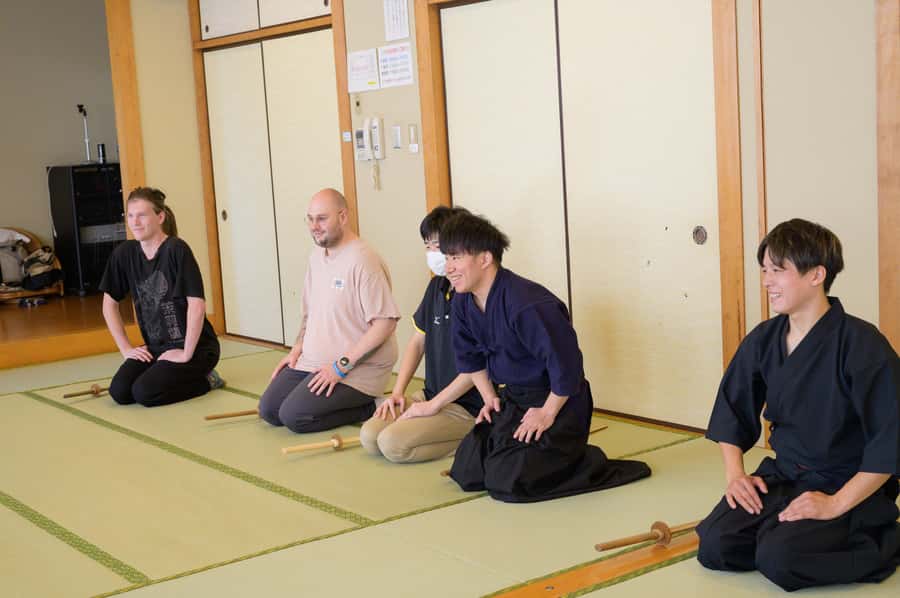
At $24 per person, this is priced like an accessible cultural activity, not an all-day workshop. That matters in Tokyo, where you can spend a lot of money and still walk away with something shallow.
Here’s what your price includes:
- introduction to samurai history
- live samurai training demonstrations
- hands-on swordsmanship practice
- wooden practice swords provided
- photo session with the samurai
That combination is the key. You are paying for instruction plus a close-up look at a professional demonstration, then you get to practice yourself using the tools provided. Many activities in Tokyo are either performance-only or hands-on-only. This blends both.
What you pay with, besides money, is time and energy. You’ll need to arrive a bit early so you don’t feel rushed. You also need to wear comfortable clothes and closed-toe shoes, and you need to be ready for stance practice and warm-ups.
If you want to maximize value, consider the private course if you care about technique and want history context up front. If you want a more social vibe and like watching and practicing with a class, go public. Either way, the included photo session is part of the value equation. Dress comfortably for movement first, costume option second.
Practical Planning: Timing, What to Wear, and What Not to Bring
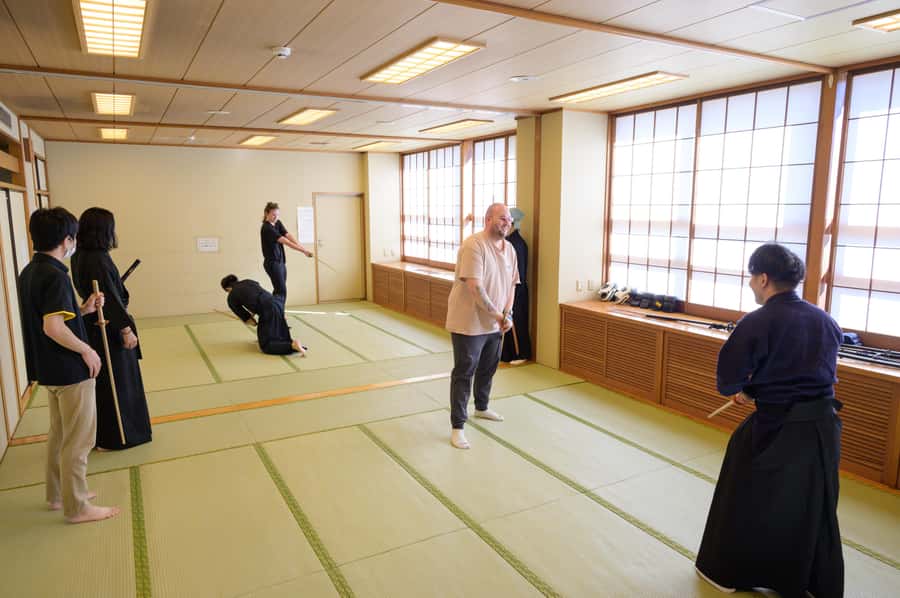
The workshop has a simple start rule: arrive 15 minutes early. That buffer helps you check in, get ready, and transition to the dojo without rushing. Since the session includes warm-ups, being late can put you behind before you even start.
What to bring is also simple:
- comfortable clothes
- closed-toe shoes suited for physical activity
What is not allowed includes:
- high-heeled shoes
- smoking
- drones
- alcohol and drugs
- explosive substances
- electric wheelchairs
Language support includes Japanese and English, so you should be fine even if your Japanese is minimal.
One more planning note: it’s not suitable for pregnant women, people with back problems, wheelchair users, people with vertigo, or people with pre-existing medical conditions. If any of those apply, you’ll want to skip or ask first, because the lesson includes physical movement and stance work.
Who This Is For, and Who Should Skip It
This experience is especially good for:
- beginners who want to try sword handling safely
- people who want more than watching a show
- visitors who like hands-on cultural activities
- martial arts fans who want a structured, guided basics session
- groups across ages, since the instruction is designed for newcomers
It might not be the right choice if:
- you need a wheelchair accessible setup, since it is not suitable for wheelchair users
- you have vertigo or mobility limits that would make stance work unsafe
- you want actual live blade sparring, because you will not engage in real sword fighting
- you’re looking for a calm, sit-down museum style activity
If you fit the first list, you’ll likely leave with a skill you can describe, not just a picture. People often highlight how detailed the teaching feels, and how the session stays fun rather than intimidating.
Should You Book Samurai Adventure in Tokyo?
I think you should book if your idea of a great Tokyo day includes hands-on practice, friendly instructors, and a memorable photo at the end. The best version of this experience is when you arrive ready to move, listen closely, and treat it like a skill class even though the setting looks dramatic.
Choose public if you like learning with others and you enjoy the energy of a class environment where aspiring Japanese actors are training too. Choose private if you want more focused coaching, especially around your personal level, and you’d like the history intro built in from the start.
If you are sensitive to physical activity or any of the listed medical limitations apply, skip it and look for a less movement-heavy cultural option. And if you came hoping for real sword sparring, keep expectations aligned with safe practice. That mismatch is the most likely way to feel disappointed.
If you want a short, intense, and surprisingly joyful samurai session in the Tokyo area, this one makes a lot of sense.
FAQ
Is there real sword fighting during the lesson?
No. You practice with wooden practice swords and learn safe movements with professional instructors. The lesson does not involve actual sword fighting.
What is included in the price?
The session includes a brief introduction to samurai history, live samurai training demonstrations, hands-on swordsmanship practice, wooden practice swords provided, and a photo session with the samurai.
Can I choose a public or private course?
Yes. You can book either a public course, where you join a class and practice alongside others after observing, or a private course, where the instructor tailors the lesson to your level and goals.
Where does the activity start?
The meeting point starts at Samurai Experience Photo Studio ICHI, which you can find on Google Maps by searching for that name.
What should I wear?
Wear comfortable clothes and closed-toe shoes suitable for physical activity.
What languages are supported?
The workshop supports Japanese and English.
Who should not book this experience?
It is not suitable for pregnant women, people with back problems, wheelchair users, people with vertigo, and people with pre-existing medical conditions.
More Tour Reviews in Tokyo
Not for you? Here's more nearby things to do in Tokyo we have reviewed












Tokyo Samurai Experiences, side by side.
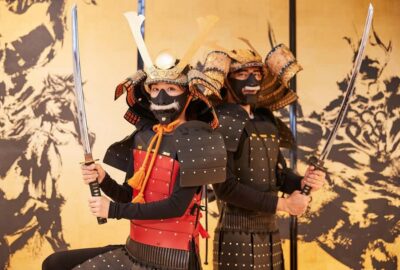 ★ 4.6Samurai Ninja Museum Guided tour and ExperienceFrom $271,010 reviews
 ★ 5.0Samurai Sword & Archery Class from Samurai DescendantFrom $193603 reviews
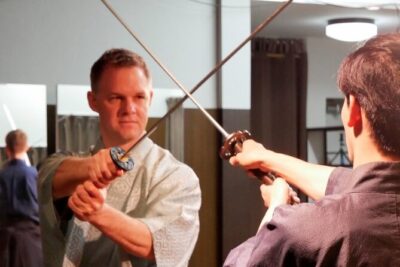 ★ 5.0Best Samurai Experience in TokyoFrom $65458 reviews
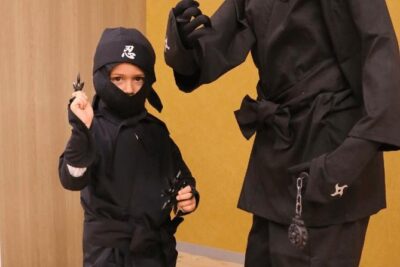 ★ 5.0Ninja Experience (Family Friendly) at Samurai Ninja Museum TOKYOFrom $47441 reviews
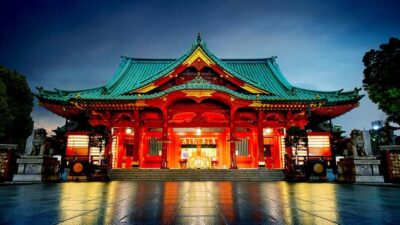 ★ 4.6Samurai Entertainment Night Show in Kanda ShrineFrom $41417 reviews
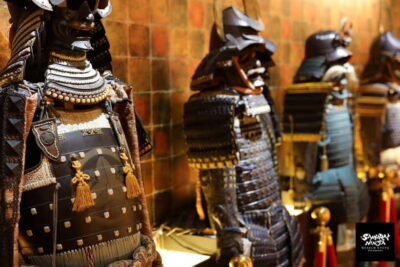 ★ 4.8Samurai Ninja Museum Asakusa: Samurai Sword Lesson & TourFrom $63306 reviews
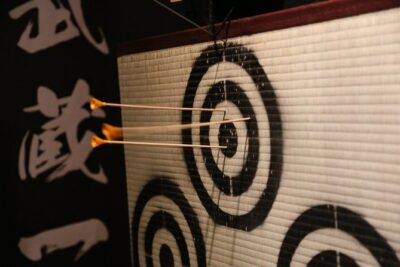 ★ 5.0Ninja Samurai 2-hour hands-on lesson by Japanese master in TokyoFrom $86194 reviews
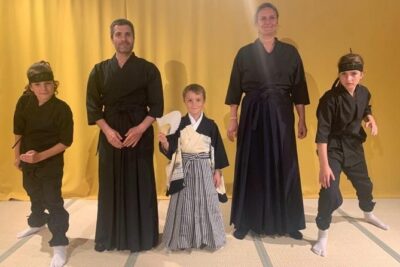 ★ 5.0Samurai Sword Experience (Family Friendly)at SAMURAI MUSEUM TOKYOFrom $65168 reviews
This tour also belongs to