
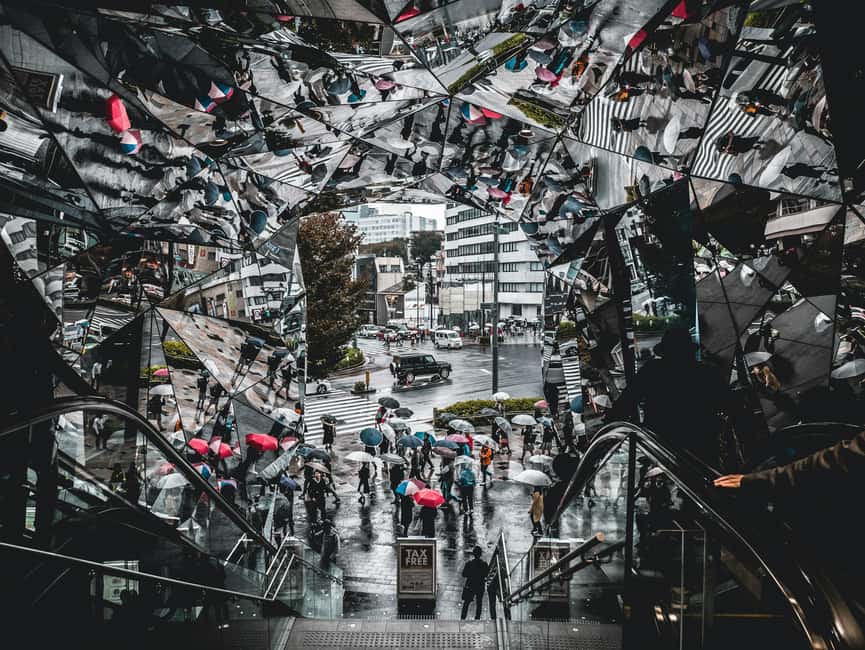
Review · SHIBUYA TOURS
Tokyo: Shibuya Sky, Harajuku & Meiji Shrine Highlights Tour
Tokyo’s contrasts hit you fast. This Shibuya Sky, Harajuku, and Meiji Shrine tour strings together 360-degree skyline views and a peaceful torii gate shrine walk in one efficient half-day. I especially like how the route gives you context, not just photos, and I like that you get both the fashion energy of Harajuku and the calm you feel at Meiji Jingu. The main drawback is simple: at $110 per person, you only get real value if you care about the guide’s navigation and explanations, because you could otherwise walk these areas on your own.
In practice, I think the tour’s strength is the pacing and order. You start with Shibuya landmarks, then move toward Harajuku’s youth culture, then end at Meiji Shrine, which makes the day feel balanced instead of exhausting. If the guide does their job well, you’ll understand what you’re seeing and where to look. One thing to consider is that it is a walking tour rain or shine, so you’ll want comfortable shoes and a ready attitude for crowds and stairs around major sights.
Key points worth knowing before you go
- Shibuya Sky first, so your whole route has a visual anchor for the rest of the day.
- Scramble Crossing viewpoints matter, and you get photo stops without wandering in circles.
- Cat Street connects Shibuya and Harajuku, so you don’t jump from one vibe to the other cold.
- Takeshita Street is the kawaii highlight, with time built in for snacks and people-watching.
- Meiji Shrine provides the reset, turning the volume down after street-level crowds.
- A local guide steers the day, including easy navigation and culture notes in English or Japanese.
Shibuya Sky to Meiji Jingu: Tokyo’s loud and quiet in one route
This tour works because it plays to Tokyo’s two personalities, fast. In the first part of the walk, Tokyo feels like motion, screens, and energy. By the time you reach Meiji Shrine, it feels like you stepped into a different city where time slows down under tall trees.
What I like about this setup is that it doesn’t treat those areas as separate attractions you check off. It treats them as one story: the modern capital built over layered history. The tour ends at Harajuku Station, which also helps you keep momentum afterward, whether you’re continuing shopping or heading back to your hotel.
You can also read our reviews of more tours and experiences in Tokyo.



Meeting at Hachiko and getting your bearings in Shibuya
You begin at the Hachiko Statue, which is a smart starting point. It’s a well-known landmark, and it gives you an immediate sense of place in Shibuya before you step into the grid of streets and underpasses.
From there, your guide shapes the day. That matters more than you might think. Shibuya can feel confusing at first, especially around major crossings and shopping complexes. Even if you consider yourself a confident navigator, a local guide helps you move efficiently between stops so you spend less time figuring out where you are and more time actually looking up.
Shibuya Sky: the 360-degree view you actually use
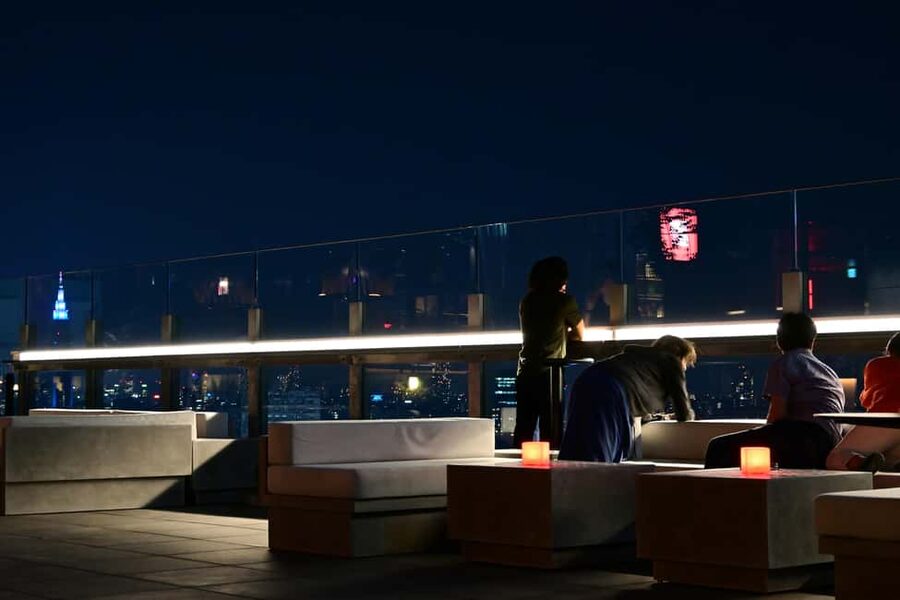
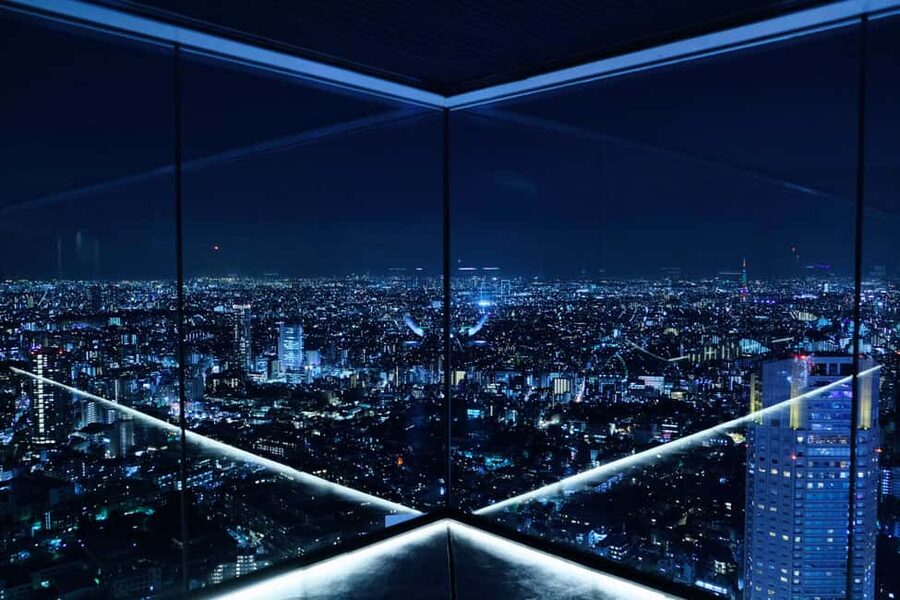
Shibuya Sky is the headline stop, and for good reason. You get a 45-minute visit and guided time focused on sightseeing and photo stops, and the point is a complete 360-degree sense of the city.
Here’s the practical value: once you see Tokyo from above, the ground-level chaos makes more sense. You can spot how the rail and street systems connect, and you can locate landmarks relative to each other. It also changes how you photograph the rest of the walk. Instead of random shots, you start capturing angles that connect back to the skyline view you just got.
One more detail to keep in mind: sometimes outdoor viewing conditions can affect what you can see from certain parts of an observation setup. This tour still centers the experience around the skyline, and the guide can help you make the most of whatever access is available that day.
Shibuya Crossing and the art of photographing organized chaos
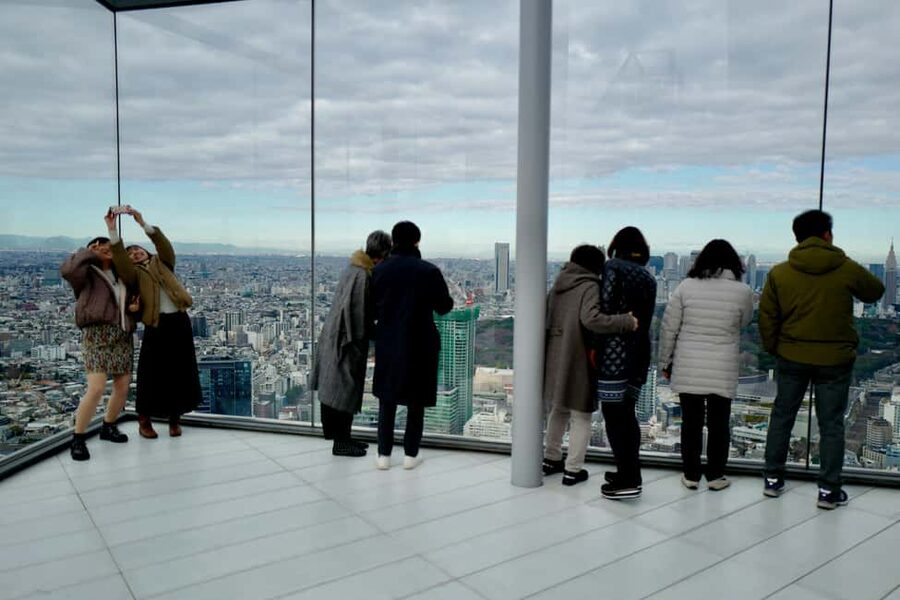
After the heights, you drop right into Shibuya Scramble Crossing, and you only get 15 minutes. That short time window is good news. It pushes you to focus, not drift.
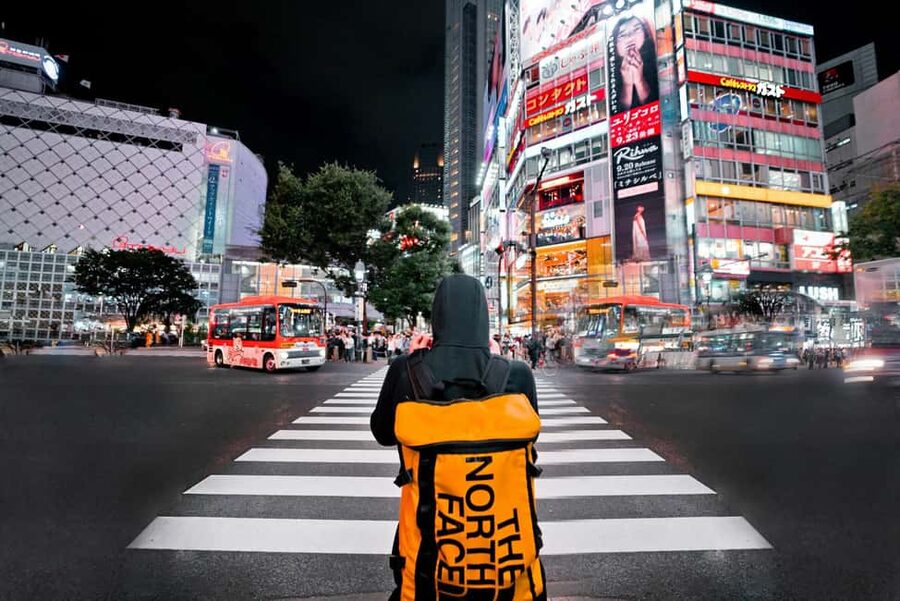
The key benefit is not that you simply arrive at the crossing. It’s that you arrive with a game plan for where to stop, when to take photos, and how to watch the flow of people. Shibuya Crossing is famous because it looks chaotic, but it’s also incredibly controlled. A guide helps you notice the rhythms, so the experience feels more like a show you understand.
If you’re thinking about photos, do yourself a favor and wear something comfortable for movement and crowd flow. You’ll be standing, shifting position, and trying to grab the best angles.
Shibuya Parco and Miyashita Park: fashion and everyday Tokyo energy
Next up, you shift into shopping and street-level culture with Shibuya Parco and Miyashita Park, each with 45 minutes. This is where Tokyo stops being only dramatic landmarks and becomes daily life.
Shibuya Parco is the kind of place where fashion, style, and trend-conscious shopping live side by side. It’s not only about buying. It’s also about seeing how locals and visitors browse, how storefronts are arranged, and how street style shows up inside as well as outside.
Then you move to Miyashita Park, another big tone-setter for modern Tokyo. It’s part park, part social space, and part fashion and food hub. If you want a break from nonstop walking, this stop gives you a chance to reset while still staying in the Tokyo spotlight zone.
Potential drawback here: if you hate shopping environments or feel uncomfortable in crowded malls and stores, you might find these stops a bit repetitive. But the way they’re placed between Sky, Crossing, and the Harajuku segment keeps the momentum from draining you.



Cat Street: the cool bridge between Shibuya and Harajuku
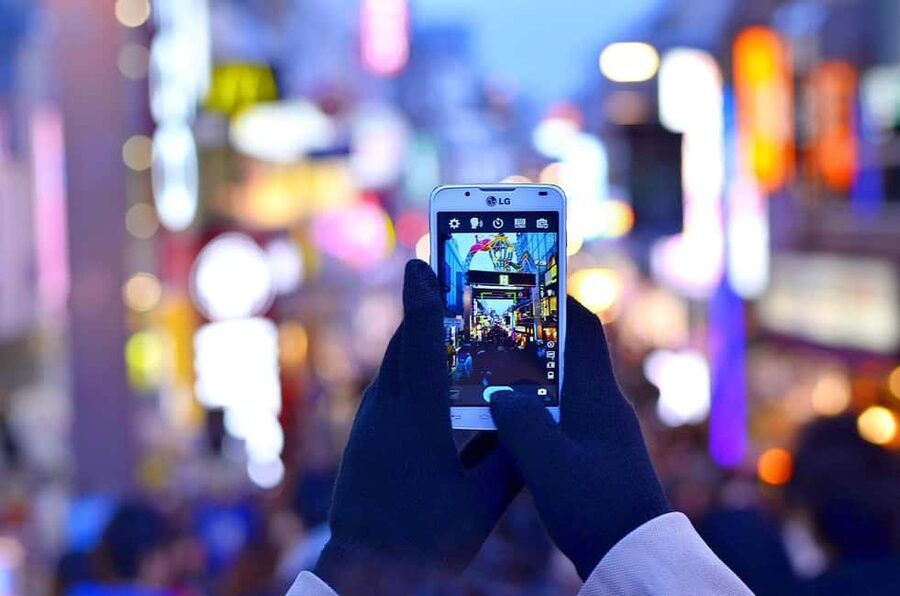
Cat Street is one of those streets that helps the whole day click. It runs as a trendy link between Shibuya and Harajuku, so it doesn’t feel like a hard jump between two completely different worlds.
You get 45 minutes here with a guided stroll and photo stops. This is the time to slow down and look at street style details, independent boutiques, and the vibe that makes people say this part of Tokyo feels more personal than the big-brand shopping zones.
I like Cat Street because it’s a transition. You’re not just passing through Harajuku, and you’re not leaving Shibuya abruptly. You’re walking into a new attitude, which makes your later Takeshita Street moment hit harder.
Takeshita Street and kawaii culture with time to snack and wander
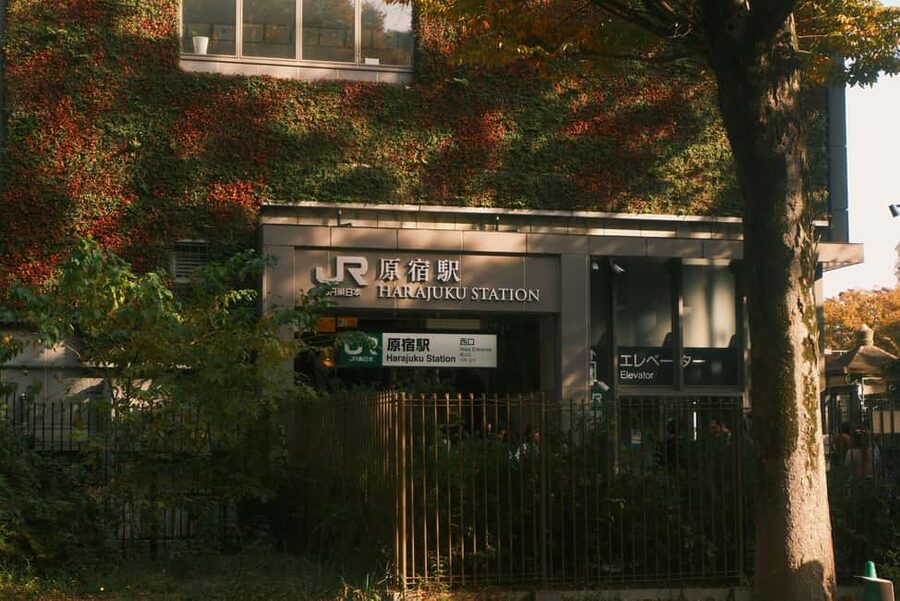
Takeshita Street is the famous Harajuku lane, and your tour includes a guided segment of 45 minutes. This is where the day leans into kawaii pop culture, youth fashion, bright color, and that fast, playful energy.
The practical value of a guided stop here is focus. Without a plan, you can spend your time being pulled in five directions at once. With guidance, you get a better sense of what’s worth your attention, where to stand for photos without blocking others, and how to pace yourself so you don’t burn out.
Also, this is the part of the day where snacks make sense. The tour’s structure gives you time for that kind of quick bite experience while you’re surrounded by people watching and fashion browsing.
If you’re not into crowded shopping streets, go in with a mindset of quick curiosity. Takeshita Street can be intense, but that intensity is exactly what makes it memorable.
Meiji Shrine after the crowds: torii gates and a forest pause
Then comes the turn toward calm: Meiji Shrine (Meiji Jingu). You get 30 minutes here, including photo stop, visit, and guided time through the key approach areas.
This stop is powerful because it contrasts with everything you just did. You follow your guide along the peaceful path, pass through the towering torii gate, and learn the shrine’s connection to Emperor Meiji and Empress Shoken.
You don’t need to be a history expert to appreciate the feeling. The setting makes it easy to slow down, and that’s the point. It’s a breather you earn after Shibuya and Harajuku.
A small consideration: this is a walk through shrine grounds, so if you want maximum quiet time, 30 minutes will feel like just the beginning. But as the final big cultural stop before you finish at Harajuku Station, it lands in the right place.
Guide impact: when Ren, Shun, Kosei, Konon, and Max show up
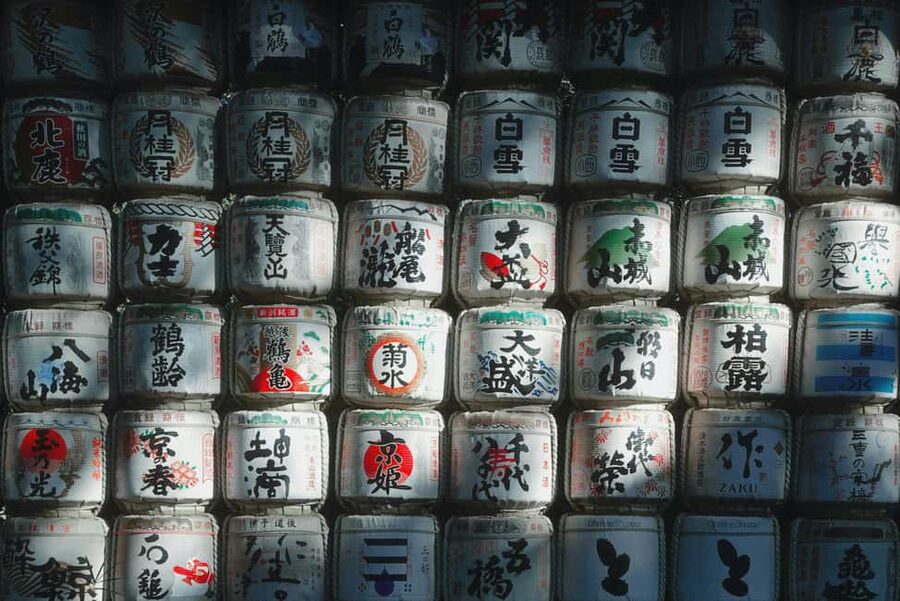
On this kind of tour, the guide is the difference between seeing Tokyo and understanding what you’re seeing. The tour is explicitly led by a local guide in English or Japanese, and that guide handles the navigation, the timing, and the cultural explanations that make each stop more than a photo.
Some guides associated with the tour have been praised for being helpful and going above and beyond. Names that come up include Ren, Shun, Kosei, Konon, and Max. While your exact experience depends on the day and your guide, the general pattern is clear: the best versions of this tour are the ones where you ask questions and follow the guide’s recommendations.
My advice: don’t just listen passively. Ask where locals eat, what to try, and what to skip. You’ll get more value fast, especially on the shopping streets.
Price and value for a 5-hour private walking tour
The price is $110 per person for a 5-hour experience, and it’s a private group with a local guide. On paper, the value question comes down to this: do you benefit from guided navigation and cultural context more than you value doing it solo?
One person can look at this and say, the skyline ticket and entry fees feel like the real cost, so the guide fee needs to be worth it. Another person can look at it and say, the guide saves time, helps with photo positioning, and keeps the day from feeling like scattered wandering. The truth is usually in the middle.
Here’s how to think about value in a practical way:
- If it’s your first time in this part of Tokyo, the guide helps you avoid confusion and save time between stops.
- If you like structured days, you’ll appreciate the sequence from Shibuya to Harajuku to Meiji.
- If you already know the neighborhoods and you mainly want photos, you might not feel the same value.
Also, only the guide is listed as included. Transportation is not included, and the tour does not include admission for sights not listed in the highlights section. So it’s worth mentally budgeting for entries tied to the major sights, especially the observation deck part of Shibuya Sky, since admission is usually a separate expense.
Logistics you should plan for: walking, rain, and ending at Harajuku
This is a walking tour and it runs rain or shine. That means your best friend is footwear that can handle smooth pavement and crowded sidewalks without ruining your legs.
It’s also a private format, so you’re not stuck waiting for a large group to reform. Still, you should expect crowd flow, especially around Shibuya Crossing and Takeshita Street.
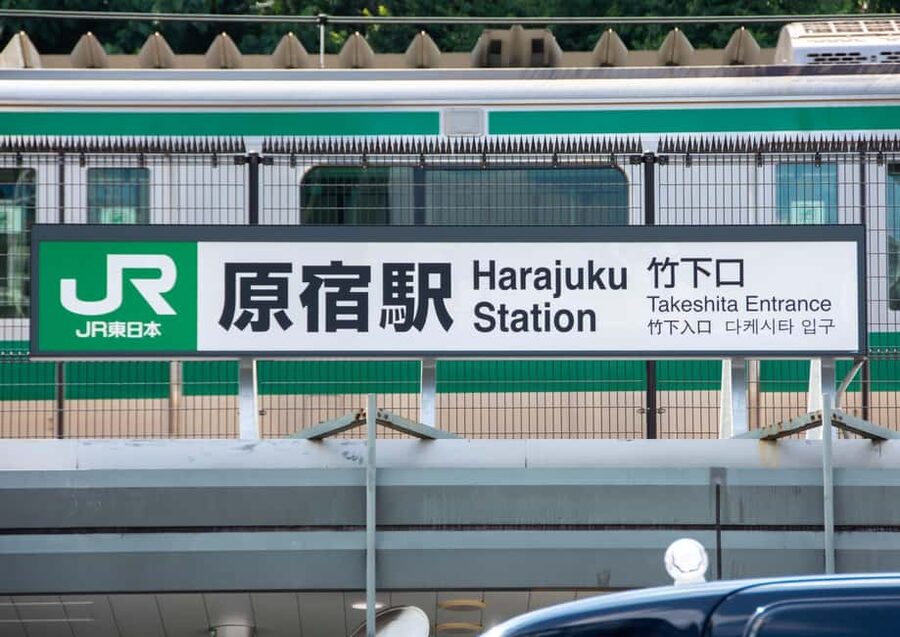
Finally, the tour ends at Harajuku Station. That is a smart ending point because it puts you close to more Harajuku options, and it can make your next transit step easier. If you’re planning a later reservation, try to schedule it after you’ve had a chance to decompress from the crowds.
Who this tour is best for, and who should skip it
This tour is a strong fit if you want a fast introduction to iconic Tokyo areas without spending hours figuring out routes. It’s also a good choice for visitors who love contrasts, people watching, and skyline views.
It’s less ideal if:
- you want a totally free-form day with no guide direction,
- you dislike shopping-heavy areas and street browsing,
- you’re sensitive to crowds or long standing periods for photos.
One more practical note: it’s wheelchair accessible, and it’s a private group. That makes it more adaptable than many big walking tours.
Should you book? My straight answer
Book it if you want a guided route that connects Shibuya Sky, Shibuya Crossing, Cat Street, Takeshita Street, and Meiji Shrine into one coherent day. The structure helps you see Tokyo’s modern intensity and then feel that calm reset, and a good guide makes the difference in photo timing and cultural context.
Skip it or reconsider if you already feel comfortable navigating these areas and you mainly want unstructured time. At $110, this tour earns its keep when you actually use the guide for navigation, explanations, and smart stop timing.
FAQ
How long is the Tokyo: Shibuya Sky, Harajuku & Meiji Shrine Highlights Tour?
The tour lasts 5 hours.
How much does this tour cost?
It costs $110 per person.
Where does the tour start and where does it end?
It starts at the Hachiko Statue and finishes at Harajuku Station.
Is this a walking tour?
Yes, it is a walking tour.
Will the tour run in bad weather?
Yes, it is held rain or shine.
What languages are the live tour guides?
The tour guide is available in English and Japanese.
Is this a private group tour?
Yes, it is a private group.
Is the tour wheelchair accessible?
Yes, it is wheelchair accessible.
What is included in the price?
A local guide is included.
What is not included?
Transportation for you and the guide is not included. A private vehicle is also not included, and admission for sights not listed in the highlights section is not included.
What is the cancellation policy?
Free cancellation is available up to 24 hours in advance for a full refund.
Are there any rules during the tour?
Smoking is not allowed.
More Tours in Tokyo


More Tour Reviews in Tokyo
Not for you? Here's more nearby things to do in Tokyo we have reviewed












Shibuya Tours, side by side.
 ★ 5.0Official Street Go-Kart in ShibuyaFrom $763,435 reviews
 ★ 4.9Street Kart Experience in ShibuyaFrom $741,484 reviews
 ★ 5.0Shibuya Meltdown Nightlife Tour: All-You-Can-Drink Bar HoppingFrom $1061,058 reviews
 ★ 5.0Shibuya Official Street Go-Kart in Shibuya AnnexFrom $69972 reviews
 ★ 5.0Shibuya Food Tour (13 dishes and 4 Eateries)From $77770 reviews
 ★ 5.0Best of Shibuya Food TourFrom $217612 reviews
 ★ 4.8Shibuya Highlights Walking TourFrom $19601 reviews
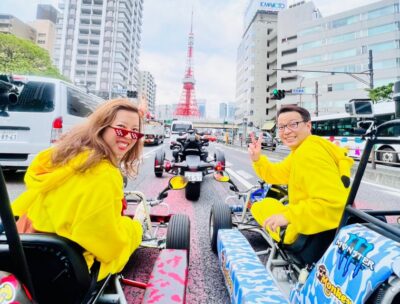 ★ 4.7Premium Go-Kart Tour with Tower & Shibuya CrossingFrom $116528 reviews
This tour also belongs to