
Review · TOKYO CITY TOURS
Tokyo Top 10 Highlights & Hidden Gems Private Tour with a Local
Tokyo’s best first-day mix is this walk.
What makes this private Tokyo tour work is the local-host structure. You start in Asakusa, get a plan based on your interests, then spend an 8-hour day combining walking with public transport if needed. I like that you get personal attention the whole time, plus direct communication to shape the route before you go. The main drawback to plan for is that it is a walking-focused day, and tickets, transport, and meals are extra.
You’ll meet at the Asakusa Culture Tourist Information Center (Kaminarimon area), and the tour ends back there. It is also truly private, meaning only your group goes along, and the guide is the one point of contact for practical trip advice during and after the day.
Key highlights and why they matter
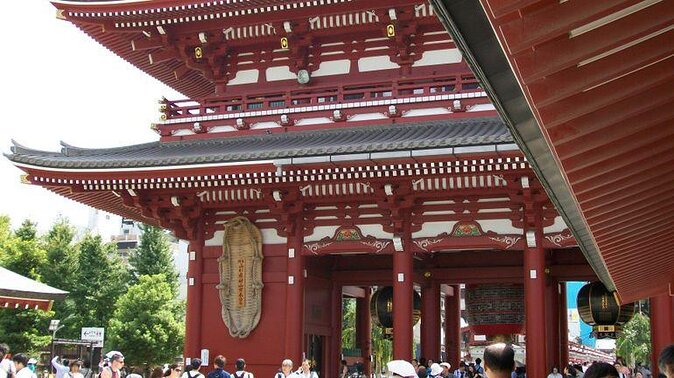
- Asakusa and Senso-ji: Thunder Gate with its giant red lantern, plus a guided look at temple traditions
- Street-market time: Fresh produce, street food, and bargain shops in the same walk
- Akihabara in context: Electronics and anime stops, with how the district became a tech and otaku hub
- A seafood market stop: Quick bites and sensory overload, focused on Tokyo’s food culture
- Imperial garden calm: Landscaped grounds and historic ruins, with imperial-era stories woven in
- Flexible itinerary building: A pre-tour questionnaire and direct messages let your route shift to your pace and interests
How the local-host planning actually makes the day better
This tour is set up around one key idea: Tokyo is too big to “do it all” from a fixed bus route. Instead, you start with a questionnaire so your guide can learn what you care about, then you keep chatting to lock in a route that fits your energy level.
I like the practical side of that. If you want more food stops, your day can tilt that direction. If you prefer temples, markets, and quieter corners, the pacing can follow your choices. You also get advice to help with the rest of your trip, which matters in Tokyo, where one wrong train transfer can eat half your day.
One thing to note: the tour is mainly walking. That is great for getting close to the city and noticing small details, but it also means you should treat this as a full-day effort, not a casual stroll.
You can also read our reviews of more private tours in Tokyo
Price and value: is $231.13 worth it in Tokyo?
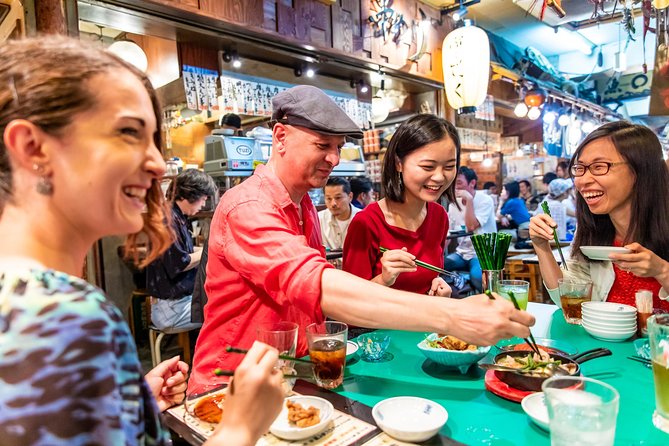
At $231.13 per person for an 8-hour private walking experience, the value hinges on two things: how much you want a guide, and how much you can benefit from the route planning.
Here is what is included that can save you time and stress:
- Private, personalized time with a local host
- Pre-tour questionnaire to tailor the route
- Direct communication with your host for itinerary planning and local recommendations
- Flexible durations and start times (you choose what works best when booking)
And here is what costs extra, so you do not get surprised:
- Food and drinks during cafe or snack stops
- Entry tickets to attractions
- Transportation costs (the day is primarily walking, with public transport or taxis only if needed)
So when does this price make sense? If you are a couple, family, or a small group who wants a guided day without turning it into a checklist, it can be a smart way to spend your time in Tokyo. You get a human routing tool, not just a phone app.
Also, the tour lists group discounts. If you are traveling with at least one other person, it is worth checking what that discount means for your exact group size.
Meeting in Asakusa, then moving with purpose
You begin at Asakusa Culture Tourist Information Center on Kaminarimon street. That is a good starting choice because it puts you close to the area people instantly associate with Tokyo’s older side.
The day ending back at the meeting point also helps. It reduces the “how do we get home after?” anxiety, especially on a long day. And since the tour includes hotel meet-up can be provided for central-city hotels, you may be able to simplify your morning even more, depending on where you stay.
From a pacing standpoint, this itinerary style works well for first-timers and repeat visitors alike. First-timers get structure, and repeat visitors get control. The guide can prioritize what you care about today, not what a standard route assumes you want.
Stop-by-stop Tokyo plan: Asakusa, Akihabara, seafood, and imperial gardens
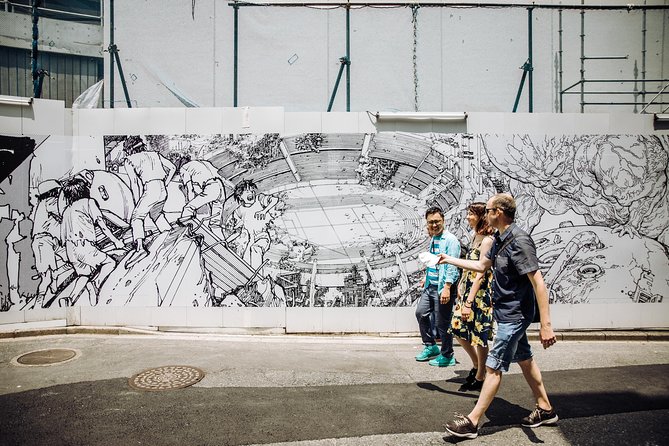
Below is what you can expect from the core stops, plus how the day can flex based on your interests.
1) Your intro walk with a local host
The first part is an orientation through Tokyo neighborhoods and cultural landmarks, plus backstreet walking that sets the tone. You are not just shown famous places, you get context for how people move through these areas day to day.
This is where you can steer the day. If you tell your host you want more shopping, more photo stops, or more food, you can nudge the itinerary early. One practical bonus is that your guide can also share advice for the rest of your trip while you are still fresh.






2) Senso-ji in Asakusa and the Thunder Gate
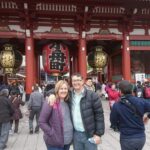
Next is Tokyo’s oldest and most famous Buddhist temple, Senso-ji. The signature moment is the Thunder Gate with its giant red lantern, which is the kind of scene that instantly makes Tokyo feel real and not just filmed.
What is valuable here is not only the landmark itself, but the explanation around traditions. That kind of guide framing helps you notice what you might otherwise rush past.
A drawback to plan for: it is a temple visit inside an active tourist neighborhood. If you are sensitive to crowds, be ready to move at a brisk walking pace and take breaks when your guide suggests it.
3) A street market stop for food, produce, and bargains
After the temple, you head to a market area where you can watch daily life at close range. Expect fresh produce, street food, and bargain shopping during this walk.
This is one of those Tokyo moments that works best with a local because you can ask what to try and what is worth your yen. Since food and drinks are not included, you get control over your budget. And since it is guided, you are more likely to find places that match your tastes instead of just following the longest line.
4) Akihabara: electronics, anime shops, and arcade culture
Then the day shifts into Japan’s pop-culture and tech neighborhood, Akihabara. Expect electronics stores, anime shops, and gaming arcades, with your host explaining how the district evolved into a tech and otaku paradise.
This stop is ideal if you want Tokyo energy, not just Tokyo history. The guide’s role here is to connect the dots. You get more than store browsing. You learn why these shops cluster here and how the area became what it is today.
For families and teenagers, this is also where you can get buy-in fast. In real-world customized versions of this tour, guides have helped families find specific collectibles and niche interests, which turns a casual visit into a memorable one.
5) A seafood market stop for quick bites and Tokyo senses
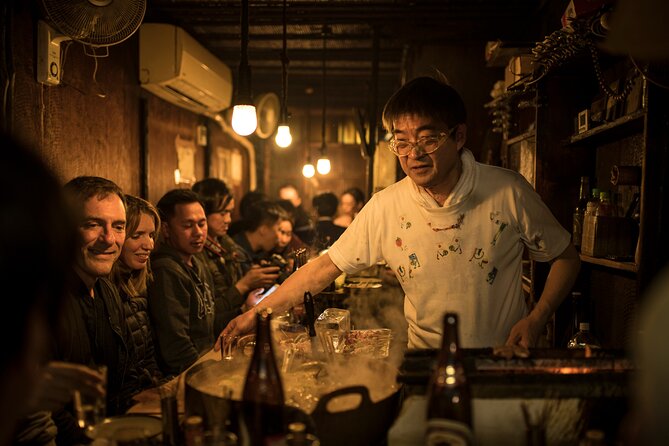
Next is a seafood-focused market experience. You will get the chance to enjoy fresh local bites while taking in the sights, sounds, and aromas that come with Tokyo’s food culture.
This is another stop where having a guide can pay off. Seafood markets can be overwhelming if you are not sure what to order or how to navigate the area. You are paying for food on your own, but you are also getting guided direction in what is most worth your time.
Plan for timing here. Seafood market food can be fast, but the area itself can slow you down. Your guide can keep you moving if you have other plans later in the day.
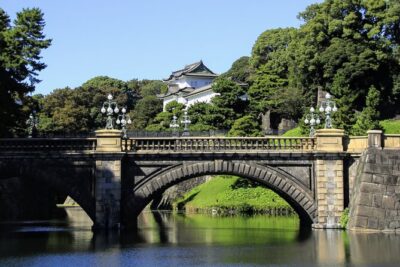
6) Imperial garden calm with landscaped grounds and ruins
To close out the day, you head to beautifully landscaped gardens with tranquil green space and historic ruins. The focus is on imperial heritage, so you get stories tied to Japan’s past rather than just a pleasant walk.
I like this final stop because it balances the intensity of markets and shopping districts. You get a change of pace, plus a chance to slow your feet down before the final wrap-up.
The only caution is that gardens still involve walking and standing. If you have knee or mobility issues, tell your guide early so they can adjust the route and pacing.
Optional add-ons you might see on customized days
Your route is tailored. Depending on your interests and pace, your day can include extra stops beyond the core sequence. In past customized versions, guides have taken people to places such as Ueno Park, Shibuya, Skytree Tower, Meiji Shrine, a matcha cafe, a second-hand kimono shop, and even a river boat ride.
The point is simple: this is not a one-size-fits-all script. If you ask for a mix of history plus modern Tokyo, or shopping plus culture, your host can build a day that feels like your trip.
Walking, transit, and how to avoid tour fatigue
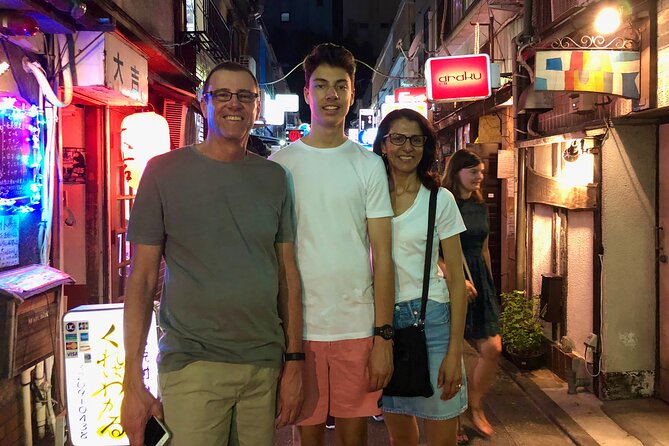
This is a walking experience. A private vehicle is not included, and public transport may be used only when needed between sites. Your guide can also use local taxis if that makes sense for the day.
Do not underestimate the step count. On at least one full day, people logged more than 25,000 steps. Even if you walk less than that, this is still a long, active 8-hour block.
Here is how to make it feel good instead of exhausting:
- Wear comfortable shoes you trust on concrete and crowded sidewalks
- Bring water if you are planning to snack frequently (food is your responsibility)
- Ask your guide to slow down if you are tired, not just at the end
- Use the guide’s advice for timing your photos, so you are not stuck waiting in the wrong place
Your guide is also the one coordinating any transit costs if taxis or trains come up. Exact transport costs can be discussed after your reservation is finalized, so you can plan without guesswork.
Food, tickets, and the budget reality in Tokyo
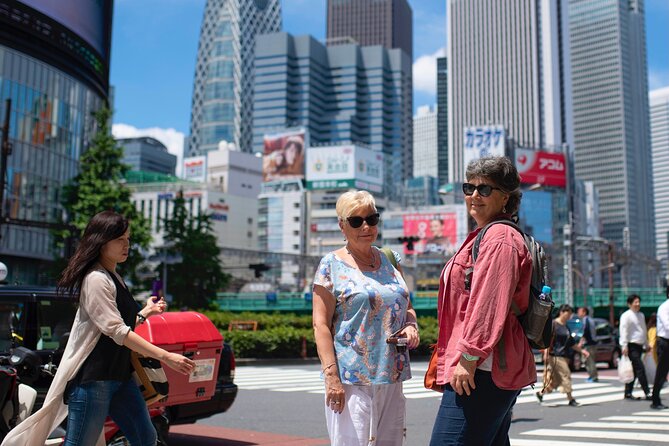
Food, drinks, and attraction entry tickets are not included. That is common for private tours, but it changes how you should budget.
What you can expect is spending money mainly in two categories:
- Snacks and meals during market and cafe stops
- Entry tickets if your guide adds sites beyond the outdoor walking parts
Since the tour includes planned time at street and seafood markets, you can treat meals as part of the experience instead of an awkward add-on. The guide can help you choose what fits your taste and comfort level.
If you like shopping, Akihabara and the second-hand side of Tokyo can become a budget wildcard. I recommend setting a number you will not exceed for souvenirs and letting the guide know your limit early.
Who this tour fits best, and who should choose another style
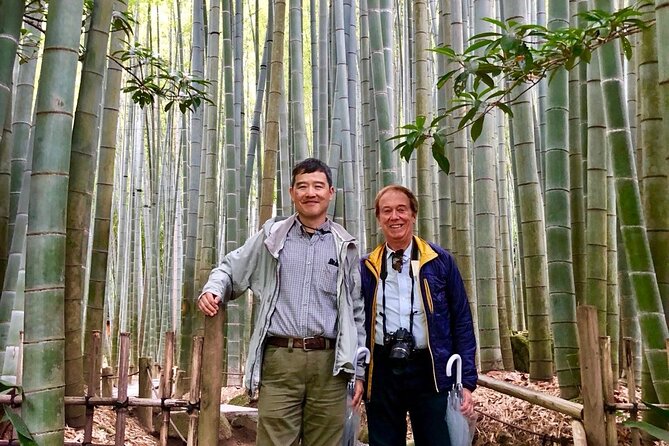
This private Tokyo walking tour fits best if you want:
- A first-time-friendly structure that still allows personalization
- A local host who can explain what you see, not just point
- A day that mixes classic Tokyo (temples and gardens) with modern Tokyo (Akihabara and markets)
- Flexibility on start time and duration within the day
It can also work well for families, especially if your guide can tailor the day to a teenager’s interests. And if you are shopping-focused, the combination of market browsing and pop-culture district time can be a hit.
Who might want a different type of tour? If you want mostly seated sightseeing, very limited walking, or a vehicle-based route between sites, this one may feel like too much on foot. Since most travelers can participate, the bigger issue is comfort with long walking and transit.
Should you book this Tokyo private walking tour?
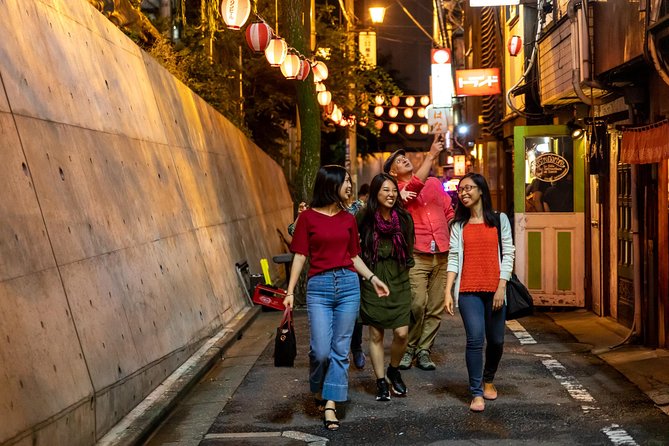
Yes, consider booking if you want a private, local-led Tokyo day that blends big-ticket sights with smaller experiences, and you are okay paying for your own meals and tickets. It is also a good pick if you like the idea of a guide who can adapt to your interests after you send your questionnaire.
Skip it if you want a strictly all-inclusive price, minimal walking, or a ride-first itinerary. The tour is designed for a full day on foot, with optional transit between stops, so your comfort level matters.
If your goal is to get your bearings in Tokyo and leave with both photos and real recommendations for what to do next, this tour’s format is hard to beat.
FAQ
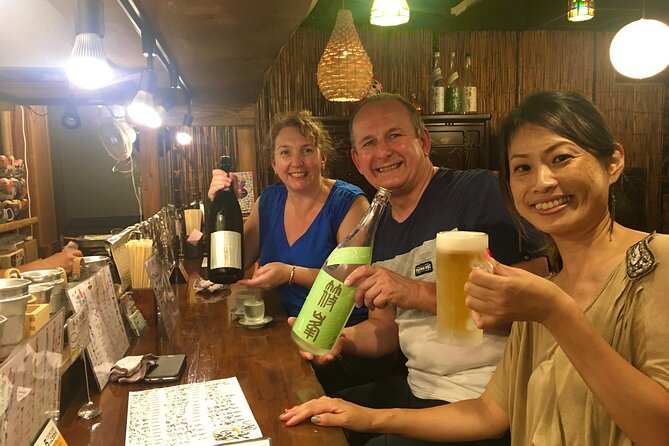
Where does the tour start and end?
The tour starts at Asakusa Culture Tourist Information Center (2-chōme-18-9 Kaminarimon, Taito City) and ends back at the meeting point.
How long is the Tokyo private tour?
The duration is about 8 hours. It also offers flexible durations and start times, so you can choose a time that fits your day.
Is pickup available for hotels?
Hotel meet-up can be provided for central-city hotels. If not using meet-up, you should plan to start at the Asakusa Culture Tourist Information Center.
What is included in the price?
You get a private, personalized walking experience with insider tips, plus pre-tour questionnaire planning and direct communication with your host. You also get a flexible schedule based on your interests.
What is not included, like food or tickets?
Food, drinks, and attraction tickets are not included. Transportation is also not included, since the day is primarily walking, with public transport or taxis used at additional cost if needed.
Is this tour really private?
Yes. It is a private tour/activity, so only your group will participate. Service animals are allowed, and the tour is near public transportation.
More Private Tours in Tokyo

More Tours in Tokyo

More Tour Reviews in Tokyo
Not for you? Here's more nearby things to do in Tokyo we have reviewed












Tokyo City Tours, side by side.
 ★ 5.01-Day Tokyo Bus TourFrom $12914,250 reviews
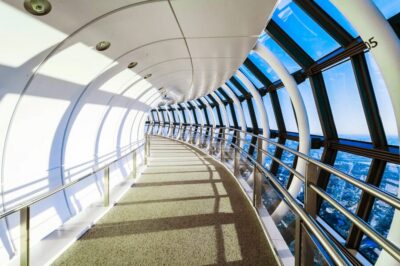 ★ 4.5TOKYO SKYTREE® Admission ticketFrom $1311,192 reviews
 ★ 4.6teamLab Planets TOKYO Digital Art Museum Entry TicketFrom $259,779 reviews
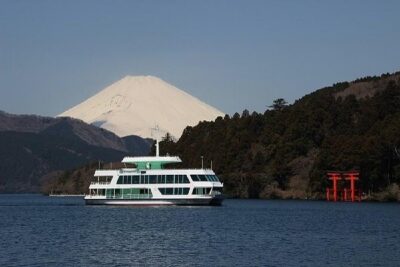 ★ 4.0Mt Fuji & Hakone Cruise, Drum Show Bullet Train 1 Day from TokyoFrom $1497,413 reviews
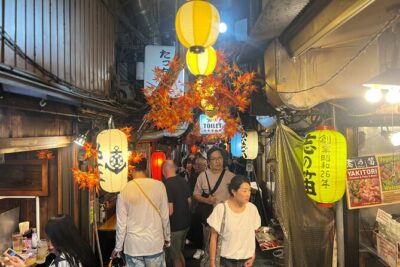 ★ 5.0Shinjuku Food Tour (13 Dishes at 4 Local Eateries)From $866,603 reviews
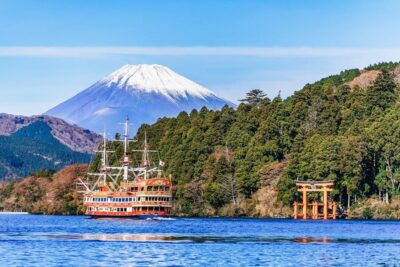 ★ 4.4Tokyo Mt Fuji 5th St & Hakone Cruise Bus Tour w/Bullet TrainFrom $1545,024 reviews
 ★ 5.0Flagship 2-Hours Official Street Go-Kart Tour – Tokyo Bay ShopFrom $644,974 reviews
 ★ 4.5From Tokyo: Mount Fuji Full-Day Sightseeing TripFrom $684,970 reviews