
Review · MOUNT FUJI TOURS
Tokyo:Cherry Blossom Mt Fuji & Shibazakura Festival Day Trip
Fuji looks unreal in spring light. This day trip strings together Shibazakura at Lake Motosuko and the best Mt. Fuji viewpoints like Oishi Park, so you get real “postcard” angles without doing a whole logistics puzzle yourself. The big plus for me is the festival entry included, plus the way the schedule is built around photography time. The one thing to keep in mind is that those famous Fuji photo stops can be weather-dependent, so you may not always get perfect mountain visibility.
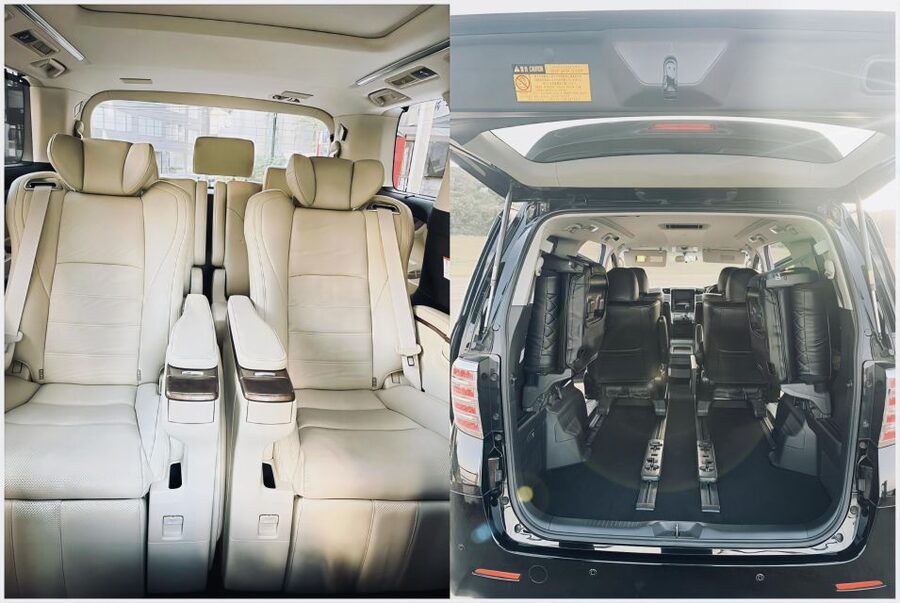
I also like the simple, low-stress start. You either get central hotel pickup or meet at Tokyo Station, then ride out in a comfortable van. You do not need to figure out trains, transfers, and timing. The trade-off is that it is a long day, and you should pack light because the tour notes limited luggage space.
Key points before you go
- Festival entry is included so you spend your money on the day, not on tickets at Lake Motosuko.
- Shibazakura at Lake Motosuko is the star, with about 800,000 moss phlox blossoms in mid-April to late May.
- Oishi Park gives classic Fuji panoramas across Lake Kawaguchiko, with seasonal flower changes (lavender in summer, cosmos in autumn).
- Lawson Kawaguchiko Station + Hikawa Clock Shop are quick photo stops with Fuji framed by very specific spots.
- Oshino Hakkai has eight snowmelt-fed ponds that slow the day down with a calmer, rural feel.
- Weather controls your photos at the Fuji viewpoints, so go in expecting the mountain could hide.
What you are really paying for: Fuji views plus one big ticket
At $77 per person for a 10-hour day, this tour is basically a bundled day of transportation plus one paid highlight: the Fuji Shibazakura Festival grounds at Lake Motosuko. That matters because festival entry is included, and that is the hardest part to recreate on your own without coordinating the timing.
You are also paying for reduced friction. Instead of building a route across multiple lakes, photo stops, and a village area, you get a driver-guide setup with a van, parking handled, and a schedule that moves you through the best-known Fuji angles. If you want the day to feel like someone else is steering, this fits that idea well.
That said, it is not a private tour. You should expect a group rhythm, limited time at each stop, and the reality that Mt. Fuji visibility is not guaranteed. If you are the kind of person who needs the mountain to be out in full view for every single photo, you will want backup expectations.
More Tokyo tours and experiences for the shortlist



Morning logistics: pickup, timing, and why it affects the day
The tour departs Tokyo in the 7:30am to 8:30am window. Pickup is available in central Tokyo across one of 12 wards, or you can meet at Tokyo Station Marunouchi North Exit. The company notes the pickup sequence and time are arranged by your driver-guide based on where you are located to make it efficient.
This is a good approach for most people. Early departure is the right move for Fuji season, because later in the day you can run into more traffic and less reliable mountain views. The trade-off is that you need to be ready on time, since the tour emphasizes the bus will depart on schedule, no exceptions.
One practical note: luggage space is limited, so bring a small day bag rather than a full suitcase. Also plan for communication. Your guide contacts you the night before by WhatsApp, and you are asked to download the app for smooth updates. If you do not check it, you can end up at the wrong place or miss the final details.
Lake Motosuko and the Shibazakura Festival: pink carpet season

Lake Motosuko is where the tour earns its reputation. The schedule reserves 120 minutes here, and that includes the festival entry ticket. From mid-April to late May, the foothills around the lake turn into a sea of pink with about 800,000 moss phlox blossoms, known as shibazakura.
What you should expect is less about a single viewpoint and more about coverage. You are given space to explore the festival grounds, capture photos, and enjoy the scene at your own pace. There is also free time to sample festival food stalls, though meals and drinks are not included in the price.
The “value” angle here is straightforward. If you are already in Japan during the right window, this is the easiest way to see shibazakura at scale without hunting down tickets and timing on your own. The one drawback is that the weather you get can affect both visibility of Mt. Fuji and how comfortable you feel standing or walking around the fields.
Oishi Park on Lake Kawaguchiko: the panoramic Fuji moment

After Motosuko, you head to Oishi Park on Lake Kawaguchiko for about 50 minutes. This is a classic place for wide Fuji views across the water, and it is also a spot people like because it feels more like a garden stroll than a single-photo dash.
The tour frames Oishi Park as a seasonal garden. While shibazakura is the big star for this trip, Oishi Park changes its colors through the year. The notes say lavender in summer and cosmos in autumn, which is useful if you are deciding whether this exact tour is worth it in your specific travel dates.
In practical terms, 50 minutes is not a lot if you get stuck taking photos from multiple angles. But it is enough to walk the main paths, pause at a viewpoint, and still make it to the next stops without feeling rushed. If your goal is photography, arrive ready with your phone charged, your lens wipes packed, and your camera settings already thought out, because Fuji conditions can shift fast.
Lawson Kawaguchiko Station and Hikawa Clock Shop: quick, iconic, weather-sensitive

These are short stops, about 20 minutes each, but they are the kind of places you remember. The first is the photogenic Lawson convenience store where the blue sign lines up perfectly with Mt. Fuji in the right shot. The second is Hikawa Clock Shop, a narrow street area sometimes called ladder town because the street view can align with the mountain peak.
Here is the honest part: the tour explicitly notes these photo spots are highly weather-dependent. That means you may get a clear, dramatic Fuji angle, or you may get a partial view or haze. The stop lengths tell you the operator is banking on a “try your best, move on” philosophy.
If you do not see Fuji clearly at these spots, do not feel like you got cheated on time. This part of the day is structured as photo chances, not as a long museum visit. Your best move is to step into the spot, check your view, take the shot you came for, and keep moving if conditions are not cooperating.



Oshino Hakkai Springs: slower rural ponds and snowmelt water
The last scenic stop is Oshino Hakkai Springs, around 40 minutes. This is a very different mood from the flower fields. You get a village-like setting with eight crystal-clear ponds fed by spring water from Mt. Fuji’s melted snow.
What I like about ending here is pacing. After a morning that is mostly about views and photo timing, Oshino Hakkai gives you a calmer walk and a more grounded sense of how people live near the Fuji area. If you enjoy simple nature scenes, this part can be the most relaxing moment of the day.
Taste is also mentioned. The tour says you can taste the cold spring water. If you are sensitive to very cold temperatures, bring something to wipe your hands and plan for the possibility that it may be chilly on contact. Either way, this is the stop that tends to feel less like a checklist and more like a small discovery.
Timing back to Tokyo: what the day feels like
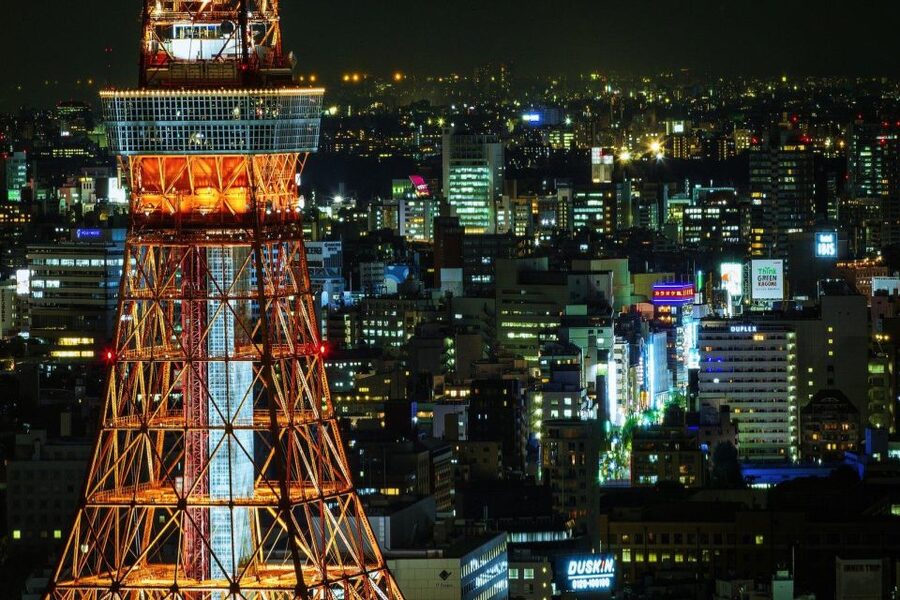
You return to Tokyo around 6:00pm. That makes this a full-day commitment, and your energy needs to match it. Even if you get excellent views, you still have a lot of time spent traveling between stops, plus walking time in the festival area.
There is also the possibility that the itinerary and departure time shift due to traffic during peak season. That is normal in the Fuji region in spring, and it is another reason why you should not over-plan your evening in Tokyo right after pickup time.
If you like to snack, plan for it in your own style. Lunch is not included, but the tour includes festival food time at Lake Motosuko where you can buy meals and drinks at your own expense. For water, bring something if you can, since no drinks are included.
Tour style, language help, and who should book
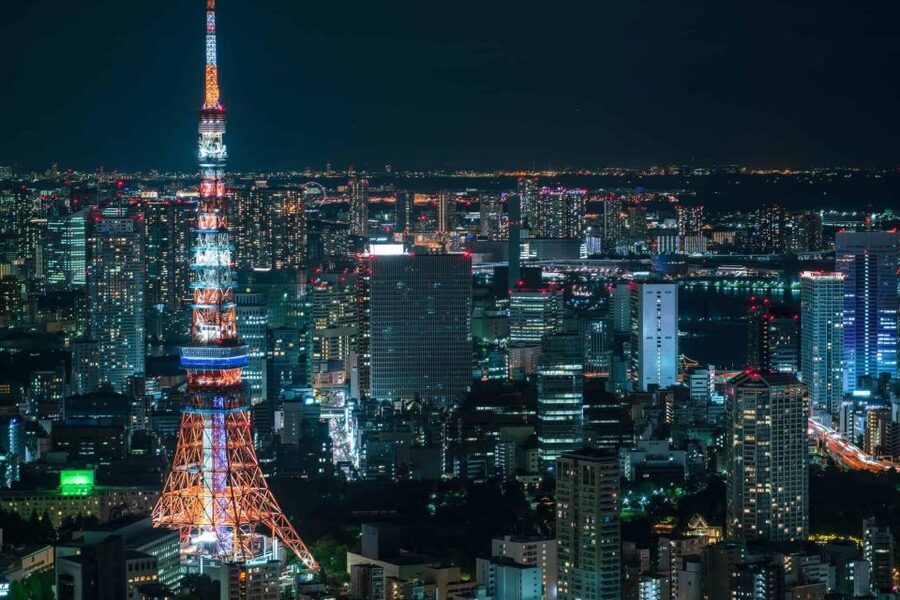
This is a driver-guide model with English and Chinese speaking service mentioned, and the driver is listed as speaking English, Japanese, and Chinese. In plain terms, you should expect help with logistics and basic guidance, not necessarily a deep, constant lecture.
That leads to one important caution. One written account I saw complained that the driver was not an expert in English and focused more on driving than guiding, and another complaint described driving that felt intense. I cannot treat that as a guarantee of what your day will feel like, but it is worth flagging if you need strong English narration. If language clarity is a must for you, you can message before travel and ask what level of guiding you can expect.
Who this tour fits:
- You want the main Mt. Fuji photo circuit in one day.
- You are traveling in the shibazakura window and want the included festival access.
- You prefer convenience over planning.
Who might struggle:
- People who get uncomfortable with long days and frequent short stops.
- If you are over 70, the tour is listed as not suitable.
- If you carry heavy luggage, because storage is limited.
Price and value at $77: where you get savings, where you spend extra
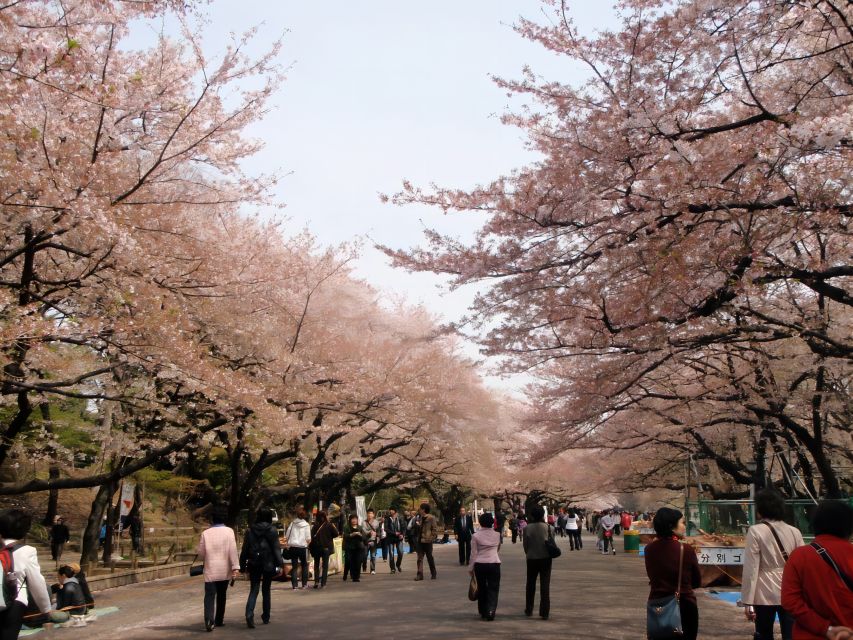
$77 for a 10-hour day is not a bargain for luxury, but it can be good value for structure. The included transportation, highway tolls, parking fees, and the festival entry at Lake Motosuko are the big value pieces. Those are the costs you would otherwise have to piece together.
Your added costs are mostly food and personal spending. Lunch is free time at festival food stalls, but you pay for whatever you choose. Drinks are also not included.
So the real question becomes: does the included festival entry plus organized stops match how you like to travel? If you are the DIY type, you can probably find ways to get to the Fuji area on your own. But if you would rather spend the day outside, staring at flower fields and Fuji viewpoints, this kind of bundling is often worth it.
Book this or not? My decision guide
I would recommend booking if:
- Your dates fall in mid-April to late May, when shibazakura is at its peak.
- You want the best-known Fuji photo spots without figuring out train schedules and transfers.
- You like a day that moves, with time to wander at the main highlight.
I would hesitate if:
- You need lots of detailed English storytelling and expect a true guide on every minute.
- You are extremely sensitive to driving comfort, since driving style can vary on mountain road routes.
- Your schedule is too tight at night, because return is around 6:00pm and traffic can shift timing.
If you go in with flexible expectations on the mountain, you are set up for a very memorable day.
FAQ
What time does the tour leave Tokyo?
It departs Tokyo in the 7:30am to 8:30am window, and the bus leaves on time with no exceptions.
Where do I meet the guide?
Meet at Tokyo Station Marunouchi North Exit, 1-chōme-9-1 Marunouchi, Chiyoda City. The guide shares the exact gathering location photo via WhatsApp.
Is entry to the Shibazakura Festival included?
Yes. The entrance fee to the Fuji Shibazakura Festival at Lake Motosuko is included, and the stop time includes the entry.
Does the tour include pickup from my hotel?
Pickup is optional from central Tokyo within designated pickup areas in one of 12 wards. If your hotel is outside the area, you may still attend by meeting at Tokyo Station with a partially refund.
What are the main stops on the day?
You visit Lake Motosuko for the Shibazakura Festival, Oishi Park on Lake Kawaguchiko, photo stops at a Lawson store and Hikawa Clock Shop, and Oshino Hakkai Springs, then return to Tokyo around 6:00pm.
Are meals included?
No. Meals and drinks are not included. Lunch is free time at the festival food stalls, and you pay for what you eat.
Are pets allowed?
Pets are not allowed. Assistance dogs are allowed.
Is it wheelchair accessible, and is there an age limit?
The tour is wheelchair accessible. It is listed as not suitable for people over 70 years old.
Is there free cancellation?
Yes. You can cancel up to 24 hours in advance for a full refund.
More 1-Day Tours in Tokyo


More Tour Reviews in Tokyo
Not for you? Here's more nearby things to do in Tokyo we have reviewed












Mount Fuji Tours, side by side.
 ★ 5.0Mt Fuji and Hakone 1-Day Bus Tour Return by Bullet TrainFrom $16326,383 reviews
 ★ 4.0Mt Fuji & Hakone Cruise, Drum Show Bullet Train 1 Day from TokyoFrom $1497,413 reviews
 ★ 4.4Tokyo Mt Fuji 5th St & Hakone Cruise Bus Tour w/Bullet TrainFrom $1545,024 reviews
 ★ 4.5From Tokyo: Mount Fuji Full-Day Sightseeing TripFrom $684,970 reviews
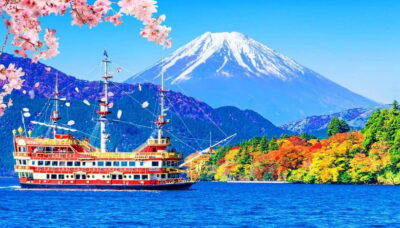 ★ 4.7Mt. Fuji Tour, Hakone Ropeway, Owakudani, Lake AshiFrom $544,002 reviews
 ★ 4.2Mt. Fuji 5th Station & Hakone Cruise 1-Day Bus TourFrom $1292,381 reviews
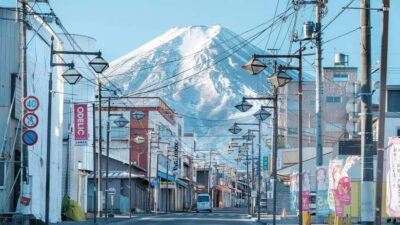 ★ 4.7Mt Fuji Top 5 Spots Day Tour: Arakurayama Park,Oshino HakkaiFrom $532,066 reviews
 ★ 5.0Private Tour to Mt. Fuji and Hakone (Fully Licenced Operator)From $4971,910 reviews
This tour also belongs to