
Review · TOKYO CITY TOURS
Tokyo:Fuji-Kawagu Cable Car (Ticket Inc.) Shinkurayama&Panos
Fuji looks better from a cable car. This Tokyo day trip stacks the Kawaguchiko Panoramic Cable Car with three classic Fuji viewpoints, so you can chase great photos without a full day of hiking.
I love the idea of trading effort for clear, wide views of Mount Fuji and Lake Kawaguchi, especially since the cabins are described as clean and stable. I also like the variety at Oshino Hakkai, where you get that postcard moment of eight ponds with Fuji in the background, plus a traditional-architecture photo stop at Niikurayama Asama Park.
One consideration: expect queues and schedule shifts, and plan for the fact that meals are not included (and the tour also does not include personal insurance).
Key Things to Know Before Your Fuji Day Trip

- Panoramic cable car ticket included, so you do not have to figure it out on the fly
- Oshino Hakkai has eight ponds, often photographed with Fuji behind them
- Niikurayama Asama Park is a classic postcard stop, pairing Fuji with traditional scenery
- The Lawson photo stop gives you a simple, fun add-on with Fuji-limited snacks
- Cable cars can require queuing, and weekend traffic can change your timing
- Small daily group setup can mean limited English commentary while the driver is focused on the road
A Fuji Day Trip That Trades Hiking for Cable Car Views
This is built for people who want Mount Fuji to be the star, not the workout. The day is structured around viewpoints in the Kawaguchiko area, with the cable car used like a shortcut to high, wide angles.
What I like about the pacing is that it is not just one look at Fuji. You get a high vantage ride, a park designed for photos, the spring-pond vibe of Oshino Hakkai, and then a final quick stop that is all about a fun branded snapshot.
And yes, the cable car really is the anchor. Multiple people highlight it as the highlight because the ride gives unobstructed views without the hours you would spend climbing on foot.
More Tokyo tours and experiences for the shortlist

What You Get for the Price, and What You Still Need to Plan
The price shown is about $44 per person, and it includes the big-ticket basics: air-conditioned transportation, a tour guide, a driver, and the panoramic cable car ticket.
That inclusion matters. Many Mount Fuji day trips either add the cable car separately or make you pay extra for key parts. Here, the cable car is already part of the deal, so you can budget without last-minute surprises.
What is not included is where you should plan ahead:
- Meals and drinks
- Personal expenses
- Personal travel or accident insurance
Also note the practical rule: no eating or drinking in the vehicle. If you bring snacks, plan to eat them after stops, not during bus rides.
Meeting at Tokyo Station, Then Rolling Out With a Real Plan
Your day starts at Tokyo Station, with the exact meeting point depending on the option you book. The tour ends back at the meeting point, which helps reduce end-of-day stress.
From there, you take an air-conditioned bus ride toward the Mount Fuji area. You will pass through countryside views on the way, and you should treat this as a proper day trip. If you have tight same-day transport plans, it is best to avoid them because traffic and timing changes can happen.
One more detail that helps you feel organized: the order of attractions and time spent at each stop can shift based on road conditions. So even though you have a “typical” flow, you should not assume every minute will match perfectly.
From Tokyo to Kawaguchiko: The Bus Ride Part That Matters
The bus ride is not just travel time here. It is the prelude to the views, and it sets expectations for the rest of the day.
On weekends and holidays, be ready for crowds and traffic. That is when the schedule is most likely to adjust, including how long you wait and how long you stay at each stop. If the goal is Fuji photos, that matters, because the best light is not always guaranteed and cable car timing can get delayed.
If you want maximum odds of clear views, think of the day like this: you are moving from “getting there” to “waiting for the right moment.” The tour handles the connections, but you still benefit from being flexible.
Kawaguchiko Panoramic Cable Car: Where the Day Becomes All Fuji
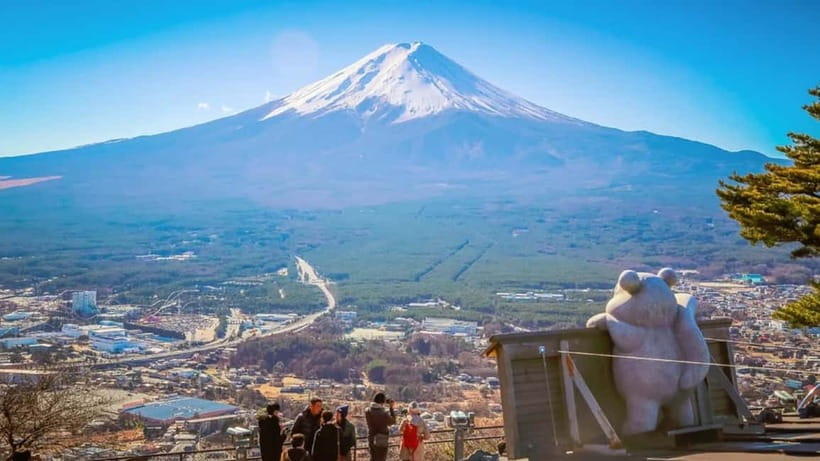
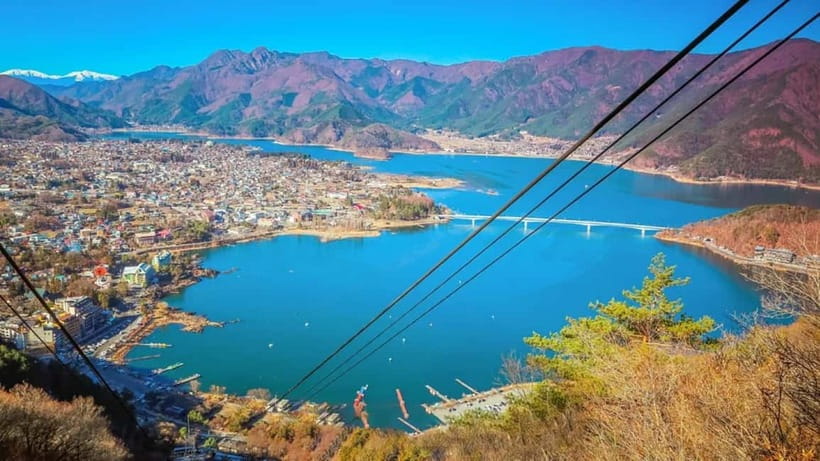
This is the main event. After your arrival in the Kawaguchiko area, you hop on the Kawaguchiko Panoramic Cable Car for the ascent.
Here is what makes this ride so appealing for most people:
- You get panoramic views of Mount Fuji and Lake Kawaguchi
- The cabin ride is described as clean, spacious, and stable
- The timing is long enough to look and photograph, but not so long that you feel stuck
Important reality check: cable cars can mean queuing. On busy days, you might wait before boarding, and delays can shorten the time you have at certain viewpoints. The good news is that the tour guide can adjust the plan if cable cars close due to weather, typically shifting time to other spots.
If you get nervous with heights, take that seriously. This tour is not suitable for people afraid of heights, and it is also not suitable for wheelchair users or people with mobility impairments.





Niikurayama Asama Park: Postcard Fuji With Traditional Architecture
Once you step away from the cable car vantage, the tour moves into photo-friendly territory with Niikurayama Asama Park.
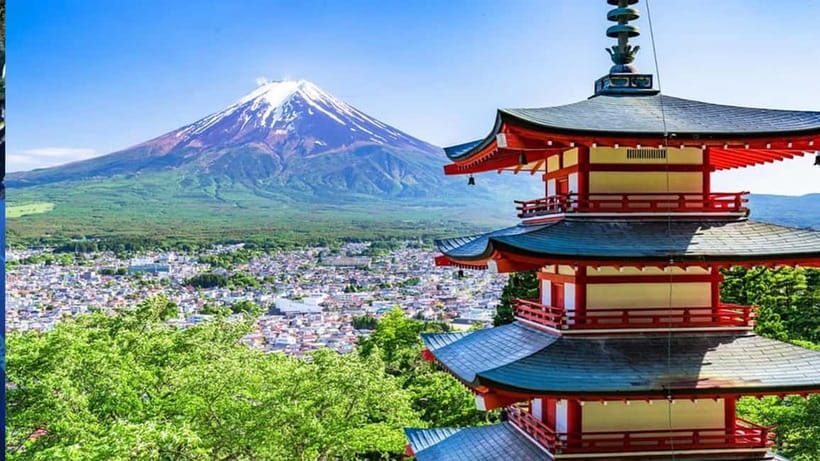
This is the kind of stop that works even if the weather is only partly cooperative. The park is known for classic Mount Fuji views paired with traditional Japanese architecture, which gives you depth in photos beyond just the mountain.
The value here is simple: you are not only looking at Fuji, you are seeing Fuji framed by Japanese place-making. In other words, it helps you connect the mountain to the culture of the area rather than treating it like a standalone photo backdrop.
If you are traveling in peak seasons, this stop can be especially photogenic. The tour notes that spring can bring cherry blossoms, autumn can bring maple leaves, and winter can bring snow views, but the exact timing depends on weather.
Oshino Hakkai: Eight Ponds, Little Switzerland Vibes
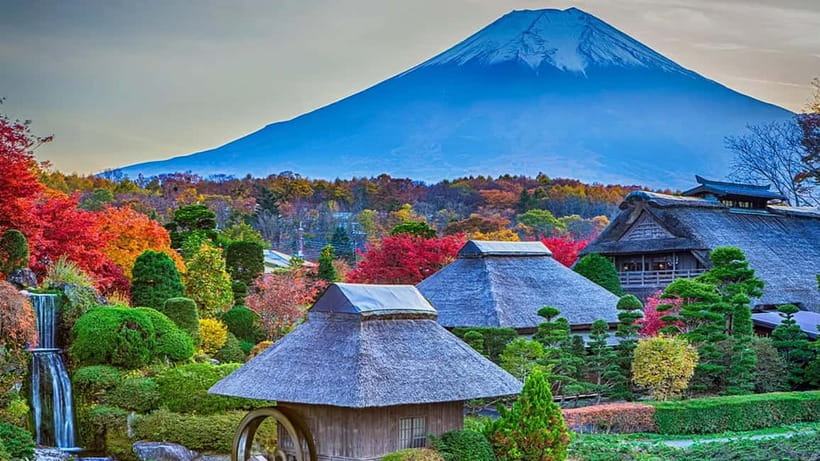
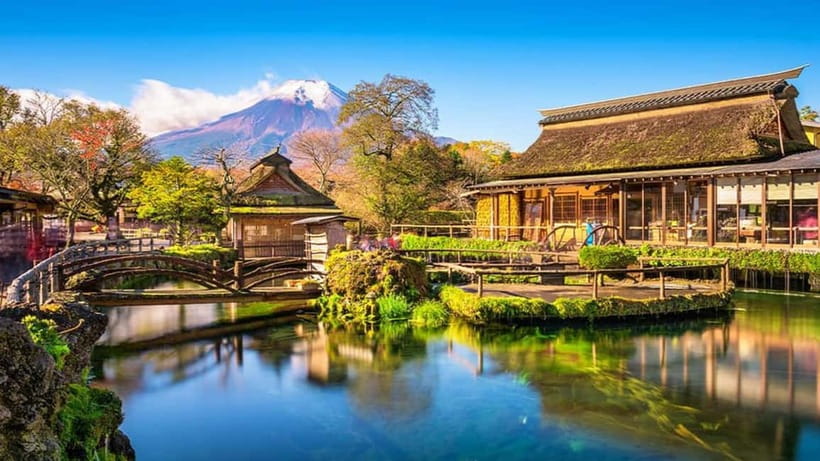
Then comes Oshino Hakkai, often described as Japan’s Little Switzerland. The defining feature is right in the name: eight ponds fed by clear spring water, with Mount Fuji in the distance when the sky cooperates.
Why I think this stop is worth your time:
- The ponds give you a calm, almost storybook visual compared with the busier viewpoint areas
- It is a different kind of Fuji experience, more about water and reflections than just height and distance
- You get a chance to slow down and actually look, not just point and shoot
You can also pick up local snacks at shops nearby. This is one place where you will appreciate having cash on hand, since the tour advises you to bring it.
Practical note: if you are sensitive to crowds, Oshino Hakkai may feel busy in peak periods. The tour will adjust ordering and timing based on traffic and congestion, but that does not erase the fact that popular pond viewpoints draw people.
Lawson at Mount Fuji: The Quick Photo Stop That People Remember
A fun finish is the Instagram-famous Lawson Convenience Store stop at the Mount Fuji area. The whole point is the photo: snap the blue-and-white Lawson logo against the backdrop of Mount Fuji.
This is not a “must” for people who hate crowds or branded stops. But for everyone else, it is a lightweight way to turn the day into something shareable and convenient.
You can also grab Fuji-limited snacks and drinks here. Since meals are not included and eating in the vehicle is not allowed, this is one of the easiest ways to make sure you are not hungry later in the day.
If you want an extra tip for avoiding mid-day hunger stress, it helps to plan for food purchase early. Some guides pair stops in a way that keeps you together for much of the day, so you will do better if you do not leave all snacks until the last minute.
Seasons and Weather: How to Think About Fuji Conditions
Mount Fuji days are weather days. Even the best tour cannot change that.
The tour includes notes that:
- If cable cars close, the schedule can shift to other spots
- Cable cars require queuing
- Delays or shortened stays can happen because of crowds or early closures
So what can you do? Pack like you expect weather swings. The tour suggests a jacket and comfortable clothes, plus comfortable shoes because you will be walking around viewpoints and photo areas.
Also bring the mindset that your schedule might flex. If you travel on a weekend or holiday, expect more people, more cars, and more time buffers needed. That reduces frustration and helps you enjoy whatever version of Fuji you get.
Guide and Driver Style: Why Smooth Day Trips Feel Easy
This tour uses a guide plus a driver, and in small daily groups the driver may also handle guide duties. That can mean limited English commentary, and there is no commentary while the driver is focused on the road.
Where it helps: you still get clear explanations at stops, and people describe the overall vibe as friendly and well-run. Names that have been mentioned include Lee and Vivi, and both are described as energetic and helpful with local legends, explanations, and keeping everyone comfortable.
A practical takeaway: ask questions at the stops, not while the bus is moving. That is where the guide can actually give you the useful details.
And yes, driving smoothness matters. Long bus rides can feel rough if the driver accelerates and brakes hard. Some people specifically praised the smooth driving, which makes the whole day feel easier.
Who This Tour Fits, and Who Should Skip It
This is a day trip focused on viewpoints. That means you are on your feet at each stop and you may stand in lines for the cable car.
It is not suitable for:
- Pregnant women
- People with mobility impairments
- Wheelchair users
- People afraid of heights
- People over 70 years
You will also want comfortable walking stamina. The tour does not list duration in hours, but it is still a full day with multiple stops and moving between them.
If you want a low-effort way to see the Mount Fuji highlights, this fits well. If you want long hikes or deep, off-the-beaten-path exploration, you may feel the day is more “great hits” than “slow travel.”
Price and Value: Does $44 Really Make Sense?
At about $44 per person, this tour looks like a strong value if you care about the included cable car and the transportation leg.
Here is why the value is real:
- Cable car ticket included removes a major unknown
- Round-trip style logistics reduce planning stress compared to piecing together trains and buses
- A guide and driver reduce wasted time and confusion at key points
What keeps value honest is what is not included:
- Meals and drinks, so you still need cash or card for snacks
- Insurance, so you should buy personal coverage separately if you want it
- Contingencies like crowds and weather, where your schedule might tighten and waits can happen
If you are the type of traveler who hates guessing logistics and wants to maximize Fuji viewpoints in one day, this is likely a good match. If you prefer full freedom over a structured route, you may decide to build your own day and skip the guide.
Should You Book This Tokyo to Fuji Cable Car and Ponds Tour?
I would book it if:
- You want a Mount Fuji day trip from Tokyo with the key stops you can actually get to in one shot
- You care most about viewing and photos more than hiking
- You like having a guide handle the connections and timing, even when traffic shifts the plan
I would skip it if:
- You fear heights or you need accessibility support
- You want meals included or you dislike planning around snack stops
- You are traveling on a weekend and hate crowds, especially for cable car queues
If you book, do yourself a favor and pack for weather, wear shoes you trust, and bring some cash for snacks. Then keep a flexible mindset about timing. Fuji can be dramatic, but it never obeys a strict timetable. This tour works best when you treat it like a day of good planning plus good luck.
FAQ
What is included in the Tokyo to Fuji tour?
The tour includes transportation in an air-conditioned vehicle, a tour guide, a driver, and the panoramic cable car ticket.
Is the cable car ticket included?
Yes. The Kawaguchiko Panoramic Cable Car ticket is included in the tour.
Are meals included?
No. Meals and drinks are not included.
Can I eat or drink in the vehicle during the trip?
No. Food in the vehicle is not allowed, and stains may result in cleaning fees.
What should I bring for the day trip?
Bring comfortable shoes, a jacket, comfortable clothes, and cash.
Is personal insurance included?
No. The tour does not include personal travel or accident insurance, and you should purchase it separately if needed.
Is this tour suitable for everyone?
It is not suitable for pregnant women, people with mobility impairments, wheelchair users, people afraid of heights, or people over 70 years.
More Tickets in Tokyo

More Tour Reviews in Tokyo
Not for you? Here's more nearby things to do in Tokyo we have reviewed












Tokyo City Tours, side by side.
 ★ 5.01-Day Tokyo Bus TourFrom $12914,250 reviews
 ★ 4.5TOKYO SKYTREE® Admission ticketFrom $1311,192 reviews
 ★ 4.6teamLab Planets TOKYO Digital Art Museum Entry TicketFrom $259,779 reviews
 ★ 4.0Mt Fuji & Hakone Cruise, Drum Show Bullet Train 1 Day from TokyoFrom $1497,413 reviews
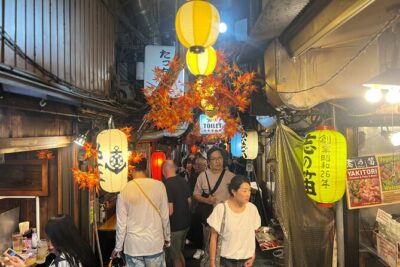 ★ 5.0Shinjuku Food Tour (13 Dishes at 4 Local Eateries)From $866,603 reviews
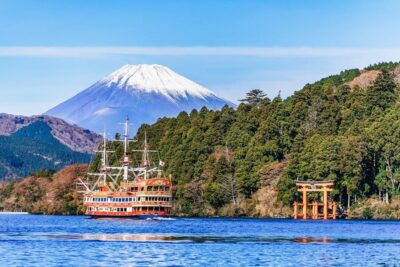 ★ 4.4Tokyo Mt Fuji 5th St & Hakone Cruise Bus Tour w/Bullet TrainFrom $1545,024 reviews
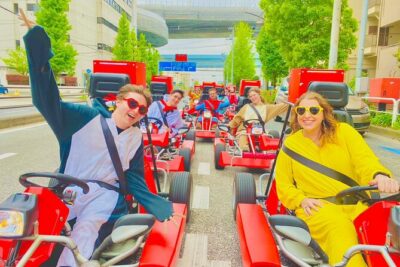 ★ 5.0Flagship 2-Hours Official Street Go-Kart Tour – Tokyo Bay ShopFrom $644,974 reviews
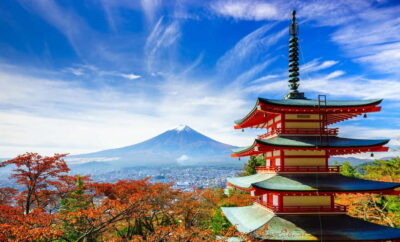 ★ 4.5From Tokyo: Mount Fuji Full-Day Sightseeing TripFrom $684,970 reviews