
Review · TOKYO SAMURAI EXPERIENCES
Tokyo:Samurai Training : Swords, Bushido & Mental Discipline
Swords and calm mind in Tokyo. I love the real dojo atmosphere and the English coaching that turns Bushido into something you can practice, not just hear about. One thing to consider, you will do physical drills, including balance work with a heavy practice stick.
Held in Kojimachi, once tied to Edo Castle’s inner grounds, this class makes the setting feel grounded and serious. The silent walking balance exercises and one-on-one sparring with an instructor are the moments that feel most real, because you are actually applying technique.
You also get practical extras that help the experience feel complete, samurai attire, a scroll-style certificate with your name, and a quiet matcha break to reset. The whole thing is only 2 hours, so it is not a multi-day mastery program, but it is a solid start.
Key Points You’ll Remember
- Not a show: You train the methods, you do the drills, you practice one kata, and you spar
- Small group format: Limited to 6 participants, so you get real attention
- English-friendly instruction: Techniques, etiquette, and Bushido ideas are taught in English
- Mind-body training: Breathing and meditation pair with heavy stick conditioning and balance work
- Real practice tools: Wooden sword basics plus a heavy practice stick to build strength and control
- Ends with keepsakes: Scroll-style certificate, samurai outfit rental, and a commemorative photo
Finding The Kojimachi Dojo and Meeting Your Instructor
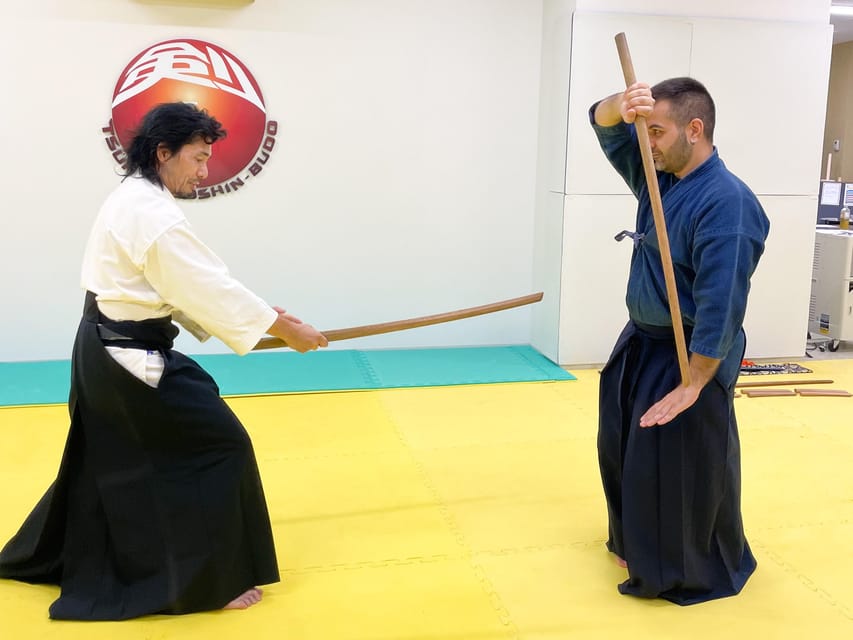
This training happens at a traditional dojo in Tokyo’s Kojimachi district. The location matters here. Kojimachi links you to the old sphere of samurai practice around Edo Castle’s inner grounds, so you are not just taking a class in a random studio.
Getting there is straightforward. A staff member waits at the dojo entrance, and you should look for the samurai nobori flag as your landmark. If you are the type who likes arriving early, that is smart, because you will want a moment to settle before shoes off time.
Plan to wear or bring clothes that move easily. Indoors, shoes are not allowed, so you will want something you can manage comfortably. Also note the basic rule: no smoking indoors. It is a dojo, so you will feel the quiet expectation.
Small group also changes the vibe. Limited to 6 participants, the day avoids the factory-feeling. You get coached and corrected, not just watched.
You can also read our reviews of more tours and experiences in Tokyo.



Bushido Starts With Etiquette, Breathing, and Mind Control
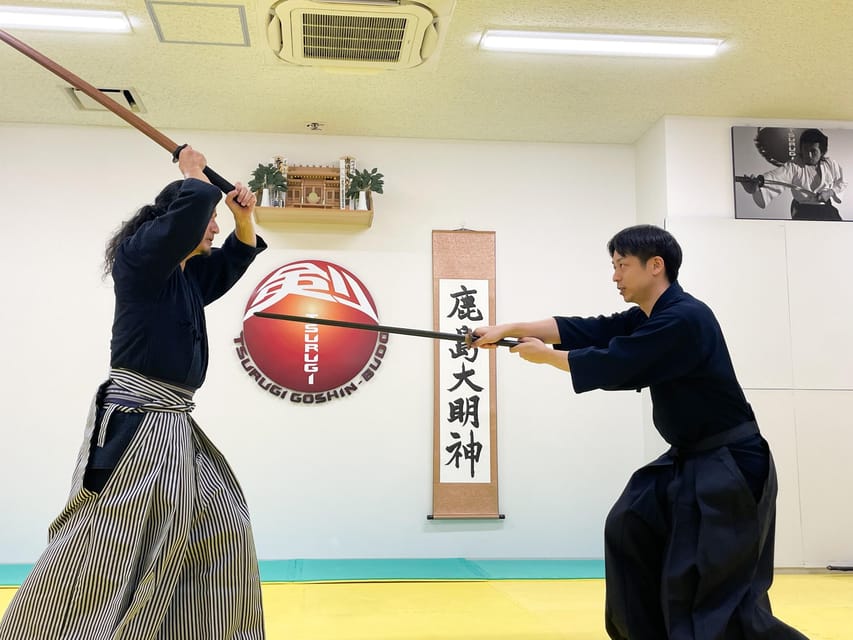
The class begins with samurai etiquette and the spirit of Bushido. The goal is not to recite facts. You learn how conduct and mindset shape movement and how a warrior trains. Even as a beginner, you are given a structure to follow.
Next comes breathing and meditation. This part is easy to underestimate because it sounds calm and theoretical. Then you realize it is actually functional. When you do sword drills and stick work, your control depends on staying composed. You are practicing the habit of calming your mind on purpose.
This sequence is one of the best values in the experience. A lot of Tokyo activities focus on motion only. Here, they start with mindset, so you learn how to keep tension out of your body while you move.
You will also see live demonstration from the instructor. It helps you connect the words to motion. Even if your first try is awkward, you have a clear reference point.
If you are curious about the cultural ideas behind the training, this is where it clicks. If you just want sword action, you still benefit, because calm control makes everything else easier.
Wooden Sword Basics, Live Demo, and Heavy Stick Conditioning
Once you move into practice, you start with wooden sword drills. These are not just waving a prop around. You work on fundamentals that build correct posture and timing, the kind of basics that matter before you ever go faster.
Then you add strength and discipline training with a heavy practice stick. This is where the class earns its weight. The stick work is designed to test control, not only muscle. You feel your body working as a unit, and you learn how discipline looks when it becomes physical.
If you have never trained a martial style before, this segment is a great on-ramp. You are taught enough technique to feel progress, but the drills also highlight what you need to improve, like stance stability and clean, repeatable movement.
Also, because the instruction is in English and Japanese, you can clarify terms quickly. You are not stuck guessing what an instructor means while you try to copy a pose.
Ninja-Style Silent Walking for Balance and Awareness

After sword and stick fundamentals, the training shifts to silent walking. It is described as ninja-style walking, and the purpose is simple: balance, posture, and awareness.
Do not treat it like a quirky break between harder drills. This is the kind of exercise that trains your feet and your attention. When you try to walk quietly, your body stops freelancing. You start to feel where your weight lands and how your spine stays aligned.
This is one reason I like this experience for visitors. Tokyo has plenty of entertainment, but not a lot of activities teach you to notice your body the way a martial artist does. Silent walking makes you pay attention in a very specific way, and then that awareness carries into your later sparring.
You might find this phase oddly calming, even when you are concentrating hard. It is focus time, not spectacle time.
Kata and One-on-One Sparring That Feels Practical
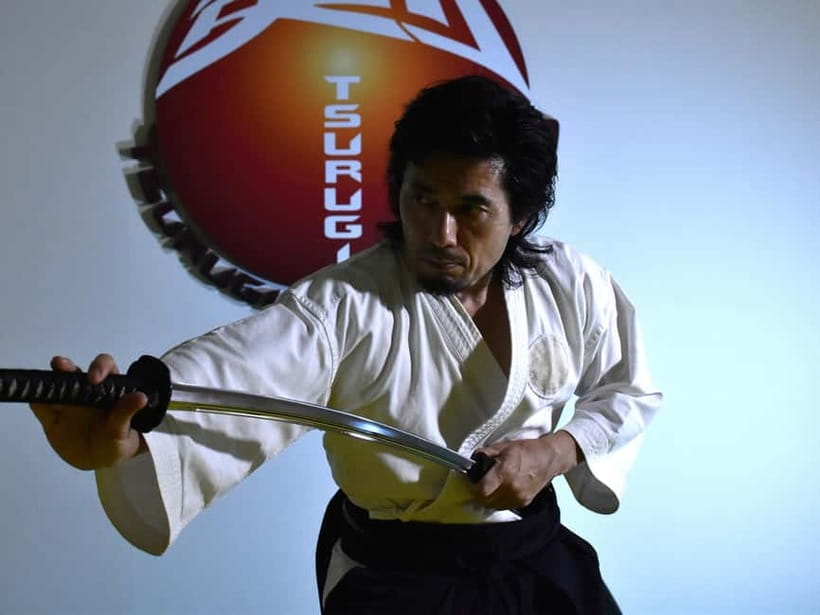
A key part of the training is learning a realistic combat sword kata. You work through one authentic combat kata, so you are not only doing random drills. Kata is a way to organize technique into repeatable patterns you can understand, remember, and apply.
From there, you practice in one-on-one sparring with an instructor. This is the part that separates a cultural workshop from a training session. You are applying what you learned, in a controlled, guided way, while an instructor watches your form and adjusts your technique.
This is also where instructor skill shows up. In past sessions, the instructors have been praised as exceptional, including Oedo and Yukikaze. You can expect the same kind of coaching, where they guide you through the why, not just the what.
For beginners, sparring can feel intimidating. The good news is that the class is beginner-friendly, and the structure builds you up. First etiquette and calm. Then fundamentals. Then balance. Then kata. Then sparring.
Real talk: your first session might feel awkward. That is normal. The value is that you get corrections in the moment, so you leave with clearer technique and a sense of what to practice next if you ever train again.



Matcha Break, Scroll-Style Certificate, and Samurai Attire Photo
Halfway through or during a break, you get authentic matcha green tea and traditional Japanese sweets. This matters because your body is working. Tea and sweets give you a reset, and you get a quiet cultural pause after the physical drills.
Then comes the keepsake section. You receive a scroll-style certificate personalized with your name and the techniques you practiced. It is not just a printed card. The format helps the class feel ceremonial, and it also gives you something tangible to remember the exact style of training you did.
You also get to wear traditional samurai attire and take a commemorative photo. This is a fun touch, but I like it most when paired with real training. You look the part, but more importantly, you understand what the uniform culture connects to.
If you plan on taking photos, aim to do it right after instructions so your outfit still looks sharp. Also be ready for a brief transition from training mode to photo mode, which helps you stay in the moment.
Price and Value at About $83 for 2 Hours of Training
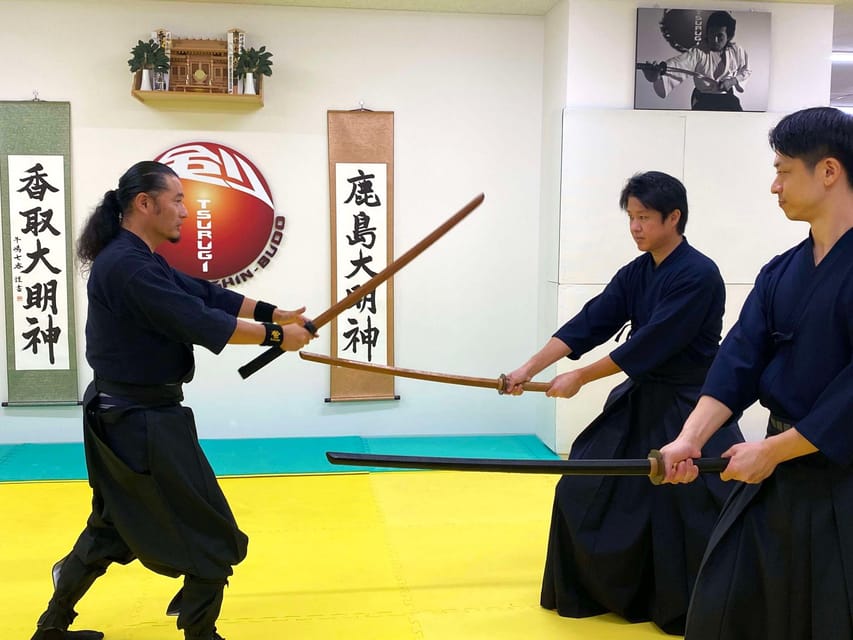
At around $83 per person for a 2-hour session, this is one of those activities where the value comes from what is included. You are not paying only for sword time.
Included items add up: samurai uniform rental, live demonstration, English guide for sword skills, Bushido, and samurai history, your scroll-style certificate, matcha tea and Japanese sweets, plus a commemorative photo. You also get instructor attention in a small group capped at 6.
So you are paying for coaching and structured practice, not just a themed photo op. And because it is conducted in English and is beginner-friendly, the learning friction is lower than many niche martial classes.
Two practical notes about value. First, you must supply your own transportation to reach the dojo, since transportation is not included. Second, your progress is limited by time. You will not leave a master. But you will leave with clear fundamentals and a real taste of how disciplined training is organized.
Who This Samurai Training Suits Best (and Who Should Skip)
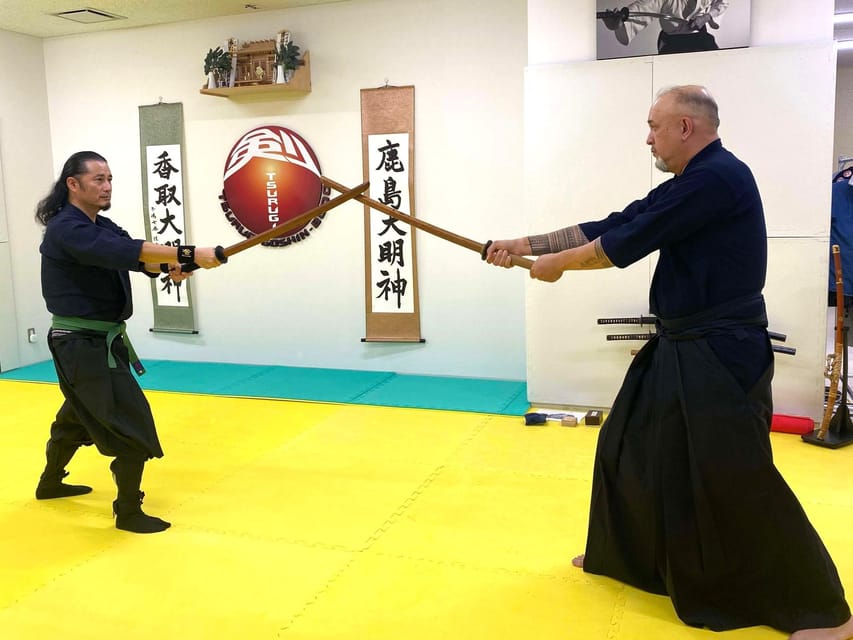
This class fits you if you want more than sightseeing. If you like hands-on Tokyo experiences, and you are curious about discipline, etiquette, and how sword basics connect to mindset, you will likely enjoy this.
It is also a good pick for couples or friends who want shared physical focus. One-on-one sparring and group drills create common points you can talk about afterward.
It is beginner-friendly, but it is still training. You should go in feeling reasonably healthy. The experience is not suitable for pregnant women, and people with a cold should skip. That is not a small detail. Heavy stick drills, balance work, and sparring are physical, and the dojo setting is not designed for illness.
If you are sensitive to quiet rules, remember it is a dojo, so smoking indoors is not allowed and shoes are not allowed indoors. You will switch from street mode to training mode quickly.
Also note the uniform rental requires your height and size. You will want to give the organizer sizes like S, M, or L ahead of time. It keeps the fit better and makes the uniform easier to move in during drills.
Should You Book This Tokyo Samurai Training?
Book it if you want structured martial fundamentals in English, plus Bushido etiquette and mindset training, in a real dojo environment. For me, the strongest selling points are the balance work that trains awareness, the heavy stick conditioning that builds discipline, and the one-on-one sparring that turns knowledge into action.
Pass if you are looking for a light, purely passive experience, or if you are dealing with illness. Also skip if you do not handle physical drills well, because this is not gentle cosplay. It is practice.
One last tip. Read the class as a full flow, from etiquette and breathing to kata and sparring. If you expect only sword tricks, you might miss the bigger value. The point is learning how a warrior trains, not only how a sword looks.
If your goal is to leave Tokyo with a story that feels specific and skill-based, this is a strong choice.
FAQ
Where does the samurai training take place?
It takes place in a traditional dojo in Tokyo’s Kojimachi district.
How long is the experience?
The duration is 2 hours.
What is the price?
The price is listed as $83 per person.
Is instruction available in English?
Yes, it is conducted in English (also Japanese).
What group size should I expect?
The group is limited to 6 participants, and there is a minimum of 2 participants.
What should I wear inside the dojo?
Shoes are not allowed indoors. The samurai uniform rental is included, and you will be asked for your height and size (S/M/L).
Will I do sparring or only demonstrations?
You will practice realistic techniques in one-on-one sparring with an instructor.
Do I need transportation to get there?
Transportation is not included, so you will need to make your own way to the meeting point.
Is there a break during the training?
Yes, there is a break with matcha green tea and traditional Japanese sweets.
Is this class suitable for everyone?
It is not suitable for pregnant women or for people with a cold. Smoking indoors is also not allowed.
More Tour Reviews in Tokyo
Not for you? Here's more nearby things to do in Tokyo we have reviewed












Tokyo Samurai Experiences, side by side.
 ★ 4.6Samurai Ninja Museum Guided tour and ExperienceFrom $271,010 reviews
 ★ 5.0Samurai Sword & Archery Class from Samurai DescendantFrom $193603 reviews
 ★ 5.0Best Samurai Experience in TokyoFrom $65458 reviews
 ★ 5.0Ninja Experience (Family Friendly) at Samurai Ninja Museum TOKYOFrom $47441 reviews
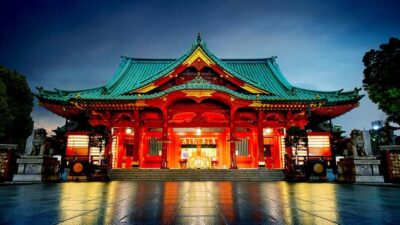 ★ 4.6Samurai Entertainment Night Show in Kanda ShrineFrom $41417 reviews
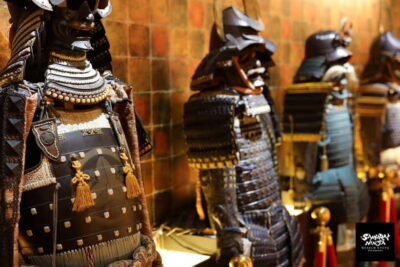 ★ 4.8Samurai Ninja Museum Asakusa: Samurai Sword Lesson & TourFrom $63306 reviews
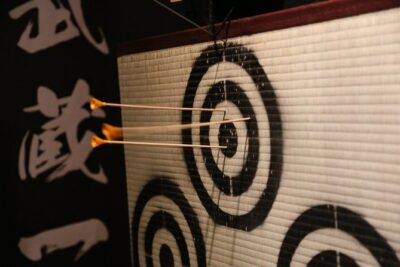 ★ 5.0Ninja Samurai 2-hour hands-on lesson by Japanese master in TokyoFrom $86194 reviews
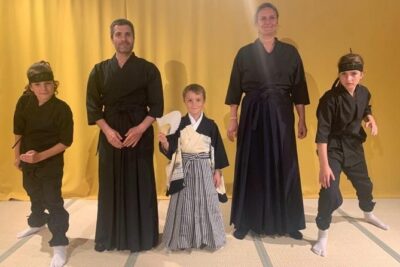 ★ 5.0Samurai Sword Experience (Family Friendly)at SAMURAI MUSEUM TOKYOFrom $65168 reviews
This tour also belongs to