
Review · TOKYO SAMURAI EXPERIENCES
Train in Samurai Swordsmanship and Defeat the Demon in Tokyo
A demon fight, powered by real sword basics. This Tokyo experience mixes samurai training with a Hyakki Yakō style story about fear and inner darkness, and it stays English-friendly from start to finish. You do actual drills, not a passive performance, and you finish with a symbolic finale.
I really like that the lessons cover fundamentals like etiquette, posture, breathing, and focused strikes and blocks, then connect them to a “defeat the Oni” moment. One possible drawback to consider: if you want a serious, hours-long workout in a training dojo with a full progression plan, this is a short, story-driven session that prioritizes guided basics and a culminating challenge.
Key things to know before you go
- Short, story-structured format: Prologue, Training, Battle, Recognition, in about 2 hours
- Small group size: up to 6 people, which helps you stay engaged
- You learn both offense and defense: not just poses, but practical combinations of strikes and blocks
- You get a personalized scroll: your name and the techniques you practiced
- Included matcha and sweets: a real pause that fits the samurai mood
- Family-friendly, no pressure: the tone is relaxed and welcoming
Tokyo Oni Sword Training in 2 Hours: How the Story Works
This is built like a guided hero story, but you still do the work. You start with a Prologue that sets the legend: Hyakki Yakō, the Night Parade of a Hundred Demons, where oni and yokai are said to roam after dark. Then the Demon (Oni) returns, not just as a creature in the outside world, but as fear, doubt, and weakness within.
What makes this format practical is that it turns abstract ideas into physical cues. When the story shifts from training to battle, you are expected to use the basics you just practiced, not invent new moves on the spot. That connection is why it feels more memorable than a typical class.
You also get a clear identity arc. The experience frames you as a modern participant who is chosen for a trial by the tsurugi samurai squad, the guardians from the past who once sealed the Demon. In the end, Recognition is about more than a photo, it is the moment where your name is written on a scroll tied to the techniques you learned.
One more reason people enjoy this: the session does not pretend you are already a swordsman. It is designed to teach focus and fundamentals in a compressed time window, so you are not left guessing what to do next.
You can also read our reviews of more tours and experiences in Tokyo.



Samurai Uniform, Etiquette, Breathing, Posture: Your Training Chapter
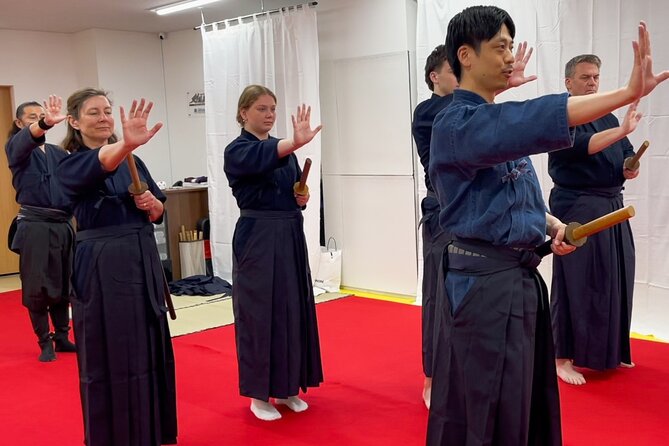
Your session starts with the samurai side of the experience, and it is not just costume dressing. You rent a samurai uniform for the lessons, and you also have a chance to wear armor for photos. That matters because it cues the mindset shift. Clothing changes your posture, your stance feels more intentional, and you naturally pay attention to how your body moves.
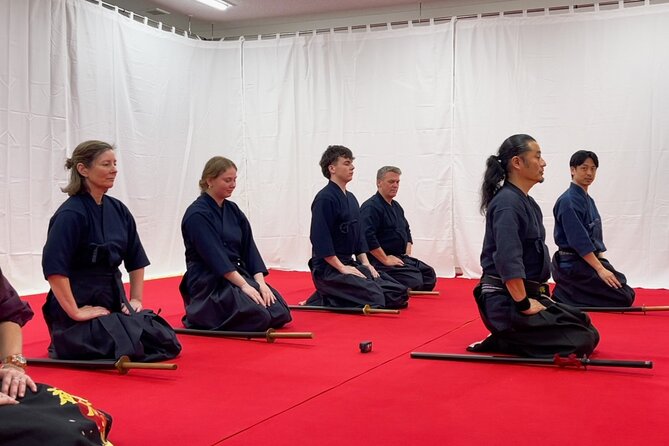
Then the lesson moves into the kinds of basics you can use anywhere, even if you are not a martial-arts person. Expect elements like:
- etiquette and respectful behavior
- breathing and posture
- how to hold focus before you move
Even if you have never studied swordsmanship, the focus on posture and breathing is useful. It is easy to see how this kind of training is less about power and more about control. The message is consistent with the story too: the Demon is tied to mental weakness, so the first step is calming your mind and learning to stand steady.
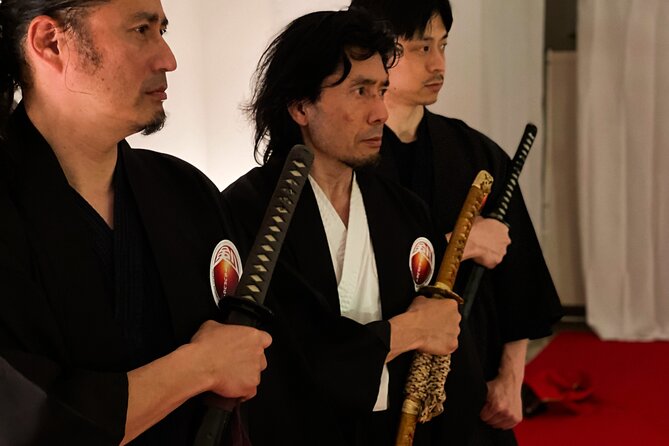
The experience also includes a live sword demonstration by the instructor. That helps you understand what the movements are supposed to look like before you try to copy them. In a short class, that step is big. You avoid wasting time on guesses, and you can correct your form faster when you start practicing.
If you have a background in sports, dance, or performance, you might appreciate the emphasis on rhythm and presence. If you are starting from zero, the “hero trial” framing makes it feel friendly. Either way, you should walk in with one simple goal: learn how to move with calm intent.
Offense and Defense Drills, Plus the Live Instructor Demo
After you settle into the posture and etiquette basics, the session shifts to the mechanics of sword training. The core is learning both offensive and defensive techniques, including strikes and blocks. The experience explicitly covers strikes, blocks, and focus, and you are guided in how to put these together for the finale.
This is where the small group size really helps. With a maximum of 6 travelers, you are less likely to feel lost at the edges. It is easier to ask questions, and corrections are more likely to land quickly. In a class like this, fast feedback is everything, because your body learns by repetition with guidance.
The instructor demo matters for another reason too. Watching a skilled person show the motion in a single clean pass gives your brain a reference point. Then, when you practice the same actions, you can compare your version to that reference.
From a value standpoint, I like that you get both sides of the training. Offense without defense turns into chaos. Defense without offense turns into hesitation. The experience tries to balance both, so by the time the battle chapter arrives, you have more confidence about what your hands and feet should do.
Also, the tone is described as not pressured. That is important if you are going with kids, a partner, or a friend and nobody wants the vibe of a tough gym class. You can keep the mood light while still learning real technique components.
Hyakki Yakō and the Oni Finale: What the Demon Battle Actually Teaches
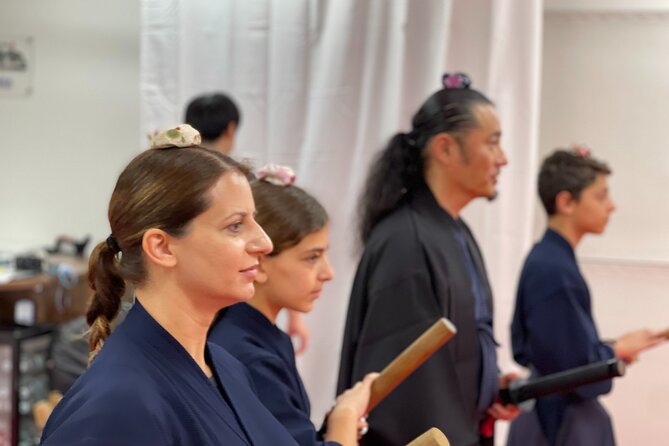
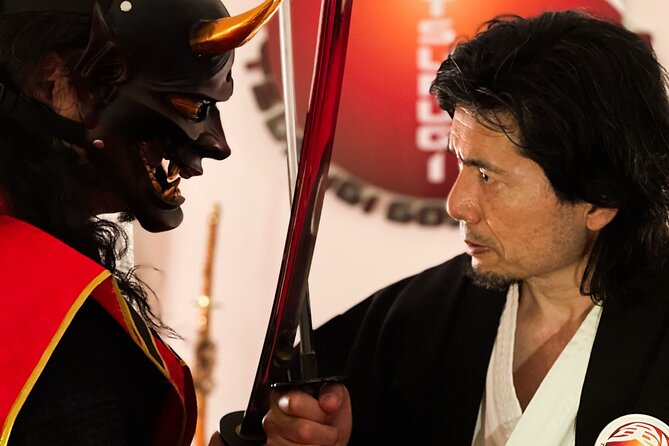
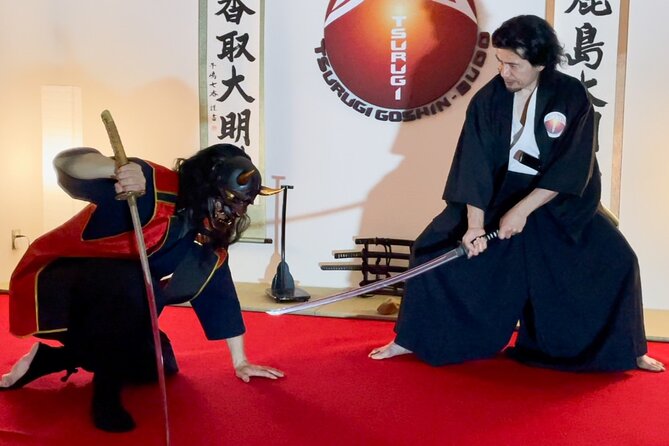
The finale is the part most people remember, but it is not random drama. The Oni confrontation is framed as a symbolic clash of spirit and shadow. You are not only supposed to fight an imagined enemy. You are supposed to face fear, calm your mind, and overcome inner darkness.
That sounds poetic, but it affects how the battle moment feels in practice. Since you just spent time on breathing, posture, strikes, and blocks, the “battle” becomes an applied test of those basics. Instead of standing in front of a teacher doing isolated moves forever, you get to try the sequence with purpose.
The story also brings meaning to why you are training at all. In this version of samurai spirit, courage is not about being aggressive. It is about acting calmly while you are challenged. That perspective can help if you normally freeze when asked to perform. Here, you are guided through the trial, so you can focus on doing the next correct action.
One more detail I appreciate: you are not treated like an audience member. The language around the experience makes it clear that you are the hero in the story. That creates buy-in. You feel like you participate, not just observe. And that is exactly what makes the finale feel rewarding instead of gimmicky.
Recognition Moment, Scroll With Your Name, and the Matcha Pause
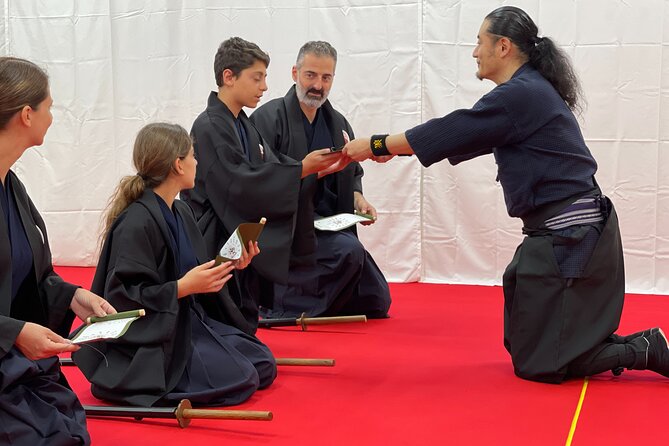
At the end, you get the Recognition part that turns the training into a keepsake. You receive a personalized certificate scroll with your name and the techniques you practiced. That is more than a souvenir. It gives you something concrete to remember when you want to refresh the basics later.
You also get an included commemorative photo with a samurai. Photos are usually a quick add-on in many activities, but here it fits the theme because you also had the uniform and armor moments earlier. The overall flow is: train with focus, face the symbolic battle, then get a tangible reminder that you completed the trial.
Between training and the finale, the experience also includes authentic matcha tea and Japanese sweets. I like that this is not treated as a random snack. It gives you a break that matches the samurai mood: pause, breathe, and settle your nerves after practicing faster, more intense movements.
If you are the kind of person who enjoys collecting meaningful souvenirs, this is a good fit. The scroll is personalized, and the photo gives you a visual memory of the costume and atmosphere that made the story click.



Price and Logistics: Is $84.70 Good Value in Tokyo?
At $84.70 per person for about 2 hours, this is not the cheapest thing in Tokyo, but it is also not overpriced for what you get. The included items add up in a way that matters on a short visit:
- samurai uniform rental during lessons
- English guide on sword skills, Bushido, and samurai history
- live sword demonstration
- personalized scroll certificate with your name and techniques
- matcha tea and Japanese sweets
- commemorative photo with a samurai
- toilets in the building
Value is partly about what you can skip. If you would otherwise pay for a guided lesson, a class photo, and a souvenir, the package format helps you avoid nickel-and-diming. You also avoid the hassle of booking separate experiences, because everything happens in one focused session.
On logistics, this starts and ends at the International Goshin-Budo Association in Kōjimachi (Chiyoda City). It is near public transportation, and the activity ends back at the meeting point. Private transportation is not included, and there is no air-conditioned vehicle, so you are going to travel by your own route through Tokyo.
One more practical angle: the experience has a mobile ticket, and you receive confirmation at booking time. If you like to travel light with fewer printed things, that is a plus.
Who This Tour Fits Best (and Who Might Want Something Else)
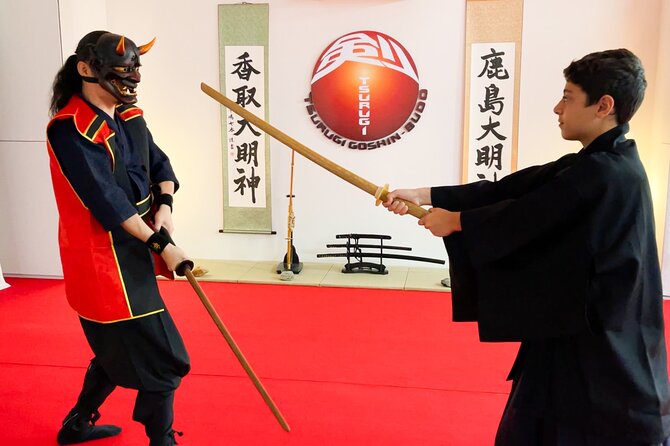
This is a strong match if you want a short, structured introduction to sword fundamentals with a story that keeps you engaged. It is also explicitly English-friendly, so you can focus on learning the techniques, not decoding instructions.
It is also family-ready, and that matters. The reviews and the experience tone point toward a relaxed atmosphere, meaning kids and adults can take part without feeling judged. If you are traveling as a couple or a small group, you also benefit from the cap of 6 people, since it keeps attention from drifting to the back row.
You might want to consider another option if your main goal is serious, long-form martial-arts training. This experience is about teaching etiquette, posture, breathing, and core strikes and blocks within a compact hero narrative. You will likely leave with a strong taste of fundamentals, but not with a full training program.
Finally, if you are the type who likes activities that feel different from the usual Tokyo checklists, this one has a clear edge. Samurai lessons are common enough, but combining them with the Hyakki Yakō and Oni framework is distinctive.
Should You Book This Samurai Sword Workshop in Tokyo?
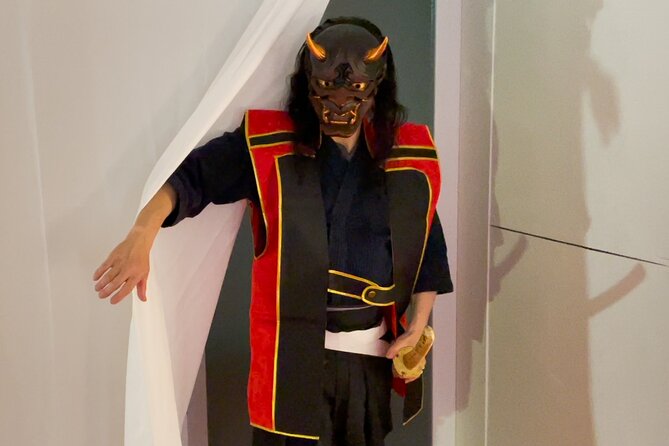
Book it if you want an English-friendly, small-group sword training experience that feels meaningful and fun at the same time. You get real fundamentals like posture, breathing, strikes, and blocks, plus a satisfying finale where the story gives the techniques a purpose. The personalized scroll is also a strong reason to choose this over a purely photographic activity.
Skip it if you are chasing an intense, gym-style session or a long practice track. This is a two-hour guided trial, not a full dojo schedule. Also, if you dislike story framing, you might find the Demon theme a little too theatrical. But if you can go along for the ride, it is a memorable way to learn calm courage and basic sword mechanics in one sitting.
FAQ
How long is the Samurai Swordsmanship and Oni experience in Tokyo?
It runs for about 2 hours.
What is the price per person?
The price is listed as $84.70 per person.
Is the experience offered in English?
Yes, it is fully in English, including explanations on sword skills, Bushido, and samurai history.
Is this a show or a hands-on class?
It is not a show. You train and learn techniques, not just watch.
What is included in the price?
Included items are samurai uniform rental during lessons, a live sword demonstration, English guide, personalized scroll certificate with your name, matcha tea and Japanese sweets, toilets in the building, and a commemorative photo.
Do I need to bring my own sword?
The details provided focus on training with instruction and a live demonstration, and you get a uniform rental. No personal sword is mentioned.
How many people are in the group?
The maximum group size is 6 travelers.
Where does the activity start and end?
It starts at 国際護身武道連盟, Tokyo 102-0083, Chiyoda City, Kōjimachi, 4-chōme21 MK麹町ビル, and it ends back at the meeting point.
Is transportation included?
No. Air-conditioned vehicle and private transportation are not included.
What is the cancellation policy?
You can cancel for a full refund up to 24 hours before the experience starts. If you cancel less than 24 hours before, the amount paid is not refunded.
More Tour Reviews in Tokyo
Not for you? Here's more nearby things to do in Tokyo we have reviewed












Tokyo Samurai Experiences, side by side.
 ★ 4.6Samurai Ninja Museum Guided tour and ExperienceFrom $271,010 reviews
 ★ 5.0Samurai Sword & Archery Class from Samurai DescendantFrom $193603 reviews
 ★ 5.0Best Samurai Experience in TokyoFrom $65458 reviews
 ★ 5.0Ninja Experience (Family Friendly) at Samurai Ninja Museum TOKYOFrom $47441 reviews
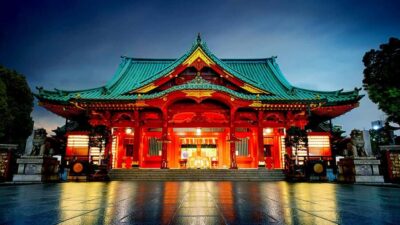 ★ 4.6Samurai Entertainment Night Show in Kanda ShrineFrom $41417 reviews
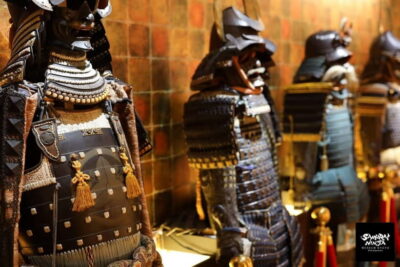 ★ 4.8Samurai Ninja Museum Asakusa: Samurai Sword Lesson & TourFrom $63306 reviews
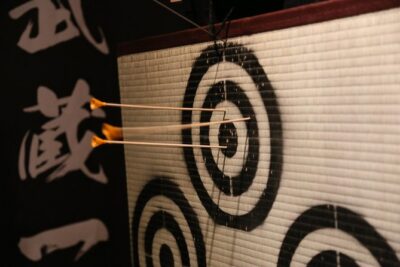 ★ 5.0Ninja Samurai 2-hour hands-on lesson by Japanese master in TokyoFrom $86194 reviews
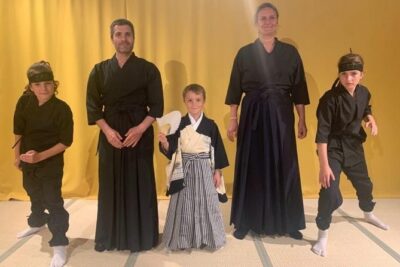 ★ 5.0Samurai Sword Experience (Family Friendly)at SAMURAI MUSEUM TOKYOFrom $65168 reviews
This tour also belongs to