

Review · TOKYO CITY TOURS
Unlock Tokyo’s Secrets with a Custom Private Tour
Tokyo feels smaller with the right guide. This private, custom 8-hour tour is built around your interests, so Tokyo’s big-city energy turns into a plan you can actually enjoy. I like the custom itinerary idea, and I also like the smooth, stress-free pacing with pickup and an English-speaking guide.
One thing to plan for: attraction entry fees and lunch are not included. Some stops in the sample route are free, but others, like Shinjuku Gyoen, are not.
Key Highlights You’ll Feel Right Away
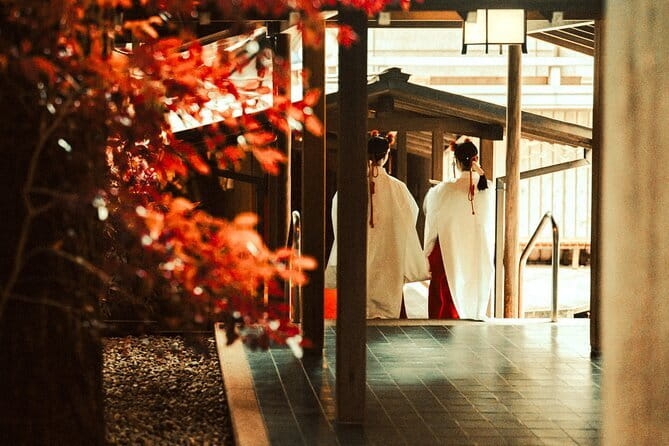
- True customization before you go: You connect ahead of time and shape the day around what you care about.
- Pickup where you are: Hotel, Airbnb, or another location, with a departure window between 9AM and 11AM.
- 4 to 6 sites in walking-friendly style: Enough time at each place, not a sprint through the city.
- Mobile ticket included: One less thing to manage.
- Flex options for different tastes: Old Tokyo streets, gardens, shrines, shopping areas, food districts, and evening bar alleys.
- Guides like Satoshi and Rina: You could be paired with a guide known for friendly, organized help and strong English.
How a Custom Tokyo Day Actually Works
The biggest advantage here is that the day is not “tour by checklist.” Before your tour starts, you connect and tailor the itinerary to your interests. That matters in Tokyo, because the city can feel like a lot at once. Instead of trying to decide on your feet, you get a structure that matches your priorities.
The sample route also shows the style: classic landmarks mixed with neighborhood time, with enough breathing room to adjust. You may still hit major sights like Asakusa and Shibuya, but you can also swap in areas such as Akihabara, Harajuku, Tokyo Tower, Odaiba, or more. The route is designed as a non-exhaustive menu, meaning the guide should steer you toward a day that fits your energy level and what you actually want to photograph, taste, and explore.
This is especially helpful if you travel with kids, friends with different interests, or a group that can’t agree on one theme. You can plan for culture, food, nature, or shopping, and you do not have to compromise every hour.
You can also read our reviews of more private tours in Tokyo
Price and Value: Is $275 Per Person Worth It?
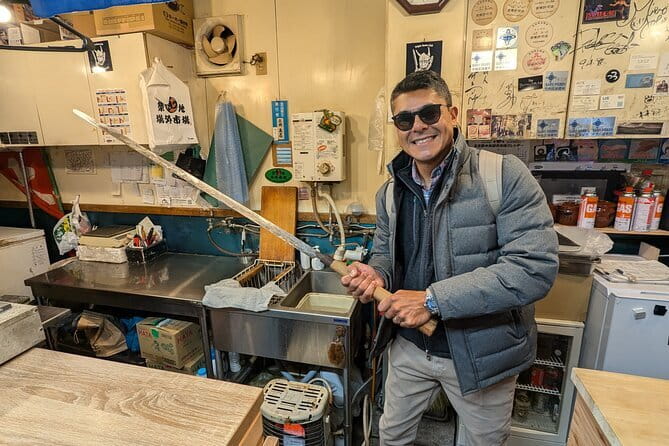
At $275.00 per person for about 8 hours, this is not a budget option. You’re paying for the private, custom component and for a fluent English guide who can manage route flow and on-the-ground timing.
Where the value can make sense:
- You want a private experience with only your group.
- Your group includes people who will benefit from less time figuring things out on your own.
- You care about getting practical context at the right places, not just seeing them from the sidewalk.
- You want multiple neighborhoods in one day without over-planning.
Where you might question the value:
- If you only want one or two “must-sees” and would rather spend the day freely, a self-guided plan could be cheaper.
- If you are trying to keep total spending tight, note that public transportation fees and attraction entry fees are not included, and lunch is not included.
Also pay attention to how the tour is set up. It’s a walking tour of about 4 to 6 sites, and a private vehicle is not included. That means you’re saving money on a car, but you should be ready to walk and cover some transit cost yourself if needed.
Pickup, Timing, and the Real Meaning of an 8-Hour Walking Tour
Your day starts with pickup at your location, and departure runs from 9AM to 11AM. That flexible start window is more important than it sounds. Tokyo mornings can be wonderful, but they can also be chaotic with crowds depending on the area. With a late morning start, you can often avoid some of the harshest early rush, especially if you’re coming from a hotel far from the first stop.
Because the plan focuses on 4 to 6 sites, the pacing should feel intentional. You should get time to actually look, not just move along. The tour also stays near public transportation, which is a polite way of saying you’ll likely use transit as part of the day. Public transportation fees are not included, so budget for that.
The tour is private, so you are not stuck matching pace to strangers. That’s a big deal if you want photo stops, bathroom breaks, or a slower look through a market street.
Asakusa and Senso-ji: Old Tokyo Streets You Can Walk Through
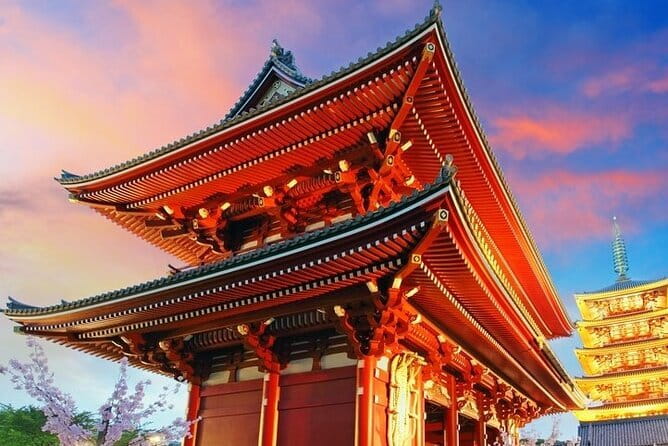
Asakusa is where Tokyo shows its older face. The focus here is the old Edo-style lanes in shita-machi, plus Senso-ji Temple. In the sample schedule, the temple stop is about 1 hour and admission is free.
What I like about this part of the day is how it’s both a landmark and a neighborhood. Senso-ji is iconic, but the real satisfaction comes from walking the side streets around it, where shops and street life feel close to the ground. With a guide, you can also get help spotting what’s worth a quick look versus what’s just busy.
Practical consideration: Asakusa can be crowded, especially closer to peak hours. If your tour time lands during a busy wave, you’ll want to slow down and give yourself a few minutes to let the crowd shift before you push for the best views.
This stop is a strong anchor for your day because it gives you contrast. After a historical start, the rest of the itinerary can feel like stepping forward through time.
Tsukiji Fish Market: Where Food Culture Leads the Day
Tsukiji Fish Market is a classic food stop, about 1 hour in the sample route, and the admission is free. This is for people who want sensory detail: seafood smells, fast-moving vendors, and the feeling that food here is a serious craft.
The biggest value of a guided visit is that you can spend your time tasting and looking instead of standing around with no plan. You’ll get direction on what to watch for and where to focus. Tsukiji is also one of those places where being efficient helps. If you wander too slowly without a target, you can miss the best action.
A simple drawback: this part of the day is best if you’re open to street snacks and quick bites. If you only want sit-down restaurants and formal meals, you might feel a little pulled toward the fast-paced food culture. Still, even then, it’s worth seeing because it gives you an authentic slice of everyday Tokyo.






Shinjuku Gyoen National Garden: A Breather in the Middle of the City
Then comes a different mood. Shinjuku Gyoen National Garden is about 1 hour in the sample plan, and admission is not included.
This is the kind of stop that makes your overall day feel balanced. Tokyo can pile up sights quickly, so a garden break keeps the itinerary from turning into a checklist. You get walking paths and open space, which is exactly what you want before heading back into denser neighborhoods.
Plan for the fact that entry is paid. Because attraction entry fees are not included, you should expect to cover the garden admission separately. Also, if you’re visiting in warm months, gardens can be hot and humid. Wear something breathable, and take water breaks without guilt.
If your group loves nature or needs a pause from crowds, this stop tends to land well.
Shibuya Crossing and Hachiko: Big Energy With a Human Pace
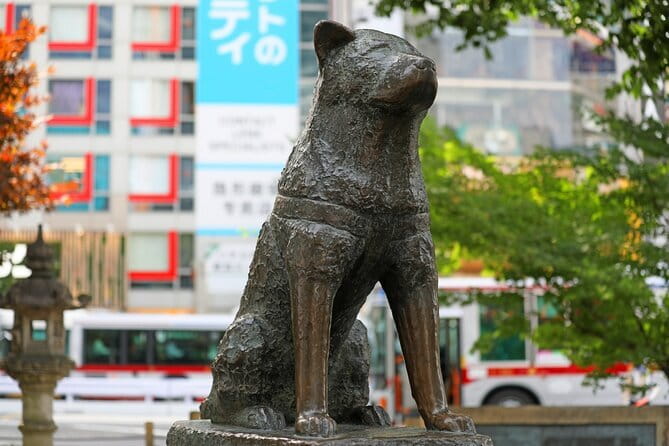
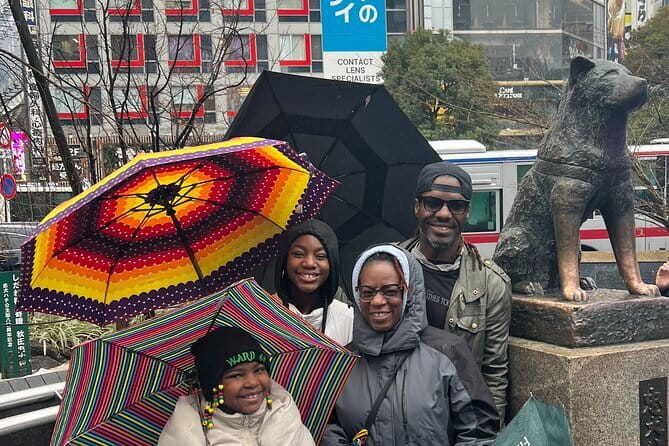
Shibuya Scramble is the world-famous crossing where the city seems to move like one machine. In the sample schedule, this is a flexible stop where you also visit the Hachiko Statue, a tribute to Tokyos most famous loyal dog story.
The value here is two-fold. First, you get the iconic scene, which is hard to fully understand without seeing it in person. Second, you add a human story to the chaos. The Hachiko stop gives you context for why people care about this corner of Tokyo beyond just the photo.
A practical note: crowds can be intense. A guide helps you time your viewing so you’re not fighting people for a decent angle. If you’re sensitive to crowd energy, you may want to request a short pause and a calmer viewpoint before you head onward.
Meiji Jingu Shrine: Forest Quiet Next to Harajuku
After Shibuya’s motion, Meiji Jingu offers a reset. The shrine is about 1 hour in the sample plan, and admission is not included.
What makes this stop work in an 8-hour day is contrast. You go from street intensity to a wooded approach and a calmer atmosphere. Even if you’ve seen photos, it tends to feel more peaceful in person, because the space slows you down.
Again, plan for paid entry as indicated in the sample. Attraction entry fees are not included, so you’ll need to cover it separately.
This stop is a good choice if you want a cultural anchor that isn’t just another market or another mall. It also pairs nicely with Harajuku-adjacent neighborhoods if your itinerary includes shopping or style streets.
Shimokitazawa: Secondhand Fashion, Cafes, and Real Local Time
Shimokitazawa is a neighborhood stop designed for people who like Tokyo beyond the most photographed districts. In the sample schedule, it’s about 1 hour and marked as admission free.
This is where the tour can feel more personal. Shimokitazawa is known for secondhand fashion shopping, casual cafes, and a general hangout vibe. The guide can also steer you toward curry rice, which is mentioned as one of the things to try here.
Why this stop is worth including: it’s a Tokyo micro-world. You can pick a lane, whether that’s browsing vintage stores or taking a relaxed coffee break. And because the stop is about an hour, it won’t derail the day.
Possible drawback: if your idea of Tokyo means only major landmarks and official sightseeing, Shimokitazawa might feel more like “shopping time.” But if you enjoy local flavor and casual streets, it’s one of the most satisfying balances in the itinerary.
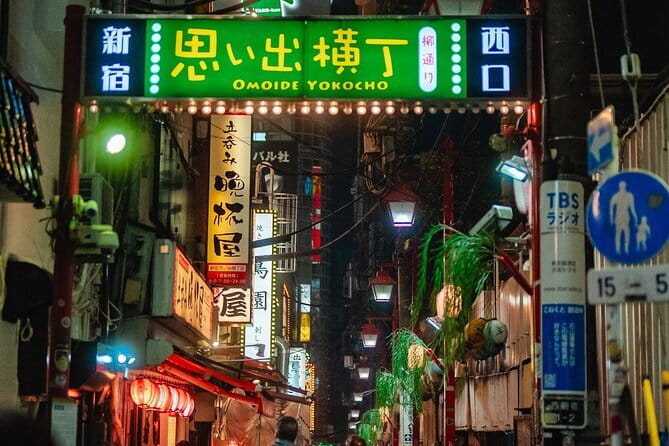
Shinjuku Golden Gai: Tiny Alleys, Postwar Atmosphere
Shinjuku Golden Gai is a favorite for people who like atmosphere. The sample schedule puts it at about 1 hour and marked as free admission.
This is a collection of narrow alleyways packed with tiny bars, known for its nostalgic feel connected to postwar Tokyo. Even if you do not plan to drink, the area is interesting to walk through because it looks like the city’s smaller scale survived.
Practical consideration: this is one of those places where you’ll want to check in with your guide about what feels comfortable for your group. Some alleys are more crowded than others, and bar spaces can be tight. If your group prefers early nights, Golden Gai can still work as a short photo and atmosphere stop.
It’s a strong way to end the day because it’s memorable and different from the daytime sights.
Picking Your Perfect Mix: From Akihabara to Odaiba
The sample itinerary is a helpful template, but the real point is that your route can shift. If you’re an anime or gaming fan, an Akihabara stop might be the right move. If you want fashion energy, Harajuku could fit better than garden time. If your group likes views and city silhouettes, Tokyo Tower or Odaiba might be worth swapping in.
Here’s the smart way to decide your mix:
- If you want classic landmarks, keep Asakusa and Shibuya.
- If you want calm breaks, protect the garden or shrine time.
- If you want everyday Tokyo, keep Shimokitazawa.
- If you want evening atmosphere, save Golden Gai.
This flexibility is also useful if your day depends on weather. If it’s raining hard, you might shift toward covered shopping streets or cultural stops. If the weather is great, gardens and parks start to feel even better.
The Guide Factor: Fluent English and Easygoing Organization
The guide experience is the backbone of this tour. You get a fluent English speaking guide, and from the pattern of guide performance, the day tends to feel smooth and stress-free. Guides like Satoshi and Rina are known for being friendly and organized, and for keeping families engaged.
What that means for you:
- You’re less likely to waste time at confusing intersections.
- You can ask questions in the moment and get straight answers.
- Your route can adjust if you want to linger or move on early.
If you travel with kids, this style can be a win because it’s easier to keep attention when the guide reads the room. If you travel as a couple or friends, the private format gives you control over the pace.
What You Should Plan For Before You Go
A few practical ideas will help you get more value out of an 8-hour plan focused on walking and multiple neighborhoods.
- Wear comfortable shoes. You’ll be moving between areas and spending time at each stop.
- Expect extra spending for entry fees at paid sites and for lunch, since neither is included.
- Expect some transit costs, since public transportation fees are not included.
- Bring a plan for food. Tsukiji gives quick food culture energy, but lunch is on you.
If you’re the type who likes to shop, set aside time early. Once the day gets full, it’s harder to browse slowly.
Should You Book This Private Tokyo Tour?
Book it if you want a Tokyo day that feels designed for you, not forced onto you. The private format, pickup convenience, and fluent English guide make a big difference when you want to see several distinct areas without spending the whole day making decisions.
Skip it if you prefer total DIY. If you’re comfortable navigating Tokyo, and you only want one or two highlights, the extra cost might feel steep.
If your group wants a balanced mix, this is a strong fit. You can cover old and new Tokyo, add food culture, take a break in a garden, and still end with an atmospheric neighborhood like Shinjuku Golden Gai.
FAQ
How long is the private tour, and how many stops will we visit?
The tour is about 8 hours and includes a walking plan of around 4 to 6 sites.
What time does the tour start, and do you offer pickup?
Pickup is offered from your location such as your hotel or Airbnb. Departure is flexible between 9AM and 11AM.
Is the itinerary customizable?
Yes. You connect before the tour to customize the itinerary to your interests, and the sample list of places is not exhaustive.
Are attraction entry fees included?
Attraction entry fees are not included. Some places in the sample are free, while others like Shinjuku Gyoen and Meiji Jingu are marked as not included.
Do we need to pay for transportation during the tour?
A private vehicle is not included, and public transportation fees are not included. The tour is near public transportation, so you should expect to cover transit costs as needed.
What is the cancellation policy?
You can cancel for a full refund if you do so at least 24 hours before the experience starts. Free cancellation is offered up to 24 hours in advance.
More Private Tours in Tokyo

More Tours in Tokyo


More Tour Reviews in Tokyo
Not for you? Here's more nearby things to do in Tokyo we have reviewed












Tokyo City Tours, side by side.
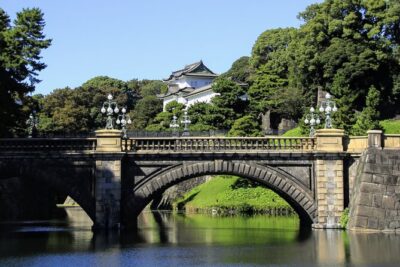 ★ 5.01-Day Tokyo Bus TourFrom $12914,250 reviews
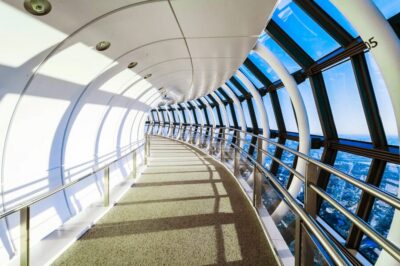 ★ 4.5TOKYO SKYTREE® Admission ticketFrom $1311,192 reviews
 ★ 4.6teamLab Planets TOKYO Digital Art Museum Entry TicketFrom $259,779 reviews
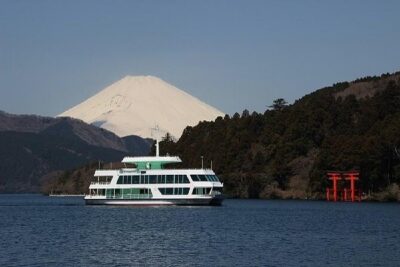 ★ 4.0Mt Fuji & Hakone Cruise, Drum Show Bullet Train 1 Day from TokyoFrom $1497,413 reviews
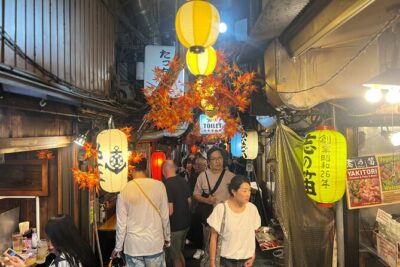 ★ 5.0Shinjuku Food Tour (13 Dishes at 4 Local Eateries)From $866,603 reviews
 ★ 4.4Tokyo Mt Fuji 5th St & Hakone Cruise Bus Tour w/Bullet TrainFrom $1545,024 reviews
 ★ 5.0Flagship 2-Hours Official Street Go-Kart Tour – Tokyo Bay ShopFrom $644,974 reviews
 ★ 4.5From Tokyo: Mount Fuji Full-Day Sightseeing TripFrom $684,970 reviews