
Review · TOKYO CITY TOURS
Variety of Tokyo or Yokohama Tours Customizable and Memorable
Tokyo makes sense on foot. This private walking tour is built to help you connect the big names like Shibuya and Asakusa with the smaller side streets that make Tokyo feel livable. I especially loved how you can customize your route around your hotel and interests, and I liked that the guide talks through history and practical how-to tips instead of just pointing at buildings. One consideration: it is not a sit-and-watch tour, expect solid walking and plan for a minimum of 10,000 steps.
You also get a real choice, Tokyo or Yokohama, both covered in the same flexible day format. In Yokohama, I like the mix of Chinatown, Yamashita Park views, and shopping stops, then finishing with a more calm, garden-style pace. The possible drawback is simple: you will move from one area to another using train and metro, so you need to stay on your guide’s timing to avoid getting separated.
The value for the price is honestly impressive. At about $10 per person, you are mostly paying for planning support, route guidance, and a native English host who can help with decisions on the ground, plus a mobile ticket and pickup option. Just remember meals are not included, and you will need to budget for some transit costs, plus Sankeien Garden admission if you choose the Yokohama garden finish.
Key Points Worth Knowing Before You Go
- Custom route planning with hotel input so the day fits your schedule instead of forcing a fixed path
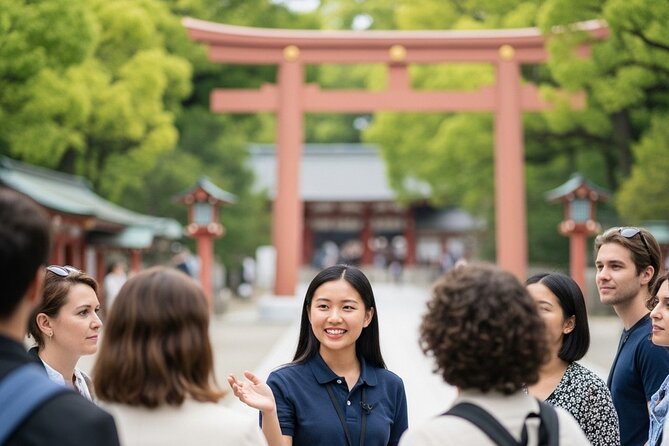
- Native English speaking guide with stories, history, and practical local tips, not just directions
- Tokyo option that can cover Harajuku, Shibuya, Asakusa, Ueno, Tsukiji, Tokyo Tower, Zojoji Temple, and Imperial Palace areas
- Yokohama option focused on Chinatown, harbor views at Yamashita Park, and the Red Brick Warehouse shopping and food zone
- Sankeien Garden as a slower finale in Yokohama (admission paid onsite)
- Private tour for your group with chat support for route ideas, train tips, and even money exchange guidance
What the $10 Price Actually Covers (and What You’ll Still Pay)
At $10 per person, this is one of those deals that feels almost too good until you look at the fine print. You are not buying luxury transport, because this is a walking tour using trains and metro, and meals and drinks are not part of the package.
You may also see a small extra cost depending on your group size. Public transportation bus or train fares are listed as roughly ¥400 to ¥700 one-way depending on the route, and train fare is not included for groups under 5. If you are traveling with a group of 5 or more, you can get help with entrance fee and transportation for one location, paid by Happy Travels Japan, but you should still expect to pay at least some costs along the way.
For Yokohama, Sankeien Garden is a clear example of what to budget. Admission for Sankeien is ¥700 for adults and ¥200 for children under 15, payable onsite, and it is specifically listed as not included. That is still a fair trade for a garden visit, but it is something to plan for so you do not get surprised at the gate.
You can also read our reviews of more tours and experiences in Tokyo.



Setting Off With a Native English Guide and Route Flexibility
The best part of this experience is the way it starts before you even meet. You can choose your start time and tour length when booking, and the guide plans your day based on your hotel location and what you actually care about.
That flexibility matters in Tokyo. You can structure the day around classic landmarks, or you can bias it toward shopping districts and food stops. The Tokyo option is described as covering major areas like Harajuku and Shibuya, then moving into Asakusa and Ueno, and even reaching Tsukiji and the Tokyo Tower area. Then, with customization, you might also work in places like Yanaka Ginza and smaller shrines, the kind of Tokyo detail that often takes visitors a day or two to find on their own.
For Yokohama, the route has its own logic. You get Chinatown first, then Yamashita Park harbor views, then the Red Brick Warehouse shopping and food stop, and finally Sankeien Garden as a more traditional end. If you like your travel days to feel organized but not robotic, this format works well because the guide can adjust pacing without dropping the key highlights.
I also liked the direct communication approach. You can chat with your host to plan your route and get personal recommendations, and you get support with money exchange, additional hotel booking, and train travel tips. That kind of practical help turns the first day in Japan from confusing into manageable.
Tokyo on Foot: Harajuku, Shibuya, Asakusa, Ueno, and Tsukiji
If you choose Tokyo, you should expect a classic neighborhood cross-section rather than a single-theme march. The day is designed to connect youth-culture streets, old-town temple areas, and the market and skyline side of the city.
Start around Harajuku and Shibuya, where Tokyo’s energy is on full display. This is the part of town where you will see people moving fast, storefronts stacked tight, and a city that feels like it runs on curiosity. Walking through these areas with a guide helps because you are not just staring at what is in front of you, you are learning how the neighborhoods fit together.
Next, you shift toward Asakusa and Ueno, and the tone changes. Asakusa is where Tokyo leans into tradition, and Ueno is where you can feel the city’s calmer rhythm. Even without a specific museum plan, these stops are valuable because they break up the sensory overload of central Tokyo with places that feel more human-scale.
Then comes Tsukiji and the fish market area. Even if you are not planning a food-heavy day, Tsukiji is useful for understanding what Tokyo organizes its daily life around. You will get a sense of the market culture and how the surrounding streets support it, which is something you miss if you just do photo stops.
A small practical point: the tour is walking-focused and designed for moderate fitness. That is perfect if you enjoy walking and want to see more than one district per day. If your energy is limited, you might want to choose a shorter route length when booking, because the full flow covers a lot of ground.
Tokyo’s Landmark Loop: Tokyo Tower, Zojoji Temple, and the Imperial Area
After the neighborhood chapters, the Tokyo day adds big, recognizable landmarks. It also does something smart, it mixes modern views with religious and civic sites so the day does not feel like one long photo session.
One of the central highlights is Tokyo Tower. The listing frames it as part of the flow, and it is a great anchor because it gives you an easy mental map for where you are in the city. This is also a good moment to pause, take a breather, and reset your legs before the next stretch.
Then you move to Zojoji Temple, and this is where the tour’s balance pays off. Tokyo can feel nonstop, but walking from a skyline landmark into a temple area helps you slow down naturally. You get a chance to look at how these spaces function in daily life rather than treating them like a museum exhibit.
The day also includes the Imperial Palace area. Even if you are not there for palace walls specifically, the area is useful because it frames Tokyo as more than just entertainment and shopping. It helps you understand the city’s official, historical center in a way that makes the rest of your trip click.
If you want a more authentic feel, the customization piece is where you can shape how “touristy” the day feels. The experience description specifically mentions hidden shrines and local gems that can rival the kind of shrine charm people associate with Kyoto. That is not a promise of one exact place, but it is a direction the guide can use when building your walking path.
Yokohama Chinatown, Yamashita Park Harbor Views, and Red Brick Stops
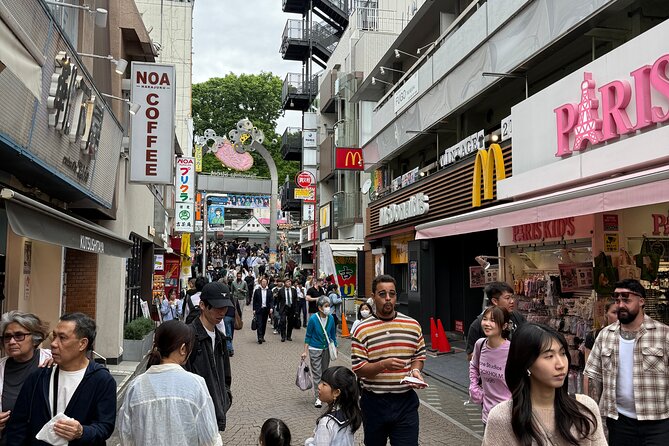
Choosing Yokohama is a smart way to see a different side of the Tokyo region. It has a harbor mood that feels calmer than central Tokyo, and the food and shopping stops help the walking day stay fun.
The day begins with one of the largest Chinatowns in the world. Chinatown works well on a walking tour because the streets reward slow attention. You can sample foods, check out storefront energy, and get a sense of how the area breathes during the day.
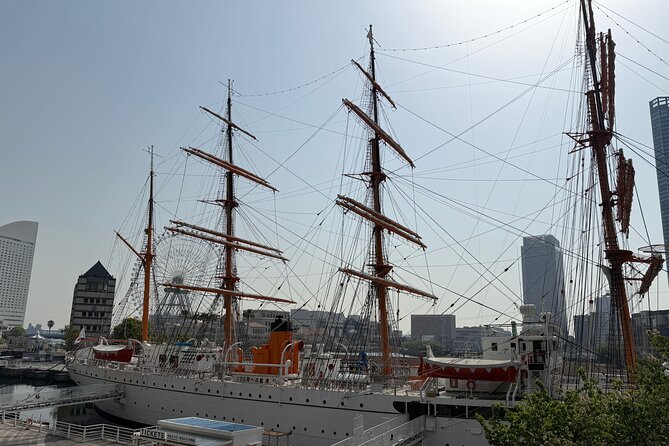
Next is Yamashita Park, which is where you get harbor views. Even if you are not a pure scenery person, this stop is a useful reset. You see the water, you get a bit of open space, and your brain stops overheating from the city density.
Then you head to the Red Brick Warehouse area. This is where the tour shifts back into food and shopping mode. It is an easy place to spend time because there are multiple stalls and shops in one zone, so you can grab something without plotting an entire outing.
Yokohama’s “why it matters” is part of the experience too. The guide is expected to share Yokohama’s history and its significance in how modern Japan developed. That context helps you appreciate the changes around the harbor instead of treating every street as just another photo opportunity.



Sankeien Garden as Your Yokohama Time Capsule Ending
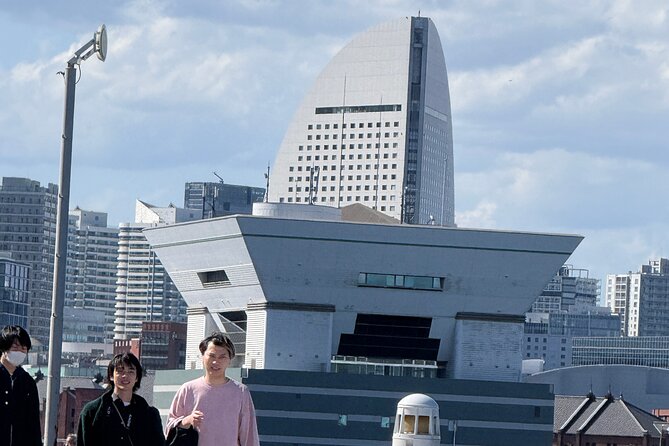
If you want a quieter finale, Sankeien Garden is the best reason to pick the full Yokohama option. The garden is described as a time capsule from the Edo Period, and it is the kind of stop where walking slows down on its own.
This is also where the tour design makes sense. After the active feel of Chinatown and the shopping vibe near Red Brick Warehouse, Sankeien gives you space to sit, look, and absorb. You will likely feel your pace naturally drop, which is what you want in a 7-hour walking day.
One thing to plan: admission is not included. The listing is clear that you pay onsite, so keep a little cash or a card ready. If you skip the garden option, you would likely lose the most traditional and slower element of the day, so think about your preferences before you commit.
How to Prepare for a 7-Hour Walking Tour Without Burning Out
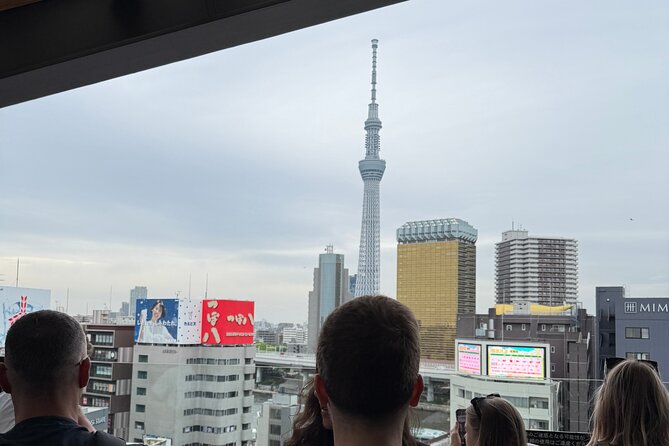
This experience is walking-first. You should treat it like a full day on your feet, with an emphasis on districts rather than getting pulled along by a vehicle.
Expect up to a minimum of around 10,000 steps, and the description says moderate fitness is required. If you know you usually struggle with long walks, you might want to choose a shorter tour length when booking. You can also reduce stress by wearing shoes that are already broken in. Japan is great, but cobblestones and crowded station sidewalks do not care about your blisters.
Weather matters too. The tour notes that it requires good weather, and if conditions are poor, you are offered a different date or a full refund. That is not something you can control, but it is comforting to know you are not stuck with a ruined day.
Also, bring realistic expectations about meals. Meals, snacks, and drinks are not included, so plan to eat on your own schedules. The upside is freedom. You can follow the guide’s food suggestions without being locked into a specific meal.
Who This Tour Fits Best (and Who Should Skip It)
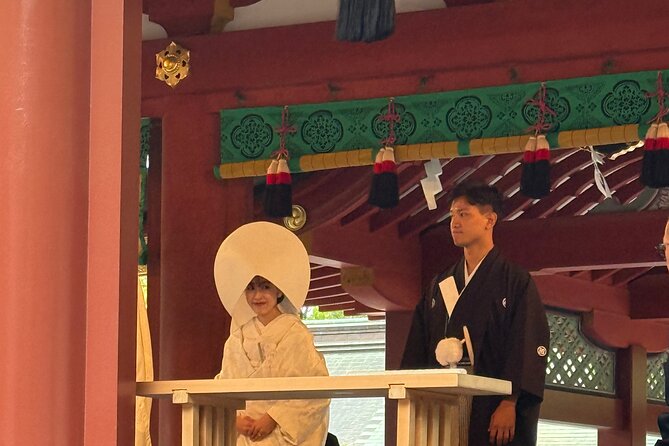
I think this tour is best for first-timers who want structure but still want freedom. If it is your first time in Tokyo or Yokohama, you get a route that hits major districts and landmark zones while still giving room for customization.
It also fits travelers who like walking and want local context. This is not a vehicle-based sightseeing loop. It is a guided day where you trade some comfort for better understanding and faster orientation.
It may not be ideal if you cannot handle long walking days. The tour is not recommended if you cannot walk a minimum of 10,000 steps, and it is walking tour only, no private car or bus.
If you are worried about keeping up, take comfort in the way guides handle groups. One review highlights that the guide, Jack, was great at helping someone stay with the group when a daughter tended to fall behind, so the day ran with less hassle. That is a good sign for families and groups that need steady guidance.
Should You Book This Tokyo or Yokohama Walking Tour?
Book it if you want a guided day that helps you connect the dots fast. The guide planning, the chat support, and the focus on history plus insider tips mean you will spend your time more wisely than if you try to stitch together a perfect route alone.
Book it if you like variety. Tokyo gives you a mix of Shibuya and Harajuku energy, old-town temple areas like Asakusa, market-zone flavor near Tsukiji, and landmark stops around Tokyo Tower and the Imperial area. Yokohama gives you Chinatown, harbor views at Yamashita Park, Red Brick Warehouse shopping, and a calmer finish at Sankeien Garden.
Consider a different option if you hate walking or you need lots of sit-down time. This is also not the best choice if you expect meals or major admissions to be fully included, because meals are on you and Sankeien Garden admission is paid onsite.
If you do book, I suggest you set expectations up front with your guide. Tell them what you want most, and what you want to skip, then plan your footwear and water like it is a real walking day. That is how you get the best value from a tour like this, smart guidance plus a route that feels like your day, not someone else’s checklist.
FAQ
How long is the Tokyo or Yokohama tour?
The tour duration is approximately 7 hours, and you can choose your preferred start time and tour length when booking.
Is this a walking tour only?
Yes. It is a walking tour only, with travel by train and metro. No private car or bus is included.
What is included in the tour price?
You get a native English speaking expert local guide, help planning your route based on your hotel and interests, chat support for personal recommendations and train tips, and assistance with money exchange and additional hotel booking. Entrance fee coverage applies for groups of 5 or more for one location, and a mobile ticket is provided.
Are meals included?
No. Meals, snacks, and drinks are not included.
Do I have to pay for Sankeien Garden admission?
Yes. Sankeien Garden admission is payable onsite at ¥700 for adults and ¥200 for children under 15.
Is there free cancellation?
Yes. You can cancel for a full refund up to 24 hours before the experience start time. The experience also requires good weather, and if canceled due to poor weather, you are offered a different date or a full refund.
More Tours in Tokyo
More Tour Reviews in Tokyo
Not for you? Here's more nearby things to do in Tokyo we have reviewed












Tokyo City Tours, side by side.
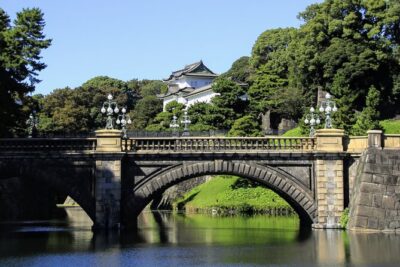 ★ 5.01-Day Tokyo Bus TourFrom $12914,250 reviews
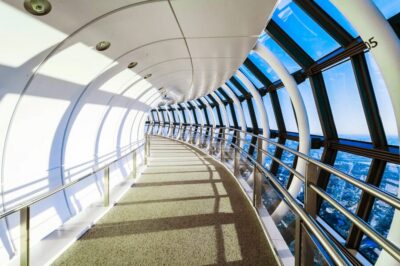 ★ 4.5TOKYO SKYTREE® Admission ticketFrom $1311,192 reviews
 ★ 4.6teamLab Planets TOKYO Digital Art Museum Entry TicketFrom $259,779 reviews
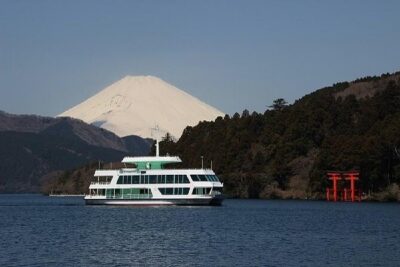 ★ 4.0Mt Fuji & Hakone Cruise, Drum Show Bullet Train 1 Day from TokyoFrom $1497,413 reviews
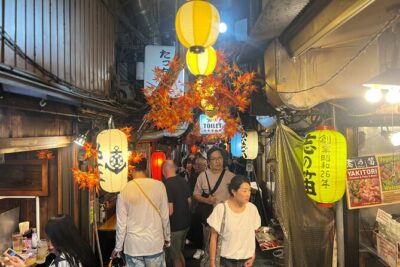 ★ 5.0Shinjuku Food Tour (13 Dishes at 4 Local Eateries)From $866,603 reviews
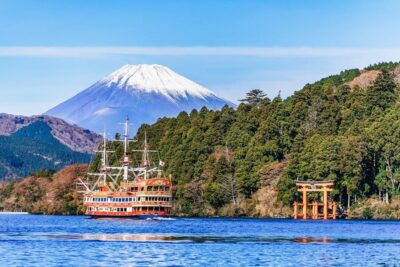 ★ 4.4Tokyo Mt Fuji 5th St & Hakone Cruise Bus Tour w/Bullet TrainFrom $1545,024 reviews
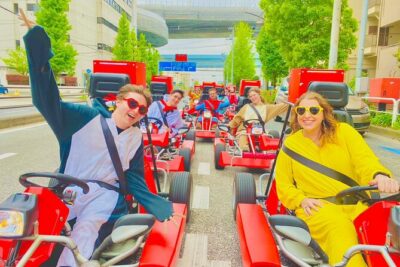 ★ 5.0Flagship 2-Hours Official Street Go-Kart Tour – Tokyo Bay ShopFrom $644,974 reviews
 ★ 4.5From Tokyo: Mount Fuji Full-Day Sightseeing TripFrom $684,970 reviews
This tour also belongs to