
Review · MOUNT FUJI TOURS
Tokyo: Full-Day Tour of the Six Majestic Spots of Mt Fuji
Mirror-morning Fuji is hard to beat. This full-day Mt. Fuji outing from Tokyo strings together lakes, springs, and photo spots built around one big idea: get the mountain in your frame, not just in your head, with morning reflections at Lake Yamanaka and classic viewpoints like Arakurayama and Kawaguchiko. You’ll move by air-conditioned vehicle, stop often enough to reset your eyes, and spend the day chasing that rare feeling of being outside the city.
Two things I like a lot: the chance to shoot Hirano Beach while it’s calm, plus the resident swans that make the shoreline feel alive. I also love the UNESCO Oshino Hakkai springs, where eight meltwater-fed pools sit in a traditional village setting, so the sights are more than just a backdrop.
One drawback to plan around: Fuji visibility is weather dependent. If clouds roll in, your big photo moment may not land the way you hoped, though you’ll still see lovely places and get a structured day out of Tokyo.
Key highlights at a glance
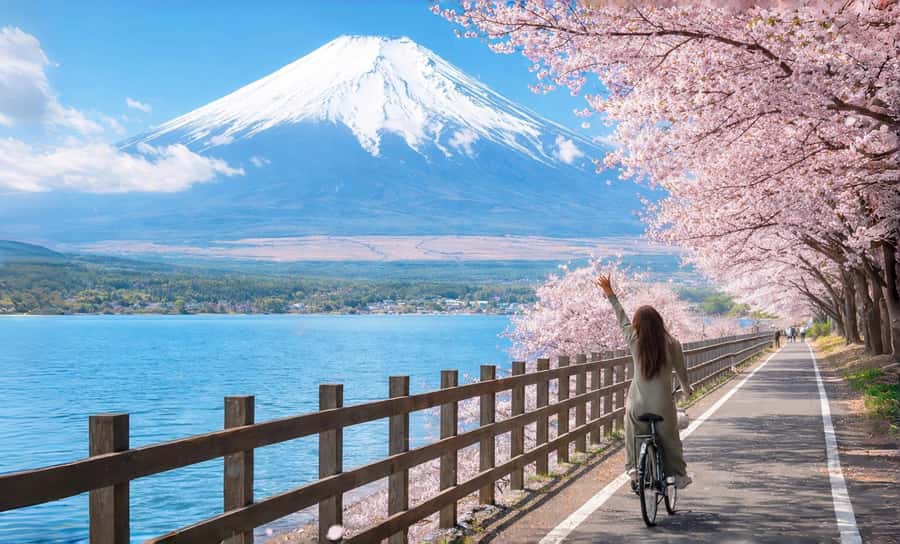
- Hirano Beach morning reflections, one of the only times you can realistically get that mirror-like Fuji effect on the lake
- Higashikawa Clock Shop, the long road perspective that makes Fuji feel close without walking right up to it
- Arakurayama Sengen Park, the red five-story pagoda viewpoint framed by seasonal cherry blossoms or autumn leaves
- Oshino Hakkai Springs, eight crystal-clear pools fed by Mt. Fuji snowmelt in a traditional thatched-roof village
- Oishi Park at Kawaguchiko, seasonal flower fields with Fuji as a repeat photo subject year-round
Why this Fuji day trip works so well from Tokyo
This tour is built for people who want “Mt. Fuji moments,” not just a single view. For $45, you’re getting transportation by air-conditioned vehicle plus a guide and driver for the full day. That matters because getting around the Fuji area on your own can eat time, energy, and money fast.
It’s also a smart mix of styles. You’ll do calm water reflections (Lake Yamanaka), a street-and-store photo stop (Higashikawa Clock Shop and Lawson), a classic temple viewpoint (Arakurayama), then nature and village scenery (Oshino Hakkai), and finish with a flower garden that changes with the season (Oishi Park). If you’re the type who likes photos, this flow keeps you working the angle without the trip feeling repetitive.
One more practical note I always tell friends: Mt. Fuji is the star, but it’s not in charge. Clouds can take the edge off the view, and the tour can’t guarantee clear skies. Still, the stops are varied enough that a cloudy day doesn’t feel like a total loss.
More Tokyo tours and experiences for the shortlist
Hirano Beach: the morning-only mirror shot and swans
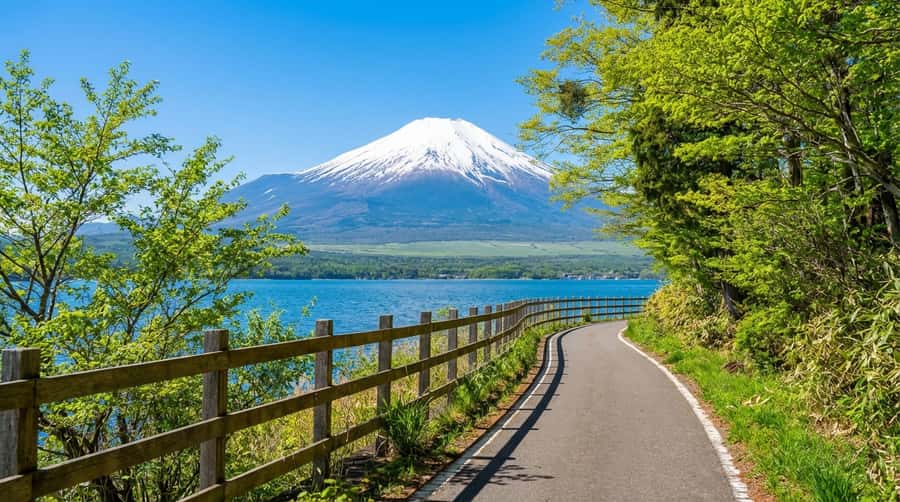
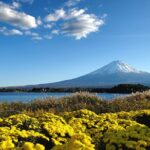
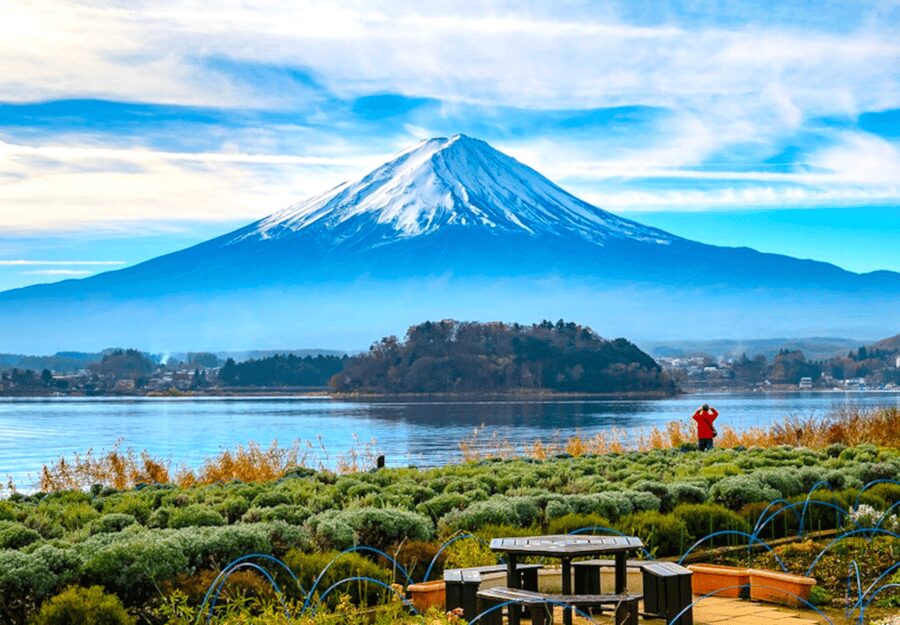
Hirano Beach sits on the northeastern part of Lake Yamanaka, and it’s the reason this tour starts earlier than a lot of people expect. The shoreline is gravel, and the payoff is the calm water look. The best dual shot happens only in the morning, when you’re most likely to catch a reflection of Mount Fuji on the lake surface.
There’s also a charming wildlife factor: the area is home to resident swans. That turns a standard viewpoint into something more personal. You’re not just photographing scenery, you’re watching nature do its thing right next to you. Keep your expectations realistic, though. You’ll have your best chances early, and you’ll want comfortable shoes because you may be stepping around uneven ground.
If you care about photos, this is the stop to treat like your main assignment. Arrive ready to work quickly, because morning light and water calm don’t stick around all day.
Higashikawa Clock Shop and the Lawson selfie stop
After Lake Yamanaka, the tour shifts gears into “cinematic perspective.” Higashikawa Clock Shop is famous for a quiet road view that looks like it stretches endlessly toward Mount Fuji. The trick here is distance and framing: you get the Fuji in your backdrop without needing to physically reach the mountain.
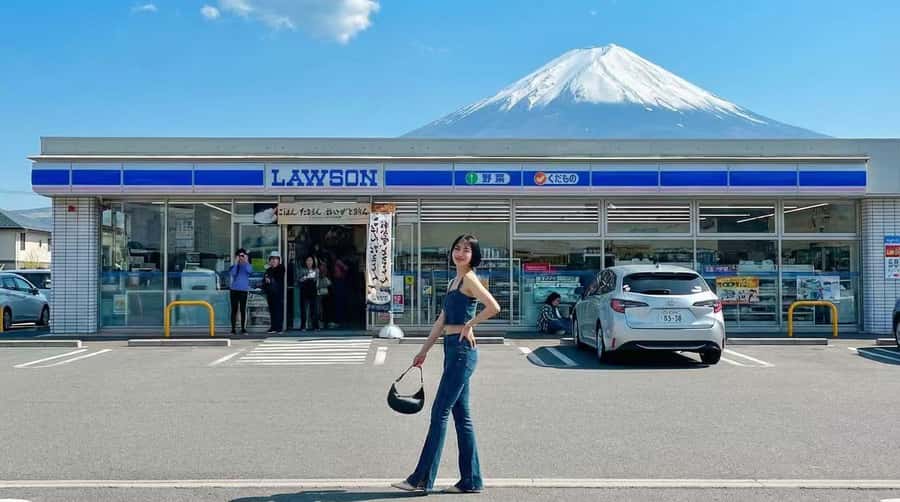
Then you’ll stop at a Lawson store that’s become its own kind of photo landmark. It isn’t just for snacks. The store’s minimalist look and the Fuji-facing windows create a simple, clean setup for phone pictures. People often love it because it feels effortless, like the photo practically takes itself.
Practical tip: this is a good moment to handle quick needs. Your tour includes transportation and guiding, but it does not include food or drinks, and you’re not meant to eat in the vehicle. Plan on getting snacks during the stop windows, then reset your bag and water for the next leg.
Asama Park and Arakurayama Pagoda views up close
You’ll visit Asama Park as part of the route, then you’ll head toward Arakurayama Sengen Park near Shimoyoshida Station. This is where the tour leans into the classic postcard view: Fuji framed by seasonal color.
At Arakurayama, you walk up stone steps to the red five-story pagoda viewpoint for panoramic looks. In spring, you’re hoping for cherry blossoms around the pagoda. In autumn, you’re looking for vibrant foliage in the same framing style. Either way, the goal is the same: get Fuji positioned in the scene like it belongs in the picture.
Two things to keep in mind. First, the steps matter. The tour notes that wheelchair access is not available for the pagoda steps, so this is not a sit-and-snap location. Second, the park can get busy, especially in peak seasons. If you’re going for the best angles, you’ll want to move thoughtfully and give yourself a little time to wait for the view to open up.
When you’re done, there’s also a chance to slow down with coffee in the small village below. That break is useful. It gives your eyes a rest after the photo climb, and it makes the pagoda stop feel less like a checklist.
Oshino Hakkai Springs: eight pools, UNESCO scenery, and that calm village walk
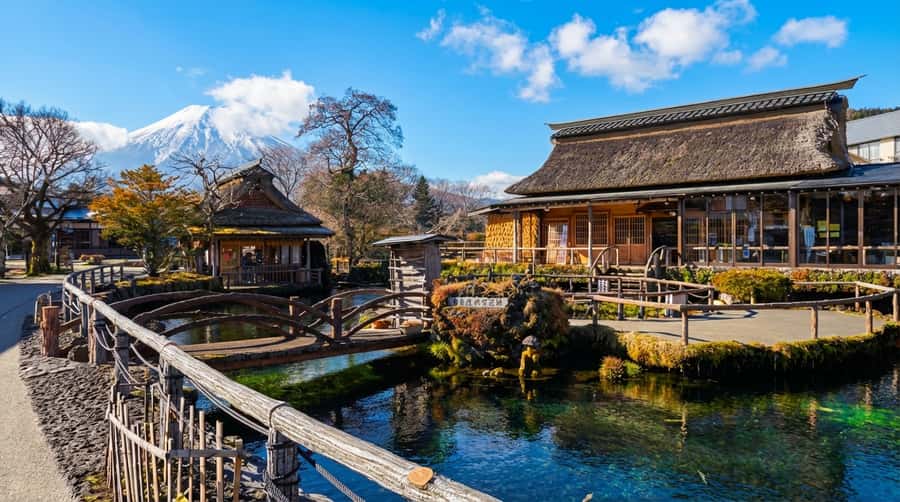
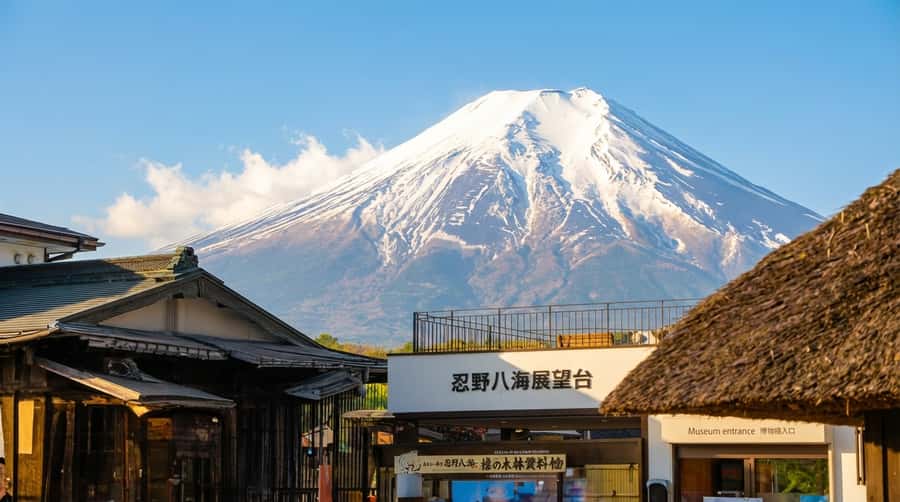
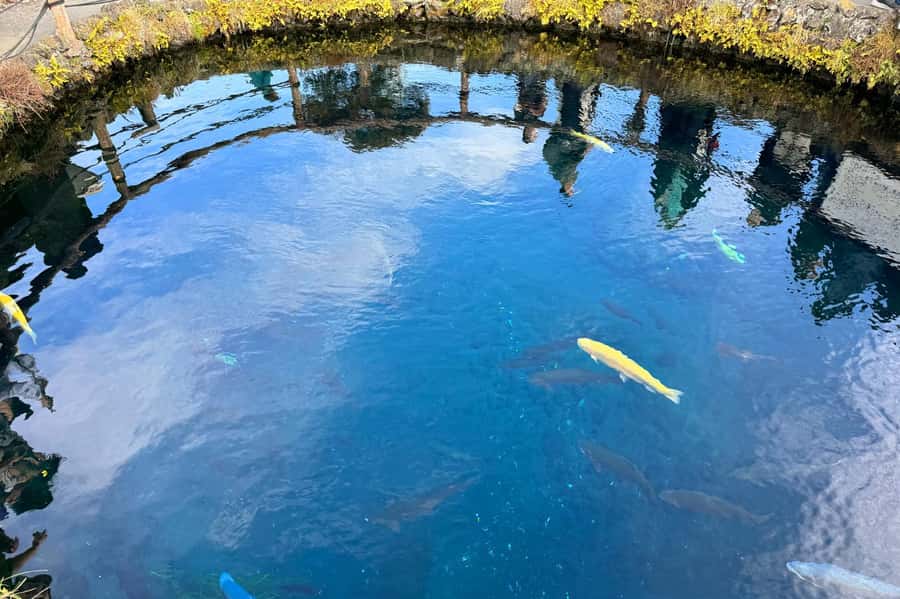
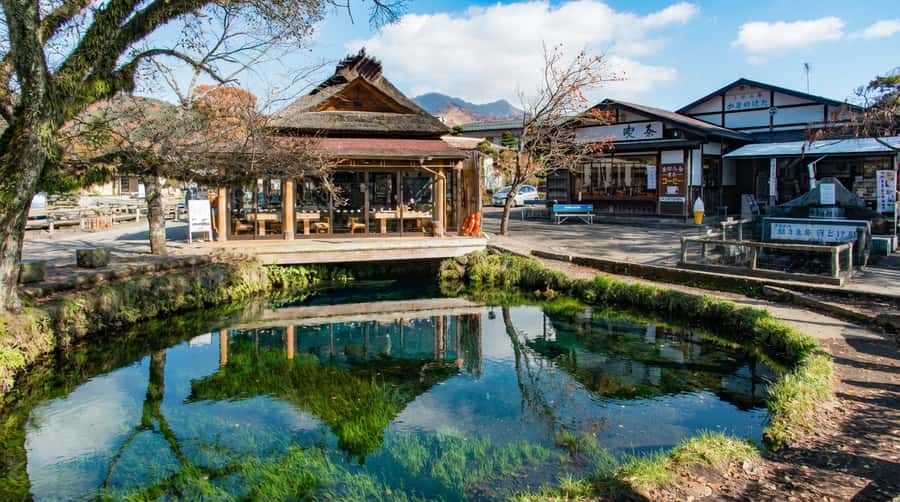
Oshino Hakkai is the tour stop that feels like a mini escape from everything. This UNESCO site features eight crystal-clear springs fed by melted snow from Mount Fuji. The water is the star, with a turquoise look that makes the village path feel special even if you’re not chasing photos aggressively.
The walk itself is part of the experience. You’ll move through a traditional village with thatched-roof buildings, cross wooden bridges, and keep your eyes on the water as it reflects the surrounding scenery. This is one of those places where slowing down helps. Instead of rushing to the next view, you get to watch the water and the reflections change as you reposition.
Also, the spring-fed water is more than aesthetic. It ties the whole Mt. Fuji theme together, because it connects what you’re seeing today to the mountain’s snowmelt. That makes the area feel grounded, not just scenic.






Oishi Park at Kawaguchiko: flowers that change the whole mood
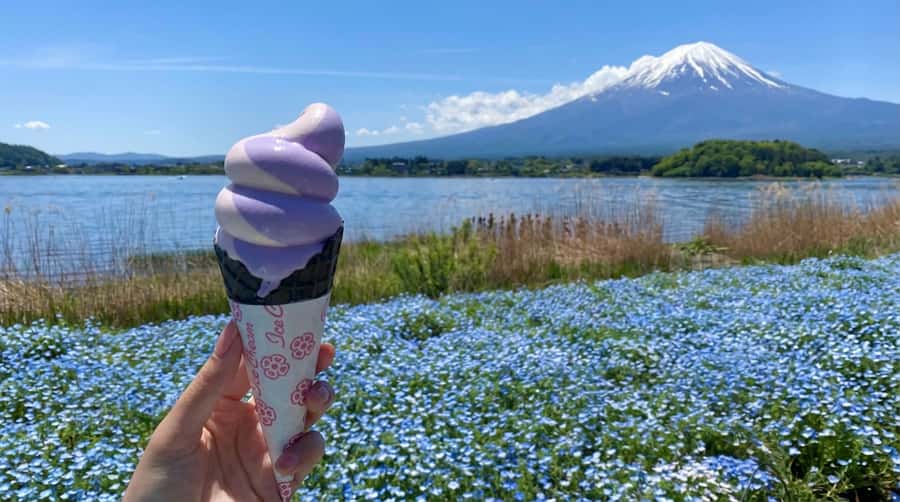
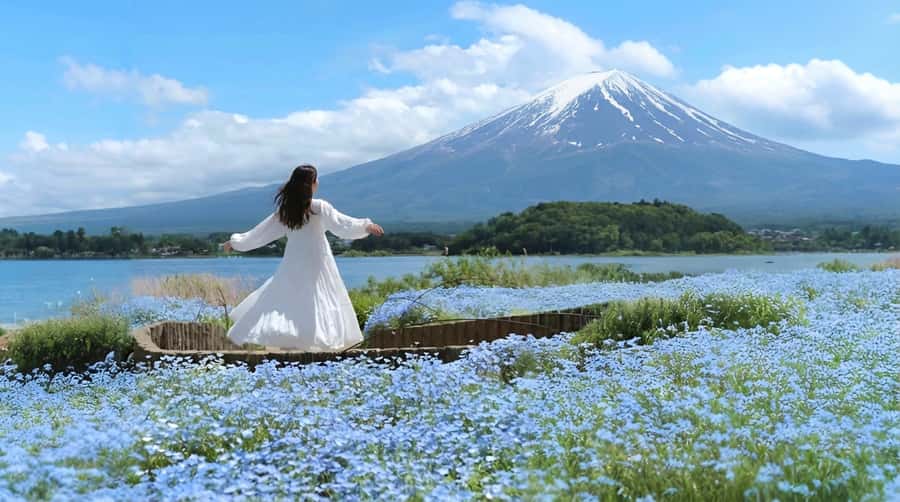
The day closes with Kawaguchiko’s Oishi Park, known for seasonal flower fields with Fuji in the backdrop. If you love color, this is where the tour turns into a full visual palette.
Expect different blooms depending on the time of year:
- April: tulips, daffodils, and rapeseed flowers
- May: carpet-like moss phlox
- June to July: lavender fields, linked to the Kawaguchiko Herb Festival
- August to October: begonias
- November: scarlet maple leaves
The key idea is repetition. You can spend time moving through the flower beds, taking multiple shots with Fuji appearing behind different rows and textures. It’s a classic “watch the season do the work for you” stop.
One caution: flower seasons can shift slightly. The tour itself notes that bloom timing may vary, so don’t plan your photos around a single perfect expectation. If the colors aren’t exactly what you hoped, you’ll still get a strong Fuji view plus the whole garden layout.
How the day runs, from buses to photo pacing
You’ll depart from Tokyo and ride in an air-conditioned vehicle. The driver also works as your guide for small daily groups, with limited English commentary while the vehicle is moving. The tour includes a multilingual setup for international guests, with languages listed as English and Chinese. For people who want clear explanations at each stop, this structure can work well, as long as you’re ready to ask questions at the park windows rather than while traveling.
A few timing realities matter:
- Morning is when you want to prioritize Fuji reflections at Hirano Beach.
- Weekends and holidays can bring traffic jams or early closures, and the tour may adjust the stop order.
- If an attraction closes due to weather, the plan can switch to other spots, with no refunds for changes tied to force majeure.
Also, keep in mind that some locations can get crowded in peak seasons. If your goal is photos, plan to be patient. Busy doesn’t mean bad, it just means you’ll spend more time waiting for clean sightlines.
Finally, note what’s not included. You won’t have hotel pickup and drop-off, and you’ll need to meet at the scheduled meeting point. The tour ends back where you started, so you’re not stranded far from your base.
Price and value: what $45 really buys you
At $45 per person, this tour feels like value because it bundles logistics. You’re paying for transportation out of Tokyo, a guide, and a driver to connect multiple Fuji-area sights in one day. Without a group, you’d likely spend more on rides or lose time coordinating buses or trains between far-flung viewpoints.
What the price does not cover is important. Food and drinks are not included. Personal expenses are not included. Insurance is not included, and the tour explicitly states it excludes personal travel or accident insurance, so you should consider your own coverage.
For most people, the best value strategy is simple: pack smart. Bring comfortable shoes and clothes for walking and photo time. Skip relying on eating on the bus, because you’re not meant to eat or drink in the vehicle. Instead, plan to buy snacks and water when the stops allow it.
One more note from rider feedback I’ve seen in the provided info: the A/C on the bus worked for most people, but at least one person reported it wasn’t cooling well. That’s not guaranteed, so if you’re heat-sensitive, keep water and a light layer ready.
Who should book, and who should think twice
This is a good fit if you want a structured day built around Mount Fuji photos and a mix of lake, village, and seasonal flowers. It’s especially strong for people who can handle a morning start and do a bit of walking at viewpoints like Arakurayama.
It’s not suitable for everyone. The tour lists these exclusions:
- Pregnant women
- Wheelchair users
- People with high blood pressure
- People over 70
Also, Arakurayama includes pagoda steps that are not wheelchair accessible. So if you have mobility limits, you should consider whether you’re comfortable with steps and crowded areas.
Should you book this Mt. Fuji full-day tour?
Book it if you want a day in the Fuji region that mixes photo-heavy stops with nature and village scenery, and you like the idea of a tight schedule that gets you out of Tokyo. The morning-first plan at Hirano Beach is a standout, and Oshino Hakkai adds substance beyond photos.
Skip or adjust expectations if you’re traveling with health limits listed above, or if you know you struggle with walking steps. Also, if your trip timing is cloud-prone, be ready for the possibility that Fuji won’t look crisp all day. Even then, the stops are varied enough that the day still has value, but the dream mirror shot depends on conditions.
If you’re flexible, pack comfortable shoes, and treat the morning at Lake Yamanaka as your main goal, you’ll get a well-rounded Fuji day with plenty of chances to make the mountain part of your photos.
FAQ
Is transportation included in the tour price?
Yes. The tour includes transportation in an air-conditioned vehicle, plus a tour guide and driver.
Does the tour include hotel pickup and drop-off?
No. It does not include hotel pickup or drop-off. You’ll meet at a meeting point that may vary depending on the option booked, and the tour ends back at that meeting point.
What food and drinks are included?
None. Food and drinks are not included, and you should not eat or drink in the vehicle.
Where is Hirano Beach located, and why is it special?
Hirano Beach is on the northeastern part of Lake Yamanaka. It’s known for morning-only opportunities to capture Mount Fuji with a lake reflection, and it’s also home to resident swans.
What makes Higashikawa Clock Shop a must-see on this day?
The road perspective at Higashikawa Clock Shop is designed for scenic Fuji framing, creating the illusion of infinite proximity without actually reaching the mountain.
What can I see at Oshino Hakkai Springs?
Oshino Hakkai features eight crystal-clear springs fed by melted snow from Mount Fuji, set in a traditional village area where you can walk between wooden bridges.
What flowers are in season at Oishi Park?
Oishi Park changes by season. The tour notes tulips and daffodils in April, moss phlox in May, lavender in June to July, begonias in August to October, and scarlet maple leaves in November. Bloom timing can vary slightly.
Is the Arakurayama pagoda area wheelchair accessible?
No. The tour notes that all stops are wheelchair-accessible except Arakurayama Sengen Park’s pagoda steps.
What languages are available on the tour?
The tour lists Chinese and English. International guests are hosted with multilingual services (not single-language).
What is the cancellation window?
You can cancel up to 24 hours in advance for a full refund.
More Full-Day in Tokyo
More Tours in Tokyo

More Tour Reviews in Tokyo
Not for you? Here's more nearby things to do in Tokyo we have reviewed












Mount Fuji Tours, side by side.
 ★ 5.0Mt Fuji and Hakone 1-Day Bus Tour Return by Bullet TrainFrom $16326,383 reviews
 ★ 4.0Mt Fuji & Hakone Cruise, Drum Show Bullet Train 1 Day from TokyoFrom $1497,413 reviews
 ★ 4.4Tokyo Mt Fuji 5th St & Hakone Cruise Bus Tour w/Bullet TrainFrom $1545,024 reviews
 ★ 4.5From Tokyo: Mount Fuji Full-Day Sightseeing TripFrom $684,970 reviews
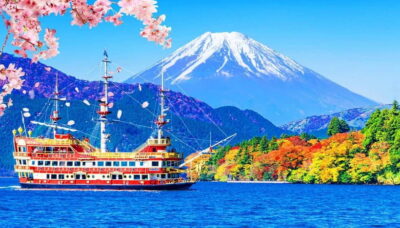 ★ 4.7Mt. Fuji Tour, Hakone Ropeway, Owakudani, Lake AshiFrom $544,002 reviews
 ★ 4.2Mt. Fuji 5th Station & Hakone Cruise 1-Day Bus TourFrom $1292,381 reviews
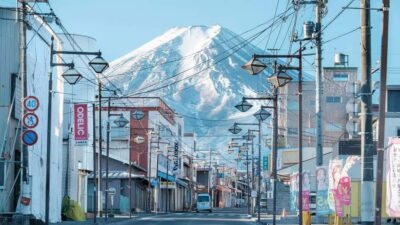 ★ 4.7Mt Fuji Top 5 Spots Day Tour: Arakurayama Park,Oshino HakkaiFrom $532,066 reviews
 ★ 5.0Private Tour to Mt. Fuji and Hakone (Fully Licenced Operator)From $4971,910 reviews