
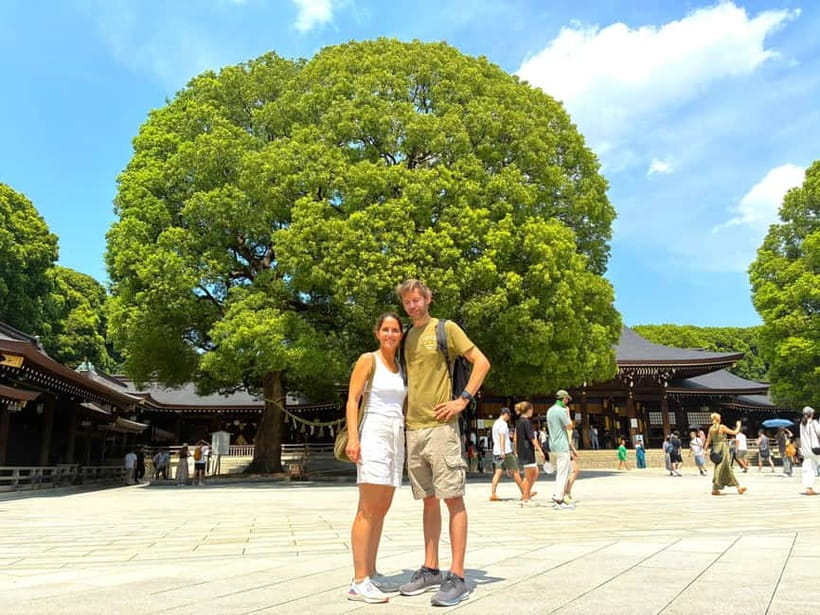
Review · MEIJI SHRINE TOURS
Tokyo: Meiji Jingu Shrine & Inner Garden Guided Tour (2h)
Finding calm in Tokyo takes a shortcut. This Meiji Jingu Shrine and Shinen Garden tour guides you through the rituals and garden paths so you can actually understand what you are seeing, not just walk past it. I particularly like the way the visit builds from the first torii gate to the main shrine, and I also like the hands-on moments like the handwashing ritual and the fortune-telling. One possible drawback is that you are moving at a steady walking pace for a 2-hour tour, so if you want long, slow stops for photos, you may feel slightly time-pressed.
The big value here is that the guide is not only pointing out sights, they are translating the meaning behind them. You will learn about the sake barrel offering and the idea of the Eternal Forest, plus how to pray in a way that fits the space. Past groups have praised guides such as Minoru-San for detailed explanations and anecdotes, Kai for connecting the shrine to wider Japanese culture, Kyo for adding fresh perspective, and Takashi for clear historical background and friendliness.
If you are visiting Tokyo with limited time, this tour makes a shrine day feel organized and doable. If you are the type who likes to wander on your own without any schedule, you might prefer free exploration instead.
Key things to watch for on this Meiji Jingu tour
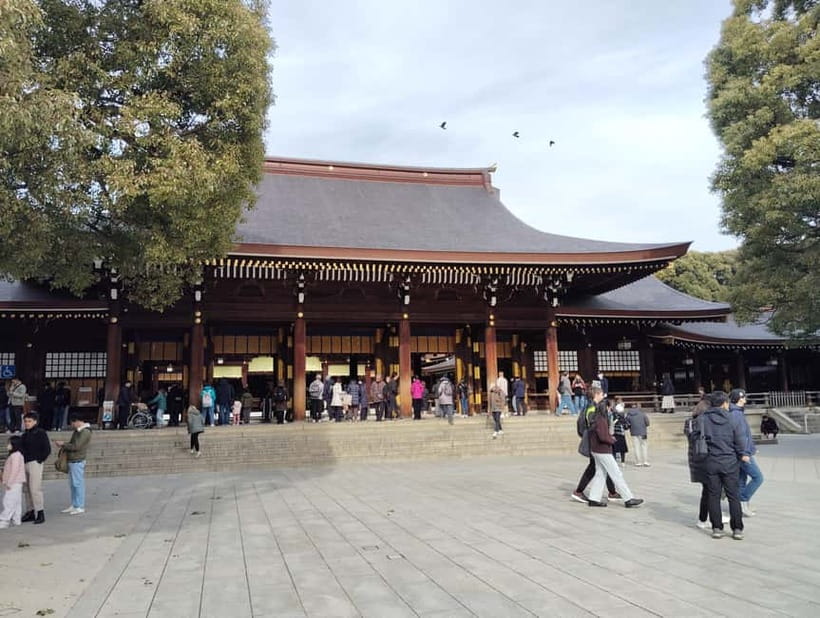
- Starting at Ichinotorii (the first torii), you get a clear orientation before you enter the sacred grounds
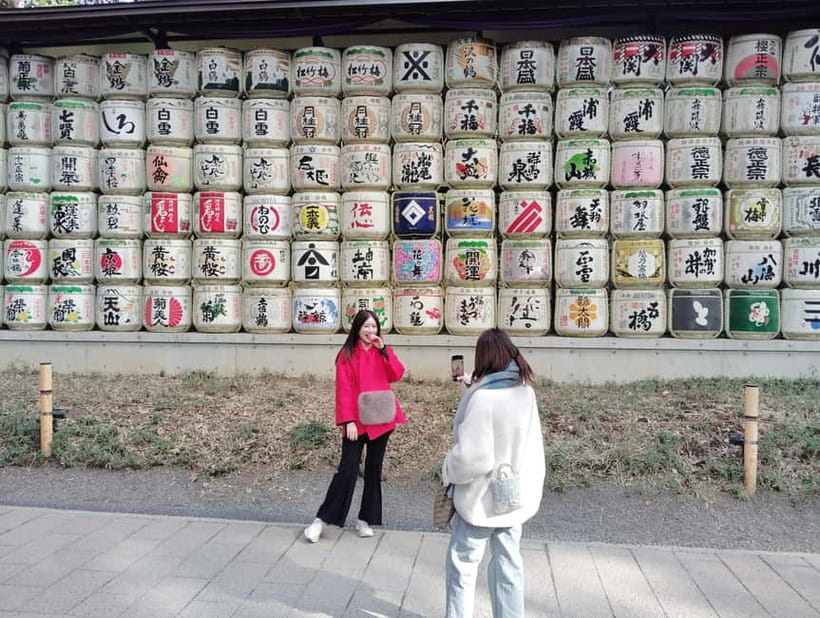
- Sake barrel offering and the Eternal Forest theme, explained in plain language
- Temizu handwashing ritual, with guidance on what you are doing and why
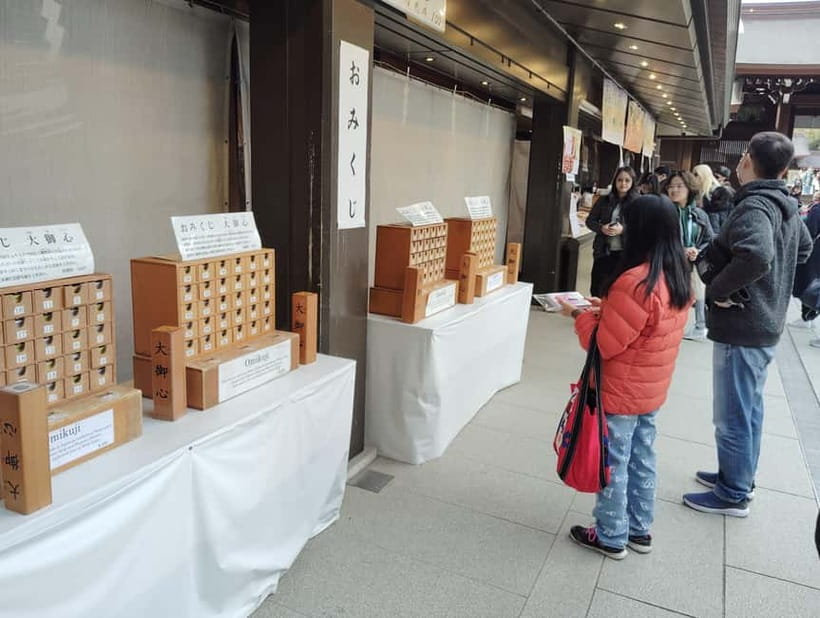
- Omikuji fortune telling, plus the chance to take home a protective charm
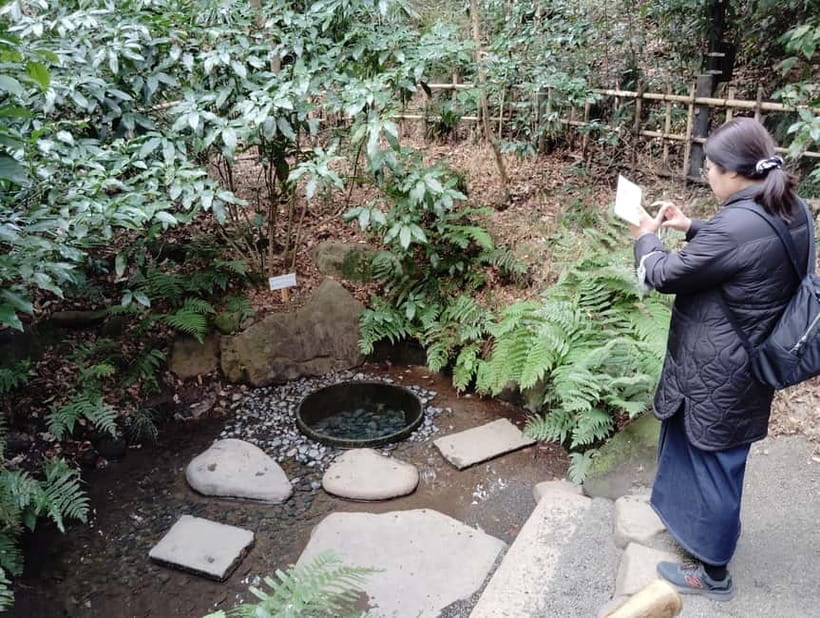
- Shinen Garden focus near South Pond, with an optional stop at Kiyomasa’s Well if time allows
- A 2-hour loop back to the first torii, so you always know where the tour ends
Enter through Ichinotorii, then follow the sacred sequence
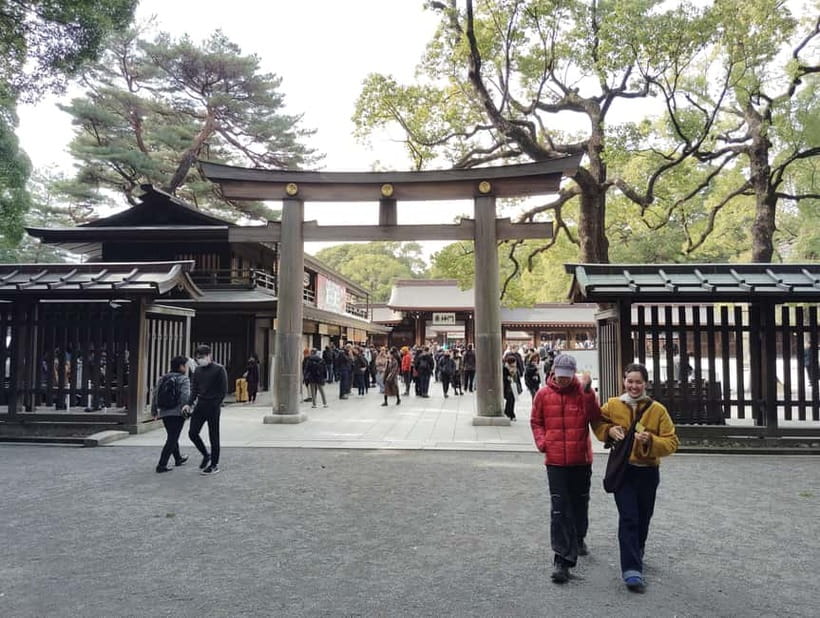
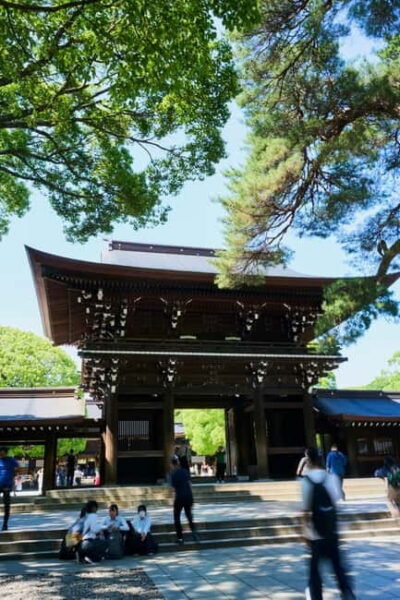
The tour begins at 明治神宮 一の鳥居 (Ichinotorii), the first torii gate. That matters more than it sounds. Starting here gives you context for the walk, because the torii gates are not random photo stops. They act like entry markers, shifting you from city noise into a quieter rhythm.
Your guide will meet you in front of the first torii gate, holding a yellow sign with the DeepExperience logo. This is a practical detail that reduces stress. You do not have to decode landmarks while you are already looking around with jet-lag eyes. You get a brief introduction to the route for the day, so you can mentally file each stop as it comes.
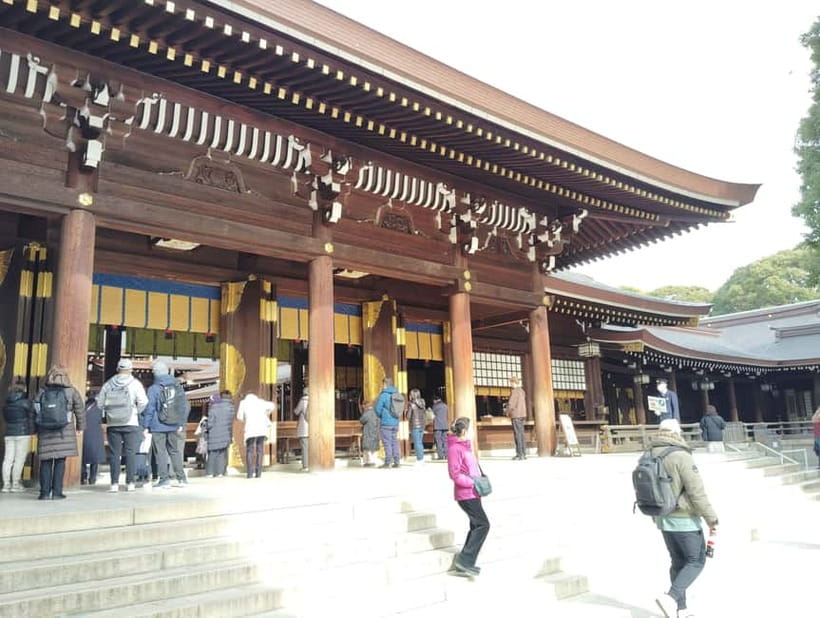
From there, the tour heads into the Meiji Jingu grounds with a mix of photo time and guided explanation. You will spend about an hour at the shrine portion, including guided sightseeing. Expect the guide to keep you moving, but also to pause when there is something worth understanding, not just photographing.
One thing I like about the pacing is that it does not try to cram every corner of Meiji Jingu into 2 hours. Instead, it prioritizes the moments that most help first-timers make sense of the place.
You can also read our reviews of more guided tours in Tokyo


Sake barrel offering, and the meaning of the Eternal Forest
One of the most memorable parts is the sake barrel offering area. You will have time for photos, but you also learn what the Eternal Forest idea connects to at Meiji Jingu. This is the kind of explanation that turns a scenic detail into an anchor for your visit.
In many Tokyo sights, the visuals are enough. At shrines, meaning is part of what you are looking at. When you hear the Eternal Forest concept explained here, the surrounding forest atmosphere starts to make more sense. It is not just pretty greenery. It is part of the spiritual framing of the site.
Because the tour includes this stop mid-route, it also works well for your brain. If you started straight at the main shrine without context, you might miss the theme that ties the area together. By the time you reach the big gate and the inner shrine, you already have a handle on what the guide is building toward.
If you are someone who loves symbolism, this is a good moment. If you just want the fastest path to the main shrine, you might find this slightly more explanatory than you need. Still, it is short, and it helps you see the whole site more coherently.
Handwashing and prayer basics, without making it complicated
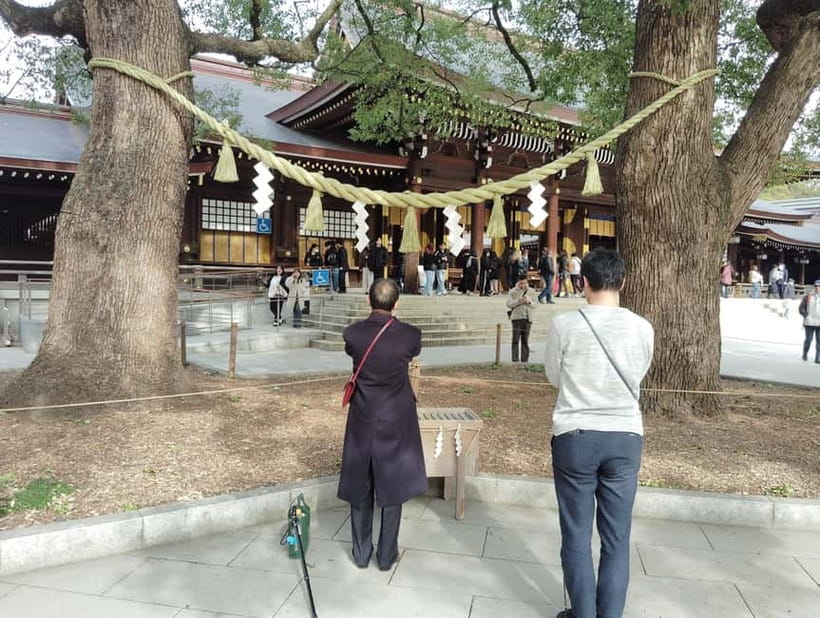
After the photo and explanation stops, you walk to the grand torii gate. This is where the ritual element becomes central.
You can participate in the traditional handwashing ritual before heading to the shrine. The tour does not just tell you to do it, it walks you through the experience. You learn the proper way to pray at Meiji Jingu. For many visitors, this is the hardest part emotionally. People worry about doing it wrong.
Here, the guide’s role matters. When someone shows you how to participate respectfully, you lose that awkward feeling and you can focus on the moment. You might even find the act creates a small mental reset, like turning down the volume in your head.
The guide also offers time for reflection during the shrine visit. That is a big deal in a city where you can always fill time with the next thing. In a shrine setting, pausing is part of the experience, not a delay.
This is also a reason the tour feels worth it even for travelers who already know some Japanese culture. It gives you a clean, structured way to participate, and it protects your time by not forcing you to figure things out alone.
Omikuji fortune-telling, plus a protective charm option
Next comes fortune-telling. You will try omikuji during the tour. This is a fun contrast to the calmer shrine moments. After the quiet walk and ritual, you get something light, interactive, and culturally distinct.
The tour also mentions you can receive a protective charm if you would like one. That option is useful because it matches different comfort levels. Some people like to take something home that reflects the visit, others would rather keep it simple.
If you take an omikuji, treat it like a conversation starter with yourself. It is not a guarantee. It is a traditional way of getting guidance, and the guide can help you understand what the paper means in practical terms.
This stop is also a good time to slow down slightly in your day, because it is not just about walking. You are doing, choosing, and then taking your time with what you receive.
Meiji Jingu Garden: South Pond focus, and a possible stop at Kiyomasa’s Well
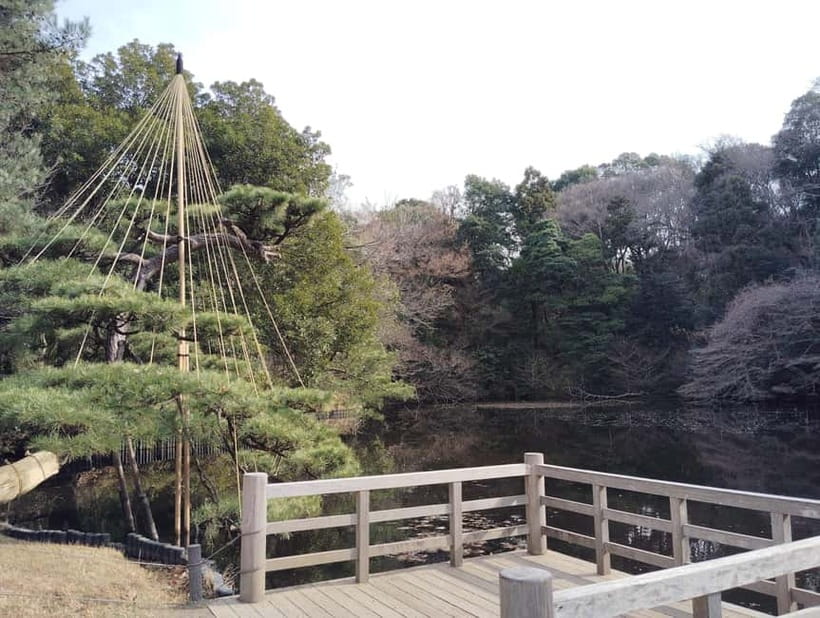
The final main segment is a peaceful walk through Meiji Jingu Garden. The tour focuses on the South Pond area. That focus helps because gardens can become overwhelming when you try to cover everything. You may not notice smaller details on your own, especially if you are trying to keep your bearings.
By steering you toward South Pond, the guide effectively gives you a set piece to experience. You can enjoy water views, the way paths frame perspective, and that soft forest light people come to Japan hoping to find.
If time allows, you may also visit Kiyomasa’s Well. That optional stop is smart. It adds a small extra reward without turning the whole tour into a sprint. If you do make it there, it offers another point of interest that rounds out the garden experience.
At the end, the tour concludes back at 明治神宮 一の鳥居, the first torii. This return matters because it gives you closure. Instead of feeling like you spent 2 hours walking in circles, you get a loop with a clear beginning and end.
More Tokyo tours and experiences for the shortlist





How much you get for $48, and how it compares to doing it solo
At $48 per person for a 2-hour guided tour, the value is strongest if you care about understanding the rituals and reading the symbolism. The price is not only for someone to walk with you, it includes the entrance fee to Meiji Jingu Garden plus Omikuji and other experience fees, along with the guide fee.
So your money goes toward two things you cannot easily replicate on your own: guidance during the ritual moments and access to the included experiences like omikuji. If you are the type who would otherwise feel nervous at the shrine and then rush through, a guide can turn anxiety into confidence fast.
For solo travelers, the convenience of having someone start you at the correct meeting spot helps too. You do not need to spend your energy figuring out what to do at each stage. The itinerary already does that.
For families or mixed groups, the 2-hour length can be a sweet spot. It is long enough to feel meaningful, short enough to avoid turning into a full afternoon commitment.
The only reason not to buy a guided tour is if you strongly prefer self-guided wandering and you already feel comfortable with shrine etiquette and basic cultural context. In that case, you may feel like you are paying for explanations you could skip.
Who this tour suits best
This is a great fit if you want a guided introduction to Japanese spirituality without it becoming a lecture. I like the way the experience mixes calm and interactive parts, so it stays interesting even when you are slowing down.
You will likely enjoy it if:
- You are visiting Meiji Jingu for the first time and want a clear sequence
- You want help participating in the handwashing ritual and praying correctly
- You want a cultural activity beyond photos, like fortune-telling
- You have limited time and want a structured 2-hour plan
You might skip it if:
- You prefer long, unstructured time for photography and quiet observation
- You already know shrine etiquette and would rather spend the guide budget on other Tokyo priorities
- Your schedule does not allow for a set meeting time and group pace
What to expect day-of, and small practical tips
You can expect an in-person guide in English or Japanese, and the tour is offered as private or small groups depending on what you book. Small groups typically feel easier in a shrine setting because you are not constantly navigating around a large crowd, but the tour is still guided, so you will be following the same rhythm.
Bring a charged camera or phone, because there are photo stops along the way, including at the sake barrel offering area and during the shrine visit. Also, plan for walking on uneven garden paths. This is a garden and shrine setting, not a flat city sidewalk.
If you care about making the most of the fortune-telling, set aside a moment afterward to read it calmly rather than snapping it and moving on immediately. The fun is in taking the message seriously for a minute, even if you treat it as guidance rather than fate.
At the end, when you loop back to the first torii, you can decide what to do next with the rest of your day, without needing to retrace your steps from scratch.
Should you book this Meiji Jingu guided tour?
Book it if you want the shrine experience to feel understandable and respectful, not mysterious. The combination of ritual participation, prayer guidance, omikuji fortune-telling, and a focused garden walk near South Pond makes this 2-hour tour good value for first-timers. It also helps you see Meiji Jingu as more than a scenic forest stop.
Skip it if you already know exactly what you want to do and you plan to enjoy Meiji Jingu at your own pace, without structured explanations. Otherwise, this is the kind of guided visit that gives you confidence, context, and a calmer walk through Tokyo.
FAQ
How long is the Meiji Jingu Shrine & Shinen Garden guided tour?
The tour lasts 2 hours.
Where is the meeting point for the tour?
Meet in front of 明治神宮 一の鳥居 (Ichinotorii), the first torii gate of Meiji Jingu Shrine. The guide will be holding a yellow sign with the DeepExperience logo.
What’s included in the ticket price?
The price includes the entrance fee to Meiji Jingu Garden and Omikuji and other experience fees, plus the guide fee. Food and drinks are not included.
Do I need to speak Japanese to join?
No. The tour is offered with an in-person live guide in English (and Japanese is also available).
What activities are part of the tour?
You will visit Meiji Jingu Shrine and Shinen Garden, take part in a handwashing ritual, learn how to pray, try fortune-telling (omikuji), and walk through the garden near South Pond, with Kiyomasa’s Well as a possible stop if time allows.
Is the tour private or small group?
Both private or small groups are available.
Is there free cancellation?
Yes, free cancellation is available up to 24 hours in advance for a full refund.
More Guided Tours in Tokyo



More Tours in Tokyo






More Tour Reviews in Tokyo


Not for you? Here's more nearby things to do in Tokyo we have reviewed












Meiji Shrine Tours, side by side.
 ★ 4.7Meiji Shrine, Asakusa, Skytree Bus Tour and CruiseFrom $1221,986 reviews
 ★ 4.5Tokyo Panoramic 1 Day: Meiji Shrine, Asakusa, Odaiba and SKYTREE®From $851,222 reviews
 ★ 4.9Meiji Shrine Walking Tour — Shinto & Imperial SystemFrom $23266 reviews
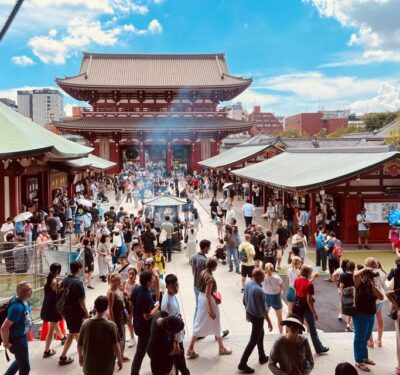 ★ 5.0Meiji Jingu Shrine and Shinto Culture Walking TourFrom $19245 reviews
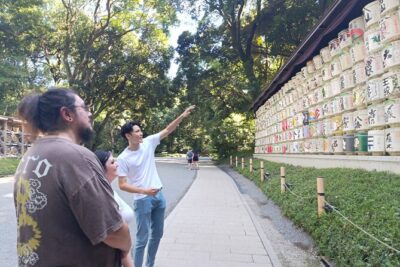 ★ 5.0Meiji Shrine and Shinto Culture Walking TourFrom $18225 reviews
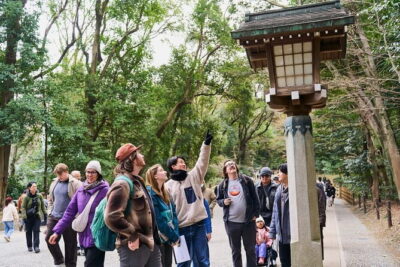 ★ 5.0Meiji Shrine Walking Tour — Shintoism & Imperial SystemFrom $21209 reviews
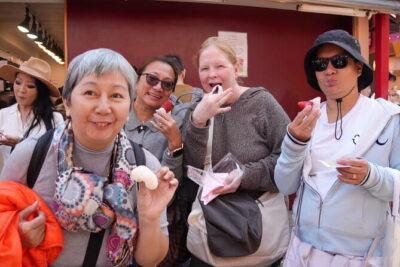 ★ 5.0Tokyo Morning Tour : Meiji Shrine, Asakusa and Fish MarketFrom $72102 reviews
 ★ 5.0Full Tokyo: Meiji Shrine, Imperial Palace, Asakusa & SkytreeFrom $3978 reviews
This tour also belongs to