
Review · TSUKIJI MARKET TOURS
Tokyo: Tsukiji Fish Market Guided Walking Tour
Fish-market chaos turns into a food lesson. This guided Tsukiji tour pairs temple atmosphere with hands-on stops in one of Tokyo’s most famous seafood areas. You get local guidance and a small group format that keeps the crowd manageable.
I especially like the way the guide turns walking into a practical education. Names like Jim, Rie, and Nicolas show up in recent groups, and the common thread is clear: history plus real ordering advice, not just sightseeing. Second, I love that you can choose what you try at each stall, which makes it easier if you are cautious with seafood.
One thing to plan for: the tour price does not include food or drinks. You will want cash and some extra budget for tastings, especially if you follow the guide to multiple stops.
Key things to know before you go
- Meet at Starbucks in front of Tsukiji Station, and look for the guide standing by the bench
- Two parts of the experience: Tsukiji Hongan-ji (temple) and Tsukiji Outer Market (the food side)
- Small group, limited to 10 people, so you are not just drifting with the crowd
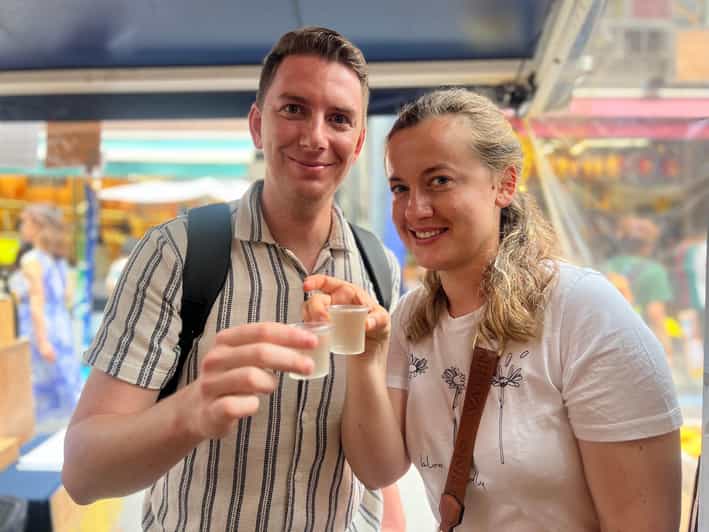
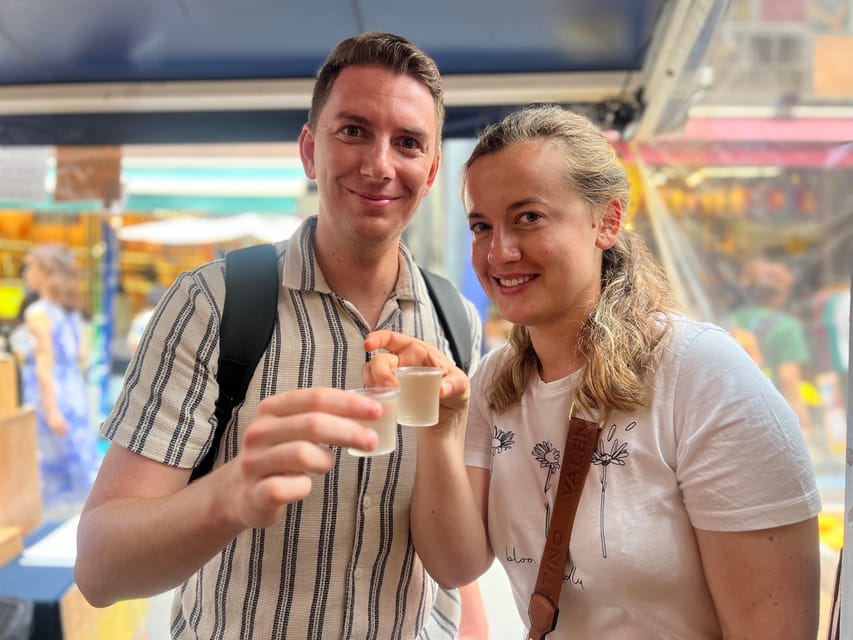
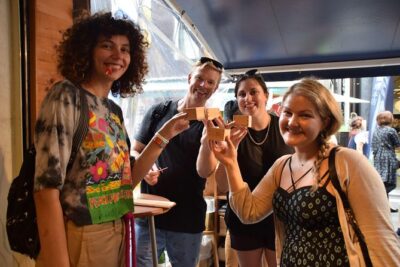
- Photos are included, taken during the tour
- Food and drinks are not included, so you order à la carte with the guide’s suggestions
- Bring cash, because you will likely be paying at stalls throughout the market
Why Tsukiji still matters, temple first and then food
Tsukiji is famous for fish, but it is really about food culture. On this tour, you start with the temple stop at Tsukiji Hongan-ji, which gives you a calmer entry point before the market noise starts. That sequence helps the whole area make sense fast, because you are not only seeing products, you are learning how Japanese food culture connects to daily life and tradition.
What also helps is the structure. Instead of wandering with no plan, you follow a guide through the parts of Tsukiji that are easiest to enjoy. In recent groups, guides like Haydn, Sayaka, and Joe are praised for pointing out what to try and where, which is exactly what you need in a place that can feel overwhelming.
You can also read our reviews of more walking tours in Tokyo


Meeting point and the 2-hour game plan
You will meet your guide at Starbucks Coffee, Tsukiji Station, in front of the station. The guide stands at Starbucks by the bench, so you can spot them quickly and move on without a long hunt.
The total time is 2 hours, and you are walking between sites. The temple visit is short, about 15 minutes, and then you shift to the Tsukiji Outer Market for roughly 50 minutes twice. That split matters, because you get both the cultural context and enough time to sample without feeling rushed.
Also, this is a small group capped at 10. That size is big enough to feel social, but small enough that your guide can actually steer you toward stalls that fit your pace and preferences.
Tsukiji Hongan-ji: carvings, calm, and why it sets the tone
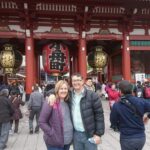
The first stop is Tsukiji Hongan-ji, a temple visit built into the tour. People love this part because it slows things down, and you get a quick lesson in how the area connects to belief, daily practice, and place.
You are there for about 15 minutes, which is just enough to appreciate the setting without dragging. Recent feedback also highlights that guides explain what you are seeing in a clear way, so the carvings and the space feel less like background decoration and more like part of the Tokyo story.
Practical tip: treat this as your reset moment. Use the brief calm to get your footing, then expect the next section to be crowded with shoppers and stall activity.
Tsukiji Outer Market: getting the best bites without the chaos tax
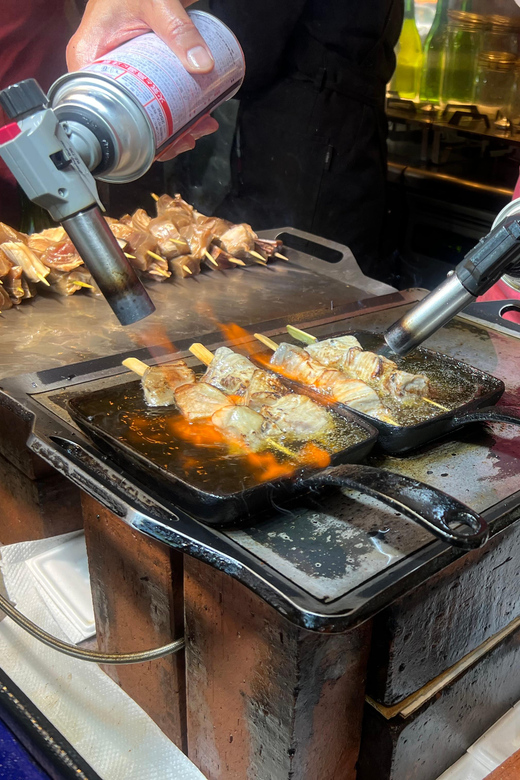
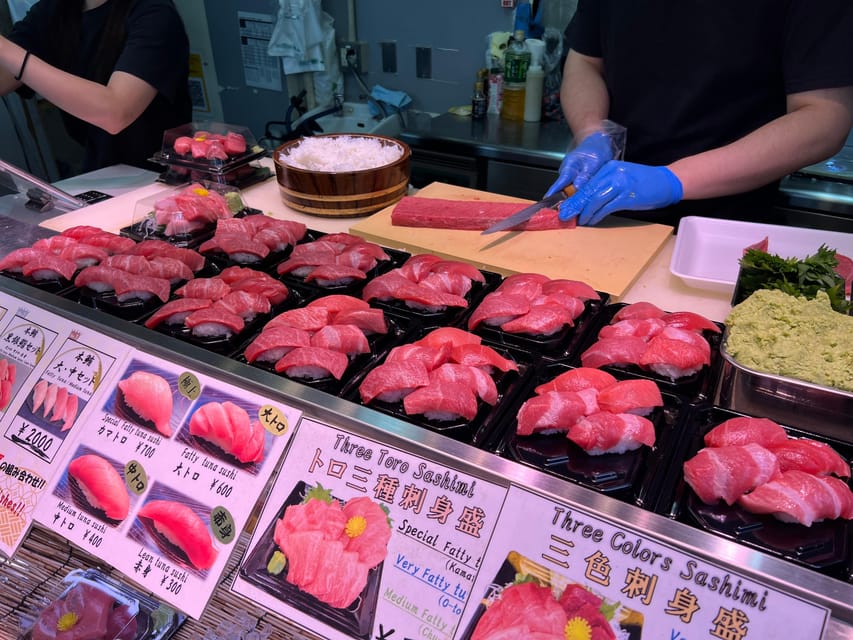
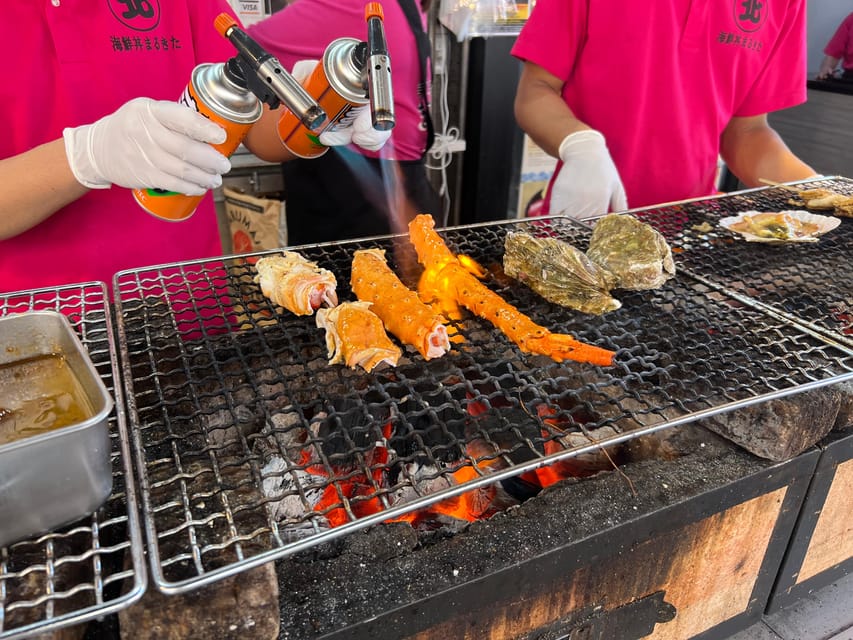
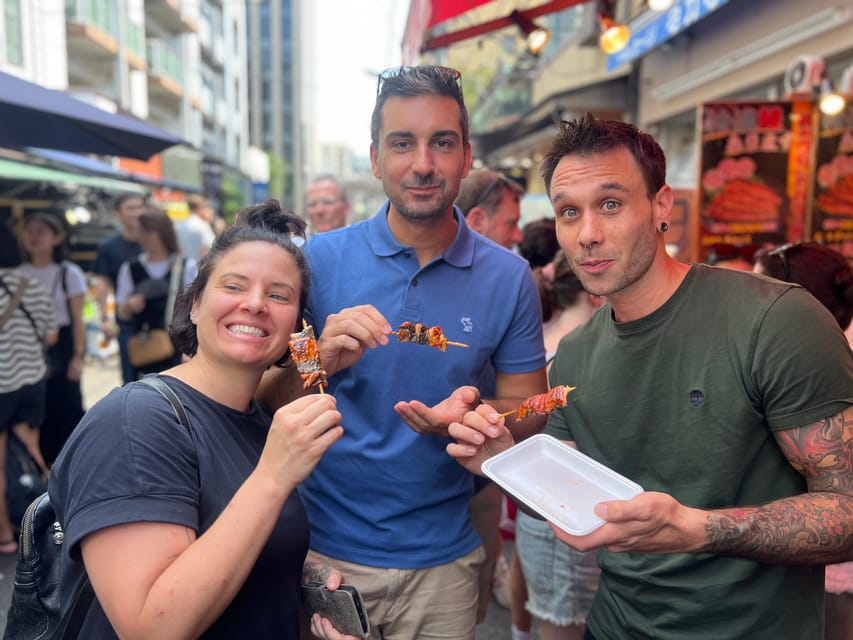
Once you step into the Tsukiji Outer Market, the difference between a guided walk and free roaming shows up fast. The market is packed with stalls, ingredients, and busy lines, and it is easy to spend 30 minutes just figuring out where to start.
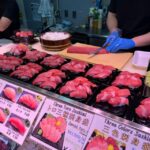
This tour gives you a path. Your guide directs you to stalls and helps you understand what each ingredient is, how it is used, and what to order if you want to try something specific. Guides are repeatedly praised for navigating the crowd smoothly and for choosing stops that you might not find on your own.
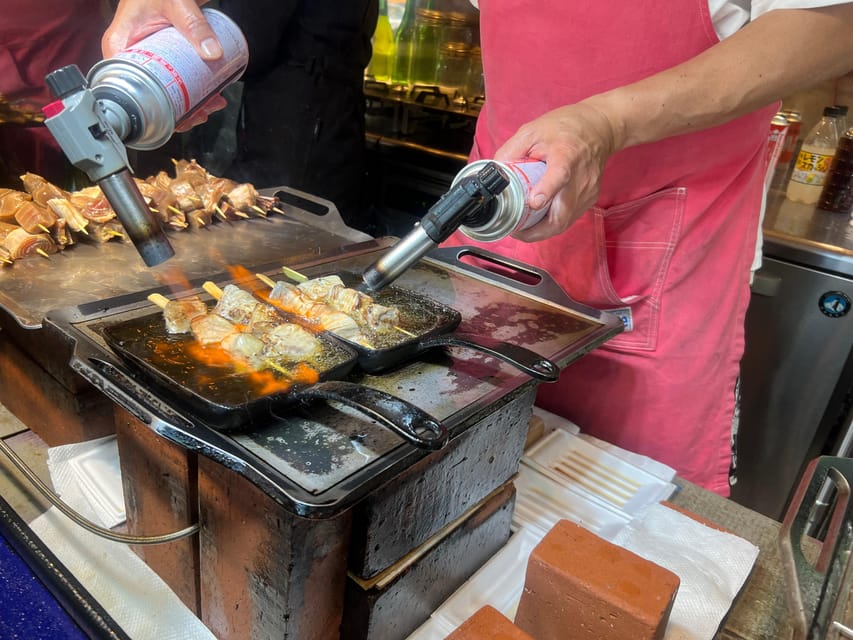
A useful theme from recent experiences is that guides often avoid tourist traps and steer people to places where you can actually taste and compare. That is why you see names like Rie, Minori, and Nicolas mentioned again and again in feedback, especially for getting groups to the right spots for items like wagyu beef skewers, sea urchin, eel, and sushi-style tastings.
How tastings work when food is not included
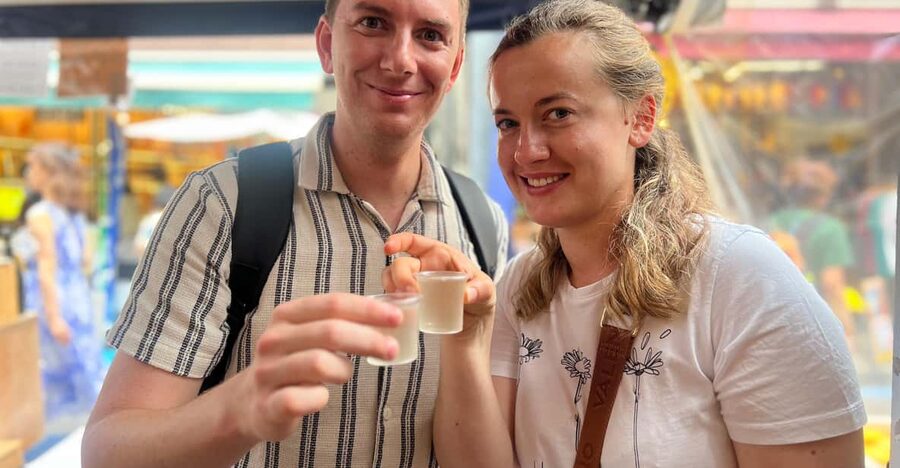
Here is the deal: food and drinks are not included in the tour price. That sounds like a downside until you realize what it actually buys you. You are not forced into a set menu. You order what you want, guided by someone who knows what is worth your money.
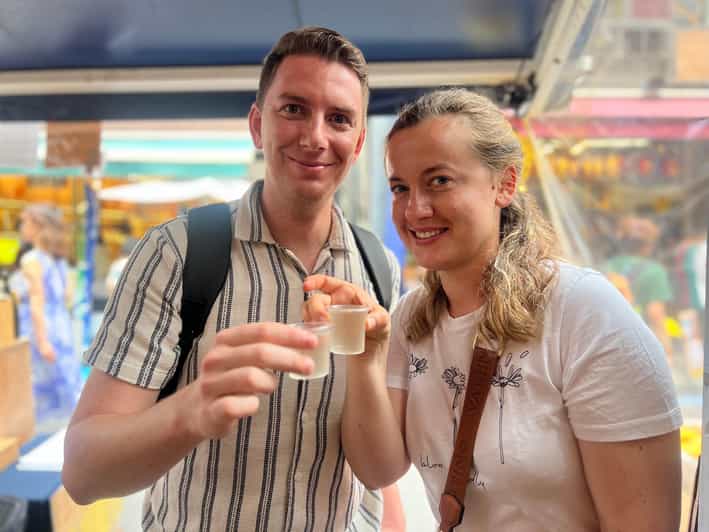
That flexibility is huge for real-life travelers. If you do not like seafood, you can still participate, because you can pick non-sea options where available. If you do want seafood, you can go bigger on the tasting side and follow the guide’s recommendations.
Recent group notes also point out a practical upside: many guides help you handle the payments at stalls and keep things moving, so you do not get stuck translating while everyone behind you waits. One small but helpful touch that came up in feedback is that a guide may stop at a nearby convenience store for basics like water, which makes a big difference when you are snack-hopping.
You can also read our reviews of more guided tours in Tokyo



The ingredient lesson: what to look for and how to order

One of the strongest reasons to book a guided version is that you learn what you are eating. This tour focuses on Japanese food culture and market history, but it also teaches the building blocks behind the flavors.
Expect your guide to talk about ingredients used across Japanese cooking. You may hear explanations for seafood varieties, how certain items are prepared, and why some products show up in more than one form around the market. That means when you take your next bite, you understand the logic, not just the taste.
Food suggestions you are likely to encounter during the walk include things like:
- tamago (Japanese-style egg)
- oysters
- unagi eel or eel dishes
- wagyu beef in different preparations
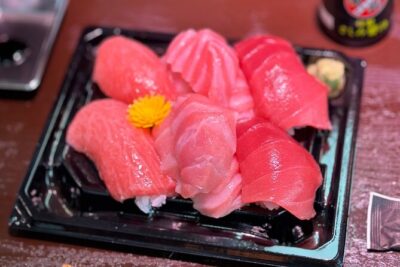
- sushi and seafood tastings
- sweet treats and matcha-style items
- some rarer tasting options mentioned in feedback, like sea urchin, and even more adventurous selections for braver eaters
Even if you are not hunting “bucket list” foods, this helps you choose smarter. Instead of ordering randomly, you can ask for a safe starter, a classic Japanese snack, and then one fun wildcard.
Value check: is $22 worth it?
At $22 per person for about 2 hours, you are paying for more than walking. You are paying for:
- a guided route through a crowded market area
- context at Tsukiji Hongan-ji
- photos taken during the tour
- access to included entry for the market and temple areas (entry fees are free)
- a guide who can recommend stalls and help with ordering
The part that changes your total trip cost is food. Because food and drinks are not included, you should budget extra for tastings. The good news is you control that spend. Many people in feedback say it is easy to order what they want at each stall, and that often leads to a better experience than trying to eat everything in a set lineup.
If you like markets but hate wasting time trying to guess what is good, this is strong value. The guide turns your money into better choices instead of paying for trial-and-error.
Who should book this Tsukiji guided walking tour
This tour is a great fit if you want:
- a short, guided intro to Tsukiji without committing to a full day
- help navigating busy market streets
- a local perspective on food culture and what ingredients actually mean
- the option to taste many small bites without a fixed menu
It is also ideal if you travel with mixed preferences. Feedback shows that even people who are not big seafood fans still found things to try, mainly because the guide helps you pick options that match your comfort level.
You might skip it if you only want a self-guided food crawl and you are happy spending time figuring out stalls on your own. Also, if you refuse cash-based markets, plan carefully, since cash is specifically recommended for this tour.
Booking and practical tips that make the difference
Quick prep list:
- Bring cash so you can pay at stalls as you go
- Wear comfortable shoes, you will be on your feet through the market
- Go in with a flexible mindset: this is about tasting and learning, not a single restaurant meal
A pro move: book early in your Tokyo food planning. Many people in feedback wished they had done this sooner because it helps you understand what to order later, even outside Tsukiji.
The tour runs as English guided, and the small group size helps you ask questions without feeling rushed. If you care about a smoother start, look for the guide at Starbucks by the bench right at the Tsukiji Station front.
Should you book this Tsukiji Fish Market guided walking tour?
I think it is an easy yes if you want the best of Tsukiji without the guesswork. The standout strengths are the temple context, the guided Outer Market route, and the way guides help you order tastings that match your preferences. People repeatedly call out the benefit of not getting lost and not getting stuck at the wrong stalls.
Book it especially if:
- you value a short 2-hour plan
- you want photo support
- you like the idea of tasting more than one thing by ordering à la carte with a guide
Skip or reconsider if:
- you expect the tour price to cover meals
- you are uncomfortable carrying cash
- you want a fully self-paced market wander with no guidance
If your goal is to leave Tsukiji with both great bites and clearer understanding of Japanese food culture, this guided walk is one of the most practical ways to do it.
FAQ
Where do I meet the guide?
You meet your guide at Starbucks Coffee in front of Tsukiji Station. The guide stands in front of the bench at Starbucks.
How long is the tour?
The tour lasts about 2 hours.
Is the tour group small?
Yes. The group is limited to 10 participants.
What language is the guide?
The live tour guide speaks English.
Is food included in the price?
No. Food and drinks are not included, so you order what you want at the stalls.
Do I need cash?
Yes, you should bring cash.
What sites are included?
The tour includes entry to Tsukiji Fish Market, the fish market areas, and the Hongwanji Temple (entry fees are free).
Are photos included?
Yes. Photos are taken during the tour.
Can I cancel and get a refund?
Yes. You can cancel up to 24 hours in advance for a full refund.
Where does the tour end?
The tour ends at the Starbucks Coffee by Tsukiji Station.
More Walking Tours in Tokyo
More Tours in Tokyo



More Tour Reviews in Tokyo

Not for you? Here's more nearby things to do in Tokyo we have reviewed






Tsukiji Market Tours, side by side.
 ★ 5.0Tokyo Tsukiji Fish Market Food and Culture Walking TourFrom $993,184 reviews
 ★ 5.0Tsukiji Fish Market Food and Walking tourFrom $301,724 reviews
 ★ 5.0Tokyo Sushi Making Class in Tsukiji with Professional ChefFrom $491,177 reviews
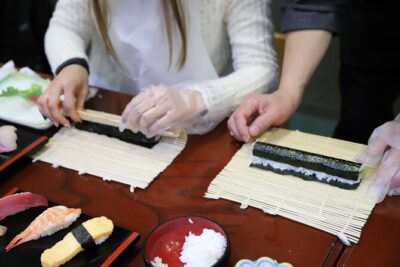 ★ 5.0Tsukiji Fish Market Guided Tour and Sushi Making with Pro ChefFrom $104775 reviews
★ 4.7Tsukiji Fish Market Food and Culture Walking TourFrom $96757 reviews
★ 5.0Tsukiji Fish Market Guided Tour and Sushi Making with Pro ChefFrom $104775 reviews
★ 4.7Tsukiji Fish Market Food and Culture Walking TourFrom $96757 reviews
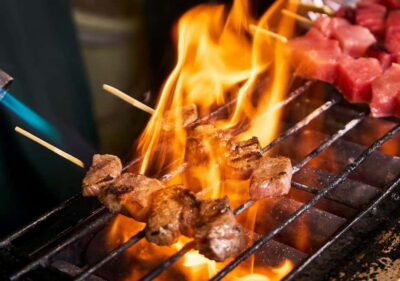 ★ 5.0Tsukiji Fish Market: Street Food & Culture Walking TourFrom $33669 reviews
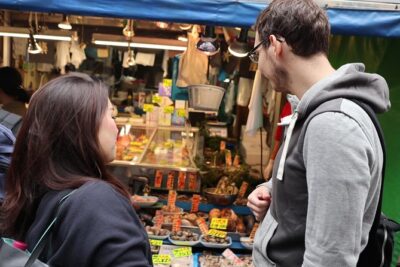 ★ 5.0Tsukiji Fish Market Small-Group Food Walking TourFrom $87621 reviews
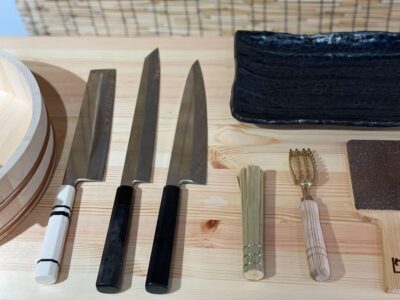 ★ 4.9Tsukiji Fish Market Sushi Making Class with Pro ChefFrom $63506 reviews
This tour also belongs to