
Review · MOUNT FUJI TOURS
Tokyo: Mt. Fuji, Owakudani, Hakone Shrine, & Open-Air Museum
Hakone beats the Tokyo grind in one day. You get art outdoors, then a volcanic reality check at Owakudani, and you finish by the calm waters of Lake Ashi.
My favorite part is that the tour keeps you moving with solid logistics, so you can see major stops without wrestling trains. I also like that your guide can work around conditions, since some days are built for Mount Fuji views more than others.
One drawback to plan for: the order can shift with traffic and weather, and fog or rain can limit what you see from the lake and volcano areas.
Key things to know before you go
- Open-Air Museum first for an easy start and a smoother day
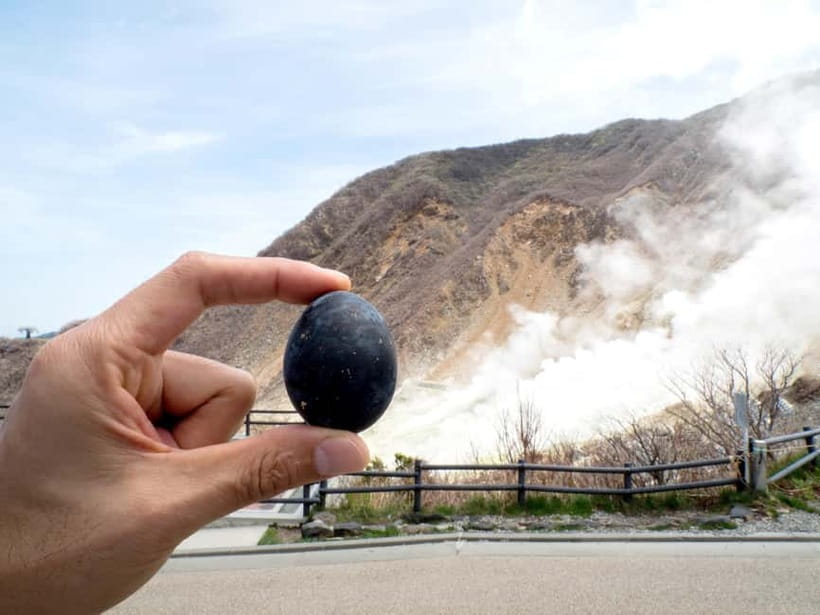
- Owakudani volcanic valley with steam vents and sulfur hot spring scenery
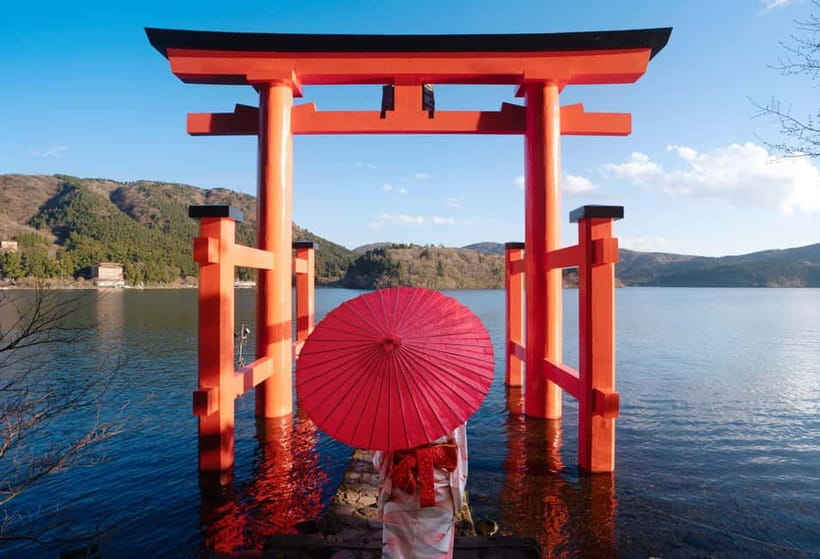
- Hakone Shrine torii gate with a classic Lake Ashi photo setting
- Optional ropeway and pirate ship depend on weather and local conditions
- Guides matter a lot, with some routing smartly to time viewpoints
- Value for time since transportation, a bilingual guide, and admission tickets are included
Why This Tokyo-to-Hakone Day Trip Feels Efficient
This is the kind of day trip that makes sense if you want real variety without spending your whole weekend planning transit. You are leaving Tokyo, getting expert guidance, and hitting the big Hakone names in a single push.
The value is not just the $79 price. It is the fact that transportation, an English and Korean-speaking guide, and admission tickets are included, so you are not piecing together routes and buying multiple separate entrances. That matters when you only have one day to spend.
The pace is also flexible in practice, even if the broad outline stays the same. The tour notes that itinerary can adjust due to traffic and weather, and your guide may reorder stops in peak periods.
You can also read our reviews of more museum experiences in Tokyo


Hakone Open-Air Museum: Art in a Real Garden Setting
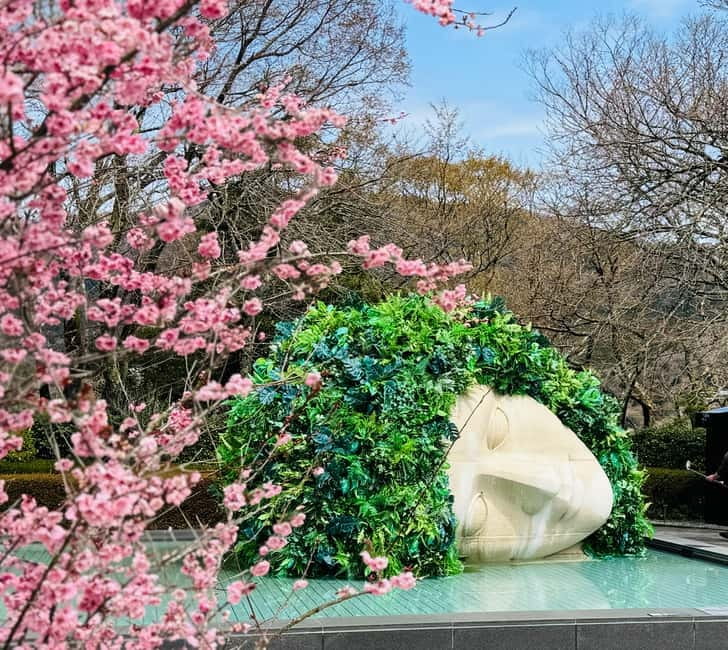
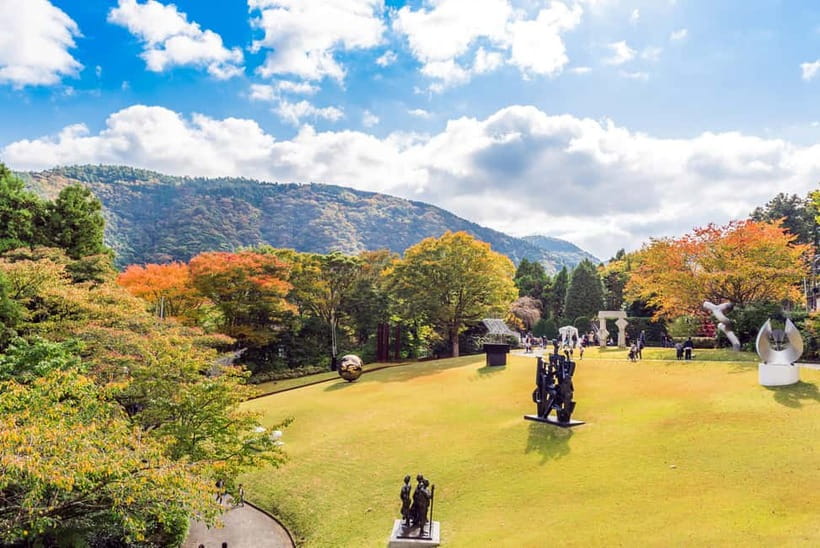
The day begins at Japan’s first open-air art museum, which is a great way to start because you get fresh air and wide views instead of indoor museum fatigue. The sculptures sit right in the landscaping, so the scenery becomes part of the show.
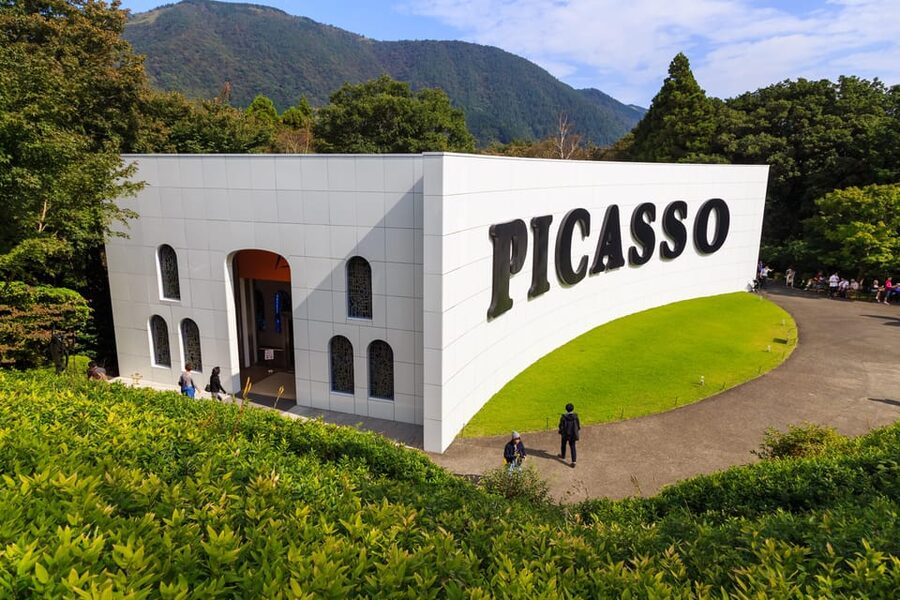
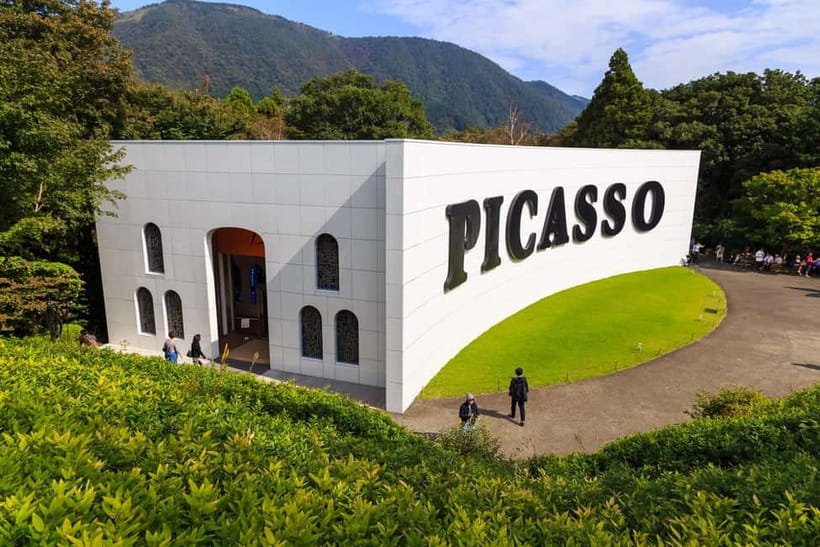
What I like here is the mix of major international artists and walkable gardens. The museum experience includes works associated with artists such as Henry Moore and Joan Miró, plus a Picasso gallery. You are not just looking at plaques, you are strolling through sculpture gardens that feel made for slow wandering.
A practical note: bring comfortable shoes. Museum paths and outdoor stairs are not the place to discover that your sneakers are secretly sandals.
From the reviews, one theme comes up over and over, guides help you use the museum time well and you do not feel lost. That matters because open-air museums are wonderful, but only if you can find your bearings fast.
Owakudani: Steam Vents and the Weird Beauty of Volcanic Earth
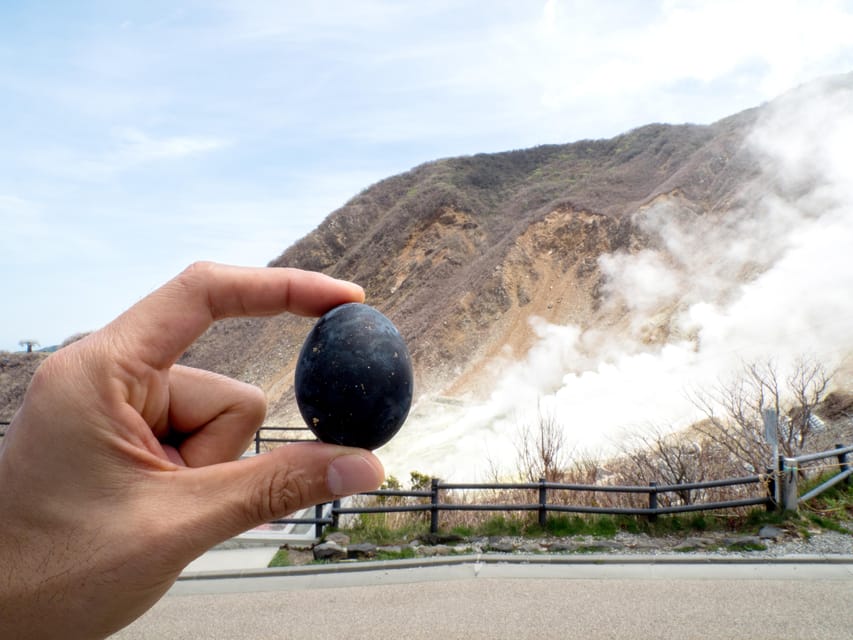
Next up is Owakudani, an active volcanic valley known for dramatic sulfur steam and geothermal activity. This stop gives you a different side of Hakone than lakes and gardens, because here the earth feels alive, loud, and slightly menacing in the best way.
What you will be looking for is the geothermal atmosphere: steam vents and sulfurous hot spring style features that make Owakudani famous. Even if you are not a geology nerd, the visuals do the teaching.
The tour includes admission and the guide explains what you are seeing in a way that fits a day trip pace. You get the big points without turning the day into a classroom lecture.
And because Owakudani is weather dependent, keep your expectations grounded. If visibility is poor, you might still enjoy the atmosphere, but the distance views can be harder. The good news is that the volcanic setting is dramatic even on less perfect days.
Hakone Shrine and Lake Ashi: The Torii Gate Photo Moment
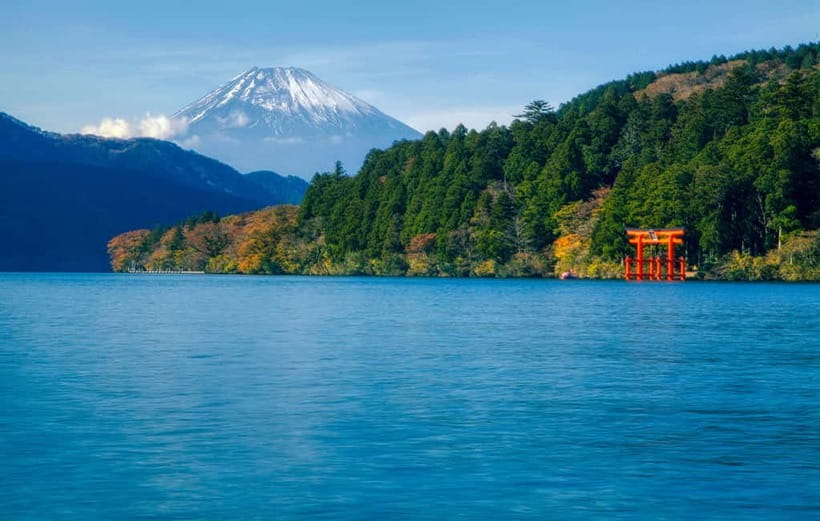
After the volcano, you shift to calm water and quiet forest edges at Hakone Shrine by Lake Ashi. The setting is the classic Hakone photo scene: the lake framed by mountains, with the historic shrine tucked near the foot of Mount Hakone.
The highlight is the iconic torii gate standing in the waters of Lake Ashi. That torii is instantly recognizable, and it is one of those spots where the scenery does half the work for you. If the light hits right, you get photos that look like postcards even without trying too hard.
One reason this stop lands well on a one-day itinerary is that it gives you a break after Owakudani. The review tips and the general feel point to it being a good moment to slow down, take pictures, and let the day settle.
A very useful practical tip from a guide story: consider bringing a bottle. One guide suggestion was to fill up with mineral water at the shrine. Also, if you want to offer something, a guide mentioned 5 yen is considered the most auspicious offering, so having a few coins can help you participate.
Optional Ropeway and Pirate Ship, and How to Think About Them
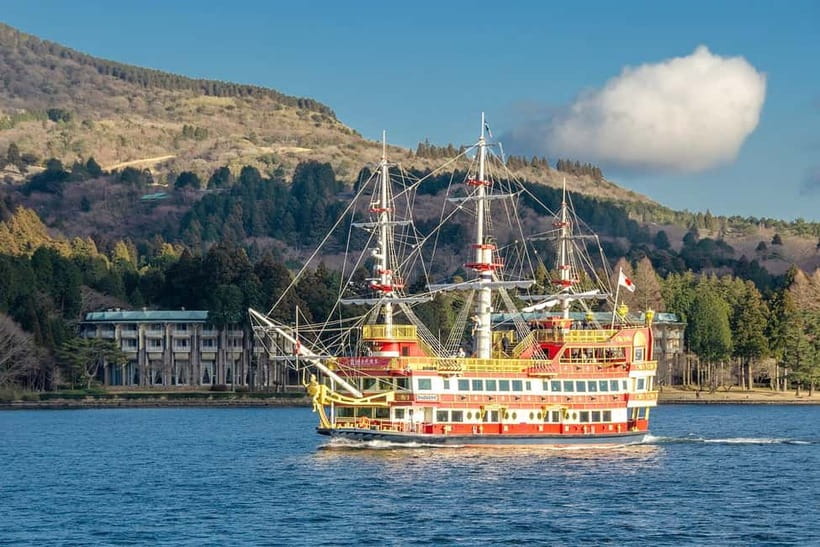
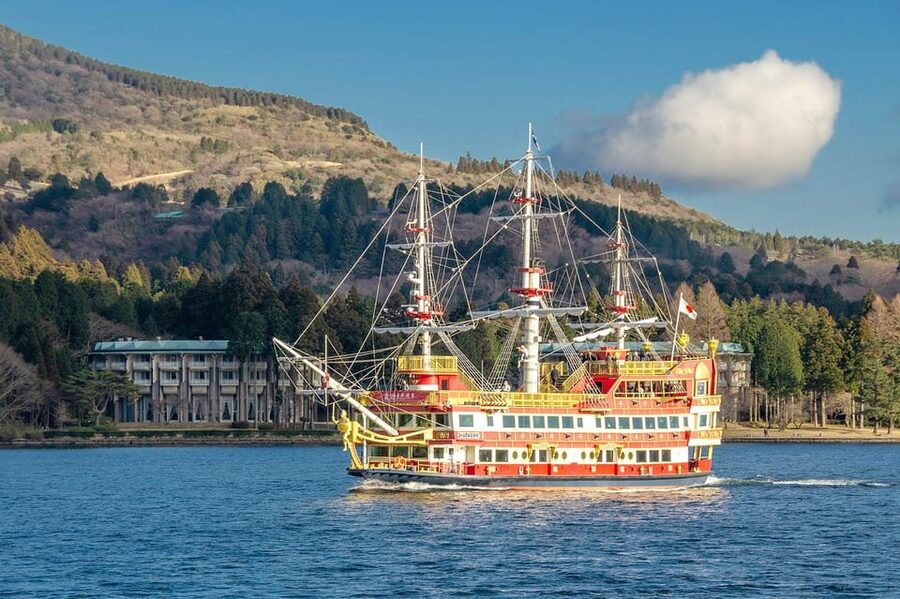
There are optional add-ons that can make Hakone feel more like a movie set. The tour notes that a Hakone Ropeway and a Pirate Ship may be available depending on weather and local conditions, and your guide will help if you want to join.
Here is the smart way to plan: treat these as add-ons, not guarantees. On clear days, the extra ride can help you line up views around the lake or the volcanic area. On rainy or foggy days, it can still be fun, but you should prioritize comfort and timing.
One review example described a route change that helped with Mount Fuji views, then finished with the Pirate Ship across Lake Ashi before heading to Owakudani. That kind of sequencing is exactly why a guide who adjusts plans helps.
If you really care about views, ask your guide what looks best based on the sky that day. That is where the day trip becomes more than a checklist.





Timing, Traffic, and Why Your Guide Might Reorder Everything
A day trip can feel frustrating if every stop is fixed no matter what. This one has a built-in reality check: itinerary can be adjusted due to traffic and weather, and the guide may reverse the order, especially in peak season.
The tour also includes a legal practical constraint: vehicles cannot operate for more than 10 hours, so routing may be adjusted to stay within that limit. That is one of those boring details that actually protects the quality of the day, because it discourages dead-end plans that cut things too close.
From the guide stories, you can also see why ordering matters. One guide rearranged the schedule to get to Hakone Shrine and Lake Ashi earlier, before crowds made it harder to enjoy the area. Another guide story highlighted careful handling during heavy rain, with the route adjusted so the day still made sense.
If you are trying to plan around Mount Fuji, this is key. Some days give you Fuji, some days do not. The best guides try to position you for the moments when it is most likely.
What Included Admission and Transportation Actually Buys You
Let’s talk value the practical way. Included in the price are transportation, an English and Korean-speaking guide, and admission tickets.
That matters because Hakone can be time-consuming to route on your own. If you are starting from Tokyo for just one day, the transportation piece and the pre-arranged entries are what keep the schedule from slipping.
Meals are not included, so you will want a plan for that. The tour recommends bringing some snacks or a light lunch you can enjoy at attractions or in the bus. I agree with that approach. It keeps you from hunting down food while you should be enjoying a view or moving to the next stop.
If you do have dietary needs, you will be glad you packed something. Hakone is popular, so your options might be fine, but doing the research in advance is easier than doing it while hungry.
Guides You Can Rely On: What the Best Stories Have in Common
In the reviews, a few names come up, and they add up to a pattern. Guides described include Juna, Icchi, and Yuichi, and the consistent praise is about care, timing, and problem solving.
One theme is punctuality and smooth logistics. Multiple notes emphasize that the ride was on time and the trip ran smoothly, with the guide helping you at each step. That is not just comfort. It is how you actually see all the spots without the day turning into stress.
Another theme is that smart guides watch for the crowd problem. One route adjustment was timed so the shrine could be experienced before loud groups took over the area. That kind of thinking makes a one-day tour feel calmer.
Finally, guides seemed to treat the day like a plan that could change, not a script. If weather shifted, the route shifted. If Mount Fuji looked possible, the guide tried to make it happen.
What a Typical Experience Feels Like
Think of the day in three beats.
First beat: open-air art and outdoor strolling. It sets a mellow tone and gives you a reason to walk before you spend time standing in volcano views.
Second beat: Owakudani and the geothermal intensity. This is your body’s change of pace stop, from walking art paths to reacting to steam vents and sulfur air.
Third beat: Lake Ashi and Hakone Shrine, a visual reset. After the volcano, the torii gate and lakeside atmosphere feel peaceful and photogenic, especially when the light is good.
Then, depending on weather and your interests, you might add the ropeway or Pirate Ship. That is where the day can turn from standard into special.
Price and Value: Is $79 a Good Deal?
For many people, the core question is whether $79 is fair for a full day out of Tokyo. Based on what is included, it stacks up as good value if you want to see the main Hakone highlights without self-planning.
You get:
- Transportation out of Tokyo and between stops
- An English and Korean-speaking guide
- Admission tickets to the included places
- Optional assistance for ropeway and pirate ship if conditions allow
Meals are not included, and that is the one place you’ll spend extra. But packing snacks helps keep costs reasonable.
If you are the type who hates missing a step because you took the wrong train, this kind of guided routing is worth it. You are paying for time, simplicity, and a guide who knows how to keep the day working.
Tips to Get Better Photos and a More Relaxed Day
You are going to do plenty of walking, standing, and moving. The single most important item to prepare is comfortable shoes.
Next, plan for small supplies. The tour recommends snacks or a light lunch because meals are not included. I also recommend carrying water, and a bottle is especially useful if you want to follow the shrine tip about filling with mineral water.
If you want to make a small offering at the shrine, keep coins like 5 yen in mind, since one guide shared that as the most auspicious offering.
Finally, be flexible about Mount Fuji. The itinerary can be adjusted to try to see it, and one guide story described changing the order to improve the chance. Still, weather rules everything.
Who This Tour Suits Best
This tour fits best if you want:
- A one-day Hakone sampler that hits the most famous stops
- Outdoor art and sculpture along with nature and volcanic scenery
- A guide to handle routing so you do not burn time figuring transit
- A day plan that can shift with weather and traffic
It can be less ideal if you want a long, slow Hakone vacation where you can linger in one area. This is designed to cover the big pieces in limited time.
It is also best for people comfortable with a full day outdoors, since both the museum experience and Owakudani are not quick stop-and-sprint attractions.
Should You Book This Tokyo-to-Hakone Tour?
If your goal is to see Hakone Open-Air Museum, Owakudani, and Hakone Shrine on Lake Ashi in a single day, this is an easy yes. The included transportation and admission, plus bilingual guidance, make it a practical value at $79.
Book it especially if you like structure but not rigidity, because your guide can reorder stops when traffic or weather demands it. If you are also hoping for a shot of Mount Fuji, you will appreciate that some guides actively try to time the best moments.
Just go in with the right mindset: skies can change, plans can reorder, and that is part of the Hakone charm. When the day is working well, it is a very satisfying mix of art, volcano drama, and lakeside calm.
FAQ
What is included in the $79 per person price?
Transportation, an English and Korean-speaking guide, and admission tickets are included.
Are meals included on the tour?
No. Meals are not included. It is recommended to bring snacks or a light lunch.
What languages are available for the guide?
The tour offers guides who speak English and Korean.
Are the ropeway and pirate ship tickets included?
No. The ropeway ticket and pirate ship ticket are not included. They are optional and you can buy them on-site if available.
What should I bring for this day trip?
Wear comfortable shoes, and consider bringing snacks or a light lunch. A bottle can also be handy at the shrine area for mineral water.
Will the itinerary change because of weather or traffic?
Yes. The itinerary is subject to traffic and weather conditions, and the guide may adjust the order based on real-time situations.
Where does the tour start and end?
The start meeting point may vary depending on the option booked. The tour ends back at the meeting point.
What if I bring a stroller or I have an infant?
If you will bring a baby stroller, you should inform the provider. An infant is free of charge, but no seat is available.
Can I reserve & pay later, and what is the cancellation policy?
You can reserve and pay later, booking your spot and paying nothing today. You can cancel up to 24 hours in advance for a full refund.
More Museum Experiences in Tokyo

More Tour Reviews in Tokyo
Not for you? Here's more nearby things to do in Tokyo we have reviewed












Mount Fuji Tours, side by side.
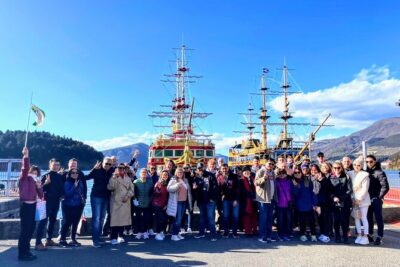 ★ 5.0Mt Fuji and Hakone 1-Day Bus Tour Return by Bullet TrainFrom $16326,383 reviews
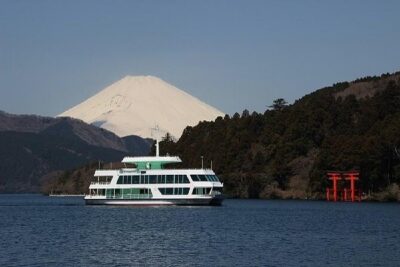 ★ 4.0Mt Fuji & Hakone Cruise, Drum Show Bullet Train 1 Day from TokyoFrom $1497,413 reviews
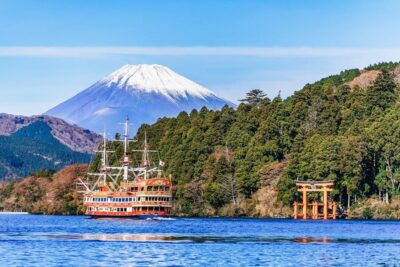 ★ 4.4Tokyo Mt Fuji 5th St & Hakone Cruise Bus Tour w/Bullet TrainFrom $1545,024 reviews
 ★ 4.5From Tokyo: Mount Fuji Full-Day Sightseeing TripFrom $684,970 reviews
 ★ 4.7Mt. Fuji Tour, Hakone Ropeway, Owakudani, Lake AshiFrom $544,002 reviews
 ★ 4.2Mt. Fuji 5th Station & Hakone Cruise 1-Day Bus TourFrom $1292,381 reviews
 ★ 4.7Mt Fuji Top 5 Spots Day Tour: Arakurayama Park,Oshino HakkaiFrom $532,066 reviews
 ★ 5.0Private Tour to Mt. Fuji and Hakone (Fully Licenced Operator)From $4971,910 reviews
This tour also belongs to