
Review · SHIBUYA TOURS
Tokyo: Shibuya Bike Tour
Tokyo traffic is real, but this tour gives you wheels. You’ll glide through Shinjuku and Shibuya in a way that feels fast, fun, and actually doable in a short time. It’s an 80-minute ride built for first-timers who want the big sights without spending the whole day stuck on trains.
I especially like how the tour includes a Meiji Shrine entrance stop for photos, not just a rushed photo stop by a curb. I also like the small group setup, limited to 5, so you can keep your bearings and get help quickly if anything feels off on your bike.
One thing to consider is fit and comfort: the recommended height range is 160cm to 185cm, and if you’re outside that, the bike may feel cramped. It’s still not automatically disqualifying in some cases, but your comfort and safety will depend on whether you can straddle the bike and place both feet on the ground.
Key things to know before you ride
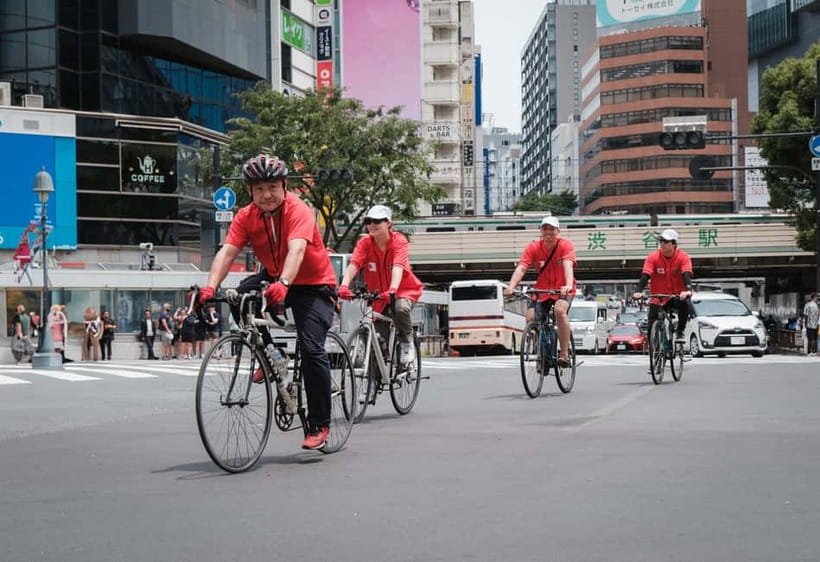
- Small group of up to 5 means less waiting and more personal attention from your English guide
- Costumes and helmets are free, and the helmet is strongly encouraged even though Japan does not require it
- Meiji Shrine entrance stop is the calm pause, with a scenic break that’s long enough to enjoy
- Shibuya Crossing and Harajuku are easier to experience from a bike than from standing still
- Route energy can flex based on fitness level, with options that can make the ride feel more intense
Meeting at JAPANKART Shinjuku, and Getting the bike fit right
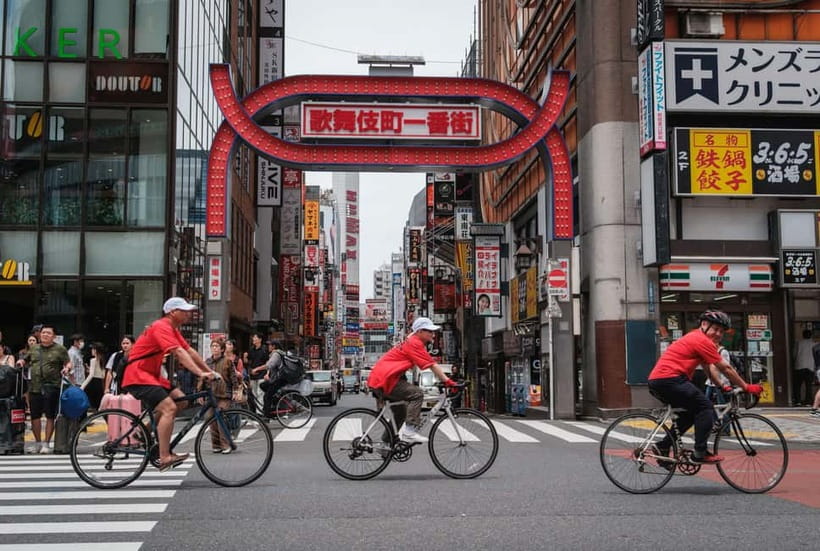
Your tour starts at JAPANKART Shinjuku Branch, near Kabukicho, with the nearest station listed as Shinjuku Sanchome Station. The key here is that you’re not just handed a bike and sent off, you get set up first.
If you’re coming in from a busy day, this is a smart way to begin. Bikes need quick adjustments so you can pedal comfortably and stop safely without wrestling with handlebars or reaching awkwardly. In past trips, guides like Miki and Mikihiro have been praised for helping riders adjust bikes and even doing a test ride, which sets you up for an easier first few minutes.
You can also read our reviews of more cycling tours in Tokyo
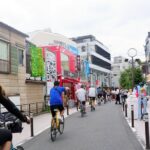
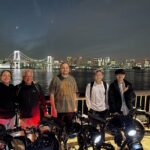
Shinjuku into Shibuya, the Tokyo feeling you get only by bike
The ride is designed to show you the Tokyo mood by motion. Shinjuku and Shibuya feel different from street level, but they also feel different when you’re moving through them under your own power.
You spend about 20 minutes in Shinjuku with a guided tour, then you shift toward Shibuya Crossing. That guided time matters more than it sounds. Tokyo street navigation can be confusing, even for people who know the subway, and a guide helps you read what’s happening around you instead of just reacting to it.
The practical win is rhythm. In a city where crossing streets can take forever and train transfers can eat time, cycling keeps you in the moment. You’ll get the sights without doing a full marathon of walking.
Shibuya Crossing on two wheels, not standing still
Shibuya Crossing is the headline for a reason, but it can also be a time sink if you’re stuck in crowds. Here, you visit for about 20 minutes, and you’re approaching it from the bike route plan rather than trying to fight for a spot on the sidewalk.
That changes your experience. You still get the iconic chaos, but you’re not trapped behind railings or surrounded by only one angle. From your seat, you can take in the intersection’s scale, the layers of people, and the surrounding streets that feed into it.
I like that this stop is long enough to feel like more than a postcard moment. You get time to look, take photos, and keep moving without the tour suddenly rushing you.
Meiji Shrine entrance break: photos, calm, and a mental reset
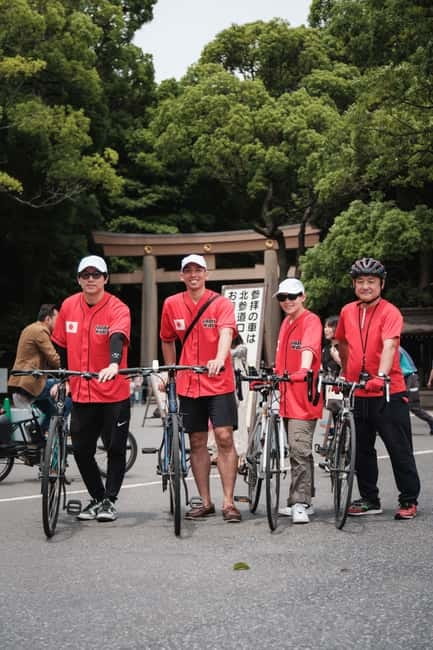
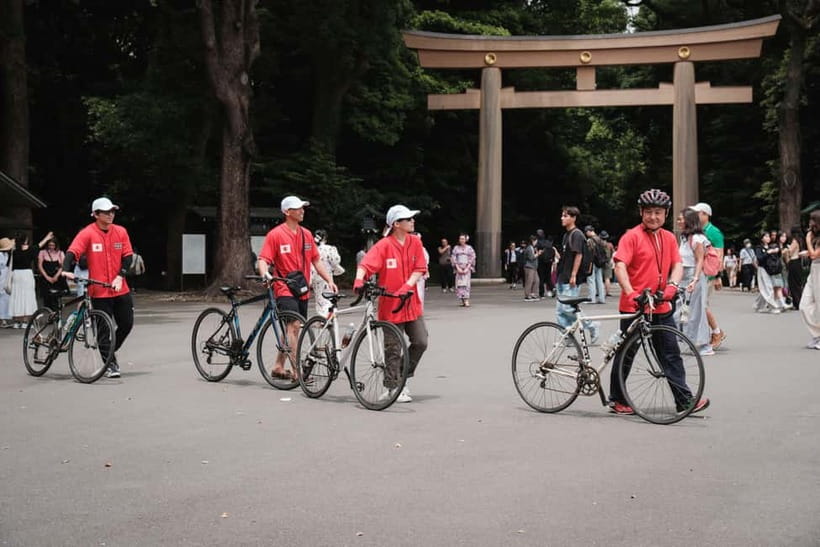
After the Shibuya intensity, you get a break at Meiji Shrine, near the entrance. The tour expectation notes a scenic stop at the entrance for about 5 to 10 minutes, and the schedule also shows Meiji Shrine time for break and visit, so you should plan for a short pause plus regrouping and moving around.
This matters because it gives you a contrast stop. After traffic noise and dense crowds, walking a little in calmer surroundings helps your brain catch up. You can also do the practical travel thing: take a quick photo set, drink water if you have it, and check that everyone is together before the ride continues.
If you like your Tokyo experiences balanced, this is the right kind of pacing. It stops the tour from being only neon, only speed, only crowds.
Harajuku street energy with room for costume fun
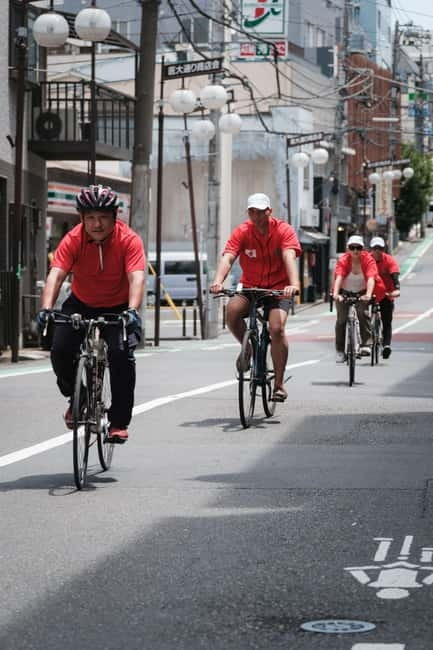
Harajuku is on the list, and that’s a big deal if you’re chasing fashion energy and colorful street scenes. You’ll visit for about 20 minutes, enough time to slow down visually, not just pass by.
This is also where the included costume option becomes more than silly. Costumes and themed helmets are provided free of charge, and wearing them turns Harajuku and Shibuya into a playful theme without needing to plan anything in advance. If you want photos that look like you actually stepped into Tokyo fun rather than just took pictures of it, this helps a lot.
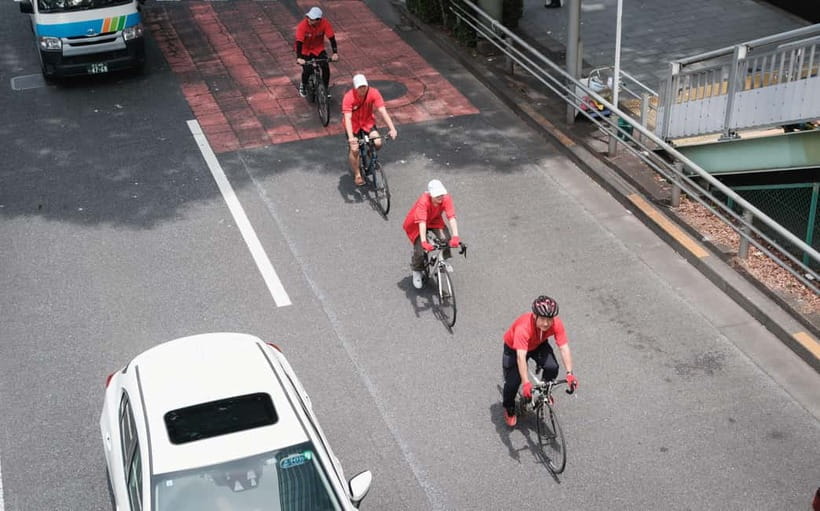
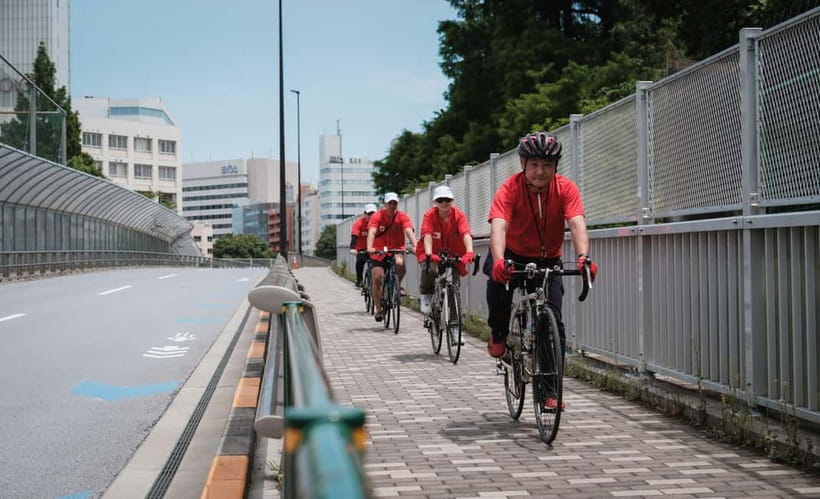
From what’s been shared about earlier rides, groups may even get provided red uniforms, which can make you stand out in a coordinated way. That can be surprisingly effective for getting a fun tour vibe while still keeping everything safe and organized.






Costumes and helmets: safety gear that also upgrades the experience
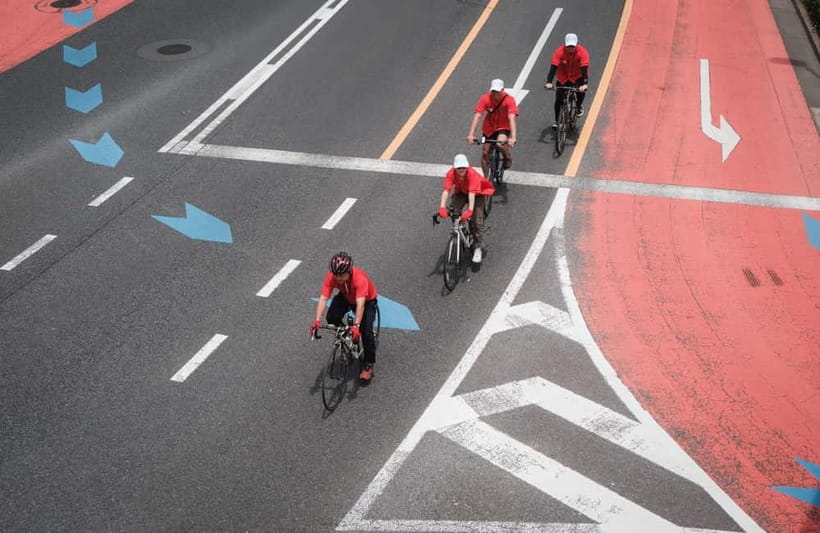
Japan does not require helmets legally, but this tour strongly encourages wearing one. I’m in favor of that. Bikes are fast enough in city conditions that a helmet is just good sense, even if you feel confident.
What I like is that you don’t have to bring anything special for this. Helmets and costumes are included, so you can travel light and still participate. You’re also told to bring comfortable clothes and shoes, and that makes a difference because you’ll be standing and shifting on and off the bike too.
Also pay attention to the ride rules for clothing. You’re not allowed sandals or flip flops, and short skirts and skirts are listed as not allowed. Those restrictions are there for a reason: foot placement and safe movement around the bike matter.
Pace, route options, and how hard this ride feels
This tour is described as fun and relaxed, and the timeframe supports that. You’ll have 80 minutes riding time, plus check-in and prep, so total time is best thought of as about 90 to 100 minutes.
The small-group size is part of why the pace can be maintained. With only up to 5 participants, a guide can slow down for questions, watch for traffic gaps, and keep everyone from stretching too far ahead.
One useful detail from previous experiences is that there can be route choices based on fitness level. If your group wants an easier or more intense path, you may be guided toward different route options. That flexibility helps if you’re riding with people who have different comfort levels.
If you’re the type who likes to be active but not exhausted, this is a good sweet spot. If you’re expecting a hardcore endurance ride, you might be disappointed, but for Tokyo sight-seeing on a bike, it’s a smart match.
Price and value: why $46 makes sense for a short Tokyo window
At $46 per person, this tour is priced for people who want a meaningful experience without spending a full day organizing activities. The value isn’t only the sights, it’s what’s bundled with the ride.
You get:
- A bicycle tour
- Costumes
- Helmets
- A live English guide
- A small group experience limited to 5 participants
That matters because helmets and costumes remove extra hassle. In Tokyo, many guided activities cost more once you add gear, and you still end up doing a lot of walking. Here, you swap some walking for cycling and get a structured way to see Shinjuku, Shibuya Crossing, Meiji Shrine, and Harajuku in one pass.
One more value point is attention. Small group means you’re not one face in a crowd. It’s easier to ask questions, get help if you’re unsure how to handle the bike in traffic conditions, and keep the ride from becoming stressful.
Who this tour fits best, and who should skip it
This tour is for ages 12 and up, and it lists a recommended height range of 160cm to 185cm. Riders under 160cm may still join if they can safely straddle the bike and place both feet on the ground. Riders over 185cm may find the bikes slightly cramped.
There’s also a recommended weight limit of up to 125kg. People over that limit are not automatically disqualified, but comfort and safety can vary depending on body proportions, which is the key phrase to take seriously.
It’s also not suitable for children under 12, people under 160cm, and people over 125kg, based on the guidance provided. If you’re on the edge of any of those ranges, it’s worth thinking about how comfortable you’ll feel getting on, stopping, and moving the bike around safely.
Overall, I think this is strongest for:
- First-time Tokyo visitors who want iconic neighborhoods
- People who like photos and don’t want to stand in a crowd the whole time
- Travelers who want a structured ride with an English guide and minimal fuss
- Friends or couples who want an active, slightly playful experience, especially with costume options
What to bring, what to wear, and how to make the ride feel easy
The simple checklist is:
- Comfortable shoes
- Comfortable clothes
- A helmet (optional to bring since helmets are provided, but the guide strongly encourages using one)
Since sandals or flip flops are not allowed, plan for closed-toe footwear. Also note that skirts are listed as not allowed, and short skirts are specifically mentioned too. If you want to wear something fun, think practical, like pants or clothing you can move in.
A small thing that helps in Tokyo is friction management. Comfortable shoes reduce fatigue when you need to park the bike briefly, step off, and re-adjust. And comfortable clothes keep you from overheating if the day is warm.
If you’re the type who gets anxious about bikes in cities, arrive with a calm mindset. The setup and test ride help, and the group size keeps things manageable.
Extra sights you might catch along the way
The itinerary lists the big anchor stops, but based on prior route experiences, you may also pass by additional points of interest depending on how the ride is paced. For example, earlier groups described seeing highlights like the Hachiko Statue, plus options that can swing toward Yoyogi Park and even a stadium area.
I’m using cautious language here on purpose. These extras depend on route choices and group energy. The reliable part is that you’ll hit Shinjuku, Shibuya Crossing, Meiji Shrine entrance, and Harajuku within the overall timeframe.
Should you book the Tokyo Shibuya Bike Tour?
Book it if you want Tokyo’s biggest neighborhood names in a single, time-efficient ride, and you’re comfortable sharing the road at city speed with a guide leading the way. The small-group size, English live guide, and included helmet and costume make it feel easy to commit to, even if you’re traveling light.
Don’t book it if fit is a concern. If you’re outside the recommended height range or you’re over the recommended weight limit, pause and think about comfort and safe straddling and stopping, not just whether you can technically participate. This tour works when you feel stable on the bike.
If your goal is a fun, safe, structured introduction to Tokyo street life, I’d call this a strong choice. It’s one of those activities that helps you see Tokyo as a living city, not just a list of landmarks.
FAQ
How long is the Tokyo Shibuya Bike Tour?
The bike tour itself is about 80 minutes. Including check-in and preparation time, you should plan for around 90 to 100 minutes total.
Where does the tour start?
The meeting point is JAPANKART Shinjuku Branch, located near Kabukicho. The nearest station listed is Shinjuku Sanchome Station.
What stops are included?
You’ll go through Shinjuku, visit Shibuya Crossing, take a break at the entrance of Meiji Shrine, and then visit Harajuku before returning to the start location.
What are the age and size requirements?
Participants must be at least 12 years old. The recommended height range is 160cm to 185cm. The recommended weight limit is up to 125kg, and comfort and safety may vary depending on body proportions.
Is an English guide provided?
Yes. The tour includes a live English-speaking guide.
Are helmets and costumes included?
Yes. Helmets and costumes are available for free. Helmets are not legally required in Japan, but the tour strongly encourages wearing one for safety.
More Cycling Tours in Tokyo
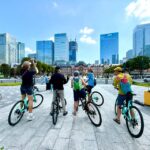
More Tours in Tokyo
More Tour Reviews in Tokyo
Not for you? Here's more nearby things to do in Tokyo we have reviewed












Shibuya Tours, side by side.
 ★ 5.0Official Street Go-Kart in ShibuyaFrom $763,435 reviews
 ★ 4.9Street Kart Experience in ShibuyaFrom $741,484 reviews
 ★ 5.0Shibuya Meltdown Nightlife Tour: All-You-Can-Drink Bar HoppingFrom $1061,058 reviews
 ★ 5.0Shibuya Official Street Go-Kart in Shibuya AnnexFrom $69972 reviews
 ★ 5.0Shibuya Food Tour (13 dishes and 4 Eateries)From $77770 reviews
 ★ 5.0Best of Shibuya Food TourFrom $217612 reviews
 ★ 4.8Shibuya Highlights Walking TourFrom $19601 reviews
 ★ 4.7Premium Go-Kart Tour with Tower & Shibuya CrossingFrom $116528 reviews
This tour also belongs to