
Review · ASAKUSA TOURS
Tokyo: Super Local Private E-bike Cycling Tour from Asakusa
Tokyo looks different from two wheels. This private 3-hour e-bike tour from Asakusa sends you into super local neighborhoods, and I love that you are not stuck to a rigid sightseeing script. I also like the motor assist, so you can pedal comfortably while Tokyo slips by at a relaxed pace.
The one drawback to plan around is bike comfort and dress rules: it is not for kids under 12, and it may not suit people over 100kg or those wearing sandals or skirts. If you want a slow, shoe-wear-friendly stroll with zero cycling, this will feel more active than you expect.
Key highlights to know before you go
- Super local route away from tourist loops through shopping streets, backstreets, and everyday areas
- Private, no other guests so your guide can match your speed and interests
- E-bike motor assist to remove the hill stress and keep the ride fun
- Photo stops while you travel so you get moments to shoot without cycling distractions
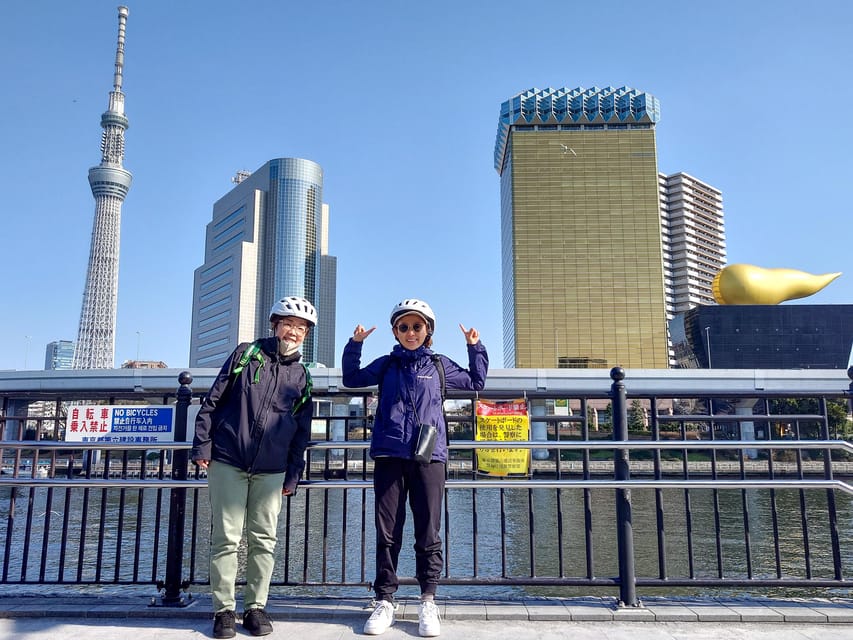
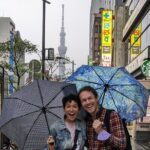
- Rivers and city views including Arakawa and Sumidagawa rivers, plus a Tokyo Skytree viewing point
- Flexible guiding style with English or Japanese, and even route adaptation based on interests
Why this Asakusa e-bike tour feels more real than a checklist day
If you are tired of seeing Tokyo only through the lens of big-name sights, this is the kind of ride that changes your day. You start in Asakusa, then you head into the places where daily life keeps moving, with shopping streets, backstreets, and river paths that do not look like the same old tour route.
I love that it is designed as an active neighborhood experience, not a hurry-up-and-stand-still photo day. And because it is private, the pace is yours, so you can spend a little longer at a temple entrance, or simply enjoy the ride without feeling you are holding anyone back.
A big part of the appeal is that you are on an e-bike, not just walking. The motor assist helps you maintain an easy effort, which matters in a city where distances add up fast, and where you might otherwise feel wiped out before the best streets even show up.
You can also read our reviews of more cycling tours in Tokyo
Private for real: how your 3 hours get shaped
This is a private group, which means you are not sharing the tour with strangers. That changes everything about comfort. You can ask questions as you ride, your guide can slow down when you want photos, and you are not stuck waiting while a larger group navigates turns.
The ride runs about 3 hours, and the goal is to keep it well paced. I like that the experience is built around your rhythm, not a countdown. If you want more motion and less lingering, the route can lean that way. If you want more sightseeing moments, your guide can adjust.
Also, communication is practical. The operator will reach out to you via WhatsApp, iMessage, or SMS, which makes it easier to coordinate where to meet and get started without the usual day-of guessing game.
The e-bike setup: easy riding, clear rules
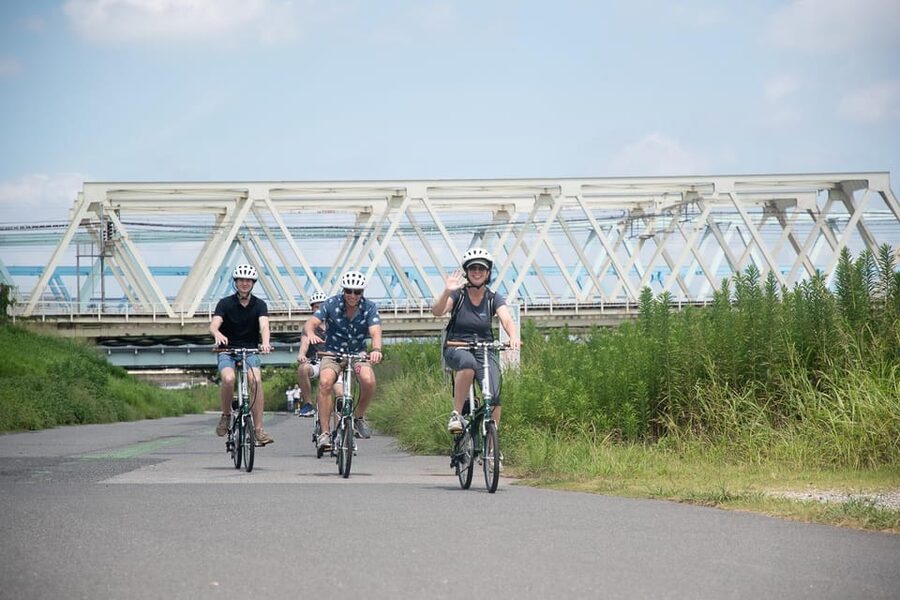
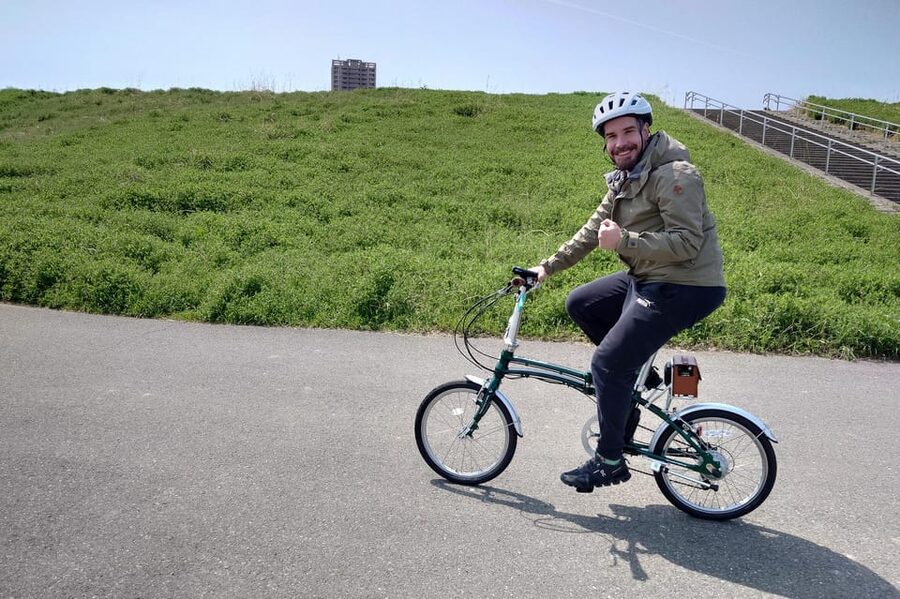
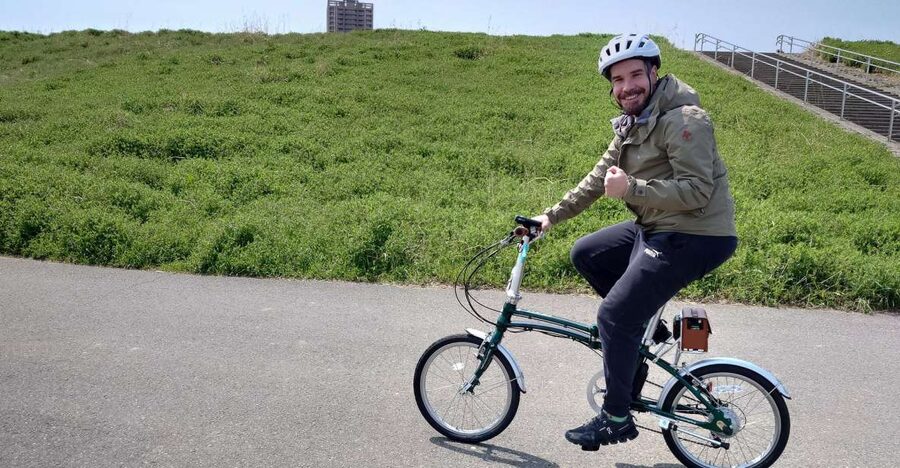
The e-bikes are the key to making this tour feel doable. The motor assists you when you pedal, so you get that smooth sense of momentum without turning the day into a workout. If you are not an avid cyclist, you can still enjoy the ride, and the experience stays focused on the neighborhoods and sights.
You get the basics covered up front: an e-bike, helmet, and safety instruction, plus insurance. That matters because you are not just renting a bike and hoping for the best. You get a clear start on how to ride safely in traffic and around turns.
One thing to remember is that the tour has a clear non-negotiable style. No photo or video shooting while cycling, so your guide will use photo stops as the time to capture the moments. You will still get plenty of chances to look and shoot, but you are expected to keep your attention on the road.
Starting from Asakusa Culture Tourist Information Center
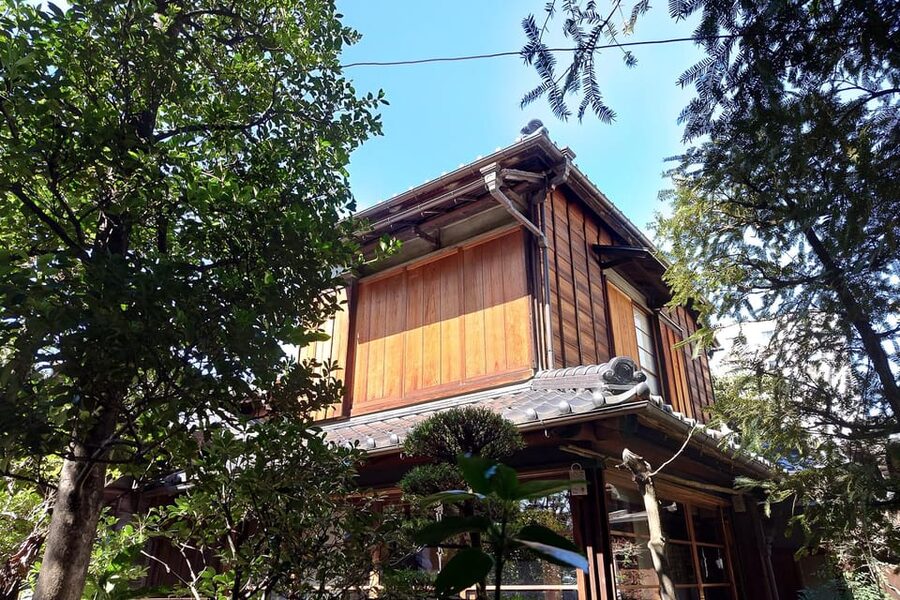
You meet at the Asakusa Culture Tourist Information Center. The meeting instruction is simple and easy to follow: look for the guide with a white bike helmet. That saves you the classic travel headache of trying to match a meeting point sign to a face behind a crowd.
From the start, the tour sets expectations well. You are going to make photo stops early, then you will slowly transition into riding through smaller streets and river-adjacent areas. In other words, you get the familiar Asakusa visual anchors first, then you earn the more local feel as you go.
It is also a no-hotel-pickup tour, so you should plan to arrive at the meeting area under your own steam. That is usually fine in Tokyo, but it does mean you should check your route to Asakusa before you assume someone is coming to get you.
Kaminarimon Gate: a quick photo stop that sets the tone
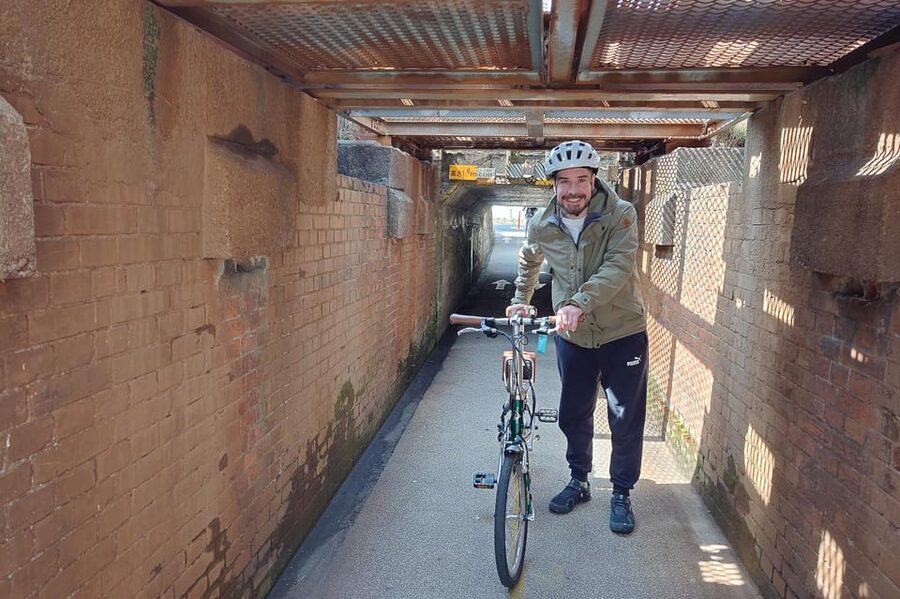
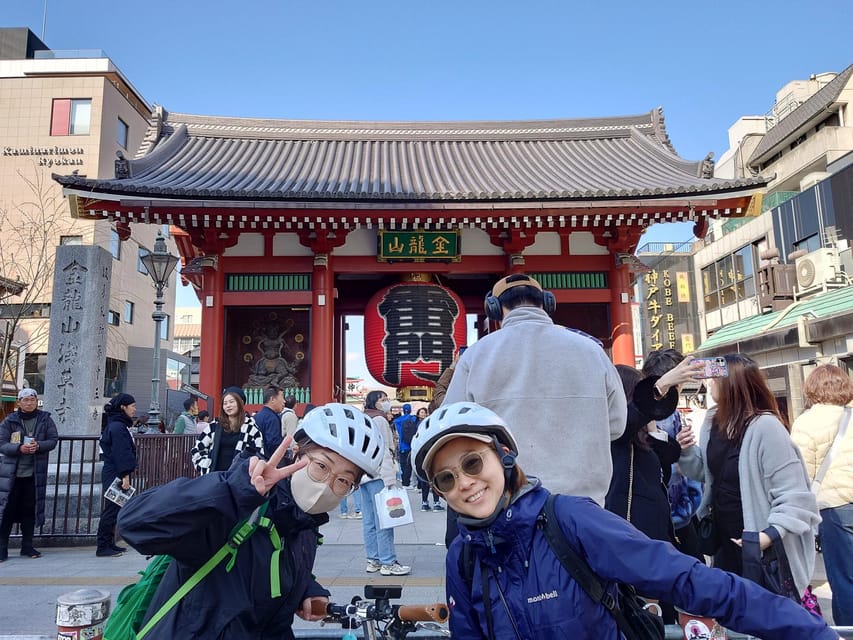
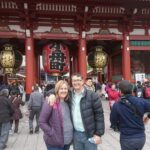
One of the early moments is a 10-minute photo stop at Kaminarimon Gate. Even with just a short stop, it works as a tone-setter. You get your bearings, you get an easy first look, and you are reminded you are in a classic Asakusa setting before the ride slips into the quieter, less predictable streets.
Because the stop is short, you do not feel stuck waiting. You get in, shoot if you want, and move on. That matters because the rest of the tour is built on motion and changing scenery.
The best way to use these early minutes is to look around rather than just aim the camera. When you know what direction you want to go next, the rest of the ride feels smoother and more intentional.
You can also read our reviews of more private tours in Tokyo
Imado Shrine: history and atmosphere without the crowd pressure
Next is a 10-minute photo stop at Imado Shrine. This is another quick pause, but it gives you time to slow down and take in the area in a way a walking-only loop might not allow. You get that calm moment before cycling back into the rhythm of neighborhood streets.
I like these kinds of short stops because they reduce decision fatigue. You do not have to wonder whether you should linger, because the guide is already managing time. You can decide on the spot how long you want to spend, then you are back on the bike when you are ready.
The in-between photo stops: where the super local feeling takes over
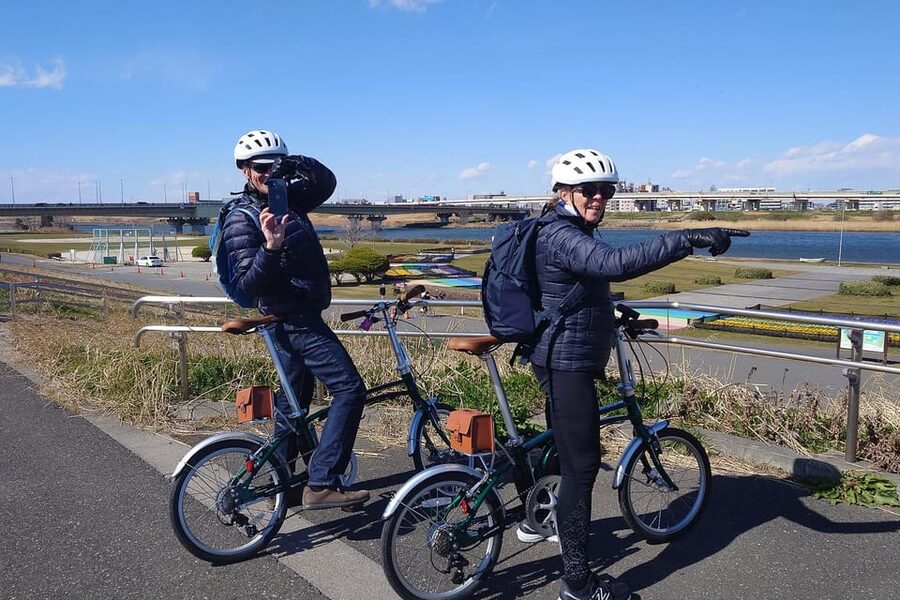
After the first anchor sights, the itinerary includes several additional photo stops (with times ranging from about 10 to 15 minutes). This is the section that usually delivers the best contrast to typical tourist routes.
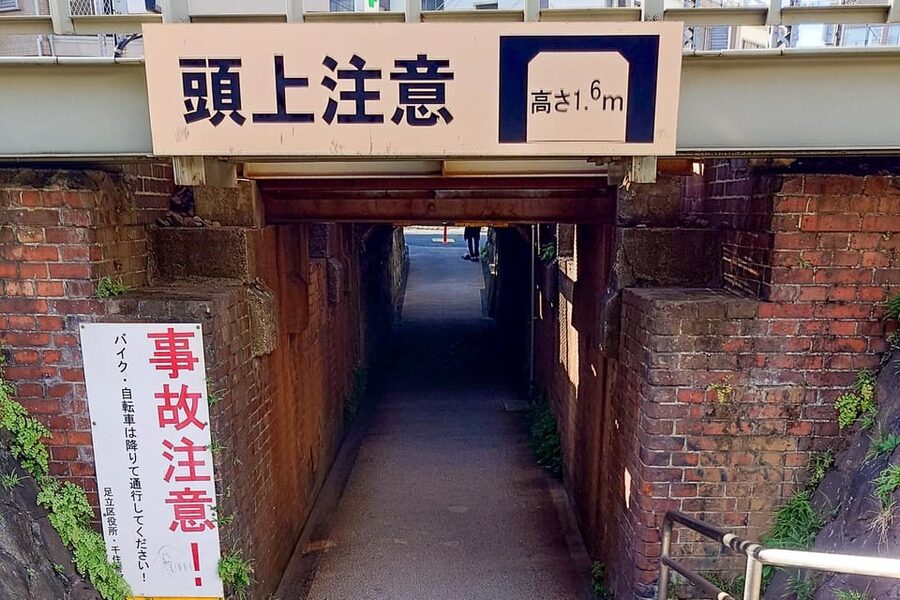
Along the way, you might pass through local shopping streets and quieter backstreets, and you might also see areas and landmarks such as Matsuchiya Shoden Temple and the Old Red Light District. You are not just looking at famous scenery, you are seeing how people actually move through the city, in small doses, street by street.
The value here is practical. Tokyo is huge, and local neighborhoods can be hard to read if you only visit on foot. Riding an e-bike gives you enough speed to cover ground, but enough control to still notice details. You catch the texture of daily life, then you keep going before boredom kicks in.
One more rule to keep in mind for these stops: because cycling time is separate from photo time, you will get better photos if you plan your shots during the photo stop windows rather than trying to film while moving.
Sumida Park: a calm pause after river-side riding
Later, the itinerary includes a photo stop at Sumida Park. Parks are a smart closing act for a bike tour. After you have been riding through streets and along water edges like the Arakawa Riverside and Sumidagawa Riverside, the park gives you a break where you can breathe, regroup, and actually take in the views.
I like that the tour does not end with a scramble. You end at Sumida Park, then ride back toward the meeting point. That keeps the day from feeling like you are rushing through the best scenery and then suddenly realizing you are tired.
If you want the most out of this segment, slow down your pace for a minute. Look out at the riverside space, then notice how the city feels different away from the tight streets. That change of scenery is a big part of why this tour works.
Tokyo Skytree viewing and river breezes: the scenic payoff
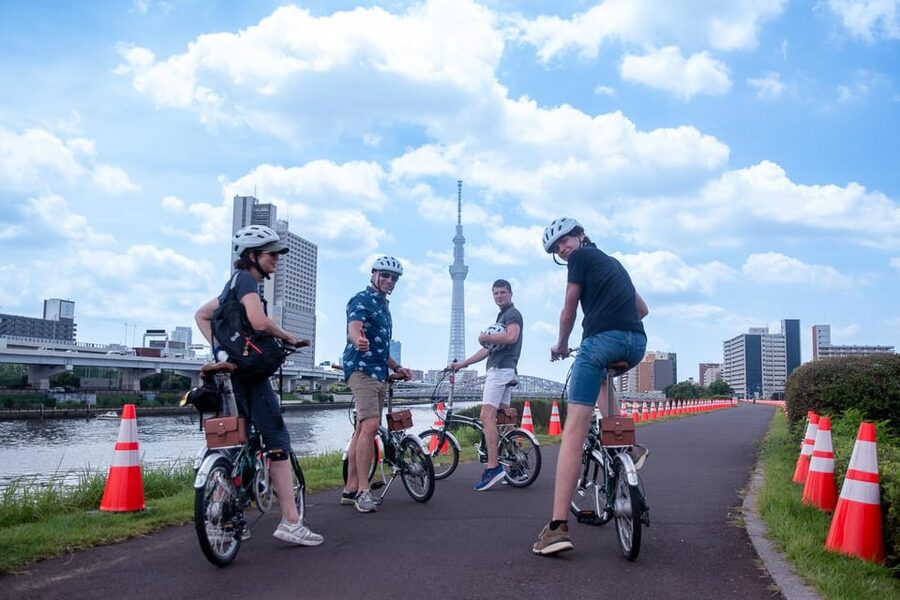
One of the advertised expectations is viewing Tokyo Skytree, and the tour description also calls out breezes along the rivers. Even when you treat these as bonus moments, they matter because they add variety to the ride.
The route can include river-adjacent scenery like the Arakawa Riverside and Sumidagawa Riverside, so you get a break from stop-and-go street patterns. You also get the kind of wide-open perspective that is hard to find while staying in dense shopping areas on foot.
This is where the e-bike helps again. Riders can slow down and enjoy what they are seeing without feeling like they have to pedal through every slight change in terrain. It turns the ride into a comfortable glide rather than a continuous effort.
Fish-market energy and Kitasenju street life
The tour can include Adachi Fish Market and Kitasenju, which is where the experience leans hardest into local commerce and neighborhood character. These are the kind of stops where you start to understand the day-to-day rhythm of the city, not just the postcard parts.
In my view, fish-market areas are especially good on a bike tour because you can get close to activity without having to squeeze through every narrow alley on foot. You can pause for the moments the guide stops for, then keep moving so you do not miss the next district feeling.
Kitasenju is described as a vibrant local neighborhood in the tour overview, and regardless of the label, the practical takeaway is this: you are likely to feel like you are moving through a real part of Tokyo, where locals shop, run errands, and live their routine. That is the point of the super local approach.
What makes the guide experience work: pace, humor, and adaptation
The tour includes a live guide in English and Japanese, plus safety instruction. That matters because the guide is not just pointing at places. They are the person helping you ride smoothly, understand what you are looking at, and keep the timing balanced.
The reviews highlight a few guide qualities that are worth your attention. One guide, Kazuma, is described as kind and funny, and he is also noted for adapting the bike tour to personal interests, including adding more local food tasting stops. Another guide is described as friendly and knowledgeable, and the tour starting from Asakusa is framed as a stronger fit for the more traditional parts away from heavy tourist foot traffic.
Even if you do not plan to chase food, this kind of flexibility is a big value. If you have preferences, you can speak up early. Tell your guide what you like, and ask where they can slow down or adjust your route to match.
Price and value: what $141 really buys you
At $141 per person for about 3 hours, you are paying for more than a bike rental. You are also paying for the guide, the helmet, safety instruction, and insurance, which reduces a lot of the uncertainty you would have if you tried to DIY it.
For me, the best value piece is the combination: super local route plus private guidance. In cities like Tokyo, it is easy to spend time traveling, then feel like you only scratched the surface. Here, the e-bike helps you cover multiple neighborhoods in a short window, while the private guide helps you make sense of what you are seeing.
Also, food and beverages are not included, so you are not forced into a set meal plan. If you want snacks, you can decide when and where based on what you find during the ride. If you prefer to keep it simple, you can treat the tour as sightseeing first and let meals be separate.
Tour rules and fit: who should book, and who should skip
This tour includes clear restrictions. You cannot bring certain footwear, and you should expect basic riding etiquette.
Not allowed:
- High-heeled shoes
- Sandals or flip flops
- Smoking
- Alcohol and drugs
- Skirts
- Alcoholic drinks in the vehicle
That dress code is not about being picky. It is about safety and comfort while riding. If your shoes are not stable, you will feel it immediately on a bike.
There are also physical fit limits. The ride is ideal for heights 145cm-185cm, and it is not good for anyone heavier than 100kg. It is not suitable for children under 12.
So who is it best for?
- Adults who want active sightseeing, not a slow walk-only day
- People who want a super local feel without spending hours researching routes
- Riders who want to see river scenery and neighborhood streets in the same half-day
Who should skip?
- Anyone who needs fully flat, no-cycling options
- Anyone who cannot meet the footwear and comfort requirements
- Families with kids under 12
Should you book this Asakusa private e-bike tour?
If you want a Tokyo day that feels personal, this is a strong pick. The biggest reasons to book are simple: private time, an e-bike that keeps the ride comfortable, and a route that prioritizes super local streets instead of repeating the same tourist stops.
I would book it if you like active travel but still want your guide to handle the pacing and navigation. It is especially useful if you have limited time and you still want to get outside the main sightseeing grid.
I would think twice if you dislike cycling, if you are not comfortable with the outfit rules, or if you are looking for a tour that includes food as part of the price. Since food and beverages are not included, you will want to plan your snacks or meals separately.
If you do book, my best tip is to tell your guide what you care about at the start, whether that is temples, river views, market areas, or even the kinds of local food stops you like. With this kind of private setup, the tour can usually feel less like a script and more like your day in Tokyo.
FAQ
How long is the Tokyo: Super Local Private E-bike Cycling Tour from Asakusa?
It lasts about 3 hours.
Is this a private tour?
Yes, it is a private group, so no other guests are involved.
What is included in the tour price?
The tour includes an e-bike, a helmet, safety instruction, insurance, and a live guide.
Are food and beverages included?
No, food and beverages are not included.
What should I wear or avoid for the tour?
Avoid high-heeled shoes, and avoid sandals or flip flops. Skirts are not allowed, and you should also avoid smoking and alcohol and drugs.
Can I cancel and get a full refund?
Yes. You can cancel up to 24 hours in advance for a full refund.
More Cycling Tours in Tokyo
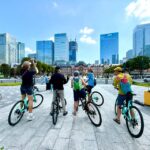
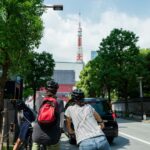
More Tours in Tokyo





More Tour Reviews in Tokyo


Not for you? Here's more nearby things to do in Tokyo we have reviewed












Asakusa Tours, side by side.
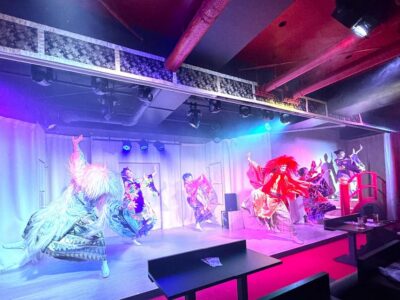 ★ 4.8Japanese Dance Cabaret Theater Asakusa-Kaguwa TicketFrom $492,270 reviews
 ★ 4.7Meiji Shrine, Asakusa, Skytree Bus Tour and CruiseFrom $1221,986 reviews
 ★ 4.9Roll and Authentic Sushi Making Class in AsakusaFrom $581,957 reviews
 ★ 4.8Asakusa Walking Tour with Sensoji Temple VisitFrom $221,583 reviews
 ★ 5.0Tokyo Asakusa Rickshaw TourFrom $421,375 reviews
 ★ 4.5Tokyo Panoramic 1 Day: Meiji Shrine, Asakusa, Odaiba and SKYTREE®From $851,222 reviews
 ★ 5.0Tokyo Go Kart: Asakusa, Skytree, and Akihabara **IDP MUST**From $99988 reviews
 ★ 4.7Asakusa, Skytree & Akhihabara Go-Kart City ExperienceFrom $96761 reviews
This tour also belongs to