
Review · ASAKUSA TOURS
Tokyo : Visite des temples d’Asakusa avec guide français
Tokyo’s temples teach you how to read a city.
This French-guided Asakusa walk is interesting because it goes past the postcard stops and shows you how everyday people practice shinto and Buddhism side by side. I especially liked the patience and friendliness of the francophone guide (often mentioned as Nicolas), plus the way you get hands on with rituals like temizu handwashing and omikuji fortune slips. One consideration: it’s a walking tour, so you’ll want comfortable shoes and you should expect some stairs, including a climb for city views.
If you’re trying to understand Tokyo without rushing, this is a smart pick. It runs in good weather or bad, it’s a small group (max 8), and it starts with great orientation points like Azumabashi before you step into temple etiquette.
Key highlights you will actually feel
- Skytree views from Asakusa before you begin the temple rhythm
- Kaminarimon and its 700 kg lantern, plus what the name means
- Nakamise street context, so souvenirs and snacks make cultural sense
- Temizu, omikuji, and jokoro healing incense explained in plain language
- Sensoji prayer etiquette, including the contrast with the nearby shinto sanctuary
- French-language guidance that keeps the pace friendly for a small group
Why Asakusa is the right place to start with Tokyo temples
Asakusa is where Tokyo still feels older than the skyline. The streets around Sensoji have that layered feeling, like you’re walking through different eras at once. You also get a rare chance to watch how religion works in daily life, not just as architecture for tourists.
What I like about this tour’s approach is that it treats temples like living places with rules. You don’t just look up at roofs and lanterns. You learn why people bow, why they wash hands, and why a bit of paper fortune still matters to them. That makes the whole area feel less like a museum and more like culture you can understand.
You can also read our reviews of more guided tours in Tokyo
Burger King Asakusa to Azumabashi: your view-first warm up
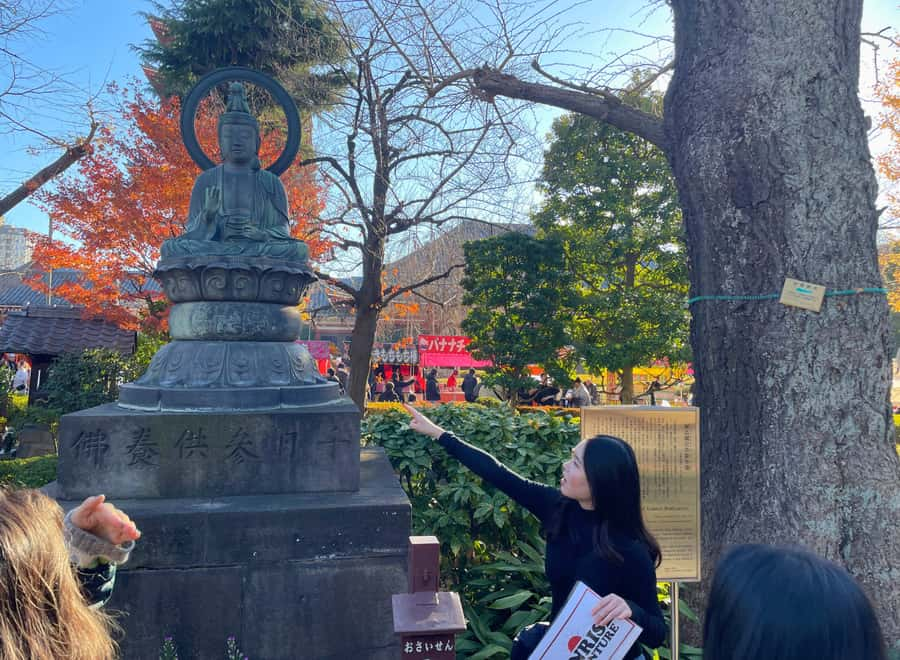
The tour begins at Burger King Asakusa, near the lively streets where it’s easy to find your bearings. The guide waits at the entrance with a sign for Sunrise Adventure, so you can match faces fast. Try to arrive 10 minutes early so you can settle in without stress.
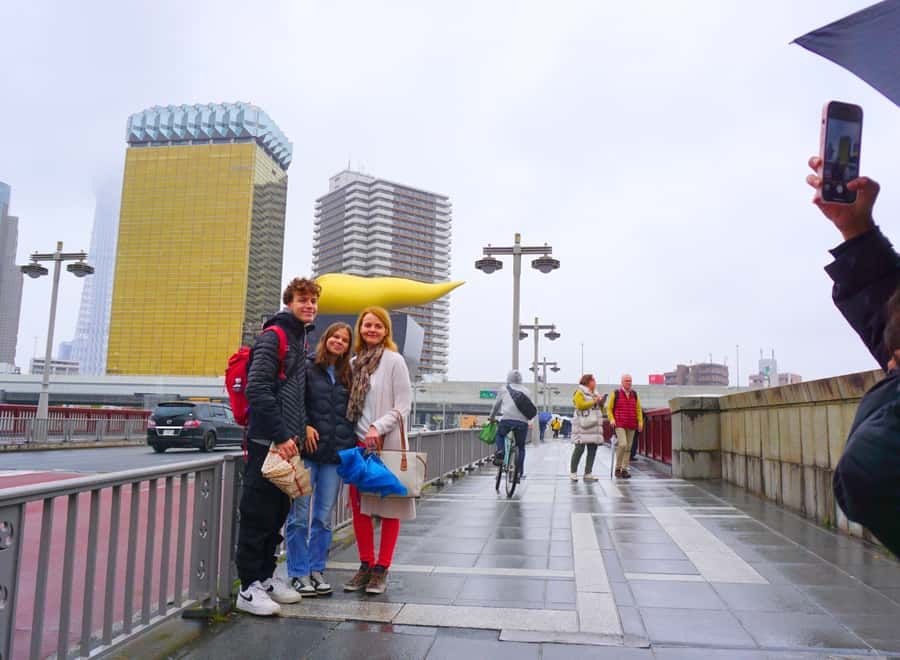
Before you hit the main temple zone, you start with orientation. You walk to Azumabashi Bridge, which gives a strong first view out over the area. Then you climb to the top floor of the Asakusa tourist information center for a panorama that helps you “place” everything you’ll see next. If you’ve ever felt lost in Asakusa, this kind of view step is more than nice scenery. It gives your brain a map.
Practical note: the walk includes steps and a short climb, so wear shoes that handle uneven sidewalks and stairs comfortably. This is not a formal sit-down activity, it’s a walking experience.
Kaminarimon and Nakamise: turning famous sights into cultural clues
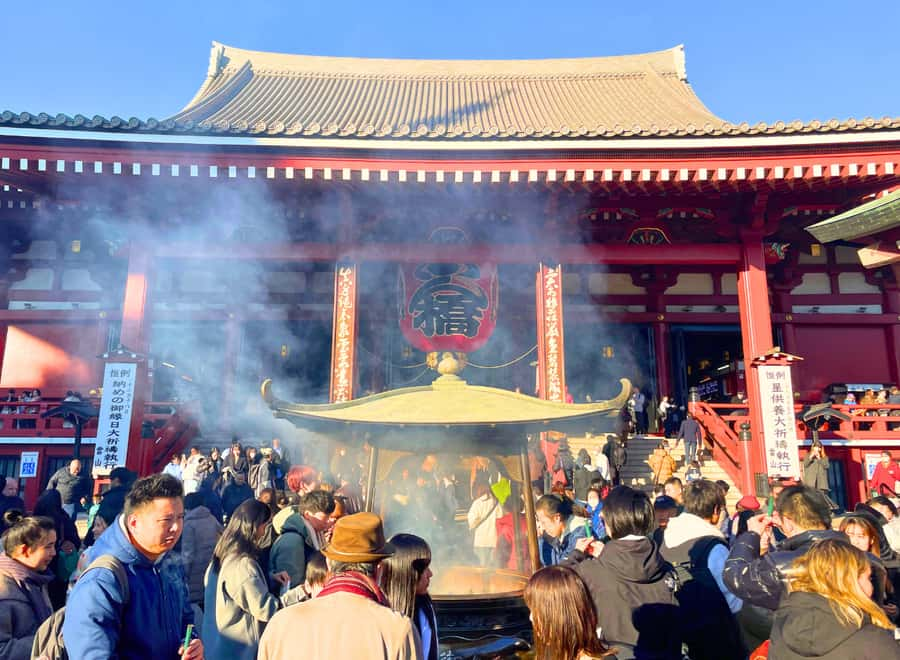
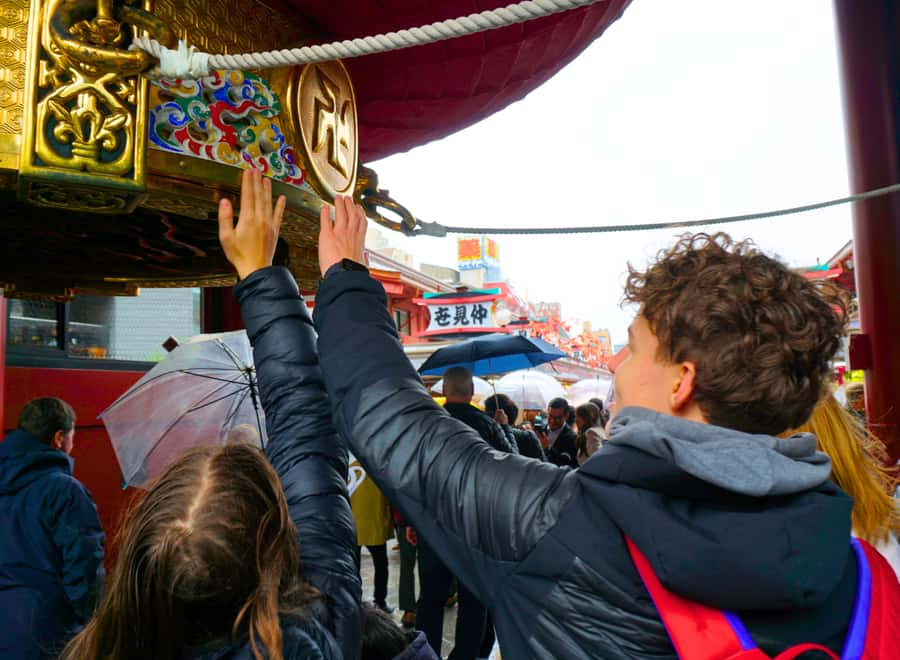
Soon you pass through Kaminarimon, the famous gate with the big red lantern. You’ll hear the story of that lantern, including the detail that it weighs 700 kg, and you’ll learn what the gate’s name means, the door of thunder. Those are small facts, but they change how you experience the gate. It becomes less about “big gate, nice photo” and more about meaning.
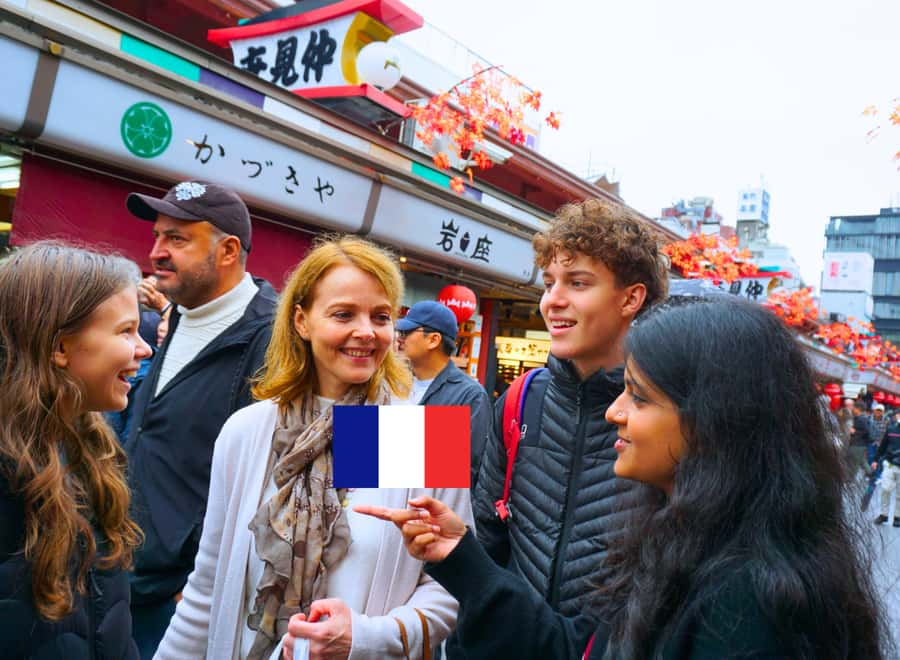
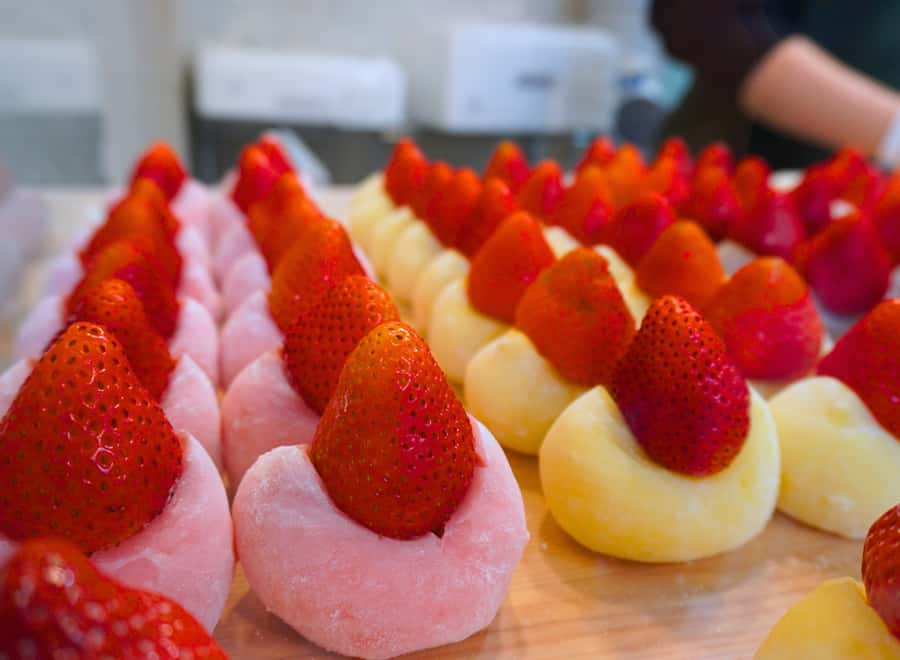
From there, you head into Nakamise, the well-known shopping street. What’s valuable here is the commentary. Instead of treating snacks and souvenirs as random buys, your guide explains cultural significance behind what people eat and what they bring home. You’ll also get help figuring out where to find the best options, so you’re not guessing in a crowd.
If you like eating while you learn, this part is a good balance. It gives you energy without turning the tour into a shopping spree. You get context, and you can choose what you want.
Temizu, omikuji, and jokoro incense: the rituals most people miss
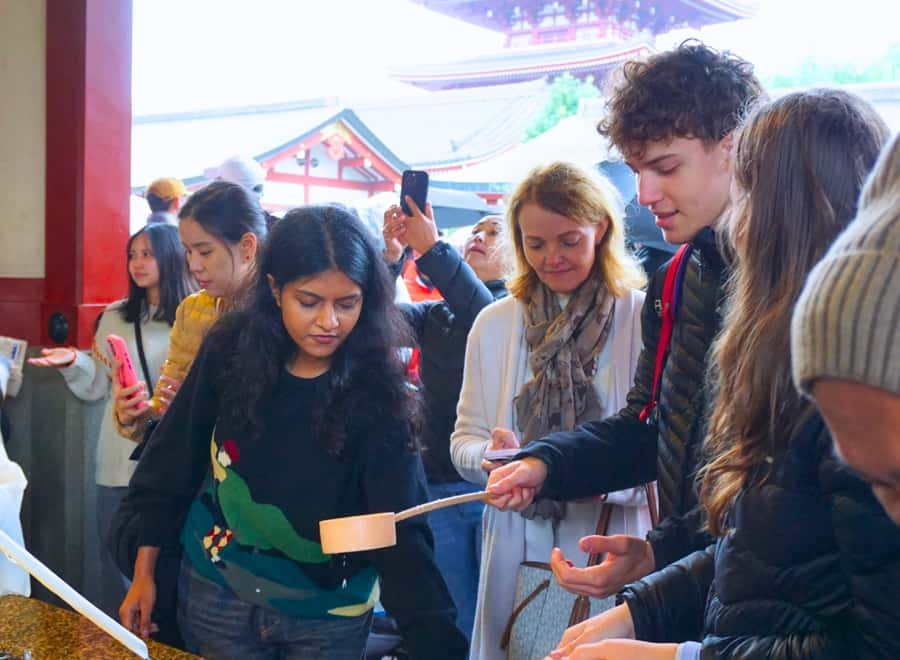
This is where the tour becomes more than sightseeing. The core of the experience is walking into smaller, less obvious spiritual spaces and learning the routines people actually use.
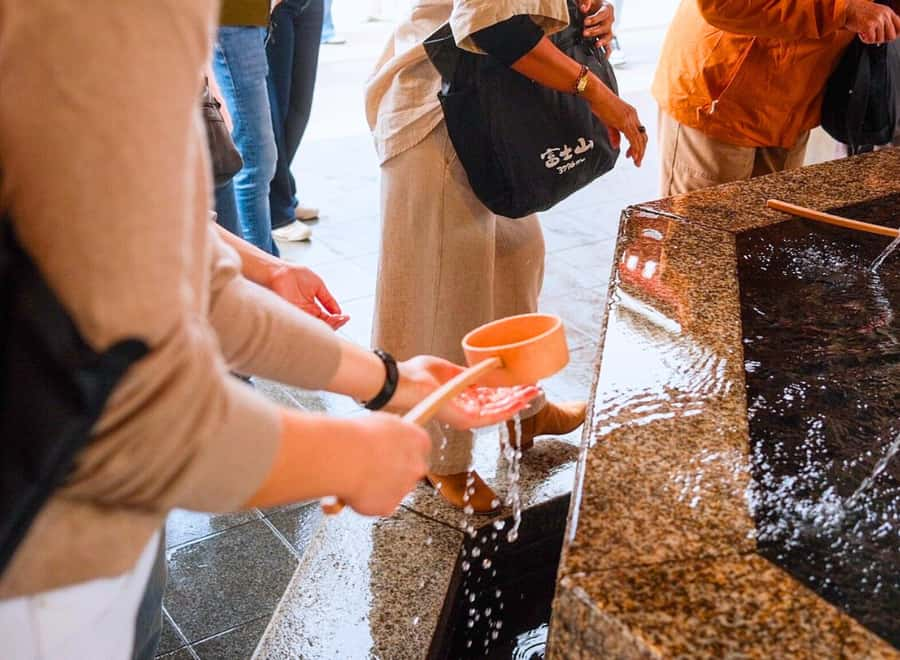
You’ll see how temizu, handwashing before entering sacred areas, works. It might sound simple, but having someone explain the etiquette makes it feel natural instead of awkward. You learn what you’re supposed to do, and why people do it.
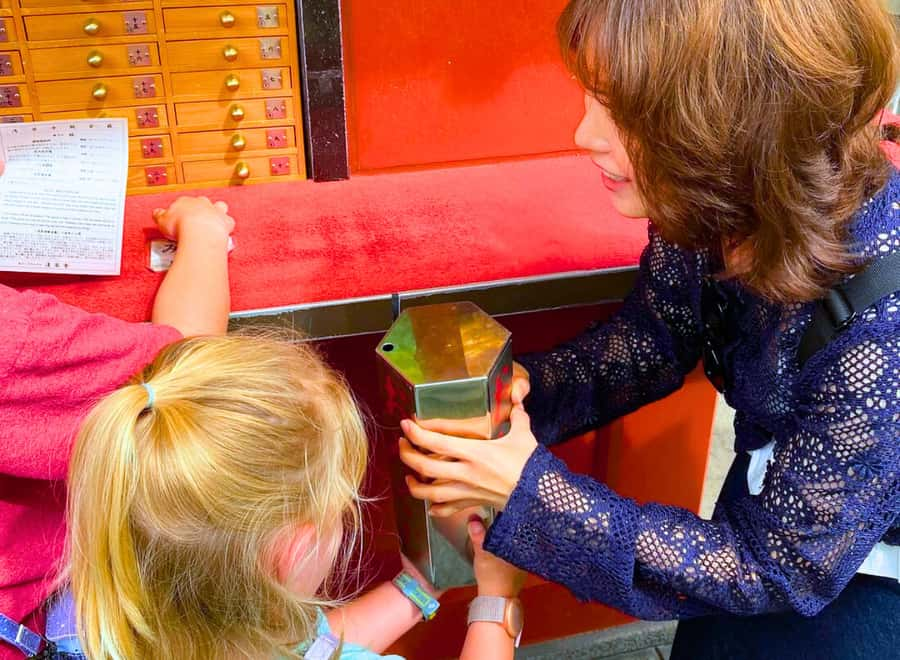
Then comes omikuji, the fortune slips. You get to try it, and you’ll learn how the practice fits into how people think about luck and advice. Even if you don’t take fortunes too seriously, the activity is engaging because it turns a temple visit into a personal moment.
Finally, you’ll hear about jokoro incense used for healing, including why people burn incense for wellness. And yes, the tour includes trying the incense. This is a great example of the tour’s philosophy: the guide focuses on lived practice. You’re not just watching a ritual, you’re participating in the part tourists often skip.
Sensoji prayer etiquette: where Buddhism and Shinto overlap
Now you’re at Sensoji, the oldest temple in the area, and the tour shifts from street-level atmosphere into temple etiquette. Your guide explains how to pray in a Buddhist way, and it’s different from the nearby shinto sanctuary routines.
You learn how to show respect in the right spots: how people move through space, how they bow, and how they approach sacred thresholds such as gates associated with torii. The key point is that you’re not being asked to memorize a rulebook. You’re being guided through the logic of behavior, so you can copy what you see without guessing.
This contrast between traditions is the big takeaway. Japan’s spiritual life isn’t neatly separated. You’ll see the overlap in how people move, how they perform small rituals, and how the same area can feel both Buddhist and shinto at the same time. For me, that’s what makes Sensoji such a good learning ground. It’s not just one religion in one building. It’s a system of practices that share space.






Small group format, max 8: why the tour feels personal
One reason this tour earns strong praise is the group size. With max 8 people, you’re not stuck behind a line of strangers while your guide talks to nobody in particular. You can ask questions, and you’re more likely to get explanations that match your pace.
That matters with etiquette tours. Small details decide whether you feel confident or clumsy. When the guide can slow down and be patient, you get to understand the “why,” not only the “do this.”
The francophone element is another value. If you’re choosing a French-guided experience in Tokyo, you likely want comfort and clarity, not translation effort. A guide who can explain shinto and Buddhism in French helps you connect the dots fast.
Price of $40: where the value comes from
At $40 per person, this isn’t the cheapest way to see Asakusa. But the cost makes sense when you look at what’s included.
You get:
- French-guided temple interpretation
- Entry experience plus a structured walk through the Asakusa area
- Hands-on cultural activities like omikuji and healing incense
- Specific etiquette coaching, including the difference between the Buddhist prayer style and shinto sanctuary behavior
- A small-group pace that helps you avoid common mistakes
If you were to recreate this on your own, you’d likely spend more time figuring out what to do at each ritual step, and you might miss the meaning behind what you’re seeing. The guide reduces that guesswork. You also get the benefit of guidance at moments where doing the wrong thing would feel awkward, like handwashing etiquette or how to approach prayer spaces.
So the real question isn’t just “Is $40 cheap?” It’s “Will this help you understand the place faster and more respectfully?” For many people, the answer is yes.
Weather, walking, and what to pack so you enjoy it
The tour runs in good weather or bad, so your experience depends on what Tokyo gives you that day. Since it’s a walking tour, you should plan for a full stroll rather than a quick stop at one monument.
Bring:
- Comfortable walking shoes (you’ll thank yourself on stairs)
- A weather-ready layer (rain gear or a light jacket, depending on season)
- Optional small cash for personal purchases like snacks or souvenirs
Also, it’s not suitable for wheelchair users based on the format. If mobility is a concern, you’ll want to choose a different tour style that can match your needs.
Who should book this Sensoji temples with French guide walk
I’d book this if you want more than photos. This is for you if you:
- Prefer learning in French and want clear cultural explanations
- Care about etiquette and respectful visiting, not just landmarks
- Like the idea of trying omikuji and experiencing rituals hands on
- Want to understand how shinto and Buddhism overlap in modern Tokyo
It’s also a strong choice for first-time Asakusa visitors who feel overwhelmed by the amount of stuff on the streets. The structure helps you keep moving, and the explanations help you stop seeing the area as random sights.
Should you book it? A simple decision checklist
Book it if you want:
- A guided walk that explains what you’re doing at temples and why
- A small group experience with a French-speaking guide
- The chance to try omikuji and participate in incense practice
Skip it if you:
- Want a fully laid-back self-guided stroll with no etiquette coaching
- Need a wheelchair-accessible tour format
- Are mainly chasing the biggest skyline views and don’t care about ritual learning
My final take: if your goal is to understand Asakusa, this is the kind of tour that pays off quickly because it turns the spiritual details into something you can actually use during your visit.
FAQ
Where do I meet for the tour?
You meet at Burger King Asakusa. The guide will wait at the entrance and hold a Sunrise Adventure sign.
What language is the tour offered in?
The tour is available in English and French, and this version is specifically with a French-speaking guide.
How big is the group?
It is a small-group format with a maximum of 8 people.
Is the tour mostly walking?
Yes. It is a walking tour, so comfortable shoes are recommended.
Do I need to pay anything extra during the tour?
No additional costs are requested during the tour. You may want a bit of cash for personal purchases like snacks or souvenirs.
Can I cancel and get a refund?
Yes. You can cancel up to 24 hours in advance for a full refund.
Is it wheelchair accessible?
No. It is not suitable for wheelchair users.
More Guided Tours in Tokyo
More Tour Reviews in Tokyo
Not for you? Here's more nearby things to do in Tokyo we have reviewed












Asakusa Tours, side by side.
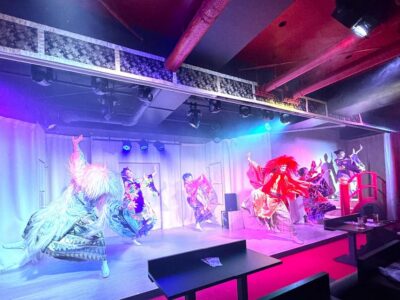 ★ 4.8Japanese Dance Cabaret Theater Asakusa-Kaguwa TicketFrom $492,270 reviews
 ★ 4.7Meiji Shrine, Asakusa, Skytree Bus Tour and CruiseFrom $1221,986 reviews
 ★ 4.9Roll and Authentic Sushi Making Class in AsakusaFrom $581,957 reviews
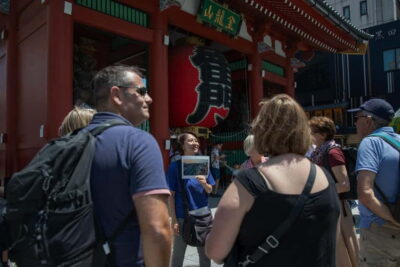 ★ 4.8Asakusa Walking Tour with Sensoji Temple VisitFrom $221,583 reviews
 ★ 5.0Tokyo Asakusa Rickshaw TourFrom $421,375 reviews
 ★ 4.5Tokyo Panoramic 1 Day: Meiji Shrine, Asakusa, Odaiba and SKYTREE®From $851,222 reviews
 ★ 5.0Tokyo Go Kart: Asakusa, Skytree, and Akihabara **IDP MUST**From $99988 reviews
 ★ 4.7Asakusa, Skytree & Akhihabara Go-Kart City ExperienceFrom $96761 reviews
This tour also belongs to