
Review · MOUNT FUJI TOURS
From Tokyo: Mount Fuji Full Day Private Customizable Tour
Fuji looks better when you control the stops. This private Mt. Fuji full-day tour is built around your pace, your interests, and your best chance to catch clear views from Tokyo. In about 10 hours, you can hop between iconic lookouts like Lake Kawaguchiko, Oshino Hakkai, and Chureito Pagoda, then add extra sights around Hakone when you want more.
What I really love is the mix of comfort and control. You ride in a private, air-conditioned vehicle with WiFi plus bottled water and coffee, and you get an English-speaking (or multilingual) driver or guide who can keep communication smooth. The second big win is the flexibility, because guides like Malik, Muneeb, Rana, and Usman often nudge you toward an early start (think around 6:00) to dodge traffic and squeeze in great photo time.
One consideration: weather rules everything. Mt. Fuji can disappear into clouds, and a few stops involve stairs or light hiking, like the climb at Chureito Pagoda. Also, some key fees and optional attractions are not included, so you will want a little cash ready.
Key Points You Should Know Before You Go
- Early departures pay off: many guides recommend starting around 6:00 to beat traffic and crowds.
- Multiple Fuji angles in one day: Lake Kawaguchiko, Arakurayama Sengen Park, and possibly Mt. Fuji 5th Station.
- Oshino Hakkai is the calm break: clear ponds, traditional village vibes, and an easy walking loop.
- Chureito Pagoda comes with stairs: plan for steps and bring comfy shoes.
- Hakone adds variety: ropeway, Lake Ashi options, the Open-Air Museum, and more, depending on weather and your mood.
Private Fuji Logistics That Feel Effortless
This is not a group bus stampede. It is a private day trip for up to 5 people, with hotel pickup and drop-off inside Tokyo and a private car that stays with you all day. That matters because Mt. Fuji sightseeing is spread out, and switching between regions by train and bus can eat up your energy fast.
You also get practical extras that make the day feel smoother: WiFi in the vehicle, bottled water, and coffee. Your driver or guide will be English-speaking, and the tour can also be handled in Japanese, Hindi, Arabic, and Urdu. If you have a family with kids, this is the kind of setup that keeps everyone from turning the day into a logistics puzzle.
The tour is about 10 hours total, including the drive from Tokyo. That time window is long enough to see several major stops, but it is still a single day, so pacing is part of the deal.
You can also read our reviews of more private tours in Tokyo
The 6:00am Move That Changes Everything
Here is the simple strategy that kept showing up in real-life guide behavior: start early. Guides such as Muneeb and Usman often recommend leaving around 6:00 to reduce crowds at major viewpoints and traffic on the way out.
Why that helps:
- You arrive earlier at lookouts like Chureito Pagoda and Arakurayama Sengen Park, when the foot traffic is lighter.
- You get better odds for clearer views, because weather can shift and visibility can change during the day.
- You are more likely to keep a comfortable rhythm instead of feeling like you are sprinting between timed photo stops.
If you are traveling on a weekend or a public holiday, plan extra margin. One family I spoke with on the tour circuit learned that the hard way, when traffic got heavier. The good news is the private format means your guide can often adjust the order or swap in alternatives to keep the day enjoyable.
Lake Kawaguchiko and Oishi Park: Your First Real Fuji Moment
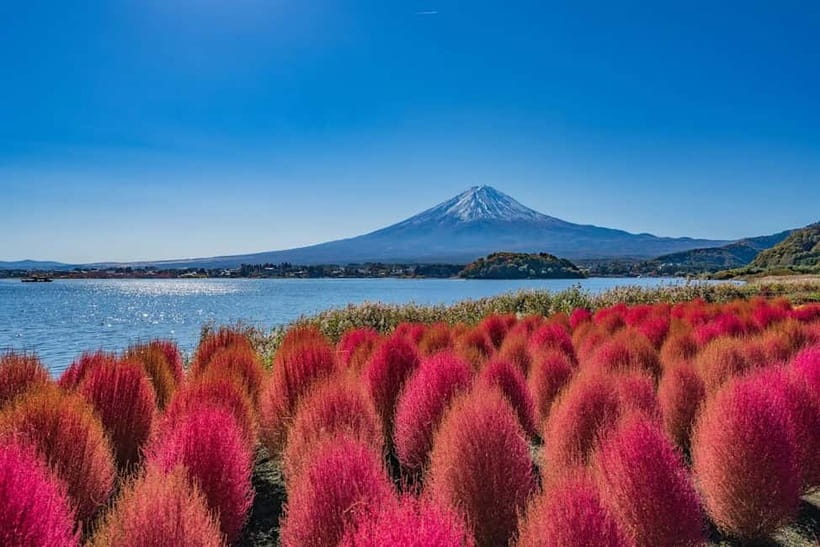
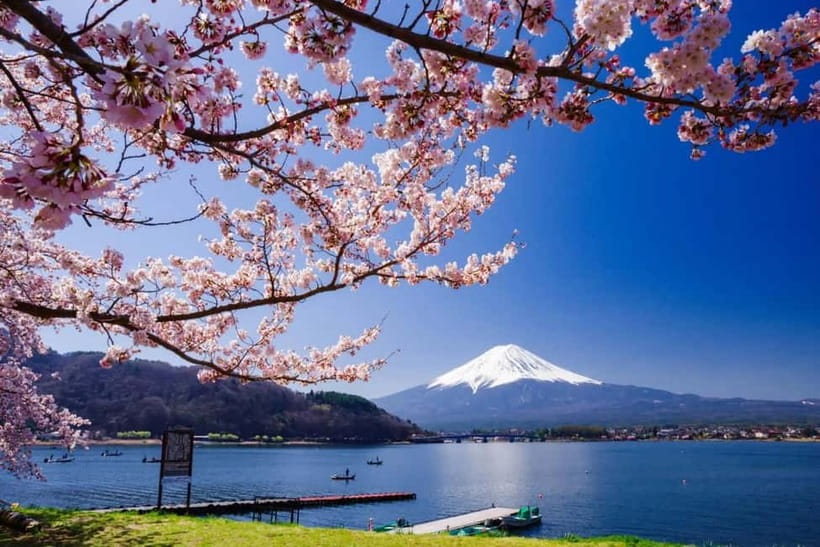
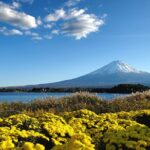
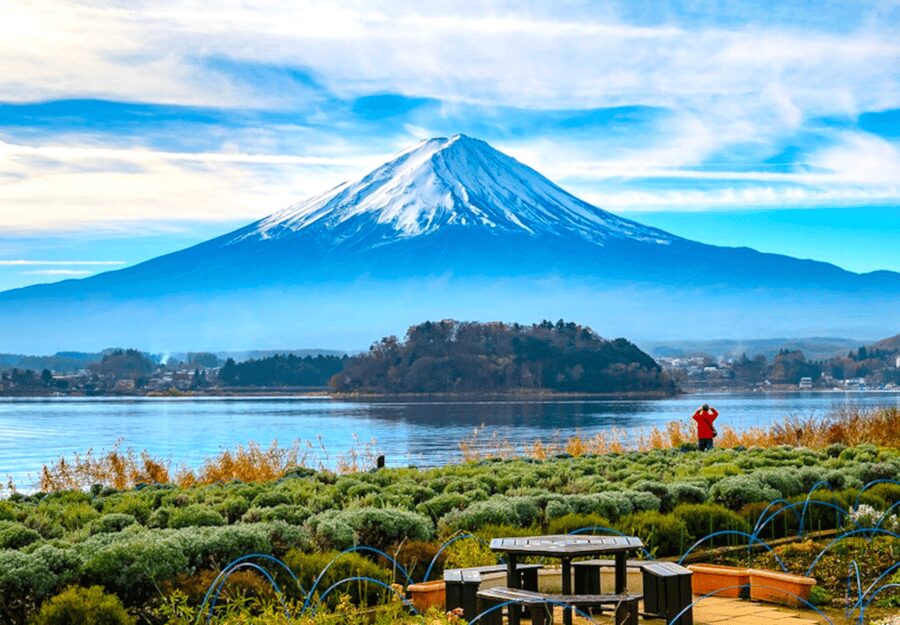
Most days begin with the Lake Kawaguchiko area, and that makes sense because it is one of the most famous ways to see Mt. Fuji reflected in water. You can expect a calm, scenic stroll where the goal is simple: pause, look, and get that postcard view without rushing.
Oishi Park is next in spirit, if not always in exact order. It is a viewpoint zone designed for walking and photographing, with angles that often give you a clean view of the mountain’s shape. When the sky behaves, Lake Kawaguchiko and Oishi Park can produce some of your best shots of the day because you are not climbing anywhere yet.
A practical note from actual day experiences: around the lake, you may find uneven or muddy ground near the waterline. Keep your shoes grippy, and do not go full flip-flop mode just because the morning looks nice.
Oshino Hakkai: Ponds, Houses, and an Easy Cultural Reset
After lake views, Oshino Hakkai offers a different pace. This small area is known for its clear ponds and traditional-style houses, which create a calmer, quieter vibe than the busier lookout zones.
This stop is usually about an hour of sightseeing and walking, with time to explore on your own. It is ideal if you want a break from photo sprinting and want to feel the local rhythm: water, stone, small paths, and vendors nearby if you need snacks.
Families especially like this stop because it is interactive in small ways, like watching koi in the ponds and wandering at a relaxed speed. Even if you are not chasing every photo, Oshino Hakkai works as a reset button in the middle of a full-day itinerary.
Arakurayama Sengen Park and Chureito Pagoda Stairs
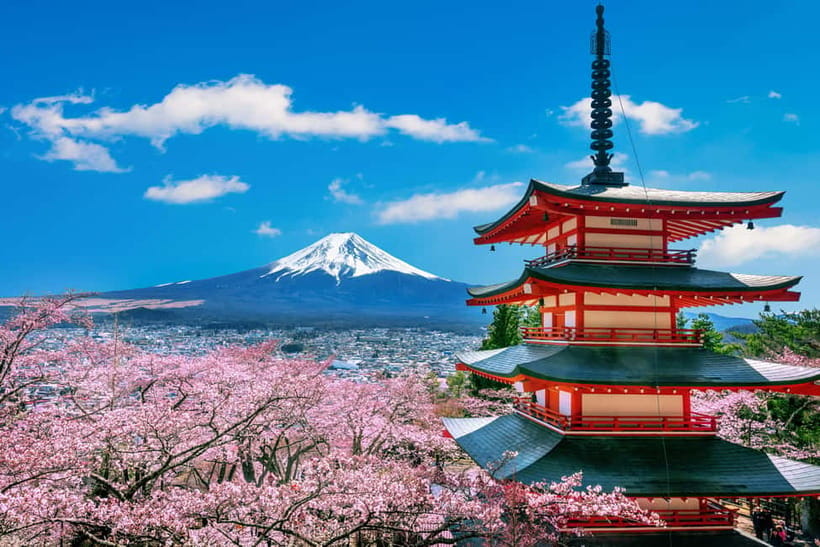
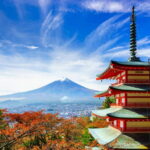
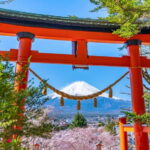
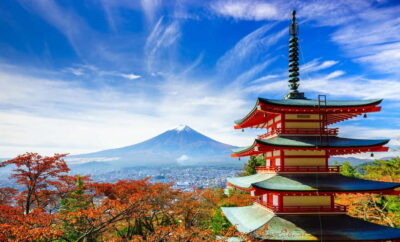
Chureito Pagoda is the red pagoda that frames Mt. Fuji in many iconic photos. You will reach it via Arakurayama Sengen Park, a viewpoint area that is worth the climb even when the crowd meter is not perfect.
Here is the honest part: expect stairs. You should wear comfortable shoes and plan your energy. The upside is that the effort often pays off. When the mountain is visible, you get that classic composition, with Mt. Fuji in the background.
One smart tip I like for this stop: do not stop at the pagoda viewpoint only. Keep walking a bit past the main spot to find an additional panoramic photo area where the view opens up.
If the mountain is cloudy or hidden, you can still enjoy the park’s atmosphere and the pagoda itself, but your best photos depend heavily on visibility that day.
More Tokyo tours and experiences for the shortlist
Mt. Fuji 5th Station: Worth It When the Sky Cooperates
Mt. Fuji 5th Station is the “higher altitude” option. If weather is good, the guide can take you up there so you can experience fresh mountain air and wide views.
Two key realities:
- Visibility can change quickly. If clouds roll in, you may not get the full impact of the views.
- There are extra costs. The Mt. Fuji 5th Station toll fee is ¥2,100 per group and is not included. You pay on-site.
If you really want the 5th Station experience, pack for uncertainty. Dress in comfortable layers, because temperatures can feel different at higher elevation even on the same day.
Kitaguchi-hongu Fuji Sengen Shrine: Spiritual Quiet With a View
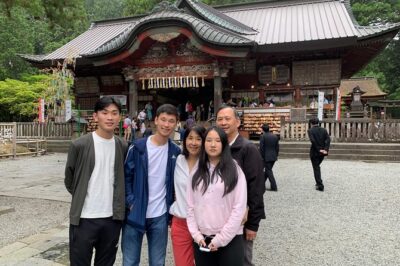
Kitaguchi-hongu Fuji Sengen Shrine is a cultural stop that adds meaning beyond scenery. You get about an hour here for sightseeing and walking.
Why it works in the middle of a long day:
- It breaks the pattern of only lakes and viewpoints.
- You get a change in sound and atmosphere, more still and reflective.
- It gives your eyes a chance to rest from constant scanning through camera screens.
If you like Japan’s shrine culture, this stop often feels like the “pause button” before the more mechanical excitement of ropeways and valleys later in the day.
Oishi Park, Kachi Kachi Ropeway, and the Photo-Stop Sweet Spot
Depending on your route and how your day is going, you may spend time in the Oishi Park area again or continue to nearby viewpoint zones. The tour also includes a Mt. Kachi Kachi Ropeway photo stop with free time.
A photo stop is a good way to handle ropeways without committing to a full activity budget, especially if you want flexibility. If you do choose to ride a ropeway or add other optional attractions, remember those tickets are not included in the tour price.
You might also pass by areas like Lawson Kawaguchiko Station for a short stop, and you may walk around Shimoyoshida Honcho Street for a bit of street atmosphere and browsing. These are the kinds of moments that help the day feel like more than just drive, view, drive.
Narusawa Ice Cave and Owakudani Valley: When You Want Something Different
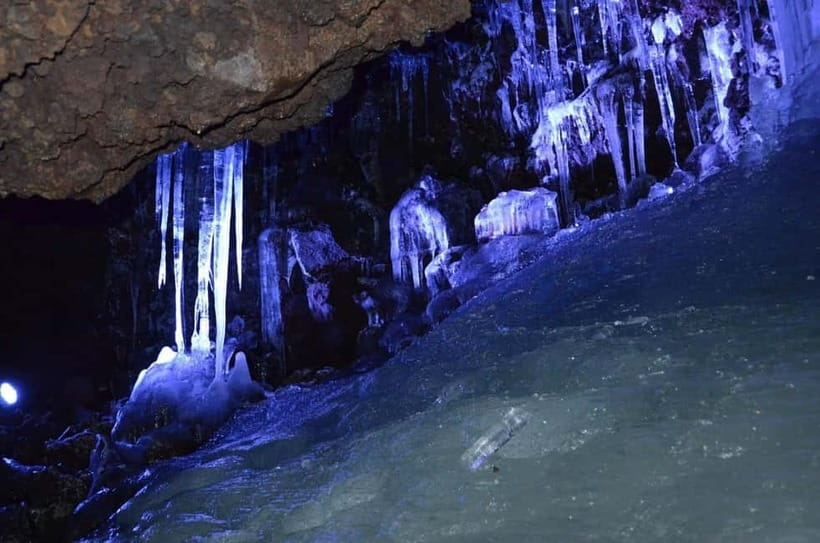
Some itineraries add more variety by heading into the Narusawa and Hakone-side options. Narusawa Ice Cave is listed as a visit and typically includes about an hour, and Owakudani Valley is another stop with a shorter sightseeing window.
Why you might like these:
- They give you a break from the classic lake and pagoda photos.
- They show you another side of the Fuji region, the volcanic and geological stories behind the scenery.
- You get more “Japan day trip variety,” rather than repeating the same visual pattern.
Downside to know: ice caves and valley areas can feel more structured in their walking, and the day is already long. So if you have anyone with lower stamina, you will want to check in with your guide early and keep your priorities clear.
Hakone: Ropeway, Lake Ashi, Open-Air Museum, and Optional Add-Ons
Hakone can add a second highlight set to your Fuji day. This tour includes options around:
- Hakone Ropeway (typically a self-guided sightseeing/walk portion)
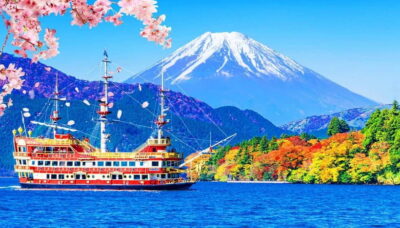
- Lake Ashi (with time to view and explore)
- Hakone Open-Air Museum (short, around 20 minutes)
- Optional add-ons that might include things like boat rides, if you choose them
Important: tickets for optional activities like ropeway rides and boat cruises are not included, so think of these as “you can choose to add them” moments rather than automatic inclusions.
If you want a day that feels like “Fuji plus more,” Hakone is where that happens. If you want a simpler day focused strictly on Fuji viewpoints, you can often keep the schedule lighter and spend more time where you are getting the best mountain visibility.
Gotemba Premium Outlets: A Practical Ending for Shopping Time
Gotemba Premium Outlets appears as a possible stop, typically around an hour. This is not Japan’s most historic experience, but it is practical.
It gives you a low-stress way to finish the day, especially if you want:
- A place to stretch your legs with more casual walking
- Food or snacks you can grab on your own schedule
- Easy browsing for souvenirs or shopping
If shopping is not your thing, your guide can often use that time to adjust based on what the weather is doing. If Mt. Fuji is still visible and you want one more viewpoint, you will often have a chance to steer the timing.
Timing, Walking Levels, and How Not to Feel Rushed
This day runs about 10 hours, including travel. That means you need to be ready for a rhythm of short drives, short walks, photo pauses, and occasional self-guided time. Some stops include safety briefings, like Chureito Pagoda and the Mt. Fuji 5th Station option, so listen and follow the guidance.
Walking expectations:
- You should be fine with light hiking and walking, but you will still cover enough ground to need comfortable shoes.
- Chureito Pagoda involves stairs, so plan for that physically.
- The day can involve uneven ground, especially around lakes and outdoor zones.
A small humor note: your camera will get more use than your phone by mid-morning. The angles start lining up, and you will want to be ready.
Price and Value: What $328 Gets You for Up to 5
The price is about $328 per group, up to 5 people. On paper, that might sound steep if you are thinking solo. But private transport from Tokyo with hotel pickup and drop-off is a big cost driver, and it is the reason this tour often feels easier than DIY.
What you are paying for:
- A private, air-conditioned vehicle for the full day
- Hotel pickup and drop-off within Tokyo
- English-speaking or multilingual driver/guide
- WiFi, bottled water, and coffee during the tour
- A customizable itinerary, so the day fits your interests instead of forcing you into a fixed route
The trade-off:
- Entrance fees and certain tolls are not included. Mt. Fuji 5th Station toll fee is ¥2,100 per group, plus other site fees such as Saiko Iyashi no Sato Nenba (listed as ¥500) if you choose that kind of add-on. Optional attractions like ropeway rides or boat cruises also cost extra.
If you split the cost across a small group or a family, the value gets much better fast. And if your “must-see” list is more than one or two stops, the private flexibility can actually save time and frustration.
Who This Tour Suits Best
This tour is a good match if you want:
- A private, comfortable day outside Tokyo
- Custom stops based on what you care about most
- Your guide to handle timing, crowd avoidance ideas, and smooth navigation
- Flexibility for families, couples, and small groups
Examples from day experiences around the Fuji region show how flexible the format can be. Some guides adjusted to your preferences for time at each stop, and others guided you toward the best timing for photos. There is also evidence that guides can be patient with families and adapt when mobility needs come up.
Not a fit if:
- You are pregnant or have certain medical conditions, including heart problems
- You are over 95 years old
Practical Checklist for Your Fuji Day
Bring:
- Comfortable shoes (seriously, the stairs at Chureito matter)
- Camera
- Credit card
- Cash (for entrance fees and on-site payments)
- Comfortable clothes, plus layers in case the mountain air feels colder
Plan around the tour’s rules:
- High-heeled shoes are not allowed.
- Alcohol and drugs are not allowed.
- Baby carriages are not allowed.
- The operator lists bags as not allowed, so keep what you bring small and light.
Also, plan your meeting point. You wait in your hotel lobby or just outside the main entrance for apartments and private residences. Your driver holds a sign with your name.
Should You Book This Private Mt. Fuji Tour?
I would book this if you want the Fuji region without the stress. The private format gives you real freedom to steer the day toward the best viewpoints, and the guide support makes it easier to handle timing and communication in English.
Pass if you are on a tight budget and you plan to do everything solo via public transport, or if you are counting on Mt. Fuji being crystal clear no matter what. The day’s big variable is weather, and the tour can only work with what the sky gives you.
If you book, put your trust in the early-start approach. Aim for an early departure window your guide recommends, and you will give yourself the best chance for those classic views at places like Chureito Pagoda and Lake Kawaguchiko.
FAQ
How long is the Mount Fuji full-day private tour from Tokyo?
It runs for about 10 hours, including travel time to and from Tokyo.
Is the tour private and how many people can go?
Yes. It is a private group. The pricing is per group up to 5 people.
Will I be able to visit Mt. Fuji 5th Station?
If weather conditions are good, Mt. Fuji 5th Station can be included. The toll fee for Mt. Fuji 5th Station is ¥2,100 per group and is not included.
What entrance fees or tickets are not included?
Entrance fees and some on-site costs are not included. Optional activities such as ropeway rides or boat cruises are also not included. Meals are not included either.
Where does pickup and drop-off happen?
Pickup and drop-off are included from Tokyo with multiple pickup and drop-off options across Tokyo and nearby areas like Hakone and Gotemba, depending on your location.
Do you need to pay for meals during the tour?
Yes. Meals, snacks, and beverages are not included, so you should plan to buy food locally.
More Private Tours in Tokyo
More Tours in Tokyo




More Tour Reviews in Tokyo


Not for you? Here's more nearby things to do in Tokyo we have reviewed












Mount Fuji Tours, side by side.
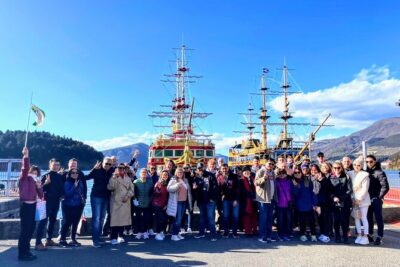 ★ 5.0Mt Fuji and Hakone 1-Day Bus Tour Return by Bullet TrainFrom $16326,383 reviews
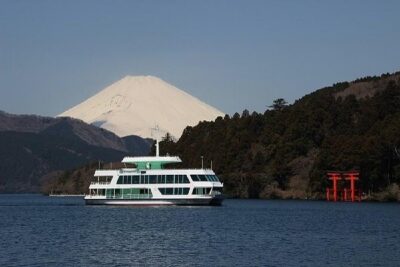 ★ 4.0Mt Fuji & Hakone Cruise, Drum Show Bullet Train 1 Day from TokyoFrom $1497,413 reviews
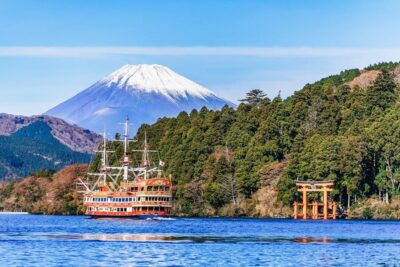 ★ 4.4Tokyo Mt Fuji 5th St & Hakone Cruise Bus Tour w/Bullet TrainFrom $1545,024 reviews
 ★ 4.5From Tokyo: Mount Fuji Full-Day Sightseeing TripFrom $684,970 reviews
 ★ 4.7Mt. Fuji Tour, Hakone Ropeway, Owakudani, Lake AshiFrom $544,002 reviews
 ★ 4.2Mt. Fuji 5th Station & Hakone Cruise 1-Day Bus TourFrom $1292,381 reviews
 ★ 4.7Mt Fuji Top 5 Spots Day Tour: Arakurayama Park,Oshino HakkaiFrom $532,066 reviews
 ★ 5.0Private Tour to Mt. Fuji and Hakone (Fully Licenced Operator)From $4971,910 reviews