
Review · MOUNT FUJI TOURS
Mt. Fuji Five Lakes Tour with Guide & Vehicle (Kawaguchiko Dep)
Fuji looks different with a guide. This private Mt. Fuji Five Lakes tour pairs door-to-door pickup with a licensed English guide so you can move from viewpoint to viewpoint without the hassle. You get a menu of stops around Lake Kawaguchiko and the wider Fuji Five Lakes area, plus a practical ride in your own vehicle.
I really like two things. First, I like that you do not have to hunt for a meeting spot, the guide comes to your hotel, and you can start the day relaxed. Second, I like the flexibility to choose 3 to 4 sites from the area highlights, so you can shape the route around photos, nature, and a bit of culture. One drawback to plan for: several key stops have entrance fees, and the tour time is fixed at about 6 hours, so you will want to pick wisely instead of trying to see everything.
Key highlights worth planning around
- Hotel pickup, no meeting point stress, so you start moving fast once your day begins
- Private vehicle with a licensed English guide, which makes the story of Fuji easier to understand
- Fuji Five Lakes viewpoints focused around Lake Kawaguchiko and the nearby sights
- Most attractions are timed for short visits, so you can hop between photo spots efficiently
- Subaru Line 5th Station timing is built in, with that admission listed as included
- Guides like Kei and Reiko are described as thoughtful, including keeping teens engaged
Private pickup means you skip the scramble to Fuji
The biggest win here is simple: you get pickup from your hotel, and there is no meeting place you have to figure out. That matters because getting to the Fuji Five Lakes area is where many DIY days fall apart. Trains and buses are doable, but they can turn a “quick visit” into a long juggling act.
With a private guide in the car, you can spend that time on the actual trip, Fuji and the five lakes region. You also get a licensed local English speaking guide, which usually means you are not just looking at scenery, you are learning what you are seeing and why it matters. In past guide experiences, people specifically called out guides like Kei in Tokyo and Reiko for being helpful and adapting the pacing to the group, including keeping a 15-year-old engaged. That is a good sign if your party includes anyone who gets restless.
You are still on a schedule. The tour is about 6 hours, so you should assume the guide will be making tight calls about photo timing, walk time, and when to move on.
You can also read our reviews of more guided tours in Fujikawaguchiko machi
Price and value for two: what you are really paying for
At $731.65 per group (up to 2), this is not a budget tour. But it is also not trying to be. The value is in three practical things you would otherwise have to assemble yourself: a private vehicle, a licensed guide, and time saved.
For two people, the cost can make sense if:
- you want a car instead of train transfers,
- you prefer a guide who can explain stops without you doing homework,
- you care about selecting the best Fuji Five Lakes mix for your limited time.
Entrance fees and lunch are not included, so the final cost depends on which stops you choose (for example, Narusawa Ice Cave is listed as not included, and the Mt. Fuji Panoramic Ropeway ticket is also not included). Still, the tour includes admission for Mt. Fuji Subaru Line 5th Station, which helps offset costs a bit.
Think of the price like this: you are paying to compress travel logistics into a smooth half-day plus guidance. If your group would otherwise spend that time navigating buses or trains, the private structure becomes easier to justify.
How the route works: choosing 3 to 4 stops from the Fuji menu
You do not have to treat the day like an all-day checklist. The tour is described as customizable, with options to pick 3 to 4 sites from the set of highlights. That is exactly how you should approach Fuji Five Lakes, because the area is all about “right viewpoint, right timing,” not speed-running everything.
Here is what I like about this setup:
- If Fuji is clear, you can lean into viewpoints.
- If the weather shifts, you can prioritize indoor or shorter stops.
- If your group has different interests, the guide can help you balance nature, shrine visits, and photo spots.
One detail to keep in mind: the guide entry fees are only covered for sights listed under what you are expecting to visit. So if you start adding random extra locations that are not on the plan, do not expect the tour structure to automatically cover everything.
Lake Kawaguchiko: your Fuji payoff at the start
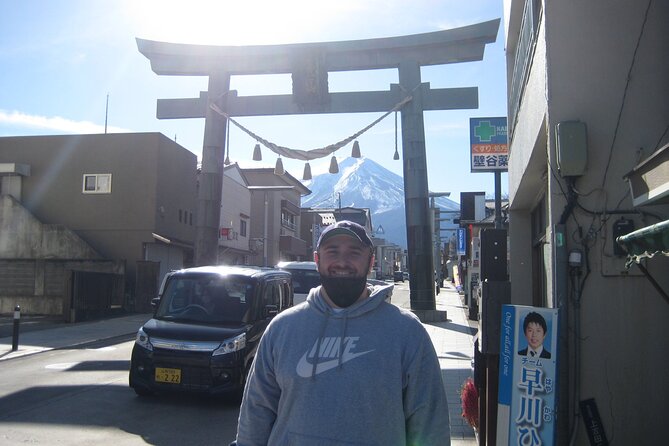
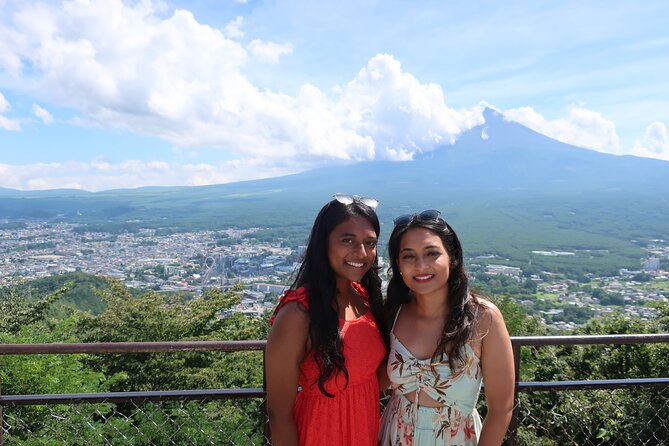
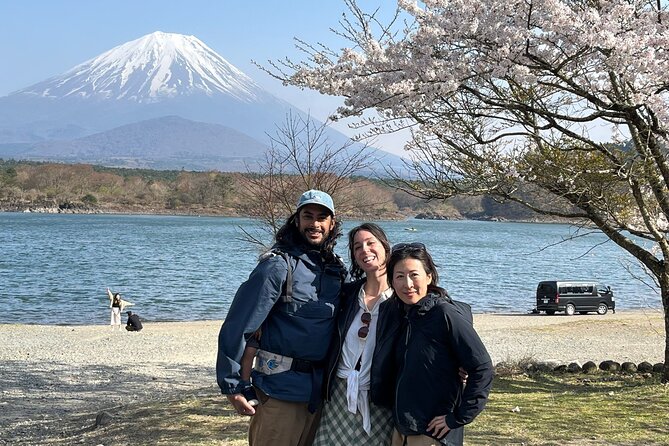
Your day often begins at Lake Kawaguchiko in the Fuji Five Lakes area. Lake Kawaguchiko (part of 富士五湖, the “Fuji Five Lakes”) is a key base area because you get that classic Fuji framing in photos more often than in many other spots around the mountain.
Why this stop matters:
- It sets the visual theme of the day. The lake is the foreground, Fuji is the star.
- It gives you a “choose your perspective” moment. You can aim for a more open viewpoint or take in a nearby stretch before moving on.
The listing also positions this as part of a broader Fuji Goko experience, where you are not only seeing one lake but understanding how the five lakes region works together at the mountain’s foot.
Potential drawback: a full day of Fuji photos can make you feel like you are chasing the perfect angle. If you are the type who wants the ideal shot at the ideal second, ask your guide to help you set photo priorities early.
Mt. Fuji Panoramic Ropeway near Kawaguchiko: short ride, big views
Next up is the Mt. Fuji Panoramic Ropeway, also known as the Mt. Kachi Kachi Ropeway. It runs to the summit of Mt. Tenjo, and the value here is in the height and the payoff. You trade a bit of ticket cost for a better vantage point over Lake Kawaguchiko and the surrounding area.
This stop is especially good if:
- you want a dramatic viewpoint without a hike,
- you want to reset your eyes after ground-level scenery,
- you are traveling with someone who might not want a longer walk.
The practical catch: ropeway admission is listed as not included, so budget for it if you add it to your chosen set.



Oshino Hakkai: eight ponds fed by snowmelt
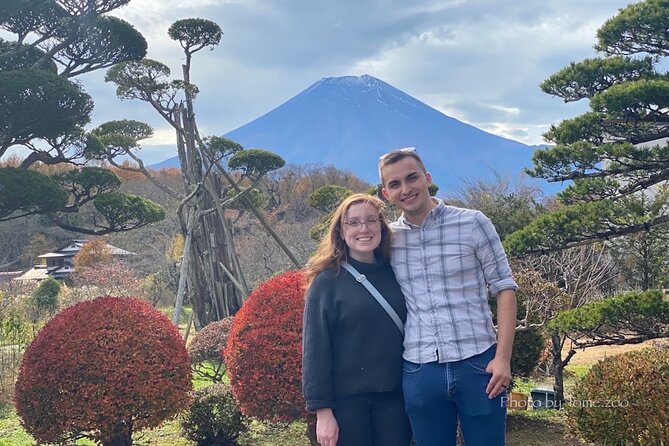
Oshino Hakkai is one of the most atmospheric stops in the whole Fuji region. It is described as a traditional Japanese village area near the lakes, built around eight ponds formed from spring water from Mt. Fuji’s snowmelt.
This is the kind of place where a guide really earns their keep. You are not only walking around for photos, you are learning how the water source works and why the ponds look the way they do. The entrance is listed as free, which makes it a smart add even if you are selective with your stops.
How to enjoy it:
- Give yourself time to slow down.
- Pair it with a quick photo plan, because the charm is in the details, not just the wide shot.
Chureito Pagoda and the Arakurayama Sengen Shrine area: the iconic picture spot
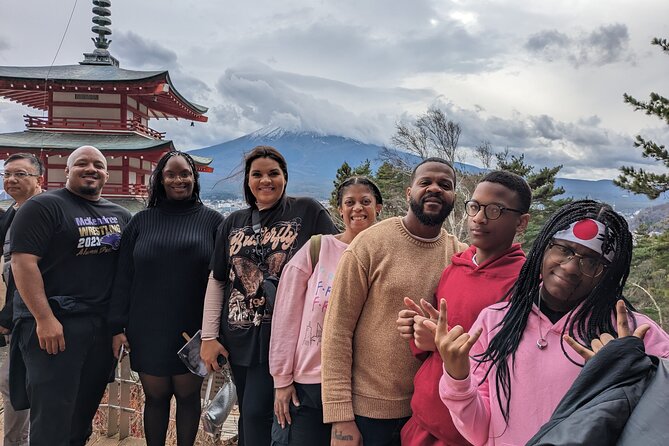
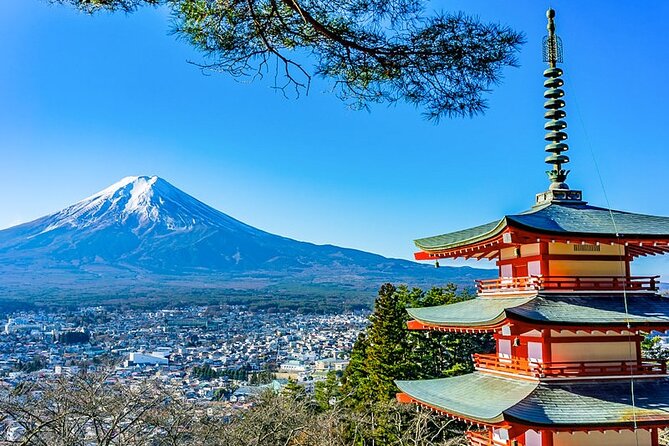
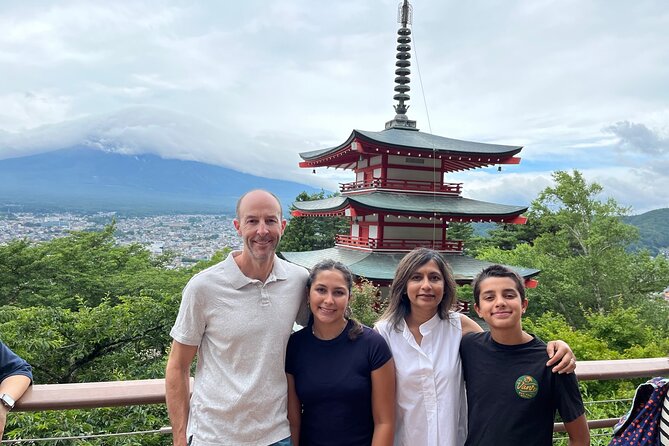
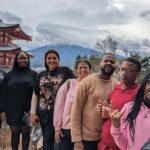
If you want the classic Mt. Fuji photo with a red pagoda, this is where you go. The Chureito Pagoda is part of the Arakurayama Sengen Shrine and is described as the most popular Mt. Fuji photo spot, often paired with cherry blossoms seasonally.
It is a short visit, about 30 minutes. That makes it easy to fit into a half-day schedule, and it also means you should be efficient:
- arrive ready to shoot,
- pick one or two angles,
- then move on before you feel stuck waiting.
Admission is listed as free here too. So even if you skip everything else, this can be a great value photo stop.
Shrine circuit thinking: Kitaguchi Hongu Fuji Sengen Jinja and Kawaguchi Asama Shrine
Two shrine stops round out the cultural side of the route: Kitaguchi Hongu Fuji Sengen Jinja and Kawaguchi Asama Shrine (also called Sengen Shrine).
Kitaguchi Hongu Fuji Sengen Jinja is located on the north side of Mt. Fuji between Lake Kawaguchi and Lake Yamanaka. Kawaguchi Asama Shrine is registered as a world cultural heritage site and is tied to calming the eruption of Mt. Fuji from 864. The shrine also mentions a sacred tree called “Shichi-hon Sugi,” seven cedar trees.
Why I like including shrines in a Fuji day:
- They add meaning beyond scenery.
- They create a natural rhythm in your schedule, a quieter pace between viewpoints.
- If Fuji is partially obscured, the shrine stops still feel worth it because you are learning and walking, not just staring.
These are listed as free and short. Still, if your group is moving fast, ask your guide what the key viewing points are inside the shrine grounds so you do not waste time wandering.
Narusawa Ice Cave: an easy year-round science stop near Aokigahara
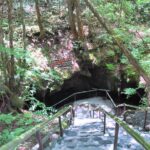
For something unusual, add Narusawa Ice Cave in the Aokigahara forest area. It is a lava cave, 153 meters, and visitors can walk through, with ice pillars and ice walls that can be seen all year round.
The big appeal here is that it breaks the Fuji theme in a good way. You still feel the mountain’s presence, but it is more science and geology than views. Admission is listed as not included, so again, factor that into your chosen stop count.
What to expect:
- you will be inside a cave environment,
- it is a walk-through style visit,
- the “all year round” ice aspect is part of why people come.
If anyone in your group hates enclosed spaces, you may want to swap this for a lakeside viewpoint instead. The tour’s custom stops let you do that.
Mt. Fuji Subaru Line 5th Station: included admission and higher-altitude air
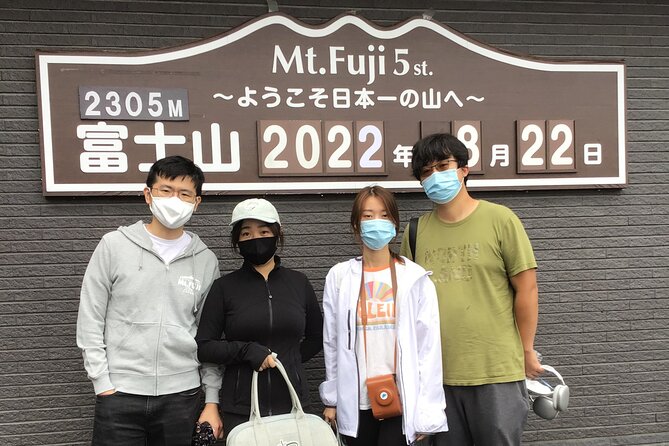
The tour’s big higher-altitude moment is Mt. Fuji Subaru Line 5th Station. The listing places it at about the halfway point of the Yoshida Trail, and it also notes it is known as Yoshidaguchi 5th Station or Kawaguchiko 5th Station.
This is the stop where the “value” can feel most real because the admission is listed as included. You get the benefit without needing to pay an extra entrance fee on your side.
Even if you do not plan to hike further, the 5th station helps you understand Fuji as more than a photo backdrop. You see how the mountain changes as you gain elevation, and you get a different sense of scale.
Practical note: because this is higher and weather can feel more dramatic, I suggest dressing in layers. The tour is only 6 hours, but conditions at elevation can still swing.
Picking your 3 to 4 stops: a simple strategy that works
If the tour offers you a menu, do not pick randomly. Use a quick decision rule.
1) Choose one “big view” anchor
Lake Kawaguchiko or the ropeway stop can be your anchor. If Fuji is clear, your anchor should be the viewpoint with the best mountain framing.
2) Add one “water or nature story” stop
Oshino Hakkai is the obvious choice because the eight ponds have a clear explanation and a calm pace.
3) Add one “culture” stop
Either Chureito Pagoda for the iconic photo or the shrine circuit stops for the meaning and quiet breaks.
4) Decide if you want a “unique experience”
Narusawa Ice Cave is the odd one out in the best way. If your group loves unusual places, take it. If your group prefers staying above-ground, consider skipping it.
Your guide can help you make the call on the day, especially if visibility changes. And if you are traveling with a teen or someone who needs structure, this is where having a guide who can keep things interesting matters. Past experiences with guides like K and Reiko highlight that they adjust the pacing so the day does not feel like a lecture or a long waiting game.
What to watch for: tickets, time pressure, and car comfort
This tour runs about 6 hours, and many stops are around 30 to 60 minutes. That is enough time to enjoy places, but not enough time to drift.
Here are the main considerations I would plan around:
- Entrance fees are mostly not included. Ropeway and Narusawa Ice Cave are specifically listed as not included. Some free stops help, but your chosen mix matters.
- Lunch is not included. If you want a meal, plan to either eat on the way or squeeze it in between stops. Your guide can suggest timing, but your wallet will handle it.
- Car seats for kids are limited. The tour notes there are limited car seats and booster seats, rear-facing car seats are not available, and you need to contact them directly if you require them. If you have a child, confirm early.
- Rear seat comfort matters on a half-day. You will be in a vehicle for transfers. If you get motion sick, consider bringing what you normally use.
One more practical point: the tour is private, so you are not sharing the car with strangers. That is great for flexibility, but it also means the guide is managing everything tightly for your group.
Should you book this Mt. Fuji Five Lakes Tour?
I think you should book if you want Fuji Five Lakes without the stress of navigating transport and timing on your own. This works especially well for couples and small families who value convenience, a licensed English guide, and the ability to customize 3 to 4 stops.
It might not be the best fit if:
- you are trying to minimize spending on attractions and admissions,
- you want a totally loose, wandering day with no schedule pressure,
- you are uncomfortable with short, efficient visits to several sites.
My rule of thumb: if your time in Japan is limited and you want Fuji to feel meaningful, not just scenic, this private half-day format is a solid play. Just decide ahead of time which stops are non-negotiable for your group, then let the guide handle the timing so you can enjoy the views while the day still feels like a day.
FAQ
How long is the Mt. Fuji Five Lakes tour?
It runs for about 6 hours.
Where is pickup offered?
Pickup is offered from your hotel, and you do not need to go to a meeting place because the guide comes to you.
Is this a private tour?
Yes. It is a private tour/activity, and only your group participates.
How many people are included in one booking?
The price is per group, up to 2.
What is included in the tour price?
Included are a licensed local English speaking guide, a private vehicle, customizable selection of 3 to 4 sites, and admission for Mt. Fuji Subaru Line 5th Station. Mobile ticket is also mentioned.
Are entrance fees included for all stops?
No. Entrance fees are not included in general, and specific stops like Mt. Fuji Panoramic Ropeway and Narusawa Ice Cave are listed as not included. Some stops like Oshino Hakkai, Chureito Pagoda, and the shrines are listed as free.
What if I need car seats for a child?
There are limited car seats and booster seats. Rear-facing car seats are not available, and you must contact the provider directly if you need them.
What is the cancellation policy?
You can cancel up to 24 hours in advance for a full refund.
Is the tour operated in English?
Yes, the included guide is a licensed local English speaking guide.
More Guided Tours in Fujikawaguchiko machi
More Tours in Fujikawaguchiko machi
More Tour Reviews in Fujikawaguchiko machi
Not for you? Here's more nearby things to do in Fujikawaguchiko machi we have reviewed
Mount Fuji Tours, side by side.
 ★ 5.0Mt Fuji and Hakone 1-Day Bus Tour Return by Bullet TrainFrom $16326,383 reviews
 ★ 4.0Mt Fuji & Hakone Cruise, Drum Show Bullet Train 1 Day from TokyoFrom $1497,413 reviews
 ★ 4.4Tokyo Mt Fuji 5th St & Hakone Cruise Bus Tour w/Bullet TrainFrom $1545,024 reviews
 ★ 4.5From Tokyo: Mount Fuji Full-Day Sightseeing TripFrom $684,970 reviews
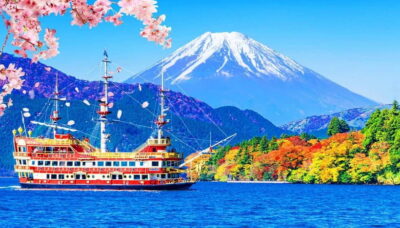 ★ 4.7Mt. Fuji Tour, Hakone Ropeway, Owakudani, Lake AshiFrom $544,002 reviews
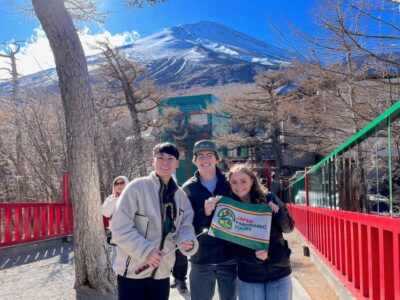 ★ 4.2Mt. Fuji 5th Station & Hakone Cruise 1-Day Bus TourFrom $1292,381 reviews
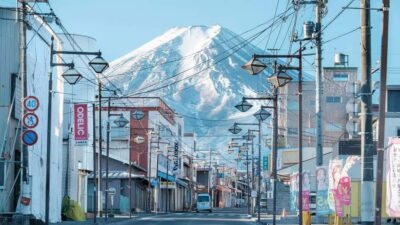 ★ 4.7Mt Fuji Top 5 Spots Day Tour: Arakurayama Park,Oshino HakkaiFrom $532,066 reviews
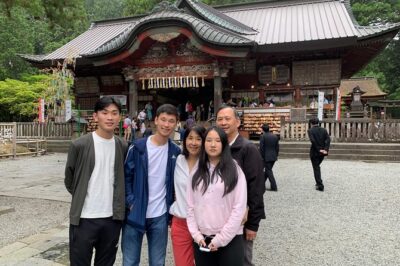 ★ 5.0Private Tour to Mt. Fuji and Hakone (Fully Licenced Operator)From $4971,910 reviews
This tour also belongs to