
Review · HAKONE DAY TRIPS
Hike Japan Heritage Hakone Hachiri with certified mountain guide
Hakone Hachiri feels like Edo-era time travel. You’ll walk an old travel route, stop at Lake Ashi for classic views of Mt Fuji, and get real context from your guide along the way. It’s a smart mix of footpaths and local bus that keeps the day moving without losing the “on the ground” feel.
What I like most is the combo of guided history at the Hakone Checkpoint and the practical way the route is stitched together from Yumoto toward Mishima. I also like that guide Aki, and sometimes Akihiro, shows up as the calm, photo-ready host, turning the hike into a story you can actually place in your head.
One consideration: this is about moderate fitness and a full 7-hour day, so if you want a totally easy stroll, you might feel the pace on parts of the route.
Key things to know before you go
- A certified pro guide with wilderness first aid helps you connect the route to Edo-era travel and stay confident on uneven ground.
- About 8 km of walking over roughly 7 hours, with buses used to connect major sights and bypass a temporarily closed section.
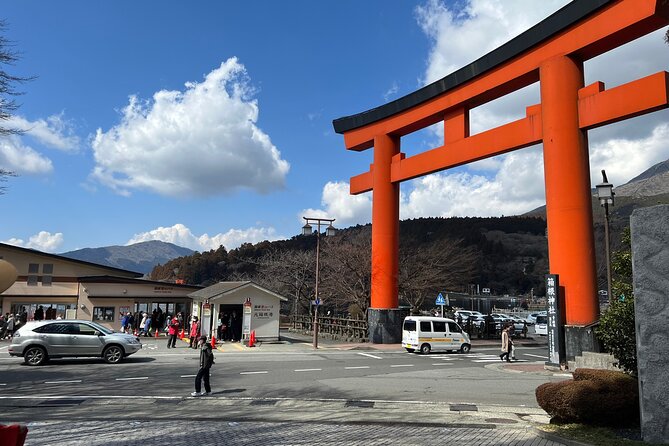
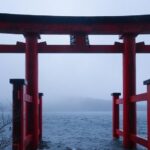
- Lake Ashi highlights include the shoreline walk, Mt Fuji views if weather permits, and the Heiwa no Torii.
- Hakone Checkpoint context turns a scenic stop into a practical lesson about how travel and control worked in the past.
- Small group size, max 6 travelers makes it easier to keep together and ask questions.
Hakone Hachiri: an Edo-era route built for real walking
Hakone sits on the old Tokaido Highway, the road that linked Edo (Tokyo) to Kyoto. On this hike, you’re essentially tracing the travel logic of that era, with steep terrain and checkpoints that mattered for people, goods, and schedules. The experience is designed to feel like you’re moving through time, not just collecting photos of landmarks.
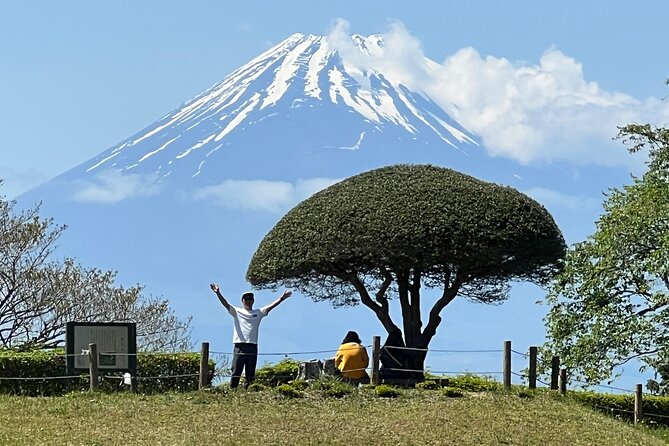
A big part of the appeal is that you’re outdoors in Hakone’s forested areas while learning why these places existed where they did. When the weather cooperates, you also get Mt Fuji sightings from multiple angles. That matters here because you’re not relying on one perfect view spot, you’re stacking chances as the day goes on.
You can also read our reviews of more guided tours in Hakone


Price and value: what $158.52 buys you
At about $158.52 per person for a 7-hour guided outing, the value comes from what’s included and what’s not.
Included:
- a national certified pro guide with a wilderness first aid certificate
- group discounts and a mobile ticket
Not included (important for budgeting):
- lunch (around 2000 yen for your group)
- transportation between sites and to the trailhead (around 2000 yen by shared taxi or buses)
- snacks and amasake along the way
- your shinkansen back from Mishima to Odawara (around 2500 yen)
So the price is really paying for the guide, route planning, and the day’s structure. Since the group is capped at 6 people, you’re more likely to get real attention from your guide instead of feeling like you’re being herded.
One more practical note: the tour tends to book out well in advance (around 61 days). If you’re traveling in busy seasons, it’s smart to lock it earlier rather than later.
Meet at Hakone-Yumoto at 9:00, then let the route do the work
You start at Hakone-Yumoto Station at 9:00 am and the tour ends at Mishima Station. The day is a mix of walking, short transfers, and bus segments that keep you from wasting time zigzagging on your own.
The pacing is built for people with moderate physical fitness. “Moderate” here usually means you’ll feel the hike for real, but it’s not framed as extreme mountaineering. Still, plan for a full day: you’ll be on your feet, and you’ll have a couple of longer sightseeing stretches where you’ll want your energy.
Stop 1: Hakone Amazake Tea House and the craft village start
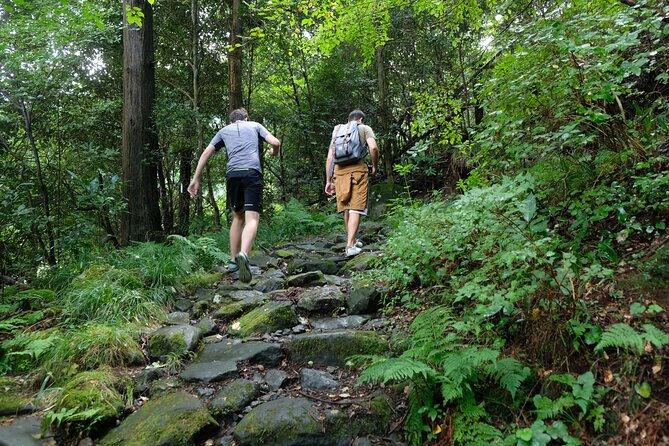
Your day’s first highlight is the Hakone Amazake Tea House area, after meeting at Hakone-Yumoto Station. You’ll take a shared taxi to reach the trailhead, then walk for about an hour to reach the wood crafting village area.
This opening part does two things well:
- It gets you away from the station area and onto the old-road rhythm quickly.
- It sets a tone for the Edo-travel theme, since Hakone was a place travelers passed through, not just a scenic spot.
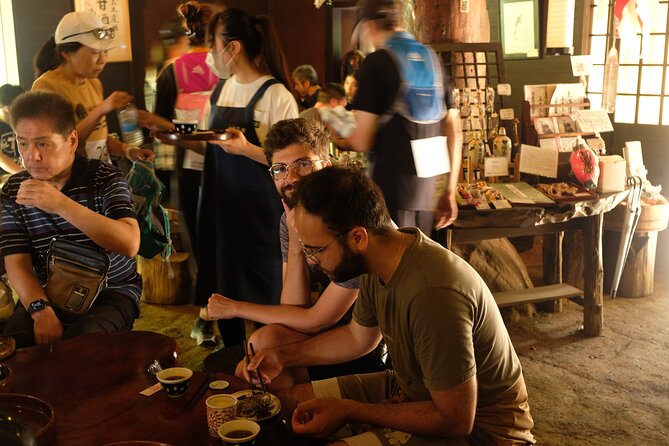
Admission at this stage is free, which helps keep costs predictable. One detail to remember: amasake and snacks are not included, even though the name of the stop points you toward that vibe. If you want to try something there, budget extra.
If weather is tricky, this early section is also where you’ll feel the trail conditions most. Good shoes matter, because this is a heritage route and older paths can be uneven.
Stop 2: Lake Ashi shoreline walk, Heiwa no Torii, and Mt Fuji angles
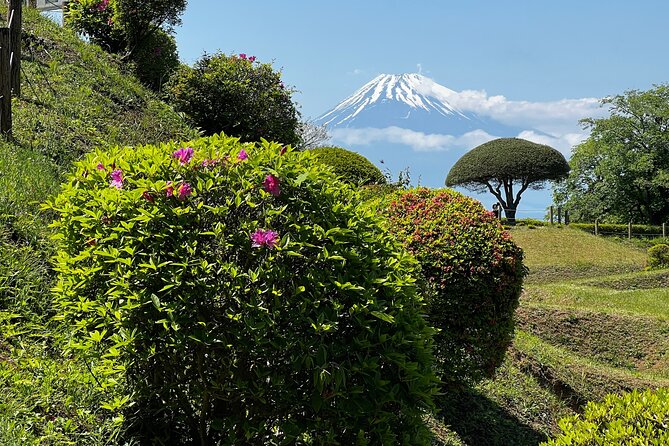
Once you reach the Lake Ashi area, you shift into classic Hakone sightseeing mode. You’ll connect through Motohakone-Ko Pier, then spend time walking along the shoreline.
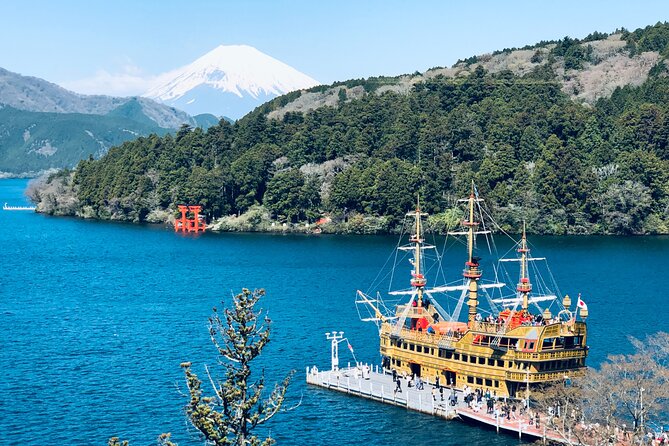
This is where the photos usually happen, especially if you get clear weather. You’ll see the famous Heiwa no Torii, and you have a chance at Mt Fuji in the background. The Mt Fuji part is explicitly weather-dependent, so keep expectations flexible.
Then you walk through the cedar avenue on the Hakone Old Road. Cedar avenues are a very Japan thing: they feel structured, like the route was built to slow you down and guide you. It’s not just scenery, it’s a sensory transition from Edo-era travel to a more present-day sightseeing rhythm.
Why I like this segment: it gives you variety. You get forest walking, lake views, then shaded cedar passage, all in one block. That reduces the “same feeling the whole time” risk.
You can also read our reviews of more historical tours in Hakone
Stop 3: Cedar avenue to the Hakone Checkpoint, where travel had rules
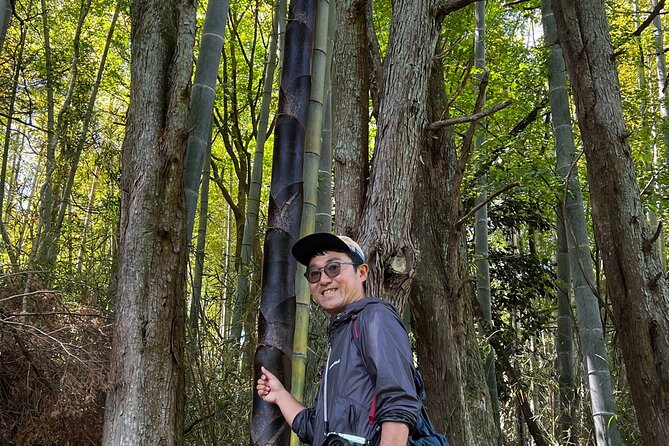
After the cedar avenue, you reach the Hakone Checkpoint. This is one of the best stops for understanding what you’re actually walking through.
The checkpoint concept is where “pretty road” becomes “organized travel.” Your guide explains the significance of the checkpoint, which helps you see why this part of Hakone mattered. In practical terms, checkpoints were about control and order, and knowing that makes the historical setting feel grounded instead of abstract.
It’s also a short stop, around 30 minutes, so you don’t lose time to museum-style pacing. It’s history you can hold in your head while you’re still surrounded by the physical route.
If you’re the type who likes context, this is where the day turns from sightseeing into a story you can repeat later. And because you’re on a small group, questions come easily.
Stop 4: Hakone-machi lunch, then a bus hop to keep momentum
After the checkpoint, you’ll go toward Hakone-machi, where lunch happens at a local Japanese restaurant. Lunch is not included, and the group budget is around 2000 yen.
This is also a practical reset point. Hakone-machi is where you can take a breath before the second half of the walk and the final big sightseeing stop.
Then the tour uses a bus transfer to skip a part of the route that is temporarily closed. That’s smart. Without this kind of detour plan, it’s easy to waste time on route changes or dead ends when you’re traveling independently.
What you gain from the bus skip is time and clarity. The day stays coherent: walk, explain, eat, transfer, and then continue the heritage path toward the Shizuoka side.
Stop 5: Yamanaka Castle Ruins, Fuji views if you catch the light
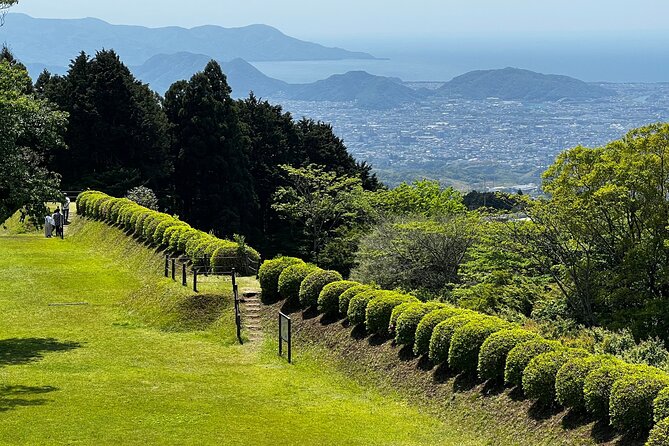
Next comes Yamanaka Castle Ruins, which you visit along the Hachiri heritage path. The stop is about 1 hour, and Mt Fuji visibility is again weather-dependent.
Castle ruins are one of those stops that work differently from “look at the building.” Instead, you often read the terrain: where someone would have wanted sightlines, where paths and routes would naturally funnel people, and why the place was useful.
That’s also why weather matters. If you get clear air, you’re more likely to see Fuji from viewpoints like this. If not, you still get the sense of elevation and the reason people traveled this route even when it was hard.
This section is where the “moderate” fitness note starts to feel real for some people. You’re still walking and exploring, so if you’re carrying snacks and water, this is where you’ll be glad you did.
Stop 6: Mishima Taisha, Genbe River, and finishing at Mishima Station
Your tour ends in Mishima, around 1 hour of final sights plus the handoff to train travel.
You’ll visit Mishima Taisha, described as the biggest shrine in Mishima, and you’ll also see Genba River. This is a nice ending because it changes pace from heritage route stepping to more familiar town landmarks.
From there, you end at Mishima Station, and you have options:
- Shinkansen to Odawara in about 15 minutes, around 2500 yen
- Shinkansen to Tokyo in about 45 minutes, around 4400 yen
- buses also run to Hakone and other Izu areas
This is worth planning for ahead of time. The tour finishes at the station, so you don’t have to figure out last-mile travel on your own after a full day.
Who this hike is best for
This is a great fit if you want:
- an Edo-period feel tied to an actual route, not just random stops
- a guide who can connect historical purpose to what you’re seeing
- a small-group hike experience (max 6 people), where it’s easier to ask questions
- the chance for Mt Fuji angles without pinning your whole day on one viewpoint
It’s also a solid option for families and mixed ages if everyone is comfortable with walking. The tour description points to moderate fitness, and the structure uses buses to reduce unnecessary strain.
If your ideal day is short and low-effort, you might find the full 7 hours too long. But if you like a classic half-day outdoors plus history, you’ll likely enjoy it.
What to bring (and how to handle the real Hakone weather)
The tour requires good weather, and Mt Fuji views depend on conditions. That means you should prepare for variability. Even if the forecast looks okay, Hakone can shift quickly.
Practical packing priorities:
- comfortable, grippy shoes for older paths
- a light layer you can add or remove
- water and a small snack, since lunch is not included and amasake or snacks cost extra
- a simple rain plan, because you still want to enjoy the day even if visibility drops
Also, because the route includes buses and walks, having a compact bag helps. You’ll want easy access to water and a layer without turning your hands into a game of tug-of-war.
Mt Fuji odds and the weather promise
This experience is framed as weather-dependent. If it’s canceled due to poor weather, you’re offered either a different date or a full refund. That’s reassuring because Mt Fuji is part of the appeal, and visibility can make or break the “wow” factor.
At the same time, remember that even in cloud cover, the route still has value. The cedar avenue, checkpoint explanations, and heritage path walking are not only about Fuji. You’re paying for the day’s structure and guided context, not just clear skies.
Should you book Hakone Hachiri with a certified guide?
I think this is worth booking if you’re the type who enjoys the “why” behind what you see. The combination of 8 km walking, Lake Ashi shoreline with Heiwa no Torii, and checkpoint history makes it more than a scenic hike. Add in a small group and a guide like Aki or Akihiro who helps people connect dots and even takes photos, and it becomes an efficient use of time in Hakone.
Skip it if you want a totally flexible self-guided itinerary, or if you’re trying to avoid any physical effort at all. The day is built as a full 7-hour outing, with moderate hiking and transfers that still require attention and stamina.
FAQ
How long is the Hakone Hachiri hike?
It runs about 7 hours.
How much walking is included?
You hike around 8 km during the experience.
Where do you start and end the tour?
You start at Hakone-Yumoto Station and end at Mishima Station.
What’s included in the price?
A national certified pro guide with wilderness first aid certificate is included, along with features like a mobile ticket and group discounts.
Is lunch included?
No. Lunch is not included, and it’s listed as around 2000 yen for your group.
What transportation is used during the day?
You use a mix of walking and local bus transfers, including a shared taxi to reach the trailhead and a bus to skip a temporarily closed section.
What happens if the weather is poor?
This experience requires good weather. If it’s canceled due to poor weather, you’ll be offered a different date or a full refund.
If you tell me your travel month and whether you care most about Mt Fuji or the historical checkpoint, I can help you decide if this is the right day plan for your Hakone and Izu route.
More Historical Tours in Hakone
More Guided Tours in Hakone
More Tour Reviews in Hakone
Not for you? Here's more nearby things to do in Hakone we have reviewed





Hakone Day Trips, side by side.
 ★ 5.0Mt Fuji and Hakone 1-Day Bus Tour Return by Bullet TrainFrom $16326,383 reviews
 ★ 4.0Mt Fuji & Hakone Cruise, Drum Show Bullet Train 1 Day from TokyoFrom $1497,413 reviews
 ★ 4.4Tokyo Mt Fuji 5th St & Hakone Cruise Bus Tour w/Bullet TrainFrom $1545,024 reviews
 ★ 4.7Mt. Fuji Tour, Hakone Ropeway, Owakudani, Lake AshiFrom $544,002 reviews
 ★ 4.2Mt. Fuji 5th Station & Hakone Cruise 1-Day Bus TourFrom $1292,381 reviews
 ★ 5.0Private Tour to Mt. Fuji and Hakone (Fully Licenced Operator)From $4971,910 reviews
 ★ 4.0Mt Fuji & Hakone Cruise, Drum Show Bus 1 Day from TokyoFrom $1221,287 reviews
 ★ 4.2From Tokyo: Mt. Fuji & Hakone Tour w/ Return by Bullet TrainFrom $1171,278 reviews
This tour also belongs to